



Exploring national parks can be enjoyable for visitors of all ages and mobility levels when trails are thoughtfully designed with accessibility in mind. Many parks now feature wide, stable paths; gentle slopes; paved or boardwalk surfaces; rest areas; and well-placed viewpoints that make outdoor experiences possible for families with strollers, seniors, and anyone using mobility aids. These accessible routes open the door to scenery that once required advanced endurance or technical hiking. They also encourage slower travel, allowing visitors to appreciate everything from wildlife to geological formations at a comfortable pace. As more parks adopt inclusive planning, the range of welcoming trails has grown significantly, giving travelers across the country the opportunity to enjoy wilderness settings without facing steep climbs or uneven terrain. The parks listed below represent notable examples, each offering at least one trail where accessibility and scenic value meet.
1. Yellowstone National Park,Wyoming, Montana, Idaho
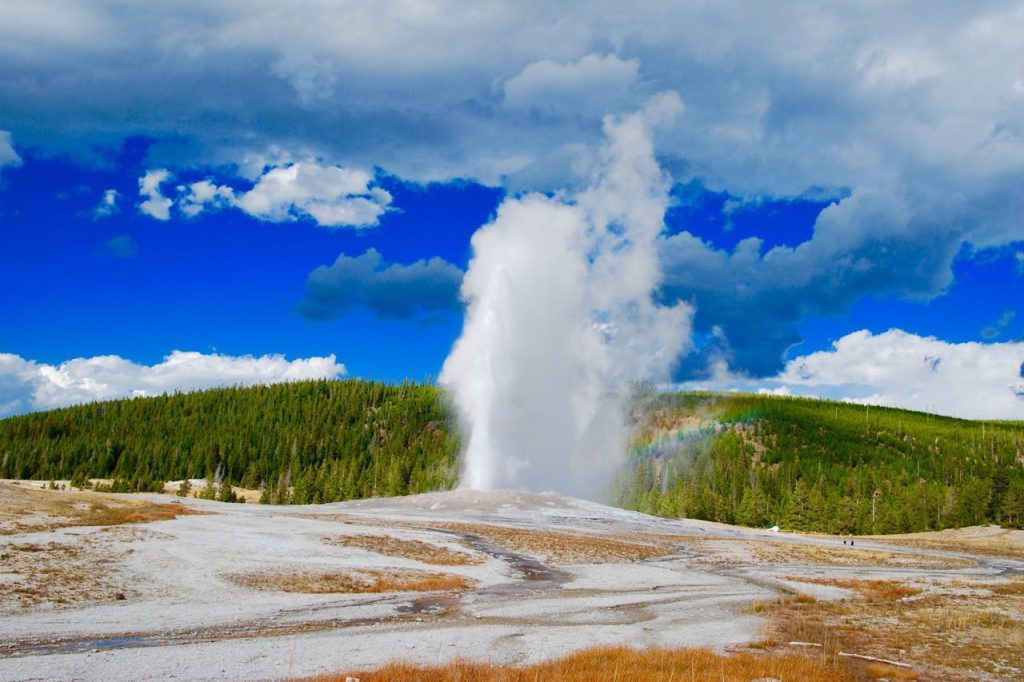
The accessible Old Faithful Geyser Loop allows visitors to move across a smooth, well-supported boardwalk that circles one of the world’s most iconic geothermal areas. This trail offers a chance to experience consistent geyser eruptions, colorful hot springs, and steam vents without tackling unpredictable footing or steep grades. The wide platform sections make it easier for wheelchairs and strollers to pass, while interpretive panels share insights into hydrothermal activity that enrich the walk. Visitors can take their time following the loop since benches are positioned at natural stopping places where families and older travelers can rest while still enjoying the landscape. Because the area remains active throughout the year, the trail creates a reliable way to experience Yellowstone’s thermal wonders even during seasons when more remote trails may be challenging.
2. Grand Canyon National Park, Arizona
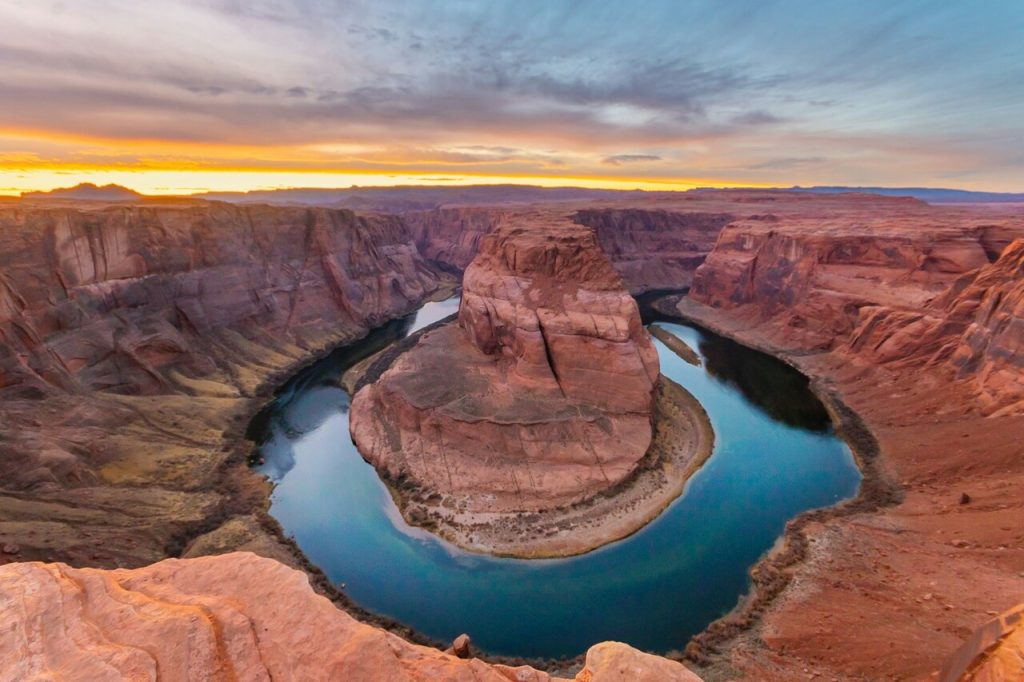
The Rim Trail, particularly the stretch between Mather Point and Yavapai Point, offers one of the most approachable ways to explore the canyon’s massive scale without navigating rugged elevation. This paved segment maintains gentle contours, allowing visitors using wheelchairs, canes, or strollers to move comfortably alongside some of the best viewpoints in the park. The layout encourages relaxed exploration, and wide overlooks provide unobstructed panoramas of layered rock formations, shadows shifting with the sun, and the expansive desert beyond. Interpretive signage along the route adds geological and cultural context, helping visitors better understand how the canyon formed. Because this area is close to shuttle stops and visitor facilities, travelers can take breaks as needed. The combination of accessibility and striking scenery makes this one of the most inclusive ways to appreciate the Grand Canyon’s dramatic beauty.
3. Zion National Park, Utah
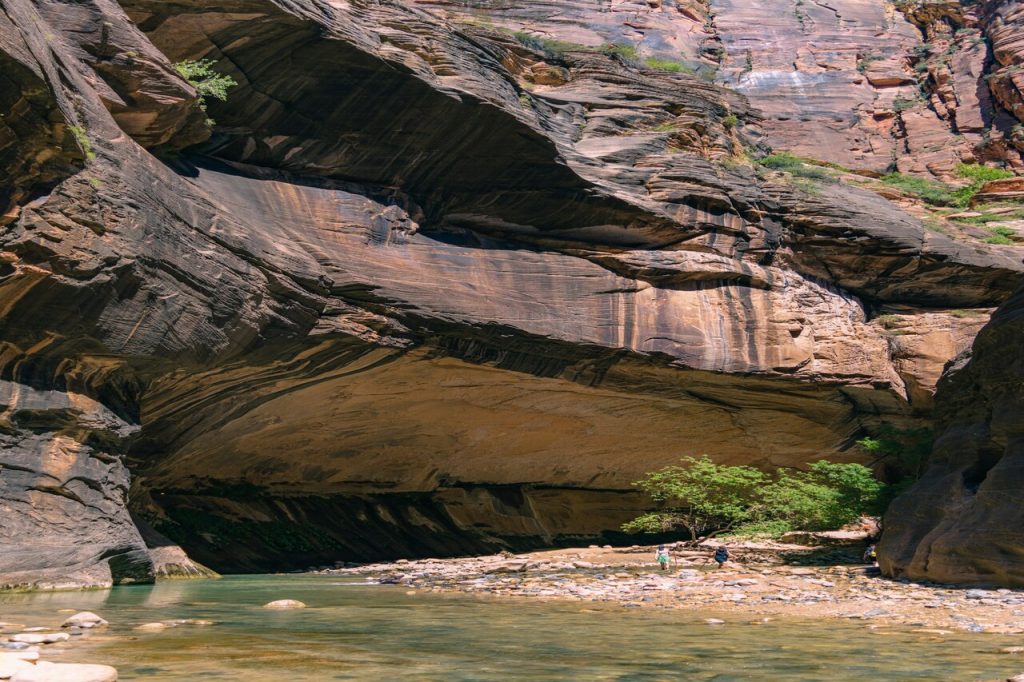
The Pa’rus Trail follows the Virgin River along a paved, mostly level path that brings visitors through open meadows and between towering canyon walls. This route was designed with accessibility in mind, offering enough width for wheelchairs, walkers, and families with strollers to move comfortably without crowding. The scenery transitions gradually, creating a gentle sense of immersion in the valley rather than requiring visitors to tackle steep climbs typical of other Zion trails. Because it lies slightly outside the busiest canyon areas, the Pa’rus Trail offers a quieter and more relaxed experience even during high visitation periods. Wildlife sightings, river crossings via smooth bridges, and changing light on the sandstone cliffs give travelers plenty to see without needing to push through challenging terrain. It is a route well suited to multi-generational groups who want the iconic Zion atmosphere in a friendly, accessible format.
4. Yosemite National Park, California
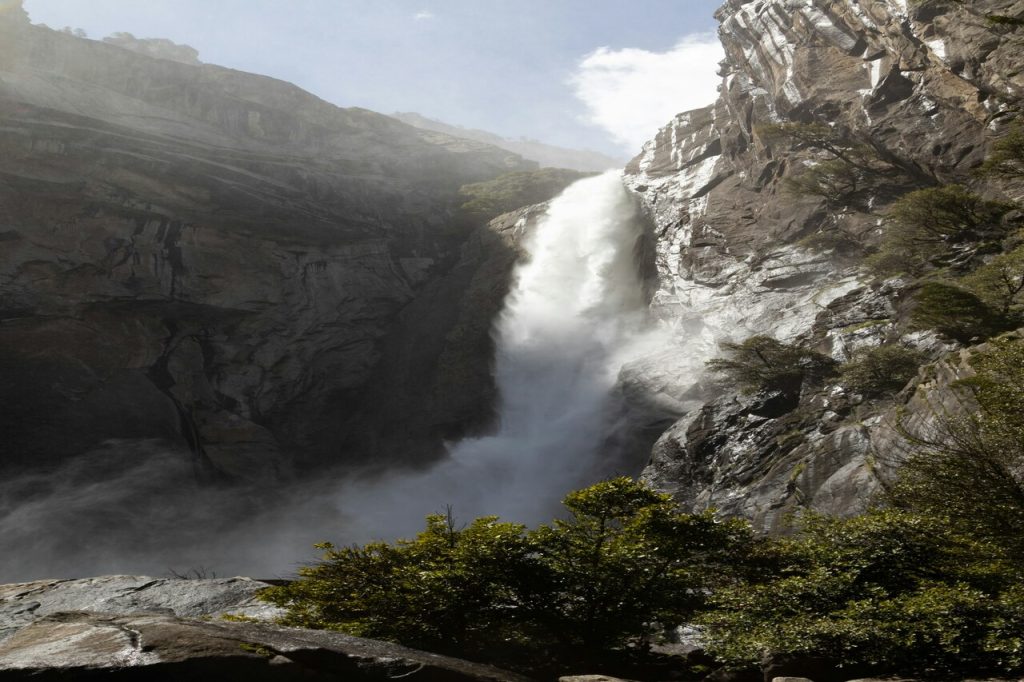
The Lower Yosemite Fall Trail offers an accessible way to reach one of Yosemite Valley’s most photographed natural features, and its gentle design makes it ideal for visitors seeking a manageable but rewarding experience. The loop is paved and wide, moving through shaded forest before opening to a dramatic viewpoint at the base of the falls. Mist from the waterfall sometimes drifts across the path, adding to the sensory experience without creating slippery conditions thanks to durable surfacing. Interpretive signs share information about glacial history and ecological dynamics, encouraging visitors to engage deeply with the surroundings. Because this trail is located near major valley amenities, it is easy for families and older travelers to enjoy without long transfers or steep approaches. The combination of accessibility, natural beauty, and interpretive depth makes it one of the park’s most inclusive highlights.
5. Acadia National Park, Maine

Near Sand Beach, the accessible segment of Acadia’s Ocean Path provides a steady and comfortable route along the rugged Maine coastline. While much of the surrounding shoreline is uneven and rocky, this portion of the path is smooth and level, allowing visitors using mobility aids to enjoy the ocean views without risk of unstable footing. The trail connects travelers to the sounds of crashing waves, the scent of salt air, and the sight of granite cliffs rising above cold Atlantic waters. It also gives families an easy way to explore without facing steep grades common in other sections of the park. Interpretive stops and rest points offer time to appreciate the area’s natural features at a slow and immersive pace. This trail creates an inclusive introduction to Acadia’s dramatic coastline while maintaining a comfortable walking experience for nearly all visitors.
6. Great Smoky Mountains National Park , Tennessee and North Carolina

The Sugarlands Valley Nature Trail is a showcase for accessible trail design in a park known for its diverse forest landscape. This short, paved loop offers a calm and scenic walk through wooded areas rich with wildlife, small streams, and remnants of early Appalachian settlements. The layout is flat and predictable, making it suitable for wheelchairs, mobility devices, and visitors who prefer gentle, stable terrain. Interpretive signs describe the cultural history of former homesteads in the valley as well as the ecological variety that makes the Smokies one of the most biodiverse regions in the country. Because the trail begins near a major visitor center, it is easy to reach and navigate without logistical challenges. This makes it an excellent choice for families with young children, older travelers, and anyone seeking a peaceful introduction to the park’s landscape at an easy pace.
7. Rocky Mountain National Park , Colorado
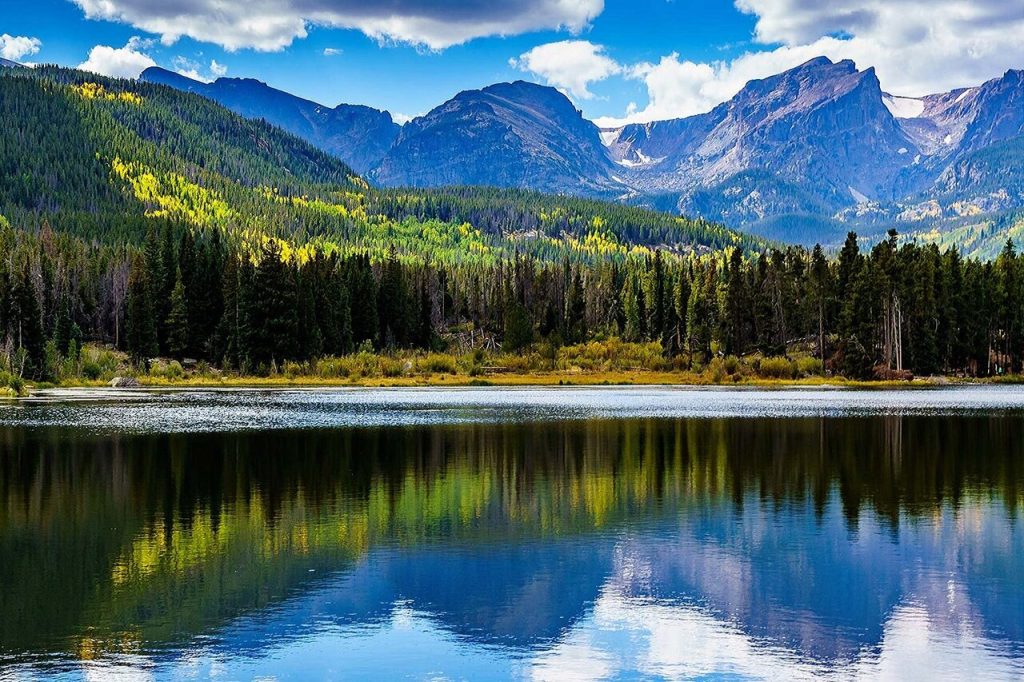
The accessible loop around Sprague Lake offers one of the most scenic yet approachable experiences in the park, giving visitors a chance to enjoy mountain reflections, alpine air, and wildlife without needing to tackle the steep and uneven terrain typical of higher elevation routes. The path is compacted, wide, and level enough to accommodate wheelchairs, mobility scooters, and strollers. Benches placed at intervals around the lake allow visitors to rest while taking in views of the Continental Divide, whose peaks rise dramatically in the distance. Because the lake often sits calm in the early morning and evening, the trail provides an ideal setting for photography or quiet observation of birds, elk, and small mammals. The thoughtful design of the loop makes it welcoming for multi-generational families, older travelers, and anyone who prefers a slower pace while still experiencing the grandeur that defines Rocky Mountain National Park. The manageable length also means visitors can spend more time appreciating details in the landscape rather than exerting energy on strenuous climbs, creating an accessible and rewarding outdoor experience.
8. Bryce Canyon National Park ,Utah

The accessible segment of the Rim Trail between Sunset Point and Sunrise Point is one of the most inclusive ways to experience Bryce Canyon’s dramatic formations. This paved walkway moves along the lip of the canyon with only mild gradations, giving visitors who rely on mobility aids or who prefer stable footing a safe and predictable surface. The trail provides continuous views of the bright orange and red hoodoos that fill the amphitheater below, and the open layout offers a front-row vantage point without requiring descent into the more demanding inner trails. Frequent viewpoints allow visitors to stop, rest, and take in shifting colors as the sun moves across the sky. Because this section is close to shuttle stops, facilities, and interpretive areas, it is easy to incorporate into a relaxed visit. Travelers can spend long stretches admiring the hoodoos’ unusual shapes, which appear to change form depending on angle and light, creating a calm but engaging experience suitable for all ages.
9. Arches National Park, Utah

The Balanced Rock Trail is a short but visually impressive loop that offers a gentle introduction to the park’s sandstone formations. While many trails in Arches involve uneven slickrock or moderate elevation changes, this route provides a mostly level, hardened surface that is manageable for visitors with mobility limitations or those traveling with small children. The path circles the massive Balanced Rock, allowing visitors to observe its scale from different angles as they move around the loop. Because the formation stands alone in an open expanse, it is easy to appreciate the surrounding desert views without the need for long approaches. The trail’s length makes it an excellent option for travelers seeking a low-effort but memorable experience, especially during high heat when longer hikes become challenging. The loop’s predictable surface and proximity to parking areas help ensure that visitors can spend more time enjoying the formations and less time navigating difficult terrain.
10. Everglades National Park, Florida
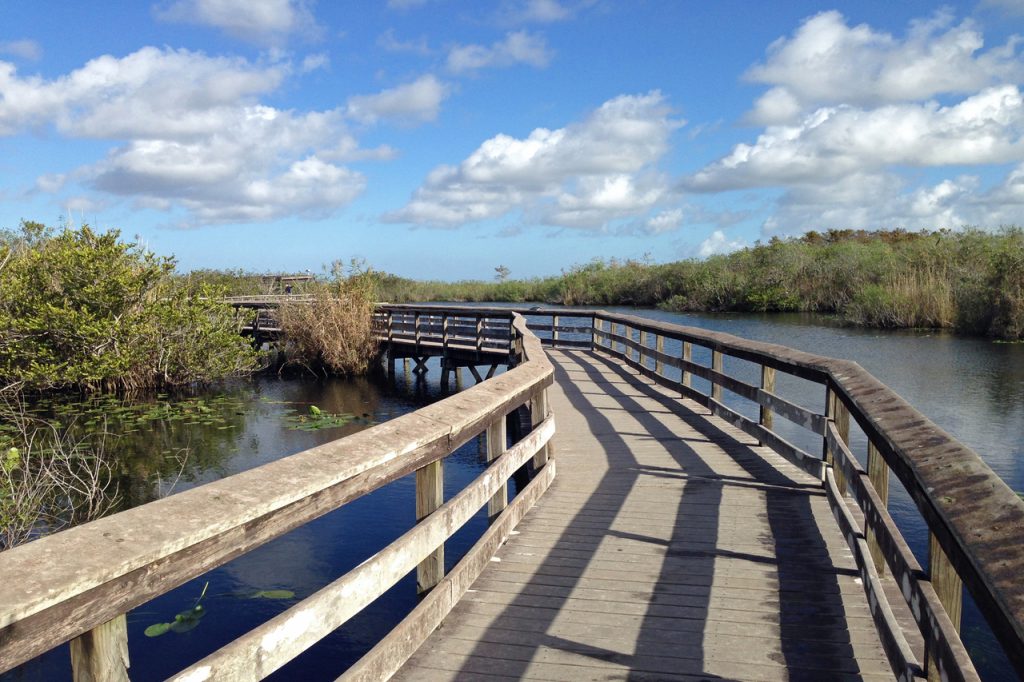
The Anhinga Trail offers an accessible pathway deep into the Everglades ecosystem, blending paved sections with sturdy boardwalks that glide over marshes teeming with wildlife. Because the terrain in the Everglades is naturally flat, the trail maintains a consistent grade that is easy for wheelchairs and strollers to navigate. Visitors can safely observe alligators, turtles, herons, anhingas, and other species from rail-lined platforms that bring them close to the water without risk. The open design of the boardwalk creates clear sightlines in all directions, making it possible to spot wildlife with minimal effort. Interpretive signs along the route describe the significance of the wetland environment and its seasonal rhythms. The ease of access and high probability of wildlife encounters make this trail one of the most rewarding for families, photographers, and visitors who want to experience the Everglades’ natural richness without strenuous walking. Shade is limited, but rest areas and benches provide opportunities to pause and enjoy the sounds and movement within the wetlands.
11. Mount Rainier National Park, Washington

The Nisqually Vista Trail, located near the popular Paradise area, offers a paved and gently sloping loop with expansive views of Mount Rainier’s snowfields, glacial formations, and wildflower meadows. Although the surrounding landscape is known for challenging climbs, this particular trail was designed to support accessible travel, making it ideal for visitors who prefer predictable footing and smooth surfaces. During summer, the meadow bursts into a dense mosaic of color featuring lupines, paintbrush, and other alpine flowers that draw in pollinators and create a vivid backdrop for walkers. The layout allows visitors to stop often for photography or wildlife observation without obstructing the path. Because the viewpoint areas are open and broad, even groups with varied mobility can gather comfortably. The combination of accessibility, high elevation scenery, and interpretive information about the mountain’s geological and ecological features makes this trail a standout for inclusive outdoor experiences. Visitors can enjoy commanding views without needing to undertake the steep ascents typical of the area.
12. Badlands National Park, South Dakota
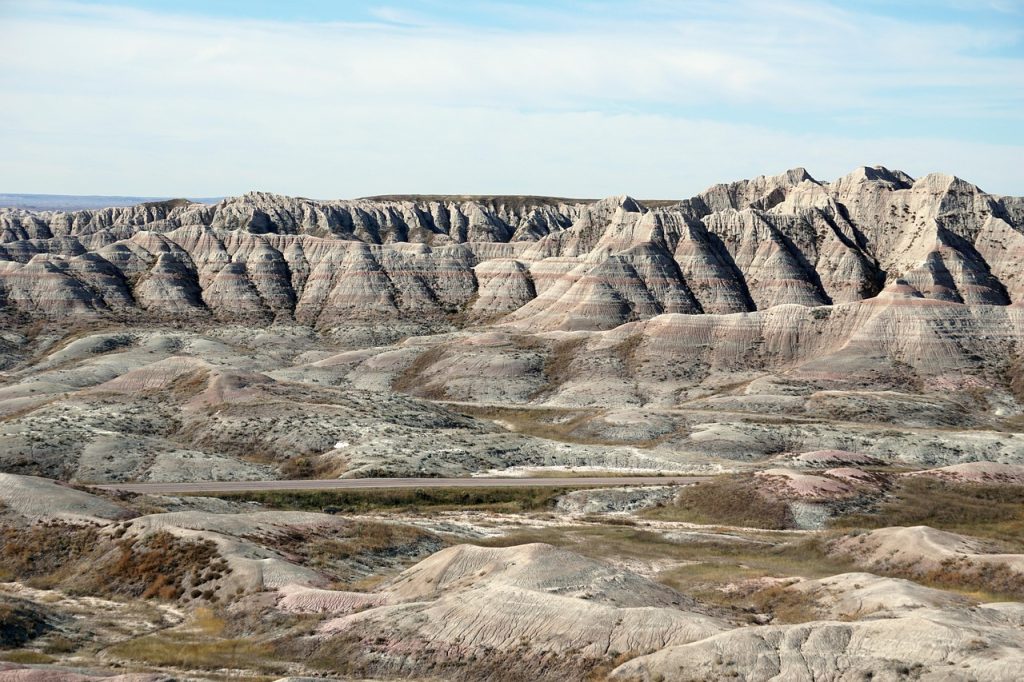
The Fossil Exhibit Trail is a fully accessible boardwalk that creates an easy and informative introduction to the Badlands’ geological story. The trail winds smoothly through a landscape of sharply eroded buttes and ridges, allowing visitors to appreciate the formations without navigating unstable or sloping ground. Along the boardwalk, interpretive displays highlight real fossils found in the region and explain how the area once hosted ancient mammals, now preserved in the layered sediment. The wide path provides enough space for wheelchairs, strollers, and slow-moving groups to travel comfortably without feeling rushed. Because the route is short but content rich, visitors often spend extended time pausing at each exhibit to absorb details about prehistoric species and the geological forces that shaped the Badlands over millions of years. The predictable surface and secure railings help ensure that visitors of all ages can immerse themselves in the park’s unique landscape and scientific history without difficulty.

