



Road trips remain a favorite way to explore America, yet fuel prices increasingly shape routes, timing, and expectations. Regional taxes, supply logistics, and environmental policies influence costs at the pump, nudging travelers toward shorter drives, slower speeds, or alternative itineraries. In some states, higher prices encourage scenic detours and overnight stops, while elsewhere affordability supports longer loops and spontaneous plans. This overview examines how fuel costs affect travel choices across specific states, highlighting practical adjustments drivers make. Understanding these patterns helps explain changing road trip habits nationwide as conditions evolve amid fluctuating markets and seasons.
California

California road trips reflect high fuel prices driven by taxes, regulations, and geography. Drivers often plan shorter daily distances, favor coastal highways, and combine errands to reduce refueling stops. Electric vehicle adoption and charging planning influence itineraries statewide. Urban congestion encourages off peak travel hours, while rural stretches demand careful range calculations. Travelers budget more for gas and allocate savings elsewhere, such as lodging choices or meal planning. The result is a deliberate pace that emphasizes destinations over distance, reshaping classic long haul drives into focused regional journeys across diverse landscapes and communities statewide today.
Hawaii
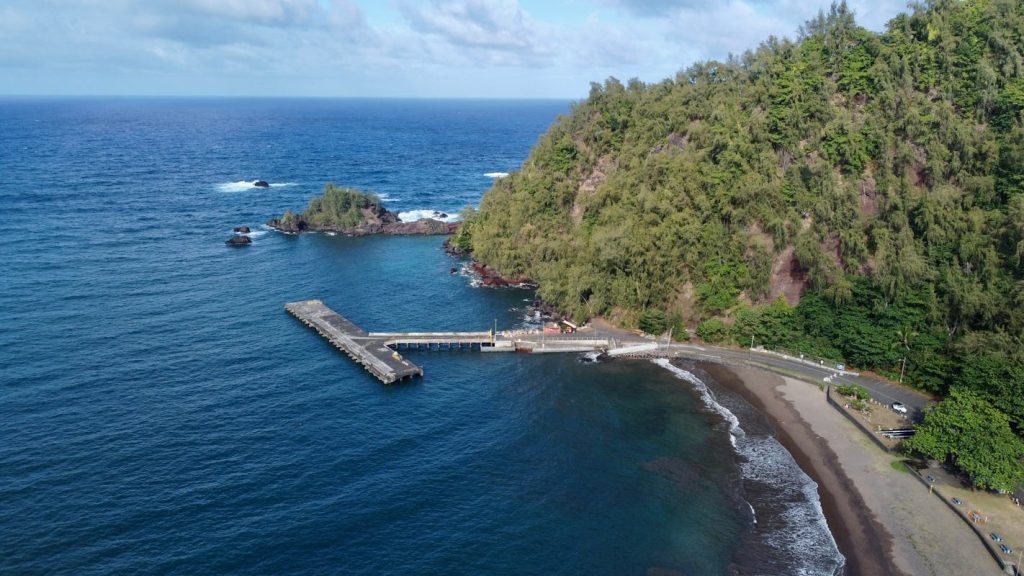
Hawaii road trips, especially on islands like Oahu and Maui, feel fuel costs immediately because supply relies on shipping. Drivers favor compact routes, car sharing, and efficient planning to minimize miles. Shorter island distances help offset higher prices, but frequent stops add expense. Visitors often cluster activities geographically, reducing backtracking. Rental car choices increasingly prioritize efficiency. Fuel awareness shapes daily schedules, encouraging exploration of nearby beaches and towns rather than island wide loops. Travel becomes more localized, highlighting neighborhood experiences and walkable areas over extended drives across scenic coastlines and volcanic terrain throughout the islands.
Washington
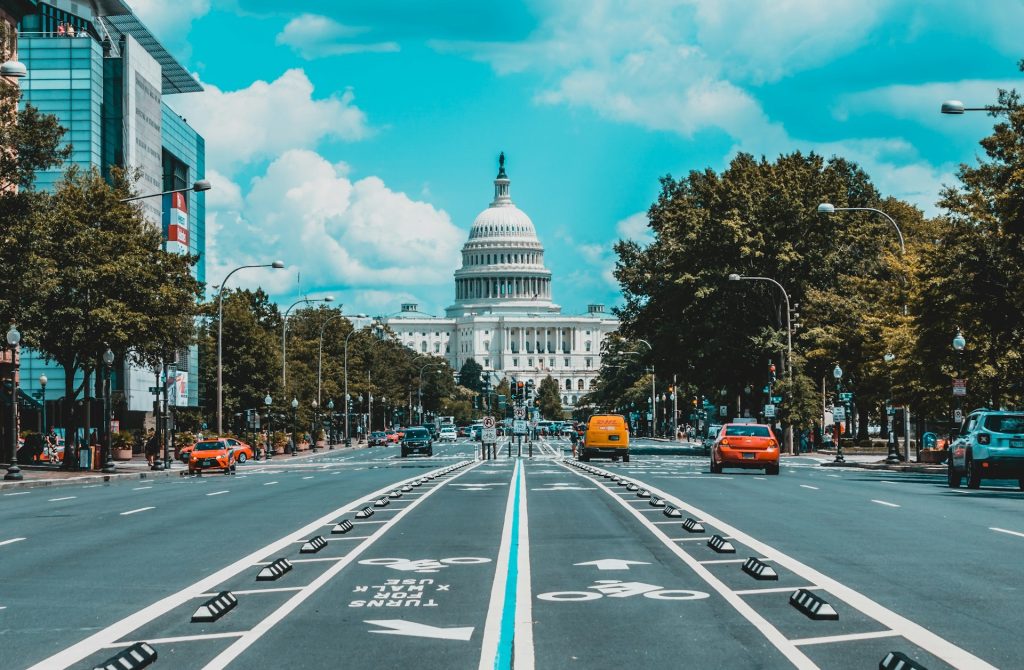
Washington road trips show how fuel prices interact with environmental policy and urban density. Higher costs around Seattle influence travelers to avoid congestion and choose scenic secondary highways. Ferry use, public transit connections, and fuel efficient vehicles factor into planning. Mountain passes require careful fuel management during seasonal travel. Drivers often shorten routes, pairing national park visits with nearby towns. Budget conscious choices favor fewer miles and longer stays. The result supports slower travel rhythms that emphasize landscapes, parks, and coastal communities rather than extensive interstate mileage across forests, islands, and inland valleys throughout the state.
Oregon

Oregon road trips reflect moderate fuel prices combined with long scenic corridors. Travelers prioritize coastal stretches, forest routes, and compact itineraries that reduce backtracking. Self service fuel laws influence stop planning and timing. Visitors often cluster destinations like beaches, waterfalls, and small towns within regions. Longer rural distances encourage advance refueling strategies. Budget awareness supports overnight stays near attractions rather than extended daily driving. The approach favors immersive regional exploration over cross state mileage, shaping trips around natural features and local culture instead of distance goals across mountains, valleys, and rugged Pacific shoreline landscapes.
Nevada

Nevada road trips highlight fuel planning across vast desert distances. Prices fluctuate between urban centers like Las Vegas and remote highways. Drivers carefully map refueling points, especially when traveling between national parks and small towns. Shorter loops and direct routes reduce risk and expense. Air conditioning demands in hot seasons increase fuel use, shaping travel timing. Visitors often combine destinations strategically, minimizing long detours. The experience emphasizes preparation and efficiency, transforming wide open drives into calculated journeys focused on key stops rather than spontaneous exploration across expansive basins, ranges, and sparsely populated corridors statewide.
Arizona
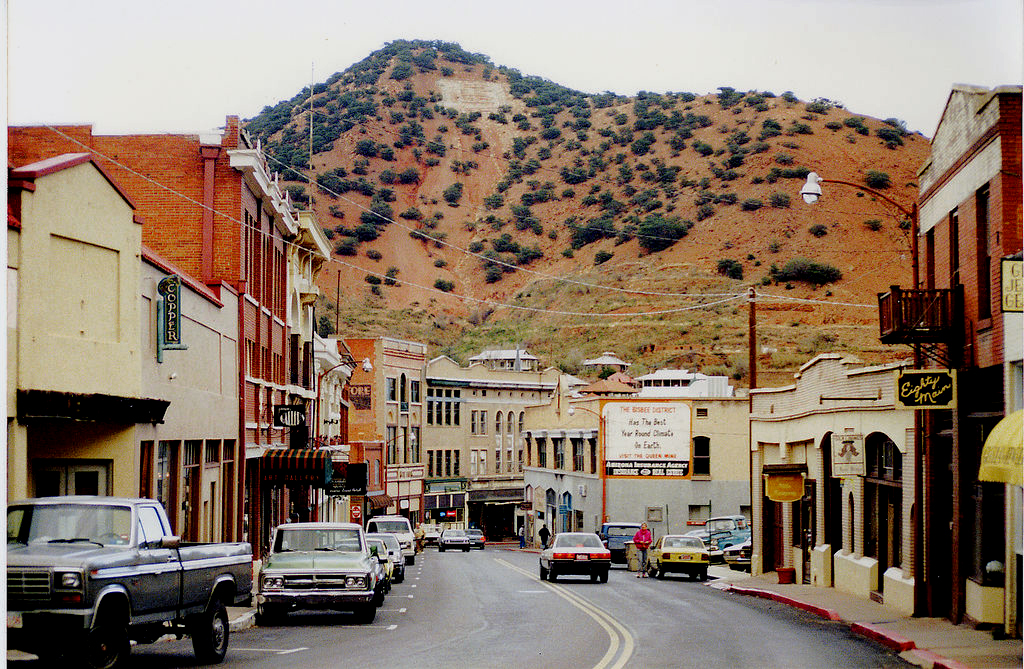
Arizona road trips balance fuel costs with extreme climate considerations. Long stretches between towns encourage conservative driving and careful refueling. Higher summer temperatures increase consumption, influencing seasonal travel choices. Drivers often favor early morning departures and efficient routes. Scenic byways near national parks attract visitors who cluster stops geographically. Budget planning prioritizes fewer miles and longer stays in hubs. Fuel awareness reshapes classic desert drives into thoughtful itineraries that highlight regional attractions while minimizing unnecessary distance across mesas, canyons, and desert highways connecting cities and recreation areas throughout the state year round.
Texas

Texas road trips respond to generally lower fuel prices but immense distances. Drivers still plan carefully due to scale, choosing direct highways and grouping destinations. Urban sprawl around major cities influences timing and route selection. Fuel affordability supports longer loops, yet efficiency remains important for extended drives. Travelers often focus on regional themes, such as Hill Country or Gulf Coast trips. The result blends freedom with practicality, encouraging exploration within defined zones rather than constant cross state travel, shaping experiences around cultural regions, landscapes, and food traditions instead of sheer mileage across the vast state during long vacations.
Florida

Florida road trips reflect fuel prices alongside heavy tourism traffic. Coastal routes, toll roads, and seasonal congestion affect consumption. Drivers often plan off peak travel times and shorter daily distances. Theme park regions encourage centralized lodging to limit driving. Visitors cluster beach, dining, and attraction stops. Fuel budgeting influences rental car choices and itinerary pacing. The approach favors localized exploration over long inland drives, reshaping trips into relaxed coastal circuits that emphasize accessibility, scenery, and climate comfort across peninsulas, keys, and resort corridors throughout the state during peak travel seasons annually as visitor volumes continue rising.
New York

New York road trips highlight fuel costs shaped by taxes and urban density. High prices near metropolitan areas encourage travelers to limit driving and use public transit connections. Upstate routes require careful planning between towns. Visitors often choose rail assisted trips paired with short drives. Scenic regions like the Adirondacks attract longer stays with reduced mileage. Fuel awareness shifts focus toward destination based travel. The pattern supports fewer miles and richer experiences, transforming road trips into curated regional journeys emphasizing towns, parks, and cultural stops rather than extended interstate driving across the diverse state landscape during changing seasonal travel patterns.
Illinois
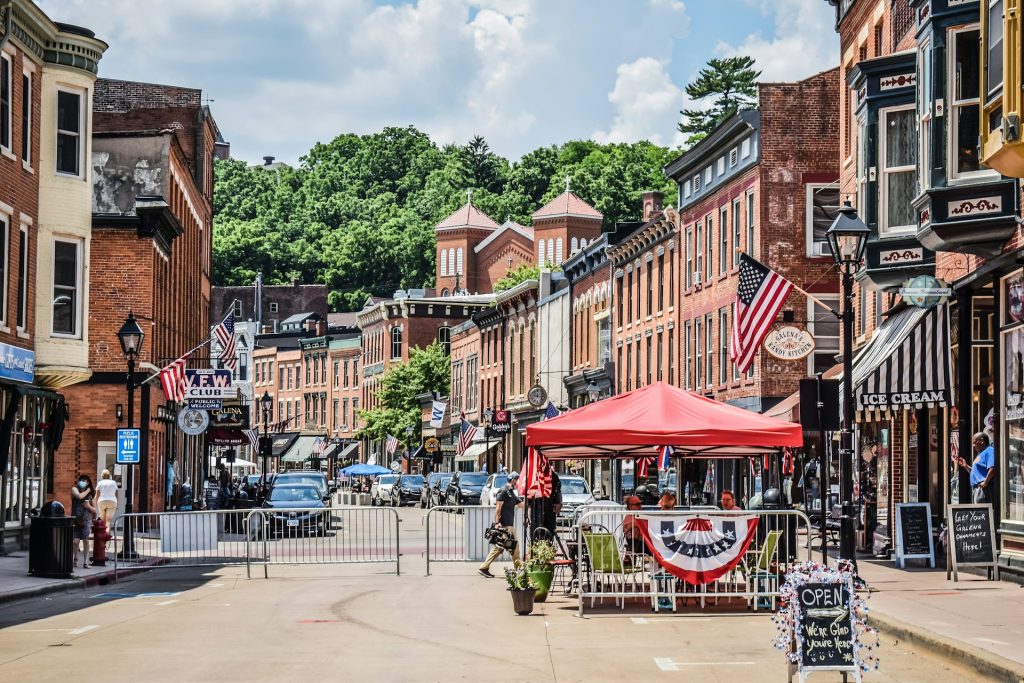
Illinois road trips reflect fuel prices influenced by taxes and commuter demand. Drivers around Chicago plan routes to avoid congestion and excessive idling. Rural areas encourage steady cruising and planned refueling. Travelers often focus on direct routes connecting cities and attractions. Budget considerations favor fewer side trips and strategic overnight stops. Fuel awareness shapes pacing, supporting efficient travel across flat terrain. The result emphasizes practicality and planning, reshaping traditional Midwestern drives into streamlined itineraries centered on key destinations, historic towns, and accessible natural areas rather than long continuous mileage across the state’s agricultural heartland.

