


Bahrain, a tiny island nation nestled in the shimmering waters of the Arabian Gulf, presents a rich tapestry of history, vibrant culture, and contemporary attractions. Travelers can wander through centuries-old archaeological sites, relax on pristine beaches with crystal-clear waters, explore diverse museums showcasing its storied past, and browse bustling local markets filled with colorful crafts and aromatic spices, all within a single, captivating trip.
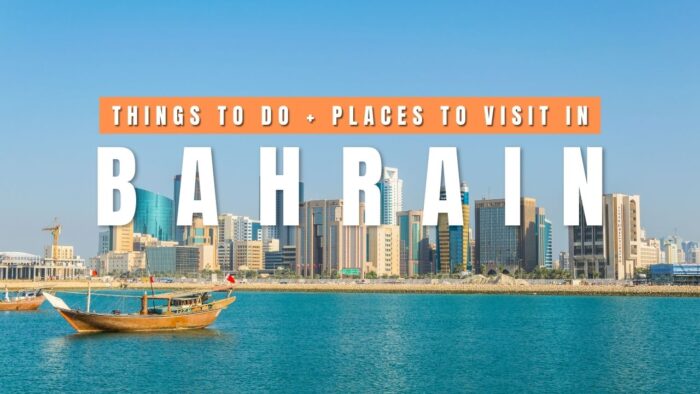
Things to do in Bahrain
Bahrain offers activities from cultural experiences and water-based fun to shopping and dining, giving visitors plenty of options for any interest. The kingdom is easy to navigate, with many attractions close together. Whether you spend a weekend or longer, you’ll find activities that suit your travel style.

1) Visit Bahrain Fort, a UNESCO World Heritage Site
Bahrain Fort stands as one of the island’s most important historical landmarks. You’ll find this ancient site near Manama, overlooking the sea and offering views of palm trees and the modern city skyline.
The fort is also called Qal’at al-Bahrain. It has layers of history that go back 4,500 years to the third millennium BCE. When you explore the site, you’ll walk through ruins from different time periods, including the ancient Dilmun civilization and the Portuguese era.
A museum at the fort helps you understand what you’re seeing. It displays artifacts and explains the archaeological discoveries made at the site.
You can visit between November and March for the most comfortable weather. The fort looks especially beautiful at night, lit up. Many visitors enjoy evening walks around the historical grounds.
The location is easy to reach from Manama. You can combine your visit with other nearby attractions, such as the Bahrain National Museum and Al Fateh Grand Mosque.

2) Explore the Lost Paradise of Dilmun Water Park
The Lost Paradise of Dilmun is Bahrain’s largest water park. It covers 77,000 square meters and offers more than 40 rides, slides, and attractions for all ages.
The park takes inspiration from the ancient Dilmun civilization and Bahrain’s history. You’ll find unique themed areas that set it apart from other water parks in the region.
Young children can enjoy dedicated kiddie areas with gentle slides and shallow pools. Adults and teens can try fast-moving rides and thrilling water slides. The park also offers relaxing options, such as spa pools and an oasis pool, where you can unwind.
You can rent a cabana for the day, which typically includes towels and bottled water. The park has multiple dining options when you need a break from the water.
The facility maintains high standards of cleanliness and safety. Staff are attentive and help ensure a smooth experience for visitors. Beyond the water attractions, you’ll find an arcade and live entertainment shows throughout the day.

3) Discover marine life at Marassi Aquarium & Underwater Zoo
Marassi Aquarium & Underwater Zoo is the largest aquarium in Bahrain. You’ll find it inside Marassi Galleria, making it easy to visit during a shopping trip or day out.
The aquarium features over 200 species of marine life from around the world. You can see sharks, rays, seahorses, and live coral as you walk through different zones. The Ocean Trench offers a large panoramic view of various sea creatures swimming together.
Each zone shows a different underwater environment. The Reef Zone displays colorful tropical fish and coral formations. The Rainforest Lagoon features freshwater species like Arapaima. You can also spot the Giant Pacific Octopus during your visit.
The Touch Tank lets you interact with certain marine animals up close. You can crawl through immersive exhibits that put you in the underwater environment. A rope bridge adds another way to view the displays from different angles.
This attraction works well for families with children and anyone interested in ocean life. The aquarium provides both entertainment and education about marine ecosystems.

4) Stroll through Manama Souq for traditional shopping
Manama Souq sits in the heart of Bahrain’s capital and offers an authentic market experience. You can find spices, gold, handicrafts, and local foods as you walk through the narrow alleys.
The souq connects to Bab Al Bahrain, a historic gateway that marks the entrance to this shopping area. You’ll see locals and visitors browsing the stalls together.
Traditional Bahraini items make good souvenirs here. Vendors sell everything from aromatic spices to handmade crafts. The gold shops display jewelry if you want to browse or buy precious metals.
You can also try local foods from small stalls throughout the market. The atmosphere blends old and new, with traditional architecture housing modern shops. Early morning visits offer a quieter way to explore the alleys. Souq offers a glimpse of daily life in Bahrain. You’ll find reasonable prices if you’re willing to negotiate with sellers. Plan to spend an hour or two walking through the market’s different sections.

5) Relax at Al Jazayer Beach
Al Jazayer Beach offers a peaceful escape from Bahrain’s busy city life. The beach features clear blue waters and clean golden sands along the Arabian Gulf coastline.
You can enjoy several activities during your visit. Swimming in the calm waters is popular, and the beach also offers water sports for those wanting more action. If you prefer to stay on land, the sandy shore is ideal for beach volleyball or relaxing in the sun.
The beach provides good facilities for visitors. You’ll find clean restrooms, showers, and changing rooms on site. Food and beverage outlets include cafes and an ice cream shop. These amenities make it easy to spend hours at the beach.
Families often visit this beach because of its clean environment and safe swimming areas. The beach has play areas for children and space for building sandcastles or playing beach games.
The location in Zallaq makes it accessible from most parts of Bahrain. You can visit throughout the day, though sunset is especially nice for experiencing the beach.

6) Tour the Bahrain National Museum
The Bahrain National Museum opened in 1988 and stands as the largest public museum in the country. You’ll find it in Manama, where it houses collections spanning from ancient times to the present day.
Inside, you can explore six main exhibition halls. The displays cover important periods, such as the Tylos era and the Islamic period. You’ll see artifacts that tell the story of Bahrain’s maritime history, including navigation tools and old ships.
The museum features life-sized models of a traditional marketplace. This gives you a sense of how commerce worked in Bahrain’s past. You can also learn about the country’s pearling industry, which played a major role in its economy.
The museum offers art displays and a café with views of the lake. These amenities make your visit more comfortable. The exhibitions include engaging activities for visitors of all ages.
Your tour offers insight into Bahrain’s cultural heritage and how the island has developed over thousands of years. It’s a good stop for understanding the country’s history.

7) Experience the vibrant nightlife in the Adliya district
Adliya stands out as Manama’s main nightlife hub. This neighborhood offers a mix of bars, lounges, and restaurants that stay open late.
You’ll find Block 338 at the heart of the action. This area packs dozens of venues within walking distance of each other. The streets come alive after dark with locals and visitors moving between different spots.
The district caters to different tastes. You can choose from rooftop lounges with city views, casual bars with live music, or upscale venues with craft cocktails. Many places offer outdoor seating to enjoy the pleasant evening weather. ya’s nightlife scene blends entertainment with culture. Several venues feature local artists and musicians performing throughout the week. The area also has late-night cafes if you prefer a more relaxed atmosphere.
Most bars and lounges in Adliya open around 6 PM and stay busy until midnight or later on weekends. The neighborhood is safe and easy to walk in, with plenty of taxis available to get back to your hotel.

8) Visit Al Fateh Grand Mosque
Al Fateh Grand Mosque stands as one of the largest mosques in the world. Located in Manama, Bahrain’s capital, this place of worship welcomes both Muslims and non-Muslims.
The mosque features beautiful Islamic architecture. When you look up, you’ll see the dome adorned with detailed mosaics depicting stories from Islamic folklore. The building can hold thousands of worshippers.
You can take a guided tour to learn about Islamic traditions and practices. The staff are known for being friendly and helpful to visitors. They will explain the mosque’s features and answer your questions about Islam.
The site includes more than just the main prayer hall. You’ll find an Islamic Cultural Centre focused on education. There’s also a department for Quranic studies and an Islamic library you can explore.
Plan your visit during the mosque’s open hours for tourists. The tours are free and give you a chance to see one of Bahrain’s most important religious landmarks.

9) Walk along the Bahrain Bay promenade
The Bahrain Bay promenade offers a wide, well-maintained waterfront walkway perfect for exploring on foot. You can enjoy clear views of Manama’s modern skyline while strolling along the seaside path.
The promenade offers a calmer atmosphere than central Manama. You’ll find locals jogging, walking their dogs, and watching sunrises and sunsets here.
Several activities are available during your visit. You can rent e-scooters or bicycles to cover more ground. Water sports like kayaking and paddleboarding are also options if you want to be on the water.
The walkway connects you to nearby spots, including the Four Seasons Hotel Bahrain Bay and The Avenues Park. You’ll also get excellent photo opportunities of the Bahrain World Trade Center with its distinctive wind turbines.
Cafés line sections of the promenade, offering refreshment stops. The area remains open for walking throughout the day, making it convenient to fit into your schedule. Whether you want a quick stroll or a longer walk, the promenade adjusts to your pace.

10) Explore the Bahrain International Circuit
The Bahrain International Circuit in Sakhir stands as the Middle East’s first Formula 1 venue. Since opening in 2004, it has become one of the region’s top motorsport destinations.
You can visit the circuit year-round, not just during race events. The facility offers guided tours that take you through the paddock and pit lane. You’ll see where F1 teams work and get close to the racing technology.
If you want more excitement, book one of the driving experiences. You can ride around the actual track at high speeds or take driving lessons on the circuit. The facility also hosts various motorsport events throughout the year.
The venue includes family-friendly activities for all ages. You do not need to be a racing fan to enjoy your visit.
Plan your trip around the annual Bahrain Grand Prix if you want the full racing atmosphere. The event draws large crowds and creates an energetic environment. Regular tour days offer a more relaxed way to explore the facilities and learn about the circuit’s history.
11) Enjoy art at the Contemporary Arts Platform
Bahrain has developed a strong art scene that brings together local and international artists. The Contemporary Arts Platform lets you see diverse exhibitions and cultural events throughout the year.
You can explore works ranging from traditional Islamic calligraphy to modern installations. The galleries showcase art from the Middle East, North Africa, and South Asia. This gives you a look into different artistic styles and cultural perspectives. You’ll find film screenings, workshops, and art discussions that let you engage with the creative community. These events help you learn about artistic techniques and ideas.
The art spaces in Bahrain often occupy interesting buildings. Some are in restored historic structures, while others feature contemporary designs. This mix of old and new architecture enhances your visit.
Whether you’re an art collector or curious about visual arts, Bahrain’s galleries offer something worth seeing. The exhibitions change regularly, so you can visit multiple times and discover new works.

12) Discover the Bahrain Pearling Trail
The Bahrain Pearling Trail is a 3.5-kilometer cultural route on Muharraq Island that tells the story of Bahrain’s pearl-diving history. This UNESCO World Heritage Site comprises 17 historic buildings, including 19th-century merchant houses, pearl traders’ shops, and warehouses.
You can follow pearl-shaped streetlamps made from white concrete along the path. These lights guide you through the streets and alleys of historic Muharraq, making it easy to find the main sites.
The trail also includes three oyster beds in the nearby sea and the Bu Mahir fortress at the southern tip of Muharraq. Many of the restored buildings have been redesigned by local and international architects, and you can go inside to learn about Bahrain’s culture and traditions.
A guidA guided tour helps you get the most from your visit. You’ll see the Diver’s House, Bin Matar House, and the traditional dhow building yard. The trail covers 330,000 square meters and shows how pearling shaped Bahrain’s economy and way of life.
Travel Tips for Visiting Bahrain
Bahrain’s peak tourist season runs from November through March, when temperatures are mild, and getting around requires understanding local transport options like taxis and ride-sharing apps. You’ll need to respect local customs, particularly regarding dress codes and religious practices.
Best Time to Visit
November through March offers the most comfortable weather in Bahrain. Temperatures during these months range from 60°F to 77°F, making it ideal for outdoor activities and sightseeing.
The summer months from June to September can be extremely hot. Temperatures often exceed 100°F, and humidity is high. You’ll find fewer crowds during this period, but the heat makes outdoor exploration difficult.
Winter months also bring cultural events and festivals. The Bahrain Grand Prix typically takes place in March, attracting visitors from around the world. Hotel prices increase during major events, so book your accommodation early if you plan to attend.
Spring and fall serve as shoulder seasons with moderate temperatures. April, May, and October offer decent weather with fewer tourists than peak season.
Transportation Options
Taxis are widely available throughout Bahrain and relatively affordable. Most drivers use meters, but you should confirm the fare before starting your journey.
Popular Transport Methods:
- Ride-sharing apps (Uber and Careem)
- Rental cars with international driving permits
- Public buses (limited routes)
- Hotel shuttles
Renting a car gives you the most flexibility to explore the island. You’ll need an international driving permit in addition to your regular license. Roads are well-maintained, and signs appear in both Arabic and English.
Public buses exist but have limited routes and schedules. They’re the cheapest option, but not practical for tourists with tight schedules. Ride-sharing apps work reliably in urban areas and cost less than traditional taxis.
Cultural Etiquette
Bahrain is more liberal than some Gulf countries, but you should still respect local customs. Women don’t need to cover their hair, but modest clothing is expected in public areas.
Dress Code Guidelines:
- Cover your shoulders and knees in public spaces
- Avoid tight or revealing clothing
- Dress more conservatively in traditional areas
- Beachwear only at beaches and pools
Remove your shoes when entering someone’s home or a mosque. Use your right hand for eating and greeting, as the left hand is considered unclean. Avoid public displays of affection beyond holding hands.
During Ramadan, don’t eat, drink, or smoke in public during daylight hours. Many restaurants close during the day but open after sunset. Respect prayer times, particularly on Fridays when businesses may close temporarily.
Understanding Bahrain’s History and Culture
Bahrain’s past stretches back over 5,000 years to the ancient Dilmun civilization, while its present-day culture reflects Islamic traditions mixed with modern Gulf influences. Arabic serves as the official language, though English is widely spoken in business and tourism.
Brief History Overview
Bahrain stands as one of the oldest civilizations in the Arabian Gulf. The Dilmun civilization flourished here around 3000 BCE, serving as an important trading hub between Mesopotamia and the Indus Valley.
The island later fell under various rulers, including the Portuguese in the 16th century and the Persians. The Al Khalifa family took control in 1783 and continues to rule today. During the 19th and early 20th centuries, Bahrain became famous for pearl diving, which shaped its economy until oil was discovered in 1932.
Britain protected Bahrain from 1861 until the country gained full independence in 1971. The nation has since transformed into a modern financial center while preserving its historical sites and traditions.
Traditional Bahraini Customs
Islamic values form the foundation of Bahraini culture and daily life. You’ll notice that prayer times occur five times daily, and many businesses pause briefly for these observances.
Hospitality plays a central role in Bahraini society. Coffee and dates are traditional welcome offerings when visiting homes or conducting business. Dress modestly when exploring the country, especially at religious sites. Women should cover their shoulders and knees, while men should avoid wearing shorts in traditional areas.
The weekend runs from Friday to Saturday, with Friday being the Islamic holy day. During Ramadan, Muslims fast from sunrise to sunset, and eating or drinking in public during daylight hours is discouraged out of respect.
Language and Communication
Arabic is Bahrain’s official language, specifically the Bahraini dialect of Gulf Arabic. This dialect differs from Modern Standard Arabic used in formal settings and media.
You won’t struggle with communication barriers in most situations. English is widely spoken in hotels, restaurants, shopping areas, and tourist attractions. Many road signs, menus, and official documents appear in both Arabic and English.
Learning basic Arabic phrases enhances your experience and shows respect for local culture. Simple greetings like “Marhaba” (hello) and “Shukran” (thank you) are appreciated by locals.
Frequently Asked Questions
What are the top tourist attractions to visit in Bahrain?
Bahrain Fort stands as the most visited attraction and holds UNESCO World Heritage status. This ancient fortress dates back thousands of years and sits on the island’s northern coast.
The Lost Paradise of Dilmun Water Park ranks among the top family destinations with its slides and pools. Al Jazayer Beach provides a relaxing coastal experience with clear waters and sandy shores.
Marassi Aquarium & Underwater Zoo showcases marine life from the Arabian Gulf and beyond. The National Museum displays artifacts from the Dilmun civilization that thrived from 3200 to 330 BC.
Can you recommend family-friendly activities in Bahrain?
The Lost Paradise of Dilmun Water Park offers wave pools, lazy rivers, and slides suitable for all ages. Kids enjoy the variety of water attractions while parents can relax in shaded areas.
Marassi Aquarium & Underwater Zoo features interactive exhibits where children can learn about sea creatures. The facility includes touch pools and feeding sessions throughout the day.
Al Jazayer Beach provides safe swimming areas and playgrounds for families. Many beaches in Bahrain have calm waters that work well for young swimmers.
Where are the best places to experience Bahrain’s culture and history?
Bahrain Fort gives you direct access to archaeological sites that span multiple civilizations. The fort complex includes a museum that explains the island’s role as an ancient trading hub.
Manama Souq brings traditional Bahraini commerce to life with its narrow walkways and local vendors. You can find textiles, spices, pearls, and handcrafted items in this historic market.
The National Museum houses collections from the Dilmun era through modern times. Beit Al Quran displays Islamic manuscripts and offers insights into religious art and calligraphy.
What outdoor adventures are available in Bahrain?
Water sports thrive along Bahrain’s coastline with options for kayaking, paddleboarding, and jet skiing. Several beaches rent equipment and offer lessons for beginners.
The Tree of Life stands alone in the desert and attracts visitors who want to see this natural wonder. You can reach it by car and explore the surrounding desert landscape.
Cycling paths run along the coast in several areas of the island. The flat terrain makes Bahrain accessible for casual bike rides and longer tours.
Which markets or shopping areas should visitors explore in Bahrain?
Manama Souq remains the primary destination for traditional shopping experiences. The market operates daily and becomes most active in the evening hours when temperatures drop.
You can negotiate prices with vendors for items like textiles, incense, and local handicrafts. The pearl shops in the souq sell both natural and cultured pearls that reflect Bahrain’s pearl diving heritage.
Modern shopping malls provide air-conditioned alternatives with international brands. The souq offers a more authentic look at local commerce and social interaction.
Are there any unique culinary experiences to try in Bahrain?
Bahraini cuisine features dishes like machboos, a spiced rice dish with meat or fish. Local restaurants serve this traditional meal with yogurt and salad on the side.
Fresh seafood comes directly from the Arabian Gulf to restaurants across the island. Hamour, a type of grouper, is found on most menus and prepared in various styles.
Coffee shops serve Arabic coffee with dates as a traditional welcome. Many cafes also offer shisha and create social spaces where locals gather throughout the day and evening.
Follow and subscribe to OutofTownBlog.com on Facebook , Twitter, Instagram, Pinterest, and YouTube for more Travel-related updates.
Read:

