


Regret in travel rarely comes from a country itself. It shows up when hype meets peak crowds, confusing logistics, and prices that feel out of sync with what the day actually delivers.
U.S. tourists who feel let down often describe the same pattern: long waits, tight walkways, and an itinerary that leaves no room to sit, wander, or recover. Even beautiful scenes can feel thin when everything is timed.
These destinations are linked to that kind of disappointment most often in their busiest tourist corridors. A calmer season, fewer stops, and a little breathing room can change the entire memory. That shift is usually simple, but it matters.
Mexico
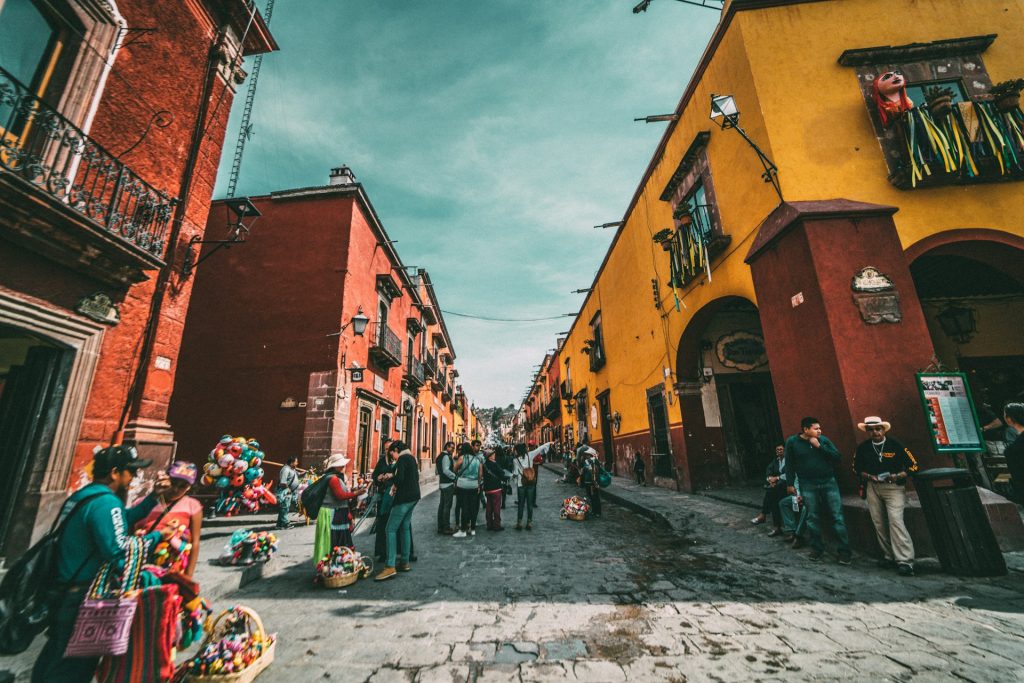
Mexico can feel like an easy win, yet the biggest resort corridors can disappoint fast. When a trip is locked to one hotel zone, days start to look the same, and the setting can feel more like a package than a place.
Peak weeks bring crowded beaches, busy roads, and excursions that run on tight scripts. Add-on costs can stack up, and the atmosphere can tilt toward wristbands, schedules, and selling rather than quiet time.
Trips often improve when time shifts to smaller towns or inland cities, where meals, markets, and local rhythm feel less staged. Shorter transfers, simpler plans, and one unhurried walk can reset the mood.
Dominican Republic
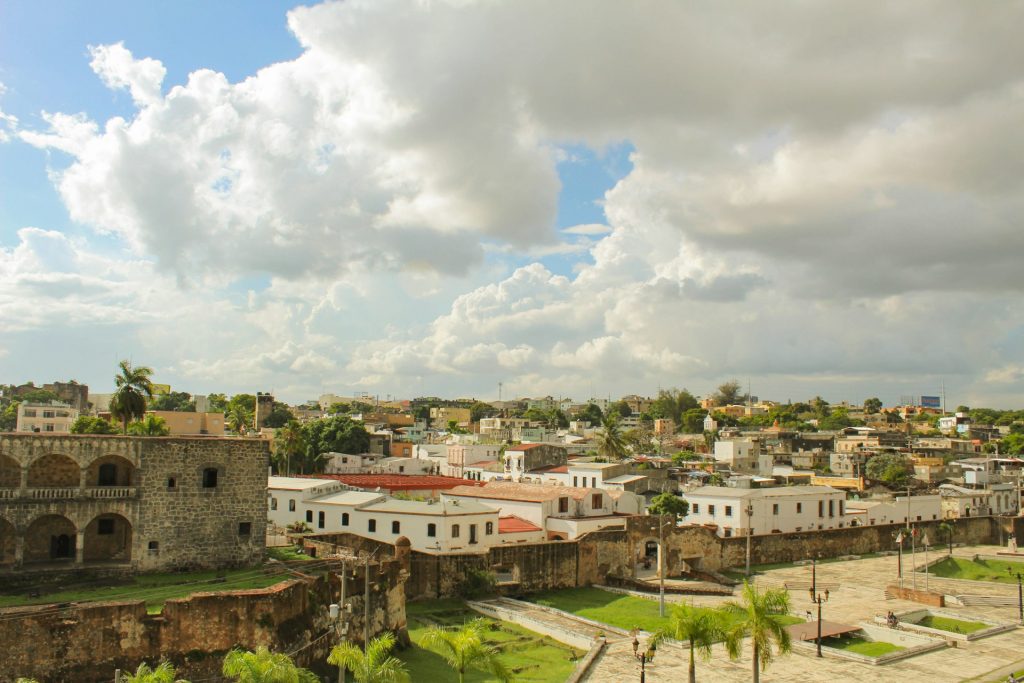
The Dominican Republic can look perfect in a brochure, yet regrets often come from staying inside a strict all-inclusive routine. When every day follows the same pool, buffet, and shuttle loop, the destination starts to blur.
In busy beach corridors, crowds concentrate around dinner seatings, tour desks, and pickup lines, which can make the experience feel rushed. Extra charges for simple upgrades can also sour the sense of value.
Trips tend to feel richer when they include a smaller town, a mountain day, or local food stops. A mix of beach time and culture gives the island room to show personality beyond the resort gates.
Türkiye
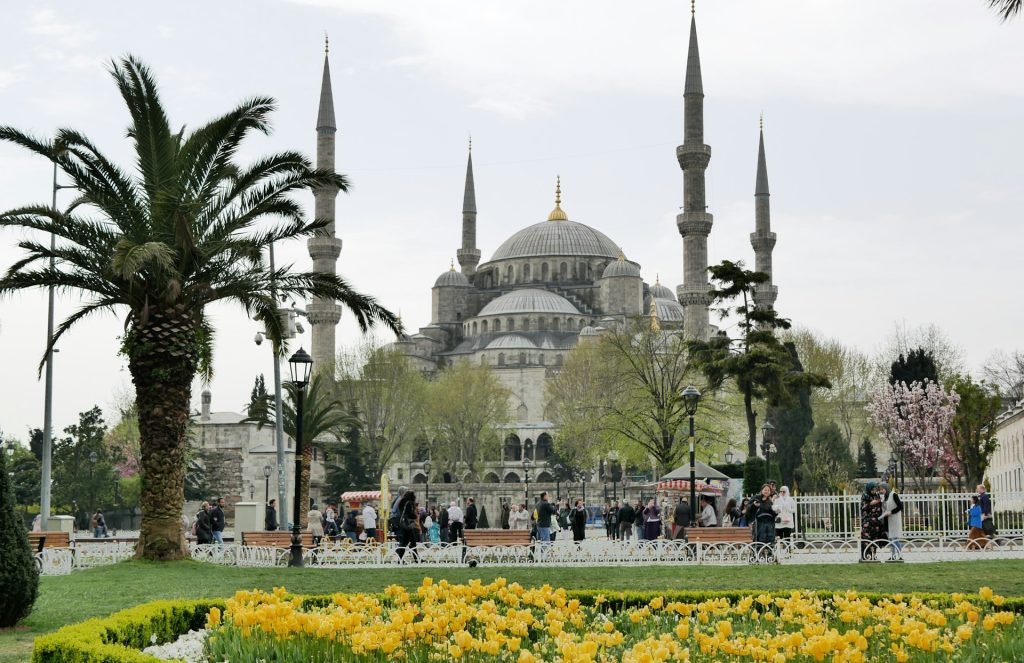
Türkiye rewards curiosity, but resort-heavy stretches can leave U.S. tourists underwhelmed. When the itinerary stays on one crowded strip, days can feel repetitive, even with historic sites and quiet coves nearby.
In peak summer, heat and volume compress promenades and marinas, and many plans run on reservations and fixed tour times. Persistent selling can make short walks feel like constant interruptions. The coast stays beautiful, just noisy.
Regret drops when travelers add Istanbul neighborhoods, smaller Aegean towns, and shoulder-season dates. Slower evenings and one long meal can reveal the depth that fast beach schedules tend to hide.
Egypt
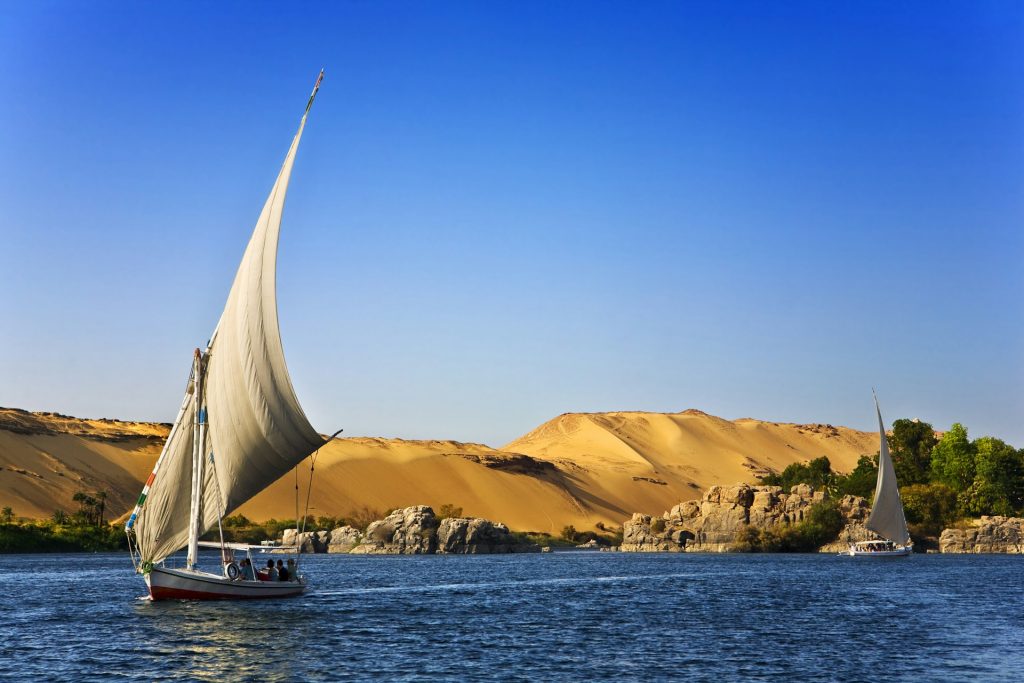
Egypt’s history is staggering, yet regrets often come from trying to see it at sprint speed. When days are packed with early buses, checkpoints, and back-to-back highlights, attention shifts from wonder to endurance.
At major sites, crowds and heat can make visits feel hurried, and the constant push to buy extras can wear people down. Confusing bundles and unclear inclusions can also create friction, especially on first trips.
Journeys tend to feel smoother with fewer daily targets, a guide who explains the rhythm, and time for museums or a slower Nile day. With breathing room, the temples feel less like stops and more like chapters.
Morocco
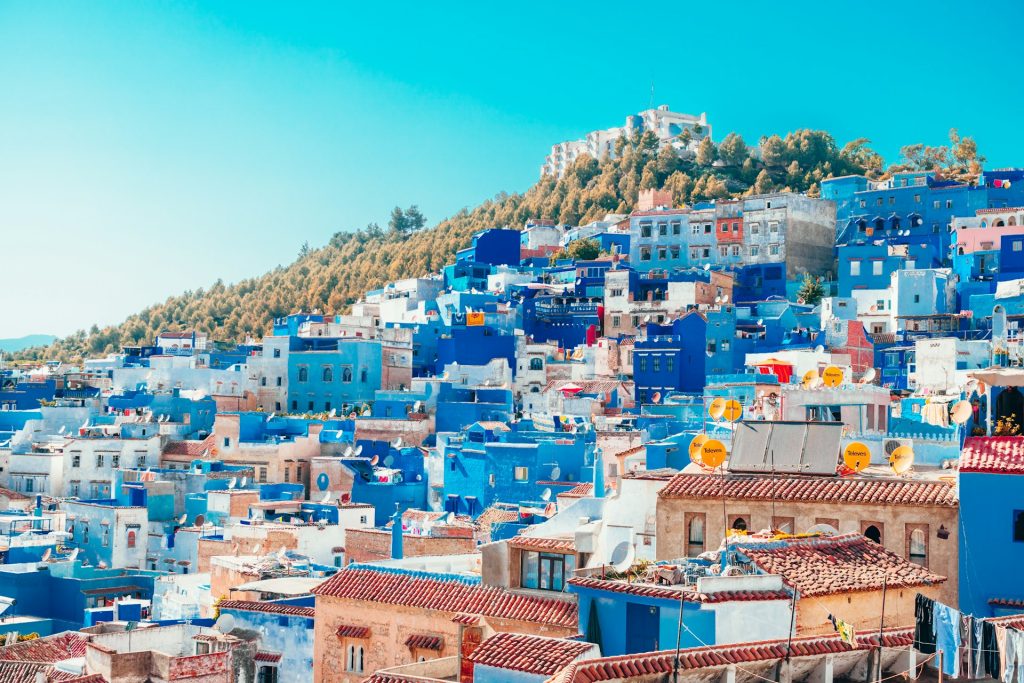
Morocco can be mesmerizing, but quick visits that stick to the busiest medinas often spark regret. The sensory rush is real, and a tight schedule can make it feel like too much, too fast. Many travelers wish they had planned more downtime.
In crowded souks, navigating, bargaining, and declining offers becomes constant work. Narrow lanes fill quickly, and the day can tilt from curious to exhausted when every turn comes with pressure and noise.
Regret fades when travelers slow down in one city, add a guided walk for context, and make time for calm spaces like gardens and cafés. With that reset, the colors, craft, and food feel generous again.
Thailand
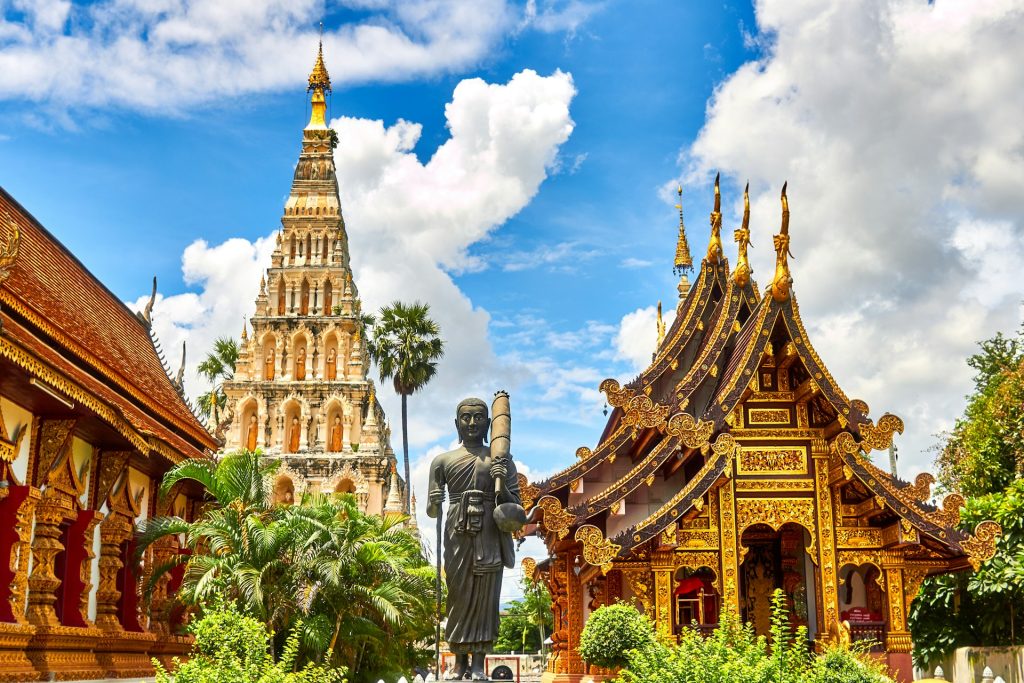
Thailand delivers beauty, yet many regrets come from centering a trip on the busiest party and beach zones. When an itinerary follows viral stops only, the country can feel crowded, commercial, and oddly hurried.
In peak months, traffic and noise can dominate resort corridors, and popular boat tours can feel like timed photo laps. Prices rise with demand, and the day becomes a sequence of pickups, queues, and quick meals between stops.
Trips tend to land better when they include a quieter island, a northern city, or a few slower food-focused days. Fewer hops and earlier mornings often bring back the ease that travelers expected.
Indonesia
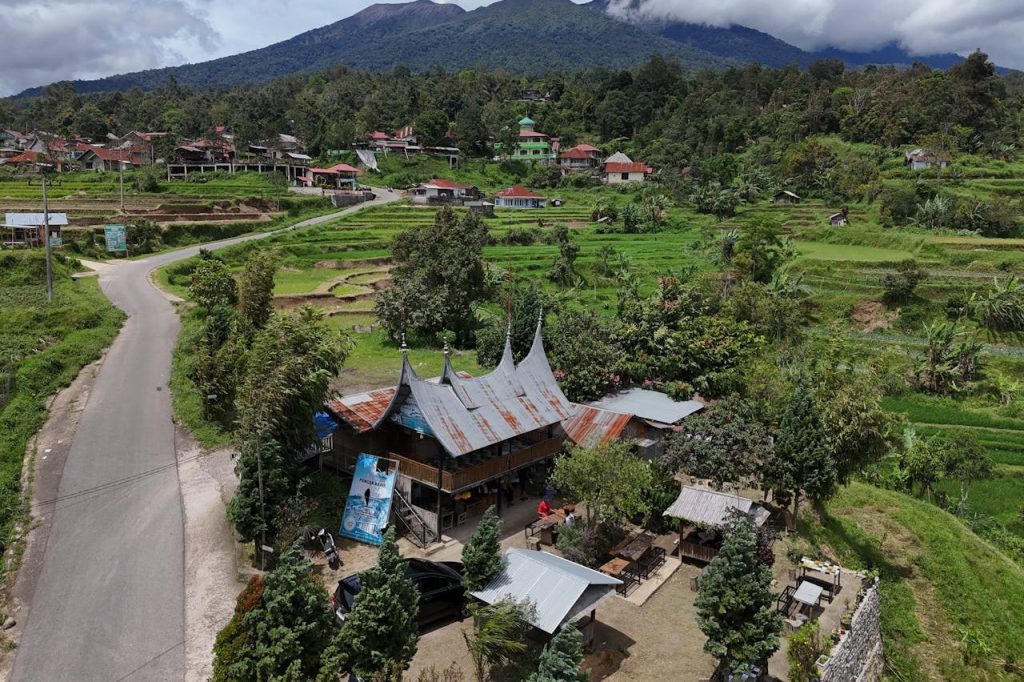
Indonesia is vast, yet regrets often come from treating it as a quick Bali checklist. Travelers arrive expecting serenity and find congestion around the most famous corridors, where time disappears in traffic.
In busy seasons, famous photo stops can feel like paid stations with long waits, and popular beach areas can be loud late into the night. When each day is optimized for highlights, there is little room for temples, meals, or rest to breathe.
Trips usually shine when travelers pick one region, stay longer, and add lesser-visited islands. A slower base turns the focus back to craft, nature, and life, instead of constant movement.
Italy
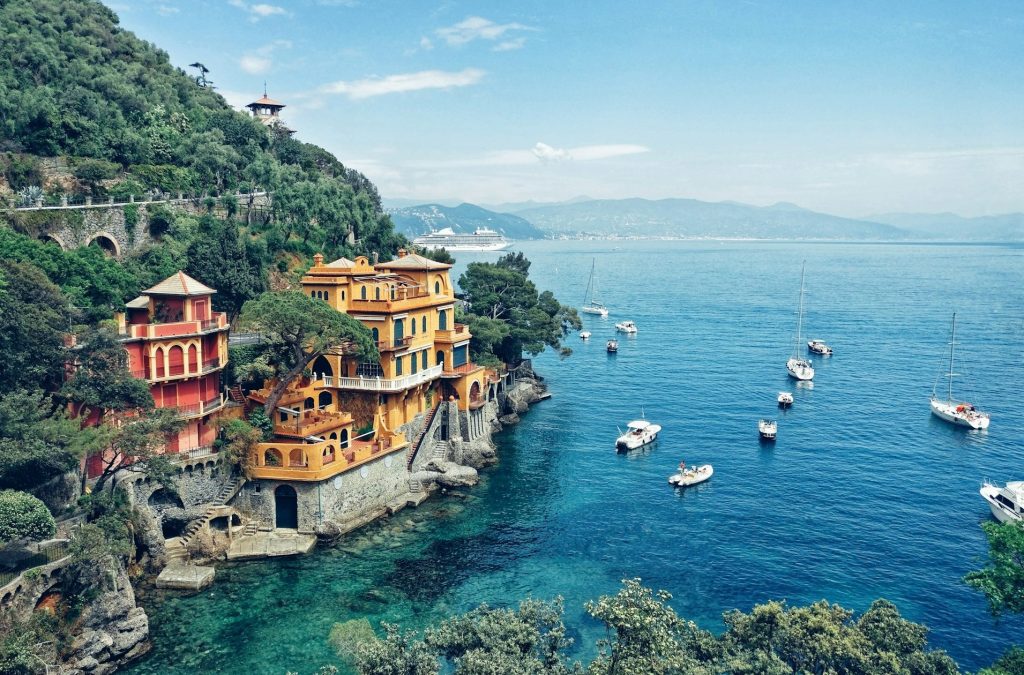
Italy can disappoint when a trip tries to collect too many classics in too few days. U.S. tourists often describe spending more time in lines than in neighborhoods, even when the art and food are excellent.
In summer, famous centers can feel packed, with timed entries, crowded transit, and restaurants tuned for quick turnover. Costs climb with demand, and small hassles stack up until the romance feels scheduled.
Regret drops when the route slows down and includes smaller cities or countryside bases. Long meals, markets, and quiet streets bring Italy back to life, and one extra night in one place often beats adding another stop.
France
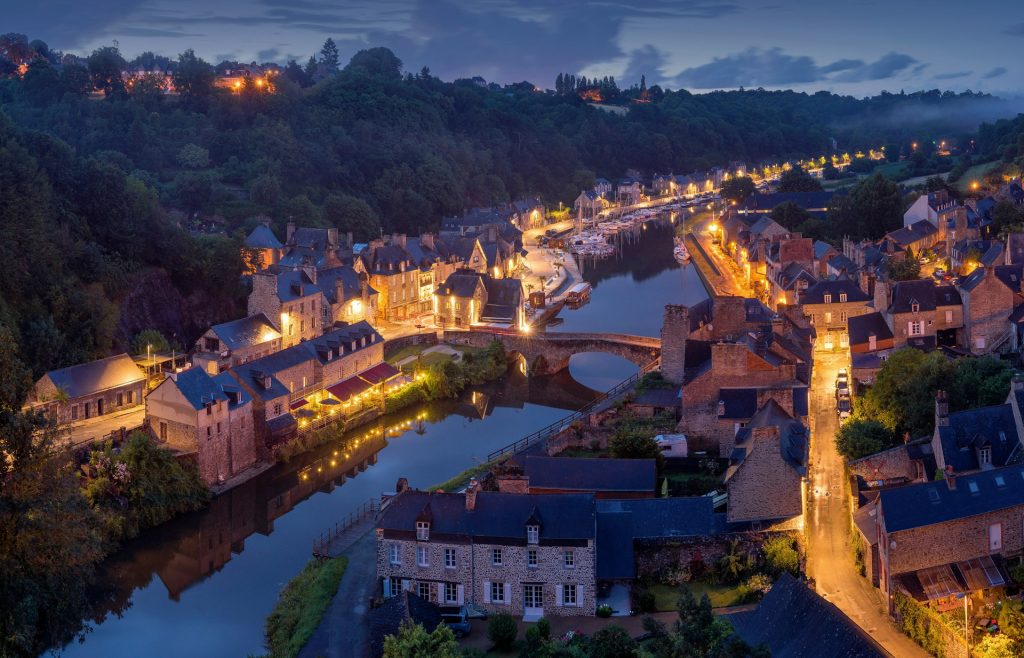
France can feel magical, but Paris-centered trips often trigger regret when the schedule is built around the most photographed rooms and viewpoints. Crowds can flatten the mood fast, even for travelers who love museums. The city still delivers, but it asks for patience.
Peak-season days bring dense galleries, managed queues, and short viewing windows. Add jet lag and big-city prices, and even pretty streets can blur into logistics and constant time checks.
Trips tend to land better when Paris is balanced with a smaller region and a slower rhythm. Neighborhood cafés, parks, and one museum day can feel richer than sprinting between icons.
Spain
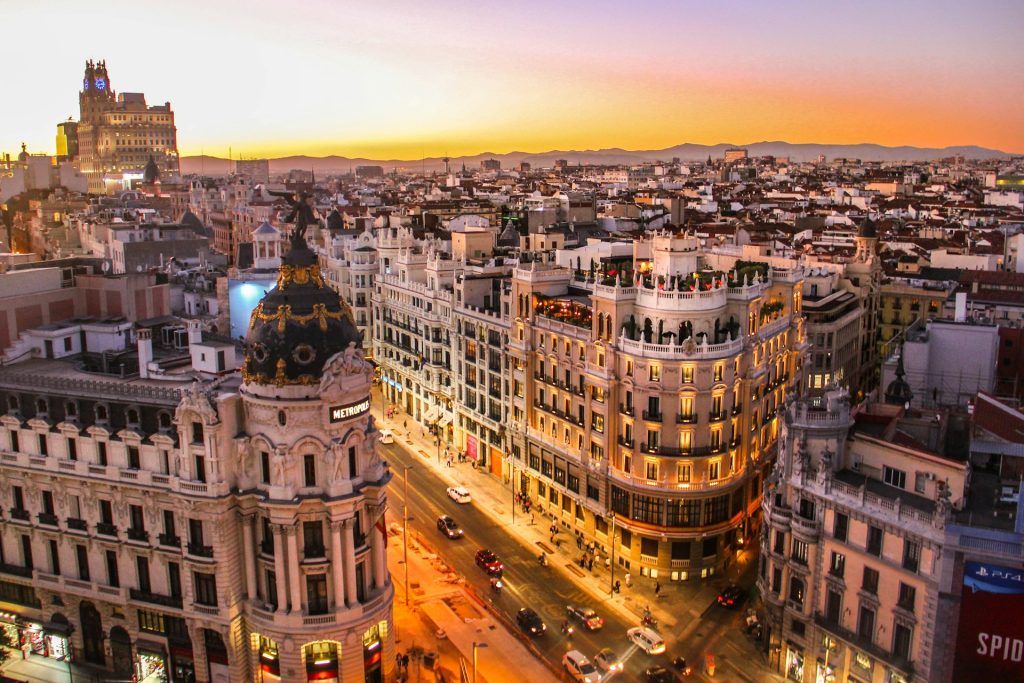
Spain is easy to love, yet some U.S. tourists regret visits that land in the hottest weeks and stick to the busiest corridors. Popularity can feel like pressure in the big centers. Heat amplifies the crowd fatigue.
Packed promenades, long waits for major sights, and restaurants designed for turnover can make days feel rushed. With so many bodies in motion, even simple transit and café stops can take longer than expected.
Trips often improve with shoulder-season timing and time in smaller cities or coastal towns. When the pace relaxes, tapas culture, street life, and late dinners feel joyful again, not like a schedule to manage.
Japan
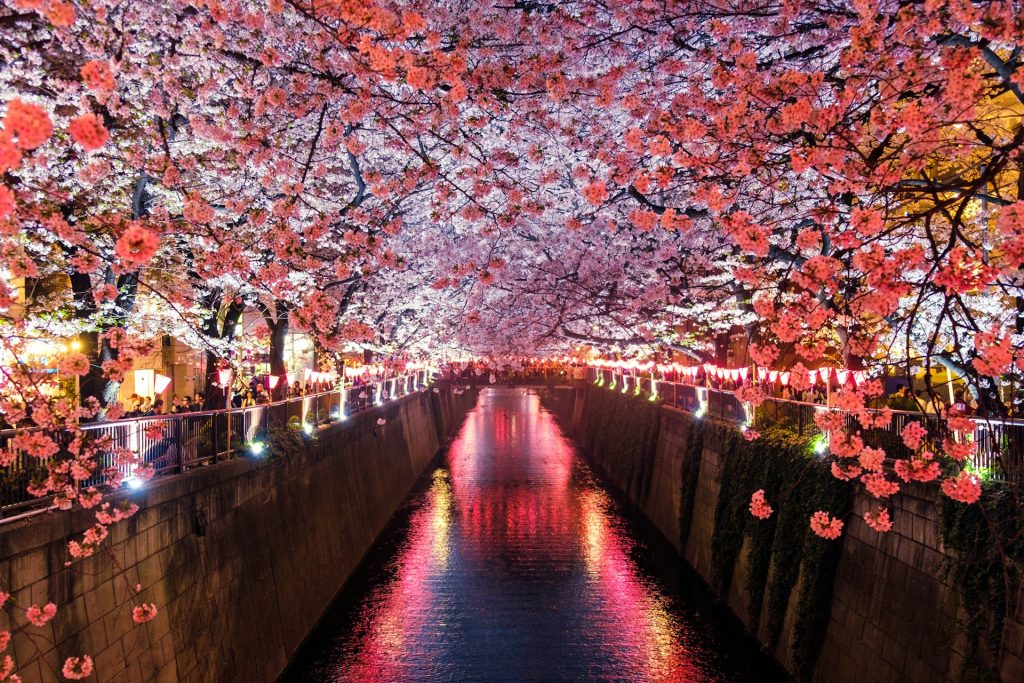
Japan sets high expectations, and regret usually comes from chasing only the most famous lanes at the busiest times. The country stays impressive, but the visit can feel cramped when every stop is a headline.
In hotspot cities, packed transit and photo bottlenecks can erase the quiet many travelers imagined. Temple approaches move at a shuffle, and meals become reservations instead of discoveries, which can make days feel scripted.
Trips often feel better when travelers add smaller cities, calmer neighborhoods, and early starts. With space to breathe, craft, food, and ritual show up in ordinary moments, not just in crowds.
Greece
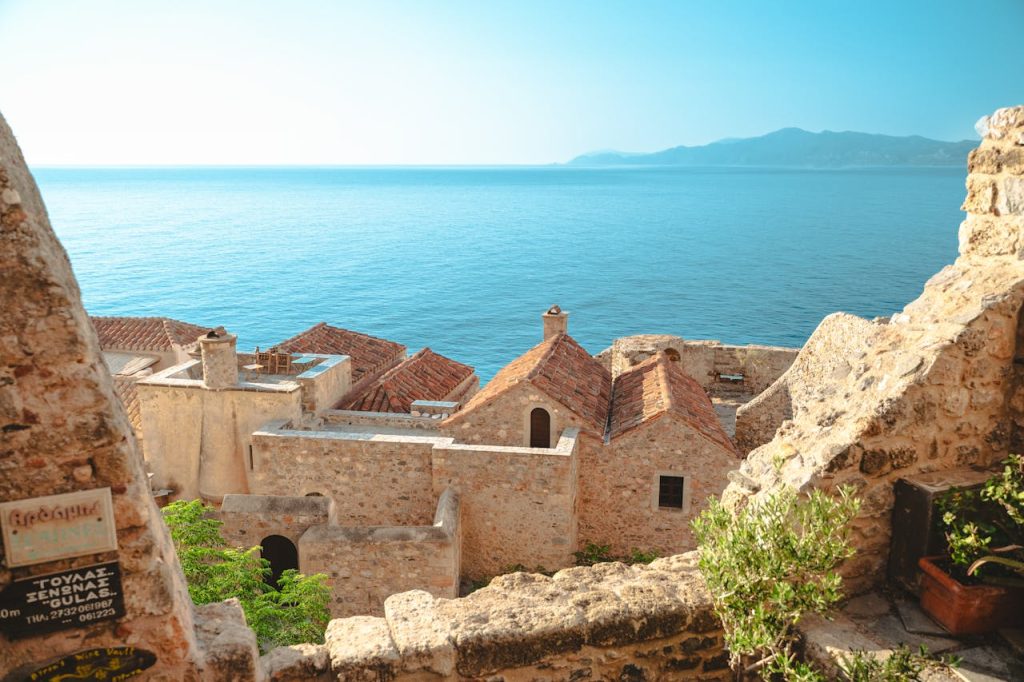
Greece can disappoint when island time gets swallowed by day-visitor surges in the most famous hotspots. Many U.S. tourists expect calm and find tight lanes, slow buses, and packed viewpoints instead. Ferries and tours fill quickly.
In peak season, tables book out early and short walks turn into stop-and-go movement. The scenery stays stunning, yet the mood can feel managed when everything runs on scarcity and fixed time windows.
Trips feel smoother with spring or fall dates, overnight stays in quieter villages, or less-hyped islands. With breathing room, sunsets and swims feel personal again, and the best moments stop being competitive.
India
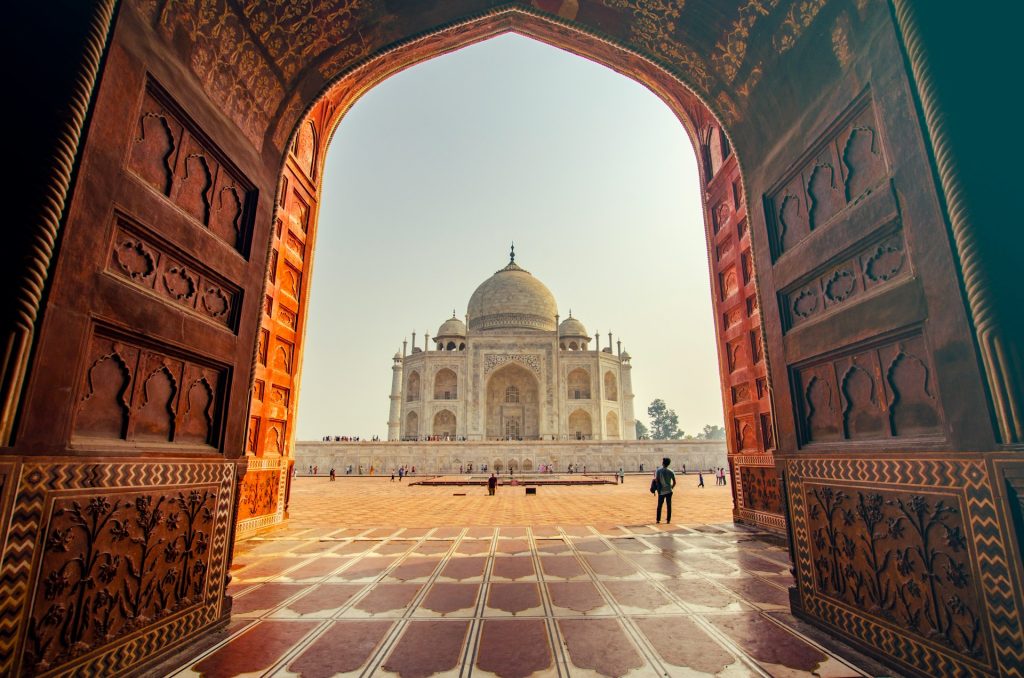
India can be extraordinary, yet some U.S. tourists regret itineraries that treat it like a fast highlight reel. Long distances and tight connections can turn days into constant recovery, especially on first visits.
In major cities, traffic and crowds can feel intense, and plans can slip even with good intentions. When the schedule has no slack, beautiful sites can feel rushed, and the sensory load can crowd out curiosity.
Trips land better with fewer stops, rest days, and a mix of culture with nature or smaller towns. With pacing, warmth, craft, and food become the memory, and the days stop feeling like a test of stamina.
China
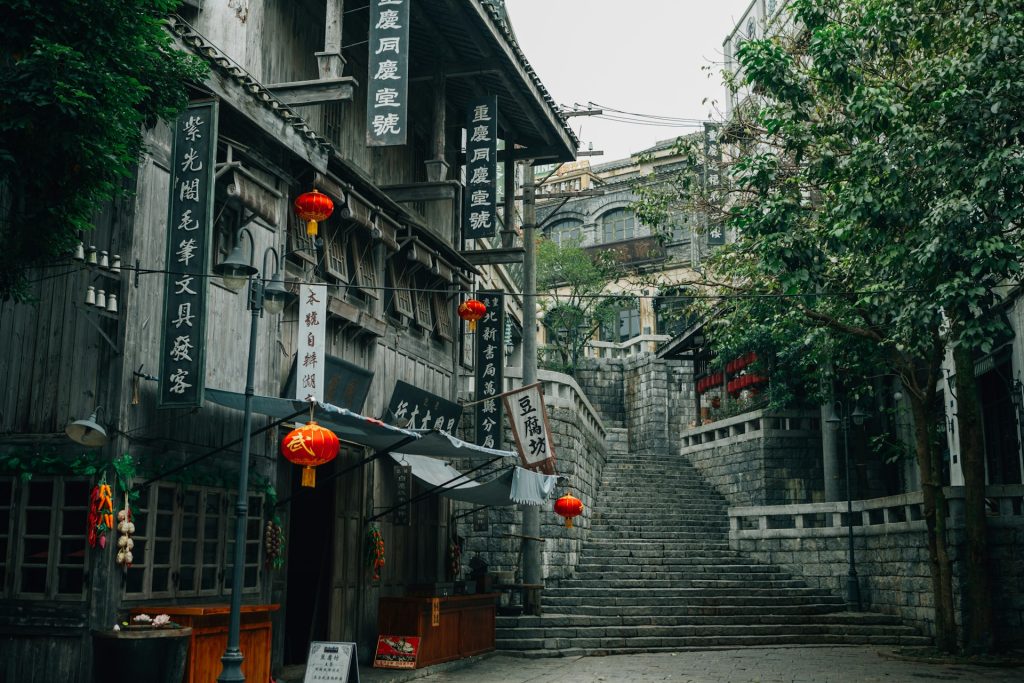
China can overwhelm first-time visitors when the plan hits only mega-attractions on the busiest weeks. U.S. tourists sometimes regret trips where logistics dominate, and the country’s scale feels like a burden.
Security checks, timed entries, and long transit legs can stack up, and big sites can feel crowded and hurried. Language gaps can add friction to tickets, route changes, and simple errands, which steals energy from the day.
Experiences improve when travel slows down, cities are fewer, and neighborhoods, parks, and food streets get time. With margin, the same places feel vivid, not exhausting, and the trip starts to make sense.
Peru
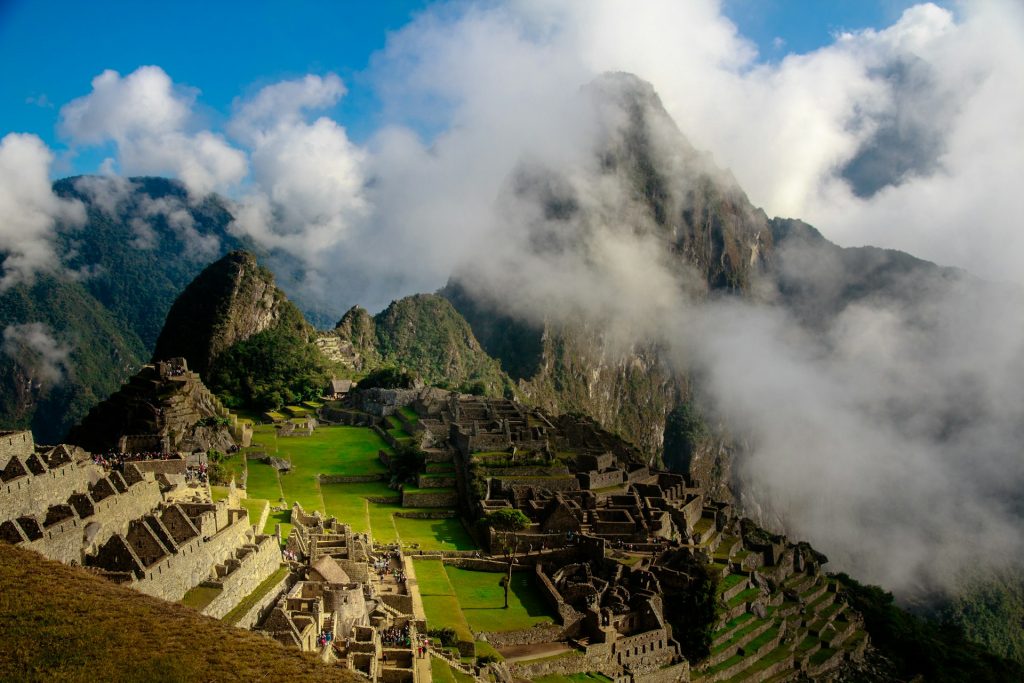
Peru is unforgettable, yet some U.S. tourists regret trips built almost entirely around Machu Picchu. When everything depends on tight transfers and fixed entry times, pressure rises before the day even begins. Weather swings can rearrange plans.
In high season, gateway towns can feel crowded and expensive, and strict schedules can make the visit feel controlled. Long travel legs add fatigue, so the moment at the top can arrive after patience is already spent.
Trips feel better with extra nights in Cusco or the Sacred Valley and a slower arc through markets, hikes, and museums. Then the Andes become a lived place, not a single photo stop.

