


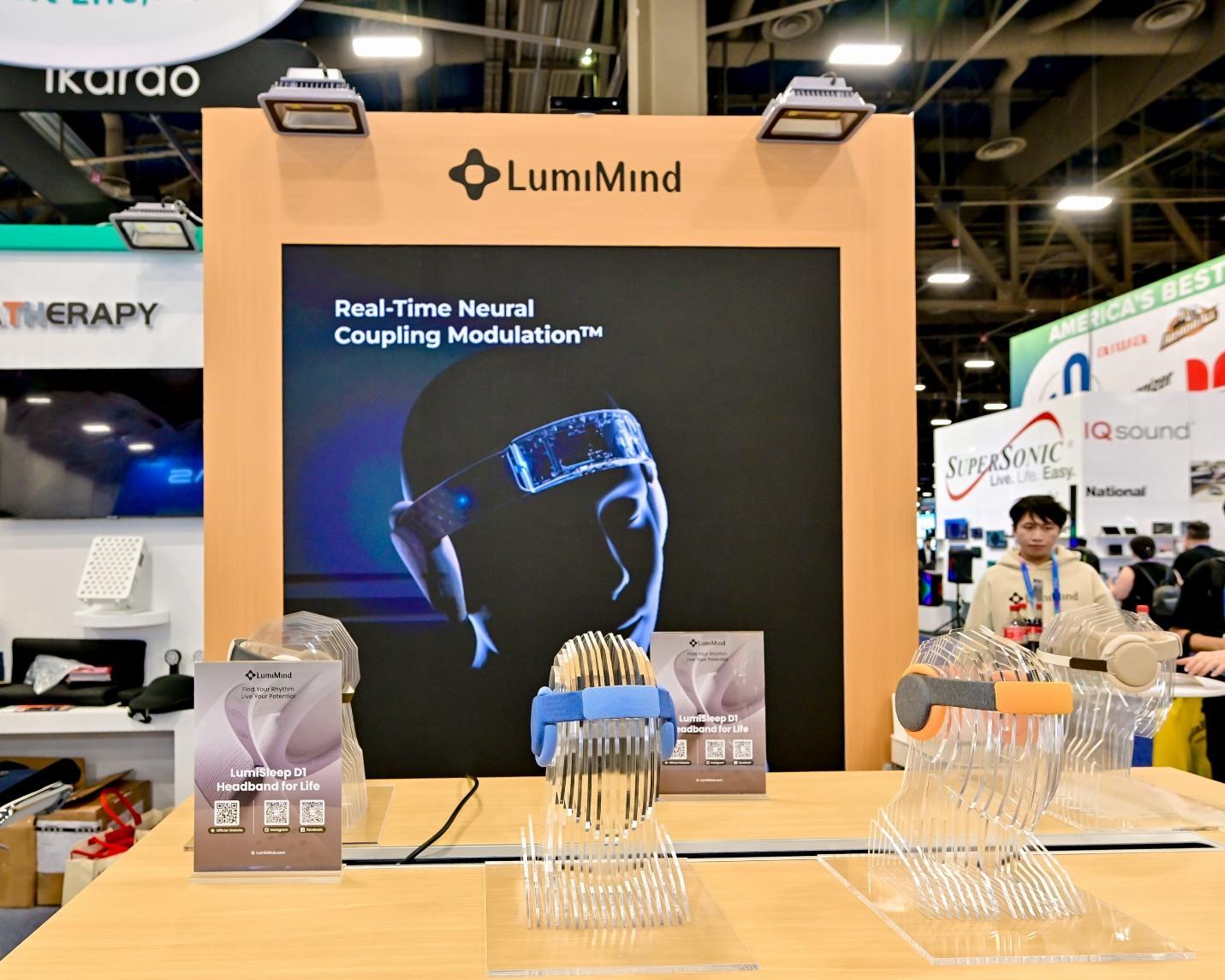
Brain–computer interfaces have been talked about for decades, but they’ve rarely felt practical for everyday users. At CES 2026, LumiMind is demonstrating how non-invasive brain technology can move beyond research labs and into consumer-ready products.
The company is presenting LumiSleep, a sleep device powered by millisecond-level, real-time EEG monitoring, alongside live demonstrations that highlight the broader potential of its non-invasive brain–computer interface platform. From brain-controlled gameplay to adaptive sleep modulation, LumiMind’s CES showcase offers a glimpse into how brain-based interaction could become part of daily life.
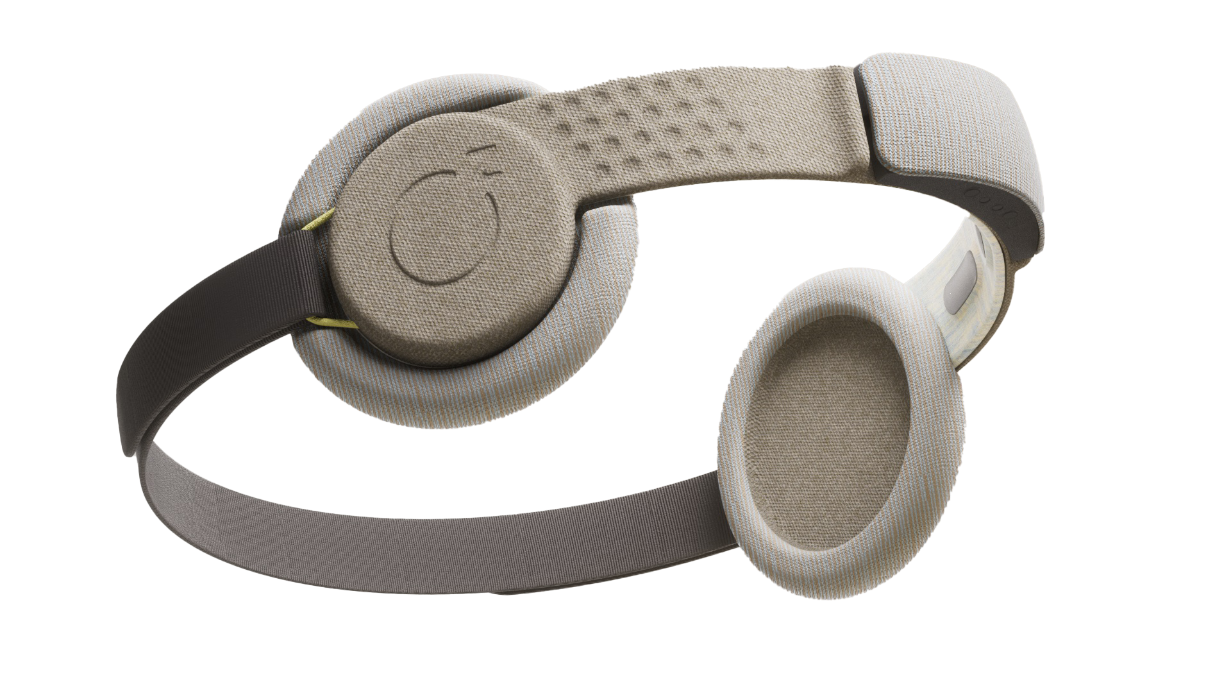
How LumiSleep Works
Unlike traditional sleep trackers that rely on motion or heart rate data, LumiSleep measures brain activity directly. The device uses integrated EEG sensors built into a soft, over-ear headband that can be worn comfortably throughout the night.
According to LumiMind, the system continuously monitors neural signals to identify the brain’s Sleep Onset Pattern, a specific neural signature associated with the transition from wakefulness to sleep. When this pattern begins to emerge, LumiSleep responds with personalized acoustic output designed to gently modulate brain activity and support natural sleep onset.
The system operates as a closed loop, meaning it constantly monitors, decodes, and responds to brain signals in real time. All processing happens locally on the device, without cloud dependence or external hardware, and the approach is fully non-invasive and drug-free.
Brain-Controlled Gameplay at CES
To show what its neural decoding technology can handle, LumiMind is also running live demonstrations at its CES that allow participants to control complex digital environments using brain signals alone. One of the most eye-catching demos features real-time gameplay.
While gaming isn’t the target application, it provides a useful stress test. Action games require continuous input, fast response times, and smooth control — conditions that quickly reveal the limits of any brain–computer interface. LumiMind says the demo demonstrates that non-invasive BCIs can now deliver stable, real-time performance outside laboratory settings.
From Research to Real-World Use
The technology behind LumiSleep and the CES demonstrations was developed in collaboration with the INSIDE Institute for NeuroAI, which has conducted multiple public demonstrations of non-invasive BCIs in real-world environments.
These tests show that users without technical backgrounds can quickly learn to operate brain-based systems, with minimal setup time and calibration. That usability is key to expanding BCIs beyond niche medical applications.
Why Non-Invasive BCIs Matter
Most high-profile BCI projects today rely on implants, including efforts by companies such as Neuralink. While implants offer direct access to neural signals, they also require surgery and ongoing clinical support.
LumiMind is taking a different approach, focusing on advanced neural decoding and real-time responsiveness to unlock performance without invasive procedures. The company believes this path opens the door to broader applications, including assistive technologies, hands-free interaction, and smarter home environments.
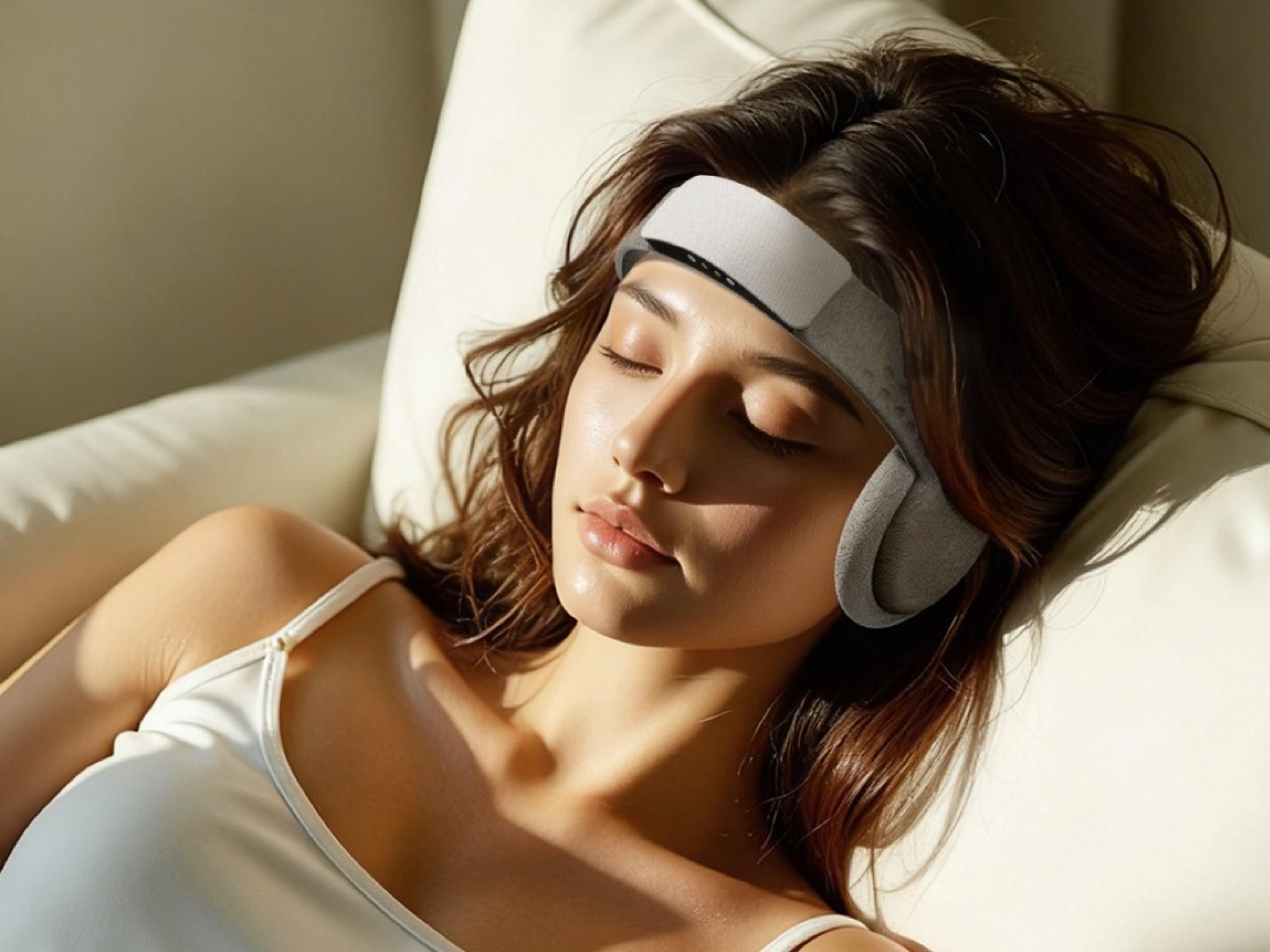
Designed for Comfort and Everyday Use
LumiSleep’s hardware reflects its consumer focus. The headband features dry EEG electrodes that don’t require gels, a cushioned design suitable for side sleepers, breathable fabric materials, and battery life designed to last through the night. Audio output is localized to avoid disturbing others nearby.
At CES 2026, LumiMind is showing that brain–computer interfaces don’t have to be extreme, invasive, or experimental. Instead, they can be practical, wearable, and ready to support everyday experiences — starting with better sleep.
Filed Under: Gadgets News, Technology News
Latest Geeky Gadgets Deals
Disclosure: Some of our articles include affiliate links. If you buy something through one of these links, Geeky Gadgets may earn an affiliate commission. Learn about our Disclosure Policy.

