


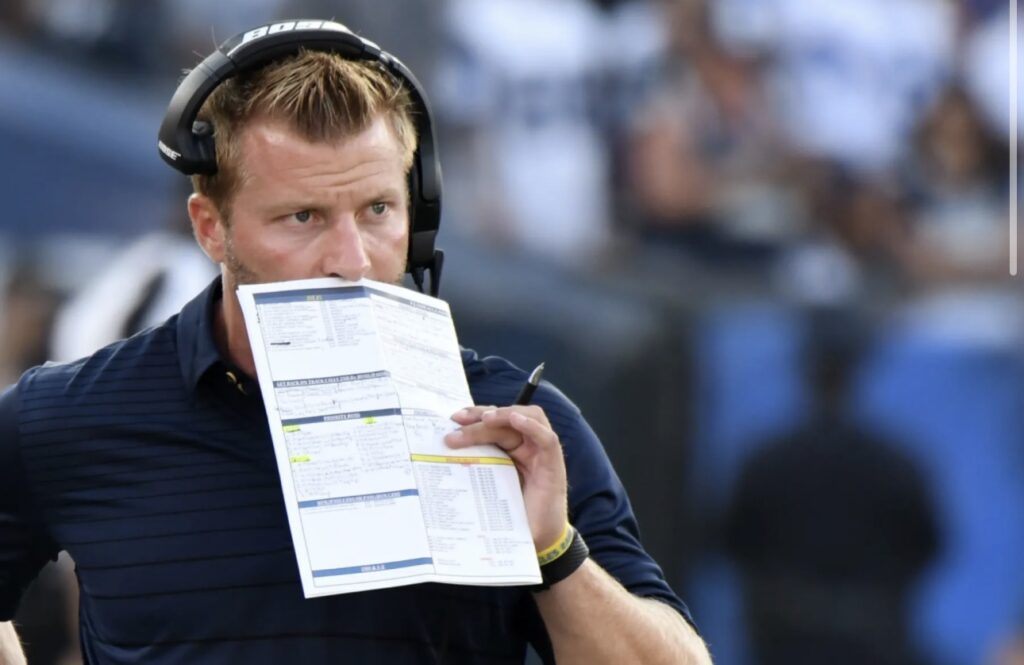
NFL coaches are turning to game theory for smarter, more unpredictable playcalling. They’re combining mathematics, psychology, and analytics to outthink opponents and make each decision count.
This approach isn’t just a trend in the United States. European fans—especially those in Slovenia—are building communities focused on strategic football and data-driven analysis.
In this article, I’ll break down how game theory is rewriting football strategy. You’ll see why it matters for coaches and fans on both sides of the Atlantic, plus where international followers can deepen their understanding of analytics-based decision-making in sport.
From poker tables to playbooks: how game theory is reshaping NFL strategy
Game theory has long been a staple at the poker table and in economics lectures, but it’s now shaping every Sunday on the NFL field.
Coaches face choices that mirror classic game theory dilemmas—do you risk going for it on fourth down or take the safer punt? The answer, more often than not, comes down to probabilities and reading your opponent’s tendencies rather than pure gut feeling.
This strategic mindset isn’t limited to the US. Slovenian football fans and aspiring coaches are tapping into platforms like PokerioMokykla, which breaks down the mathematics of probability and risk so anyone can understand the decision-making behind bold calls. The parallels between outwitting an opponent in cards and on the gridiron are clearer than ever.
One thing that stands out is how these mental frameworks help teams avoid predictability. By mixing up plays based on what opponents expect—just as a poker player bluffs or folds—a team can create genuine confusion and new opportunities. It’s less about flashy moves, more about maximizing every edge over a full game or season.
This blend of math, psychology, and creativity is inspiring communities from Texas to Ljubljana to rethink what it means to play smart football.
The analytics revolution: numbers behind the calls
Old-school coaching in the NFL often meant trusting a hunch or going with what felt safe.
Now, the decision-making process on game day looks very different.
Front offices and coaches use data-driven models to weigh every risk and reward, pushing aside intuition in favor of calculated probabilities.
This shift toward maximizing expected value has produced bolder playcalling—think surprise fourth-down attempts or gutsy two-point conversions.
Suddenly, what seemed reckless a decade ago now signals a well-researched advantage.
I’ve watched this approach flip long-held traditions on their head, forcing teams to rethink what “smart football” means in 2025.
Fourth down decisions: when to go for it
Years ago, punting on fourth down was almost automatic—especially outside of desperate situations.
But with analytics models guiding coaches, teams now factor in score, field position, time left, and conversion odds before making the call.
The result is more frequent and aggressive fourth-down tries in high-leverage moments.
ESPN’s 2022 NFL analytics tracker highlights case studies from teams like the Chargers and Eagles, who gained an edge by trusting the math over tradition during crucial regular season and playoff games.
I’ve seen how fans react—sometimes nervously—but it’s tough to argue with results when the numbers back up these risks.
Two-point conversions and PAT strategy
Kicking an extra point used to be an afterthought. Not anymore.
NFL teams now apply probability models to every PAT or two-point decision, factoring in score margin, quarter, and kicker performance.
The numbers often suggest that going for two can make sense far more often than old playbooks advised—especially late in games or after defensive penalties.
NFL Two-Point Conversion Study (2018-2022) shows a sharp increase in two-point attempts league-wide as coaches embrace analytics-driven strategies. The research confirms what many fans see on Sundays: calculated risk-taking at critical moments can add points—and wins—to the scoreboard.
Psychology and deception: outthinking the opponent
Game theory is not just about numbers—it’s also a mind game. In the NFL, coaches use psychology to keep opponents off balance, turning playcalling into a chess match rather than checkers.
The best coaches know that if their calls become predictable, defenses catch on fast. That’s why mixing things up is crucial. Borrowing tactics from poker, they introduce bluffing and misdirection to keep defenses guessing.
What I’ve noticed is that teams who obsess over self-analysis have a real edge. They review their own patterns, hunting for tendencies that could tip off the opposition. It’s a constant process of outsmarting not just the other team, but themselves too.
This hidden battle—the effort to stay unpredictable—is where much of today’s NFL innovation really happens. The psychological game rewards those willing to question their habits and take calculated risks when it matters most.
Bluffing and misdirection in play design
The art of deception is everywhere in modern football. Innovative coaches regularly slip trick plays or disguised formations into their game plans.
The goal is simple: force the defense to hesitate or guess wrong, just like bluffing at a poker table. When defenders can’t be sure what’s coming, even basic plays become more effective.
Andy Reid’s playoff playcalling is a perfect example. During the 2020 AFC Championship game, he called several clever misdirection plays that caught defenders flat-footed—proof that creativity and nerve can turn high-pressure moments in your favor (Andy Reid’s Playoff Playcalling (Chiefs, 2020 AFC Championship)).
Self-scouting: avoiding predictability
It’s not enough to trick your opponent—you also need to make sure you aren’t tipping your own hand week after week.
This is where self-scouting comes in. Teams break down their own tendencies with as much scrutiny as they analyze opponents’. They look for repetitive formations or timing tells and then deliberately mix things up.
No one champions this approach better than Bill Belichick. He often talks about how regularly reviewing your own habits keeps rivals guessing and stops them from getting comfortable (Bill Belichick on Self-Scouting).
The teams that excel at this kind of honest self-evaluation tend to be the ones still playing deep into January.
Slovenia’s growing interest in American football and analytics
American football is carving out a growing fan base in Slovenia, and the appetite goes well beyond Sunday highlights.
Local teams, coaches, and fans are beginning to see real value in strategy, using football analytics to inform everything from play selection to practice planning.
This shift mirrors trends in the NFL—where numbers-driven decision making is now part of every coach’s toolkit.
Slovenian clubs aren’t just following; they’re adapting, applying game theory lessons on the field and fostering smarter competition across their leagues.
Slovenian teams adopting NFL-inspired tactics
Many Slovenian football coaches look closely at how top NFL teams make decisions under pressure.
The Domžale Tigers are a standout example. Their head coach has spoken publicly about bringing basic analytics into routine playcalling and daily training sessions—showcasing how even simple data points can shape smarter decisions for Slovenian teams.
If you check out the Domžale Tigers Coach’s Interview, you’ll find specific examples of analytics guiding tactical choices in practice and games.
Building a strategic football culture in Slovenia
The rise of analytics isn’t limited to clubhouses. Across Slovenia, grassroots programs, clinics, and digital workshops are making it easier for players and fans to sharpen their skills with data-driven thinking.
The Slovenian American Football Federation has stepped up with annual workshops focused on analytics. These sessions help both coaches and athletes learn the value of probability, risk management, and smart decision-making under pressure.
Anyone interested can check out the Slovenian Federation Analytics Workshops, which have become a hub for building a more strategic approach to football—from youth leagues all the way up to the national stage.
What the new era of analytics and game theory means for football’s future
Game theory has shifted how coaches call plays, blending numbers, psychology, and unpredictability into every snap.
The NFL’s embrace of these tactics isn’t just making the league more competitive—it’s spreading new ideas to fans and leagues from the US to Slovenia.
Teams willing to learn from both mathematics and human behavior now have a real shot at outsmarting traditional rivals.
As more communities dig into analytics-driven strategy, football’s next chapter will belong to those who see every choice as a piece of a bigger puzzle.
NFL Draft Diamonds was created to assist the underdogs playing the sport. We call them diamonds in the rough. My name is Damond Talbot, I have worked extremely hard to help hundreds of small school players over the past several years, and will continue my mission. We have several contributors on this site, and if they contribute their name and contact will be in the piece above. You can email me at nfldraftdiamonds@gmail.com

