


Nevada’s vast deserts hide hundreds of ghost towns, silent reminders of a turbulent mining past. These towns, once bustling with miners and merchants, tell tales of hardship, ambition, and sudden decline. Founded during booms fueled by gold and silver discoveries, they quickly grew into lively communities with schools, saloons, and theaters. Yet, harsh conditions, economic shifts, and depleted mines left them deserted. Exploring these towns reveals the rugged spirit of the Wild West, offering a unique glimpse into the rise and fall of frontier settlements shaped by fortune and fate.
1. Rhyolite
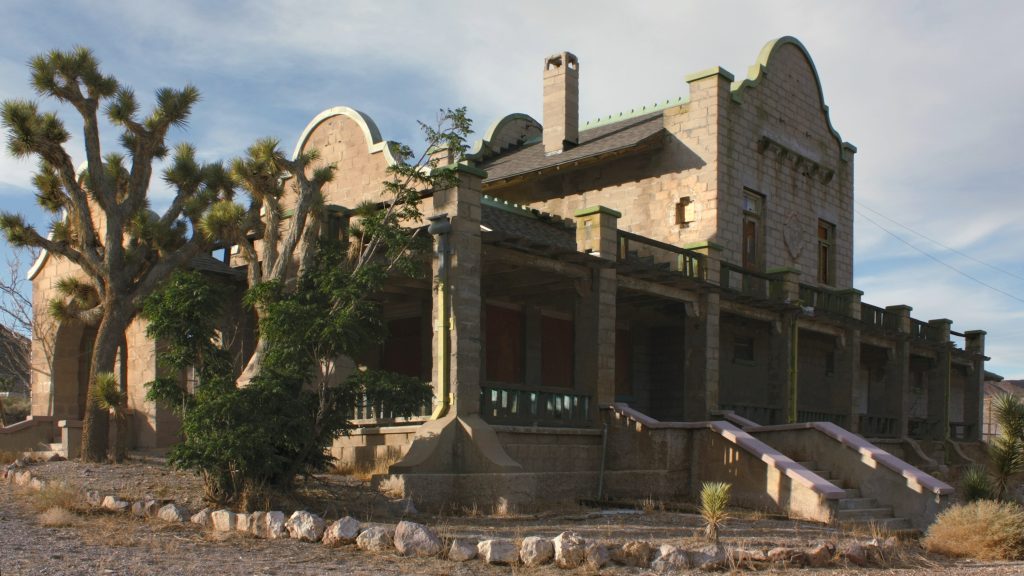
Rhyolite, Nevada, rapidly grew from a small tent mining camp in 1904 to a bustling town with an estimated peak population ranging from 8,000 to 12,000 by 1907-1908. Its modern amenities included electric lights, water mains, telephones, newspapers, a hospital, a school, and a stock exchange, reflecting its ambitious growth during the gold rush. However, the town’s fortune declined as gold production lessened, combined with the 1906 San Francisco earthquake disrupting rail service. By 1910, the population had fallen sharply to around 600, and by 1920, only a few residents remained, leaving behind ghostly ruins like the Bottle House and grand hotels that still evoke the town’s fleeting boom-era dreams.
2. Goldfield
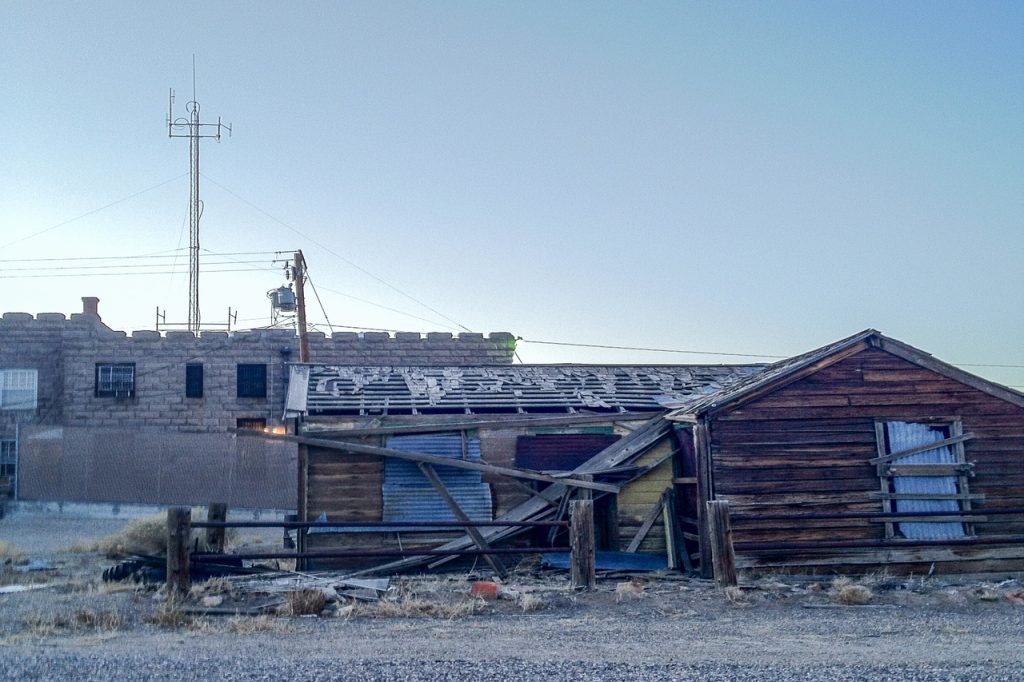
Goldfield, Nevada, was once the largest city in the state during its mining peak, boasting a population of around 20,000 in 1906. It became a bustling center with three railroads, several banks, newspapers, and thriving businesses. The discovery of rich gold ore led to rapid growth. However, this prosperity was short lived. By 1910, the population dropped sharply as ore production declined and labor disputes disrupted mining. Catastrophic events, including a flood in 1913 and a devastating fire in 1923, destroyed much of the town. Today, crumbling brick buildings and rusted relics stand as silent reminders of Goldfield’s vibrant, yet fleeting, past. Walking through it feels like stepping back into a historic chapter where the echoes of miners and merchants still linger.
3. Belmont
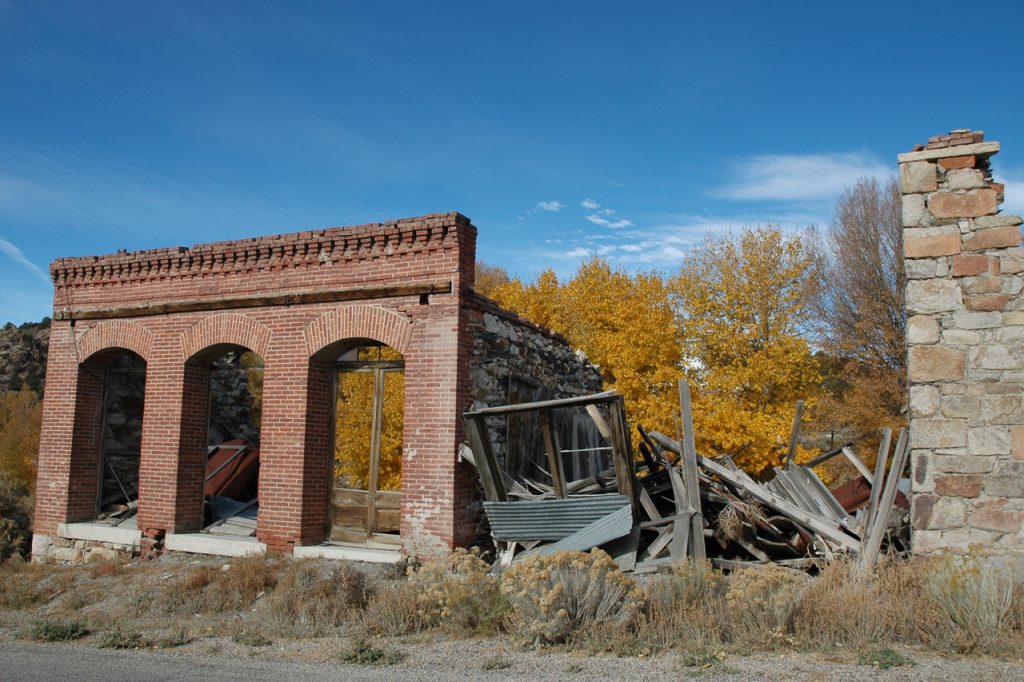
Belmont’s historic district preserves its 19th-century charm with several original buildings still standing, including the prominent Belmont Courthouse built in 1876. Once the Nye County seat, Belmont thrived as a silver mining hub with schools, churches, newspapers, and entertainment venues like the Cosmopolitan Music Hall. Though many buildings have fallen into ruin or were dismantled for timber, the courthouse remains remarkably intact. Visitors can explore its quiet streets and weathered structures, which reflect the town’s vibrant past and frontier spirit. Belmont offers a tangible connection to Nevada’s mining history and evolving frontier community.
4. Candelaria

Candelaria began as a modest mining camp after silver was discovered by Mexican prospectors in 1864. The town quickly grew, featuring schools, saloons, homes, and numerous businesses. Its most famous mine, Northern Belle, produced millions in silver, propelling the town’s growth. The arrival of the Carson & Colorado Railroad enhanced trade and transport. However, floods, fires, legal disputes, and declining silver prices led to economic setbacks. By the 1930s, mining ceased and the town was abandoned, leaving behind ruins like the old mill and scattered foundations. Exploring Candelaria offers insights into early settler resilience and the ongoing battle with nature’s harsh desert environment.
5. Gold Point

Gold Point, Nevada, started as Lime Point in the 1880s, a small mining camp near rich silver and limited gold deposits. It grew quickly after a 1908 silver strike, developing into a bustling town with over 200 wooden buildings, including saloons, cafes, and a post office. Despite its rapid rise, legal battles and costly operations caused a decline. Mining continued sporadically until the 1960s when a mine cave-in ended activity. Today, many original buildings remain restored, preserving the town’s rugged charm and offering visitors a vivid glimpse of its mining past.
6. Blair
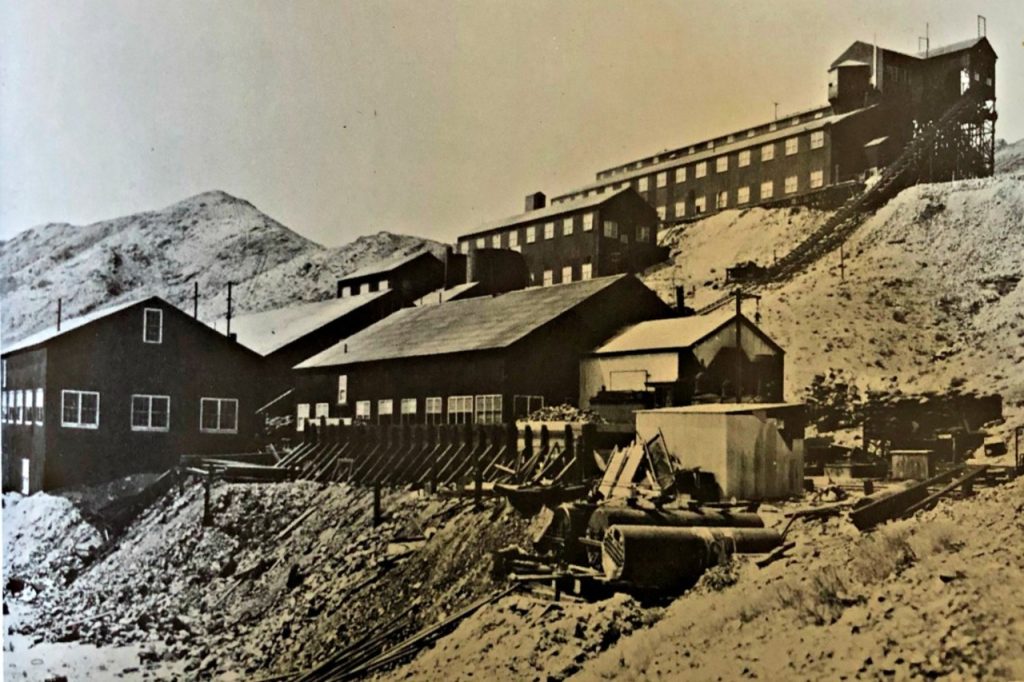
Blair, Nevada, was founded in 1906 as a mining town centered around the Pittsburgh Silver Peak Mining Company. It quickly grew with the construction of a 100-stamp mill to process ore from Mineral Ridge, reaching a population that once neared 5,000. Despite the early boom, the town was short-lived and abandoned by 1920 after mining declined. Today, only concrete foundations and ruins remain, reflecting the fleeting hopes and ambitions of those who sought fortune in Nevada’s harsh desert landscape. Its quiet desolation captures the essence of a bygone mining era.
7. Nelson

Nelson, Nevada, holds a dramatic history marked by mining riches and lawlessness. Originally named Eldorado, the town grew around the Techatticup Mine, one of the richest gold mines in southern Nevada. Its remote location attracted Civil War deserters and outlaws, causing frequent violent conflicts and murders. With law enforcement miles away, vigilante justice prevailed. Despite chaos, mining thrived from the 1860s to the 1940s. Today, Nelson’s deserted buildings and rugged setting attract visitors eager to explore its wild frontier legacy and scenic desert beauty.
8. Tonopah
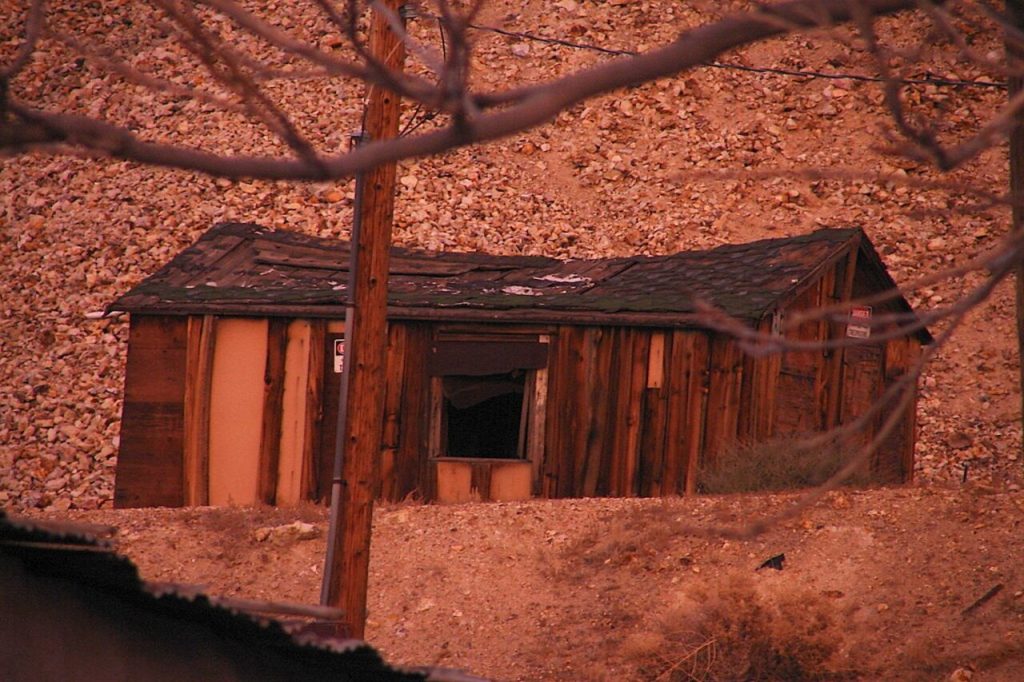
Tonopah earned its reputation as the Queen of the Silver Camps after a major silver strike in 1900 sparked a mining boom. Over the next decades, it developed from a frontier mining town into a small city with mills, saloons, and a growing population. Its mines produced millions in silver, gold, copper, and lead, supporting thriving industries until the Great Depression and World War II slowed operations. Today, Tonopah’s remnants of equipment and historic buildings reflect the town’s evolution from a rugged mining camp into a resilient desert community.

