


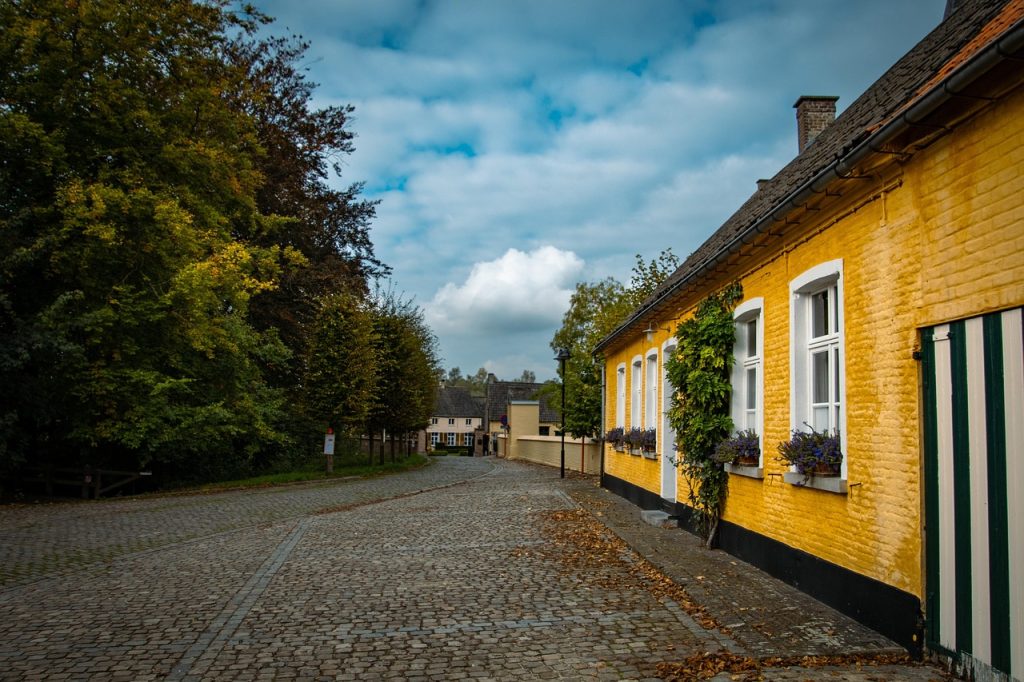
In many parts of the world, historic villages preserve the traditions, architecture, and pace of daily life that defined earlier centuries. These places offer an opportunity to step into the rhythms of past communities, whether through original buildings, preserved workshops, or ongoing demonstrations of trades and customs. Travelers who visit these villages often find themselves experiencing a slower and more deliberate way of living, shaped by local landscapes, available materials, and generational craftsmanship. With carefully maintained streets, period furnishings, and interpreters who bring once-common skills back to life, each location offers a layered understanding of how communities functioned long before industrial conveniences and rapid travel reshaped society.
1. Colonial Williamsburg, Virginia
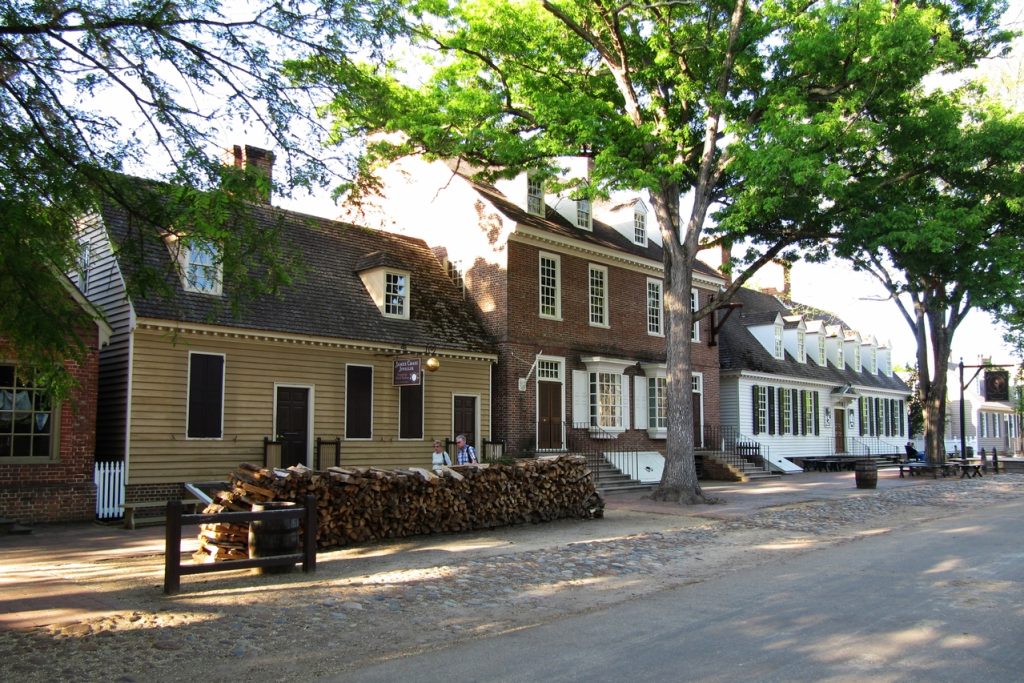
Colonial Williamsburg presents one of the most detailed reconstructions of an eighteenth-century American town, supported by extensive documentary research and archaeological evidence. Its streets, workshops, and homes are arranged to show how tradespeople, political leaders, and families carried out daily responsibilities in a thriving colonial community. Interpreters demonstrate tasks such as blacksmithing, carpentry, and food preparation, giving visitors a realistic sense of the skills required to sustain local industries and households. The setting also highlights the political debates, social hierarchies, and economic exchanges that shaped the region during a period of growing tension and transformation, allowing guests to understand how decisions made in similar towns influenced the emerging nation.
2. Old Sturbridge Village, Massachusetts
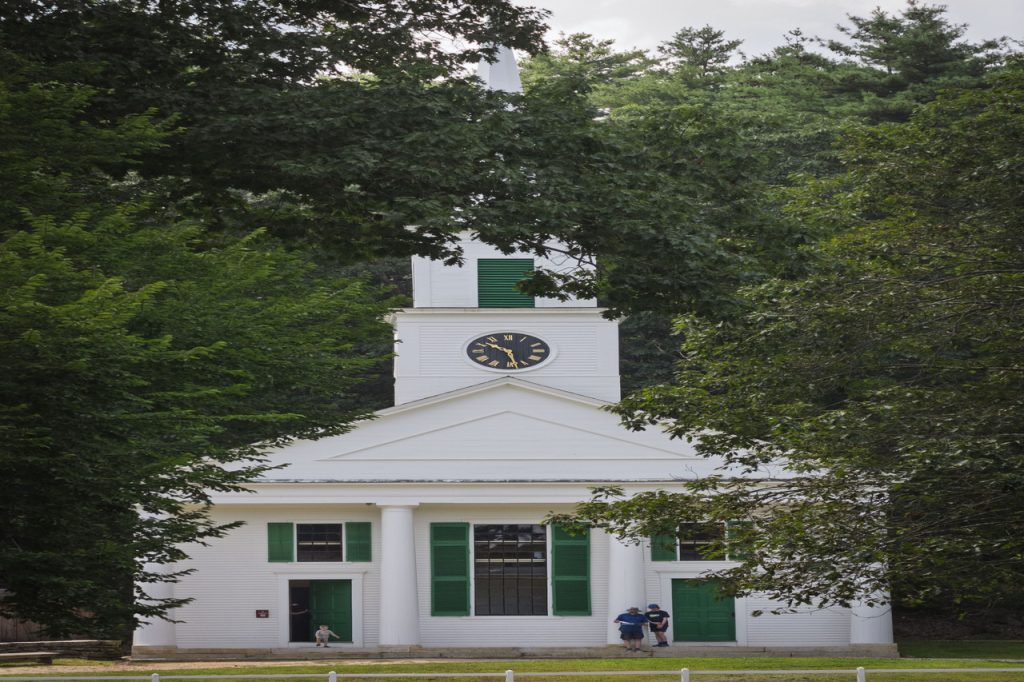
Old Sturbridge Village brings together dozens of preserved buildings to illustrate life in early nineteenth-century rural New England, where farming, small scale manufacturing, and community gatherings were central to daily routines. Visitors can explore kitchens equipped with period tools, working mills that reveal pre industrial mechanical processes, and workshops where artisans produce textiles, tinware, and agricultural implements. The demonstrations emphasize the seasonal rhythms that governed labor, showing how families balanced planting, harvesting, and household maintenance throughout the year. By walking through the village common and peering into furnished homes, guests gain a clear sense of how rural communities adapted to changing technologies while maintaining traditions rooted in self-sufficiency and shared responsibility.
3. Greenfield Village, Michigan
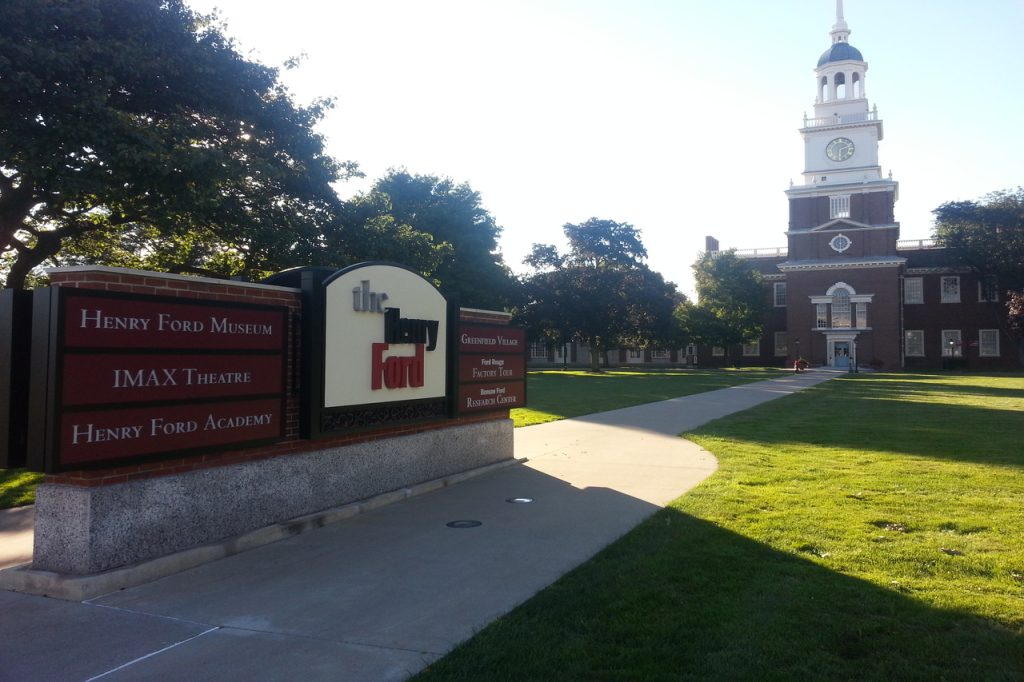
Greenfield Village gathers notable historic structures from different regions of the United States, creating a broad landscape where visitors can study the evolution of domestic life, innovation, and craftsmanship across multiple centuries. Homes from various eras reveal changes in building materials, interior layouts, and family organization, while active craft shops maintain skills such as pottery, printing, and glassblowing through hands on demonstrations. The working farm areas show how families relied on livestock, crops, and manual labor to support their livelihoods, illustrating routines shaped by seasonal demands. Because the village also includes early workshops, laboratories, and transportation exhibits, it provides insight into how advancements in science and industry gradually reshaped daily life.
4. Plimoth Patuxet Museums, Massachusetts
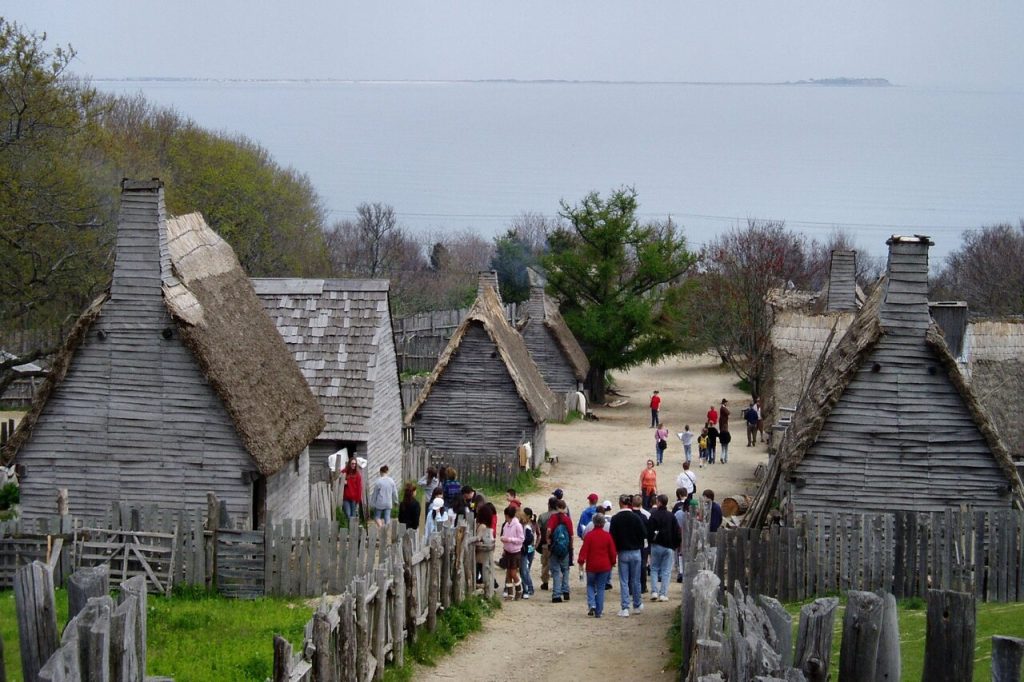
Plimoth Patuxet Museums interpret the early seventeenth century by presenting both an English settlement and a Wampanoag homesite, each reconstructed with guidance from archaeological findings and cultural knowledge. The English village demonstrates how settlers managed agriculture, food preparation, and household tasks using limited resources while adapting to an unfamiliar environment. Interpreters inhabit the spaces as historical residents, showing the challenges faced by families building a community far from established trade networks. At the Wampanoag site, educators share Indigenous perspectives on seasonal cycles, land use, and material culture, offering a deeper understanding of technologies and practices that supported sustainable living. The two settings together emphasize cultural exchange, cooperation, and conflict during the region’s formative years.
5. Mystic Seaport Museum, Connecticut
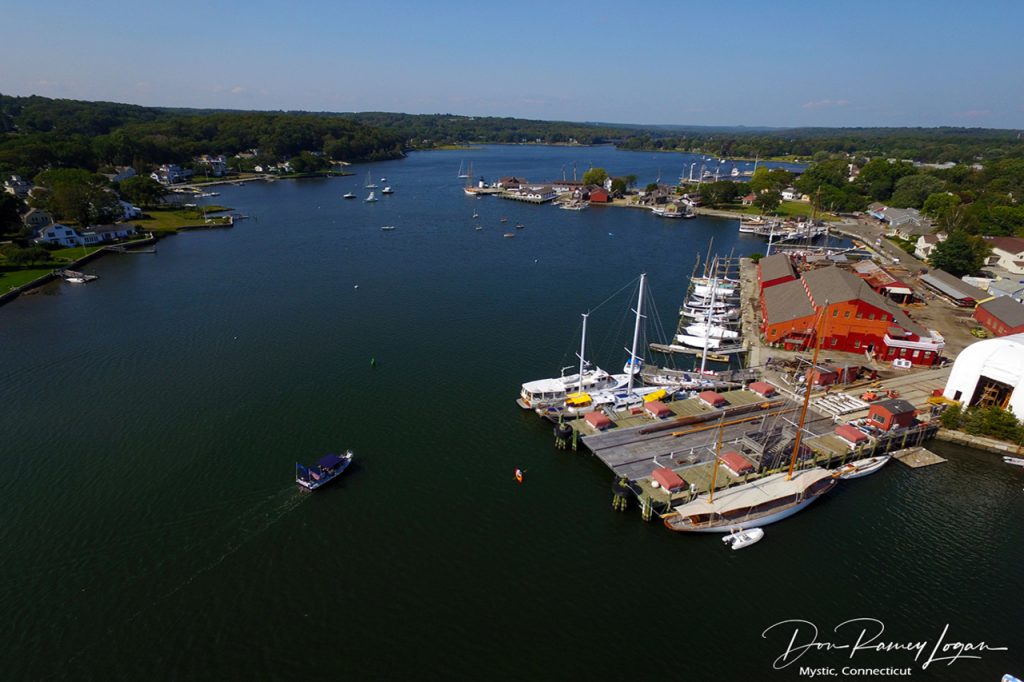
Mystic Seaport Museum recreates a nineteenth-century maritime village shaped by shipbuilding, trade, and coastal livelihoods. Its workshops, warehouses, and waterfront structures show the interconnected roles of sailors, craftsmen, and merchants who supported the regional economy. Visitors can observe demonstrations of rope making, sail stitching, and vessel maintenance, all of which required precision and physical endurance. The preserved homes and storefronts reveal how coastal families structured daily routines around the uncertainties of sea travel and shifting global markets. Walking through the village provides insight into how maritime communities balanced local traditions with international connections long before modern transportation expanded trade networks.
6. Historic Deerfield, Massachusetts
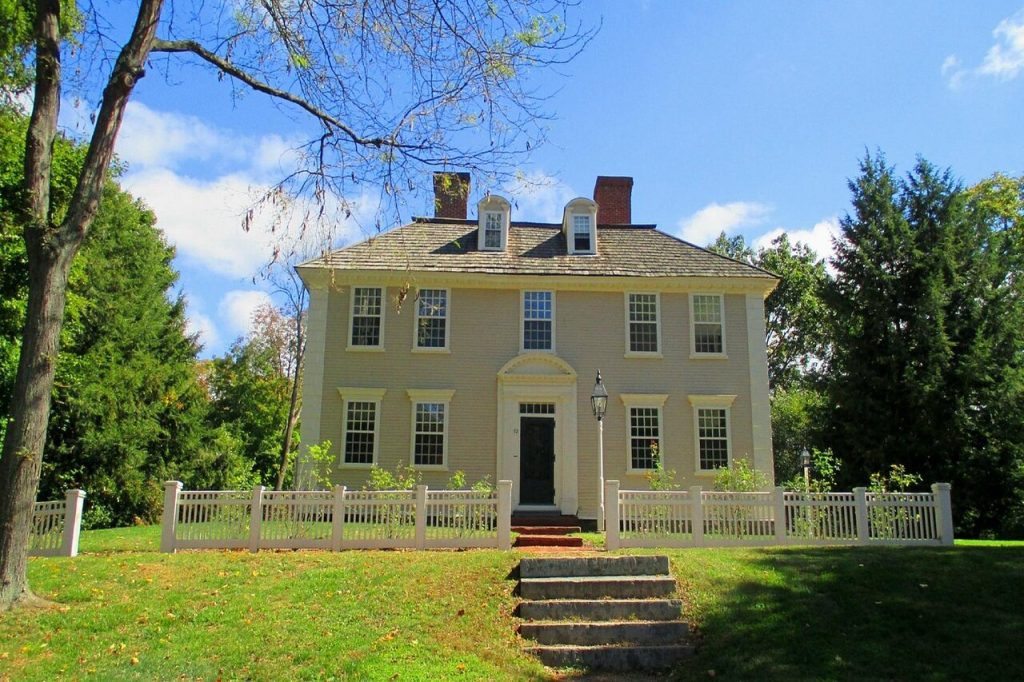
Historic Deerfield preserves an eighteenth-century New England village through a collection of original homes lining a mile-long street, each furnished to reflect different aspects of daily life in the colonial and early national periods. The museum emphasizes careful scholarship, using inventories, letters, and artifacts to recreate households that reveal variations in wealth, occupation, and cultural influence. Visitors can examine tools, textiles, and domestic items that illustrate how families organized work, stored food, and maintained social obligations within a close-knit community. The village also highlights Deerfield’s layered history, including interactions among Indigenous peoples, settlers, and global trade networks that shaped the region’s material culture over generations. Through its preserved homes and interpretive programs, the site encourages reflection on how ordinary people adapted to economic shifts, political change, and environmental demands.
7. Old Salem Museums & Gardens, North Carolina
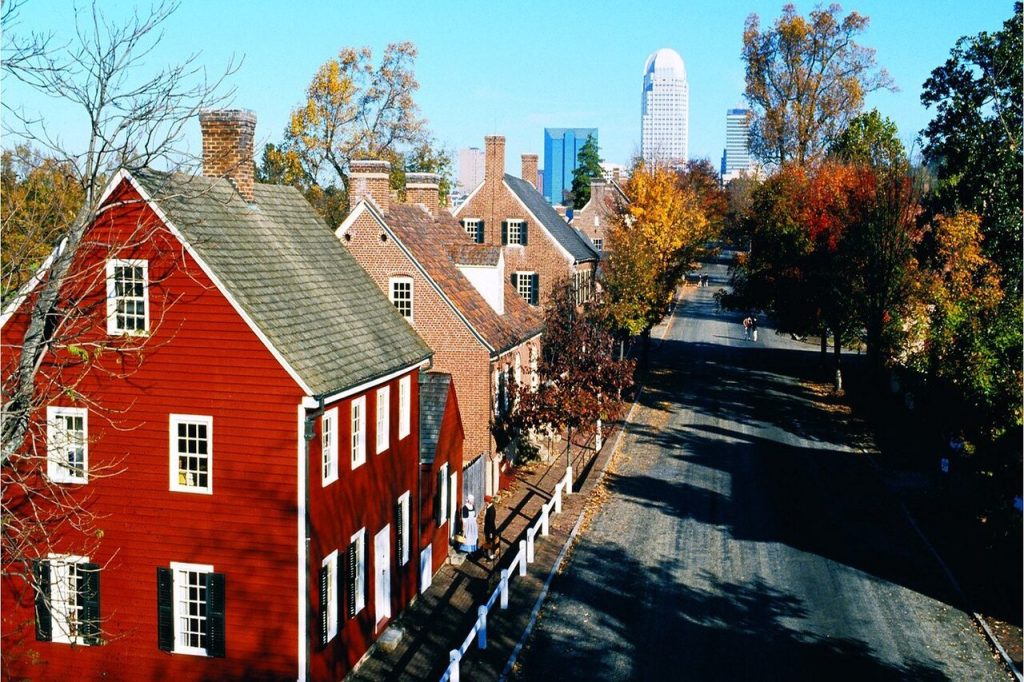
Old Salem interprets the eighteenth and nineteenth-century Moravian community that once flourished in the Wachovia tract, presenting a well-documented settlement known for its craftsmanship, spiritual traditions, and organized town planning. The preserved buildings showcase workshops, dwellings, and meeting spaces that reveal how residents balanced communal values with individual skills. Artisans demonstrate trades such as pottery, tailoring, baking, and carpentry, emphasizing methods rooted in precision and cooperation. Gardens planted with heirloom varieties reflect the agricultural knowledge that supported the community through careful planning and seasonal labor. Walking through the town gives visitors insight into how the Moravians structured education, worship, and governance, showing a society shaped by both faith and practicality. The site’s research-based approach provides a clear, grounded picture of how skilled labor and shared ideals sustained the settlement.
8. Nauvoo Historic District, Illinois
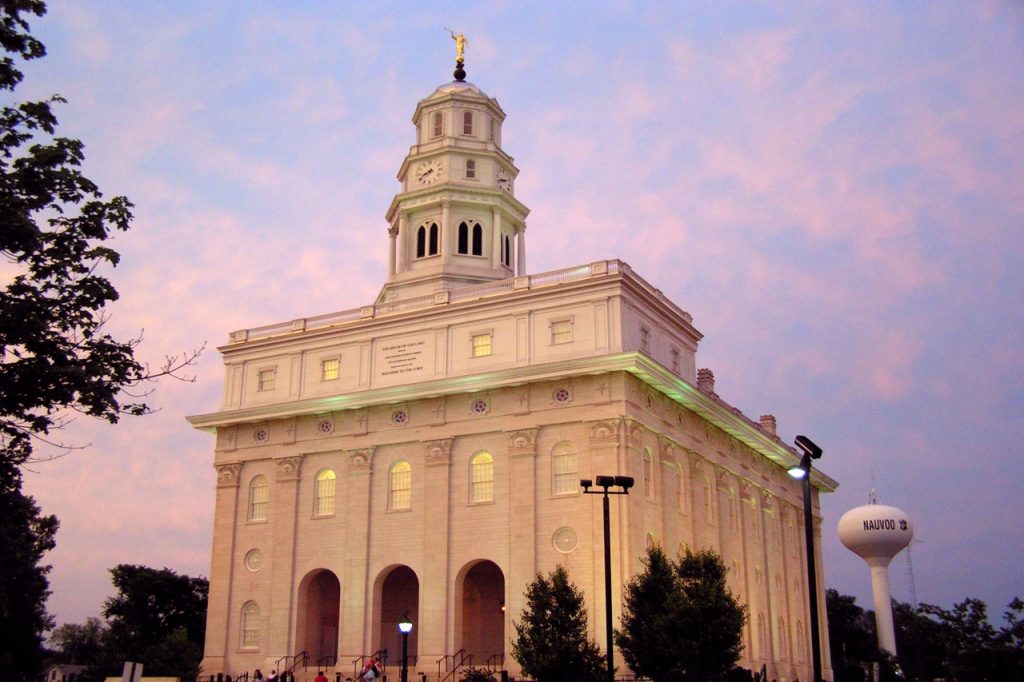
The Nauvoo Historic District interprets the 1840s community built by early Latter-day Saint settlers, preserving homes, workshops, and public buildings that document the group’s rapid growth and organized town planning. Visitors can explore structures that reveal how families worked, worshiped, and cooperated as they established a self-sustaining settlement on the Mississippi River. Demonstrations of brickmaking, printing, and cooperage illustrate the essential trades that supported both local needs and regional commerce. The district also highlights the social networks, religious gatherings, and communal efforts that defined Nauvoo during a period of expansion and challenge. By presenting the realities of daily labor, resource management, and migration, the site offers insight into how settlers constructed infrastructure and community identity while navigating political pressures and eventual relocation.
9. Shaker Village of Pleasant Hill, Kentucky
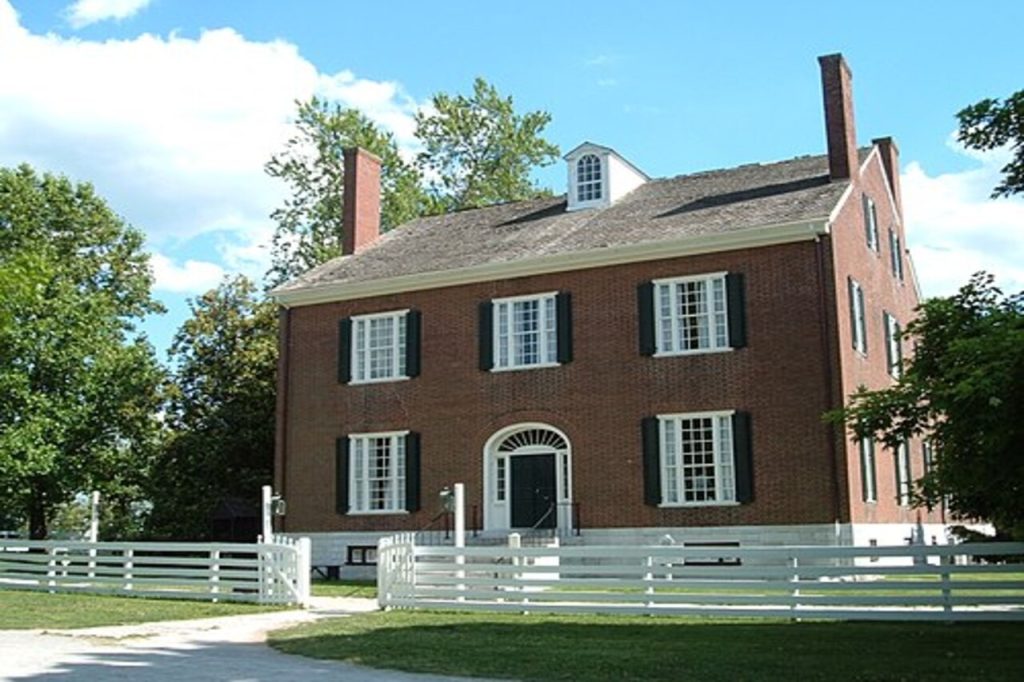
Shaker Village of Pleasant Hill preserves a nineteenth-century religious community known for its orderly design, craftsmanship, and emphasis on shared labor. The preserved dwellings and workshops show how members organized their lives around communal values, with spaces arranged for efficiency, cleanliness, and spiritual reflection. Demonstrations of woodworking, weaving, and agricultural tasks reveal the high level of skill that made Shaker products valued across the region. The surrounding farmland illustrates the group’s careful approach to land management, reflecting techniques that balanced productivity with sustainability. Visitors walking the grounds gain insight into how Shaker beliefs influenced everything from architecture to daily routines, showing a society focused on discipline, cooperation, and innovation within a structured communal framework.
10. Historic Jamestowne & Jamestown Settlement, Virginia
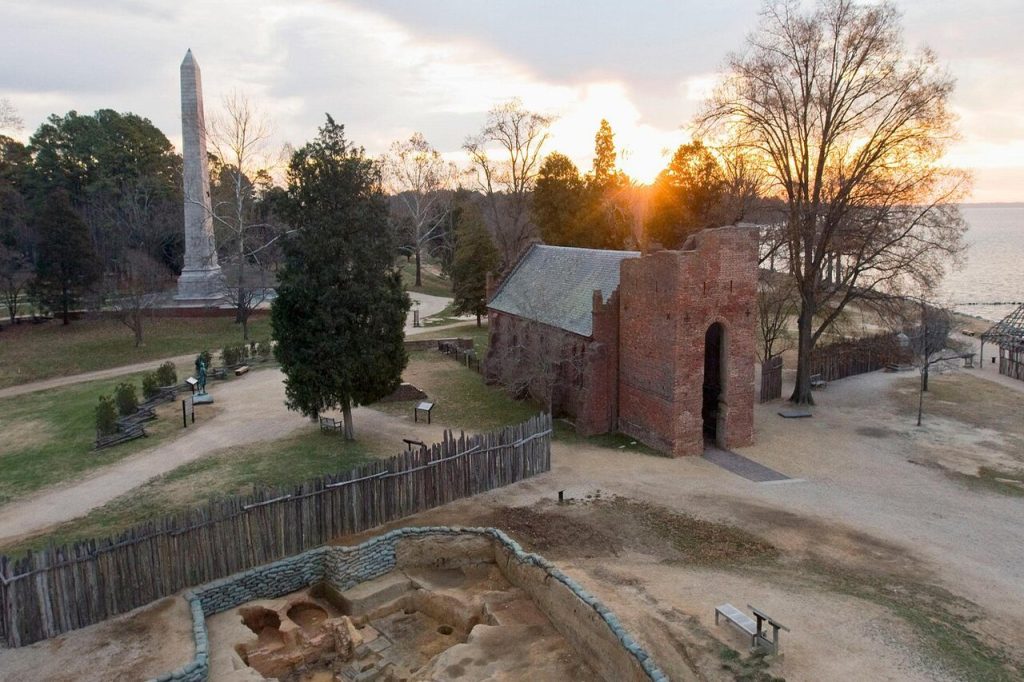
Historic Jamestowne and the adjacent Jamestown Settlement present two complementary interpretations of the earliest permanent English settlement in North America. Historic Jamestowne focuses on archaeological research, revealing evidence of fortifications, dwellings, and material culture uncovered from the seventeenth century. The Settlement, meanwhile, offers reconstructed environments that illustrate how settlers lived, farmed, and defended themselves within a frontier setting. Visitors can explore re-created homes, ships, and workspaces that demonstrate the challenges of establishing stability in an unfamiliar environment with limited supplies. These settings emphasize interactions with Indigenous communities, the impact of disease, and the experimentation that shaped early governance and agriculture. Together, the sites provide a layered view of perseverance, adaptation, and cultural exchange in the formative years of English America.
11. Old World Wisconsin, Wisconsin
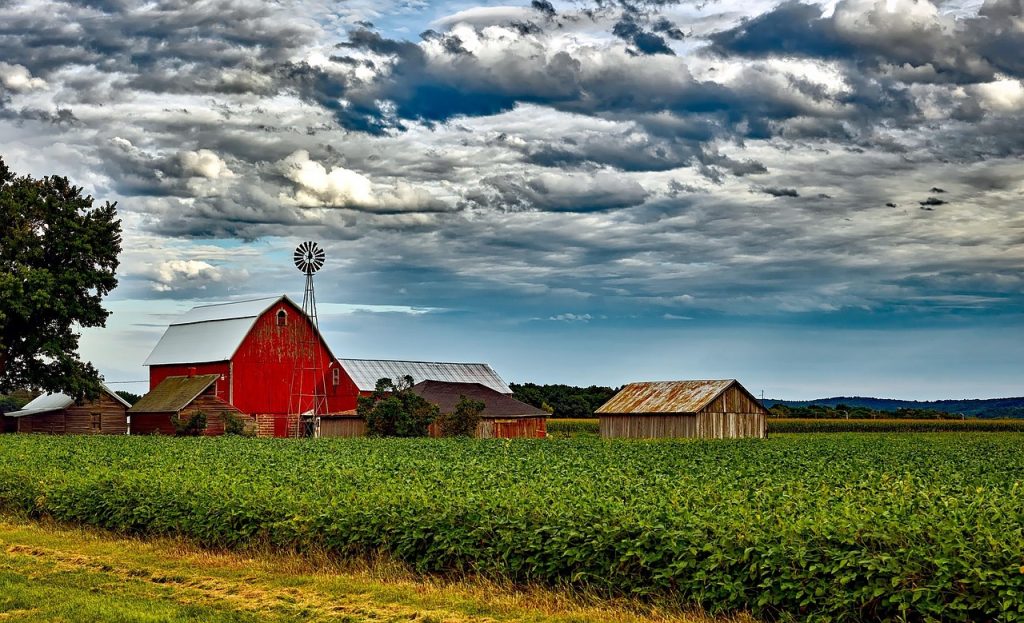
Old World Wisconsin recreates the nineteenth-century immigrant experience by assembling farms, workshops, and homes representing German, Norwegian, Polish, Danish, Finnish, and African American communities. The site uses original and reconstructed buildings to highlight the varied architectural styles, agricultural practices, and domestic routines that shaped rural life among newcomers to the region. Demonstrations of cooking, fieldwork, and craft production reveal how families blended traditions from their homelands with the realities of Wisconsin’s landscape and climate. Seasonal activities show the labor required to establish homesteads, manage livestock, and maintain households with limited technology. The village offers a broad perspective on how cultural diversity contributed to the region’s development and how immigrants adapted their lifestyles to new opportunities and challenges.
12. Roaring Camp, California
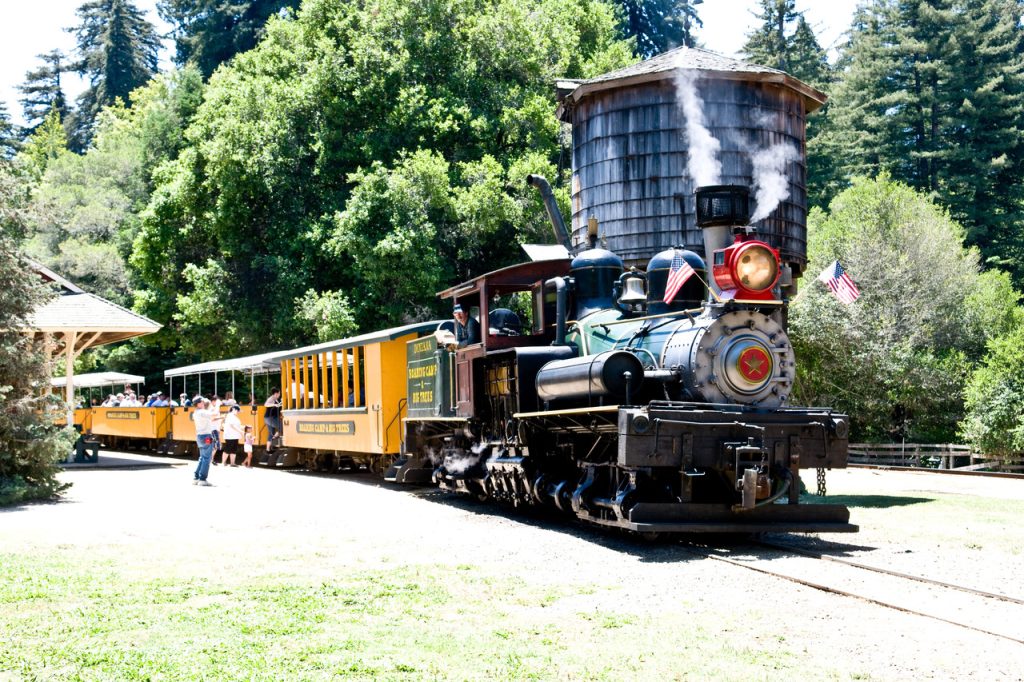
Roaring Camp preserves the atmosphere of a mid-nineteenth-century logging and railroad settlement, capturing the rugged routines that defined life in the Santa Cruz Mountains during California’s early industrial period. The village presents workshops, cabins, and rail facilities that reveal how workers processed timber, maintained equipment, and lived in close proximity to demanding labor. Visitors can observe demonstrations that explain how transportation networks and logging techniques shaped the region’s economy before modern mechanization transformed the industry. The site also illustrates the social structure of camps, showing how workers balanced isolation, community ties, and reliance on natural resources. By exploring the preserved environment, guests gain a clearer sense of the physical challenges and economic forces that influenced development along the West Coast.

