


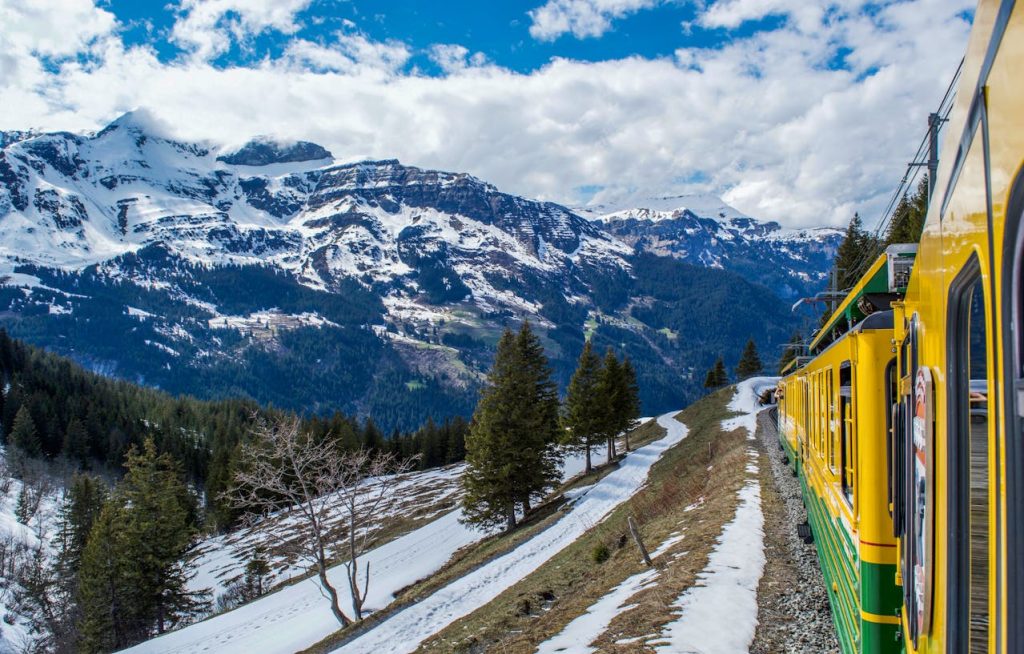
Many scenic train routes across Europe have become focal points in conversations about environmental tourism as rising interest places new pressure on fragile landscapes. Rail journeys once known for quiet passage through mountains, rivers, and historic towns now face concerns related to crowding, ecosystem disruption, and strain on older infrastructure. Advocacy groups promote stricter oversight to protect vulnerable regions while operators highlight the value of rail as a lower-impact travel option. These tensions influence how each route adapts to modern sustainability expectations.
Bernina Express, Switzerland
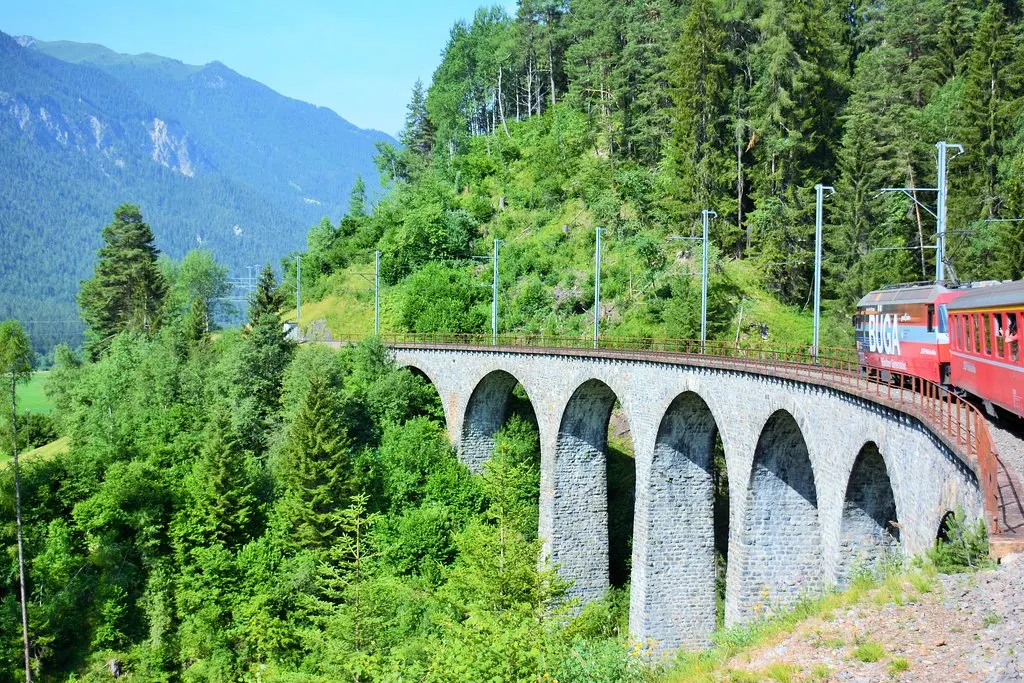
The Bernina Express crosses the Swiss Alps along a UNESCO protected corridor shaped by glaciers, high-altitude lakes, and stone viaducts. Increased tourism has raised concerns about erosion near lookout points and congestion around mountain stations. Environmental groups encourage limits on peak departures to reduce pressure on wildlife habitats. Rail officials focus on maintaining track stability and promoting seasonal distribution. Ongoing monitoring supports preservation of alpine ecosystems central to the route’s cultural and natural value.
West Highland Line, Scotland
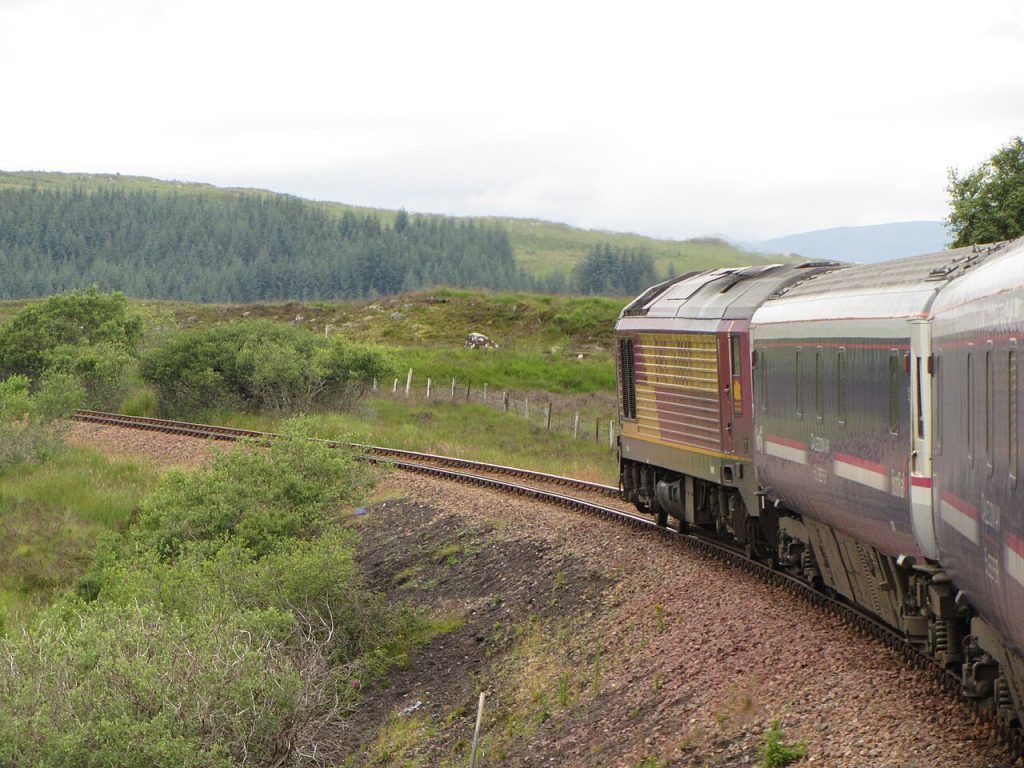
The West Highland Line travels across remote areas of the Scottish Highlands where moorland, lochs, and forest corridors support sensitive wildlife. Rising passenger numbers influence trail wear near popular stops and contribute to litter concerns in small station towns. Conservation advocates highlight impacts on nesting areas and deer migration paths. Rail operators coordinate with local authorities on stewardship programs designed to balance tourism with ecosystem health. Continued collaboration ensures the route retains its scenic and cultural significance.
Cinque Terre Train Route, Italy
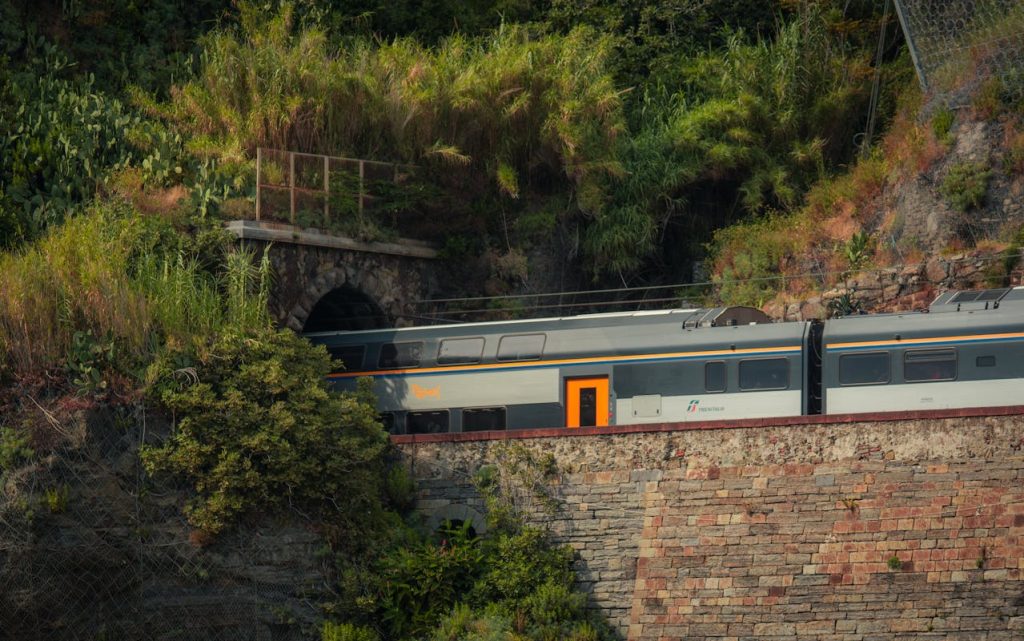
The Cinque Terre rail line connects five coastal villages built against steep cliffs along the Ligurian Sea. Growth in rail tourism has increased crowding on platforms and contributed to pressure on hillside terraces essential to regional agriculture. Local groups emphasize the need for reduced train frequency during peak hours to protect fragile slopes. Authorities encourage timed entry systems that support safer visitor flow. Infrastructure planning aims to preserve both rail access and coastal landscapes shaped by generations of local workers.
Flam Railway, Norway
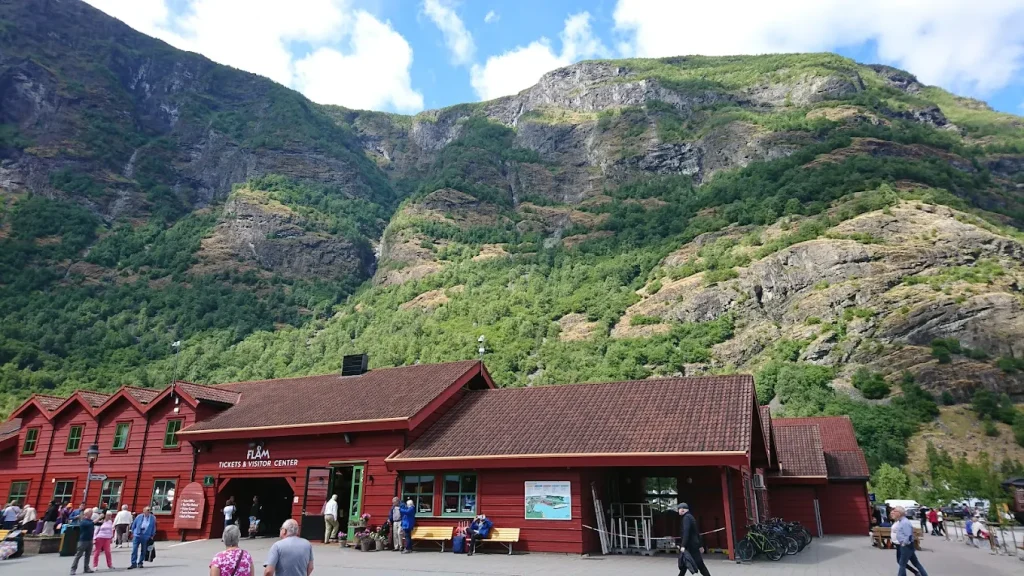
The Flam Railway descends from Myrdal to the Aurlandsfjord through narrow valleys defined by waterfalls, steep rock faces, and delicate vegetation. Rising demand places stress on fjord environments where noise and vibration influence bird and marine life. Environmental organizations call for emissions-related restrictions on connecting transport services. Rail planners review scheduling options and upgrade equipment to reduce ecological impact. Preservation efforts focus on maintaining a balance between natural landscape protection and the route’s longstanding cultural appeal.
Glacier Express, Switzerland
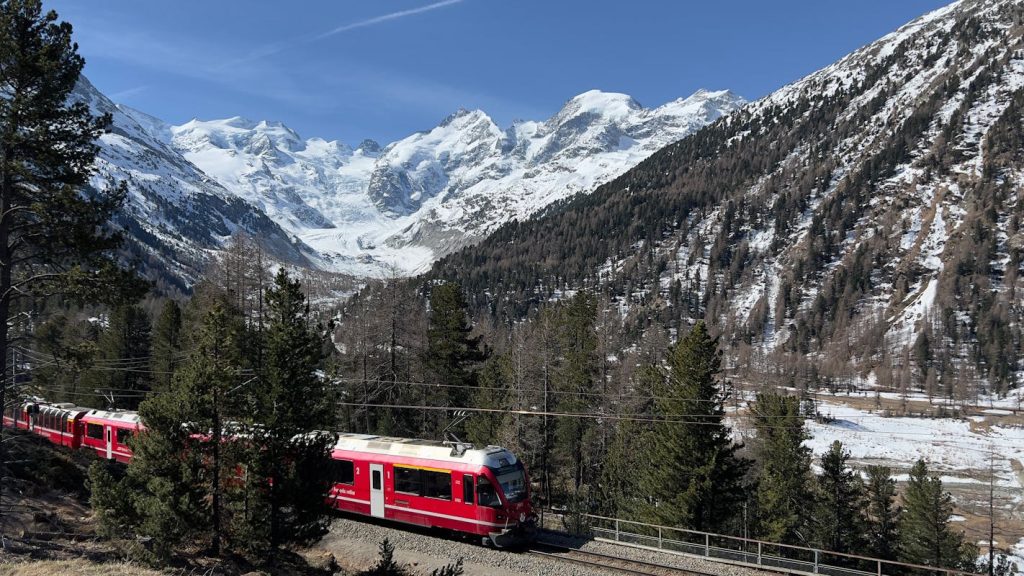
The Glacier Express links Zermatt and St. Moritz along high-altitude passages that require continuous maintenance due to shifting weather and snowpack conditions. Increased tourism has heightened concerns regarding energy consumption and infrastructure pressure at viewing platforms in connected towns. Environmental groups recommend moderating peak travel to support biodiversity in alpine zones. Rail management invests in modernized systems to improve sustainability. The route remains an iconic attraction while adapting to new expectations surrounding environmental responsibility.
Douro Valley Line, Portugal
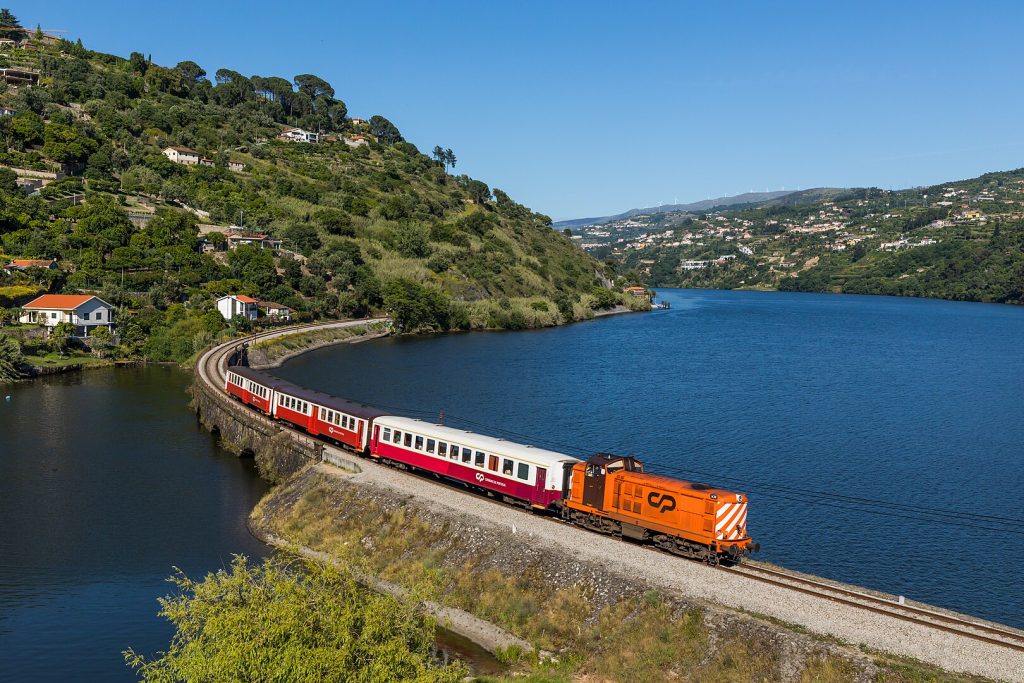
The Douro Valley Line winds through terraced vineyards and riverbanks recognized as a UNESCO landscape shaped by centuries of agricultural labor. Growth in rail tourism contributes to congestion at rural stations and heightened wear on hillside paths. Local advocates highlight concerns about soil erosion and pressure on grape-growing areas. Authorities explore visitor caps during harvest season to protect cultural and agricultural assets. Preservation efforts emphasize safeguarding the valley’s history while sustaining interest in its scenic rail corridor.
Semmering Railway, Austria
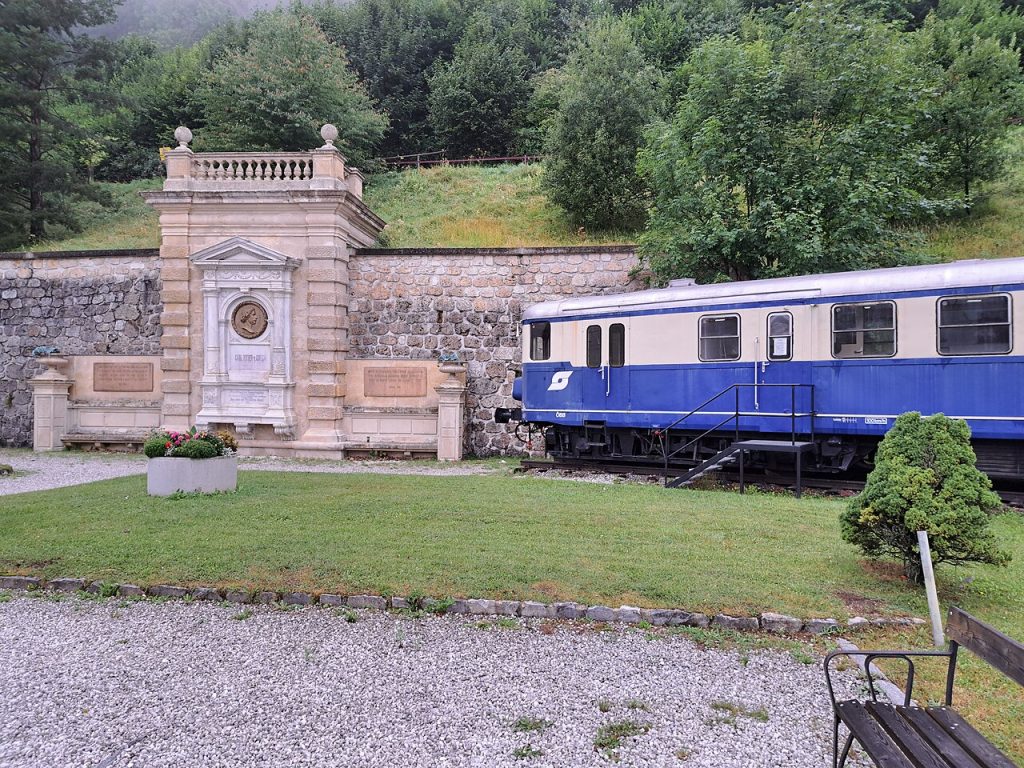
The Semmering Railway, one of the world’s earliest mountain railways, traverses forested ridges and historic viaducts with significant ecological value. Increased visitor activity has prompted concerns about wildlife disturbance and soil compaction around lookout points. Conservation groups promote improved trail management and controlled access. Rail officials focus on structural monitoring of tunnels and bridges. Modern sustainability planning aims to protect natural habitats while maintaining the route’s status as a landmark of engineering and cultural heritage.
Bergen Line, Norway

The Bergen Line crosses tundra plateaus and forested valleys between Oslo and Bergen, passing through regions where wildlife migration patterns are sensitive to increased noise and vibration. Rising tourism affects smaller stations that struggle with seasonal surges. Environmental advocates call for low-impact upgrades and reduced peak traffic. Rail authorities work with conservation teams to support habitat preservation. The line remains a vital transport link while adjusting to environmental expectations tied to mountain and valley ecosystems.
Bavarian Zugspitze Railway, Germany

The Bavarian Zugspitze Railway climbs Germany’s highest mountain through glacial terrain vulnerable to warming temperatures and human activity. Increased rail tourism contributes to erosion concerns and pressure on protected hiking zones surrounding the summit. Environmental groups advocate for restrictions on peak services to reduce cumulative impact. Rail management develops strategies for energy efficiency and improved monitoring. The route highlights alpine geology while adapting to scrutiny aimed at preserving remaining ice fields and high-altitude habitats.
Black Forest Railway, Germany
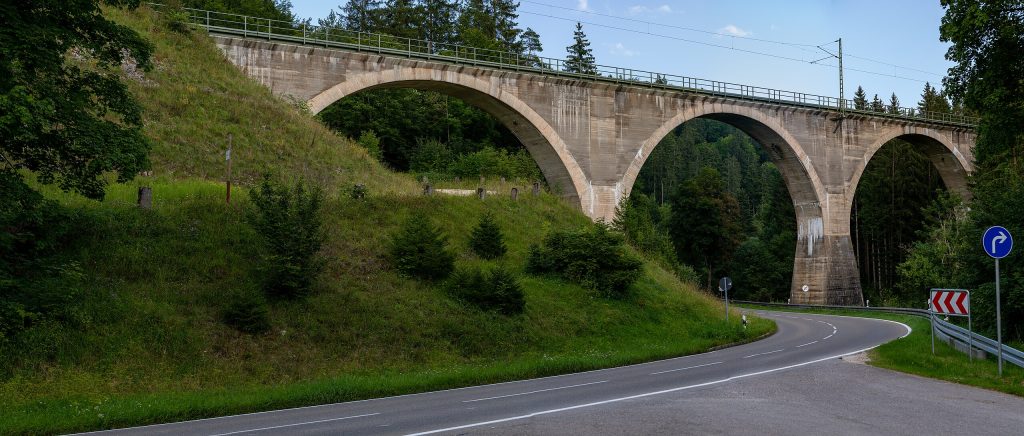
The Black Forest Railway winds through dense woodland, steep ravines, and historic villages known for rich biodiversity. Rising tourist traffic fuels economic growth but increases noise and habitat disturbances that affect regional wildlife. Environmental organizations emphasize the importance of limiting service frequency during sensitive breeding periods. Rail officials implement quieter equipment and focus on vegetation protection near tracks. Sustainable planning supports both transportation needs and conservation goals within the forested landscape.
La Rhune Railway, France

The La Rhune Railway ascends a Basque mountain using vintage carriages that attract strong seasonal tourism. Increased visitation places pressure on grazing lands and footpaths used by local shepherding communities. Environmental advocates recommend capacity limits to reduce landscape degradation. Rail operators coordinate with regional officials on trail reinforcement and habitat monitoring. Preservation plans center on protecting cultural traditions and mountain ecosystems while maintaining access to this historically significant rail experience.
Belgrade to Bar Railway, Serbia and Montenegro
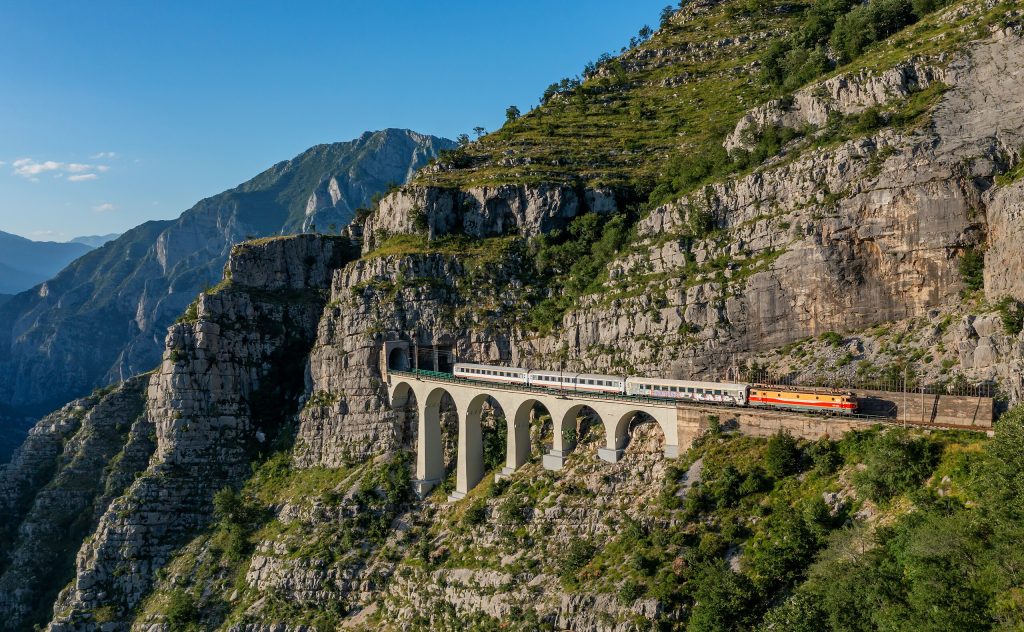
The Belgrade to Bar Railway crosses mountain gorges, forested plateaus, and rural settlements along one of Europe’s most dramatic engineering routes. Tourism growth intensifies concerns about landslide risks, riverbank stability, and disturbance to wildlife within protected zones. Environmental groups encourage investments in monitoring systems and controlled traffic through vulnerable segments. Rail authorities prioritize maintenance and collaborate with conservation experts. The route remains an important cross-border connection while adapting to rising expectations for environmental stewardship.

