


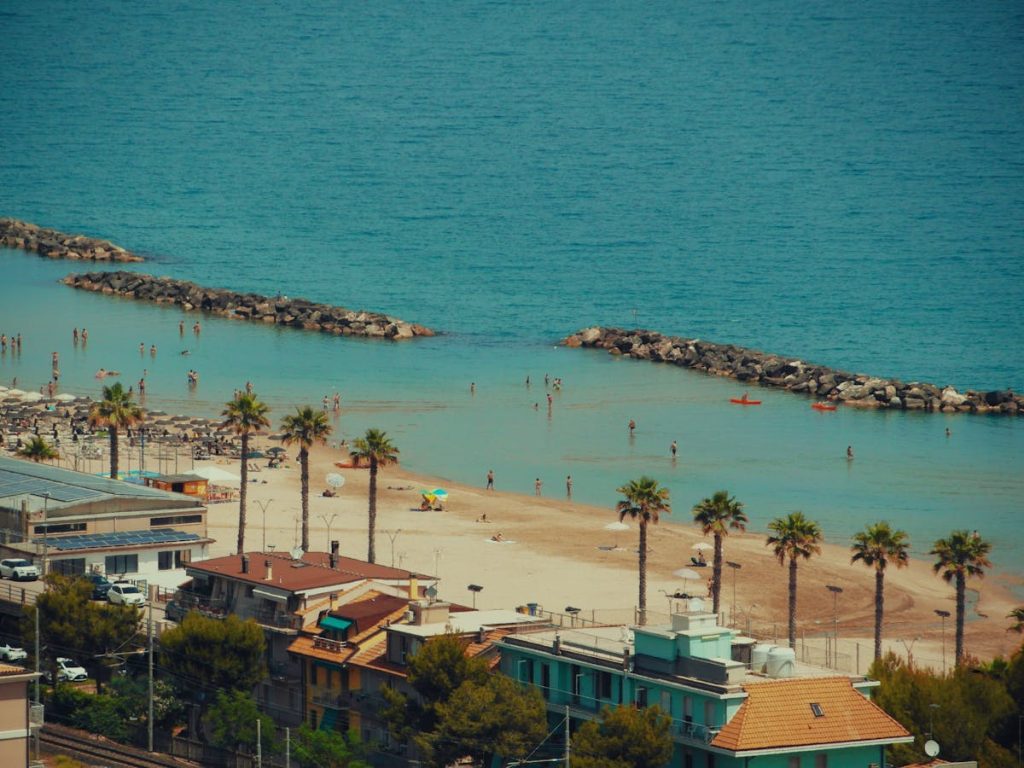
Many lesser known Mediterranean beaches are facing renewed scrutiny as overtourism pressures intensify across coastal communities. Once secluded areas have seen large increases in seasonal visitors, creating strain on fragile ecosystems and limited local infrastructure. Residents and environmental groups have raised concerns about erosion, waste accumulation, and habitat disruption linked to unmanaged foot traffic. These protests highlight a push for sustainable tourism policies that protect natural shorelines while preserving long term access for regional communities.
Cala dei Gabbiani, Italy
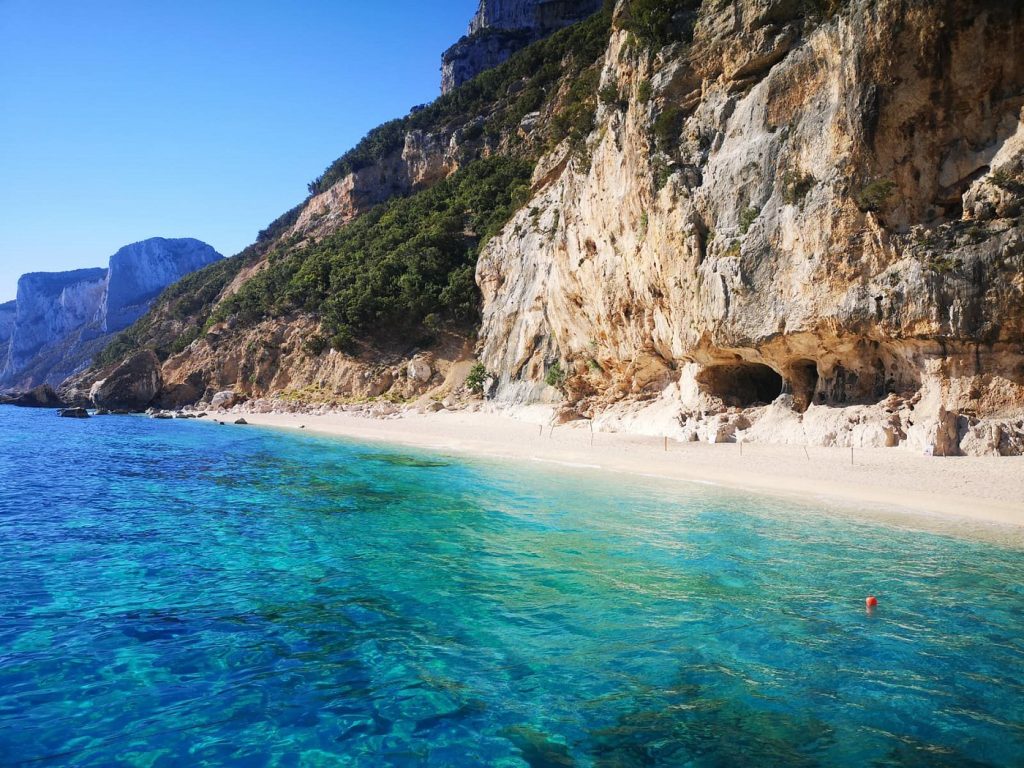
Cala dei Gabbiani on Sardinia’s eastern coast is accessible primarily by boat or a steep hiking route, making it highly sensitive to visitor surges. Rising tourism brought congestion in surrounding waters and increased pressure on limestone cliffs. Local groups raised concerns about anchor damage and litter accumulation linked to short visit patterns. Regional authorities continue evaluating seasonal capacity limits to safeguard underwater habitats. Conservation efforts emphasize reducing traffic while maintaining responsible access to the beach’s natural features.
Calanque d’En Vau, France
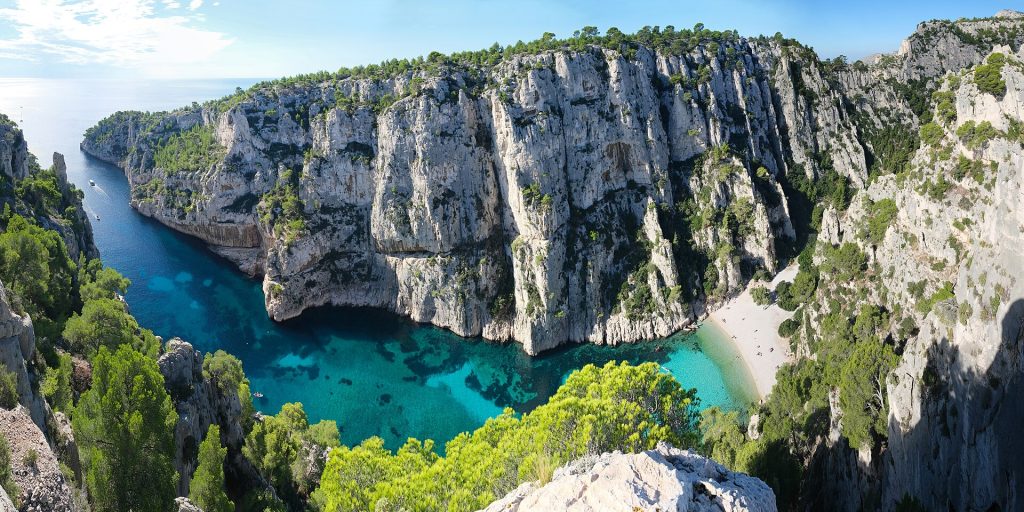
Calanque d’En Vau near Cassis lies within a national park characterized by steep cliffs and narrow hiking trails prone to erosion. Growing numbers of visitors created significant wear on limestone paths and contributed to habitat fragmentation. Environmental advocates requested controlled access measures to protect the site’s biodiversity and prevent rock destabilization. Authorities implemented reservations during peak months to manage foot traffic. Continued monitoring aims to balance recreation with long term conservation goals within the protected area.
Playa de ses Illetes, Spain
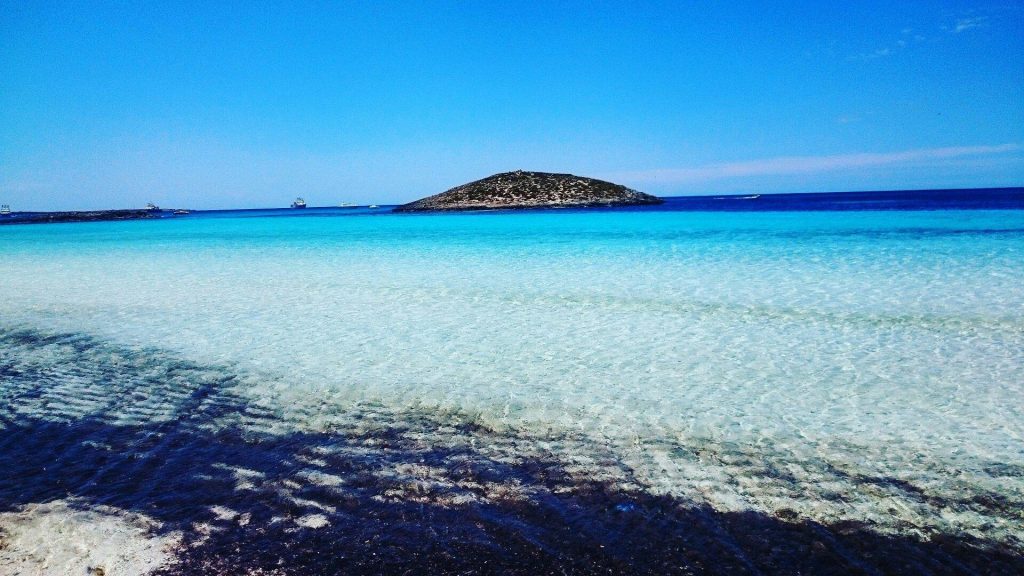
Playa de ses Illetes in Formentera consistently ranks among Europe’s most visited beaches, resulting in increased pressure on dunes and seagrass ecosystems. Local officials identified overcrowding as a major factor in shoreline degradation and waste management challenges. Community protests called for stricter controls on boat arrivals and parking access. Preservation initiatives now focus on regulating visitor volume to protect Posidonia meadows. Ongoing monitoring supports sustainable tourism strategies that help maintain the island’s ecological stability.
Porto Timoni, Greece
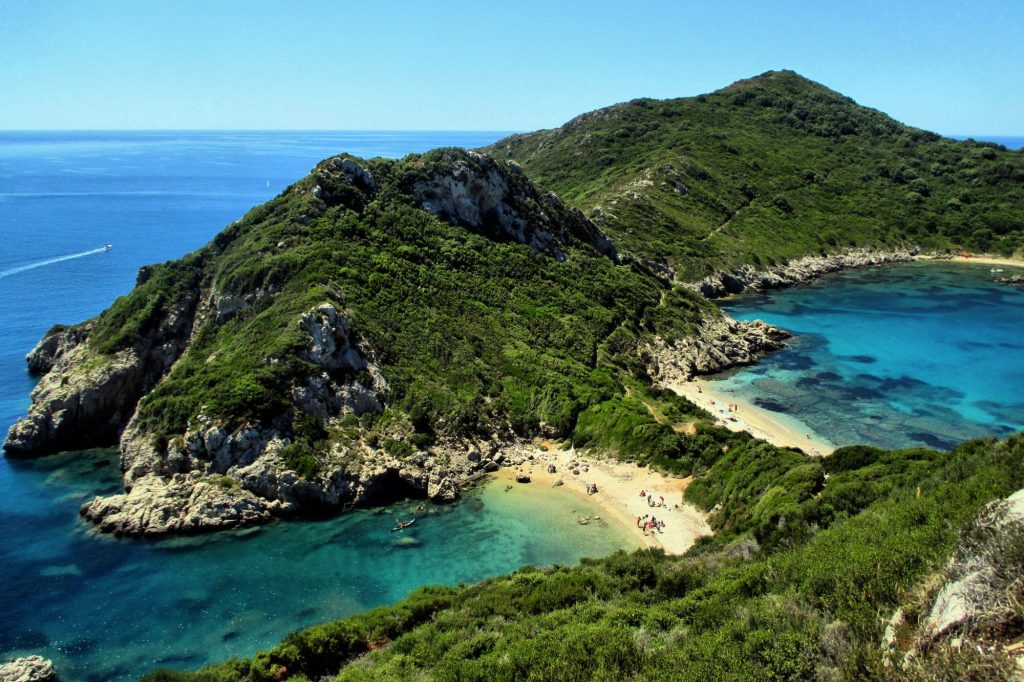
Porto Timoni on Corfu features twin coves accessible only by a rugged footpath that has deteriorated under heavy tourist activity. Rising visitation contributed to vegetation loss and trail erosion, prompting local environmental groups to advocate for protective measures. Authorities have evaluated seasonal crowd limits and signage improvements to reduce ecological strain. Restoration programs aim to support replanting efforts around damaged areas. Long term management seeks to preserve the site’s coastal terrain while allowing continued public access.
Cala Luna, Italy
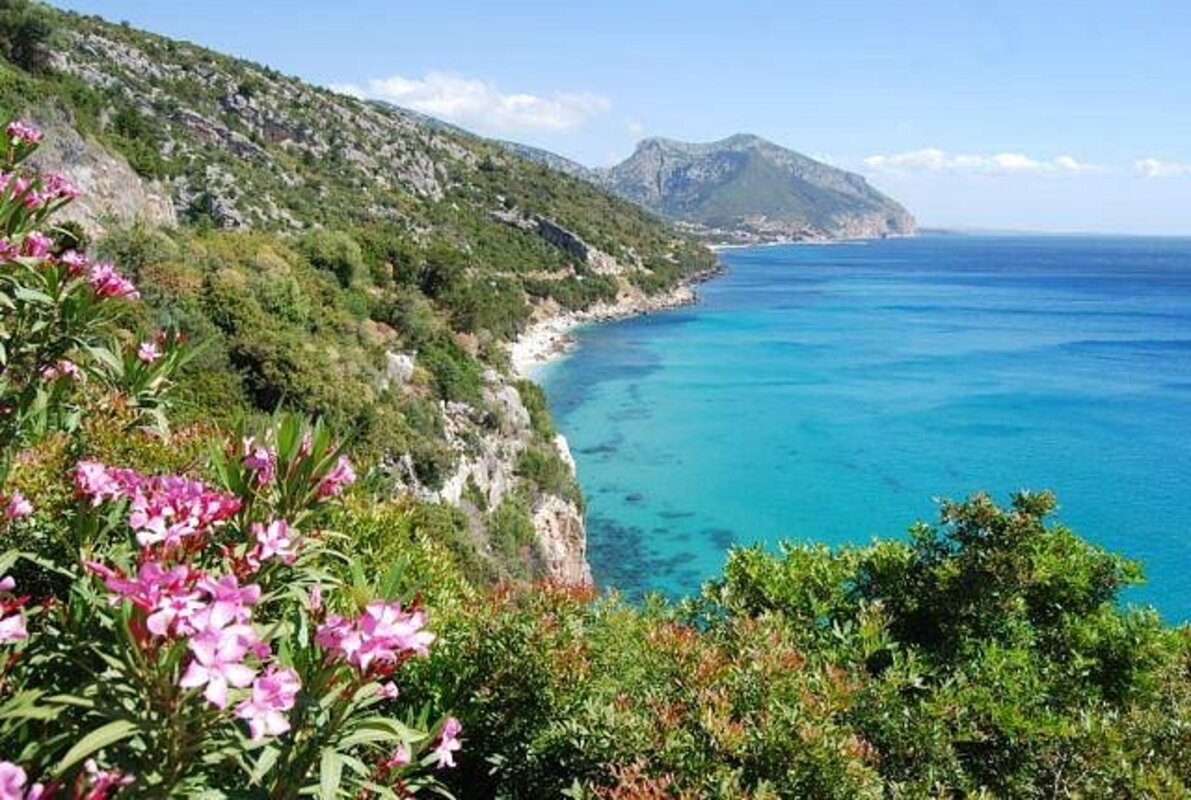
Cala Luna in Sardinia is known for limestone caves and crescent shaped beaches that once attracted relatively modest tourism levels. Increased visibility on social platforms resulted in larger crowds and accelerated erosion along cliffside trails. Local organizations raised concerns about cave deterioration and waste left along the shoreline. Protective measures now include designated access points and conservation patrols. Regional policymakers continue assessing visitor impact to safeguard the area’s geological formations and surrounding marine habitat.
Cala Macarella, Spain
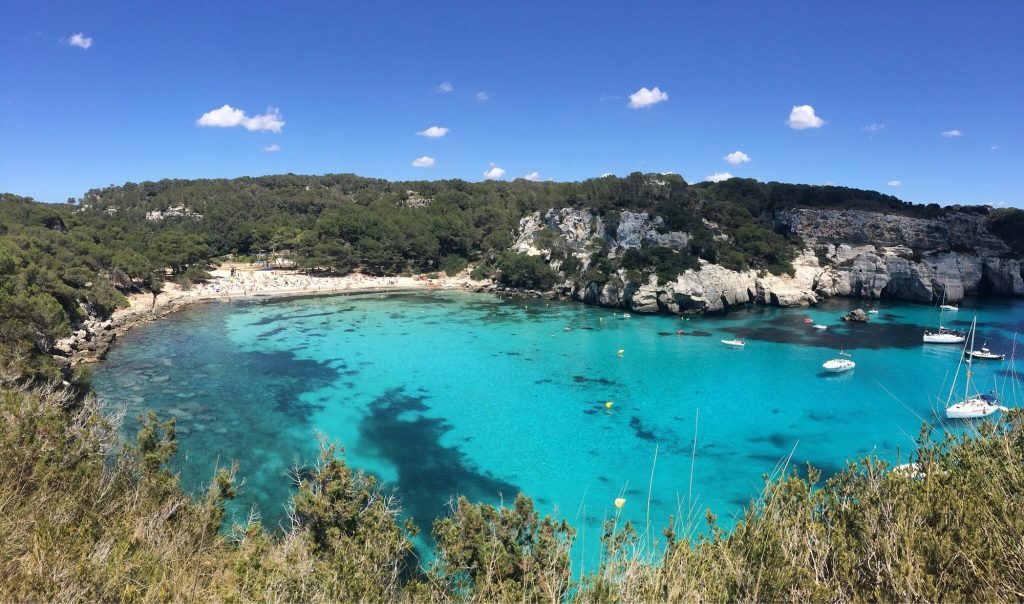
Cala Macarella in Menorca experienced rapid growth in seasonal tourism that stressed the pine forests and dune systems bordering the shoreline. High traffic volumes led to soil compaction, vegetation loss, and road congestion near the beach entrance. Public protests encouraged the adoption of shuttle systems and restrictions on private vehicles. Authorities implemented new regulations to stabilize environmental conditions. Conservation plans focus on preserving trail health, promoting sustainable visitor patterns, and reducing pressure on coastal ecosystems.
Balos Beach, Greece
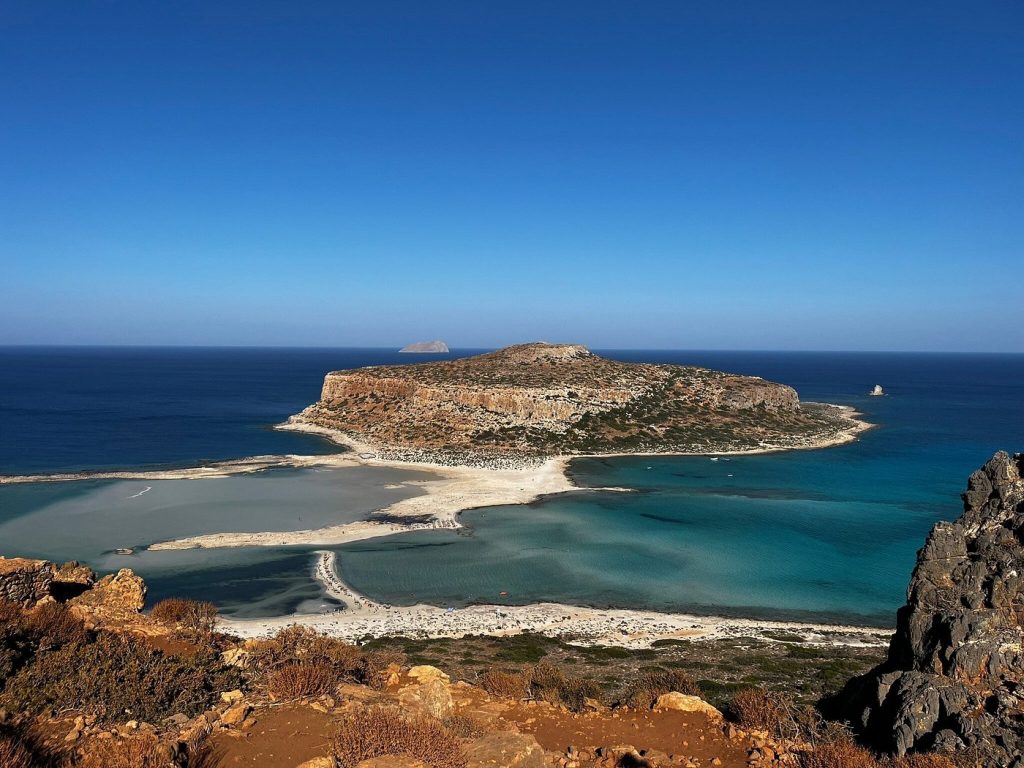
Balos Beach on Crete remains one of the region’s most photographed shorelines, attracting large crowds seeking shallow turquoise waters. The increase in foot traffic and boat arrivals contributed to erosion of ridge pathways and degradation of nearby dunes. Local groups demanded stronger regulations to manage waste and protect native plant species. Authorities have considered limitations on boat excursions and improved trail reinforcement. Ongoing initiatives target long term sustainability and environmental safeguarding within the lagoon area.
Cala Goloritzé, Italy
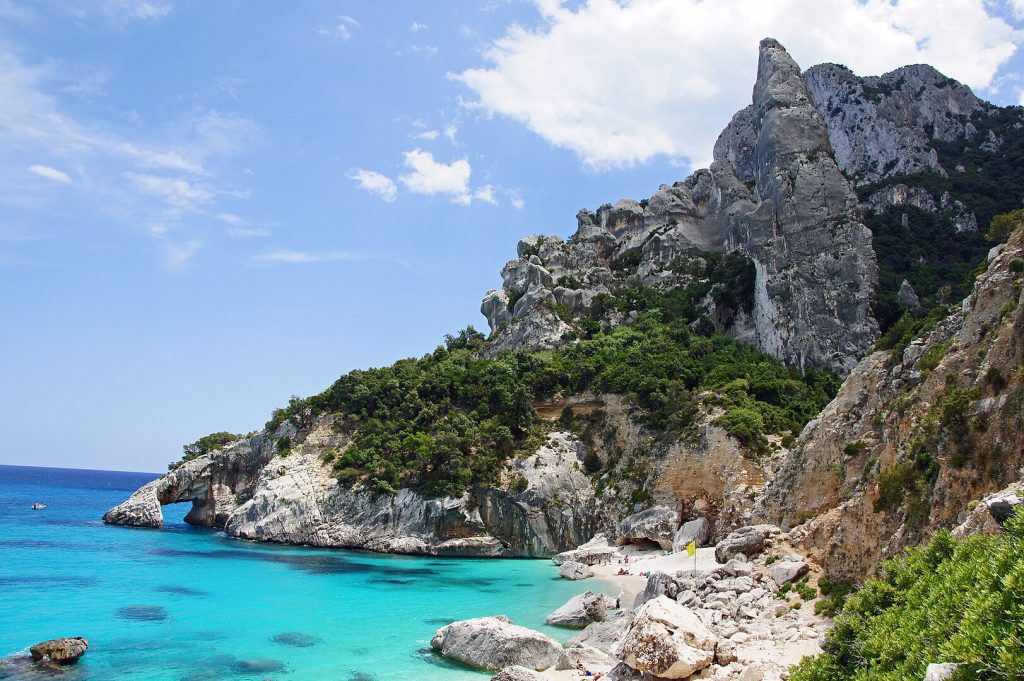
Cala Goloritze, designated as a protected natural monument in Sardinia, features limestone cliffs and clear waters accessed primarily by foot. Heavy tourism caused trail erosion and disturbed native flora along the ascent. Officials implemented daily visitor caps and modest entry fees to support restoration funding. Conservation teams continue monitoring the impact of regulated tourism on both land and marine environments. The structured approach aims to preserve the site’s unique geological and ecological characteristics over time.
Egremni Beach, Greece
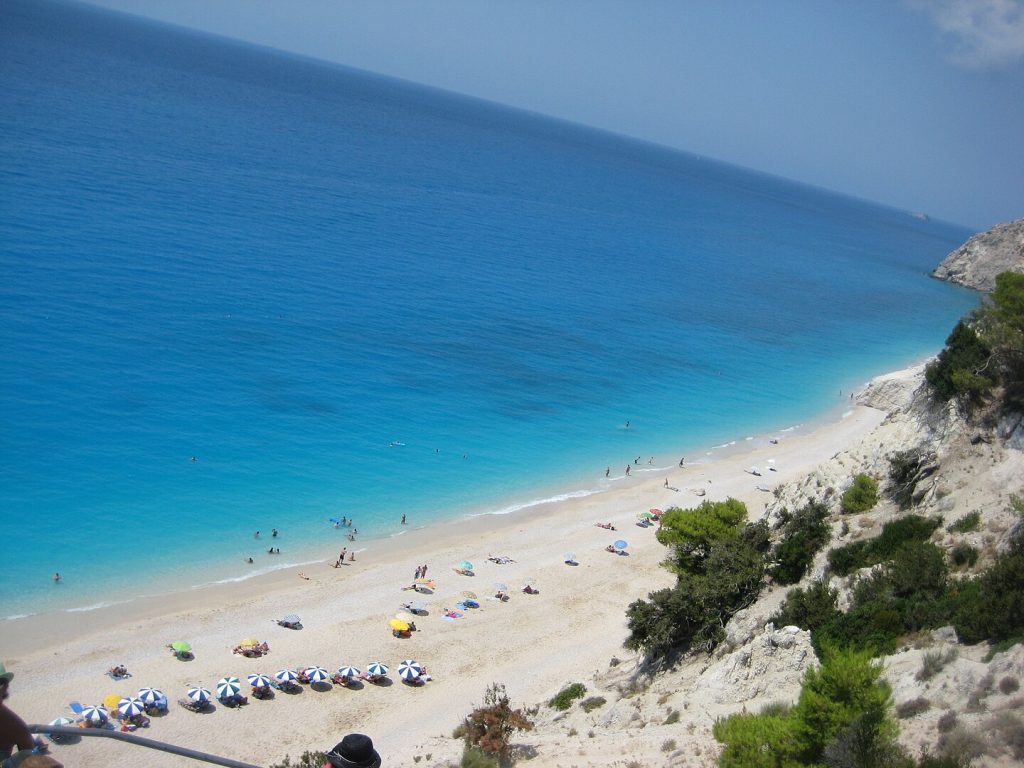
Egremni Beach on Lefkada is reached via a long stairway descending from cliffs that suffered damage during past earthquakes. Increased tourism in recent years intensified crowding along the rebuilt access route and contributed to waste issues on the shoreline. Local advocacy groups raised concerns about safety, trail wear, and environmental deterioration. Authorities introduced maintenance programs and strengthened access management. Current efforts prioritize protecting the beach’s dramatic cliffside landscape and reducing cumulative ecological stress.
Calanque de Sugiton, France
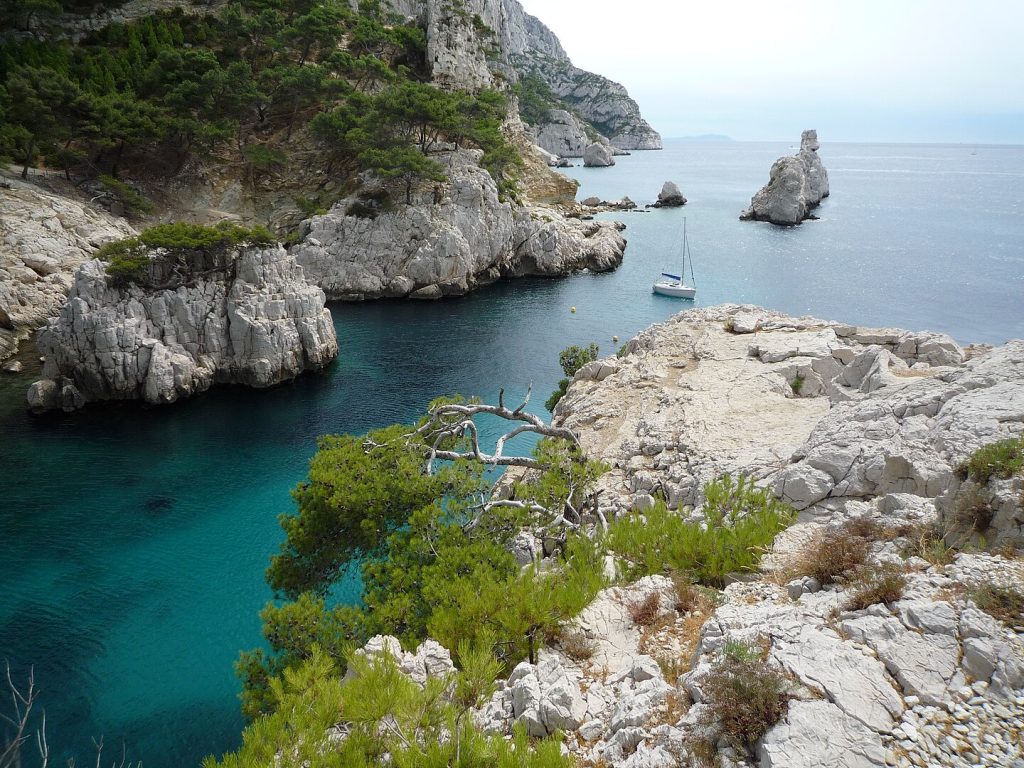
Calanque de Sugiton near Marseille sits within a national park where fragile vegetation faced rapid degradation due to heavy foot traffic. Authorities implemented one of the region’s strictest reservation systems to safeguard eroding soils and natural habitats. The program restricts daily attendance and encourages educational outreach. Early results show improved ecological health and reduced trail widening. Continued evaluation supports environmental restoration while maintaining guided visitor access to this protected Mediterranean inlet.
Sa Calobra, Spain
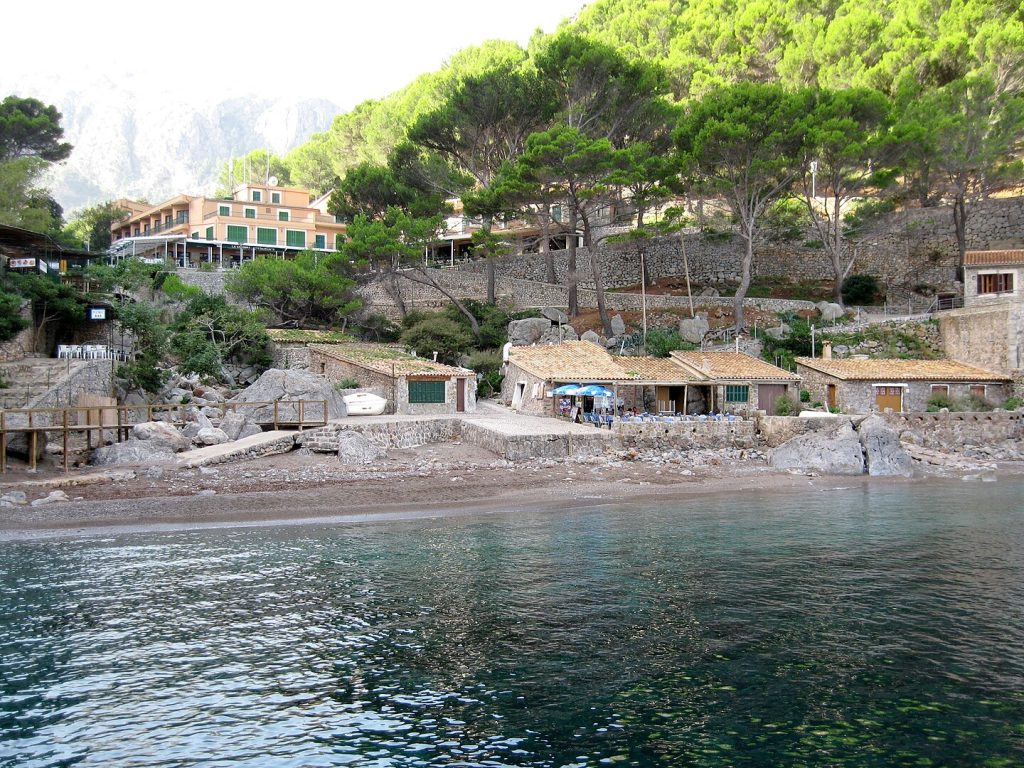
Sa Calobra on Mallorca is accessed via a winding mountain road and small port area that became congested as tourism increased. Local protests highlighted traffic pollution, overcrowding, and strain on limited public services. Recent strategies include regulating bus arrivals and adjusting parking availability to reduce environmental impact. Renovation plans focus on improving infrastructure while protecting surrounding cliffs and marine life. Efforts aim to balance tourism demands with the preservation of natural and cultural resources.
Cala Figuera, Spain
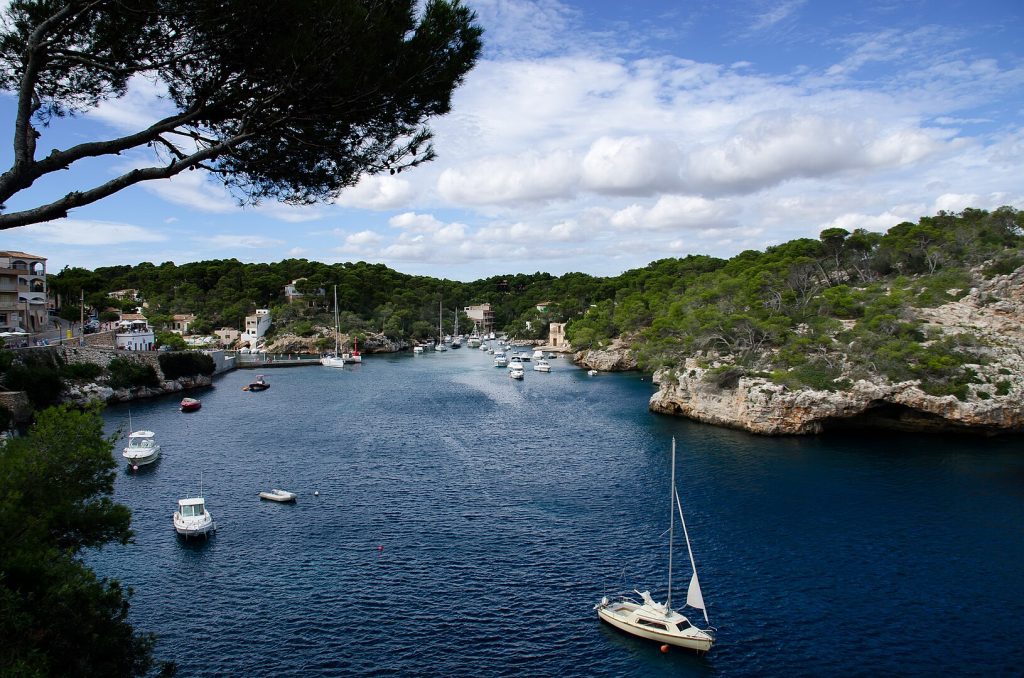
Cala Figuera on Mallorca features steep rocky terrain and limited beach space that became overcrowded as visitor numbers rose. Environmental pressure led to damaged vegetation and unstable cliff sections. Local groups advocated for clearer pathways and improved waste controls. Authorities responded with reinforced signage, monitoring programs, and discussions about seasonal capacity limits. Conservation planning focuses on reducing erosion and maintaining safe access to the site’s scenic coastal environment.
Makarska Hidden Coves, Croatia
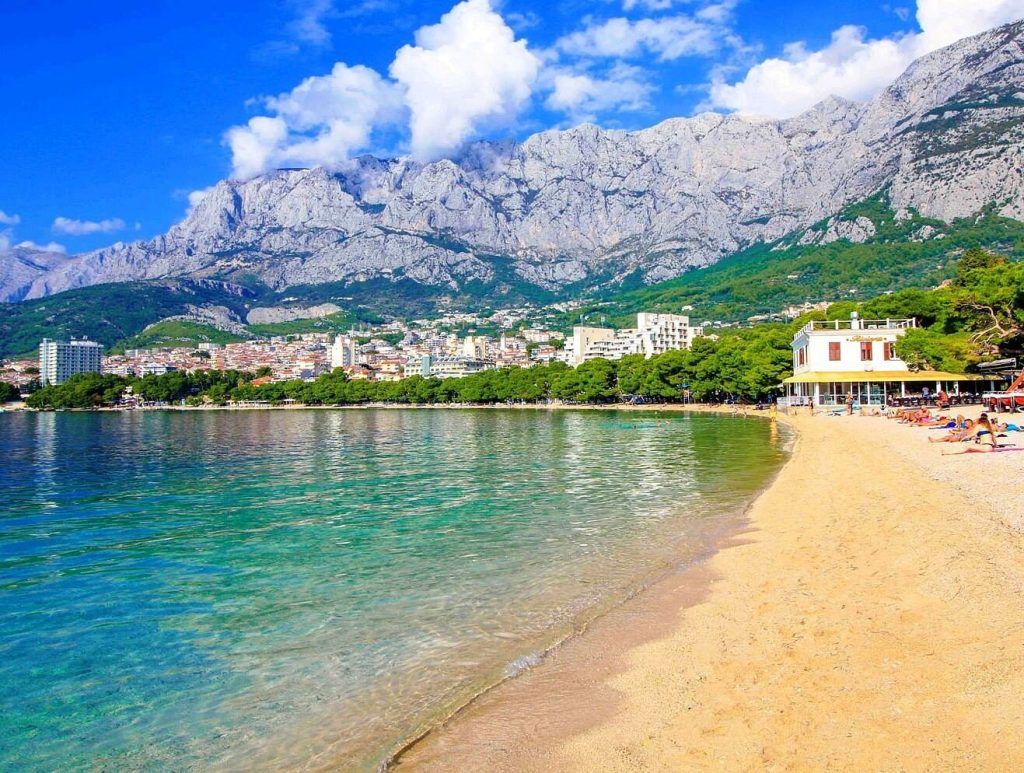
Hidden coves near Makarska on the Dalmatian Coast once saw mostly local use but now attract substantial international attention. Increased visitation created waste issues, noise disturbances, and habitat disruption along cliffside trails. Local organizations requested stronger coastal protections and visitor caps to manage pressure. Regional authorities introduced cleanup initiatives and habitat preservation programs. Long term strategies emphasize responsible tourism practices to maintain the area’s coastal integrity and ecological balance.
Antisamos Beach, Greece
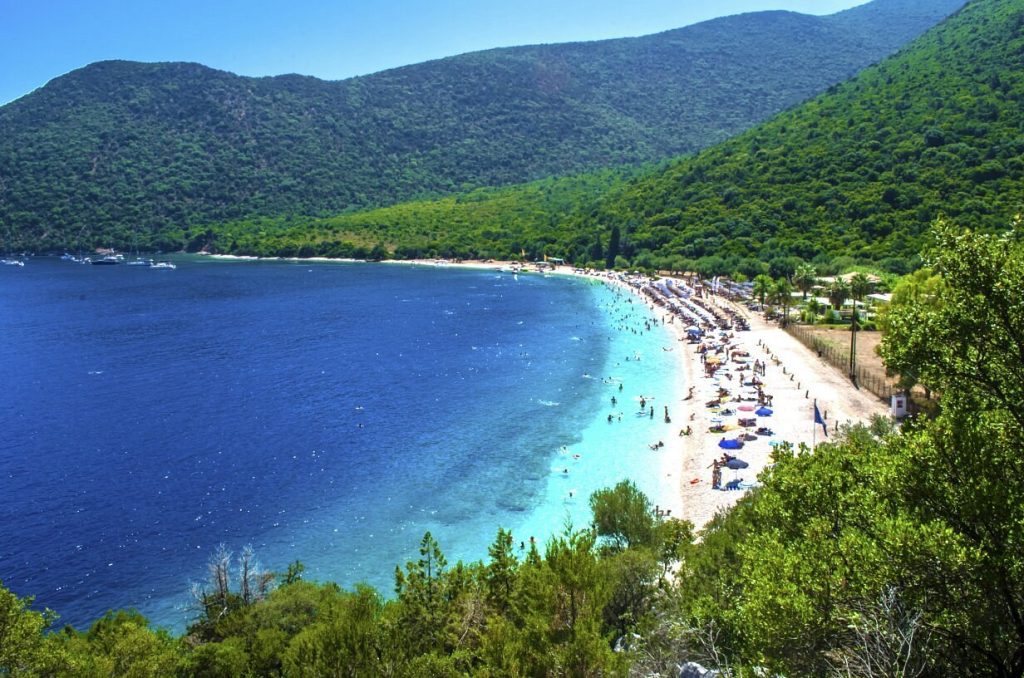
Antisamos Beach on Kefalonia gained popularity after being featured in a well known film, resulting in higher tourist volume and increased water pollution concerns. Rising traffic affected hillside vegetation and contributed to overuse of beach facilities. Local stakeholders urged enhanced conservation measures to protect the bay’s marine systems. Recent improvements include better waste management and guidelines for commercial operations. Efforts focus on ensuring environmental stability while supporting sustainable tourism within the region.

