


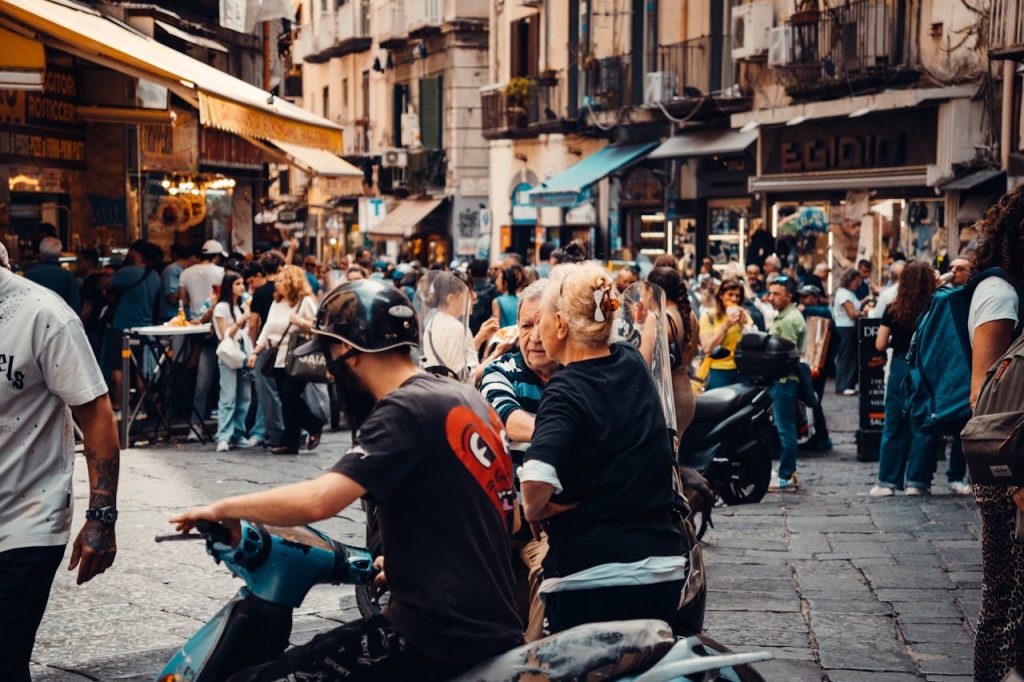
Across Europe, street food vendors who once operated with little more than a permit and a steady community following are now navigating an era of tightened municipal rules aimed at controlling tourism pressures. Cities experiencing rapid spikes in short-term visits are reconsidering how vendors use sidewalks, plazas, waterfronts, and historic districts, leading to stricter zoning, hourly limits, and caps on stall density. These changes affect both iconic long-running stalls and lesser-known neighborhood operations that contribute to the character of each city. For many locals, these vendors are markers of continuity: sources of affordable meals, personal histories, and familiar routines. For governing officials, however, the challenge lies in balancing the needs of residents who have grown weary of overcrowding with the economic value brought by food-loving travelers. As these regulations evolve, documenting the cultural importance of each street food spot becomes essential, since many could face relocation, reduced operating hours, or forced consolidation. The following list highlights fifteen places where local identity, food heritage, community rhythm, and regulatory uncertainty intersect in ways that will shape each city’s future street-food landscape.
1. Kraków’s Kazimierz Zapiekanka Stalls (Poland)
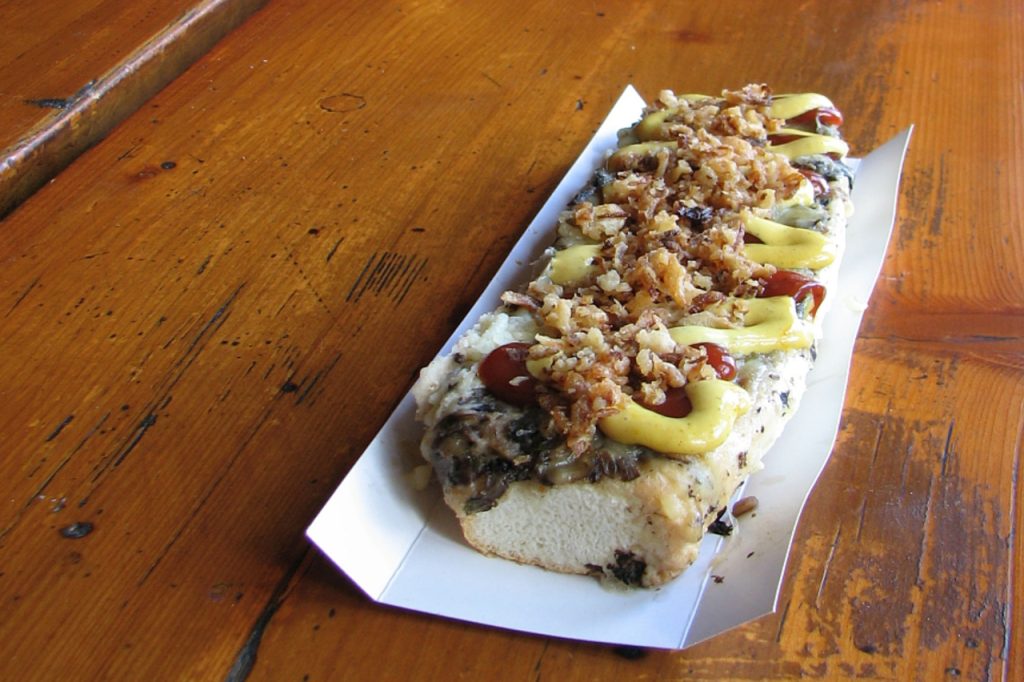
The zapiekanka stalls circling Plac Nowy in Kraków’s Kazimierz district represent one of Poland’s most recognizable street food traditions, offering open-faced baguettes layered with mushrooms, cheese, and ever-expanding topping combinations. These vendors sit at the crossroads of nightlife, neighborhood identity, and growing visitor interest. In recent years, the city has introduced measures to reduce late-night foot traffic and curb excess noise, especially in the historic Jewish quarter where residents express increasing frustration over weekend crowds. While the stalls remain operational and continue to draw both locals and tourists, they face stricter closing times, more frequent inspections, and discussions about reorganizing vendor placement to free up pedestrian flow. Despite these pressures, the zapiekanka holds deep cultural resonance due to its origins in the communist era and its evolution into an accessible comfort food. Vendors emphasize affordability and quick service, qualities that sustain steady demand even as regulators push for more structured operations. The uncertainty does not diminish their importance but underscores how urban policy can reshape long-standing culinary ecosystems rooted in community habits.
2. Lisbon’s Ribeira Quayside Ginginha and Bifana Sellers (Portugal)
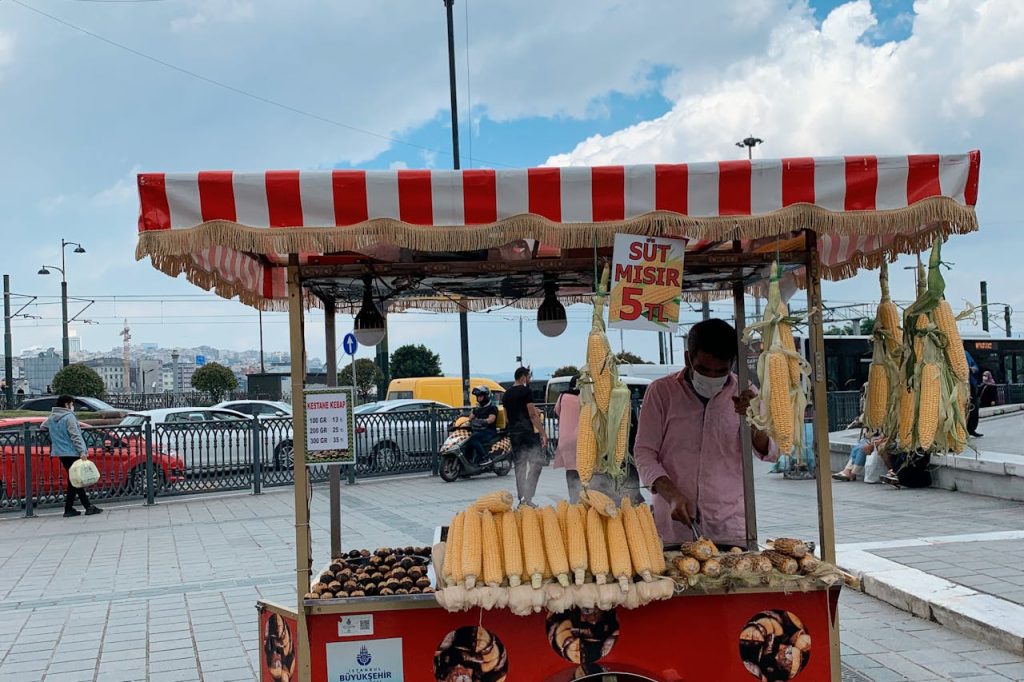
Along the riverside paths near Cais do Sodré, Lisbon’s compact carts serving bifanas and ginginha have long been part of daily routines for ferry commuters and nearby office workers. In recent years, however, city authorities have revised vendor permits to maintain clear walkways and prevent bottlenecks during peak cruise-ship arrivals, which compress large crowds into limited waterfront space. Many long-running sellers face relocation to designated vending zones or reduced operating hours, sparking debates about the cultural loss that might occur if traditional carts disappear from the riverfront. These vendors offer straightforward, deeply rooted flavors: thinly sliced pork simmered in garlic and wine served in a soft roll, often paired with a small cup of cherry liqueur. Their appeal is tied to their simplicity and immediacy, qualities that risk dilution under more formalized frameworks. While the city insists on the need for orderly pedestrian flow, residents worry that homogenizing the waterfront could erode Lisbon’s maritime identity. The vendors continue serving regulars, but the evolving policy landscape raises questions about whether the riverside will remain accessible to informal food culture in the long term.
3. Amsterdam’s Albert Cuyp Herring Stands (Netherlands)
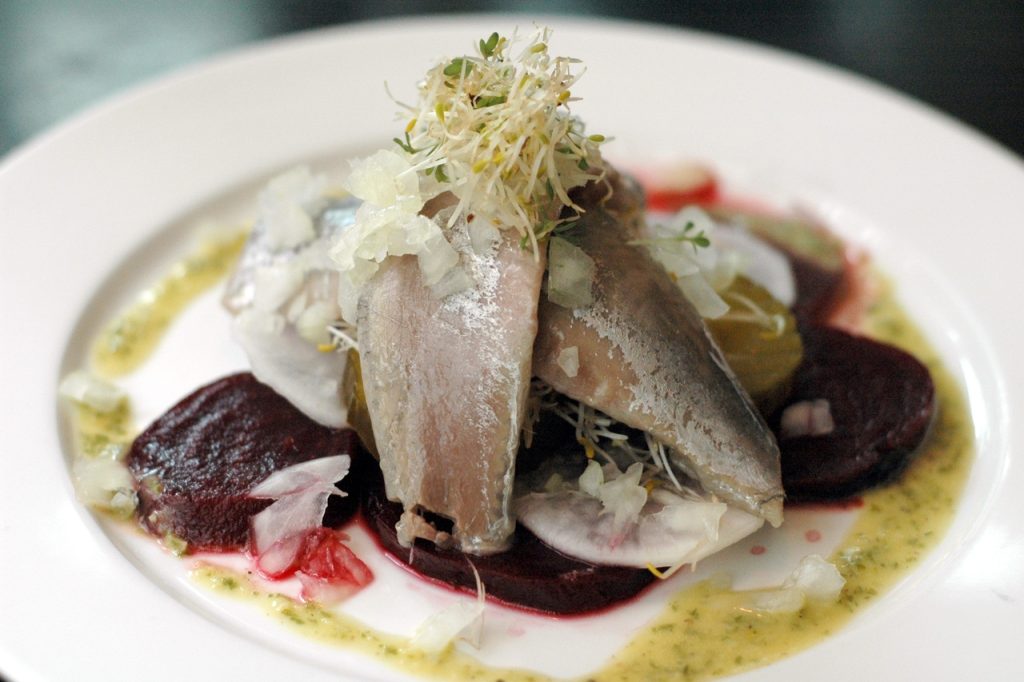
Amsterdam’s Albert Cuyp Market is synonymous with the country’s tradition of raw herring served with onions and pickles. These stands, often family-run for generations, operate within the lively but increasingly contested space of the De Pijp neighborhood, where local councils are attempting to manage overtourism and preserve residential quality of life. Although herring stalls adhere to strict food-safety regulations that have long governed fish handling, they are indirectly affected by broader discussions around crowd control, stall density, and weekend market expansion. Some proposals suggest limiting outdoor consumption zones or reconfiguring vendor placement to reduce congestion that frustrates residents living steps away from the market’s busiest corridors. For vendors, these shifts pose logistical challenges, as their success relies on visibility and the traditional practice of serving herring fresh on the spot. Despite uncertainty, the craft remains unchanged: vendors continue to filet fish with practiced precision, offering a food experience deeply rooted in national heritage. The push and pull between community concerns and cultural value will determine whether the market retains its historic rhythm or becomes more tightly regulated.
4. Barcelona’s Barceloneta Churro and Hot Chocolate Carts (Spain)
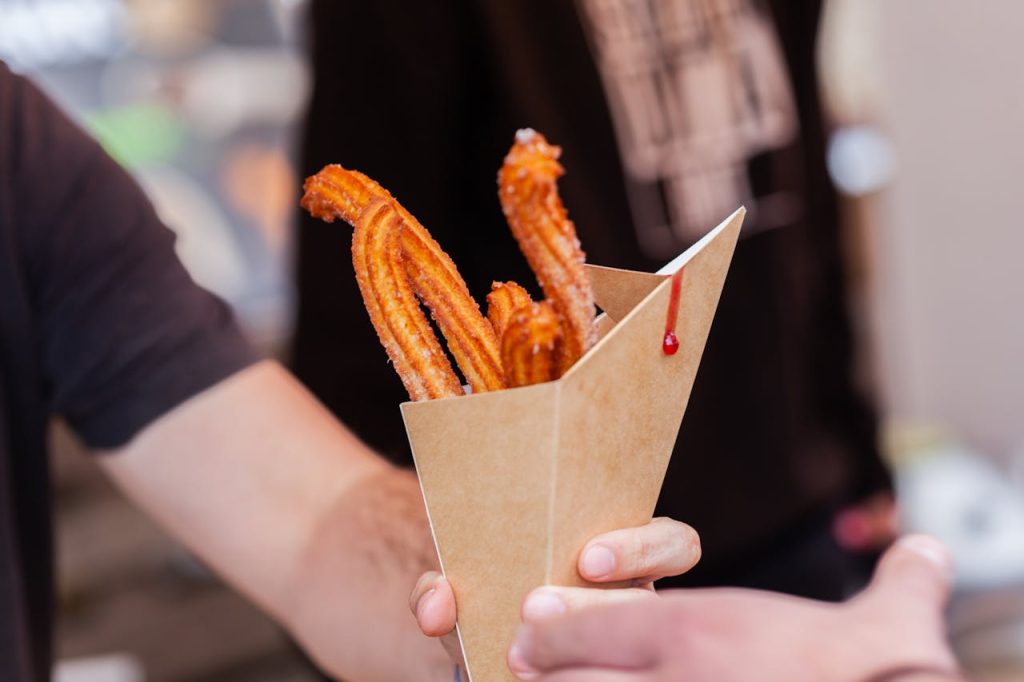
Barceloneta’s beachfront walkway has long attracted mobile churro carts whose scent of frying dough and molten chocolate signals a familiar coastal ritual for families and evening strollers. In recent years, municipal authorities have proposed new limits on beachside vending, arguing that seasonal crowd surges create waste-management challenges and discomfort for residential communities living close to the promenade. Many vendors now face being moved to narrower permitted zones or subjected to stricter seasonal schedules, altering the spontaneity that once defined their presence. The churro stands symbolize the fusion of Catalan street desserts and seaside leisure, offering affordability and immediacy that brick-and-mortar cafés cannot replicate. Residents acknowledge the cultural role of these carts but also express concern that tourist demand has transformed the promenade into an overly commercial corridor during peak months. Vendors must navigate evolving rules while maintaining food quality in compact setups that depend on portability and constant turnover. Their uncertain future reflects a broader debate in Barcelona about how to sustain neighborhood livability without erasing the city’s open-air culinary culture.
5. Naples’s Centro Storico Frittatina and Fried Pizza Stands (Italy)
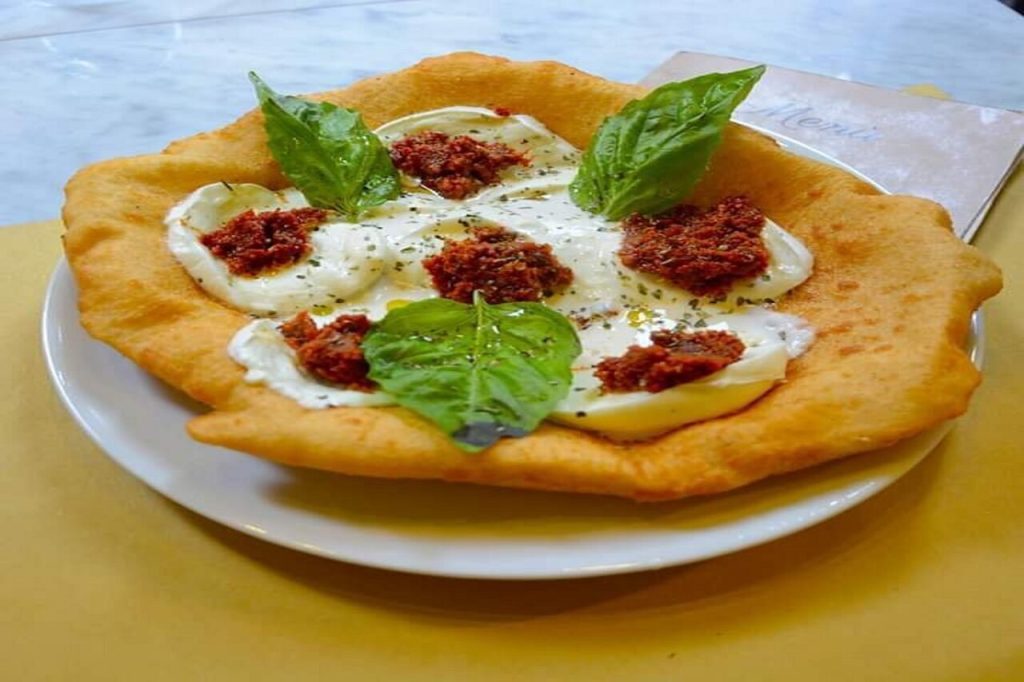
In Naples’s dense Centro Storico, the aroma of frying dough and pasta-filled frittatine signals a long-standing street food tradition deeply embedded in the city’s identity. Yet this same historic environment is the focus of regulatory changes aiming to reduce nighttime congestion and limit portable fryers in narrow corridors. Vendors who once operated fluidly are now subject to more precise rules regarding hours, equipment clearance, and management of queues that often spill into pedestrian pathways. Officials cite fire safety and pedestrian gridlock as primary concerns, though many locals argue that these fried specialties have always been integral to the urban fabric. For workers, students, and nighttime crowds, fried pizza and frittatina offer affordable sustenance with flavors tied to Neapolitan ingenuity and resourcefulness. The tension arises when tourism amplifies demand beyond what tight streets can comfortably support. While authorities do not seek to eliminate traditional foods, changes in stall configuration or permissible zones may reshape how and where vendors operate. Their role in everyday life remains vital, but the path forward involves negotiating between culinary heritage, economic necessity, and an increasingly regulated historic center.
6. Berlin’s Mustafa’s Gemüse Kebap Queue Zone (Germany)

Berlin’s street food culture thrives on diversity, and few stalls illustrate this better than the famed Gemüse Kebap operations that draw long lines in Kreuzberg. Local authorities have not targeted the food itself but rather the urban congestion created by extended queues that often block bicycle paths and tram stops. As part of broader efforts to manage public space in rapidly densifying districts, officials have explored measures ranging from queue-management barriers to relocations or reduced hours during high-traffic periods. The stall’s success has made it a tourist attraction, drawing visitors who expect to wait thirty minutes or more, a dynamic that frustrates residents trying to navigate daily commutes. Vendors maintain that their popularity stems from consistent quality, fresh vegetables, and affordable pricing, elements that resonate with both locals and visitors. However, as Kreuzberg continues to evolve under gentrification pressures, policymakers must determine how iconic food spots can coexist with increasing population density and mobility demands. The future of these queue-prone stalls may involve structured crowd channels, but their cultural significance within Berlin’s food landscape remains firmly rooted.
7. Athens’s Souvlaki Corners Around Monastiraki (Greece)
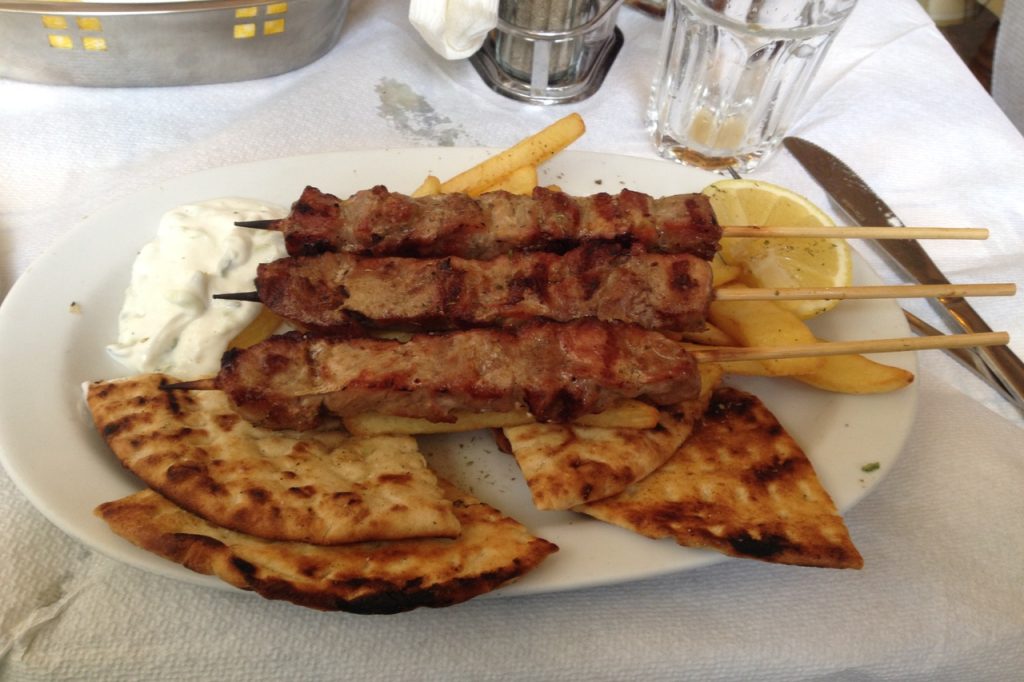
Souvlaki stands near Monastiraki Square have long provided quick meals for shoppers, workers, and travelers navigating Athens’s historic center. Recently, however, efforts to preserve archaeological sightlines and alleviate tourist congestion have led to discussions about capping the number of small grills allowed in high-traffic corridors. Vendors operate under strict hygiene and charcoal-use rules already, but new proposals may introduce designated vending pockets to reduce crowding around metro entrances and pedestrian bottlenecks. For many Athenians, these stands embody daily life and affordability, offering skewered meats, warm pita, and familiar flavors that require no elaborate preparation. Tighter regulations risk disrupting the spontaneity of grabbing souvlaki while passing through the area, potentially altering customary patterns of movement and social interaction. Still, the city insists its objective is not to diminish local food culture but to safeguard public space in a district that hosts thousands of visitors per hour during peak seasons. Balancing heritage conservation with the vibrancy of open-air cooking remains an ongoing debate that will shape how these beloved stands operate going forward.
8. Copenhagen’s Harbour-Side Hot Dog Wagons (Denmark)
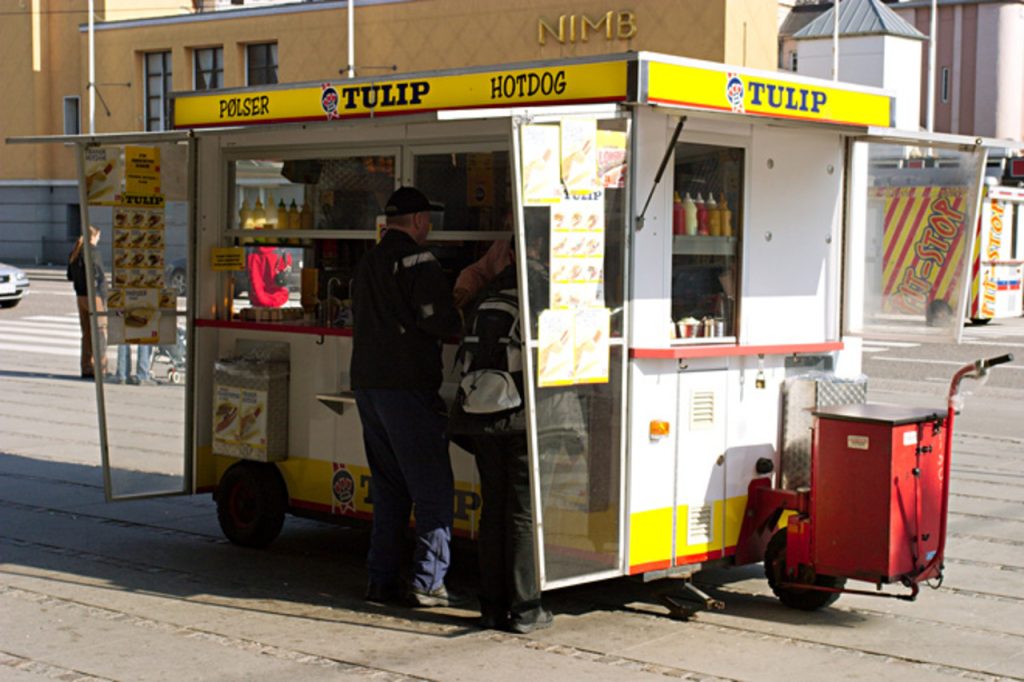
Copenhagen’s pølsevogn hot dog wagons are emblematic of Danish street food, often stationed near canals, central plazas, and transportation hubs. Although they remain regulated fixtures rather than informal vendors, tightening tourism strategies have influenced where and how many wagons can operate in waterfront zones. As the city redesigns quayside areas to favor pedestrian leisure and preserve open views, some long-standing wagon placements are under review, prompting concerns from vendors who rely on consistent foot traffic. These wagons offer a uniquely Danish mix of grilled sausages, remoulade, fried onions, and pickles served at a pace suited for commuters and casual wanderers. Their cultural relevance is linked to reliability and familiarity, yet shifting waterfront plans emphasize decluttering busy promenades to reduce overcrowding during major events and cruise-ship arrivals. Vendors must adapt by negotiating new placements or adjusting operating hours, all while preserving the charm and efficiency that define pølsevogn service. The evolving landscape raises questions about whether iconic mobile food culture can be preserved amid infrastructural upgrades focused on tourism management.
9. Paris’s Canal Saint-Martin Crêpe Stalls (France)
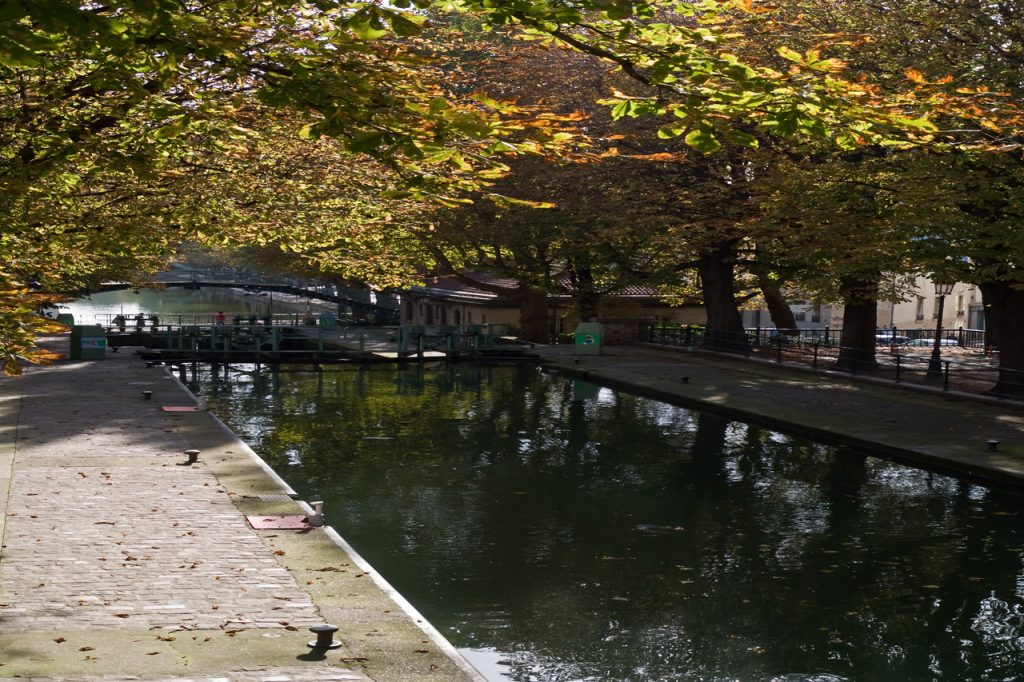
Crêpe stands along Canal Saint-Martin occupy a delicate position within Paris’s increasingly regulated public-space framework. The canal has transformed into a popular gathering spot for visitors and locals, especially during warm months when picnics and open-air dining attract large crowds. Authorities have intensified efforts to manage waste and noise, which has spillover implications for small vendors who operate compact griddles along walkways. While these stalls comply with existing rules regarding sanitation, propane use, and surface cleaning, they may face shifts in permissible zones or capacity limits to prevent congestion around footbridges and waterfront seating areas. For Parisians, crêpes to-go remain a casual pleasure tied to neighborhood rhythms, while travelers often seek them out as accessible culinary introductions without entering restaurants. The concern is that tightening regulations could reduce the spontaneity associated with ordering a warm crêpe while strolling the canal. Vendors emphasize the role they play in community life, but future policies may reshape how public space is shared among residents, visitors, and small operators.
10. Budapest’s Great Market Perimeter Langos Vendors (Hungary)
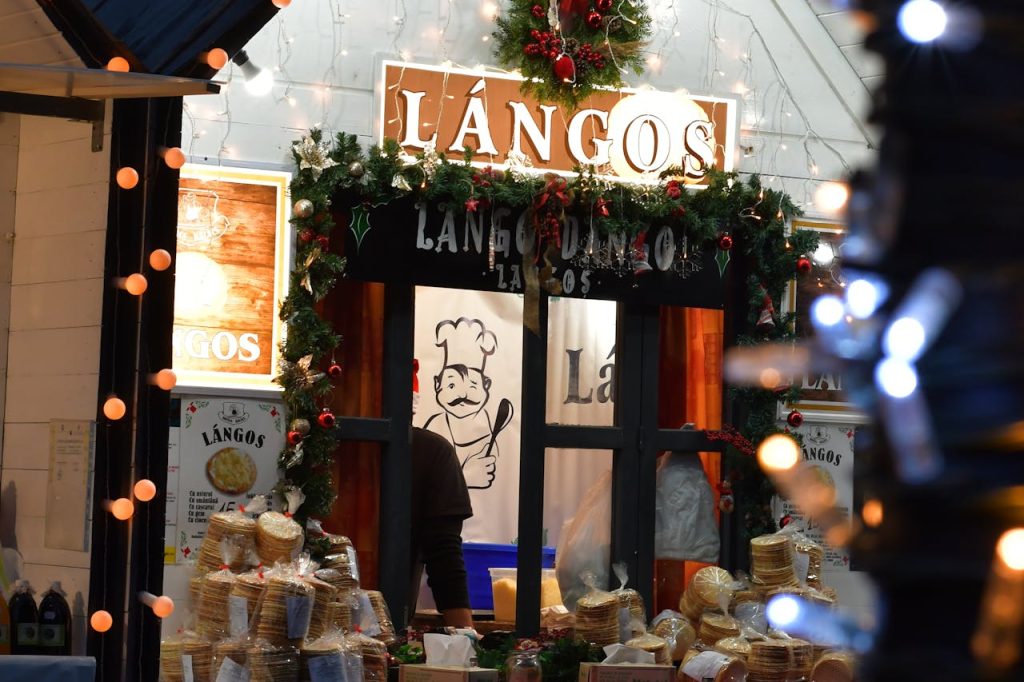
The perimeter surrounding Budapest’s Great Market Hall is known for langos vendors serving deep-fried dough topped with sour cream and cheese, a beloved local staple. While indoor market stalls face their own regulations, outdoor sellers around the hall are confronted with new guidelines aimed at reducing clustering and improving pedestrian mobility in an area heavily frequented by tourists. Officials argue that orderly spacing can reduce safety hazards and ensure clearer access to tram stops and crosswalks, but the changes risk displacing vendors who rely on visibility and proximity to the market’s main entrances. For many residents, langos remains a nostalgic food tied to childhood memories and communal traditions at fairs and markets. Outside the Great Market, the dish becomes part of the city’s open-air food identity, offering warmth and comfort at a modest price. Regulatory adjustments could lead to fewer stalls or more standardized kiosk designs, shifting the informal charm that currently defines their appeal. Whether these vendors maintain their traditional spots will depend on ongoing negotiations regarding space allocation and crowd patterns.
11. Prague’s Old Town Trdelník Stands (Czech Republic)
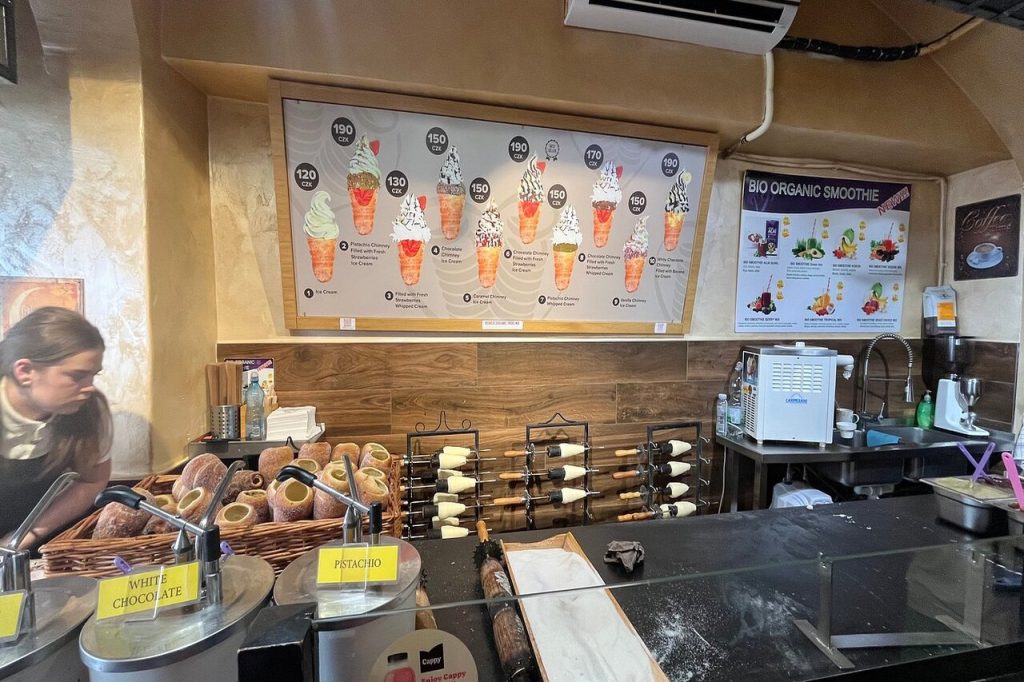
Prague’s trdelník stalls have become fixtures of Old Town, serving rolled pastry coated in sugar and often filled with cream or chocolate. While some argue that the pastry’s popularity stems from tourist demand more than local tradition, the stands nonetheless contribute to the city’s street-food landscape. Recent tourism management strategies aim to reduce the number of stalls clustered around narrow streets and iconic squares, addressing concerns from residents about commercial saturation. Vendors may face consolidation, relocation to less congested corners, or caps on seasonal installations that multiply during holidays. For operators, high visibility is crucial, as spontaneous purchases drive much of their sales. Removing or redistributing stalls could significantly alter foot-traffic patterns and the livelihood of those who depend on consistent tourist flows. Regardless of policy shifts, the product’s sensory appeal: warm dough, aromatic sugar, and visual preparation, continues to draw customers. The future of trdelník vending will hinge on balancing commercial vibrancy with efforts to make Old Town more livable for full-time residents.
12. Edinburgh’s Stonebridge Food Vans Near the Royal Mile (Scotland)
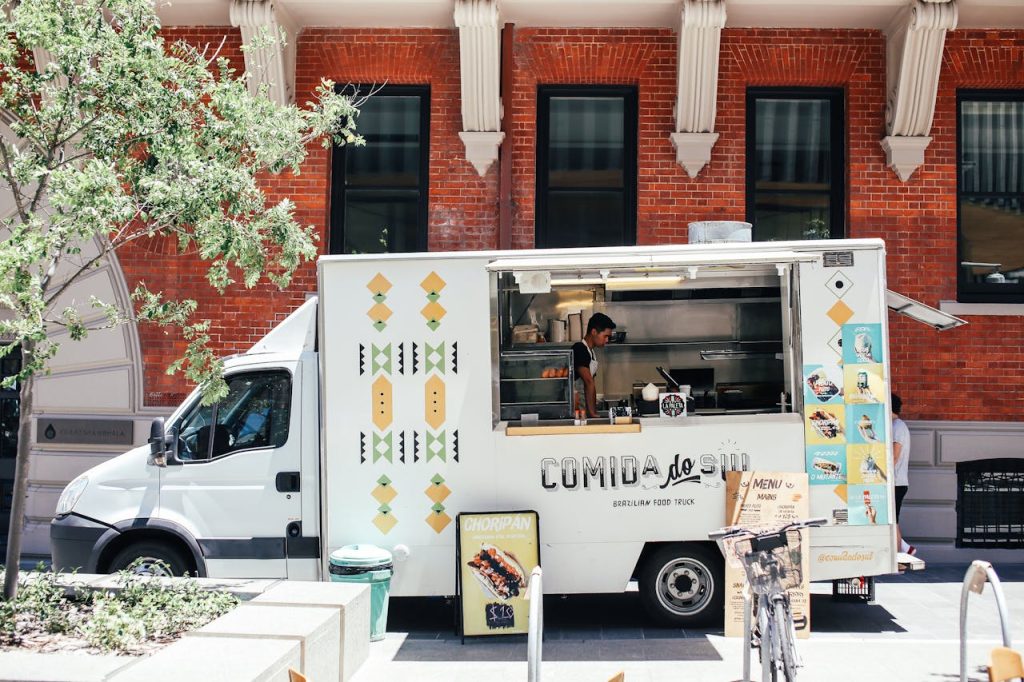
Food vans operating near the Royal Mile provide informal meals for festival crowds, office workers, and students navigating Edinburgh’s steep streets. These units often serve burgers, fish rolls, and traditional Scottish snacks in areas already strained by intense summer tourism. City authorities have raised concerns about congestion, waste, and the visual impact of mobile food units in a historic corridor lined with medieval architecture. Proposed regulations include restricting van placement during peak festival periods, enforcing more uniform design standards, and potentially reallocating vendors to peripheral streets to relieve pressure on primary tourist arteries. For many locals, these food vans offer convenient alternatives to sit-down restaurants that fill quickly during peak seasons, ensuring affordable food access in an area where pricing can escalate. The debate centers on how to preserve the unique character of the Royal Mile without turning it into an overly controlled environment that excludes everyday commerce. Future decisions will likely reshape how mobile vendors integrate into a district already defined by its layered history and heavy visitor flow.
13. Ljubljana’s Central Market Fresh-Cooked Sausage Stands (Slovenia)
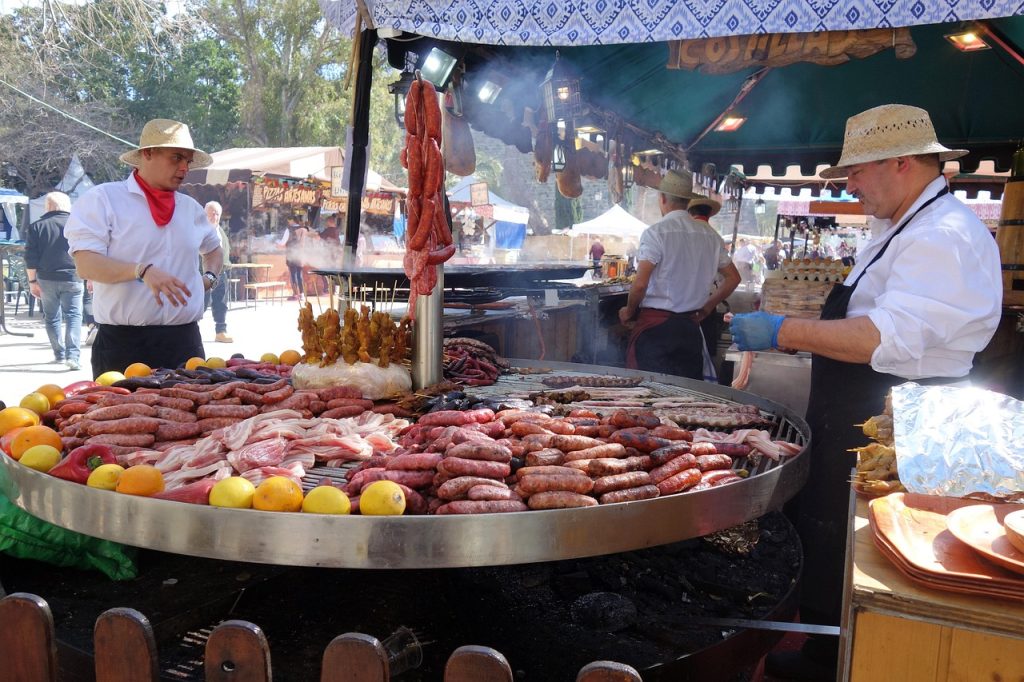
Ljubljana’s Central Market blends formal produce stalls with casual sausage vendors who grill regional specialties for passersby. As the city experiences increasing tourism, planners are evaluating how open public spaces function during crowded hours, with particular attention to smoke emissions, queue patterns, and pedestrian mobility near the riverfront. Vendors emphasize that their grills are part of a long-standing culinary ritual tied to Slovenia’s agricultural roots, offering simple, hearty meals that appeal to residents and travelers alike. However, new considerations include limiting the number of active grills during peak hours or modifying stall placement to avoid blockages at tram intersections. These changes reflect broader interest in preserving the dignity of public space while ensuring that tourism does not overshadow local usage. Sausage sellers find themselves negotiating a role that balances tradition with compliance, hoping to maintain visibility that keeps the market vibrant. Their situations highlight the delicate interplay between heritage food practices and constantly evolving city planning priorities.
14. Porto’s Ribeira Riverside Bifana and Seafood Carts (Portugal)
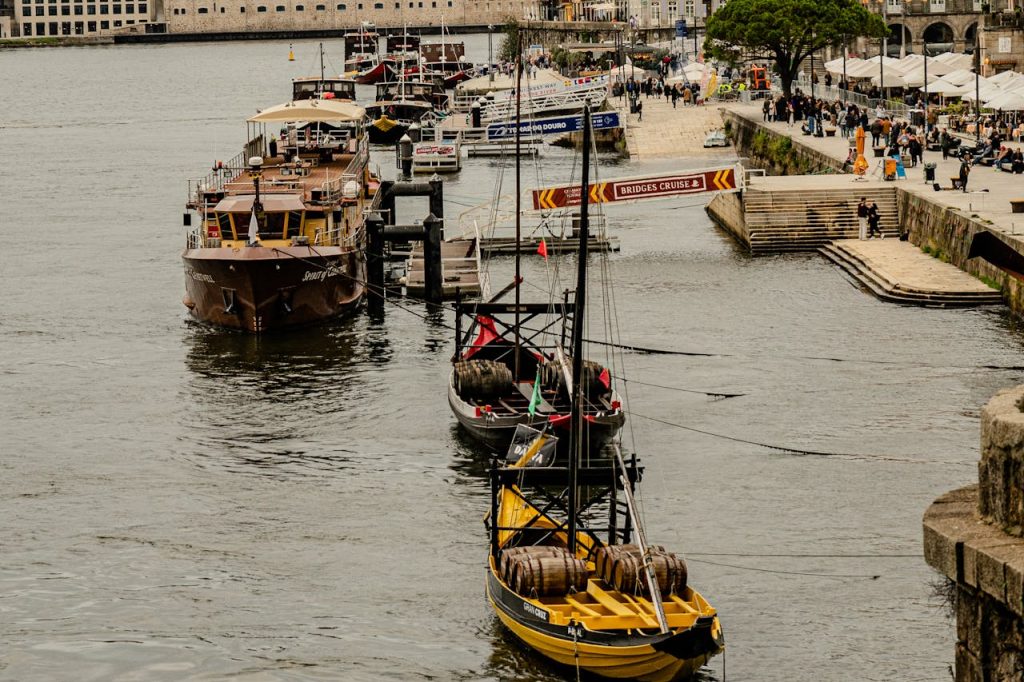
Porto’s Ribeira district contains a mix of bifana sellers and seafood carts that cater to both riverside wanderers and residents looking for quick, flavorful meals. Over time, rising cruise tourism and increased nightlife activity have led to municipal reviews of how street vendors operate along the Douro waterfront. Authorities are considering measures to reduce crowding near popular viewpoints and ensure safer movement between tram stops and pedestrian lanes, which may involve relocating carts or limiting their density in certain sections. Vendors argue that their presence contributes to the authentic atmosphere of Ribeira, reinforcing the city’s maritime character and offering inexpensive alternatives to the growing number of tourist-centric restaurants. For locals, these stands represent continuity in a district undergoing rapid commercialization. The evolving regulations raise questions about how to balance urban aesthetics, cultural expression, and economic viability. Any reductions in cart numbers or shifts in allowable spaces could significantly alter the experience of strolling through Ribeira, where the smell of grilled seafood and simmering pork traditionally accompanies the river’s steady motion.
15. Stockholm’s Gamla Stan Ice Cream and Grilled Sandwich Kiosks (Sweden)

In Stockholm’s Gamla Stan, small kiosks selling ice cream and grilled sandwiches serve steady streams of visitors exploring the medieval island’s narrow alleys. As tourism volume has grown, municipal discussions have focused on regulating kiosk size, placement, and visual appearance to maintain aesthetic harmony within the heritage district. Some policymakers advocate for stricter limits to prevent congestion in lanes that already struggle to accommodate crowds during summer months. Vendors acknowledge the need for orderly streets but worry that highly standardized kiosks or restricted placements could reduce distinctiveness and challenge their financial sustainability. For locals, these kiosks remain convenient, offering familiar snacks without the cost or formality of sit-down dining options. The debate reflects broader tensions about preserving historical authenticity while allowing contemporary urban commerce. How city officials choose to regulate kiosk presence will influence the balance between everyday utility, tourist experience, and the preservation of Gamla Stan’s architectural character.

