


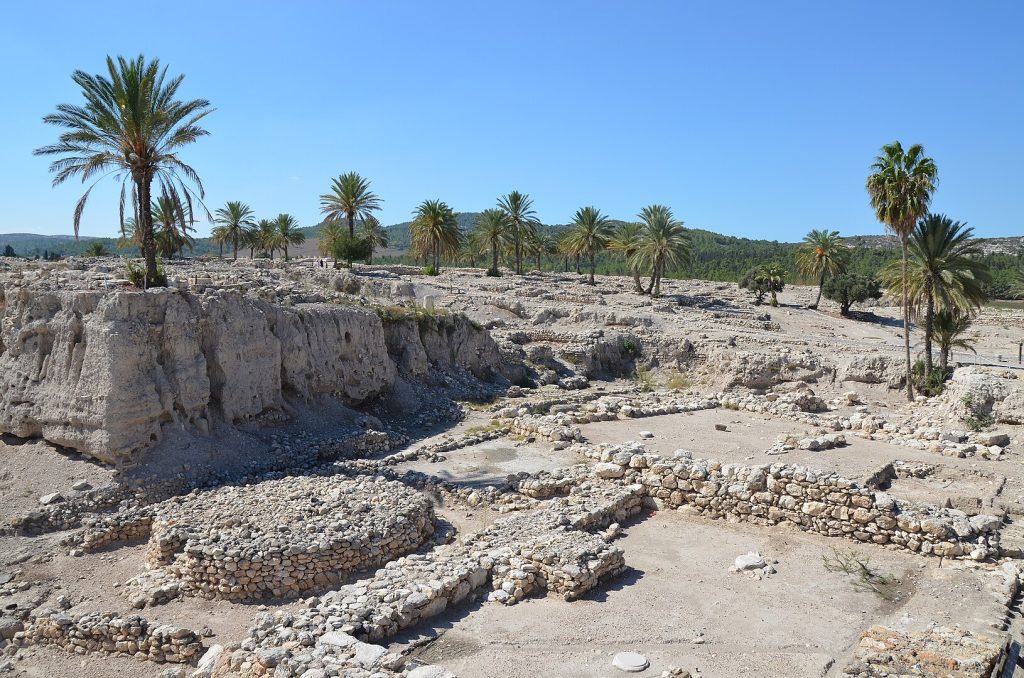
Across the United States, several places echo the landscapes and sacred architecture associated with Israel and the Holy Land. These sites combine faith, geology, and careful design to create scenes that feel unexpectedly familiar to travelers who know biblical settings. From monastery gardens modeled after Jerusalem to deserts recalling ancient Judean terrain, each location offers a grounded sense of place rather than fantasy. Together, these nine destinations show how history, devotion, and natural features intersect on American soil in quietly striking ways today across varied regions nationwide with enduring resonance. These qualities continue attracting visitors seeking reflection, history, context, meaning.
Franciscan Monastery of the Holy Land, Washington, DC
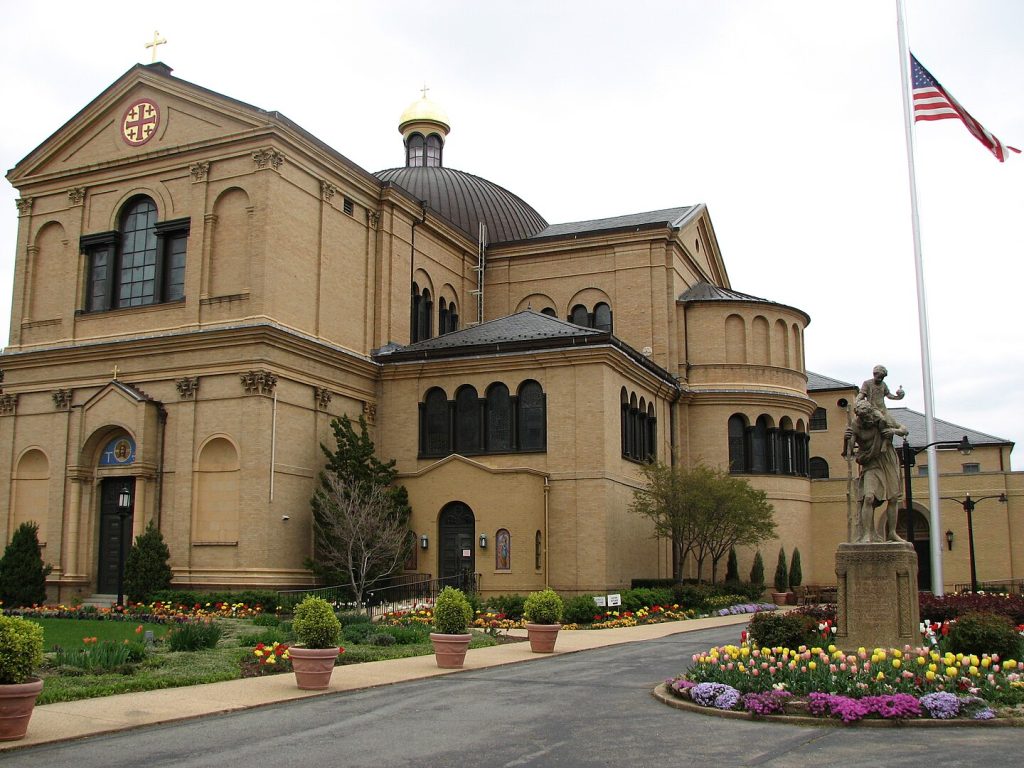
The Franciscan Monastery of the Holy Land in America, carefully replicating sacred sites from Jerusalem. Its landscaped cloister gardens recreate the Garden of Gethsemane with olive trees, stone paths, and quiet grottos. Architectural details mirror Romanesque and Byzantine styles common in Israel, including arcades and limestone textures. Built in the late nineteenth century, the monastery served pilgrims unable to travel abroad, offering a tangible, educational experience rooted in scholarship, prayer, and historically informed design that remains accessible today for visitors seeking context, reflection, and cultural continuity. These qualities continue attracting visitors seeking reflection, history, context, meaning.
Shrine of Christ’s Passion, Indiana
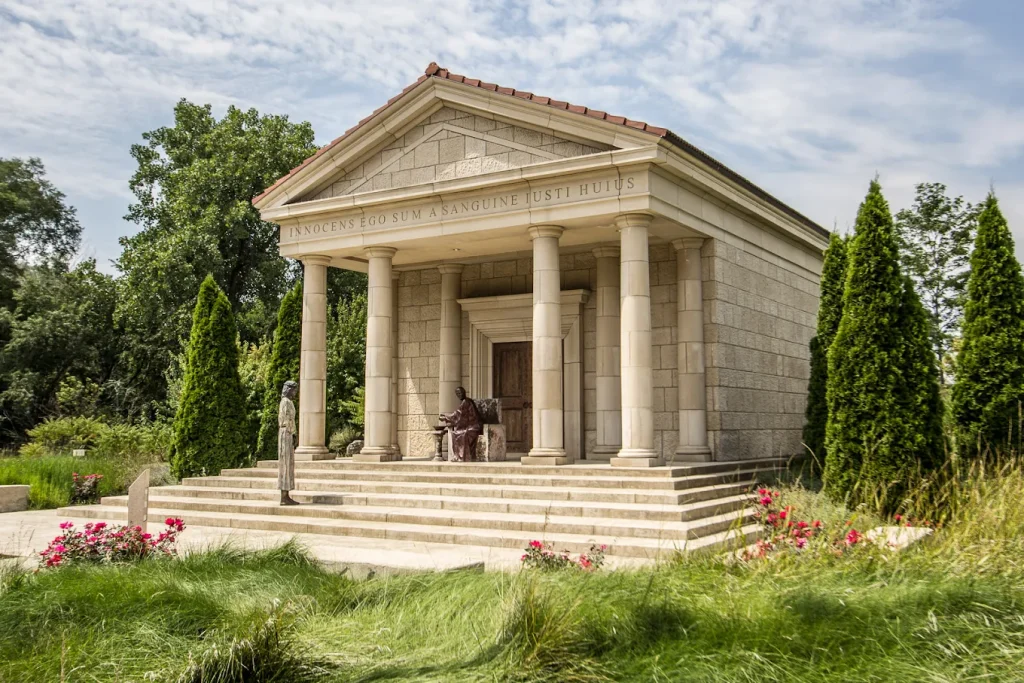
The Shrine of Christ’s Passion in St. John, Indiana, presents a large scale Via Dolorosa modeled after Jerusalem. Life sized bronze sculptures mark fourteen Stations of the Cross along a winding path resembling ancient stone streets. The outdoor setting, use of Jerusalem stone sourced from Israel, and elevated viewpoints evoke the physical movement of pilgrimage. Opened in 2013, the shrine emphasizes historical accuracy, scriptural context, and contemplative walking rather than theatrical presentation while encouraging reflection through scale, material, and measured pacing across landscaped grounds designed for quiet engagement daily yearround. These qualities continue attracting visitors seeking reflection, history, context, meaning.
Forest Lawn Memorial Park Court of Christ, California
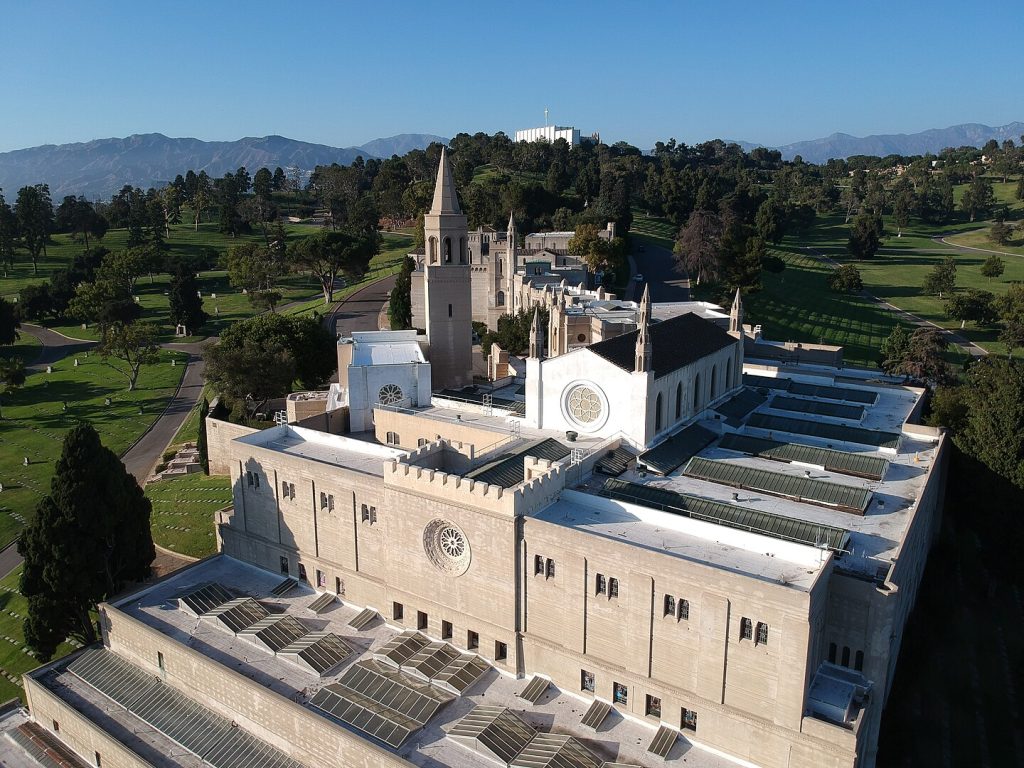
The Court of Christ at Forest Lawn Memorial Park in Glendale, California, was designed to resemble first century Jerusalem. Modeled after the Church of the Holy Sepulchre, the structure features stone courtyards, colonnades, and a replica tomb. Landscaping uses Mediterranean plants and pale masonry to echo Levantine light and color. Created in the early twentieth century, the site reflects a scholarly attempt to present biblical history within an American memorial landscape that blends commemoration with education, architectural restraint, and historically referenced spatial storytelling for visitors seeking context and reverence alike. These qualities continue attracting visitors seeking reflection, history, context, meaning.
The Holy Land Experience, Orlando, Florida
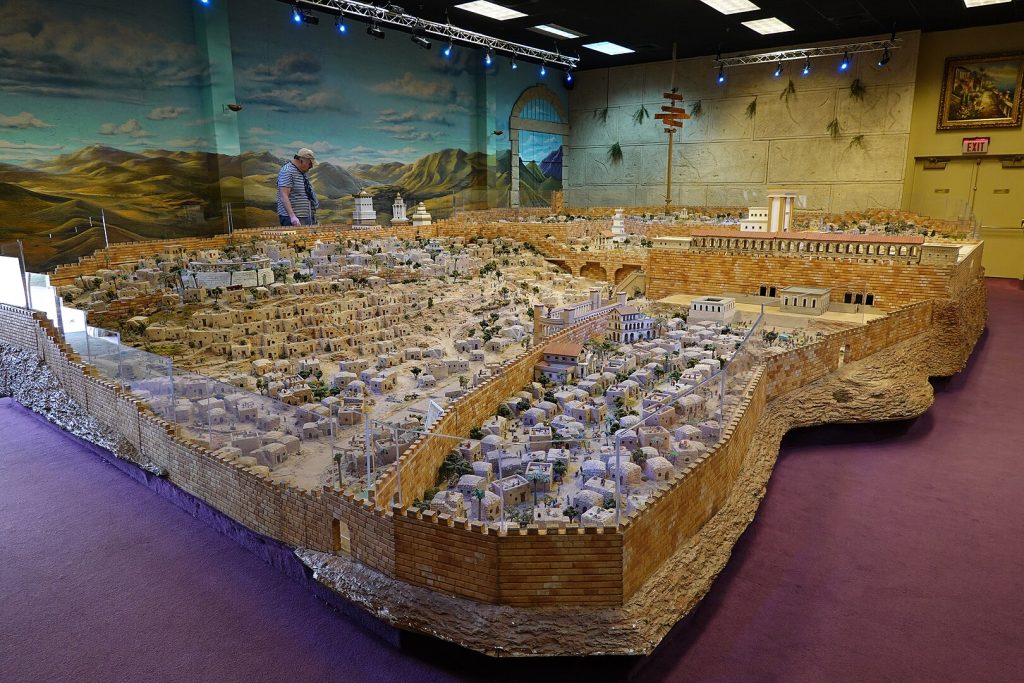
The Holy Land Experience operated as a theme park recreating biblical Jerusalem. Its scaled city walls, desert toned architecture, and Roman era streetscapes referenced Israel during the time of Jesus. Though permanently closed in 2020, the site remains a notable example of immersive Holy Land replication. Designers studied Middle Eastern building forms and materials to create an environment focused on education, historical reenactment, and religious storytelling that once hosted guided walks, performances, and exhibits emphasizing geography, culture, and scriptural narrative within controlled surroundings thoughtfully arranged. These qualities continue attracting visitors seeking reflection, history, context, meaning.
Shrine of the Most Blessed Sacrament, Alabama
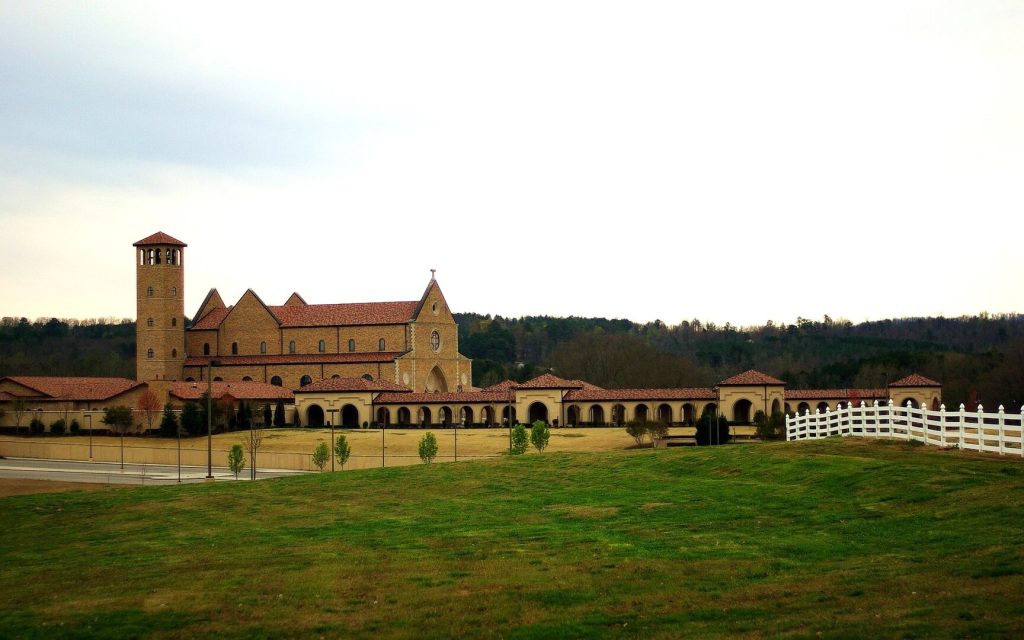
The Sacrament in Hanceville, Alabama, draws inspiration from Mediterranean and Israeli monastery traditions. Limestone walls, arched walkways, and a hilltop setting recall religious complexes found in Galilee. Designed by architect Thomas McLaughlin, the shrine opened in 1999 and reflects classical Catholic architecture influenced by Holy Land. The surrounding landscape and restrained palette create visual continuity with ancient religious sites rather than modern American design through proportion, symmetry, and material choices that emphasize permanence, silence, and contemplative presence across the rural Alabama hillside setting today. These qualities continue attracting visitors seeking reflection, history, context, meaning.
Sedona Red Rock Landscape, Arizona
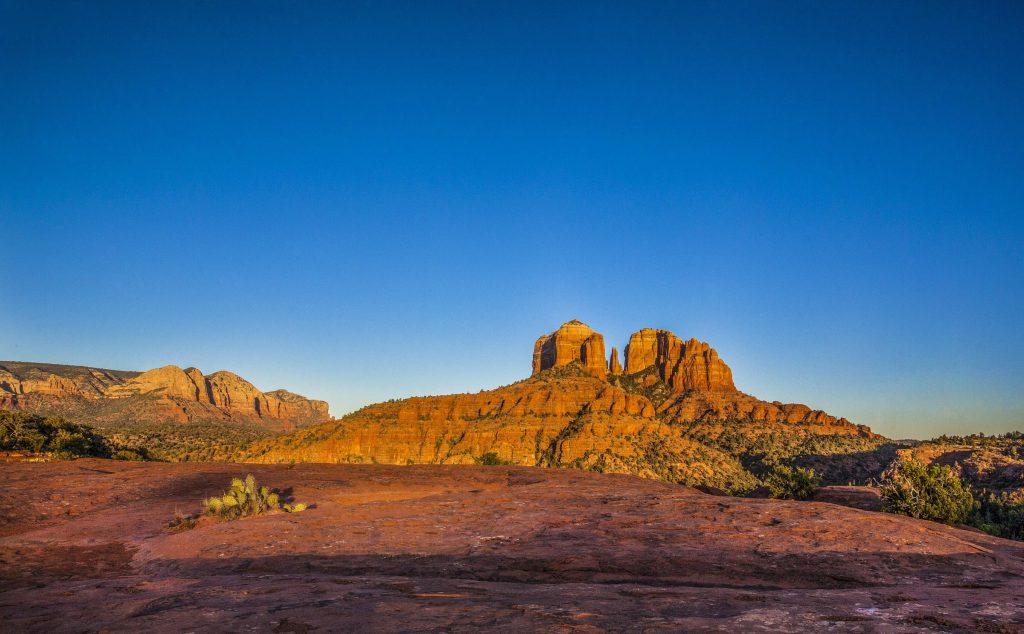
Sedona’s red rock formations in Arizona often recall the desert regions of southern Israel. Towering sandstone cliffs, narrow canyons, and sunbaked trails resemble terrain found near the Negev and Judean Desert. The warm color palette and exposed geology create visual parallels rooted in natural processes rather than construction. While spiritually distinct, the landscape’s scale and aridity evoke the physical backdrop described in many biblical narratives that reference wilderness journeys, solitude, and endurance through elemental forms shaped over deep time, offering perspective without deliberate imitation or symbolic staging beyond nature. These qualities continue attracting visitors seeking reflection, history, context, meaning.
Anza-Borrego Desert State Park, California
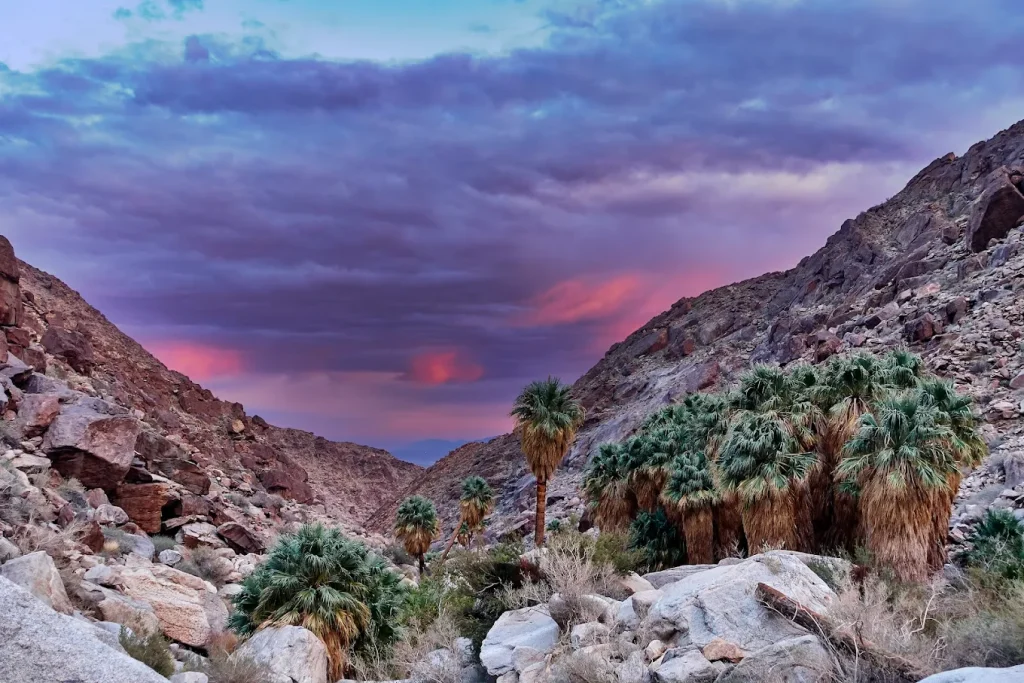
Anza Borrego Desert State Park in Southern California presents stark desert vistas similar to parts of Israel. Broad valleys, rocky ridges, and sparse vegetation mirror conditions of the Judean wilderness. Seasonal wildflowers briefly soften the terrain, echoing ecological rhythms shared across arid regions. As California’s largest state park, Anza Borrego offers expansive, undeveloped space that allows visitors to experience scale, isolation, and climate comparable to biblical desert environments through heat, wind, open horizons, and silence that define daily conditions and shape human movement across the land without references or replicas. These qualities continue attracting visitors seeking reflection, history, context, meaning.
Bonneville Salt Flats, Utah

The Bonneville Salt Flats in Utah resemble the mineral expanse of the Dead Sea region. Stretching across western Utah, the flats create a stark white surface under intense sunlight, recalling salt deposits near Israel and Jordan. Formed from an ancient lakebed, the area emphasizes geology over symbolism. The vast, reflective plain offers a sensory experience aligned with descriptions of ancient salt landscapes in biblical contexts including themes of barrenness, preservation, and endurance shaped by evaporation, climate, and time, presenting a visual parallel grounded in natural history rather than constructed imagery. These qualities continue attracting visitors seeking reflection, history, context, meaning.
Grotto of the Redemption, Iowa
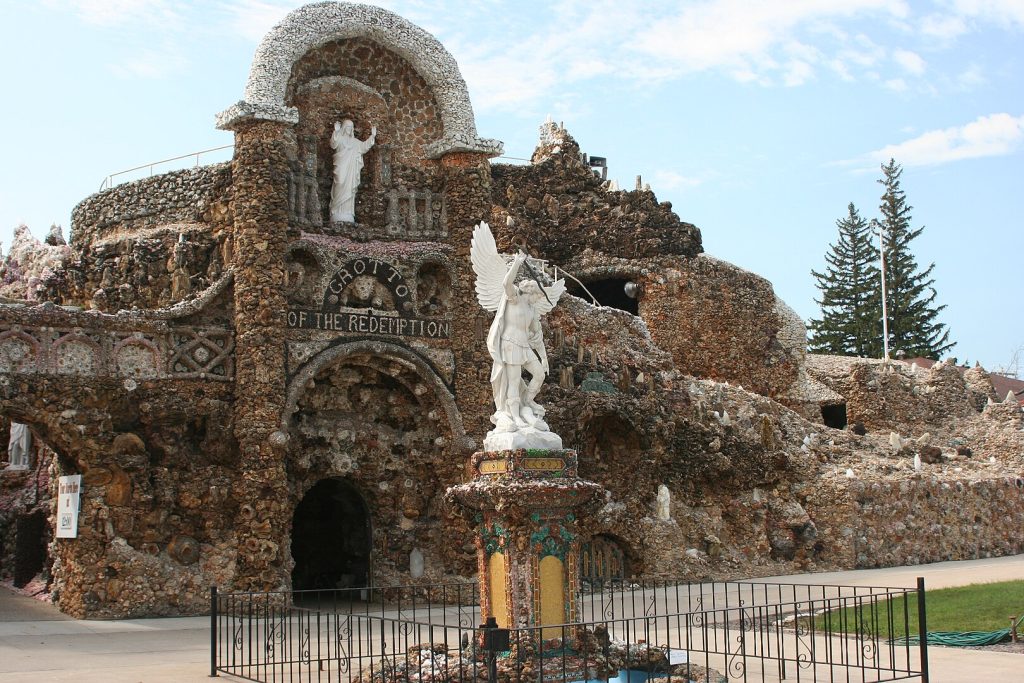
The Grotto of the Redemption in West Bend, Iowa, reflects Holy Land devotional architecture through stonework. Built by Father Paul Dobberstein between 1912 and 1954, the complex uses minerals, fossils, and colored glass to form grottos reminiscent of Mediterranean shrines. Arched niches and symbolic landscapes suggest places associated with Israel without direct replication. Resulted in an immersive environment grounded in faith, craft, and geological material that invites contemplation through texture, scale, and narrative arrangement rather than realism, connecting Midwestern surroundings with traditions through devotion and labor. These qualities continue attracting visitors seeking reflection, history, context, meaning.

