


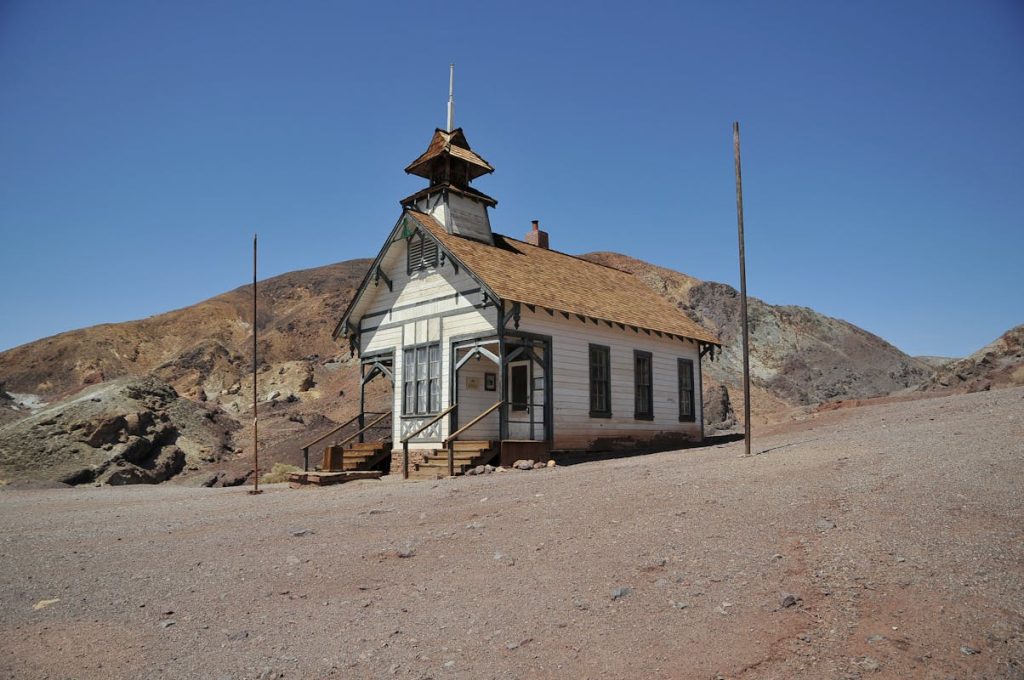
Border crossings once thrived on movement, commerce, and constant human presence, yet some have grown eerily quiet in recent years. Shifting trade routes, policy changes, security concerns, and evolving travel habits altered their roles dramatically. Towns built to serve travelers, workers, and officials now face empty streets and shuttered storefronts. These crossings reveal how borders shape daily life and how quickly activity disappears. Across different regions, former hubs now stand largely abandoned, offering reminders of changing global priorities, interrupted connections, and communities left waiting as traffic moved elsewhere during the past decade especially worldwide recently.
Lukeville, Arizona
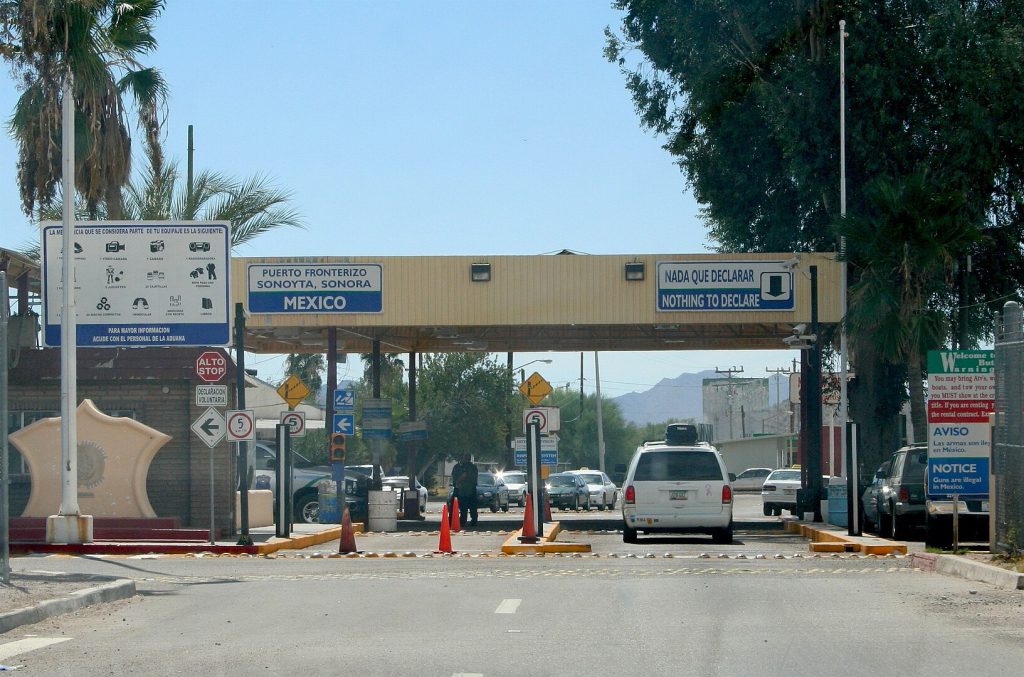
The Lukeville, Arizona sits along the United States Mexico border near the Organ Pipe Cactus National Monument. These town mostly relied heavily on the Lukeville Sonoyta Port of Entry for tourism and local commerce. Temporary closures and reduced operations in recent years disrupted daily movement significantly. Businesses serving travelers struggled as vehicle traffic declined sharply. With few permanent residents, Lukeville quickly felt empty. Today the area appears quiet and underused, showing how border management decisions can transform an active crossing into a near ghost town surrounded by desert and limited services following extended operational uncertainty periods locally regionally.
Tecate Port of Entry, California
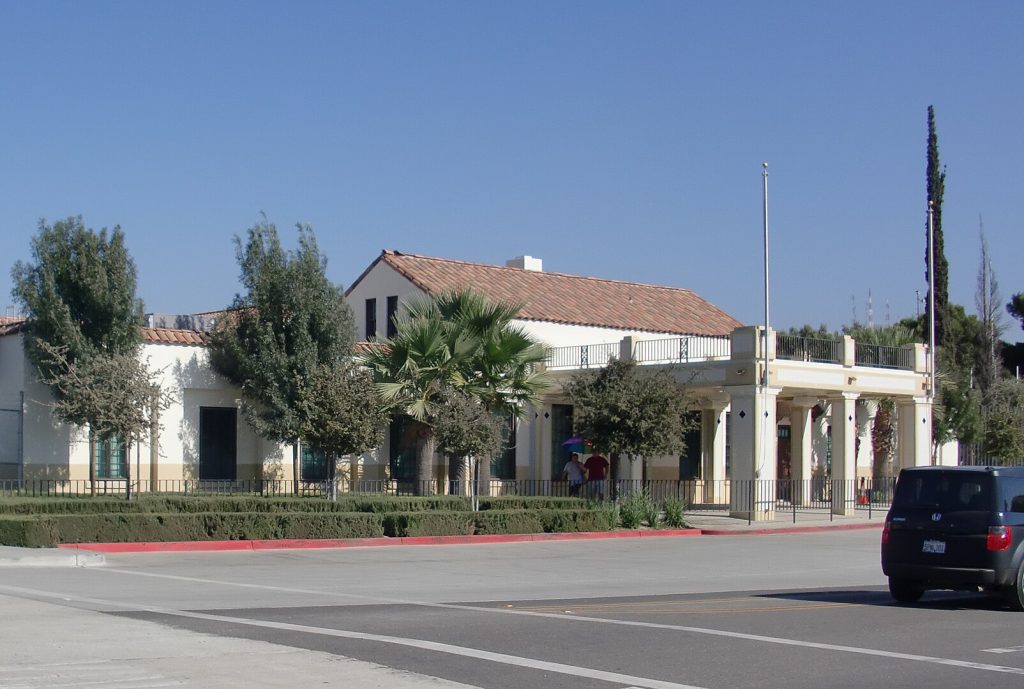
The Tecate Port of Entry connects Tecate, California with Tecate, Baja California and traditionally served local cross border travel. Unlike major crossings, it operated limited hours and supported nearby small businesses. Temporary closures and staffing reductions in recent years decreased movement noticeably. Shops and eateries near the crossing experienced sharp declines in customers. The surrounding streets lost their steady rhythm of pedestrians and vehicles. Although the port remains open, the once lively atmosphere faded, illustrating how smaller crossings struggle when access, staffing, and demand fluctuate unexpectedly over time amid changing regional travel patterns recently increasingly.
Boquillas Crossing, Texas
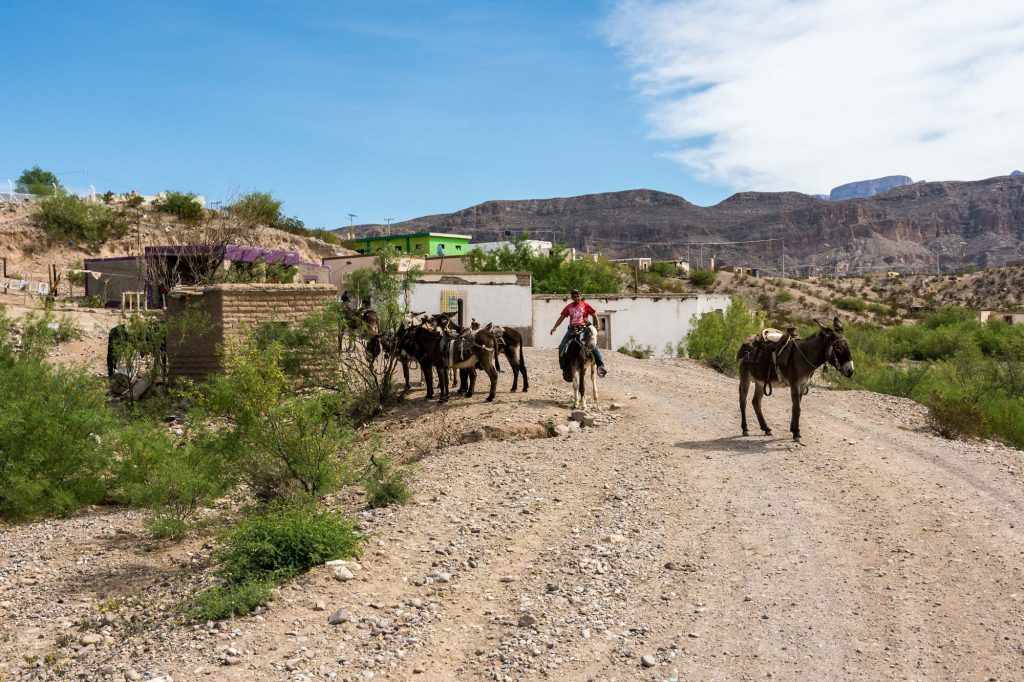
The Boquillas Crossing links Big Bend National Park in Texas with Boquillas del Carmen in Mexico across the Rio Grande. The small crossing depended on tourism, river access, and informal local trade. Extended closures halted foot traffic and visitor services for long periods. Businesses closed quickly and residents lost vital income. Although these operations later resumed, but those activity never fully returned. Today the surrounding area remains sparse and quiet, demonstrating how remote border points rely on consistent access and how prolonged interruptions can leave them once vibrant micro economies nearly deserted for years afterward following sustained international travel disruptions.
Presidio Ojinaga Crossing, Texas
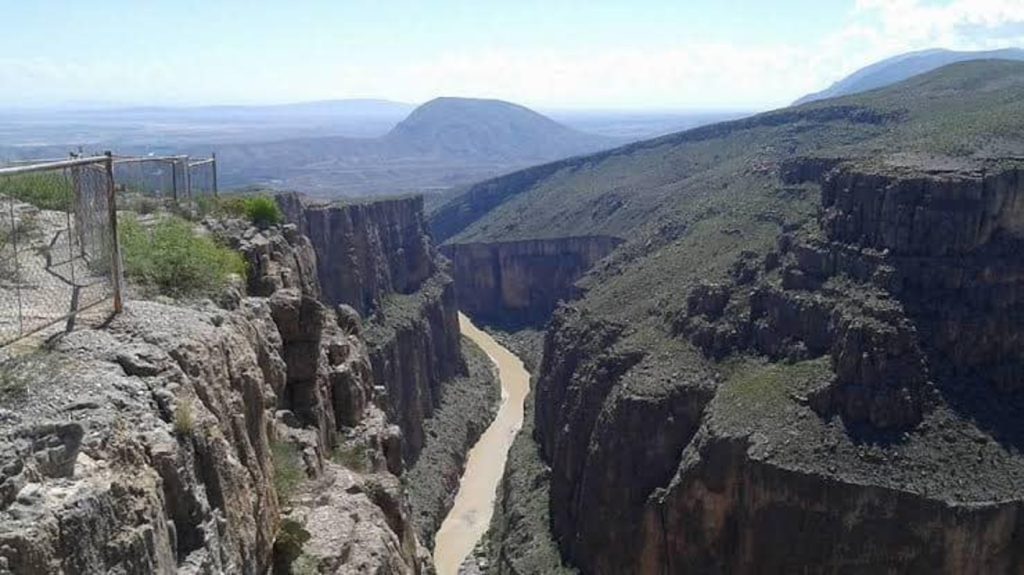
The Presidio Ojinaga Crossing connects Presidio, Texas with Ojinaga, Chihuahua along the Rio Grande corridor. The crossing once supported steady trade, employment, and daily local travel. As commercial traffic shifted toward larger ports, usage declined gradually. Economic downturns further reduced activity near the bridge. Businesses downsized or closed, and population slowly decreased. Although the port still operates, nearby streets feel subdued. Presidio illustrates how border communities fade when regional importance changes, leaving infrastructure intact but daily life diminished and opportunities limited for residents over time amid broader cross border economic realignments regionally during recent decades.
Naco, Arizona
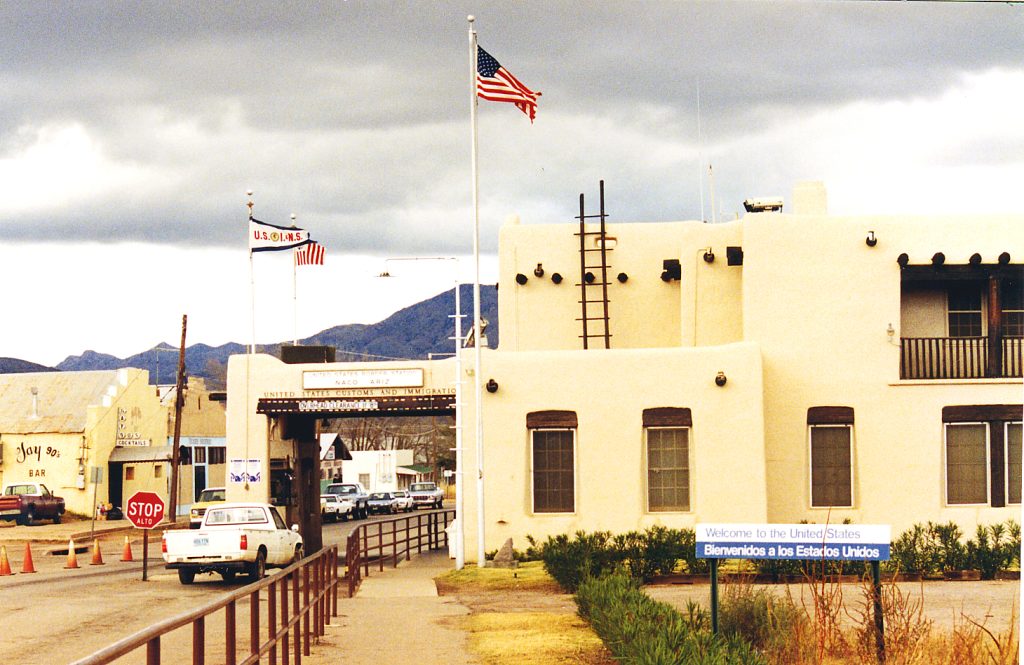
Naco, Arizona sits opposite Naco, Sonora along a historically active United States Mexico border corridor. The town once supported mining, military presence, and cross border exchange. As industries declined and traffic rerouted, population and commerce steadily fell. Many buildings now stand vacant or deteriorating. The port of entry remains open but sees limited use. Quiet streets and shuttered storefronts define daily life. Naco reflects how border crossings alone cannot sustain communities when surrounding industries, investment, and long term economic opportunities disappear over extended periods of regional transition and decline affecting residents livelihoods stability locally persistently.
Columbus, New Mexico
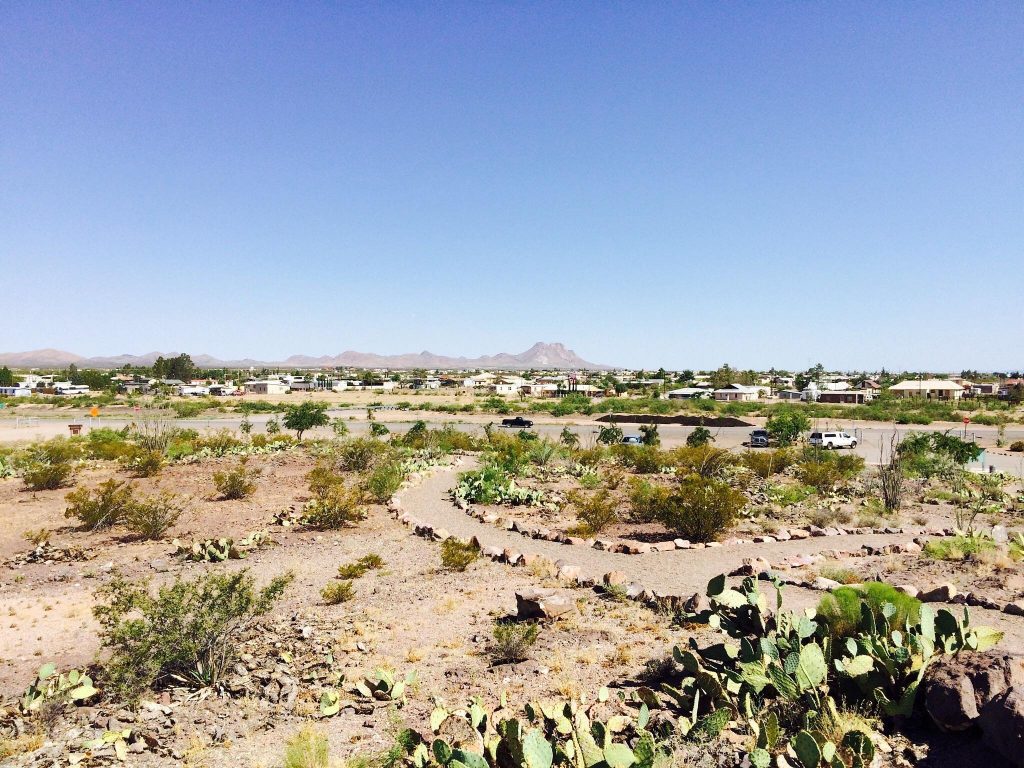
Columbus, New Mexico lies across from the Palomas, Chihuahua and once benefited from cross border trade and tourism. The town supported local restaurants, local shops, and local services catering to travelers. Security incidents and changing travel patterns reduced visitors over time. Businesses dependent on border traffic closed and population declined. Although the port of entry still operates, surrounding areas feel subdued. Empty lots and quiet streets dominate today. Columbus shows how perceptions of safety and economic shifts can drain life from border towns once sustained by constant movement and international exchange supporting local livelihoods historically for nearby communities there.
San Ysidro Pedestrian Areas, California
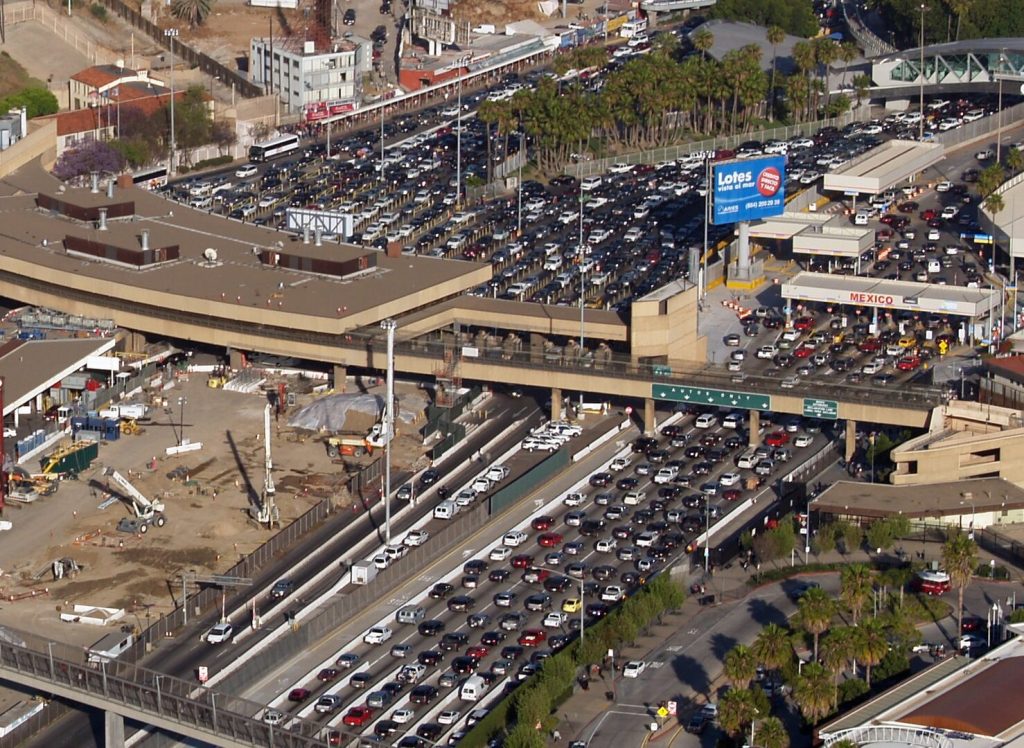
San Ysidro hosts the busiest land border crossing in the Western Hemisphere. While vehicle traffic remains heavy, nearby pedestrian commercial zones changed dramatically. Infrastructure upgrades redirected foot traffic away from older streets. Small businesses that once thrived on crossings struggled to adapt. Vacant storefronts increased despite continued border activity. Some blocks now feel underused and quiet. San Ysidro demonstrates how modernization and planning decisions can unintentionally create ghostlike pockets even beside extremely active crossings, altering long established economic patterns and neighborhood vitality through redevelopment phases affecting livelihoods locally over recent transitional years alone.
Eagle Pass Downtown Crossing Area, Texas
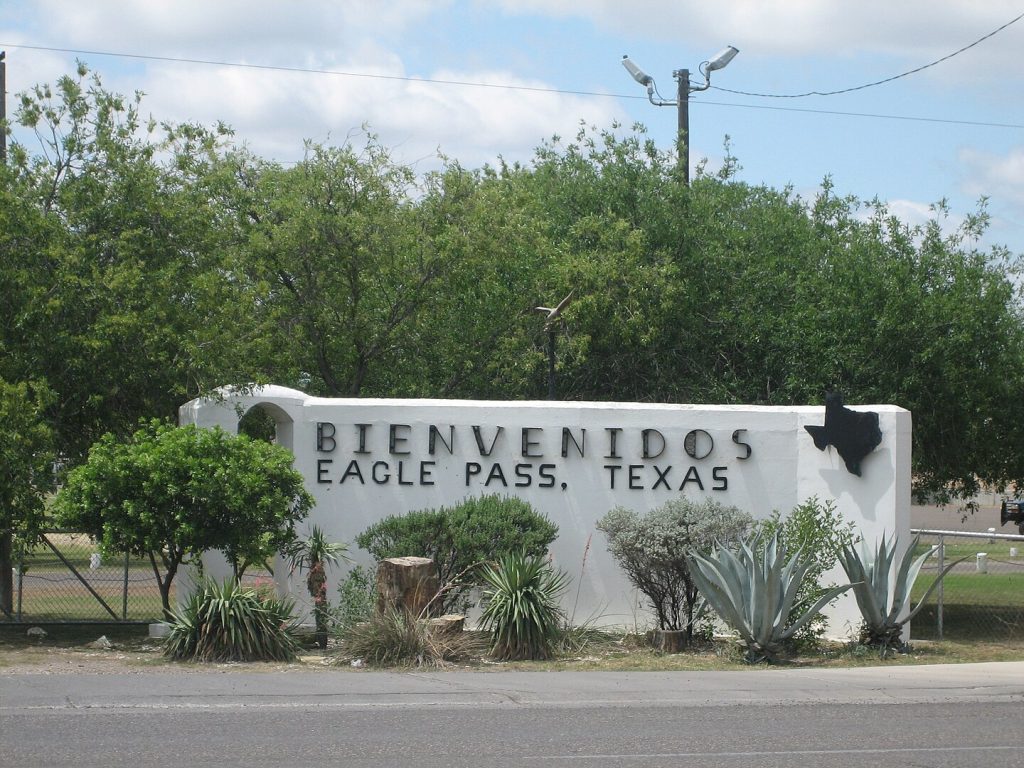
Eagle Pass, Texas connects to Piedras Negras, Coahuila and historically supported busy downtown commerce near the border. Shops, restaurants, and services once benefited from steady foot traffic. As movement shifted toward larger commercial ports, downtown activity declined. Businesses relocated or closed, leaving gaps along former corridors. Although border operations continue nearby, surrounding streets feel quieter. Eagle Pass illustrates how infrastructure choices influence which districts thrive and which slowly empty, despite remaining close to an international gateway serving trade and travel that once anchored community livelihoods and cross border routines for generations historically regionally and economically.
Sault Ste Marie Rail Crossing, Michigan
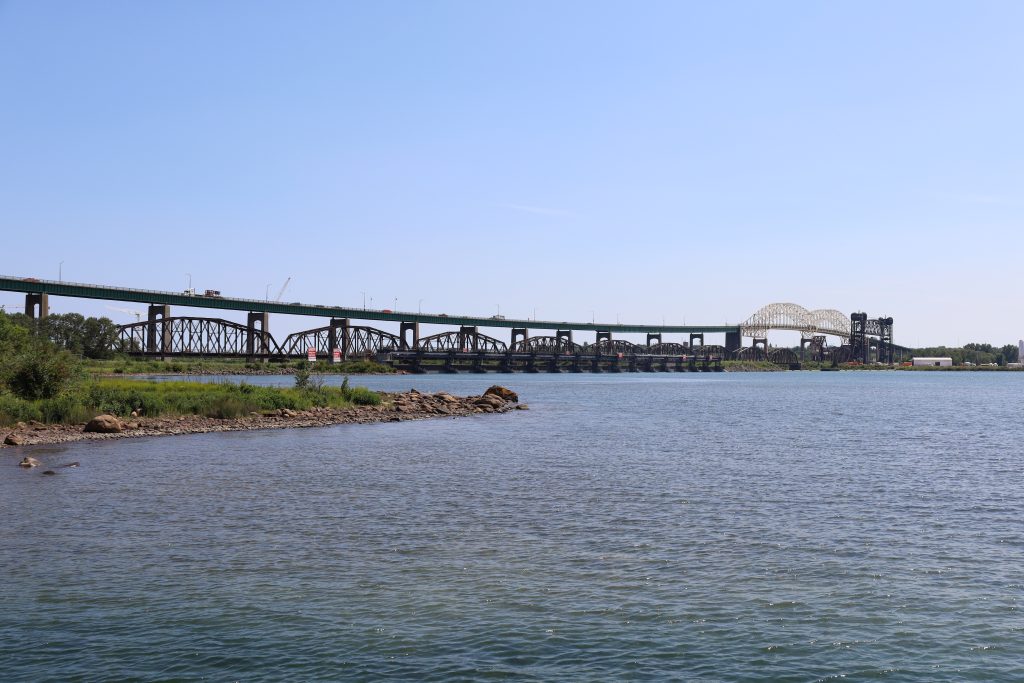
The Sault Ste Marie rail crossing between Michigan and Ontario once supported regular freight and passenger movement. As transportation patterns changed, passenger rail service declined and facilities lost relevance. Buildings near the crossing closed and daily activity dropped sharply. Although the international bridge remains important for vehicles, rail specific areas feel abandoned. Empty platforms and unused structures remain visible. This crossing shows how technological and logistical shifts can sideline border infrastructure, creating quiet zones where movement once defined daily routines and local employment supporting nearby communities economies historically through decades of binational transport reliance previously.

