


On long highway runs, there comes a point when coffee stops working and the safest move is to pull off and sleep. Rest areas were built for exactly that kind of pause, yet the rules around closing eyes in a parked car are not the same everywhere. Some states clearly allow it with generous time limits, some tolerate it quietly, and a few draw very sharp lines between resting and camping. Understanding where the law supports a simple nap in the driver’s seat helps travelers plan humane routes, avoid stressful knocks on the window, and keep everyone on the road safer.
California

California’s rest areas are busy, heavily signed spaces, and the state’s own guidance makes a distinction between camping and resting. Parking and sleeping inside a vehicle are generally allowed as part of taking a break from driving, while setting up chairs, grills, or bedding outside the vehicle shifts into prohibited territory. Many areas post an eight hour maximum stay within a twenty four hour period, which is usually enough for a real sleep cycle and a slow morning. Law enforcement focuses far more on behavior and safety than on whether someone is reclined in a seat. Staying low key, inside the car, and within posted time limits keeps that permission intact.
Texas
Texas stretches wide enough that a single day’s drive can feel like a small expedition, so the state treats rest areas as genuine safety tools. Official guidance allows vehicles to park at safety rest areas and many picnic areas for up to twenty four hours, and nothing in those rules forbids a sleeping driver inside a closed, legally parked vehicle. The line appears when a stop begins to look like a campsite, with tents, open grills, or gear spread across tables. Troopers and maintenance crews understand that a full night of sleep can be the difference between an alert driver and a dangerous one on an empty rural highway. As long as travelers behave like short term guests rather than temporary residents, Texas stays relatively welcoming.
Georgia
Georgia keeps its interstate rest areas open around the clock, and state transportation officials describe them as places to stop and rest, not as day use picnic parks. Sleeping in a parked car is treated as part of that rest, so long as any posted parking duration is respected and the vehicle remains in a designated space. Some welcome centers have different hours or more restrictive rules, particularly near tourist gateways, so drivers who are counting on an overnight stop often favor standard highway rest areas instead. Enforcement tends to focus on obvious misuse, such as litter, alcohol, or disruptive behavior. A clean, quiet car that rolls in tired and rolls out ready to drive is usually exactly what the system is designed to support.
Idaho

Idaho’s long, often lonely highways cross mountain passes, forests, and high desert where fatigue can turn risky quickly, especially in winter. State policy generally allows motorists to sleep in their vehicles at rest areas, with posted time limits that are generous enough to cover a proper overnight stop rather than a hurried nap. Some facilities specify around ten hours, others slightly more or less, but the underlying idea is clear: better to have sleepy drivers parked under lights with bathrooms than pushing through black ice or fog. Camping gear outside the vehicle, open fires, or obvious attempts to live at a rest area will draw attention. Using the space as a place to recover, then moving on, fits both the letter and spirit of Idaho’s rules.
Iowa
Iowa’s rest areas reflect a practical approach shaped by freight corridors, farm traffic, and family road trips that all share the same pavement. State rules generally allow vehicles to remain at a rest area for up to twenty four hours, and there is no specific prohibition on sleeping in a parked car as part of that stay. What is restricted is camping, which Iowa defines separately from simple parking and resting inside a vehicle. That distinction protects travelers who just need to sleep without lumping them in with people trying to set up temporary homes. Crews and officers focus on safety issues and misuse, not on a reclined seat. For anyone crossing the state on a long run, that clarity removes guesswork during the most exhausted hours.
Missouri

Missouri stands out because state policy does not set a strict universal time limit at every rest area, though individual sites may post their own rules. At the same time, the state clearly prohibits traditional camping activities, open fires, and structures on rest area grounds. That combination leaves room for drivers to sleep in parked cars without feeling like the clock is seconds from running out, while still giving staff tools to address people who treat a public rest area as long term housing. Law enforcement usually looks for signs of trouble: blocked lanes, litter, alcohol, or aggressive behavior. A quiet car tucked into a marked space, with someone simply catching up on sleep, rarely rises to that level of concern.
Montana

Montana’s mix of long distances, wildlife, and unpredictable weather makes drowsy driving especially risky, so state transportation officials recognize the need for real rest. Many Montana rest areas allow parking and sleep in vehicles for up to twelve hours, long enough to cover a full night and an unhurried morning departure. As in other states, the rule focuses on vehicles and behavior; pitching a tent on the grass or running generators for hours changes the legal picture. Rangers and troopers understand that a driver who chose to sleep at a lit, maintained facility is making a safer choice than someone nodding off along a dark shoulder. That shared understanding keeps rest areas open as a humane safety valve.
New Hampshire

New Hampshire’s law draws a careful line between camping along highways and simply resting at a safety facility. The state prohibits camping near highway rights of way, defining it as sleeping on the ground or setting up shelters, but does not ban a driver from sleeping inside a parked vehicle at a rest area. Many of those areas lack explicit time limits, which gives travelers room to sleep through the night without anxiety that a timer is ticking down. Troopers still watch for abandoned vehicles, suspicious activity, or messy encampments, yet a tidy car with fogged windows and a resting driver is not the target. For those navigating winter storms or steep grades, that quiet permission matters.
New Mexico

New Mexico’s rest areas offer a rare combination of wide open scenery and practical rules. State guidance typically allows vehicles to remain parked for up to twenty four hours, and nothing in that guidance forbids sleeping inside the vehicle as part of that stay. The restrictions fall on behavior that looks like camping or loitering without purpose. In a place where distances between towns are long and daytime heat can be intense, the ability to pull into a marked rest area, lock the doors, and sleep until ready to drive again can be life saving. Law enforcement officers see that connection every day and tend to reserve enforcement for obvious abuse, not honest fatigue.
Ohio
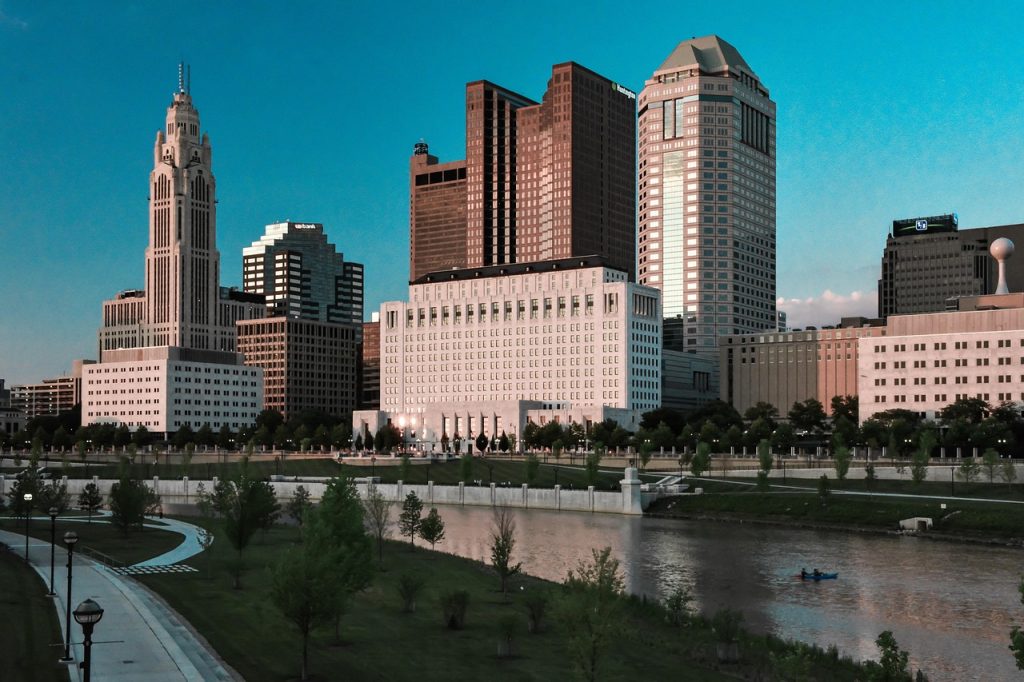
Ohio explicitly allows overnight parking in most freeway rest areas and turnpike plazas, and state information separates that permission from bans on camping or leaving a vehicle unattended for long periods. A driver sleeping in the front seat or across the back with the car parked correctly is within expectations. The state’s mix of standard rest areas and larger service plazas, some with food and fuel on site, creates a network that supports both truckers and travelers in regular cars. Staff watch for misuse and for signs of distress, but they also understand that an occupied vehicle in the middle of the night often signals someone choosing safety over stubbornness. That outlook makes Ohio one of the more comfortable states for planned car sleep.
Oregon
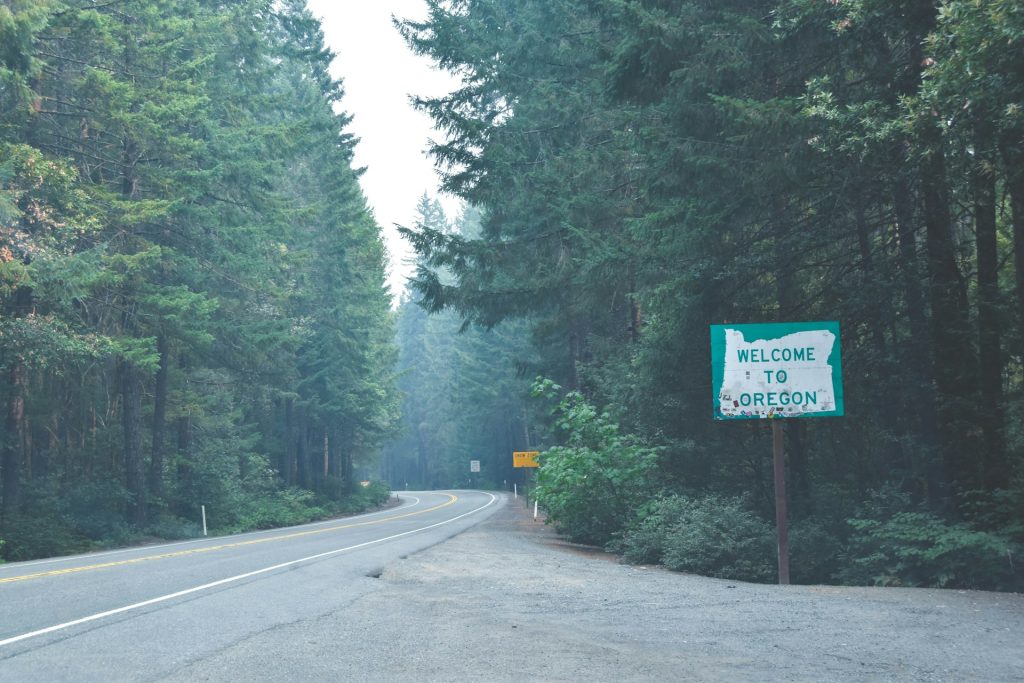
Oregon’s highway rest areas sit along mountain passes, river corridors, and busy freight routes, and state policy generally allows up to twelve hours of parking at these locations. Sleeping in the vehicle during that period is treated as part of safe travel, not as unofficial camping, as long as the driver stays within marked spaces and respects posted rules. Prohibitions focus on setting up outside gear, leaving vehicles for long periods, or using rest areas for business or events. In practice, that balance allows an exhausted driver to pull off during heavy rain, snow, or coastal fog, sleep until roads feel manageable again, and leave without worry that a simple nap has crossed a legal line.
Washington
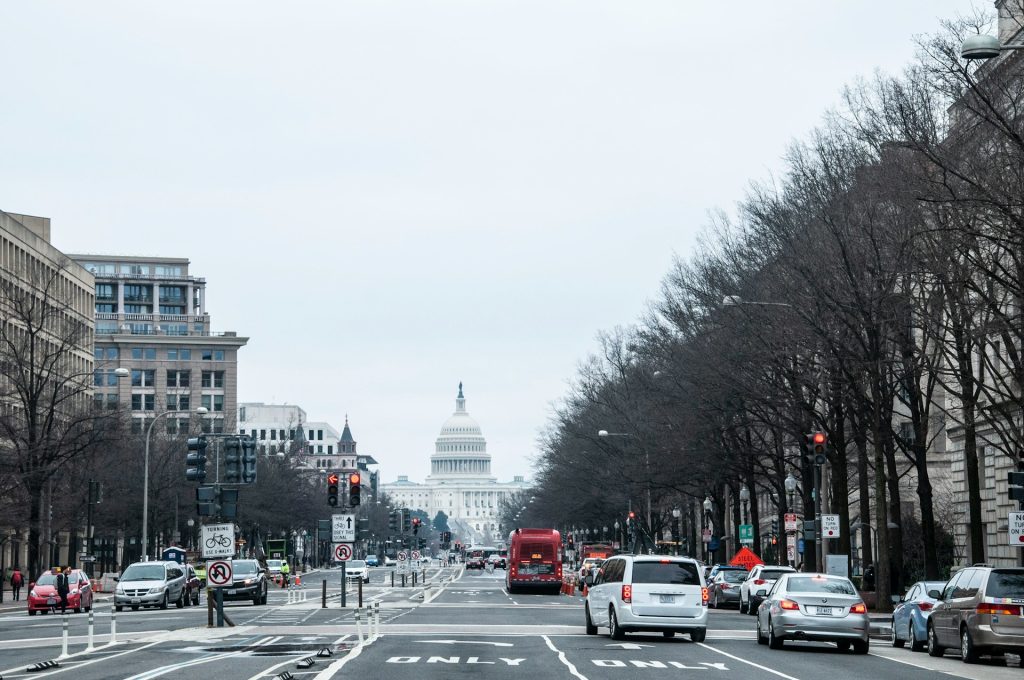
Washington designates its facilities as safety rest areas and is clear about their purpose in public information. Vehicles may park for up to eight hours in any twenty four hour window, and that allowance includes resting or sleeping inside the car. Camping, open fires, and long term vehicle storage are prohibited, which helps keep spaces available for travelers who genuinely need a break from driving. The eight hour limit is long enough for a careful overnight stop, especially when paired with access to restrooms and lighting. For drivers crossing mountain passes or coping with heavy rain and traffic, knowing that the law explicitly recognizes the need for sleep makes those stops less anxious and more restorative.

