


Across varied terrain and quiet townships, nine states stand out for practical resilience when systems falter. These places combine dependable water, productive soil, plentiful timber, accessible wild protein, and communities that still carry hard-to-replace craft skills and cooperative institutions. Each profile emphasizes grounded, local capacity: how food is grown and preserved, how tools and engines stay serviceable, and how neighbors organize to share fuel, seed, and labor. They value practical preparation, steady routines, and a level of community trust that keeps people functional through seasons of strain.
Alaska

Alaska offers a rare concentration of tangible resources across a vast, sparsely settled landscape where inland rivers and lakes deliver reliable freshwater, coastal shelves host prolific salmon runs and shellfish, and extensive forests supply timber for heat and shelter. People here practice skills that convert seasonal abundance into durable stores and mobility through smoking and curing fish, cold preservation, mechanical improvisation, and small-aircraft logistics. Communities share boats, tools, and bulk fuel purchases, and the aviation culture keeps access open when roads freeze or fail. The mix of natural refrigeration, plentiful wild protein, and deep local knowledge of off-grid systems makes extended resilience realistic without glamorizing hardship.
Montana

Montana’s wide ranchlands, headwater rivers, and open basins create practical advantages when distribution falters because mountain-fed streams and aquifers support irrigation and livestock, while timber and pasture provide fuel and building material. Ranching communities retain skills in metalwork, engine repair, butchery, and winter provisioning that convert immediately into local food production, storage, and shelter upkeep. County halls and cooperative equipment pools often become informal hubs for repair and exchange during stressful seasons. Long familiarity with snow, wind, and drought has shaped habits of insulation, woodlot management, and rotational grazing that preserve energy, protect soil, and keep infrastructure steady through unpredictable winters.
Idaho
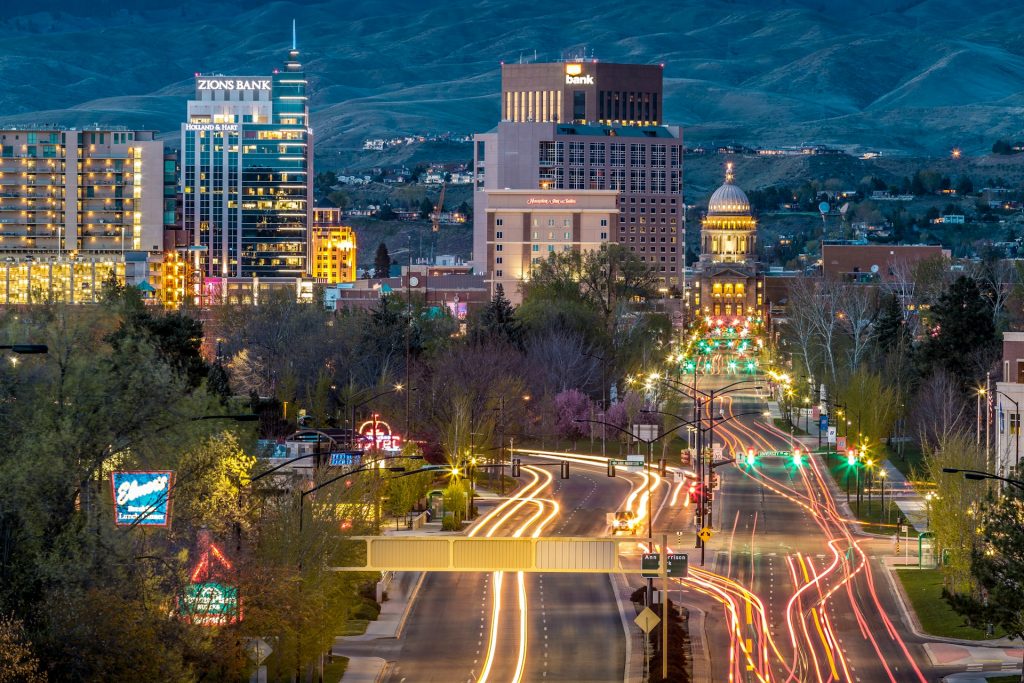
Idaho blends river valleys, mountain watersheds, and a strong homestead tradition into a system of everyday resilience. Fertile benches along the Snake and its tributaries support vegetables, grains, and pasture, while nearby forests offer firewood, timber, and edible plants. A culture built around tool repair, seed saving, barter, and shared irrigation maintenance means broken pumps are fixed promptly and seed lines remain circulating. Small towns maintain machinists, welders, and implement repair shops that keep old equipment alive. Community interest in microgrids, small hydro, and solar cooperatives grows each year, giving households and farms more reliable energy when outside supply becomes uncertain.
Maine
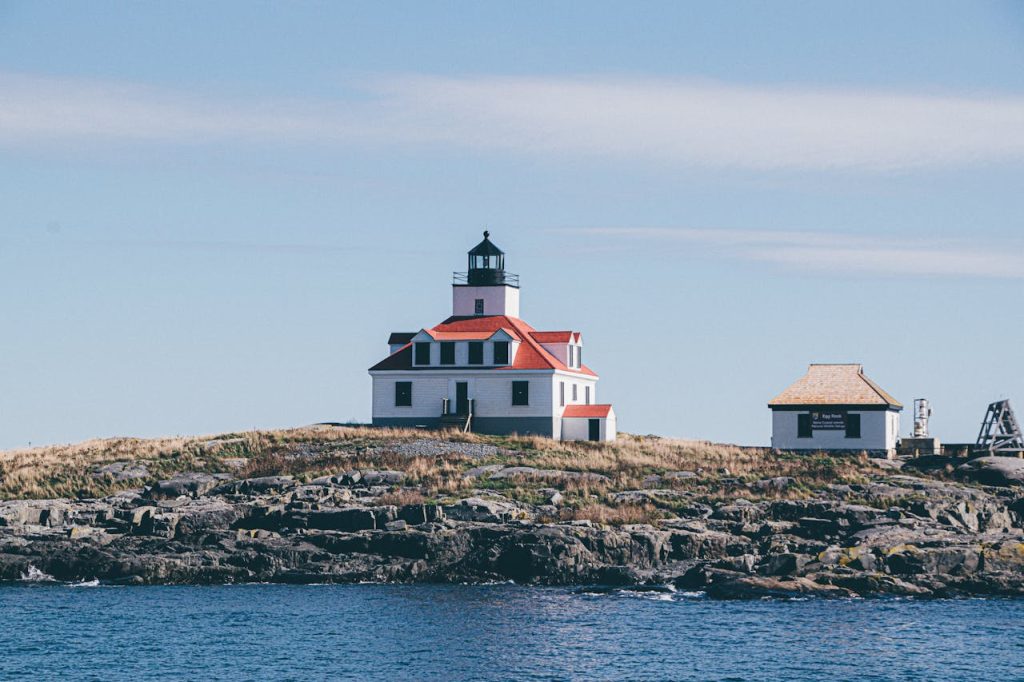
Maine brings together a long, sheltered coast with an interior filled with lakes and forest, creating a balanced blend of seafood, freshwater, timber, and wild edibles. Lobster and shellfish provide dense protein, rivers and ponds offer drinking water, and woodlands supply heat, building timber, and ingredients for preserves. Cottage industries in smoking, salt curing, and small-scale dairy allow families and co-ops to stretch seasonal harvests far beyond the brief summer. Town docks, fish houses, and cooperative markets work as simple logistical nodes for storage and trade. Skills in woodworking, milling, and small-boat navigation remain common and give communities flexible ways to gather and distribute resources even when inland access is limited.
Vermont
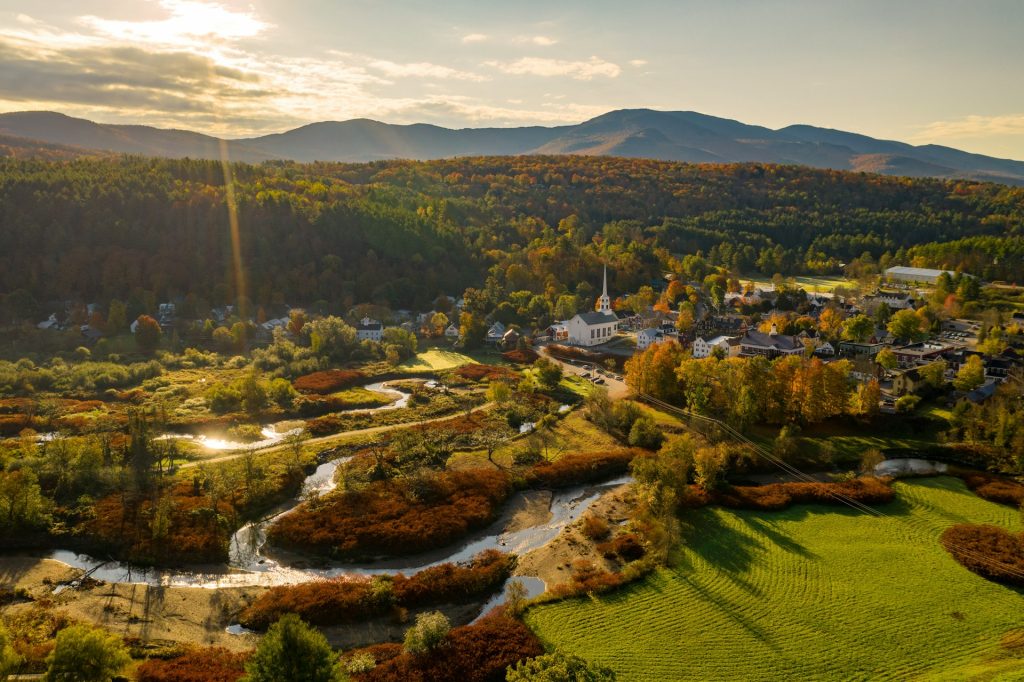
Vermont’s landscape of small farms, woodlots, and village markets supports a diversified and remarkably stable pattern of food and fuel production. Dairy, vegetables, apples, and preserved goods anchor the seasonal rhythm, while forests reliably supply heating wood and construction material. Communities lean on cooperative creameries, seed libraries, volunteer responders, and tool sharing programs that keep expertise moving. Repair apprenticeships, community woodlots, and municipal biomass projects sustain local energy systems without depending on distant suppliers. These habits of shared labor and careful land use help towns maintain a grounded sense of security during disruptions.
South Dakota
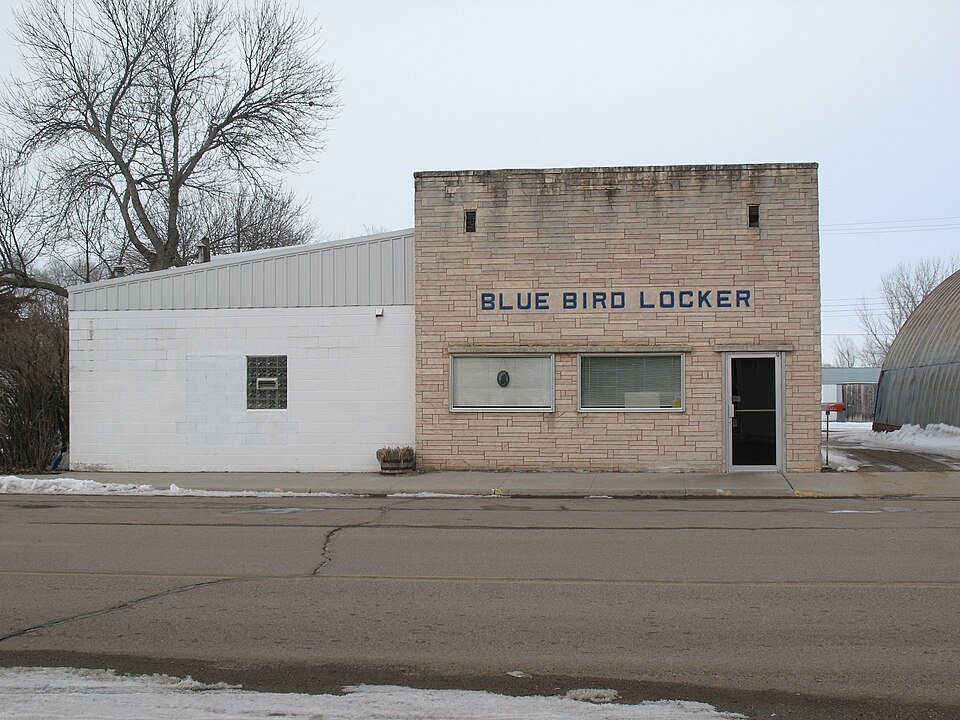
South Dakota’s broad plains and deep groundwater reserves create clear advantages for producing and storing staples at scale. Grain, pulses, forage crops, and family livestock operations provide consistent food sources, while local elevators and cooperatives manage drying, storage, and distribution. Public lands supply grazing and foraging buffers that soften the impact of poor harvests. Towns maintain machine shops and modest processing facilities that keep farm equipment and essential tools functioning. Cooperative governance and extension services guide drought planning, seed allocation, and shared machinery systems that spread risk across families and counties.
North Dakota
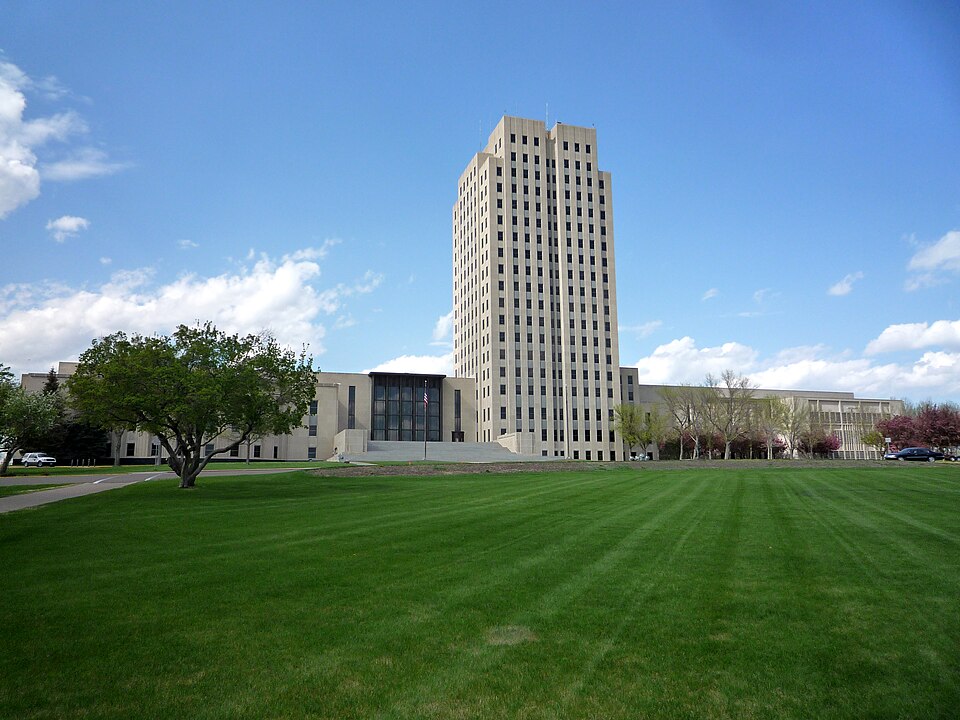
North Dakota’s fertile Red River Valley and surrounding prairie basins support a productive and tightly coordinated agricultural network. Wheat, barley, pulses, and forage crops feed both livestock and human communities, while family farms and co-ops protect seed stocks, implements, and storage capacity. Grain elevators, implement dealers, and repair shops form a practical maintenance chain that keeps pumps, engines, and mills running during stressful harvest windows. Shared ownership of dryers and storage reduces bottlenecks. Rotational cropping, cover cropping, and community equipment pools help maintain soil health and provide backup capacity when inputs become scarce.
Oregon
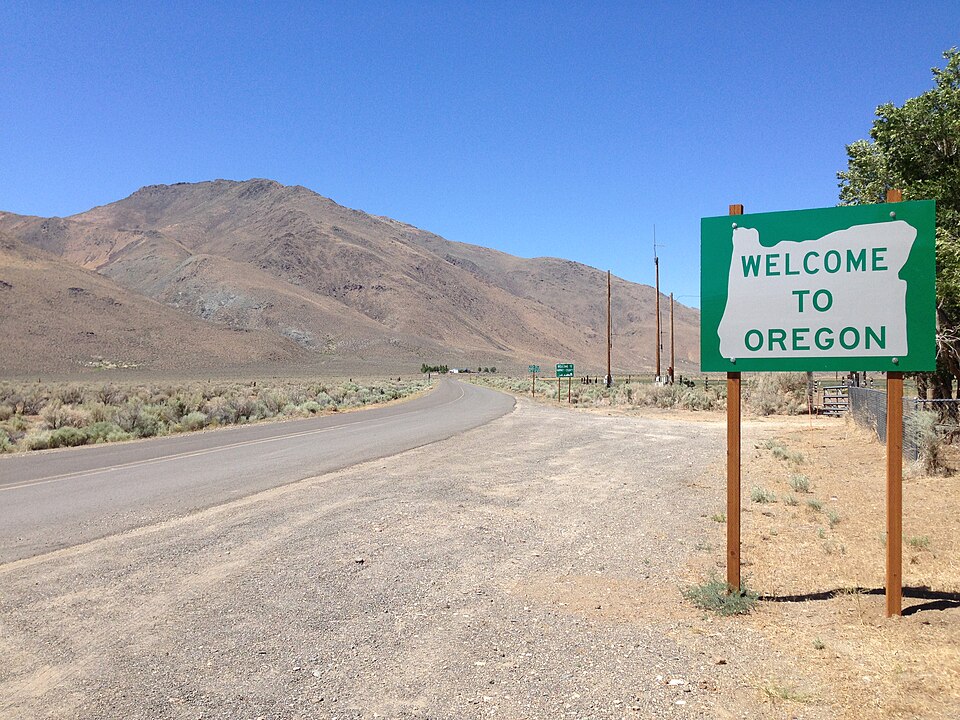
Oregon’s varied ecosystems offer multiple pathways to secure food, fuel, and shelter. Coastal fisheries and estuaries deliver seafood, valley soils produce fruits and vegetables, and the timbered interior provides construction material and biomass for heat. The Willamette Valley and other basins anchor a broad agricultural base, while forests and coastal zones expand hunting and foraging opportunities across seasons. Community institutions such as farmers markets, repair cafes, tool libraries, watershed groups, and food hubs keep surplus circulating and skills alive. These networks turn perishable abundance into stored staples and ensure repairs can be made quickly when commercial supply chains slow down.
Colorado

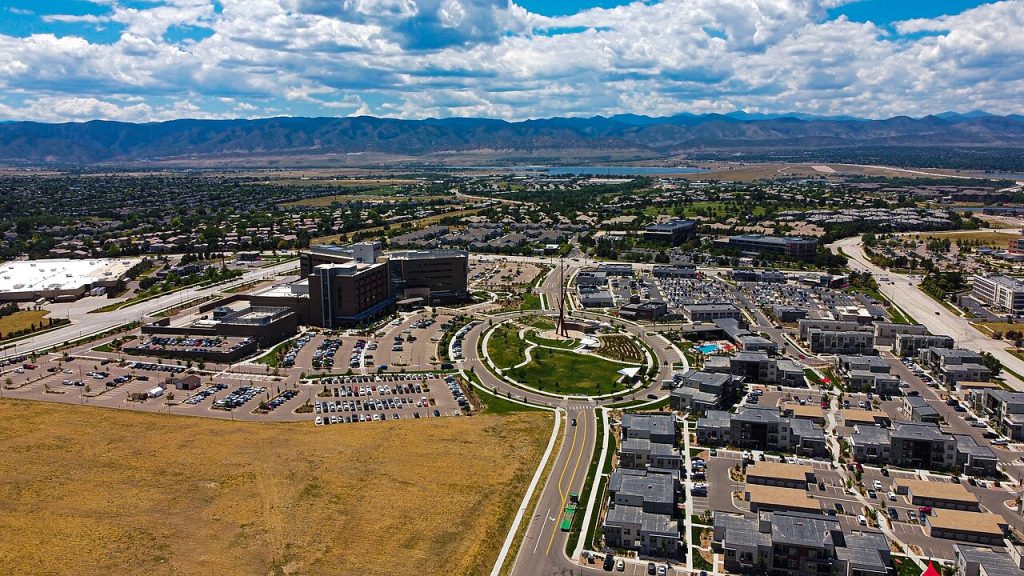
Colorado’s mix of snowmelt-fed valleys, irrigated plains, timbered slopes, and ranch country creates diverse options for long-term stability. Mountain snowpack provides irrigation for hay and feed, slopes offer timber and game, and broad plateaus support grazing. Towns with experienced tradespeople, maker shops, carpentry co-ops, and farmer networks create a culture where skills and supplies move easily. Watershed collaboratives and ditch companies manage snowmelt distribution in ways that protect both farms and households. Shared grazing agreements and community hay reserves help ranchers support livestock during tight winters when outside feed is limited.

