



Hotel stays often appear simple, yet behind every reservation stands a tightly coordinated operation balancing staffing, schedules, and guest expectations. Front desk teams, housekeeping crews, and maintenance staff work within fixed systems that prioritize safety, cleanliness, and fairness. Many misunderstandings arise because these systems remain invisible to guests. Knowing how hotels function day to day can prevent frustration and improve communication. From timing constraints to inventory limits, these eleven realities explain why certain requests succeed while others cannot, offering insight into the practical considerations hotel staff manage constantly across properties, seasons, and varying occupancy levels worldwide.
Check-In Times Are Operationally Fixed
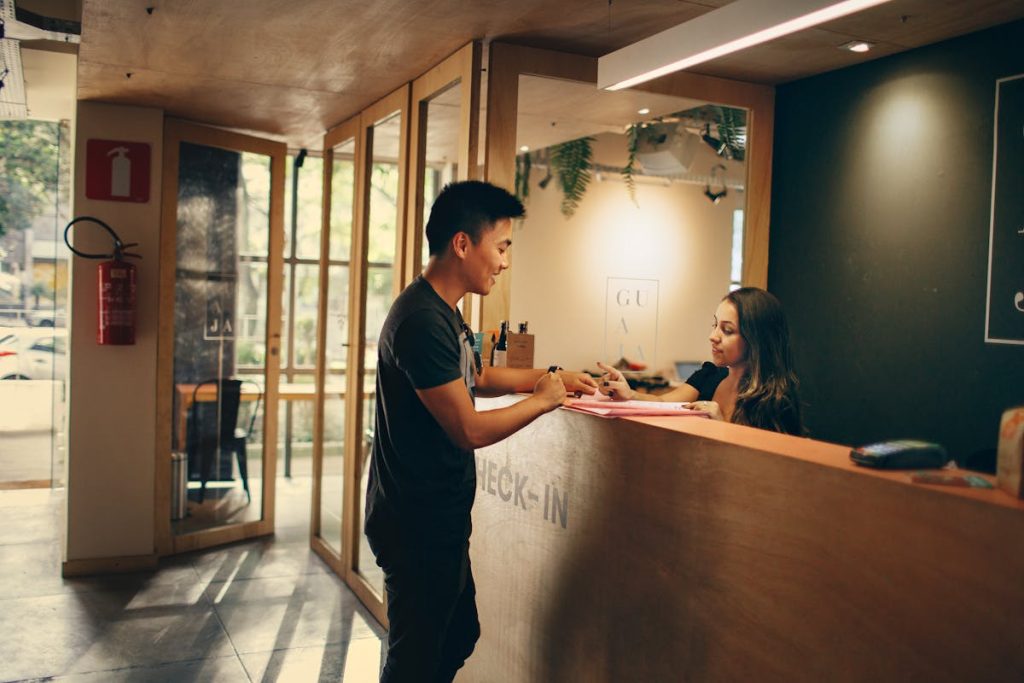
Check-in times are operationally fixed because hotels must clean, inspect, and reset rooms after departures. Housekeeping teams work within limited windows, often handling dozens of rooms simultaneously. Late departures or maintenance issues delay readiness for incoming guests. Staffing levels also affect turnaround speed, especially during busy travel seasons. Front desk teams cannot release rooms until cleaning confirmations are complete. These timelines protect cleanliness and consistency. Understanding this structure explains why early access is not guaranteed and why check-in times exist as operational necessities rather than flexible guidelines across most hotel properties regardless of size, brand, or location.
Early Check-In Depends on Availability
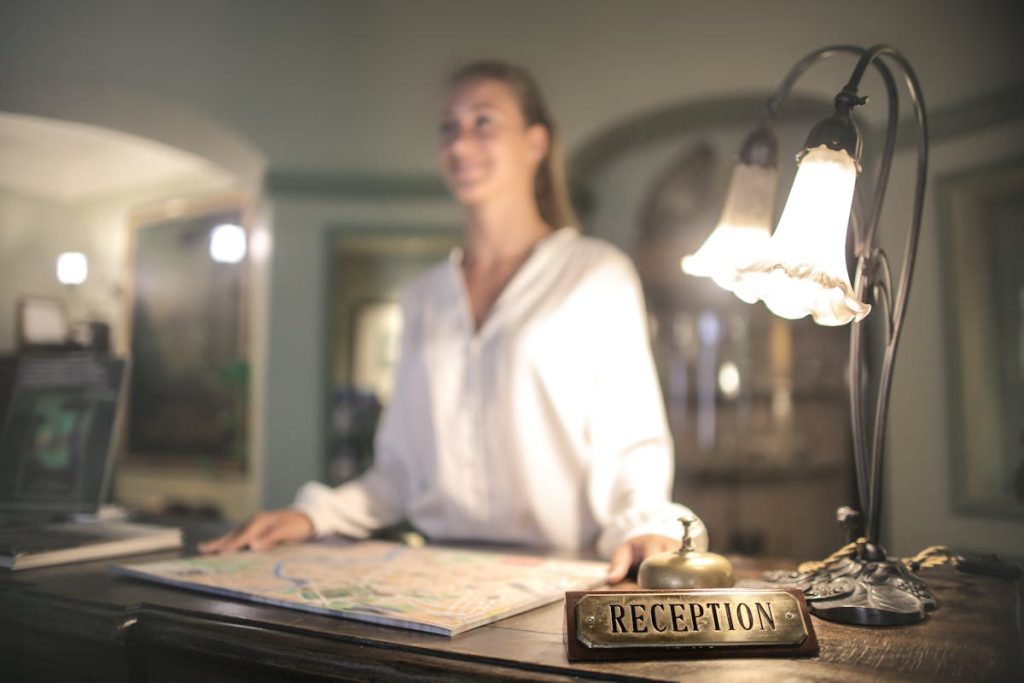
Early check-in depends entirely on room availability rather than preference or status alone. Even when a hotel appears quiet, certain room categories may still be occupied or awaiting inspection. Housekeeping schedules follow departure patterns, not arrival hopes. During weekends, holidays, or conventions, turnover windows shrink considerably. Front desk staff monitor availability continuously but cannot promise early access in advance. This limitation reflects how tightly arrivals and departures interlock. Early check-in remains possible only when timing, staffing, and inventory align naturally without disrupting operational flow or compromising preparation standards required for guest comfort and safety.
Room Requests Are Not Guaranteed
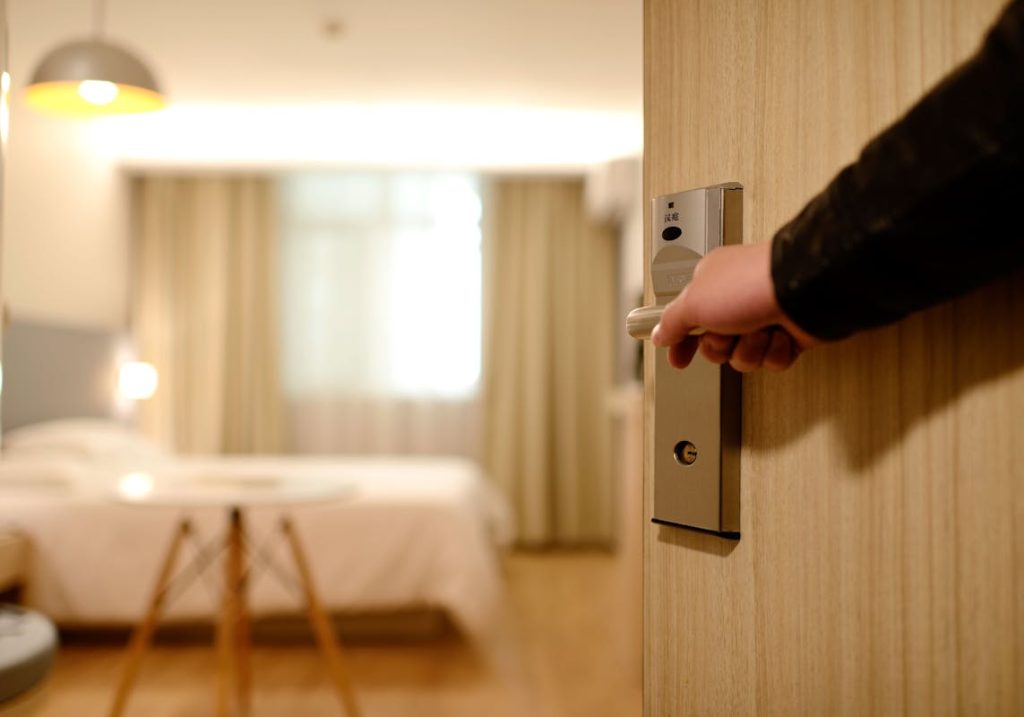
Room requests are noted carefully but never guaranteed because inventory changes constantly. Cancellations, extensions, upgrades, and maintenance issues alter availability daily. A requested view, floor, or bed type depends on which rooms vacate first and pass inspection. Group bookings may block entire categories unexpectedly. Even advance notes require precise timing to succeed. Staff make efforts to accommodate preferences fairly. These limitations reflect the challenge of managing fixed inventory while balancing equity among guests, operational efficiency, and real-time changes that affect room assignments across busy hotels with high occupancy turnover during peak travel demand cycles.
Complimentary Upgrades Are Situational

Complimentary upgrades are situational and depend on same-day availability. Hotels assess premium room inventory after accounting for arrivals, extended stays, and loyalty commitments. During peak travel periods, higher categories often remain fully booked. Some open rooms stay reserved for special circumstances. Staff enjoy offering upgrades when conditions allow, but they cannot promise them in advance. This process balances fairness, revenue management, and guest expectations. Understanding this reality helps explain why upgrades feel unpredictable and why polite requests do not always produce results despite best intentions and professional effort from hotel teams during busy travel seasons.
Cleanliness Takes Time

Cleanliness takes time because hotels follow strict procedures to meet health and safety standards. Housekeeping teams sanitize surfaces, change linens, clean bathrooms, and inspect high-touch areas thoroughly. Unexpected conditions such as spills, stains, or damage extend cleaning timelines. Rushing preparation risks compromising hygiene and guest trust. These detailed steps often go unnoticed yet shape readiness. Understanding the depth of cleaning required explains why rooms cannot be released early and why preparation timelines remain essential to maintaining consistent quality across properties serving many guests daily during peak occupancy periods when standards must never slip anywhere.
Special Requests Require Coordination

Special requests require coordination across multiple departments. Extra bedding, amenities, or timing adjustments involve front desk communication, housekeeping availability, and inventory checks. During high occupancy periods, workloads increase and delays become more likely. Even simple requests may need confirmation or approval to ensure accuracy. This coordination supports personalized experiences but depends on staffing and timing. Recognizing this effort explains why some requests succeed quickly while others require patience or cannot be fulfilled immediately, especially during peak seasons when staffing shortages, inventory limits, and guest needs strain coordination efforts.
Noise Complaints Are Complex

Noise complaints are complex because disruptions originate from various sources. Sounds may come from neighboring rooms, hallways, events, or external activity. Staff must identify causes while following hotel policies and occupancy limits. Relocating guests becomes difficult when rooms are scarce. Intermittent noise complicates resolution further. Employees aim to restore comfort without escalating situations. Managing noise requires judgment and diplomacy, making it one of the more challenging aspects of hospitality operations, particularly during sold-out nights or properties located in active urban or entertainment districts, where nightlife, traffic, and event schedules intensify sound levels beyond controllable limits for staff members.
Maintenance Is Scheduled Carefully

Maintenance is scheduled carefully because engineering teams manage repairs across many rooms. Staff prioritize issues by urgency, safety, and availability of parts. Some problems require immediate action, while others wait for planned service windows. Rooms may be temporarily removed from inventory to prevent further issues. This structure protects guest safety and property condition. Understanding maintenance scheduling explains why some repairs cannot happen instantly and why staff sometimes delay room assignments until problems resolve fully, to ensure compliance, prevent liability, and maintain long-term operational reliability during occupancy fluctuations across properties.
Third-Party Bookings Limit Flexibility

Third-party bookings limit flexibility because the hotels receive reservation details exactly as transmitted by websites. Errors involving dates, room types, or payment information must follow external platform policies. Front desk teams assist where possible but lack authority to override third-party rules. During busy periods, corrections take longer. These situations occur frequently despite staff efforts. Understanding this limitation explains why adjustments sometimes require waiting or contacting the booking provider directly rather than immediate resolution at the hotel, especially during peak seasons when call centers slow responses and policies restrict instant changes approvals.
Late Check-Out Disrupts Workflow

Late check-out disrupts workflow because housekeeping relies on timely departures to prepare rooms. When a room remains occupied beyond schedule, cleaning assignments shift and other rooms are delayed. This disruption affects arrival timelines and available inventory. Hotels grant late check-out when possible, but approval depends on occupancy and staffing. These constraints reflect careful coordination needed to maintain standards. Understanding this impact explains why extensions are not always available, especially during high-demand periods with tight turnover schedules during weekends holidays conventions when staffing levels and departure volumes create operational pressure nationwide consistently.
Courtesy Improves Everyone’s Experience
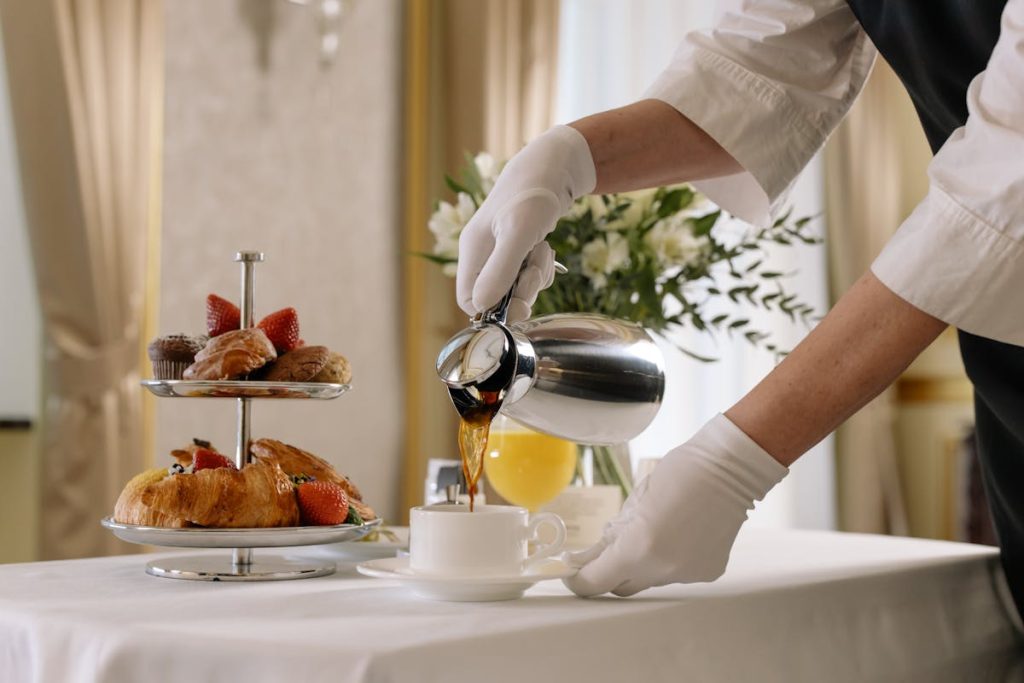
Courtesy improves everyone’s experience because hotel staff operate under time pressure while managing multiple responsibilities. Respectful communication supports quicker problem resolution and clearer understanding. When interactions remain calm, staff can respond more effectively. Positive exchanges also improve morale and cooperation. Courtesy creates smoother operations, better outcomes, and more pleasant stays for guests and employees alike, reinforcing the shared goal of comfort, efficiency, and professionalism within busy hotel environments. Consistent kindness fosters trust, reduces stress, encourages collaboration, and helps teams handle challenges efficiently during peak travel periods worldwide daily.

