


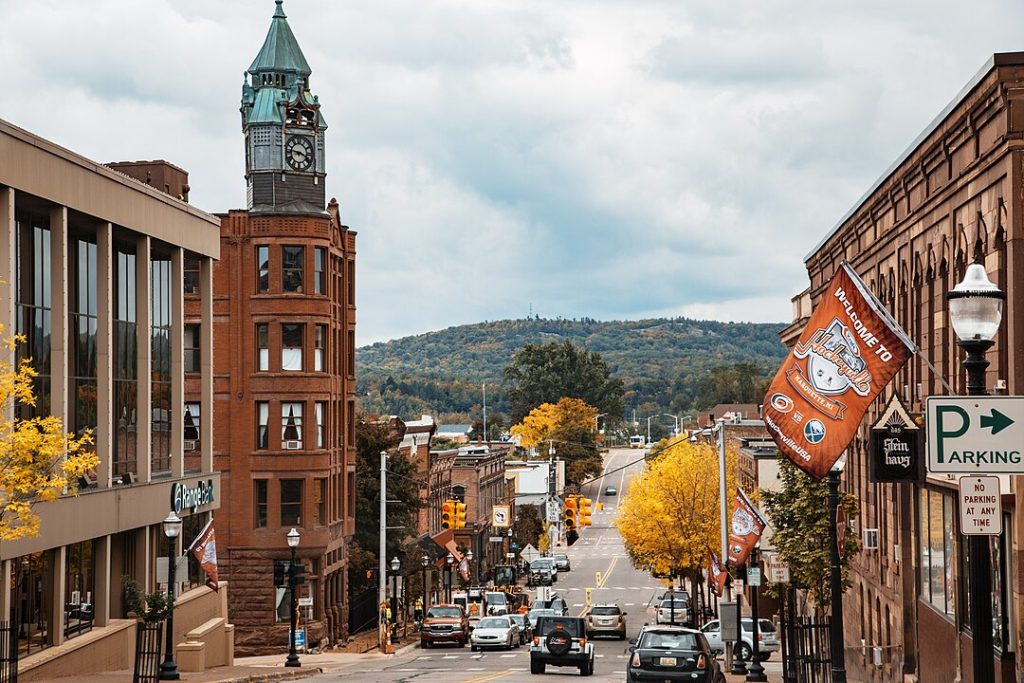
Small towns often thrive on a kind of practical generosity that bigger places struggle to hold on to. A neighbor shares extra tomatoes, a shopkeeper remembers who prefers repairs over replacements, and the rhythm of a day feels shaped by conversation rather than noise. The towns below offer that grounded feeling while keeping monthly budgets manageable for many households. Each place blends local character, modest housing, accessible services, and traditions that make life feel steady rather than hurried. Their charm comes not from spectacle but from the way daily routines fall into place.
Bisbee, Arizona
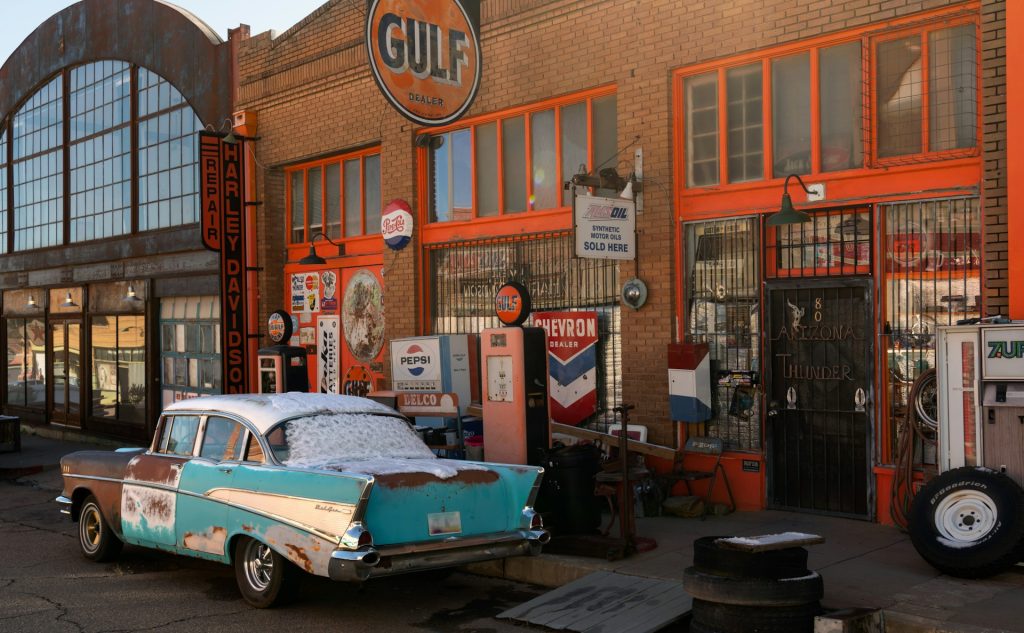
Bisbee sits tucked into a mineral rich hillside where stair-stepped neighborhoods curve around old storefronts, giving the town a quiet sense of intimacy that residents prize. Housing often remains within reach because the community leans on resourceful habits, including shared workshops, renovation circles, and a culture that values practical skill as much as cash. Many errands require only a short walk, and the town relies on small groceries, repair shops, and volunteer supported events that keep expenses from creeping upward. Artists, retirees, and long-settled families trade knowledge as easily as tools, creating an everyday rhythm that keeps life affordable without losing color.
Paducah, Kentucky
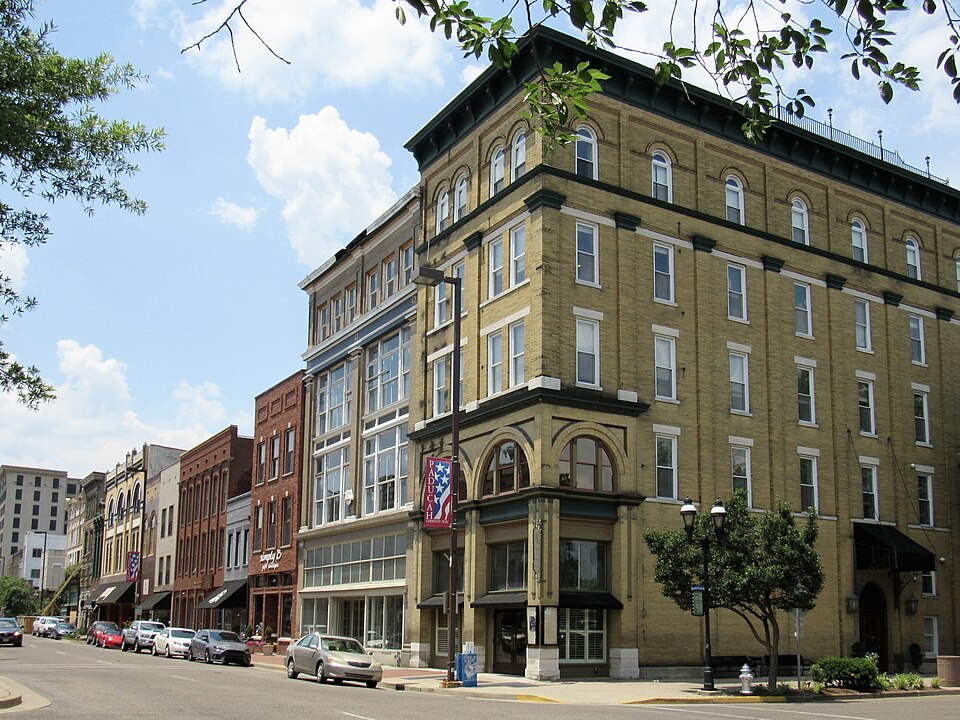
Paducah rises along a riverbank where industrial history meets a lively creative district, yet the cost of living stays grounded through modest housing and a tradition of mutual support. Older homes offer surprising value, and the town invests in community programs that help families maintain their budgets, including food cooperatives, shared childcare groups, and vocational workshops that reduce reliance on costly outside services. Cultural life flourishes through galleries and performances that rarely strain a wallet. People often note that the combination of walkable streets, dependable public spaces, and neighborly attentiveness creates a setting where daily expenses stay predictable and quality of life grows quietly around it.
Eureka Springs, Arkansas
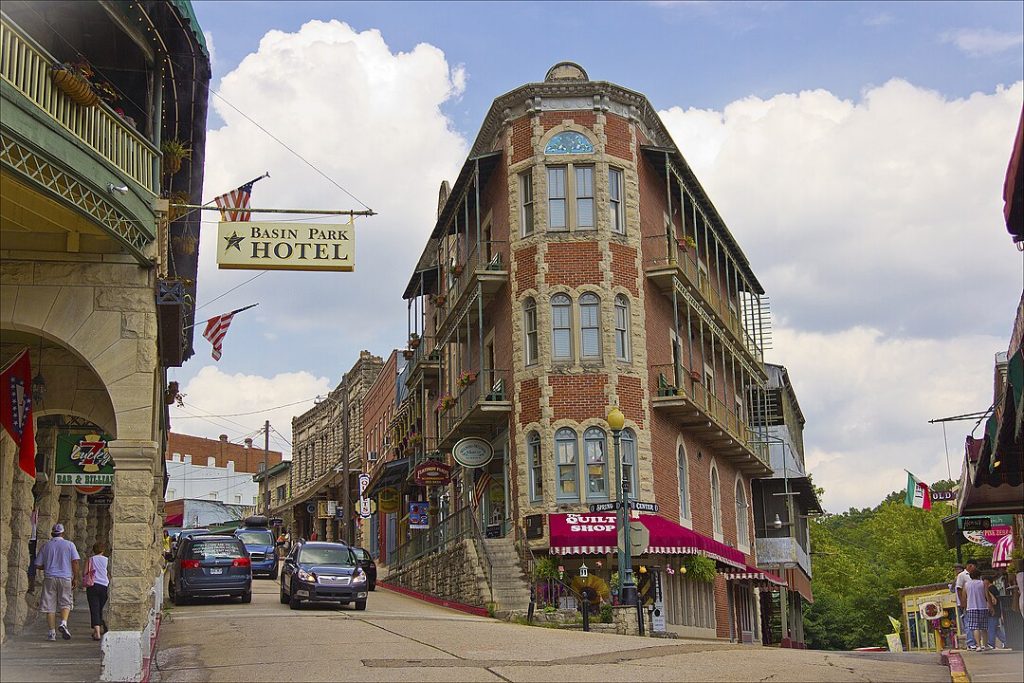
Eureka Springs folds itself into a hillside of springs, stone buildings, and winding lanes, yet despite its picture ready charm, the cost of living stays accessible for long-term residents. Much of the affordability comes from a patient culture of reuse, where families pass along tools, furniture, and local knowledge about working with the land. Residents take advantage of nearby parks, shared gardens, and community markets that make entertainment and food more affordable. The town runs on relationships rather than spectacle, and that keeps housing, services, and daily rhythms practical enough for artists, retirees, and families who want beauty without financial strain.
Lander, Wyoming
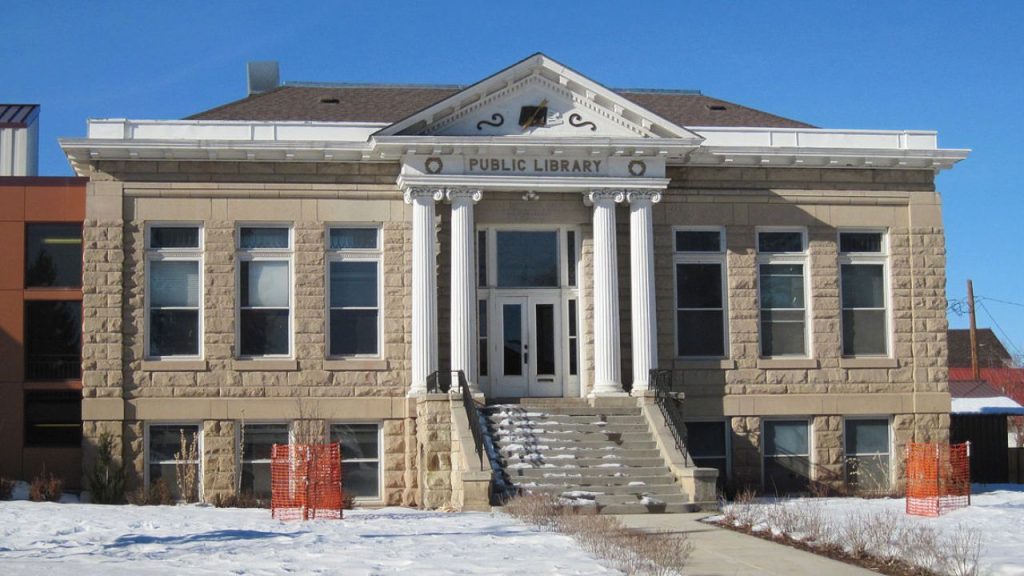
Lander sits near the foot of wide mountain country where clean air, steady work, and a grounded sense of independence shape local life. It remains affordable partly because residents rely on homegrown skills such as carpentry, welding, and ranch know-how that reduce the need for expensive services. Neighborhoods support shared spaces for gardening and tool lending, and volunteer programs fill gaps that larger cities often outsource. People use the land respectfully and creatively, turning outdoor access into a source of recreation that never pressures a budget. The result is a town where costs stay manageable because the community shares responsibility for its own wellbeing.
Galena, Illinois
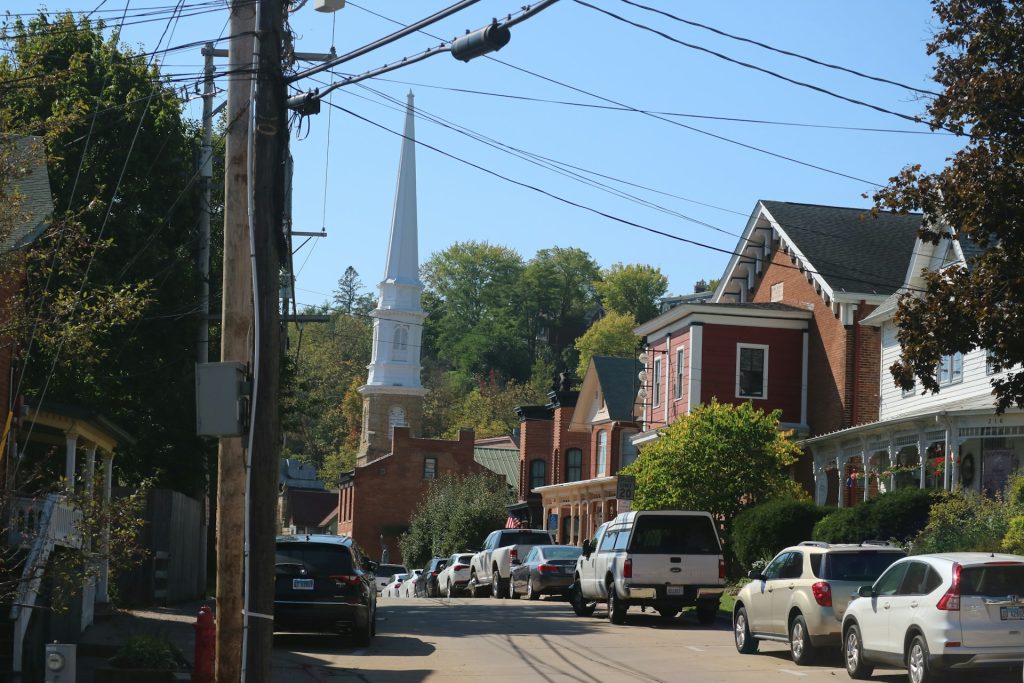
Galena blends nineteenth century storefronts with a calm residential world just beyond the visitor corridor, creating a rare mix of charm and affordability. Locals know which streets offer attainable homes and which areas provide a kind of quiet that cannot be bought in bigger cities. Public programs, small libraries, and seasonal festivals keep families entertained without adding new monthly expenses. Trails, river bends, and nearby farms shape a lifestyle that encourages slow afternoons and low cost recreation. The town’s hospitality economy supports many households, yet residents maintain a sense of balance that protects both community character and affordability.
Hermann, Missouri

Hermann rests alongside a broad river where steep hills host vineyards, bakeries, and quiet lanes that hold far more warmth than one might expect from such a small place. Housing remains accessible because the town protects its sense of scale, encouraging families and small businesses rather than speculative ventures. Neighbors share equipment for repairs, local growers help supply everyday produce, and old-fashioned skills such as canning or woodworking remain part of daily life. These habits soften the financial pressure many communities face. Even during busy seasons, residents maintain a calm steadiness that keeps living costs predictable and personal ties strong.
Berea, Kentucky
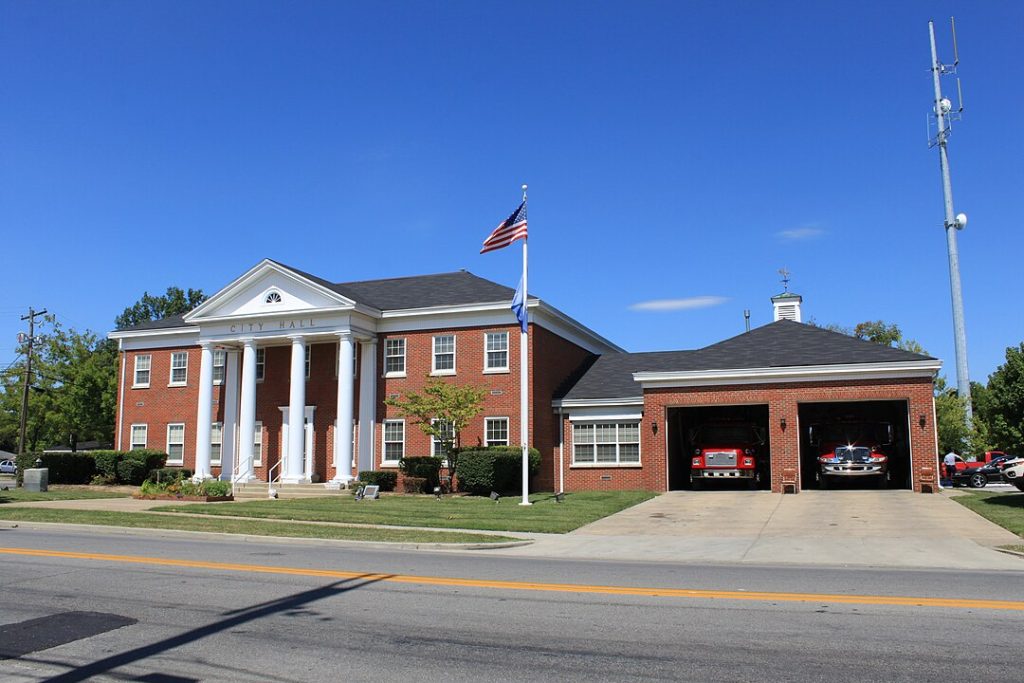
Berea brings together a college community, a longstanding craft heritage, and a local economy that values resourcefulness as much as education. Housing ranges from modest apartments to small homes that stay within reach for many households, partly due to programs that encourage shared labor and gentle renovation. The town supports craft studios, community farms, and family owned shops that keep money circulating locally. Residents often rely on one another for childcare swaps, tutoring sessions, or help repairing older homes. Cultural events are frequent yet affordable, creating a rhythm of creativity that does not require deep pockets.
Sandpoint, Idaho
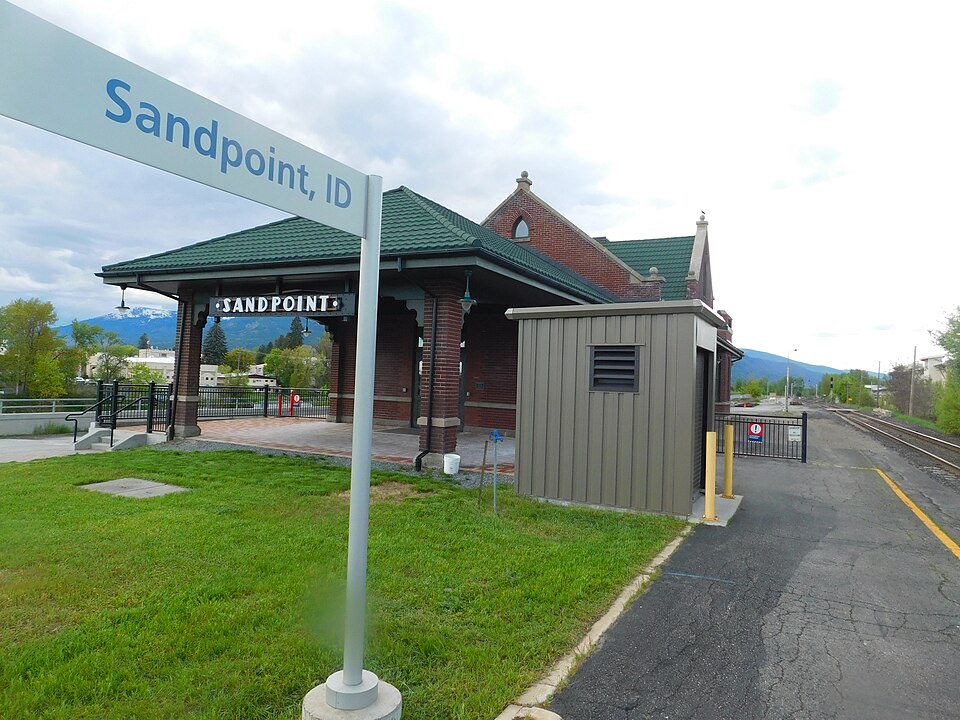
Sandpoint sits near the edge of a clear lake and surrounding forests, offering beauty that might suggest high prices, yet the town remains manageable through steady community planning and deeply rooted local networks. Residents form gardening collectives, fishing groups, and volunteer based repair projects that reduce the need for costly services. Affordable neighborhoods lie just beyond the waterfront, and families rely on local food producers, thrift spaces, and shared workshops to keep expenses low. People spend time outdoors because the land offers endless recreation, not because costly memberships are required. That mixture of nature and cooperation anchors the town’s affordability.
Hot Springs, North Carolina
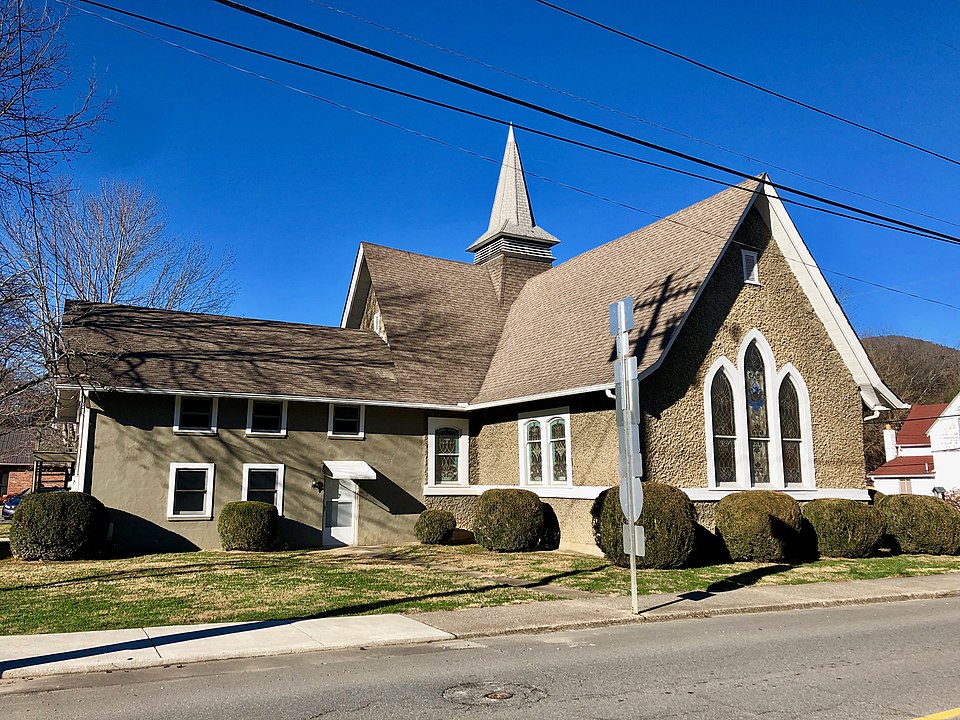
Hot Springs lives gently between river currents and wooded hillsides, drawing travelers while preserving a remarkably accessible cost of living for full time residents. Many families gather firewood from shared plots, trade vegetables from home gardens, and rely on long established repair shops that keep older houses and vehicles functioning without straining a monthly budget. Walkable streets lead to a small cluster of cafes and outfitters, and local groups host gatherings that turn conversation into community support. The town’s modest scale keeps expenses steady, and its natural surroundings provide recreation that requires only time and curiosity.
Marquette, Michigan

Marquette lines the edge of a Great Lake with neighborhoods that welcome students, families, and retirees who appreciate its affordability and calm pace. Housing away from the shoreline offers good value, and public programs help residents maintain homes, gardens, and skills that reduce dependence on outside contractors. Local growers, community fishery networks, and winter sports groups create seasonal rhythms that bring people together while keeping recreation accessible. People invest in shared spaces such as libraries and maker studios, knowing that strong public resources keep costs predictable. Marquette feels like a place where careful stewardship and cooperation hold the economy steady.

