



Across major cities, new limits on short-term rentals are reshaping where visitors sleep and how neighborhoods feel. Officials cite rising rents, housing shortages, and resident displacement when they tighten casual listing rules. The shift nudges stays toward hotels, licensed guesthouses, and longer bookings, and forces travelers to plan earlier and consider new neighborhoods. Hosts often formalize operations or move units into longer leases, and local economies adjust as services and offerings refocus around steadier occupancy. Communities aim to protect daily life without shutting out visitors, seeking a balance that keeps places both liveable and welcoming.
Barcelona

Barcelona tightened short term rental rules to protect neighborhoods that felt hollowed by constant tourist turnover. Licensing became stricter, platforms delisted unregistered flats, and zoning enforcement targeted areas where housing pressure was highest. The change shrank the pool of casual central apartments, lengthened booking windows, and nudged visitors toward regulated guesthouses and boutique hotels. Hosts adjusted by offering longer leases or formalizing operations. Platforms must display registration numbers and penalties for repeat offenders cut speculative purchases. Residents notice fewer late night turnovers and calmer streets around key plazas.
New York City

New York enforced strict registration and residency tests to limit whole unit short term rentals and curb unofficial hotel activity. Listings now require clear registration numbers and hosts often must prove primary residence, which reduces absentee ownership aimed at tourists. The policy shrank supply of full apartment options in many central neighborhoods and pushed demand toward licensed hotels, inns, and hosted rooms. Platforms now show registration info, which gives guests clearer signals about legality and reduces abrupt delistings. In boroughs like Brooklyn and Manhattan the drop in entire home offers changed how visitors choose neighborhoods and how long they stay.
Amsterdam
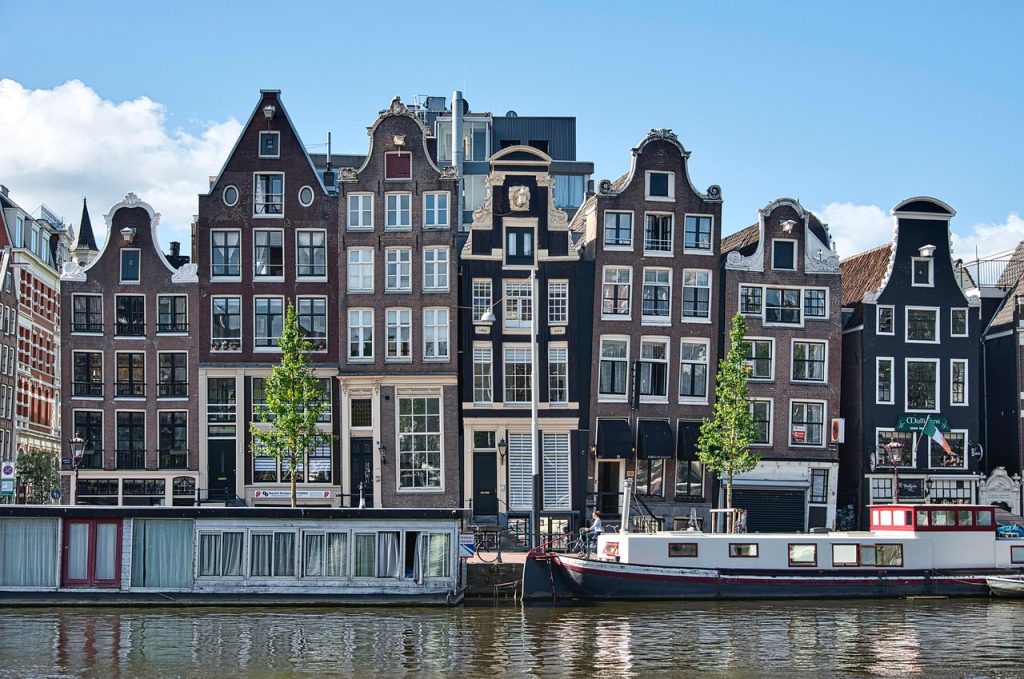
Amsterdam enforces night caps, mandatory registration, and territorial limits to protect canalside neighborhoods from constant tourist churn and investor conversions. Many owners pivot to longer leases or operate within strict annual ceilings, which reduced the pool of spontaneous vacation flats available at short notice. For travelers this means higher reliance on licensed guesthouses, boutique hotels, and family run accommodations that follow local law. Enforcement issues fines and platforms must display registration numbers, discouraging speculative listings. Many residents credit the shift with calmer streets and steadier commerce in old neighborhoods.
Paris

Paris added night caps, registration, and change of use requirements in central arrondissements to discourage converting residences into de facto hotels. Owners who cannot comply often withdraw listings or reclassify properties under regulated hospitality rules, which reduced the number of casual short term apartments near major sights. The market now features more registered apartments, small hotels, and licensed guest rooms that follow tax and safety rules. Councils require visible registration numbers on platforms so visitors can verify legitimacy. Many now prefer longer stays or hotels for predictability. Local routines feel steadier.
Berlin

Berlin tightened permits and applied limits on whole unit short term rentals to prevent speculative purchases that remove housing from the long term market. District offices now issue registration numbers and penalize noncompliant listings, which reduced casual full apartment offerings in many creative neighborhoods. The shift favored hosted rooms, licensed guesthouses, and properties that align with housing priorities rather than investor portfolios. Authorities work with platforms to flag repeat offenders, making it harder to hide rule breaches. The approach encourages tourism that fits neighborhood life.
San Francisco

San Francisco ties short term rental permission to proof of primary residence, registration, and caps on unhosted nights in many neighborhoods to protect housing. Platforms now remove listings without valid registration and nonresident owners encounter barriers to operating as short term hosts. The policy reduced whole flat offerings in central areas and shifted demand toward boutique hotels, certified inns, and hosted stays that show compliance. Enforcement uses fines and audits, and platforms report occupancy data to help track compliance. Many hosts either formalize or convert to long term rentals.
Rome

Rome increased licensing, registration, and minimum stay rules in historic districts to slow conversions of apartments into continual short term beds. Clearer tax and safety checks pushed many previously unregulated units to formalize operations or leave the short term market. The result is more regulated apartments and small hotels near major sights and fewer ad hoc, one night turnovers that strained local services. City officials enforce registration numbers on platforms and run inspections that prioritize building safety and neighbor quiet hours. Local hosts adapt by offering longer stays or shifting to regulated guesthouses.
Venice

Venice set annual caps and stricter registration for short term rentals to protect the lagoon core and sustain housing for residents under severe pressure. Measures discourage constant turnover and push many owners toward longer leases or formal hospitality licensing outside the historic center. Tourists often stay in Mestre or on nearby islands where lodging follows clearer municipal rules, which eases strain on fragile infrastructure and services. The city also pairs limits with incentives for responsible operators and enforces fines for repeat delistings. Residents report steadier services and more predictable public spaces during peak months.
Madrid

Madrid enforces registration and tourism licenses and checks to curb underregulated flats in pressured districts, and platforms must display official identifiers. The approach reduces grey market listings and abrupt delistings that left travelers scrambling, and it guides guests toward legal, safer options. Hotels, regulated apartments, and family run guesthouses increasingly fill the role previously occupied by casual short term rentals in central barrios. Enforcement sweeps and fines discourage operators who flout local rules, while clearer listing signals help visitors plan stays with confidence. Booking windows lengthened for peak seasons.
Lisbon

Lisbon faced strong civic pressure to limit short term rentals in central neighborhoods and now enforces registration with the power to revoke licenses where housing stress is acute. Many owners shifted units to long term leases or formalized hospitality under licensing rules to avoid enforcement. The change reduced casual central flats and increased the share of regulated guesthouses, small hotels, and compliant apartments that meet safety and zoning standards. Civic campaigns nudged platforms toward tighter compliance and travelers find options more formal and often more reliable. Residents credit the shift with steadier commerce and fewer complaints.
Tokyo

Tokyo enforces the national Minpaku framework with registration, safety checks, and caps on rentable nights while wards add local rules to preserve neighborhood calm. Many casual whole home listings left the market when stricter rules and neighbor notification requirements took effect, and hosts must meet clear safety and tax obligations. The resulting landscape features licensed minpaku properties, business hotels, and guesthouses that follow zoning and operational standards. Wards enforce quiet hours and require registration numbers on listings so visitors can verify legitimacy before booking. The outcome supports families and daily life in compact wards.

