


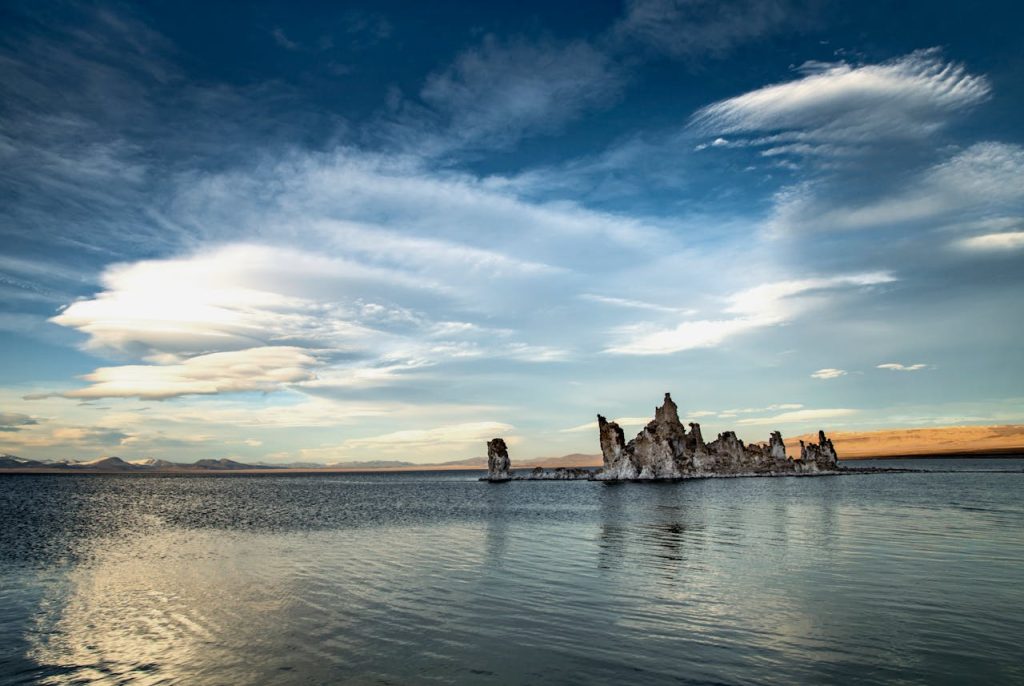
A quiet shrinking is changing how places are known and loved. Small lakes that once held family picnics, morning fishing, and late afternoon paddles now lose depth and shoreline at a pace that surprises neighbors and seasonal visitors alike. Boat ramps sit high on cracked slopes, reeds dry into dust, and familiar paths become uneven or vanish. Communities built around modest waters must choose between repair, relocation, and reimagining rituals while trying to keep local economies and memories afloat. Local leaders, stewards, and residents continue practical dialogues about what to save and how to change.
Lake Urmia, Iran
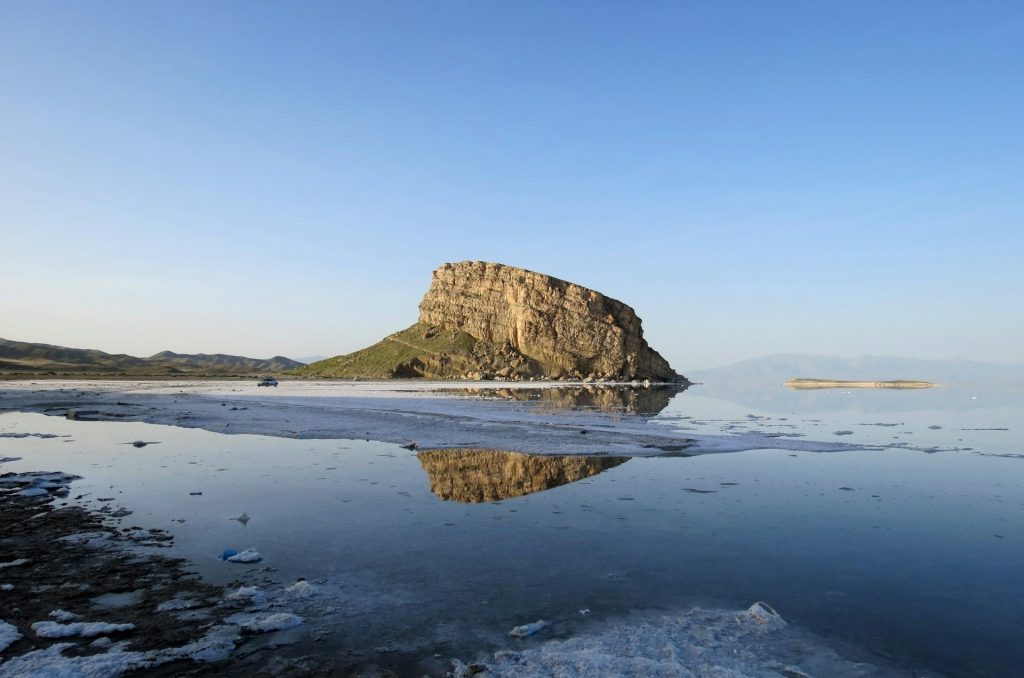
Lake Urmia’s broad saline surface once supported migratory birds, lakeside resorts, and fishing communities timed to seasonal rise and fall. Exposed flats and receding coves reshape microclimates, push fishers farther offshore, and send salty dust inland that corrodes crops and infrastructure. Conservation pilots and water management measures appear uneven, and families watch shorelines retreat while weighing engineered fixes against natural recovery and cultural loss. The loss of familiar water shows in fewer boats and quieter weekends. Local councils experiment with water releases, wetland restoration, and community programs to slow decline.
Great Salt Lake, United States
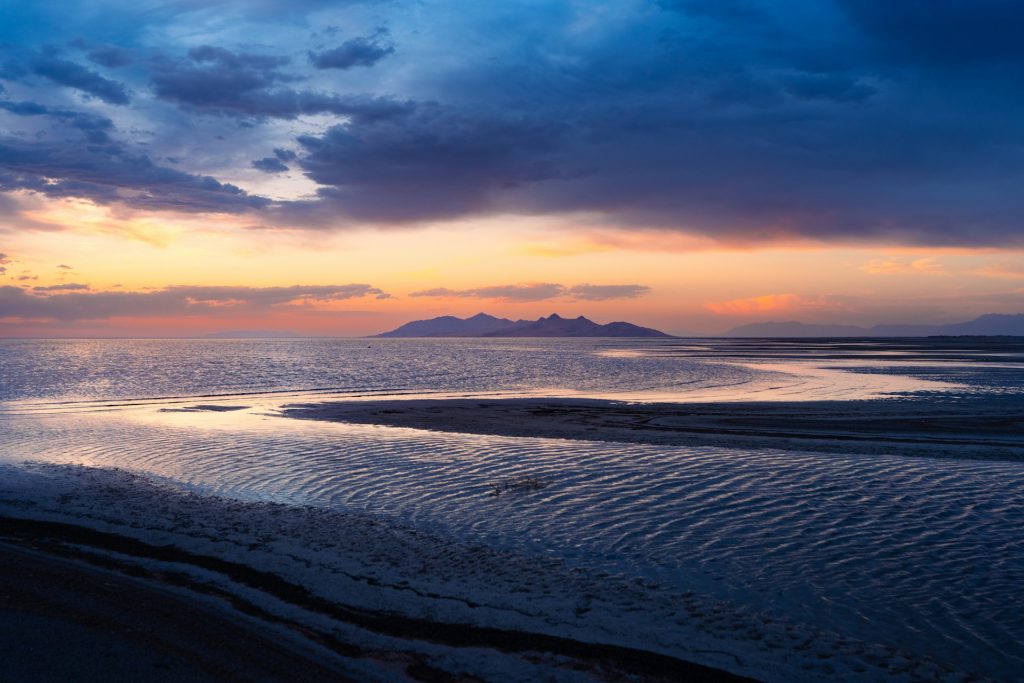
Great Salt Lake’s bays have thinned into flats where boats once threaded channels; shorebird habitat shifts as salt pans expand and marinas adapt to mud where open water once moved. Air quality concerns tied to exposed playa join recreational losses in local conversations about health and livelihoods. Anglers, sailors, and mineral industries recalibrate around changing concentrations and reduced access, and visitors notice a horizon that looks smaller and more fragile than memory suggests. Regional discussions balance agricultural withdrawals, urban demand, and conservation with pilots on dust suppression and shared water management.
Dead Sea, Israel and Jordan
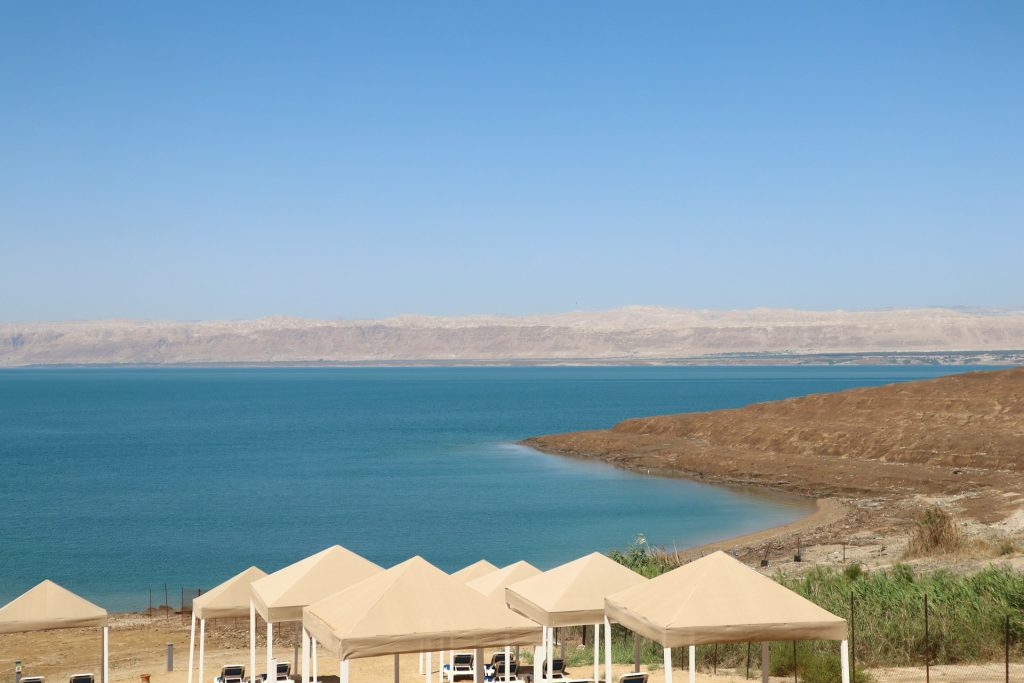
The Dead Sea continues to draw people for buoyant water and mineral mud, yet retreating shorelines alter spa access and seaside approaches. Walkways that led to the edge now stop at cracked sediment, and sinkholes create safety zones that change promenades and public thresholds. Resorts build stabilized platforms and guided entry points, turning visits into staged sequences that protect visitors but change the ritual of arrival. The place’s symbolic power remains, but practical access has been reworked as municipalities, researchers, and operators monitor and respond to evolving shoreline risks.
Salton Sea, United States
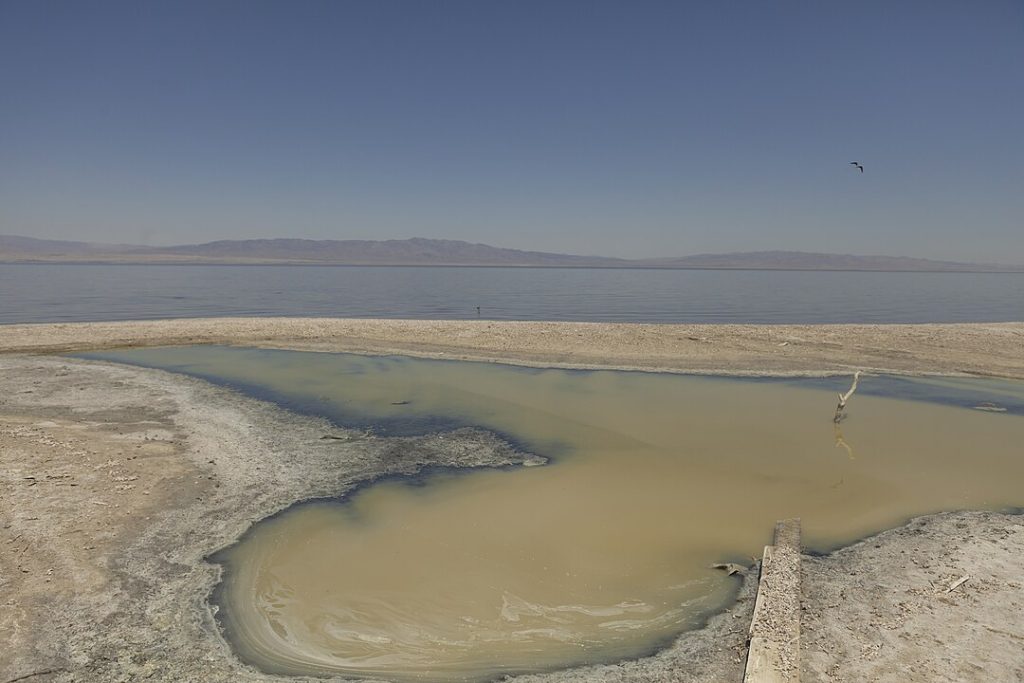
The Salton Sea’s exposed playa has shifted the basin from casual leisure to an ecological and public health concern as dust blows into downwind towns and bird habitat contracts in shrinking coves. Campers and anglers now find managed stabilization zones rather than broad, open beaches, and visitor access is often shaped by mitigation projects and restoration pilots. Local groups press for dust control and phased habitat creation while policymakers weigh funding and water deals that could stabilize portions of the basin. Grassroots activism and science intermingle as communities press for pragmatic solutions.
Lake Powell, United States
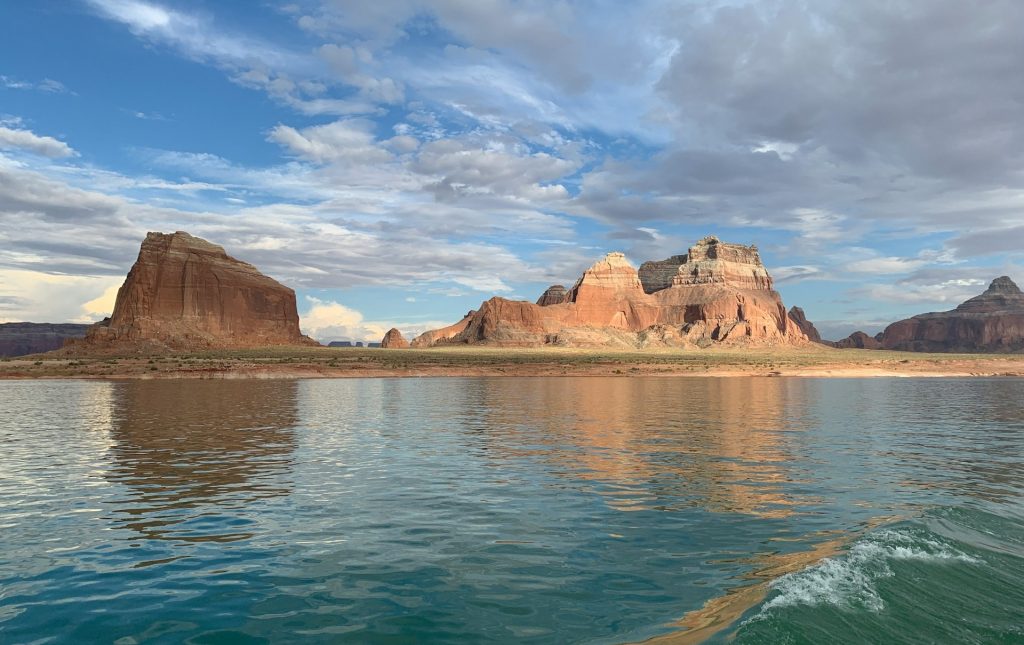
Lake Powell’s canyon marinas now meet reduced waters that leave ramps high and beaches narrowed into thin strips, changing how outfitters schedule launches and where families plan trips. Some coves resemble dry corridors rather than shorelines, and photographers discover a different palette of rock and shadow where reflection was once constant. Recreation persists, but timing, launch logistics, and reservoir management have become central to the story of visiting; every boat trip now ties into upstream decisions. Park services, outfitters, and agencies coordinate alternative launch sites and outreach for continued access.
Lake Mead, United States
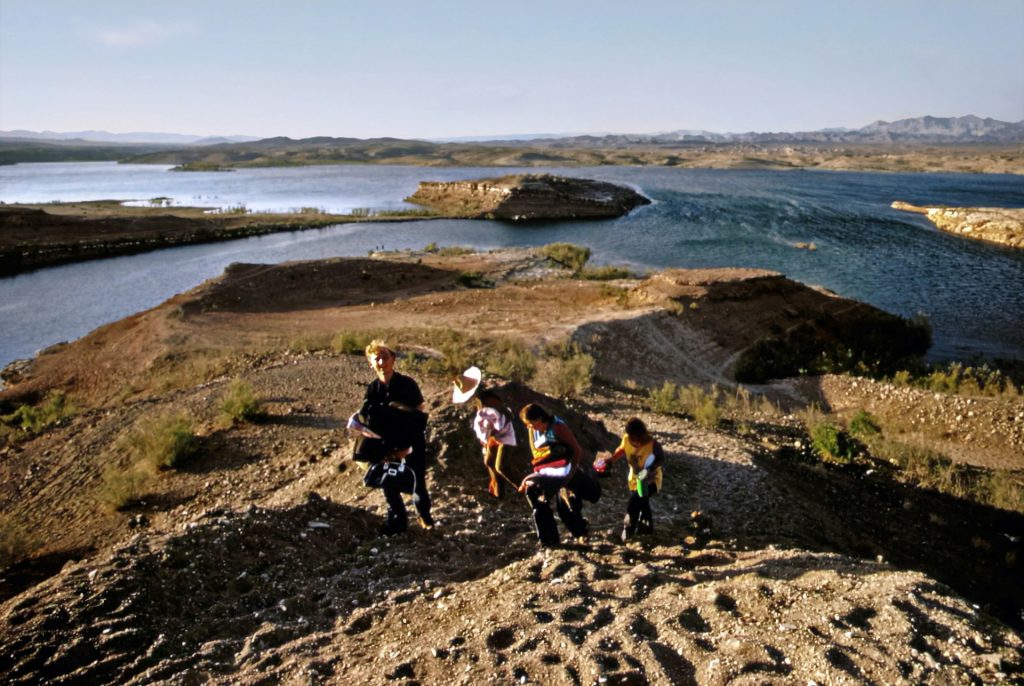
Lake Mead’s exposed contours and bathtub ring provide a stark image of regional water stress as marinas migrate and beaches retreat toward thinner channels. Day trippers often face longer walks to reach water, and limited launch windows complicate summer plans while concessionaires and safety teams adapt operations. Local businesses redesign offerings and park managers rethink access so recreation can continue despite a reduced surface. The contrast between bright cliffs and diminished water reshapes memories of lakeside summers as stakeholders weigh recreation against broader supply decisions.
Lake Poopó, Bolivia
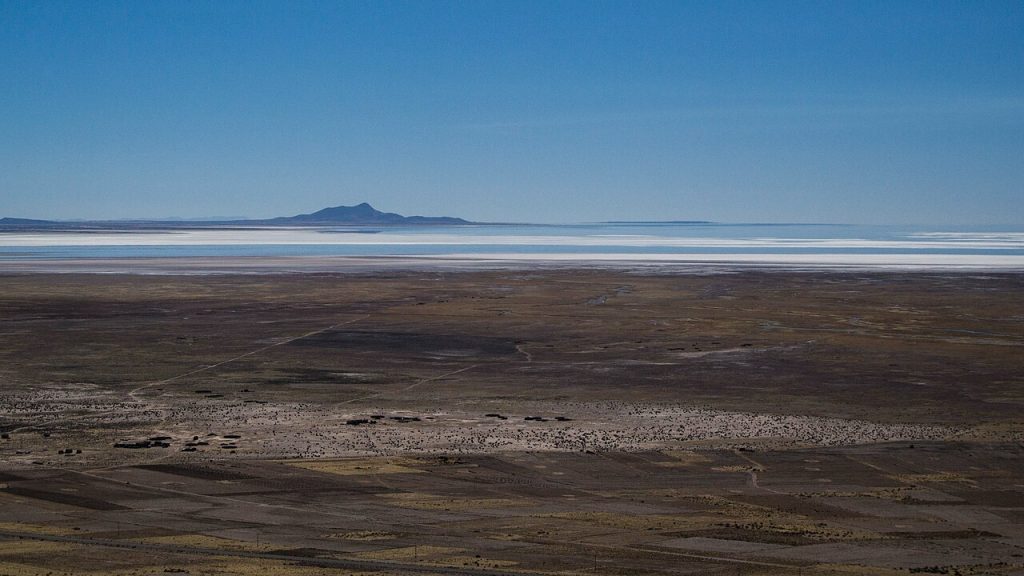
Lake Poopó’s collapse into marsh and salt plain erased a predictable shallow fishery and upended livelihoods almost overnight; boats sit idle, daily catches vanish from markets, and festivals tied to seasonal water now move or quiet. Communities confront migration choices and new income strategies as the landscape that structured daily life changes. The collapse is a stark lesson in the fragility of high plain lakes under shifting inputs and management, and the human cost is immediate and visible. Aid programs and local leaders test alternatives to help families adapt and sustain local culture.
Mono Lake, United States

Mono Lake’s tufa towers and brine shrimp gatherings remain striking, yet shifting runoff and drought cycles tighten margins that hold nesting islands and shoreline together. Exposed flats alter nesting and reflective scenes that draw photographers and naturalists, and each low year changes how visitors experience sunrise and still water. Conservation measures have yielded gains, but the lake still swings between replenishment and stark exposure; seasonal flows and upstream policy choices determine which habitats persist. Scientists and advocates run managed inflow projects and habitat protections to keep the balance.
Owens Lake, United States

Owens Lake illustrates how managed restoration and dust control can reshape a basin once drained by diversion; shallow wetlands and engineered basins now create habitat pockets while limiting airborne particulates for nearby towns. Visitors encounter a landscape defined by policy and remediation, where birding and wide horizons coexist with the history of major water transfers. Restoration work continues through pilot wetlands and dust suppression, and community meetings reveal tensions about water history and future direction. The basin remains a human-shaped compromise of ecology and public health.
Aral Sea Basin, Central Asia
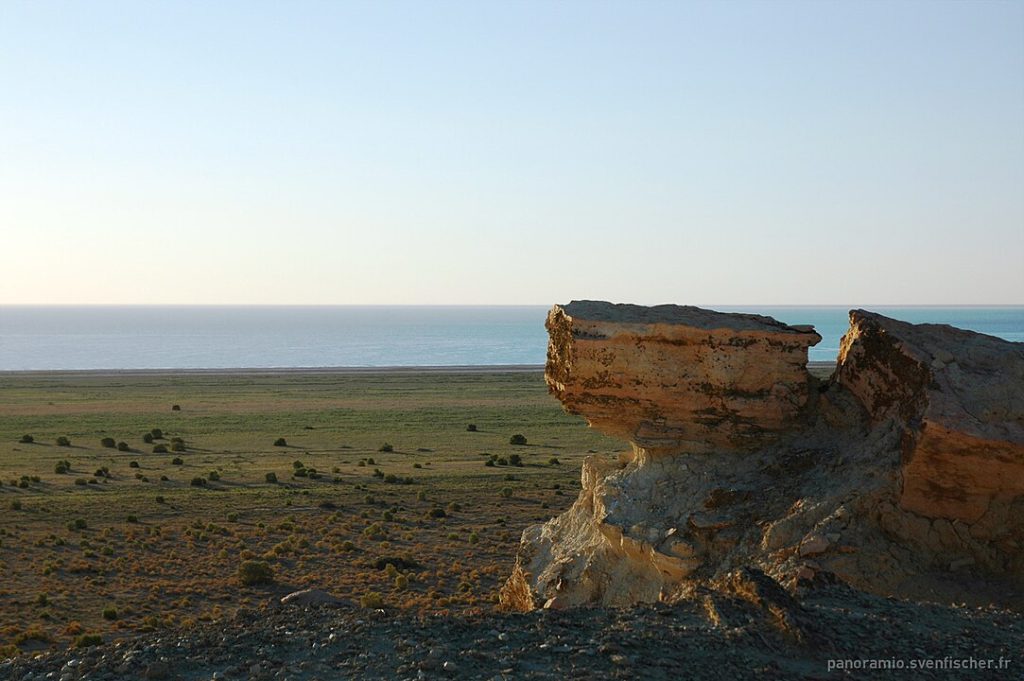
The Aral Sea’s retreat remains one of the most striking testimonies of redirected rivers and economic collapse, where beached ships, saline plains, and abandoned harbors tell stories of lost fishing economies. Entire towns shrank as people left for work elsewhere, and winds lift saline dust that alters soil and microclimate for agriculture. Travelers who come to see the basin witness a landscape reshaped by policy and extraction rather than a gradual natural ebb, and local narratives emphasize migration, hardship, and efforts to imagine new livelihoods amid a changed basin and climate.
Lake Chad Basin, Africa
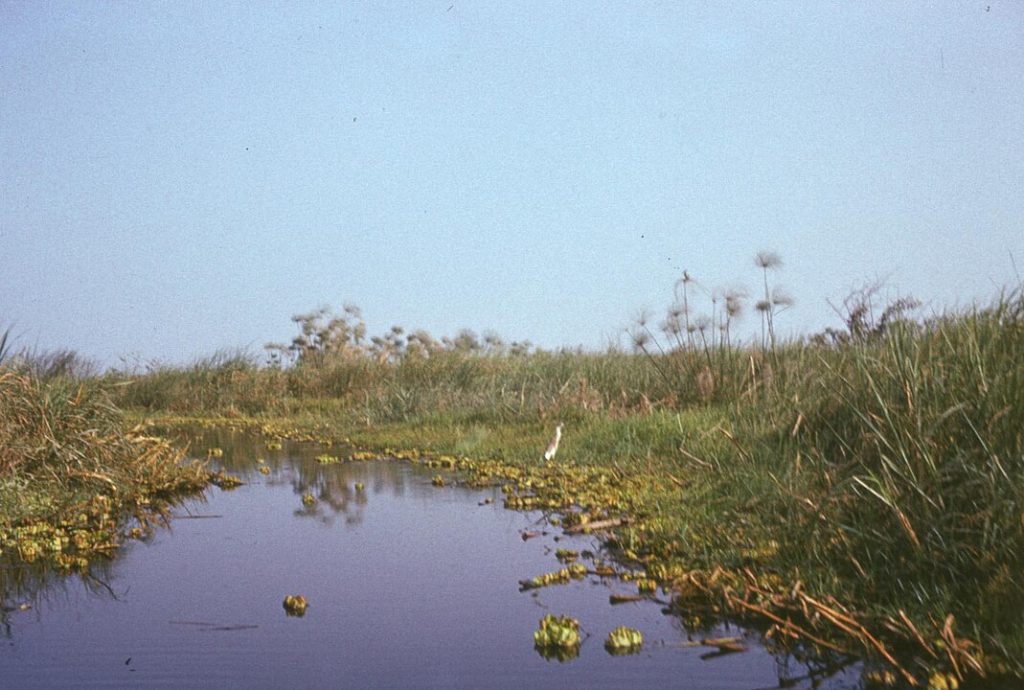
Lake Chad’s outline shifts with rainfall variability, inflow changes, and intensified human water use, producing a patchwork of access that affects millions who depend on fishing, grazing, and seasonal trade. Even modest contractions alter market routes and pastoral calendars, and communities innovate with altered fishing rounds, transhumance, and cooperative practices to cope. Cross border planning, small scale irrigation, and local infrastructure matter as much as headline metrics for daily life. Regional dialogues and community pilots aim to stabilize livelihoods and preserve seasonal trade networks.
Lake Titicaca, Peru and Bolivia
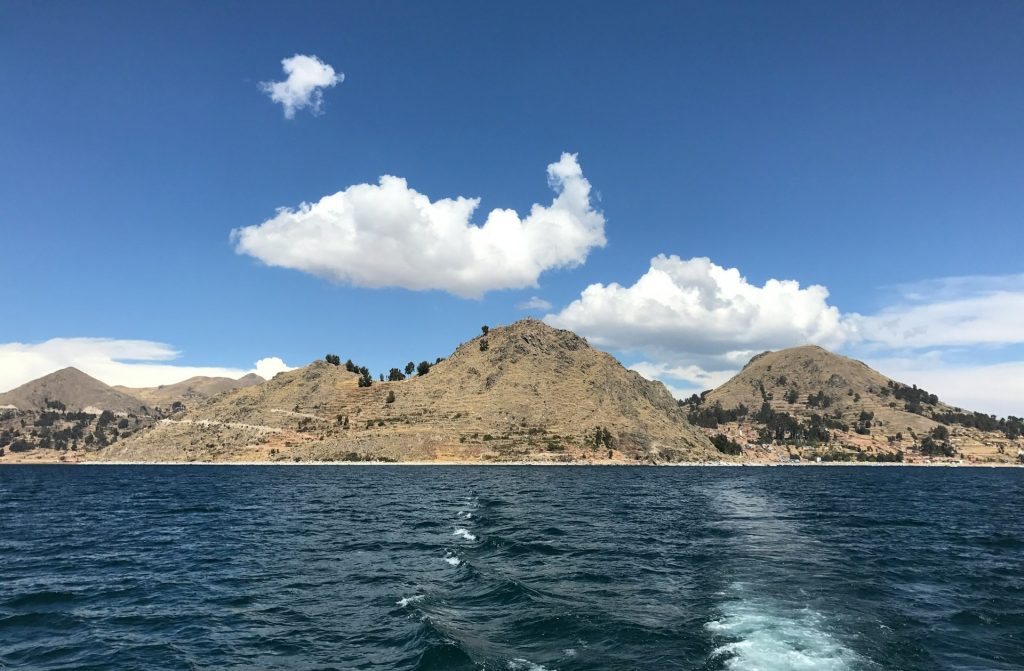
Lake Titicaca sustains ceremonial islands, reed boat tradition, and lakeside festivals, yet lower drafts in sheltered bays require boat operators to reroute and hosts to alter festival timing to preserve access. Reed islands and ceremonial approaches need careful coordination as channels shoal and craft navigate shallower water; everyday transport between settlements becomes slower or more conditional on seasonal depth. Indigenous stewardship and conservation programs persist as leaders coordinate boat schedules, festival timing, and practical protections for ceremonial life and visitor access.
Lake Poyang, China
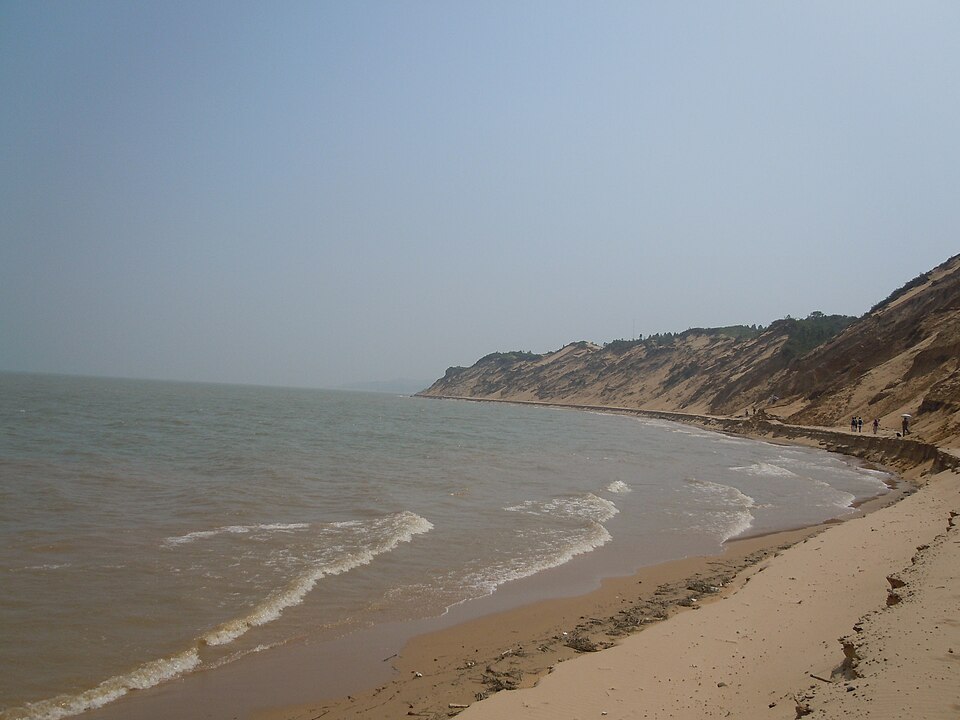
Lake Poyang’s seasonal pulse once gave farmers, fishers, and migratory birds a reliable rhythm, but altered monsoon patterns and upstream diversions now widen swings between flood and drought. Low periods expose extensive mudflats that compress habitat and complicate navigation, while peak flows sometimes arrive at unexpected times that challenge traditional calendars. Ecotourists, researchers, and local communities increasingly rely on improved forecasts and adaptive schedules to time visits and harvests, and coordinated monitoring seeks to protect wetland refuges through variable years.
Lake Balkhash, Kazakhstan

Lake Balkhash’s eastern basin shows uneven responses to changing inflow, with exposed shores and shifting salinity gradients that alter fish populations, reed beds, and landing spots. Narrowing beaches force small boats to shift launch areas, and recreation tied to steady shorelines must adapt to variable shallow zones across the lake’s span. Local fisheries and reed harvesters change timing and practices to match salinity and depth patterns, while municipal officials plan for variable access and flexible tourism arrangements that aim to sustain livelihoods across seasons.

