


A changing tide is redrawing the edges of some of the world’s most storied coastlines, and tourism is one clear casualty. Cities built for strollable promenades, waterfront festivals, and beach economies now face more frequent flooding, shrinking sands, and infrastructure stress. Officials, hoteliers, and residents are adapting in fits and starts, balancing heritage with hard engineering and new marketing. The result is a quieter seasonality: once-predictable peaks now wobble under the influence of the sea. Across latitudes, the choice to visit is increasingly shaped by climate risk as much as charm.
Venice
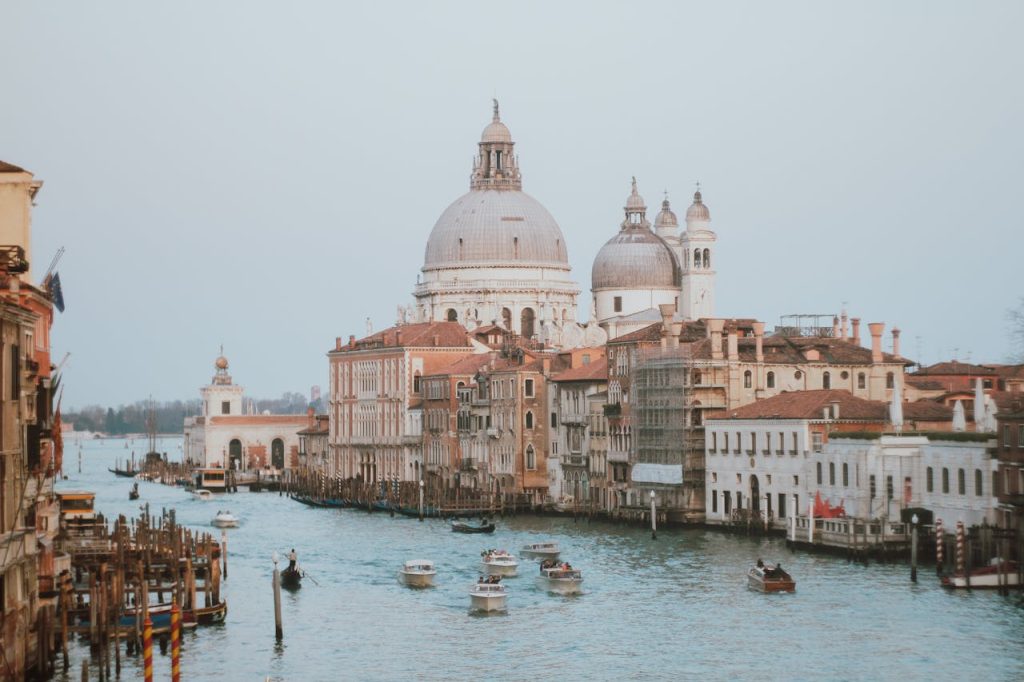
Venice’s canals have long been its allure, but higher tides and more frequent acqua alta have eroded the city’s rhythm and its appeal to travelers seeking untroubled strolls and cafe terraces. Flood events now close museums and eat into narrow streets, forcing seasonal planners to reroute itineraries and temper expectations; some visitors shift travel dates and others choose alternate Italian destinations with less weather risk. Local businesses and cultural stewards are experimenting with adaptive steps elevated walkways, flexible calendars, and targeted marketing but the emotional cost of altered shorelines is palpable.
Miami Beach
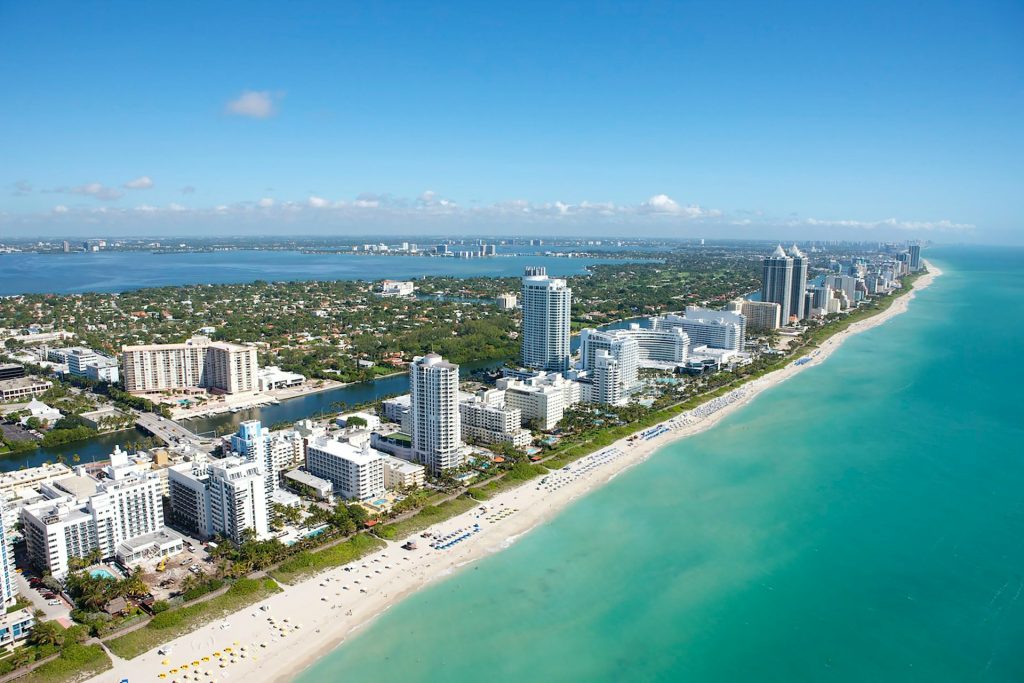
Miami Beach confronts recurring sunny-day flooding that intrudes on boardwalks, beachfront hotels, and coastal streets, turning social media posts into travel signals that affect reservations and event planning. Hoteliers invest in pumps, raised streets, and resilience projects while marketing teams attempt to reassure visitors; nonetheless, some leisure travelers compare options and favor destinations with fewer nuisance floods. The city still draws for nightlife and cultural events, but the cumulative cost of visible flooding and the need for continual adaptation nudge certain travelers toward more stable shores.
New Orleans
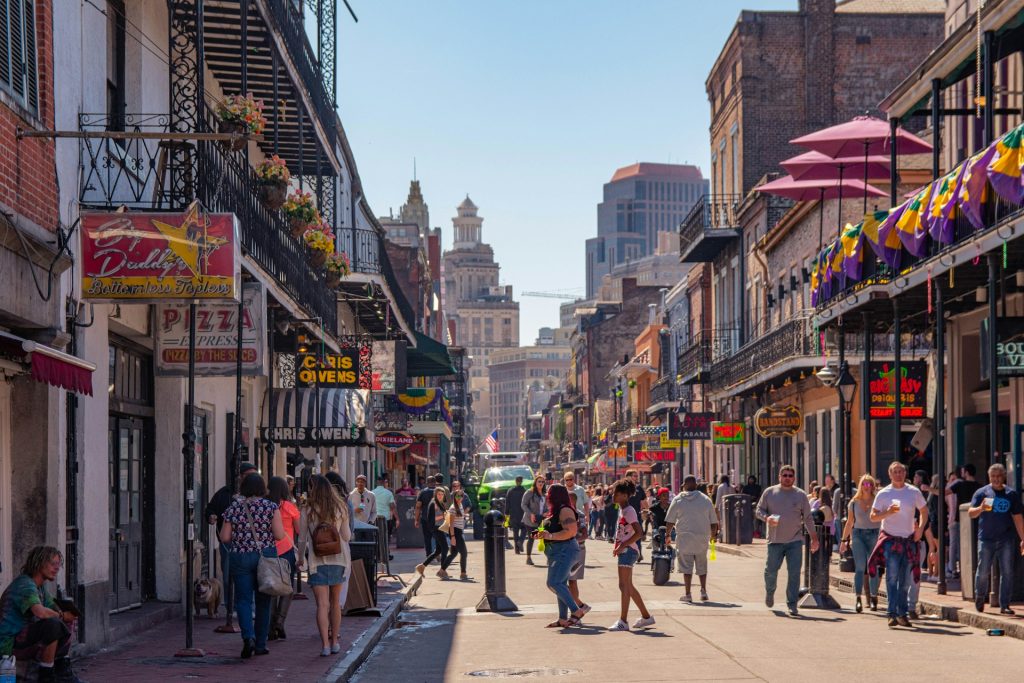
New Orleans smells of history and brass bands, yet sea-level rise, land subsidence, and stronger storms have made low streets and riverside attractions more vulnerable to closures and insurance costs. Heritage tours and river cruises must factor in weather interruptions, and festival producers now include flood contingencies that influence programming and attendance; some visitors, sensitive to hurricane-season risks, defer or reroute their plans. Resilience projects are under way to protect cultural assets, but the visible friction between celebration and contingency changes how the city is sold and experienced.
Alexandria
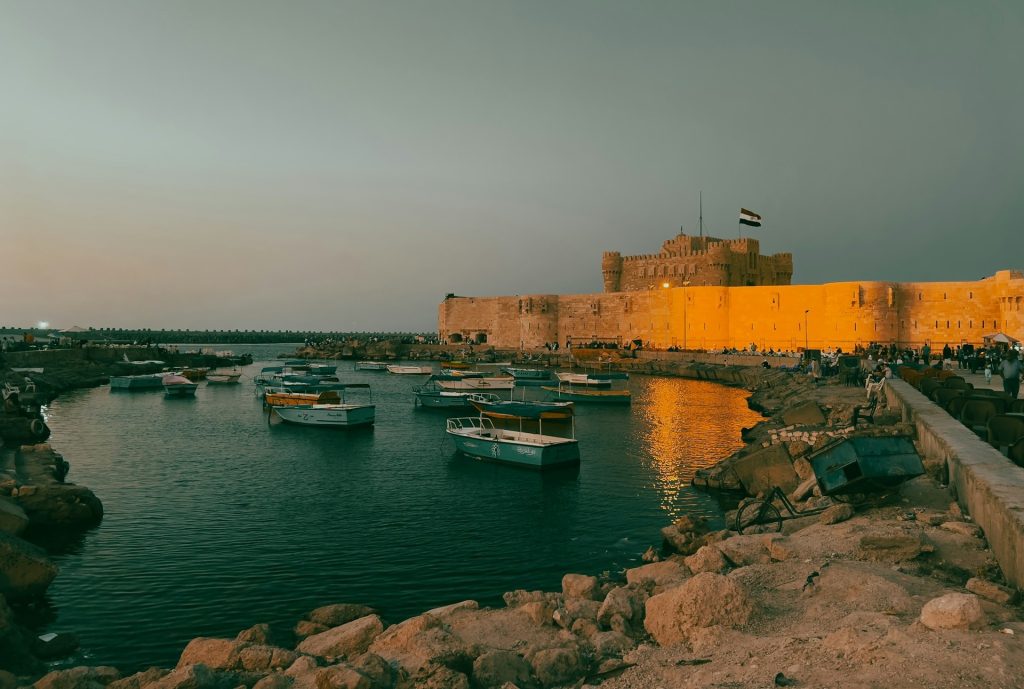
Alexandria’s Mediterranean frontage shows the cultural cost of coastal change: shrinking beaches, erosion, and salinization of lowlands that once supported fishing communities and seaside promenades. Hotels along the Corniche report shoreline loss and harder-to-sell beachfront vistas, and local fishers lament lost landing spots that supported daytrip tourism; the emotional weight is heavy as residents watch heritage and livelihoods retract. Adaptation tends toward concrete defences and localized relocation, but the tradeoffs between preserving scenery and protecting people complicate the city’s tourism narrative and visitor choices.
Dubrovnik
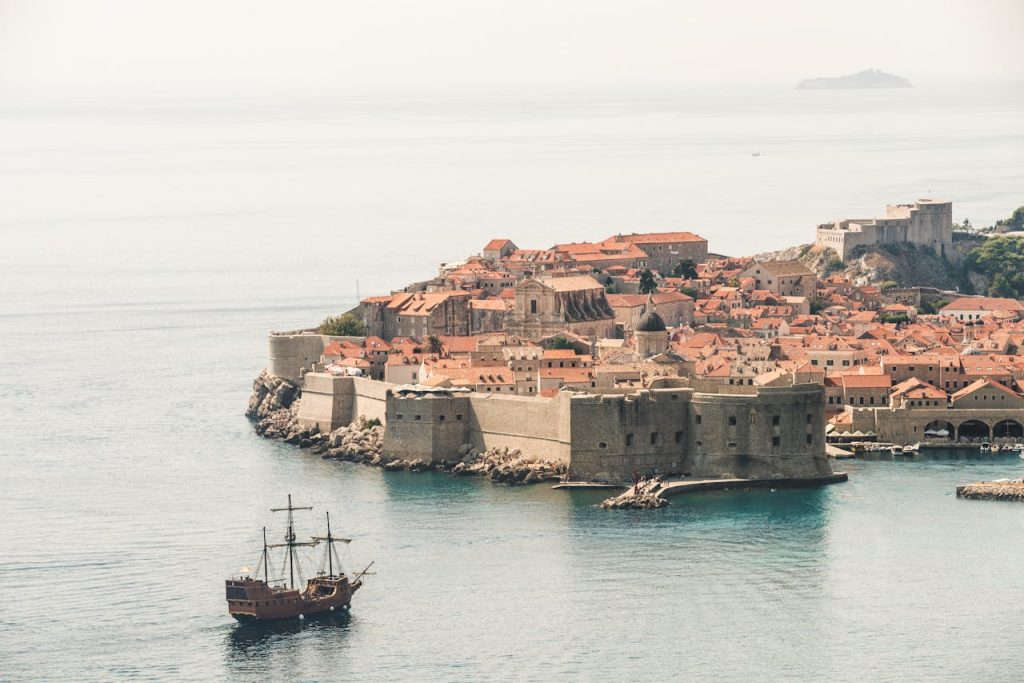
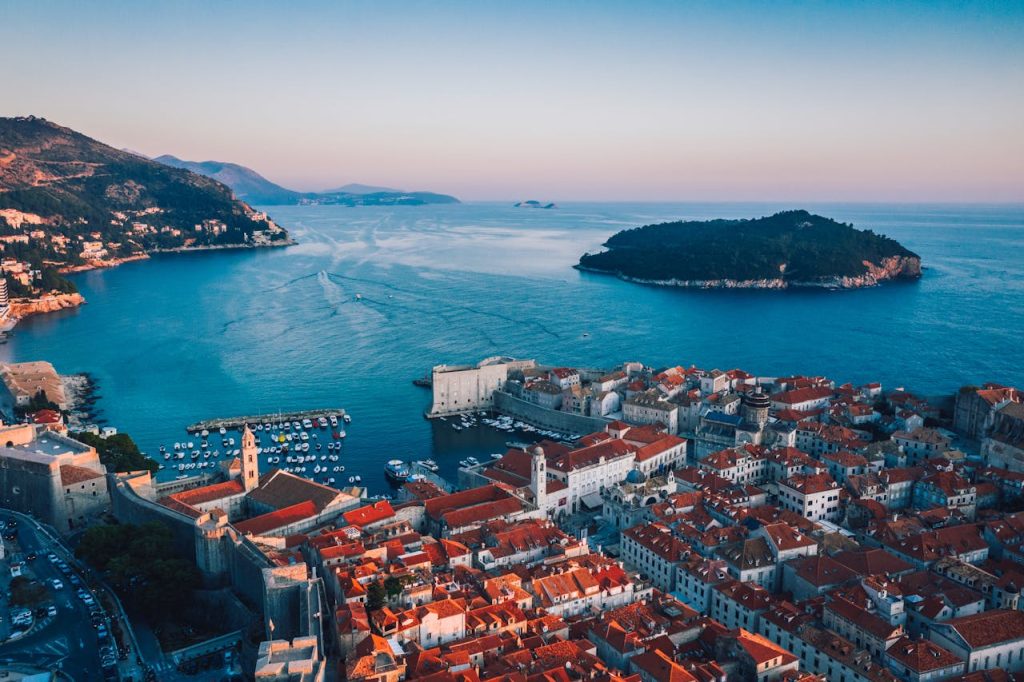
Dubrovnik’s marble streets and sea walls are not immune to the slow creep of higher seas and storm surges that threaten lower harbors and narrow quays relied on by small boats. Cruise tendering patterns and yacht access are increasingly sensitive to sea state, prompting some operators to skip close shore calls when water levels complicate docking and passenger transfer. The city’s beauty remains magnetic, yet dialogue about limiting visitor numbers, investing in targeted flood defences, and protecting cultural fabric has intensified as locals and planners weigh tourism against long-term habitability.
Bangkok
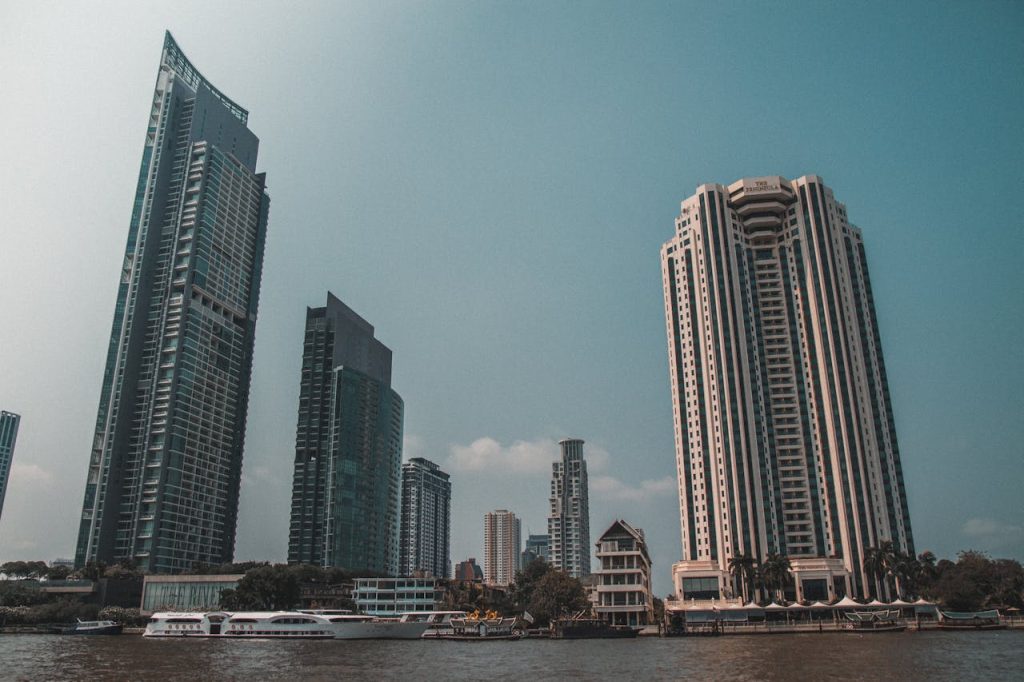
Bangkok’s tourism fabric is frayed by seasonal flooding and the slow rise of the Chao Phraya that can make riverside markets and temple approaches soggy and less hospitable for curated walking routes. Episodes of high water disrupt transfers, push hotel cancellations, and nudge international meetings to more elevated venues; travel sellers increasingly package indoor cultural experiences to reduce weather risk. While much of the city is resilient by design, the perception of periodic inundation shifts where and when visitors choose to stay, and the tourism pitch is evolving from riverfront leisure to controlled, elevated heritage programmin.
Phuket
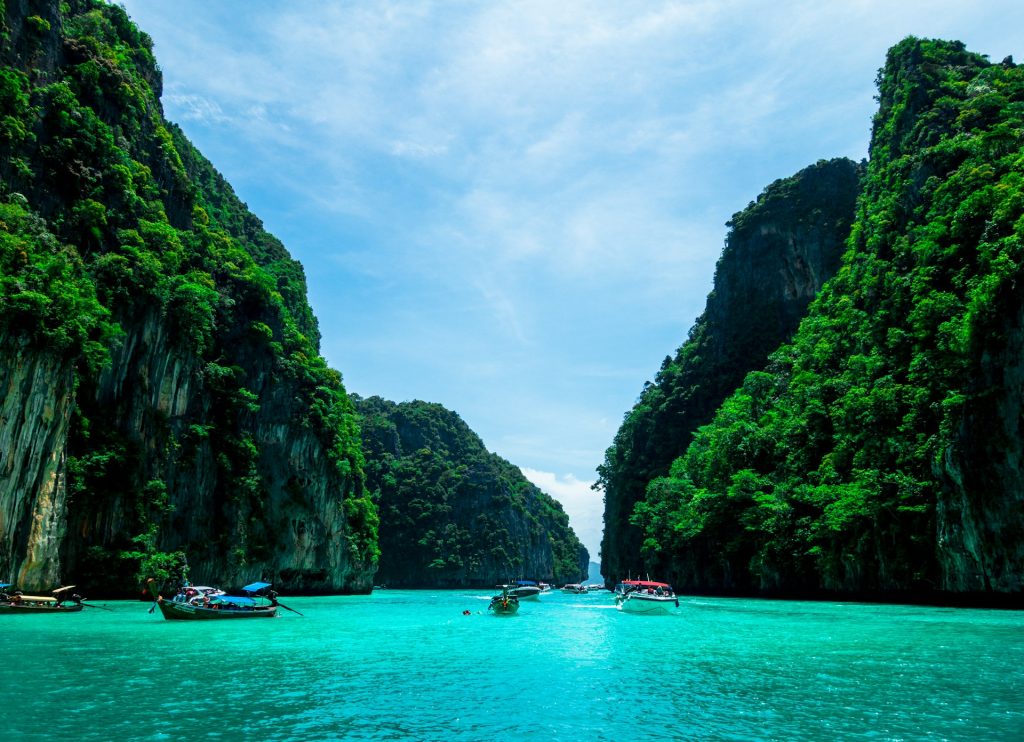
Phuket’s beaches have long been shorthand for tropical escape, but coastal erosion and storm-driven overwash have narrowed key sands and complicated beachfront access for hotels and day-trip operators. Resorts spend on sand nourishment and protective groynes while local guides adapt itineraries to less exposed coves or to inland cultural attractions; price-sensitive travelers sometimes prefer islands or resorts that offer more reliable shorelines. Tourism remains vital to livelihoods, yet the seasonal choreography of sun, sea, and sand is shifting toward managed beach days and resilience investments that alter the classic postcard scene.
San Francisco

San Francisco’s piers and waterfront districts face a future where tidal flooding and higher bay levels complicate the visitor experience at Fisherman’s Wharf, the Embarcadero, and low-lying promenades. Floating docks and aging wharves are being reassessed for overtopping during extreme tides, and annual events that once relied on uninterrupted waterfront access now build in contingency measures; temporary closures ripple through the local hospitality economy. The city’s broad cultural and culinary draw persists, but planners and operators openly acknowledge that even brief waterfront interruptions influence trip timing and local spending patterns.
Jakarta
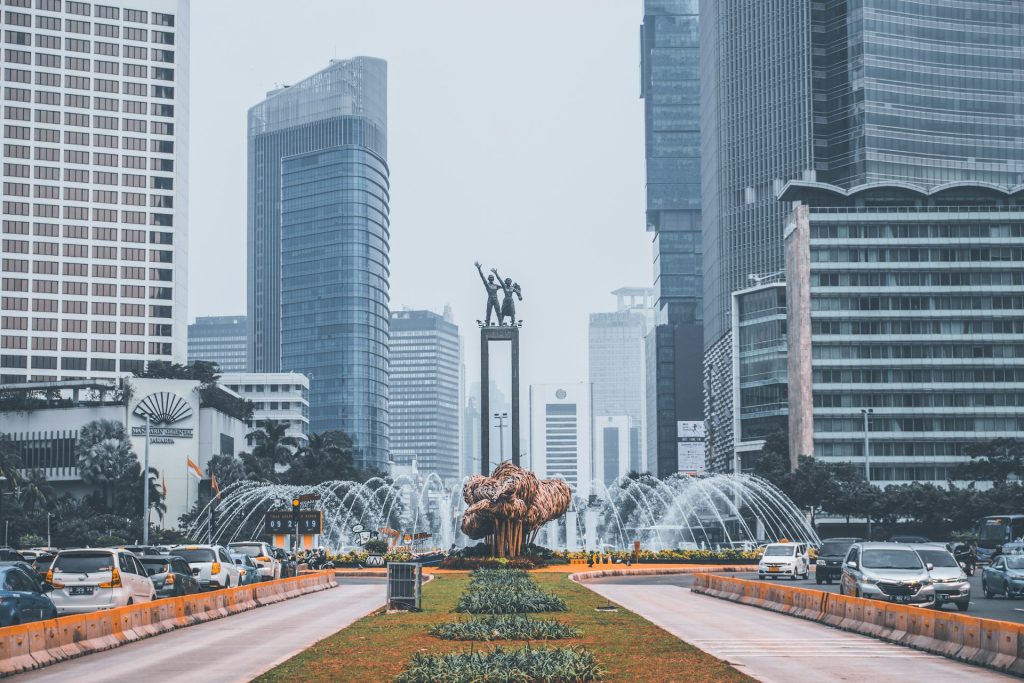
Jakarta’s northern districts shoulder a double burden of land subsidence and rising seas, turning streets into seasonal canals and affecting coastal markets, Dutch-era promenades, and waterfront shopping centers that once attracted domestic and regional visitors. Tour packages increasingly shift coastal elements inland or toward nearby islands less affected by subsidence, and perceptions of risk play into decisions by leisure travelers and conference planners alike. The city’s economic gravity and cultural attractions remain strong, but the visible and persistent water risks force tourism stakeholders to reimagine coastal offerings.
Brighton
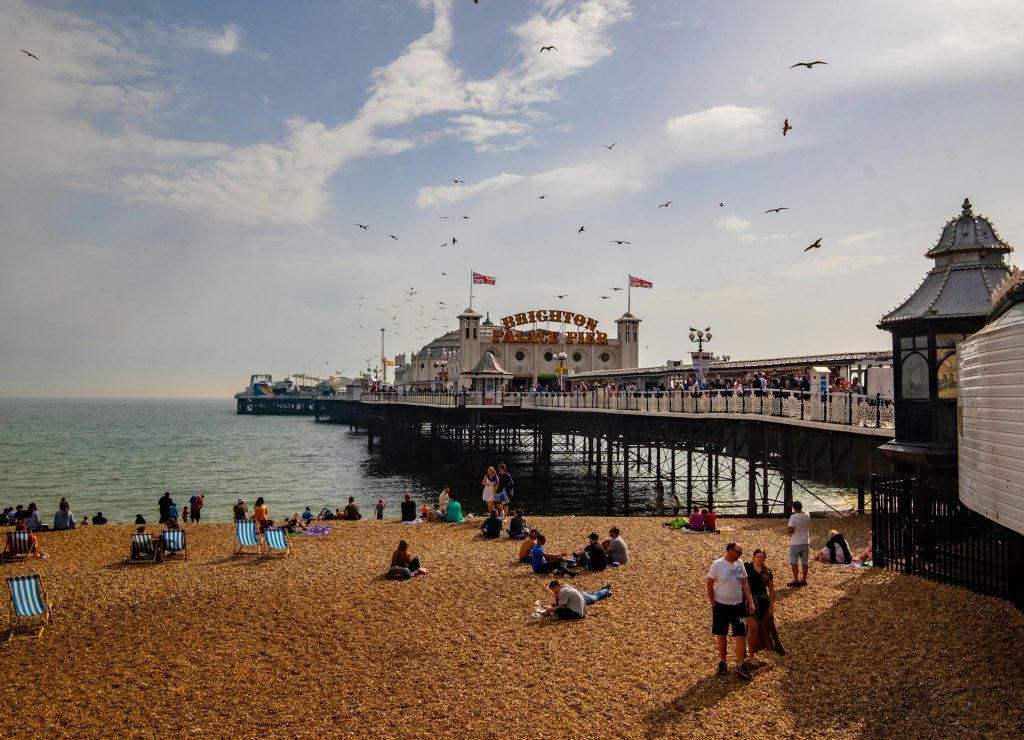
Brighton’s pebble and shingle beaches and its iconic promenade face chronic coastal erosion and periodic flooding that reshape access to amusement piers, beach sports, and outdoor events. Large-scale restoration projects aim to widen beaches and strengthen defenses, yet construction and repair timetables interrupt the short-break market that depends on immediate seaside amenity. The city’s arts, food, and independent retail scene continue to draw visitors, but the seaside experience itself is being reframed by regeneration work and the steady logic of sea-level rise that changes expectations for traditional British beach days.

