


Across the country, a few Main Streets still carry the steady rhythm that defined midcentury American towns. Their neon signs flicker with quiet confidence, diners open early without fanfare, and family shops continue routines shaped by care rather than trends. These places survive because communities choose familiarity over reinvention, protecting spaces that hold shared memory. The result is not a staged tribute but a lived environment where daily habits feel both rooted and welcoming. Time moves gently here, giving each street its own sense of continuity.
Galena, Illinois
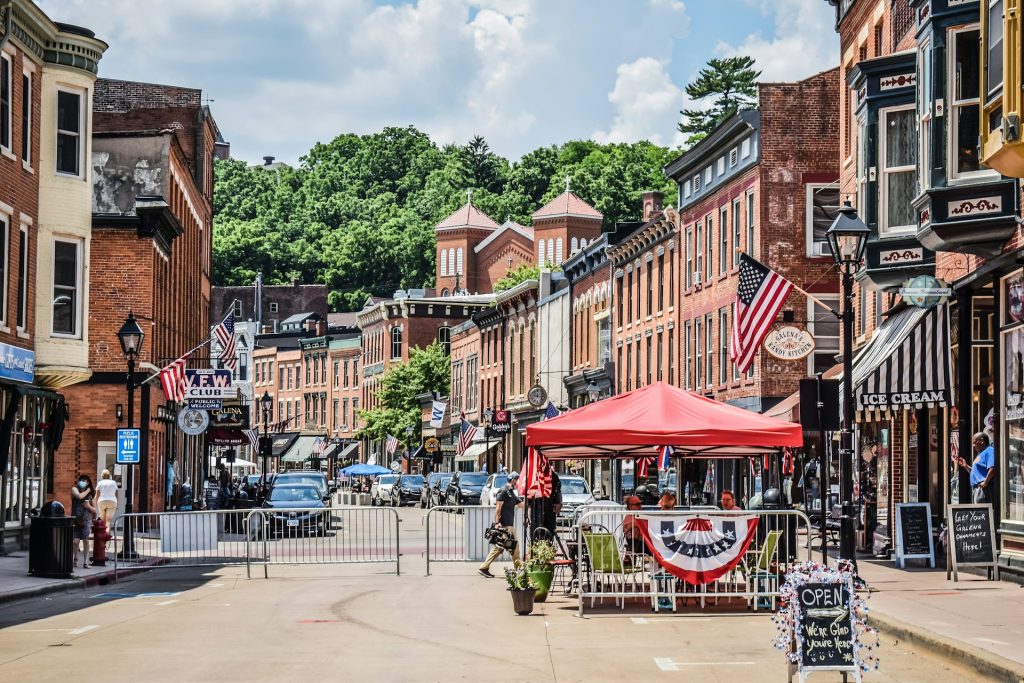
Galena’s Main Street holds a calm rhythm shaped by brick facades, narrow sidewalks, and storefronts that favor hand lettering over bright plastics. Many buildings predate the midcentury years, yet residents maintain shopfronts, awnings, and signage with a patience that reads as habit rather than performance. Long conversations between shopkeepers and neighbors are common, and classic cars glide through on weekends, adding a soft shine that matches the town’s river curve. The overall impression is steady, unforced continuity where routine preserves character. The town’s texture continues through everyday acts, small repairs, and conversations that pass knowledge between generations.
Ely, Nevada
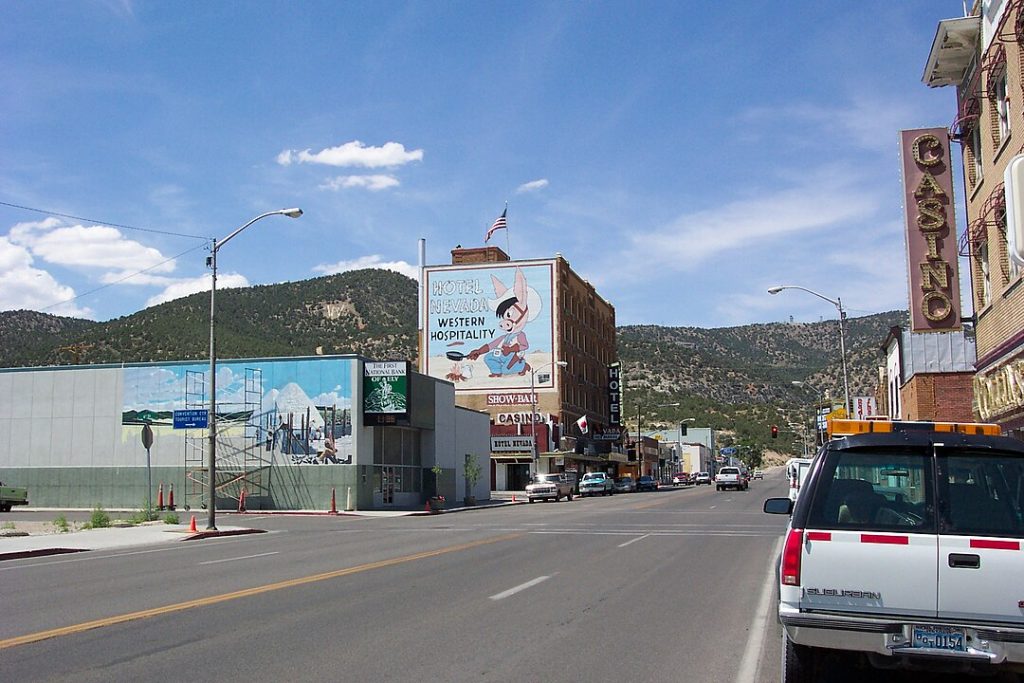
Ely’s Main Street sits under a wide desert sky, where neon signs hum over weathered brick and small businesses keep long established rhythms. The Hotel Nevada still carries its vintage lobby character, and diners hold to simple, familiar counter service that resists trend chasing. Murals and mining artifacts anchor the street in local history, while classic car gatherings punctuate weekends and community events. On a slow afternoon the neon and shop windows warm the sidewalk and give a sense of lived in stability. The town’s texture continues through everyday acts, small repairs, and conversations that pass knowledge between generations.
Mount Airy, North Carolina
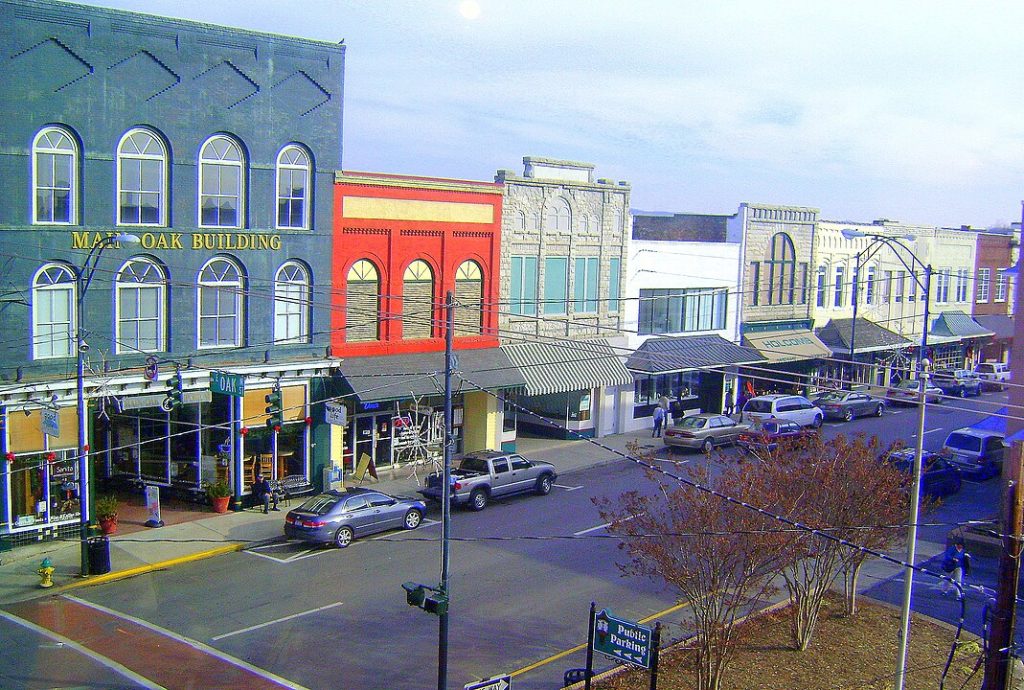
Mount Airy embraces a steady, neighborly Main Street where soda fountains, hardware counters, and lunch spots continue long running practices with little fanfare. Tin ceilings and wooden counters remain visible inside many shops, and patrons settle into conversations that slow time rather than speed it. Replica squad car tours and nostalgic references exist, but they share space with everyday errands and dependable service. The town’s rhythm comes from people who know each other, so midcentury detail feels like the neighborhood’s own handwriting rather than deliberately preserved theater. The town’s texture continues through everyday acts, small repairs, and conversations that pass knowledge between generations.
Williamsburg, Virginia

Beyond the well known historic sites, Williamsburg contains commercial stretches and neighborhoods where midcentury domestic life left a clear mark. Ranch houses, practical hardware stores, and diners with classic counters persist in everyday use. Regulars favor booths and counters, and proprietors often remember names and recipes that anchor a local sense of continuity. The combination of eras gives the area a grounded quality. Midcentury features remain because they are useful and familiar, not because they were restored for show. Ordinary errands often reveal the continuity of everyday life across decades. The town’s texture continues through everyday acts, small repairs, and conversations that pass knowledge between generations.
St. Augustine, Florida
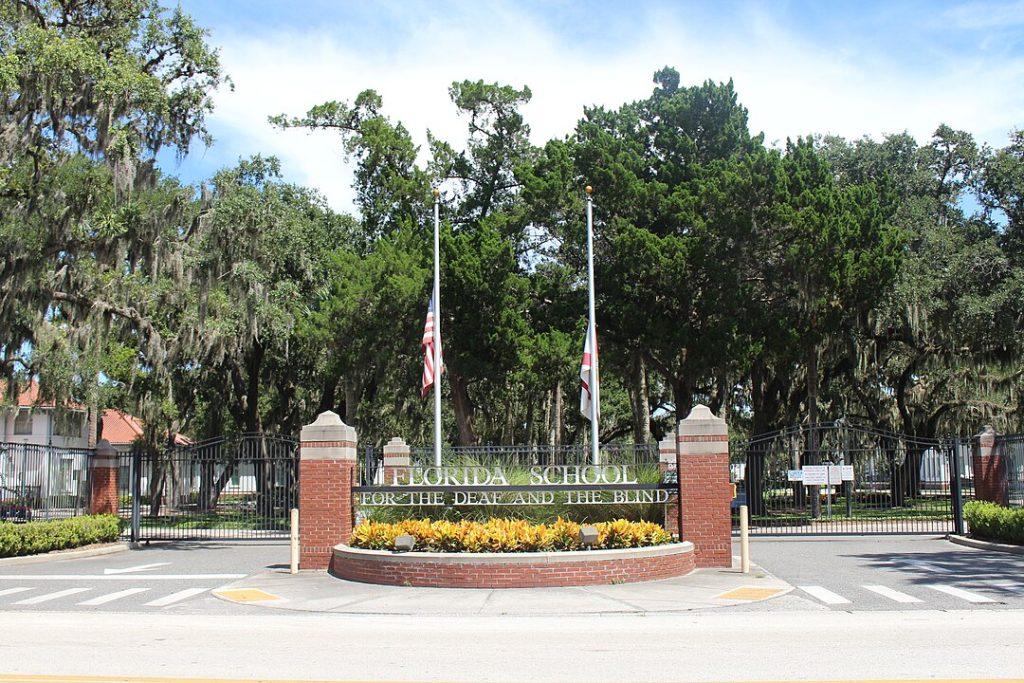
St. Augustine pairs centuries of history with a midcentury seaside chapter visible in beachfront motels, neon signs, and candy shops that still work with marble slabs and copper kettles. The boardwalk and downtown stretch have long favored straightforward hospitality: paper menus, counter service, and evening walks that end with ice cream and low conversation. Road trip era architecture and family recipes persist alongside modern tourism, creating a layered feel where midcentury moments remain tactile and present rather than theatrical. The overlapping rhythms of sea, light, and ritual make the street feel both old and immediate. The town’s texture continues through everyday acts, small repairs, and conversations that pass knowledge between generations.
Bisbee, Arizona
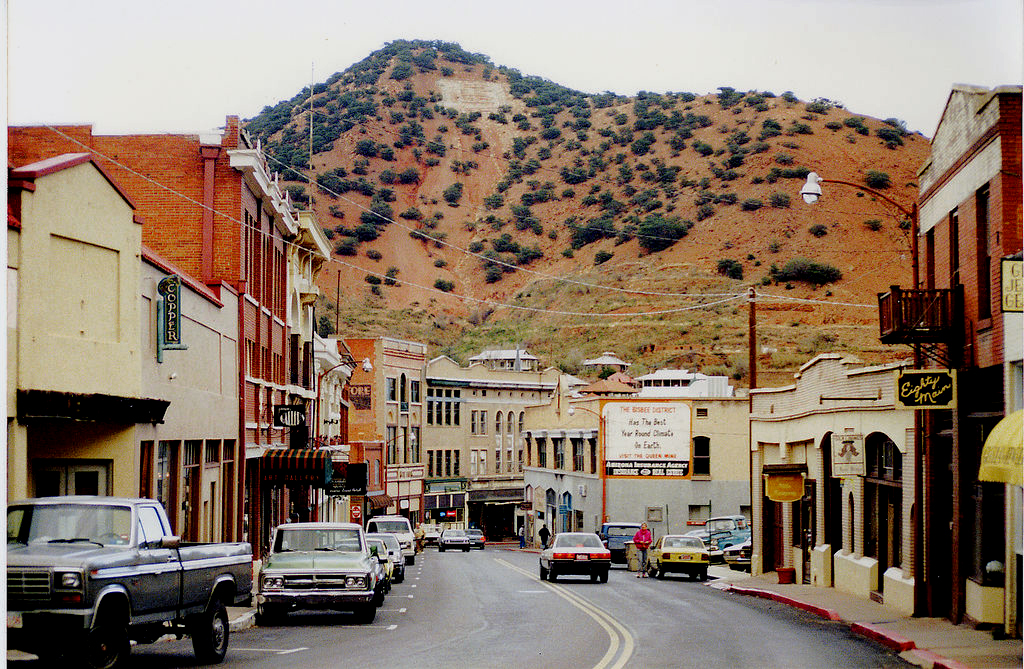
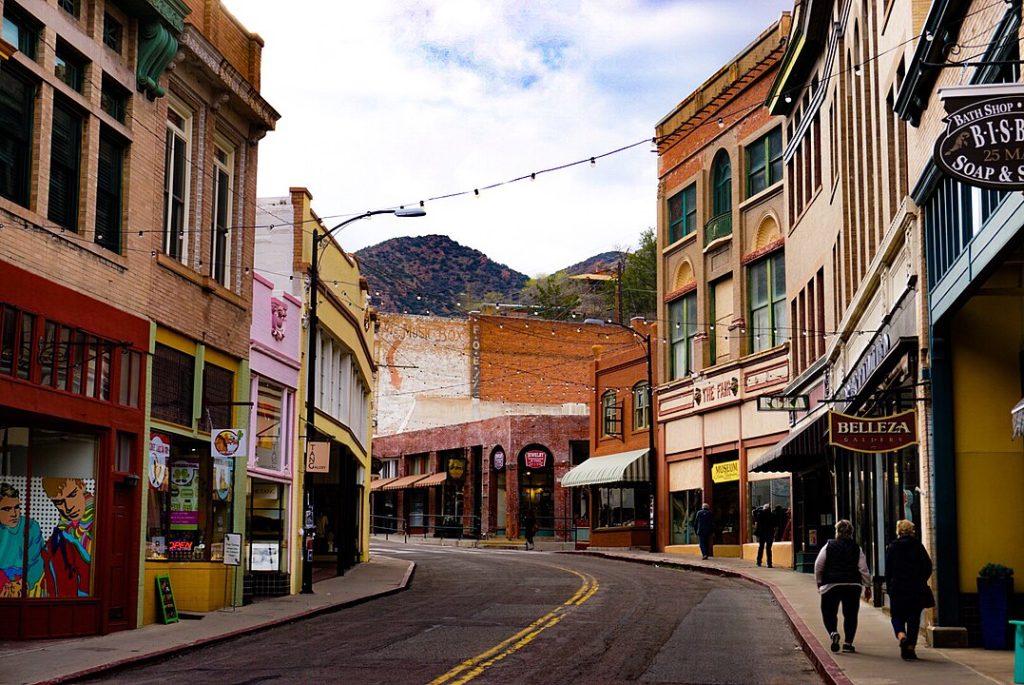
Bisbee’s steep streets and narrow storefronts create a setting where midcentury details like vinyl booths, jukebox corners, and hand painted signs naturally endure. Local artists and longtime residents have chosen preservation over heavy modernization, allowing interiors and exteriors to wear with use rather than to be polished into newness. Conversations spill from taverns to sidewalks, and regulars drift between shops in a rhythm that anchors the town’s pace and social life. The place resists theatrical restoration and instead privileges the marks of real use and shared memory. The town’s texture continues through everyday acts, small repairs, and conversations that pass knowledge between generations.
Ferndale, California
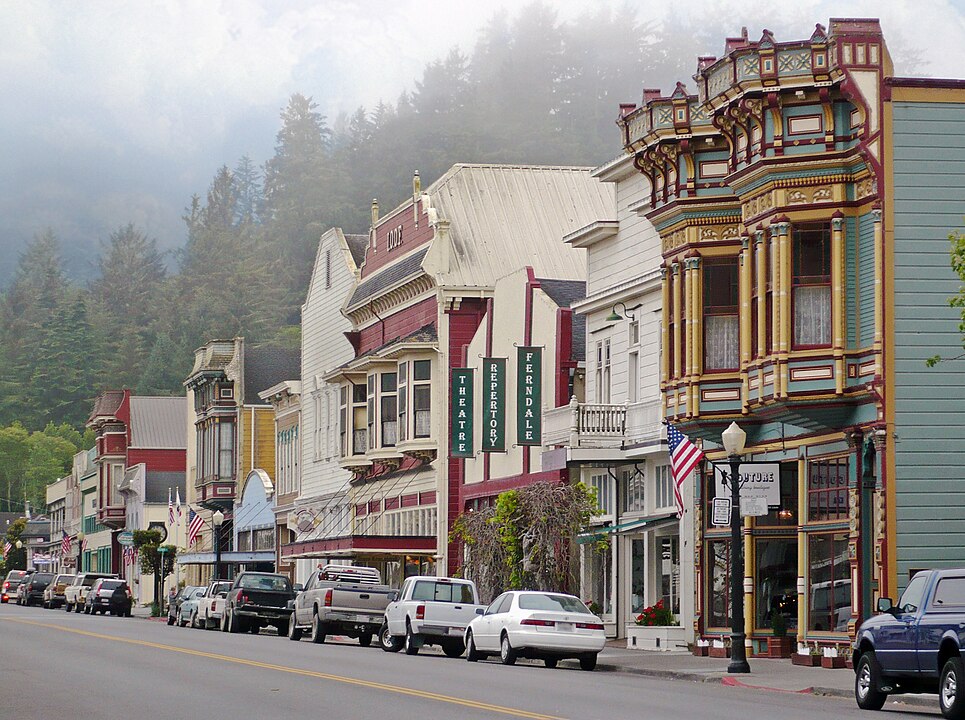
Ferndale’s painted storefronts and small town institutions conceal a midcentury heart within many businesses: soda fountains, chrome topped counters, and jukeboxes that still collect quarters. Friday night rituals, community theater, and car shows continue patterns set decades ago, and merchants often know customers by name. Preservation here focuses on useful continuity more than perfect restoration, so social rhythms remain intact and familiar. The town’s layers Victorian exteriors overlaying postwar interiors create a setting where history feels practiced rather than performed. The town’s texture continues through everyday acts, small repairs, and conversations that pass knowledge between generations.
Chagrin Falls, Ohio
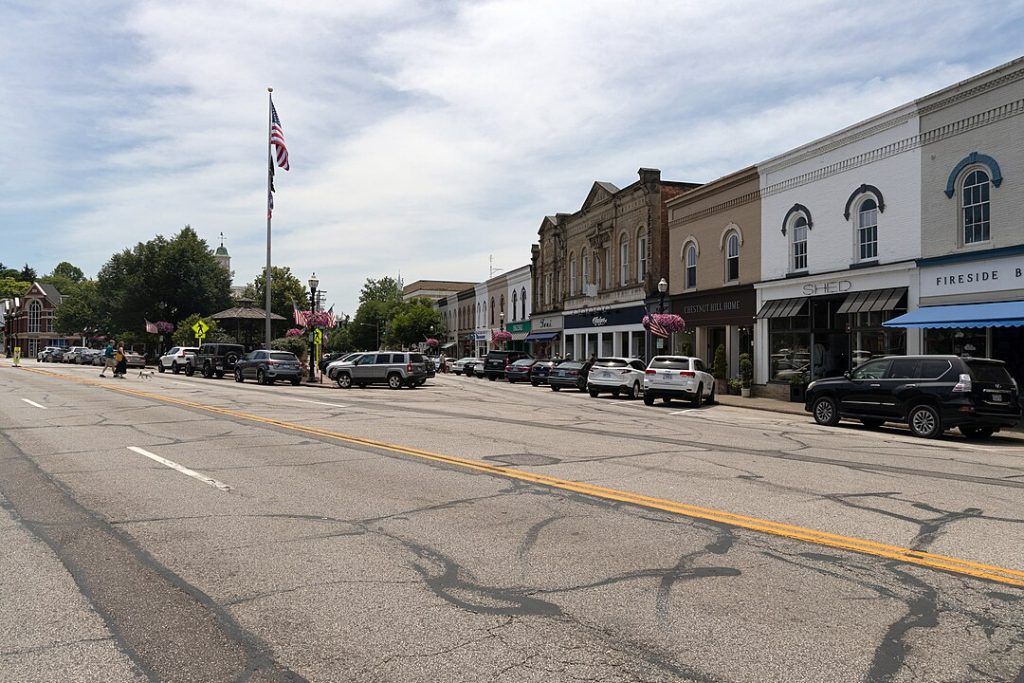
Chagrin Falls centers life around its waterfall and a compact Main Street where long tenured shops and a single screen movie house keep analog habits alive. The popcorn kettle and hand set marquee send aromas and signals that anchor weekend routines, and families settle into patterns that have changed little over decades. Benches and bandstand moments invite conversation, and shopkeepers often trade greetings more than transactions. The quiet repetition of ordinary acts keeps the street feeling comfortably human and quietly midcentury in character rather than a staged scene. The town’s texture continues through everyday acts, small repairs, and conversations that pass knowledge between generations.
Bardstown, Kentucky
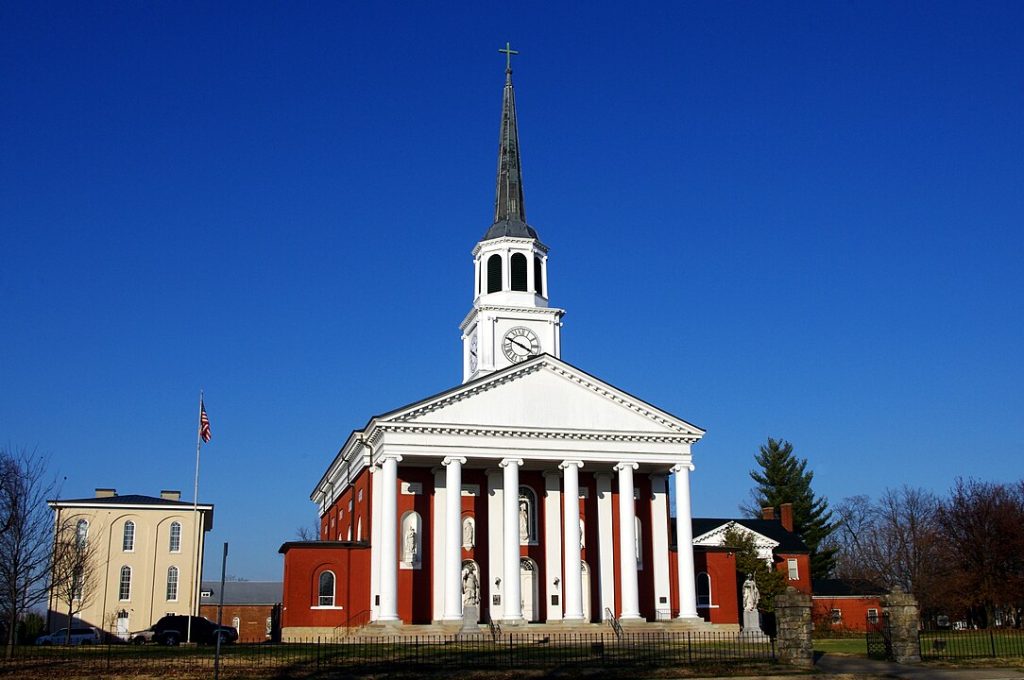
Bardstown’s courthouse square and brick storefronts preserve a midcentury sensibility informed by family run taverns, seasonal festivals, and reliable local commerce. Distilleries add history, but downtown life centers on everyday rituals. Servers remember orders, counters hold familiar glassware, and shops stay arranged for practicality. Pedestrian rhythms and steady conversation give the town a tone that rarely chases novelty, and seasonal gatherings still move at a pace shaped by habit. The square feels maintained by use, so the postwar era remains a living layer of civic life rather than a decorative theme. The town’s texture continues through everyday acts, small repairs, and conversations that pass knowledge between generations.

