


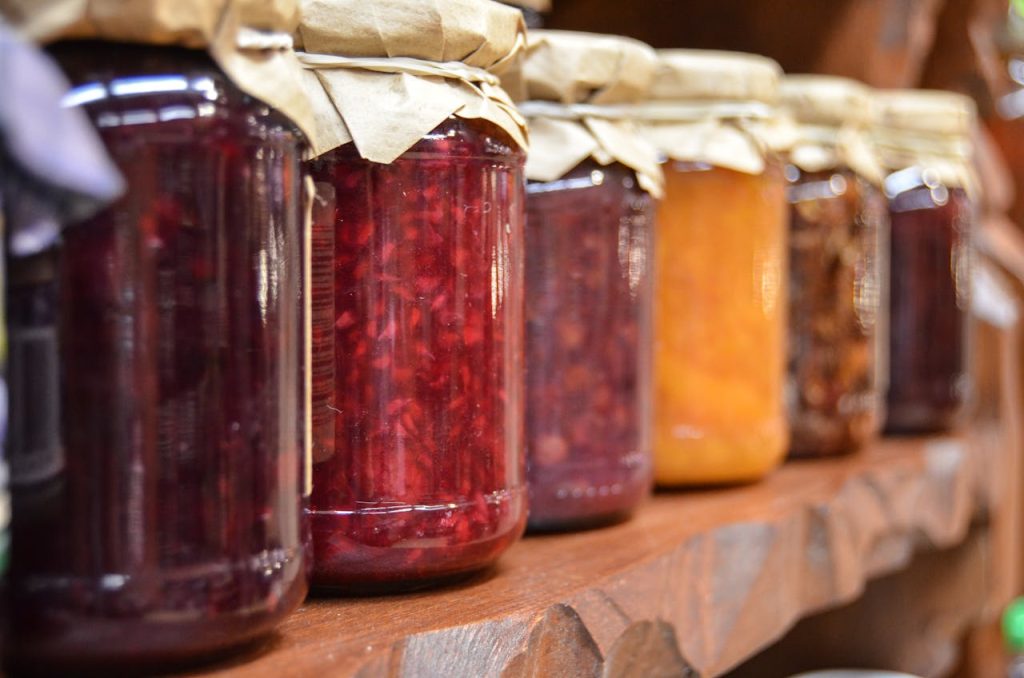
Pantry staples from the 1950s are gaining attention as home cooks embrace comfort, affordability, and familiar flavors influenced by memories. These ingredients originally flourished in an era that valued convenience and practicality during a period of rapid change in American households. Shoppers appreciate durable, shelf-stable foods that blend easily into both traditional and contemporary dishes, supporting a balanced kitchen stocked. Their comeback also highlights growing interest in reducing food waste, exploring nostalgic recipes, and revisiting cost-effective meals. As culinary trends shift toward resourceful cooking and creative adaptation, these midcentury favorites prove that certain flavors and ingredients never truly fade.
Canned Peaches
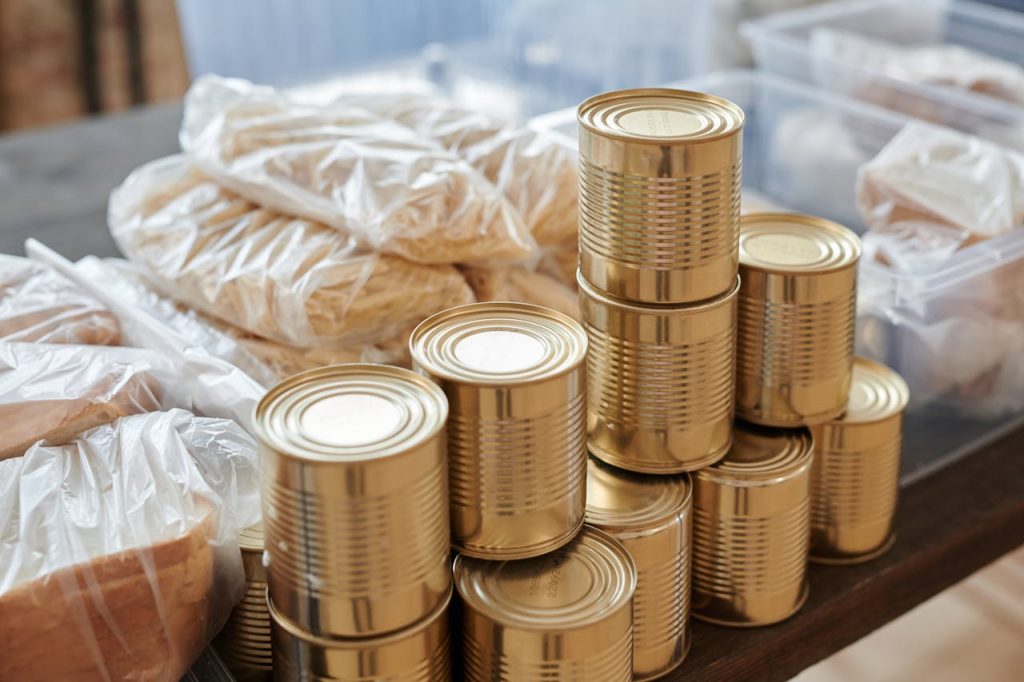
Canned peaches were a treasured staple in 1950s pantries, offering a dependable source of sweetness families could enjoy year round regardless of seasonal produce. Home cooks used them in fruit salads, cottage cheese pairings, gelatin molds, and simple desserts that required little preparation yet delivered comfort. Their popularity came from convenience, affordability, and consistent texture, making them reliable for everyday meals and gatherings. Today, canned peaches are returning as cooks revisit retro recipes and find new uses in cobblers, smoothies, oatmeal, and baked treats. Their long shelf life, easy storage, and ready to use appeal suit modern, busy households while balancing nostalgia with practicality.
Powdered Milk
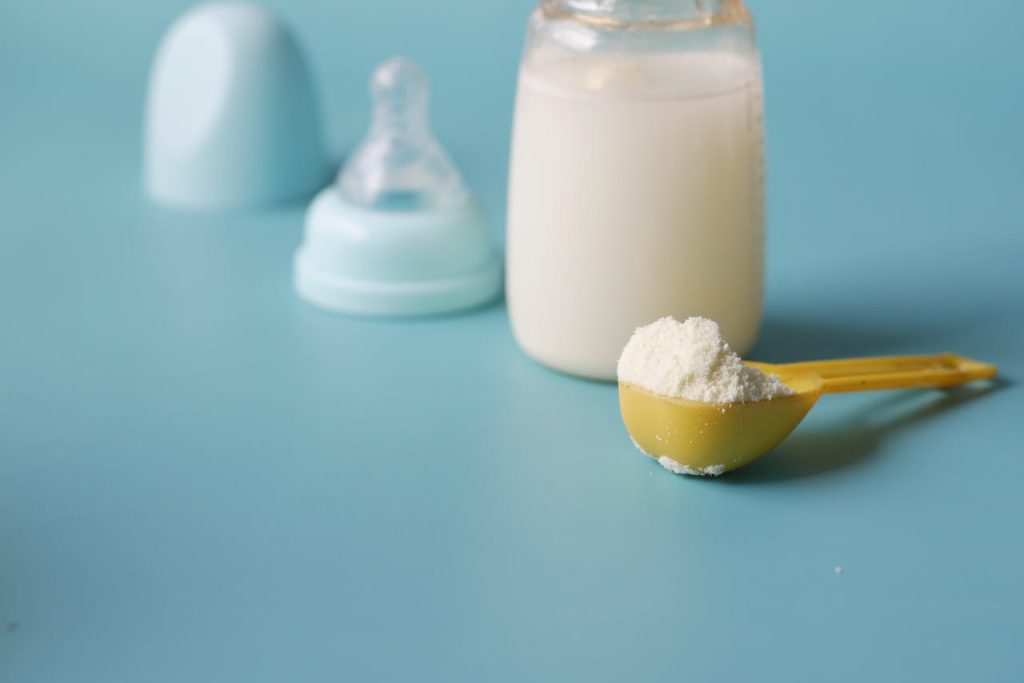
Powdered milk was a practical staple in 1950s households because it offered a dependable dairy option when refrigeration was inconsistent, particularly in rural areas. Families used it in baking, coffee, cereals, and budget friendly recipes needing a creamy base. Its ability to improve bread texture and pastry tenderness made it a quiet kitchen workhorse. Today, powdered milk is regaining interest as bakers see how it enriches dough, stabilizes baked goods, and boosts flavor without extra liquid. Its long shelf life suits emergency kits, camping supplies, and organized pantries focused on efficiency. Modern cooks also value it in homemade drink mixes, flavored creamers, and dry baking blends, keeping it relevant today.
Canned Tuna
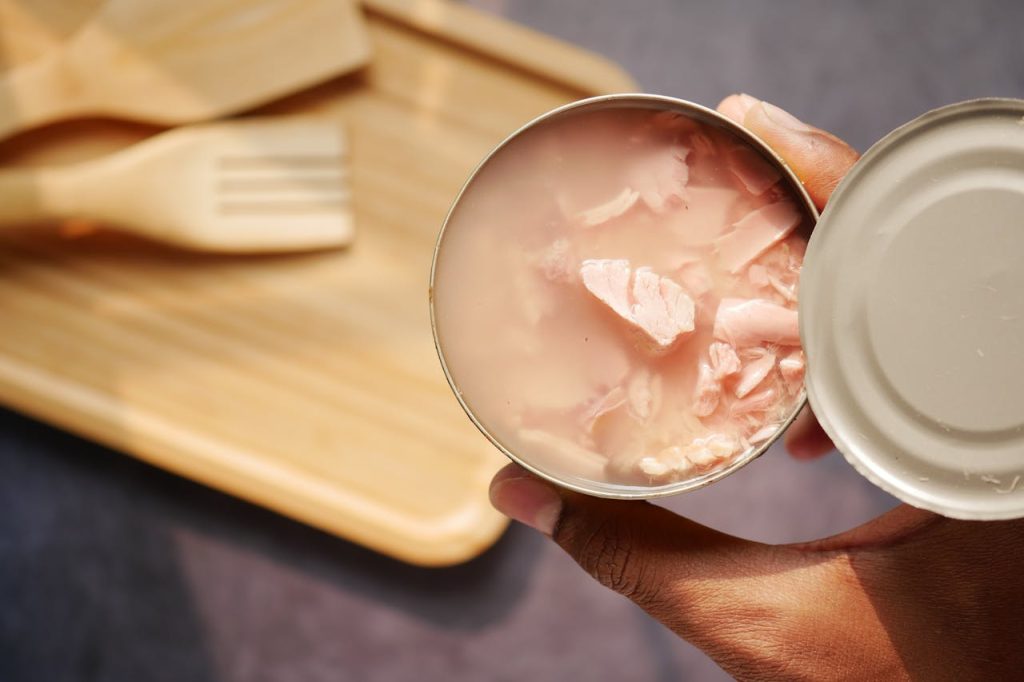
Canned tuna held a central place in 1950s cooking because it provided convenient, affordable protein that worked well in casseroles, sandwiches, and salads for busy families. Its mild flavor paired easily with pantry staples like pasta, bread, and vegetables, making it dependable in many American kitchens. Today, canned tuna is regaining popularity as people seek nutritious proteins requiring little preparation. Modern recipes feature tuna in rice bowls, Mediterranean salads, high protein snacks, and simple weeknight meals. Its shelf stability supports meal planning, while improved sourcing lets consumers choose options matching dietary preferences, blending nostalgia with modern practicality.
Gelatin Mixes
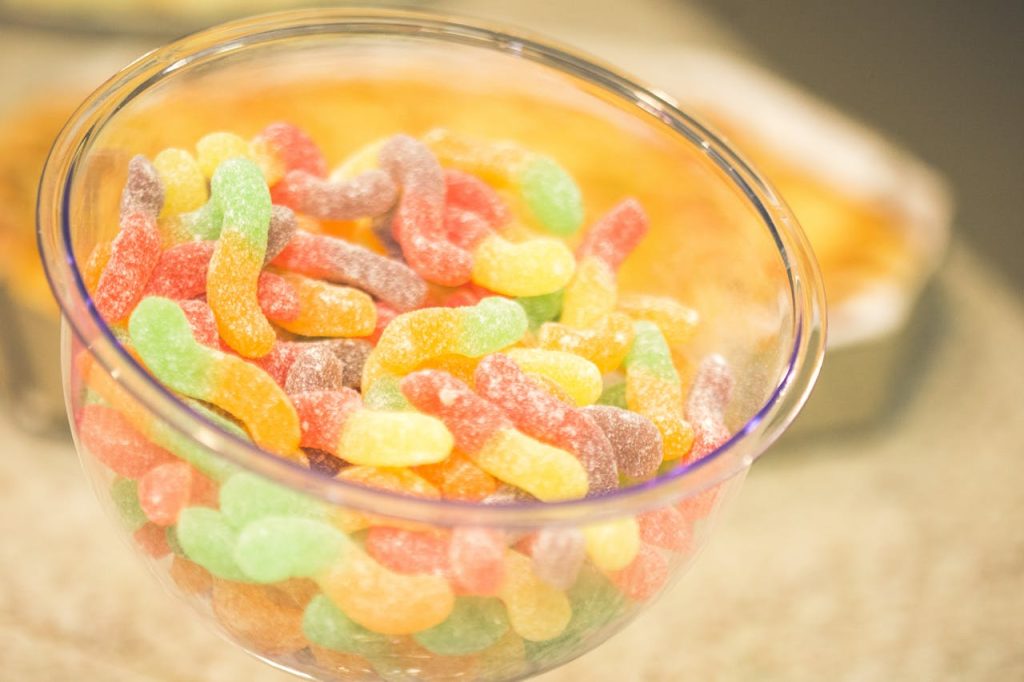
Gelatin mixes captured the colorful creativity of 1950s cooking, appearing in desserts, salads, and festive displays common at gatherings and holidays. Their bright colors and adaptable textures made them appealing to children and convenient for adults wanting easy treats. Today, gelatin mixes are drawing renewed interest as cooks explore playful recipes blending tradition with modern presentation. Many add fresh fruit, whipped toppings, or layered designs that refresh vintage style. Gelatin desserts attract those who enjoy nostalgic dishes requiring minimal equipment and offering visual appeal. Beyond sweets, gelatin appears in creative uses like fruit based snacks and chilled desserts, bridging retro food culture with current kitchen trends.
Canned Green Beans
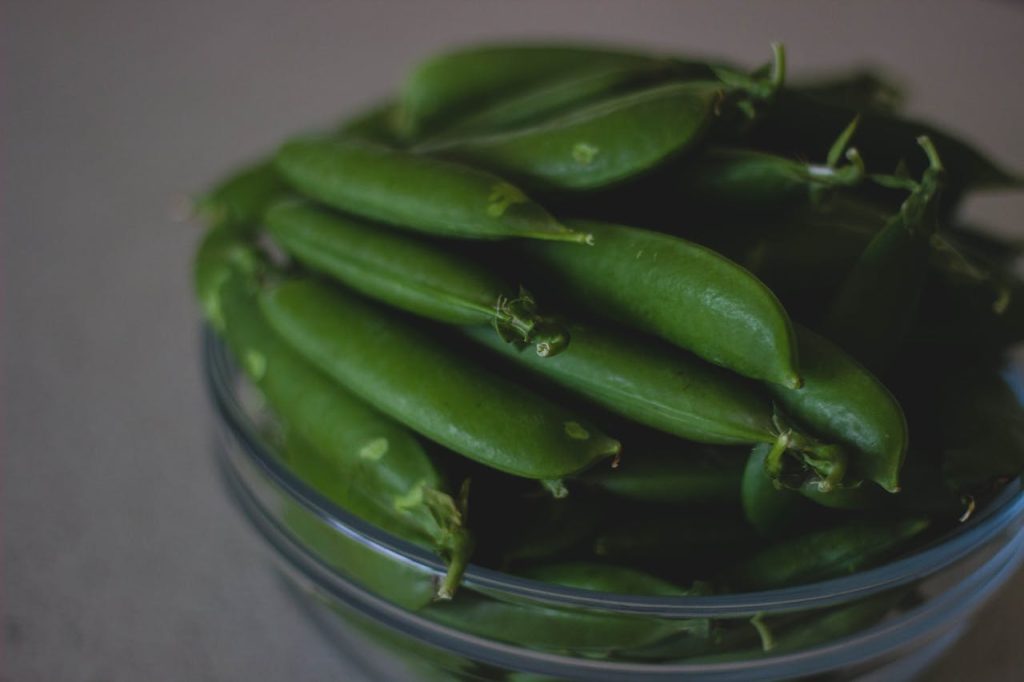
Canned green beans were a midcentury kitchen pantry essential, used in casseroles, skillet meals, and vegetable sides that defined many weeknight dinners. Families valued their consistent texture and easy storage when fresh produce was limited by season and region. The classic green bean casserole, combining canned beans with cream soup and crispy toppings, became one of the era’s most recognizable dishes. Today, canned green beans are returning as cooks revisit comfort foods and childhood favorites. They offer convenience for soups, slow cooker meals, and simple sides needing little prep. Their shelf stability supports pantry stocking, while their familiar flavor brings warmth to everyday meals.
Evaporated Milk
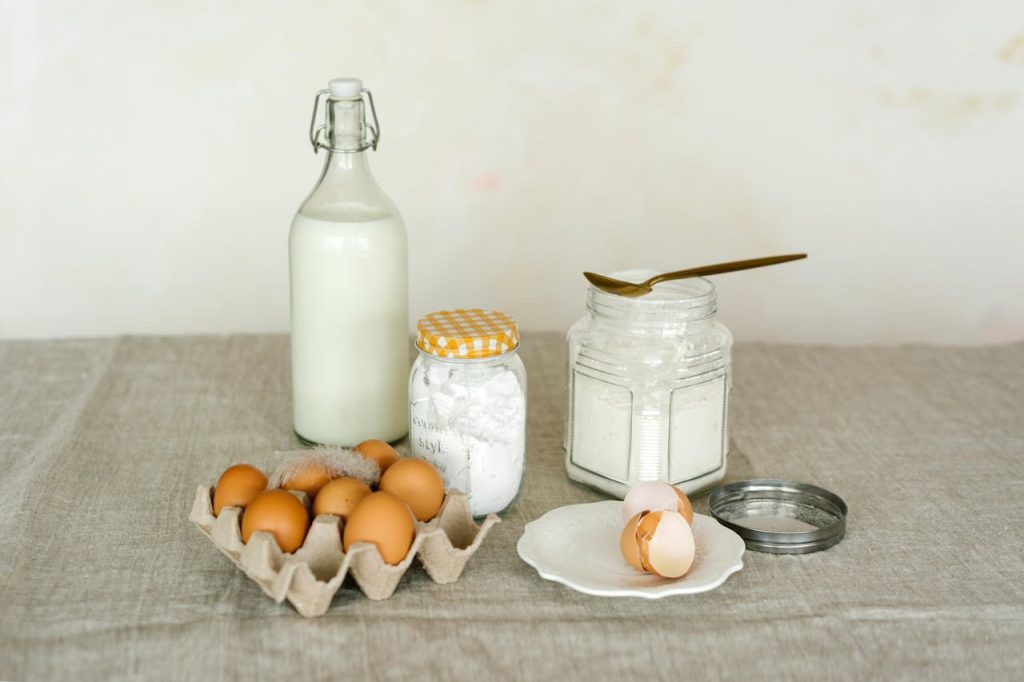
Evaporated milk became popular in 1950s cooking because it provided creamy richness without relying on fresh dairy that was often difficult to store. Its smooth texture enhanced pies, puddings, sauces, and casseroles, making it useful in sweet and savory dishes. Today, evaporated milk is seeing renewed interest as cooks rediscover its role in pumpkin pies, caramel sauces, creamy soups, and simple desserts. Its long shelf life helps reduce food waste while offering a versatile dairy option that blends easily into many recipes. Many appreciate its richer flavor compared to regular milk, allowing dishes to feel indulgent without using heavy cream. Home cooks value its reliability consistency and flexibility across generations.
Canned Pineapple
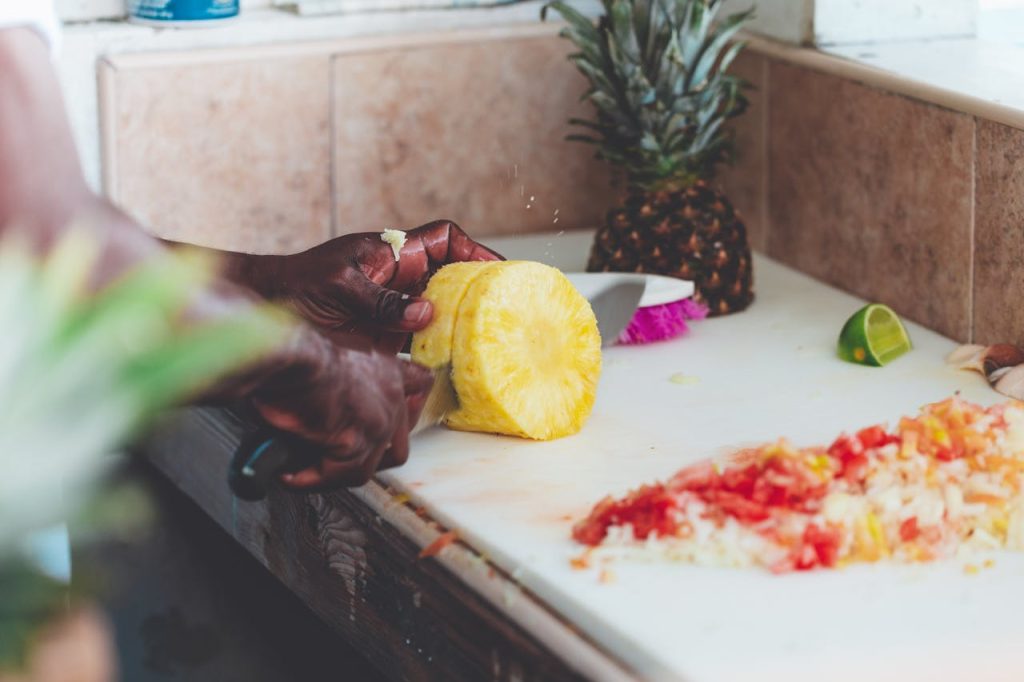
Canned pineapple was popular in 1950s households because it brought a sweet, tropical flavor that felt exciting to many families. It worked well in savory and dessert dishes, including glazed ham, fruit salads, gelatin creations, and pineapple upside down cake. Today, canned pineapple is returning as cooks rediscover its versatility in stir fries, marinades, yogurt bowls, and baked goods needing sweetness and acidity. Its convenience allows easy use in weeknight meals without trimming fresh fruit. The consistent texture adds reliability, while the bright flavor offers contrast. As retro cooking blends with modern techniques, canned pineapple remains a pantry staple inspiring both nostalgia and creativity.
Spam
Spam became a familiar midcentury pantry item because of its affordability, long shelf life, and suitability for quick meals. Families used it in sandwiches, breakfast plates, and skillet dinners that matched busy lifestyles. Today, Spam has regained cultural relevance through its role in Hawaiian cuisine and popularity in Asian inspired dishes like musubi, fried rice, and noodle bowls. Home cooks value how easily Spam browns, crisps, and absorbs seasoning, fitting both nostalgic and creative recipes. Its return reflects growing interest in practical, shelf stable proteins and diverse flavors. Spam’s continued presence shows how classic ingredients adapt to modern tastes while keeping their original appeal.
Canned Soup Bases
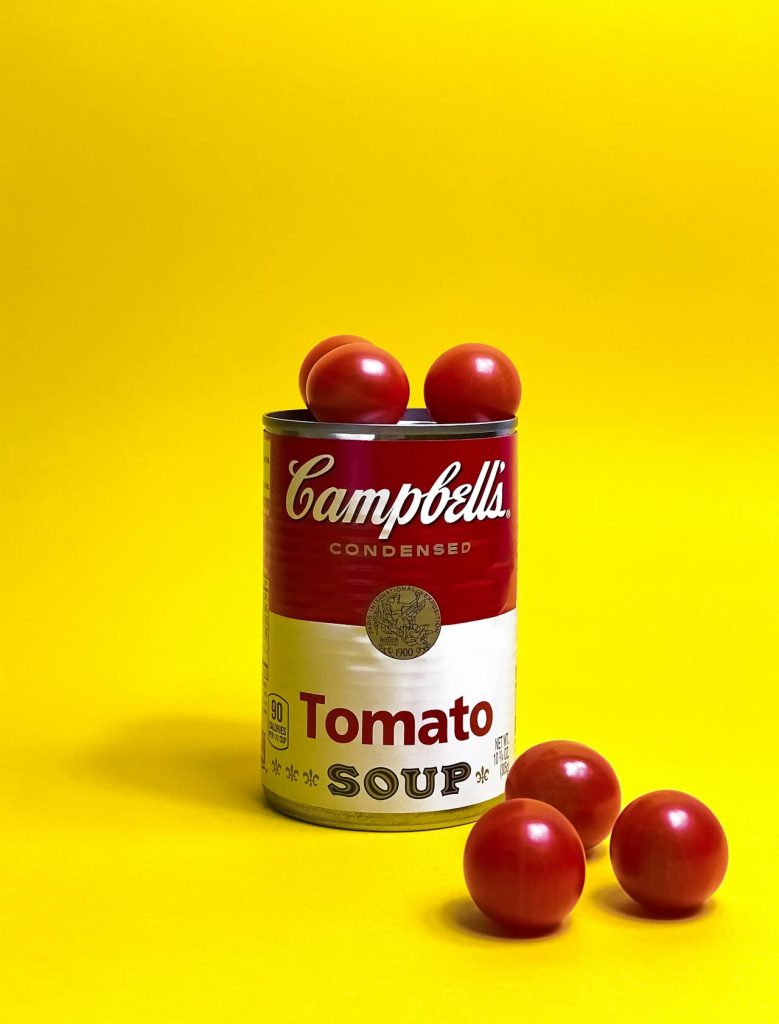
Canned soup bases were key to the convenience focused cooking of the 1950s, especially cream based varieties used in casseroles, skillet meals, and baked dishes. They added flavor, moisture, and structure, helping home cooks create affordable meals quickly. Today, canned soup bases are returning as people revisit comfort food classics or prepare slow cooker dishes needing rich, blended flavors. They combine easily with vegetables, proteins, and grains, providing a dependable base for weeknight meals. Their versatility supports both traditional recipes and modern updates using fresh ingredients while keeping the creamy textures families enjoyed, highlighting their continued practicality in home cooking.
Instant Coffee
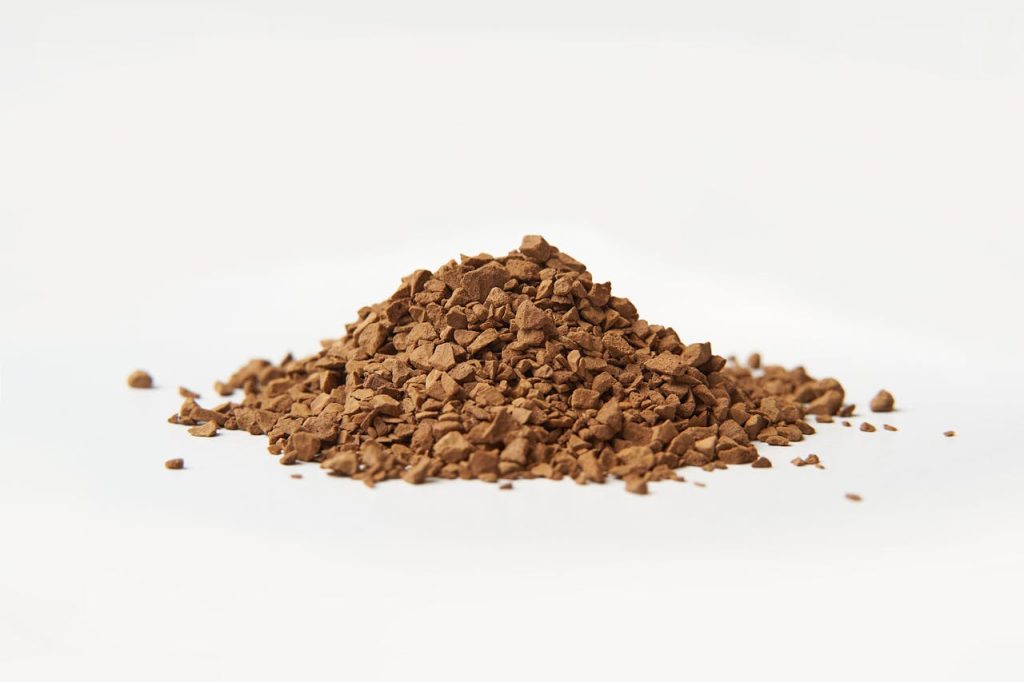
Instant coffee became a staple in the 1950s as families embraced fast preparation methods during hectic mornings. Its convenience and affordability made it a common presence in homes, workplaces, and travel kits. Today, instant coffee is experiencing a revival, supported by improved production methods that enhance flavor and aroma. It has become a popular ingredient in whipped beverages, iced coffee drinks, and baking recipes requiring a rich coffee infusion. Many appreciate its simplicity and portability, making it useful for camping, commuting, or quick at-home brewing. As interest grows in versatile pantry items, instant coffee stands out for its practicality and ability to elevate both nostalgic and contemporary recipes with minimal effort.

