


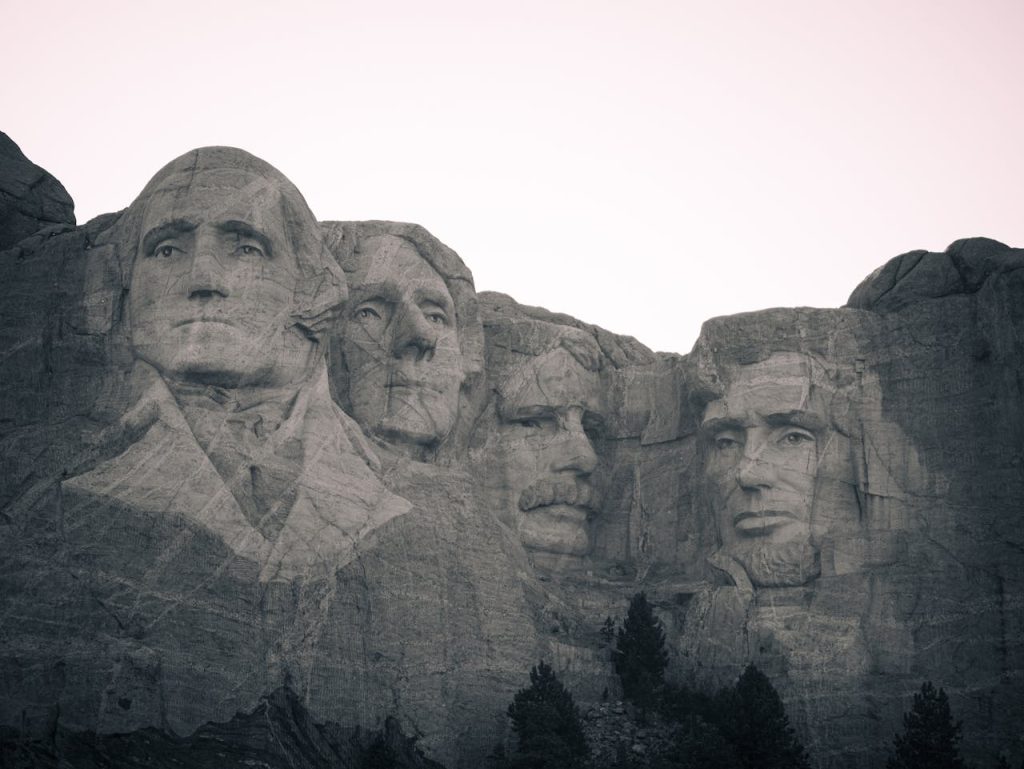
Across the United States, public monuments act as physical reminders of history, culture, and national memory, yet many have become flashpoints for debate or removal as communities reassess their meanings. In some cases, monuments linked to controversial figures were officially taken down, while others were vandalized. These incidents include Confederate memorials removed during nationwide protests and historic sites defaced in political actions or targeted. Many changes occurred in recent years, tied to broader social movements and discussions about representation. Examining these sites shows how the nation’s commemorative landscape is shifting as public values evolve and how monuments intersect with debates over history and collective memory.
Statue of John Sutter, Sacramento, California
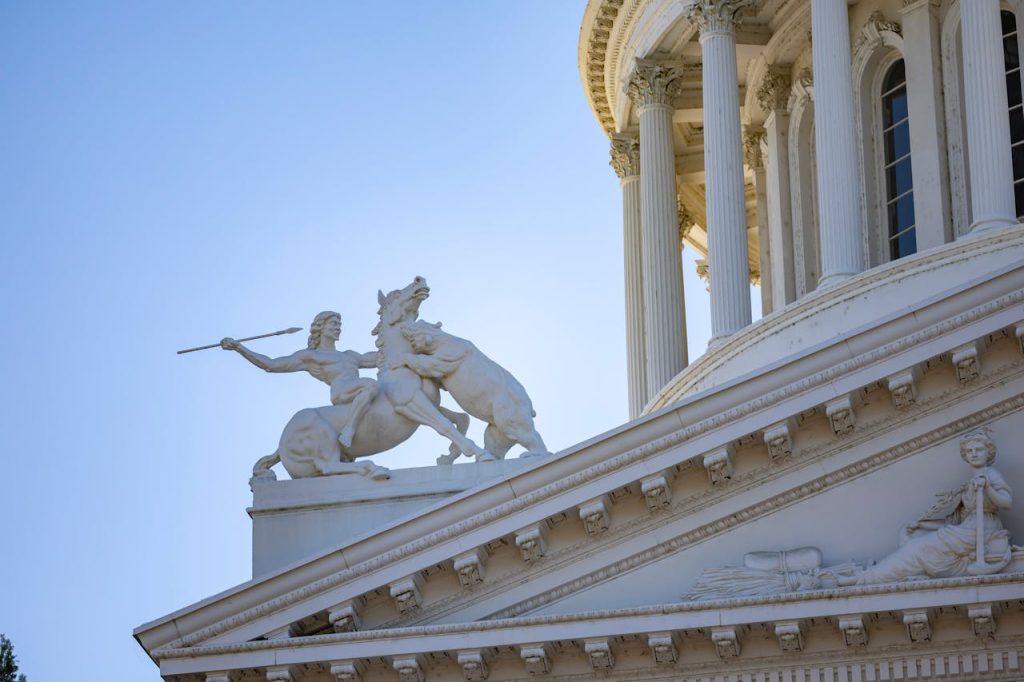
The statue of John Sutter once stood in Sacramento, California, commemorating the 19th century settler who founded Sutter’s Fort and influenced the early Gold Rush era. Installed in 1987, the statue became controversial as historians and community members discussed Sutter’s treatment of Indigenous peoples and laborers. In June 2020, during a national wave of monument removals and public debate over historical representation, city officials removed the statue following local advocacy and review. The decision reflected a broader reassessment of figures whose legacies included exploitation and harm. The site has since remained without the statue as discussions continue about interpreting complex historical narratives in shared civic spaces.
Christopher Columbus Monument, Baltimore, Maryland
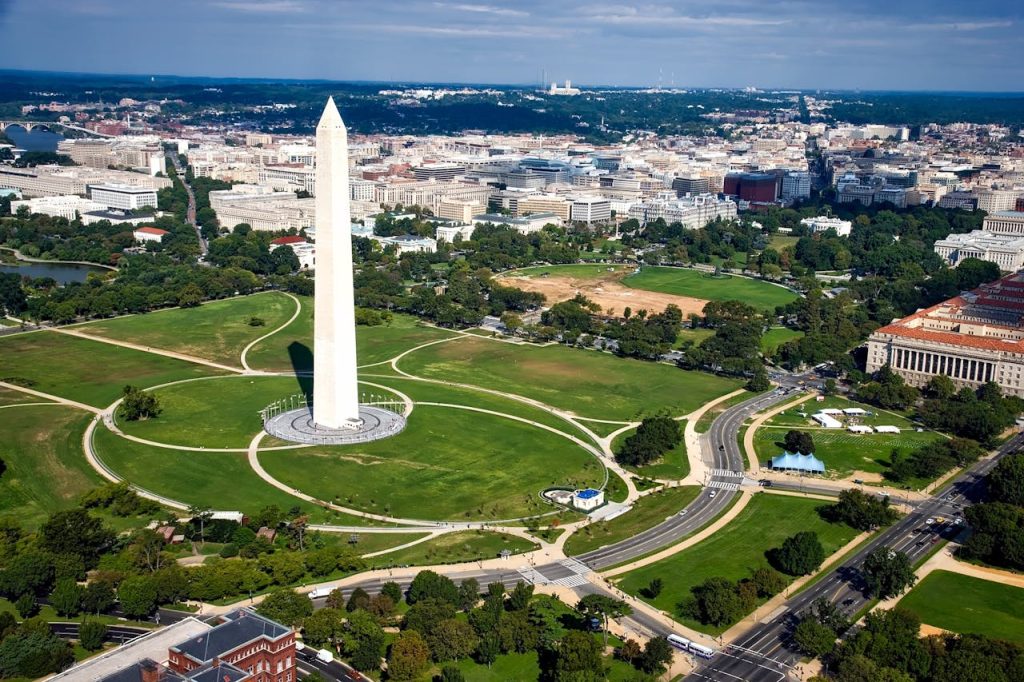
The Christopher Columbus Monument in Baltimore was constructed in 1984 as a tribute to Italian American heritage and the explorer long credited with opening the Americas to Europe. Over time, the monument became controversial because of Columbus’s links to colonization and harm toward Indigenous peoples. On July 4, 2020, during nationwide protests focused on racial justice and historical memory, demonstrators pulled the statue down and threw it into the Inner Harbor. City crews later recovered the remains. Ongoing debate about the monument reflected shifting public views of Columbus’s legacy. The incident became a widely cited example of citizen led monument removal during a period of national reevaluation.
J. E. B. Stuart Monument, Richmond, Virginia
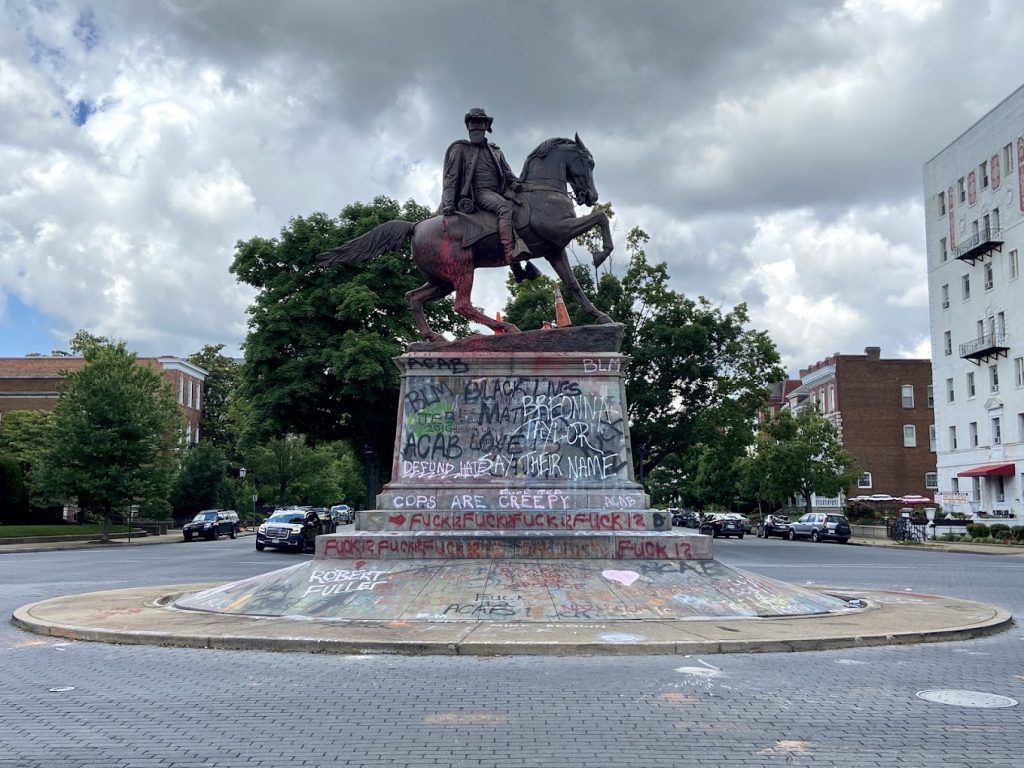
The J. E. B. Stuart Monument stood for more than a century on Richmond’s Monument Avenue and honored the Confederate cavalry commander. As protests and public discussions intensified in 2020, Richmond officials made the decision to remove multiple Confederate statues displayed throughout the city. The Stuart statue was taken down in July 2020 and placed into storage. Its pedestal, once a prominent part of the streetscape, was dismantled in 2022 as part of a broader redesign of Monument Avenue. The removal symbolized a turning point for Richmond, a former Confederate capital, as civic leaders and residents sought to reshape how the city presents its complex history and to reconsider which figures merit public honor in contemporary communities.
Vandalism at Gettysburg National Military Park, Pennsylvania
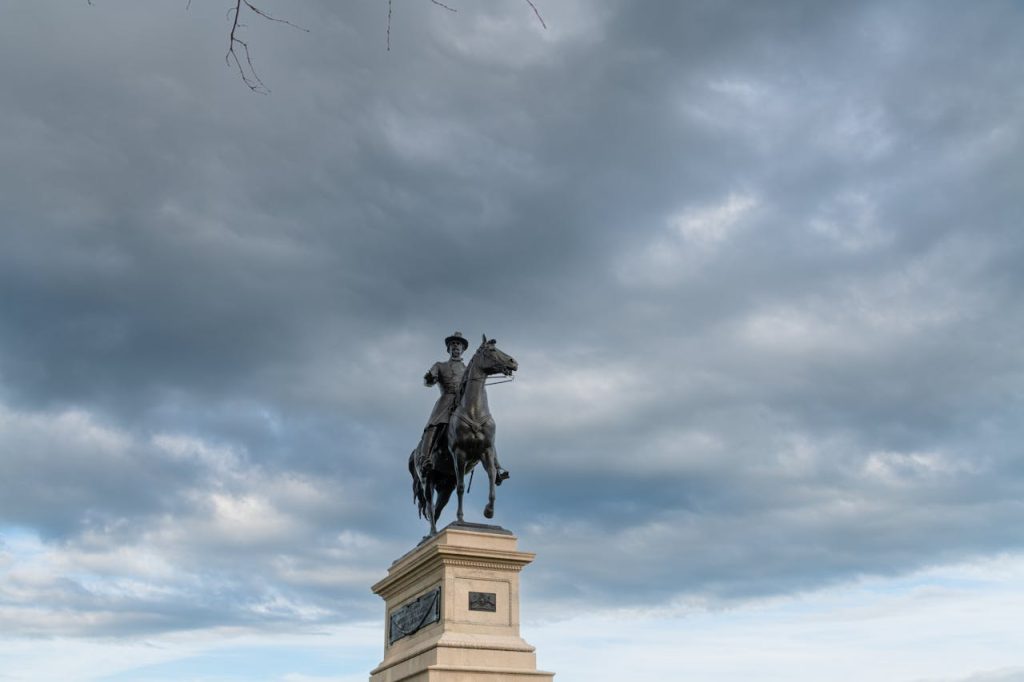
Gettysburg National Military Park, one of the nation’s most significant Civil War sites, experienced vandalism incidents in 2024 when graffiti appeared on rock formations at Little Round Top and on structures like the War Department Observation Tower on Oak Ridge. These locations carry deep historical importance tied to key moments of the Battle of Gettysburg. Park staff acted quickly to remove the graffiti and restore affected areas. The damage drew national attention because Gettysburg is widely regarded as hallowed ground, visited by millions each year. The incidents underscored ongoing challenges in protecting historic sites within heavily visited public spaces where political tensions can result in defacement.
Graffiti at Union Station Monuments, Washington, D.C.
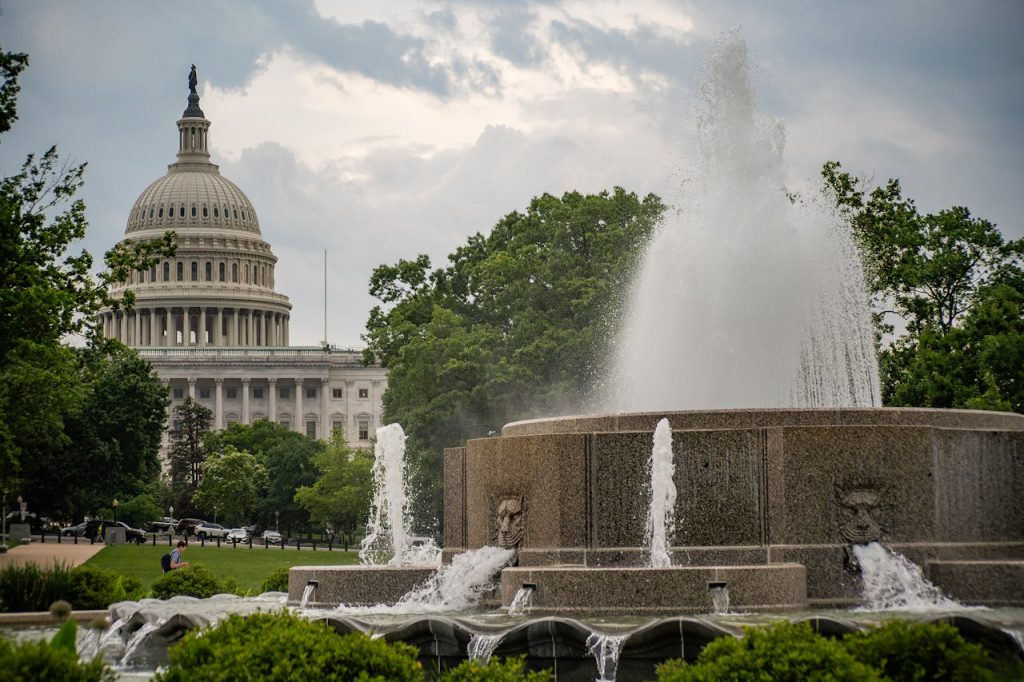
In 2024, demonstrations near Washington, D.C.’s Union Station resulted in graffiti covering several outdoor monuments, including the Columbus Fountain and nearby sculptures. Protesters used the area as a gathering point during a high-profile international political visit, and multiple statues and fountain surfaces were spray-painted. Cleanup efforts required specialized crews to remove paint without damaging the marble and bronze surfaces, demonstrating how difficult preservation becomes when monuments are located near heavily trafficked plazas. The incident reflected how spontaneous political expression can affect historic and artistic structures in urban centers, prompting renewed discussions about both security and maintenance.
Removal of Confederate Symbols Nationwide
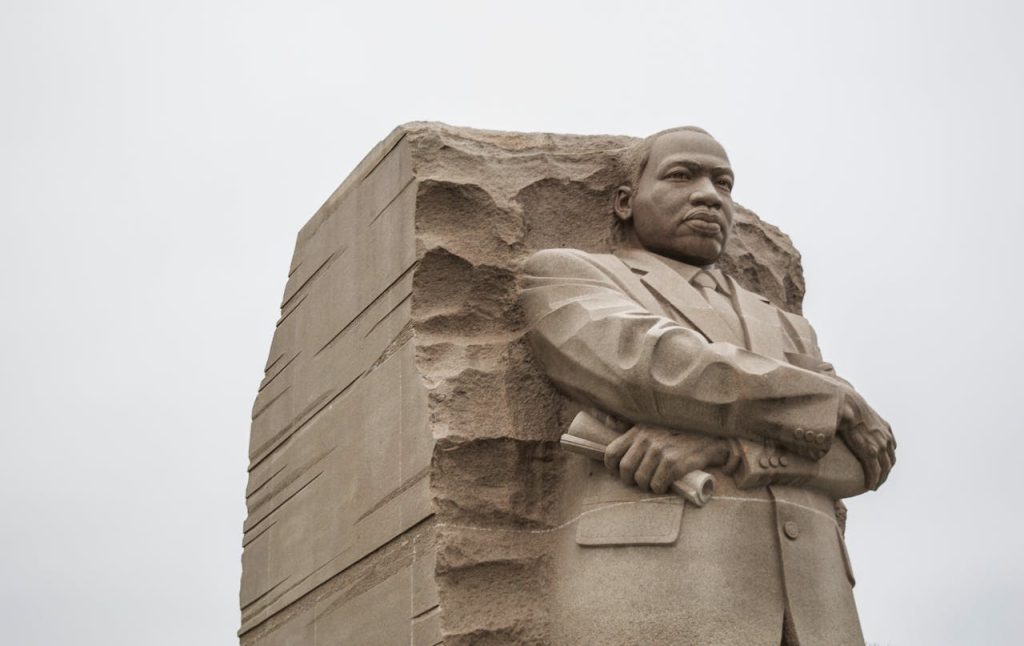
Beginning in 2020, dozens of Confederate monuments were removed, toppled, or relocated across the United States. Local governments, preservation boards, activists, and residents participated in decisions involving statues of figures such as Robert E. Lee, Jefferson Davis, and other Confederate leaders displayed in parks and plazas. Removals occurred in states including Virginia, Alabama, Mississippi, Tennessee, and North Carolina. In many cities, statues were placed into storage or moved to museums, while others were forcibly removed by protestors. These actions reflected growing opposition to monuments viewed as honoring a government built on the enslavement of Black Americans, marking a significant shift in public commemoration.
Alterations to Stonewall National Monument Materials, New York
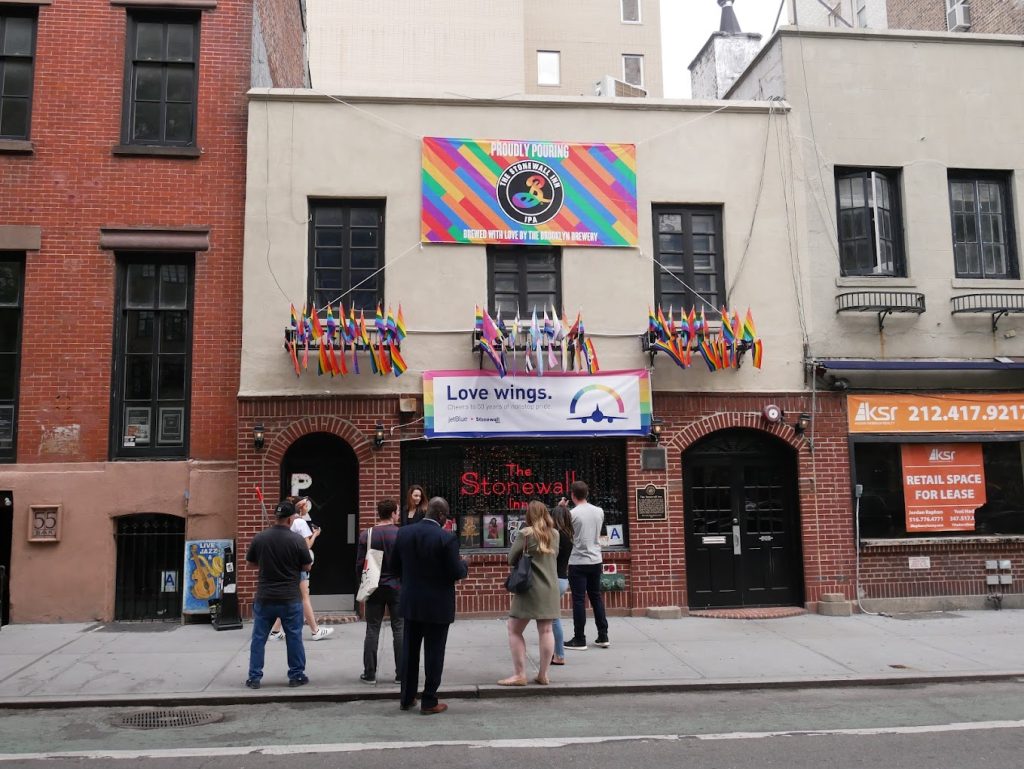
The Stonewall National Monument in New York City honors the 1969 uprising that helped ignite the modern LGBTQ rights movement. In 2025, updates to official online materials removed references to key transgender and queer figures from historical summaries, raising concern among historians and activists who saw the change as erasure. While the physical monument remained unchanged, the revision of publicly accessible explanatory content represented another way a commemorative site can be altered. The incident shows how shifts in interpretation and educational framing can affect a monument’s meaning as much as physical changes, underscoring the importance of inclusive and accurate representation in civil rights history.
Removal of the Frank Rizzo Statue, Philadelphia, Pennsylvania
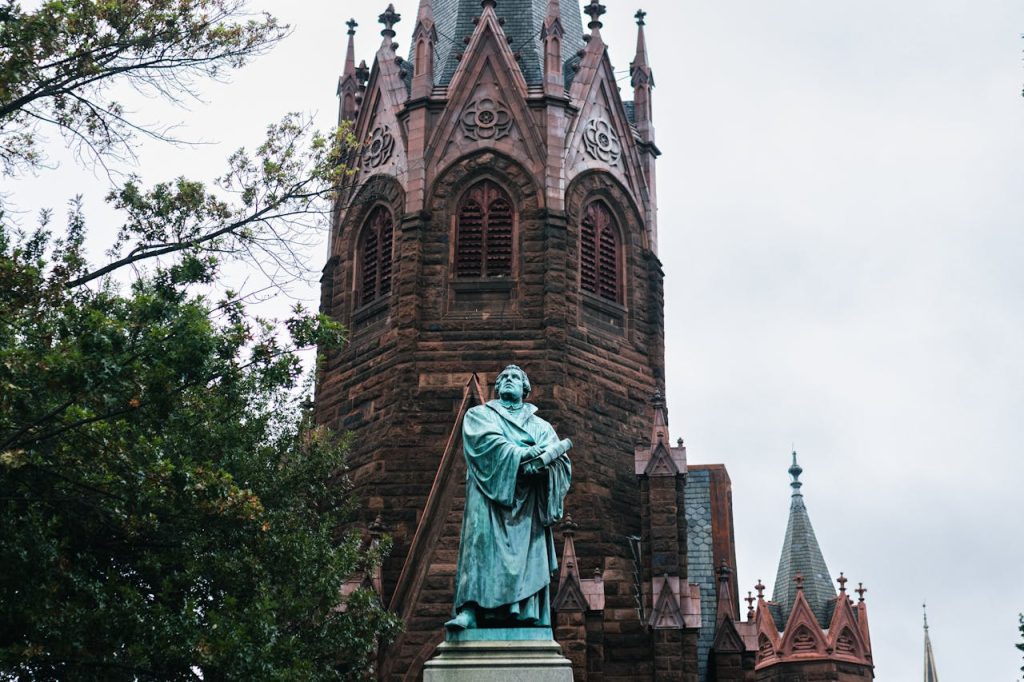
The statue of Frank Rizzo, former mayor and police commissioner of Philadelphia, was removed from outside the Municipal Services Building in June 2020. Rizzo’s tenure included policies widely viewed as discriminatory toward minority communities, leading to years of debate over the statue’s presence on public property. Public protests hastened the city’s decision as officials addressed longstanding concerns about policing and representation. The removal became a local example of how cities across the country reevaluated monuments linked to divisive legacies. Philadelphia officials said the decision sought to promote civic unity while recognizing the need for a more inclusive narrative in shared public spaces.
Confederate Monument Removals in Mississippi
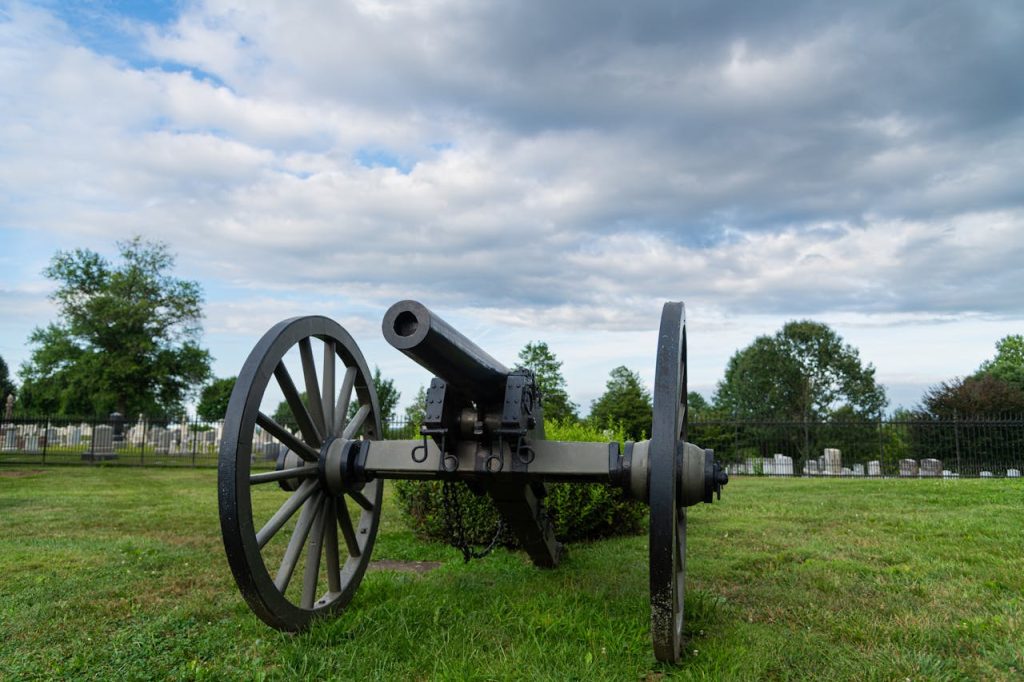
Across Mississippi, multiple Confederate monuments were removed or relocated during the national monument reassessment movement that intensified in 2020. Several cities voted to take statues down from courthouse lawns, town squares, or public campuses after years of debate. In other cases, protestors toppled monuments before authorities intervened. These actions reflected a broader Southern shift as communities reevaluated Confederate imagery and its role in public identity. In many Mississippi towns, relocated monuments were moved to museums or cemeteries to add historical context without occupying civic spaces. The changes showed evolving views on how communities commemorate the Civil War and acknowledge those marginalized by its legacy.
Robert E. Lee Statue, Richmond, Virginia
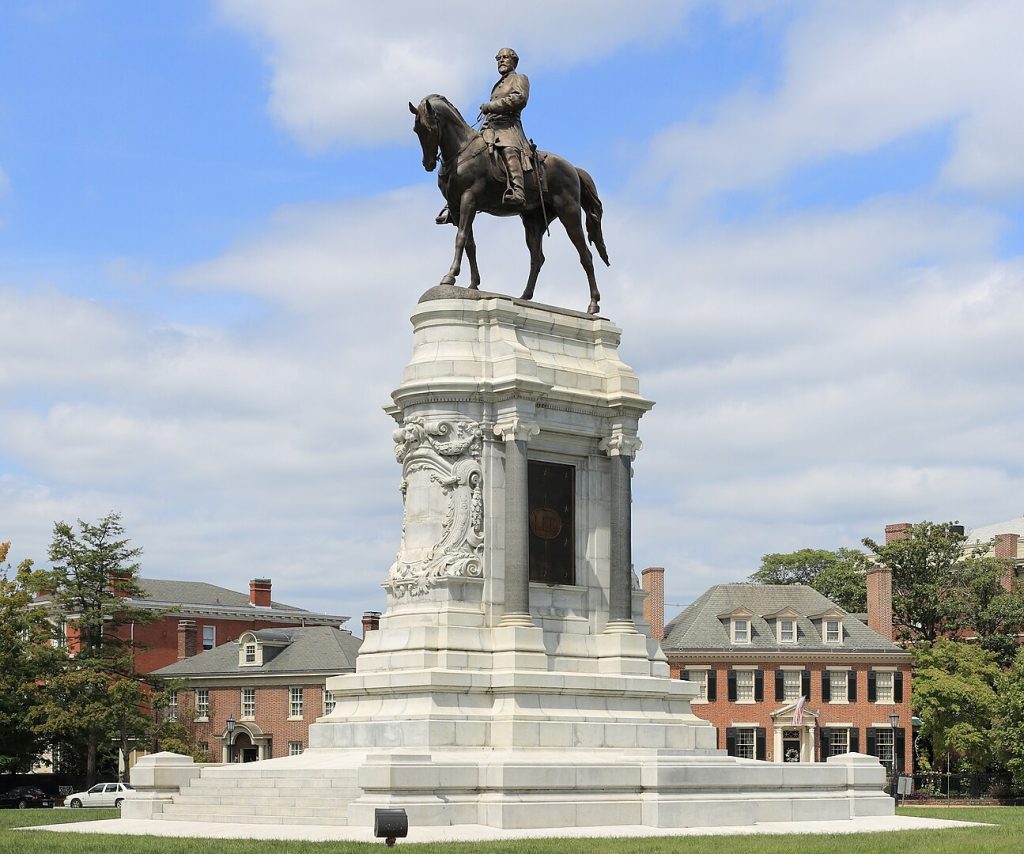
The Robert E. Lee statue in Richmond, Virginia, long viewed as one of the most prominent Confederate monuments in the country, became a focal point during the 2020 protests over racial justice and public symbolism. This monument stood more than six stories tall and occupied Monument Avenue since 1890, serving as a major city landmark. After years of advocacy and legal challenges, state officials ordered its removal, and the statue was taken down in September 2021. The pedestal was later dismantled as part of efforts to reimagine Monument Avenue. The removal was widely seen as a symbolic turning point in reassessing Confederate imagery across the South and redefining public memory narratives nationwide.
Theodore Roosevelt Statue, New York, New York
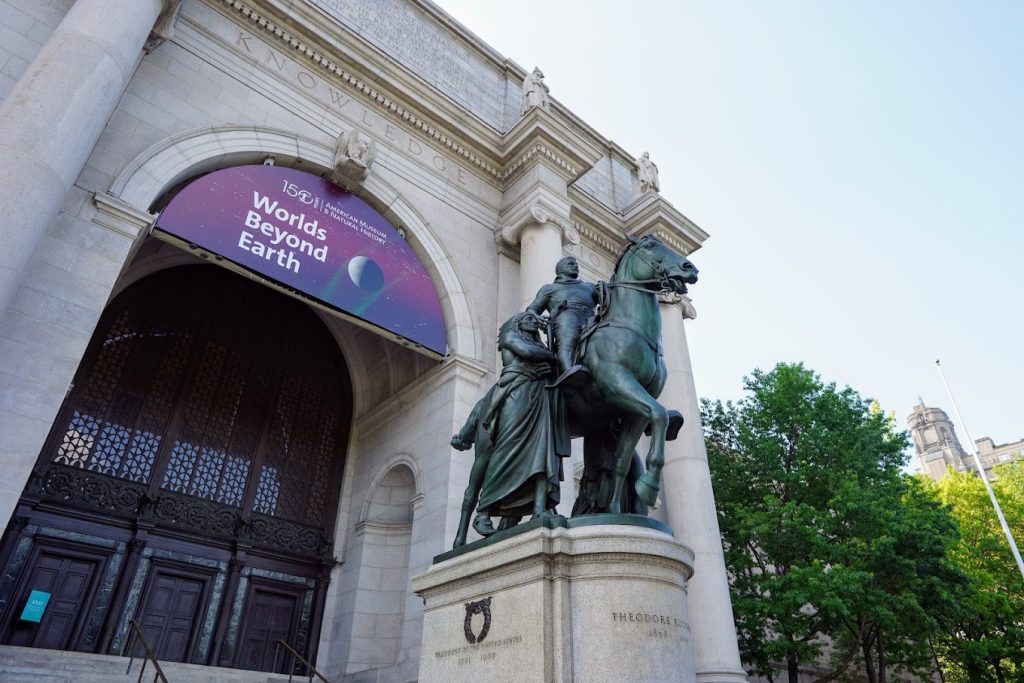
The equestrian statue of Theodore Roosevelt that stood outside the American Museum of Natural History in New York City was removed in 2022 after years of debate over its imagery. The sculpture depicted Roosevelt flanked by a Native American man and an African man, prompting criticism that it conveyed a hierarchical message. Supporters viewed it as a historical artifact connected to Roosevelt’s legacy. Museum leadership and city officials ultimately agreed to remove the statue and place it in storage. The decision became a notable moment in discussions about representation in public art and reflected how institutions are reassessing monuments that no longer align with modern views of equality and historical storytelling.
Pioneer Mother Memorial, Eugene, Oregon
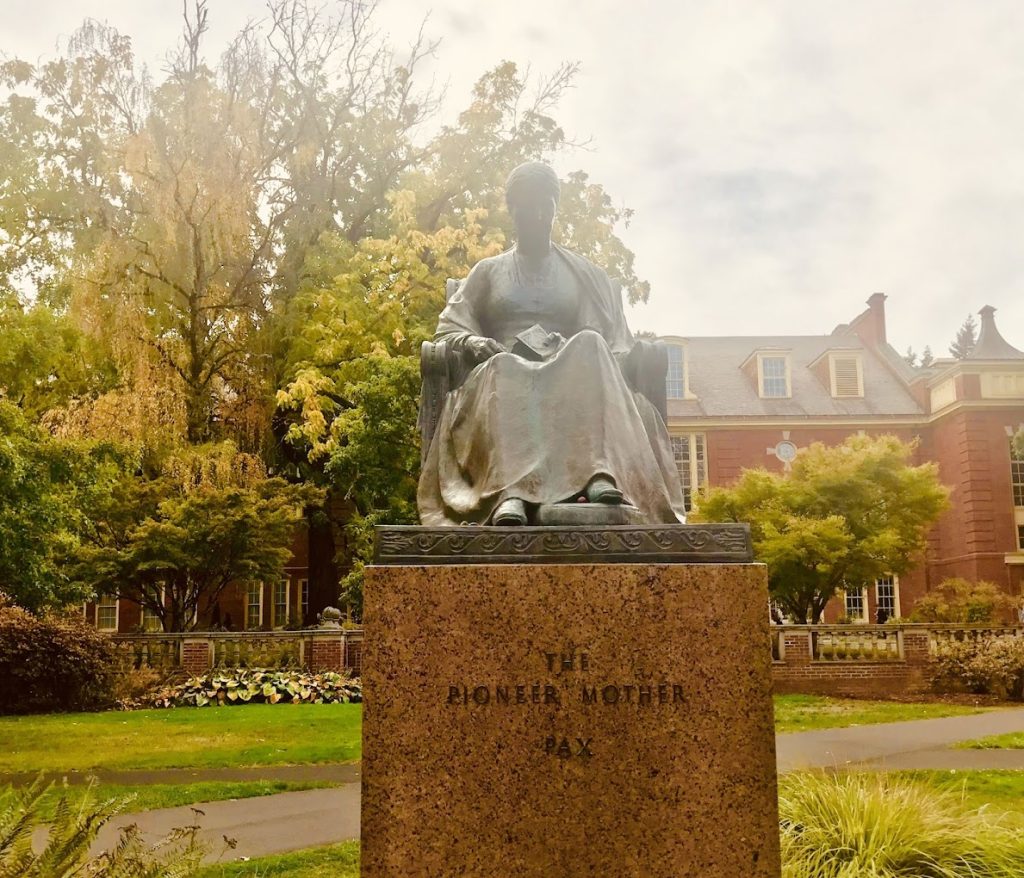
The Pioneer Mother memorial at the University of Oregon in Eugene was removed in 2020 after student protests and public discussion about how pioneer themed monuments portray Indigenous history. Installed in 1932, the statue honored early settlers, but critics said it romanticized westward expansion while overlooking the displacement of Native communities. During heightened scrutiny of campus symbols, the university removed the statue along with a companion memorial. Its removal prompted wider conversations about how universities can address regional history while acknowledging complex legacies within older commemorative works. The decision reflected a broader trend of educational institutions reevaluating historic monuments.
Ulysses S. Grant Statue, San Francisco, California
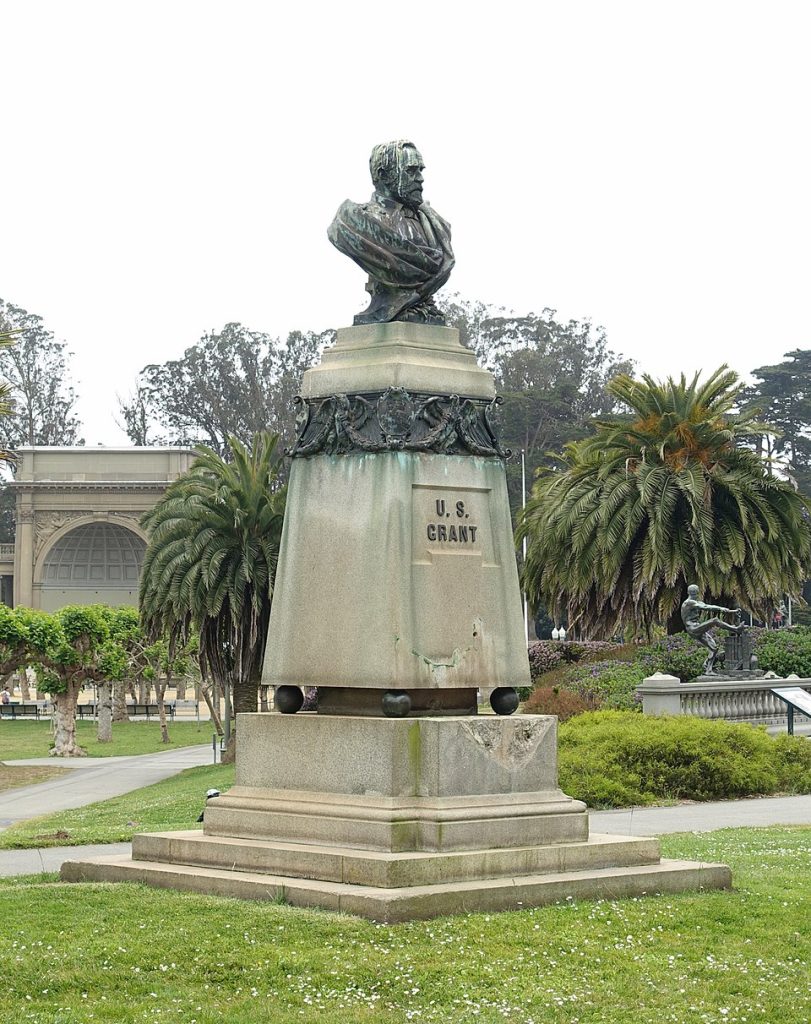
In June 2020, the statue of Ulysses S. Grant in San Francisco’s Golden Gate Park was pulled down by protesters during demonstrations focused on racial justice. Although Grant led the Union Army to defeat the Confederacy and later worked to combat the Ku Klux Klan as president, his early ownership of an enslaved person made him a target. The toppling sparked debate because Grant’s legacy includes key efforts supporting emancipation and Reconstruction. The incident highlighted the challenge of applying modern moral standards to historical figures and showed how monuments became flashpoints for evolving interpretations of history during intense periods of national reflection and continued public debate nationwide.
Spanish Mission Statue, Ventura, California
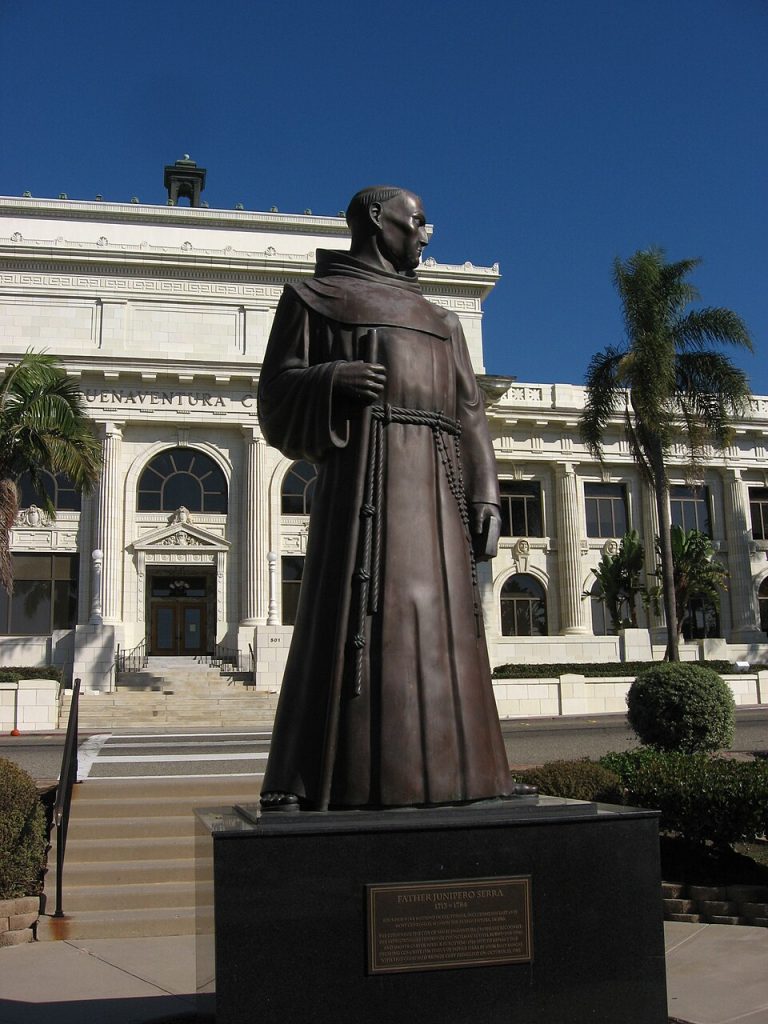
In Ventura, California, a statue of Father Junípero Serra, the Franciscan priest linked to founding several Spanish missions, was removed in 2020 after years of advocacy by Indigenous communities and historians. Critics argued Serra’s legacy involved coercion, forced labor, and suppression of Native cultures. The statue stood near Ventura City Hall and became a frequent protest site. City officials worked with the Chumash community to remove and relocate the monument peacefully. The decision reflected a broader statewide reevaluation of Serra monuments and mission era commemoration, showing how community led dialogue can reshape public spaces and influence modern interpretations of historical figures.

