



America’s beaches feel carefree, yet many enforce detailed rules that surprise visitors each year. Local governments manage crowds, protect wildlife, and maintain safety through regulations that may seem strict. Activities allowed on one beach may result in fines on another. Rules often cover behavior, equipment, hours, and environmental protection. Visitors unfamiliar with local ordinances sometimes face penalties or removal. Understanding these requirements helps avoid disruptions. The following beaches are well known for beauty and popularity, but each enforces specific regulations that must be followed to ensure enjoyable, compliant visits along America’s diverse coastlines, especially during busy travel seasons.
Waikiki Beach Hawaii
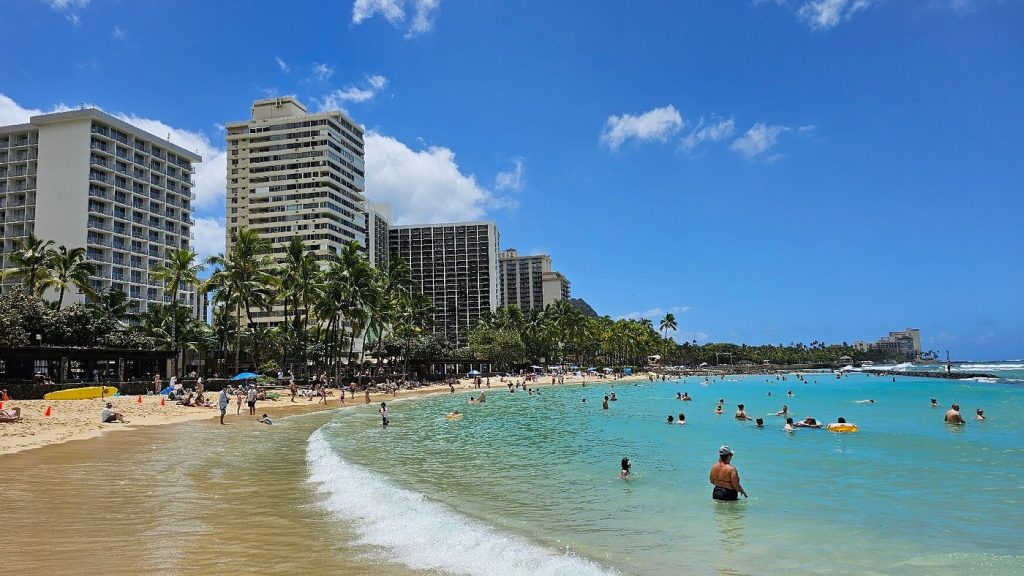
Waikiki Beach enforces strict rules designed to balance tourism and local quality of life. Smoking is prohibited across the beach and adjacent parks. Commercial photography requires permits. Surfboard storage and lesson operations follow designated zones. Loud music and amplified sound face restrictions. Enforcement remains consistent due to heavy visitor volume. These regulations help manage congestion and preserve safety. Visitors often feel surprised by the number of limitations in such a famous destination, but rules aim to maintain order in Hawaii’s most visited shoreline. Local officials emphasize compliance, visitor education, consistent enforcement, and ongoing adjustments during peak travel seasons.
Miami Beach Florida
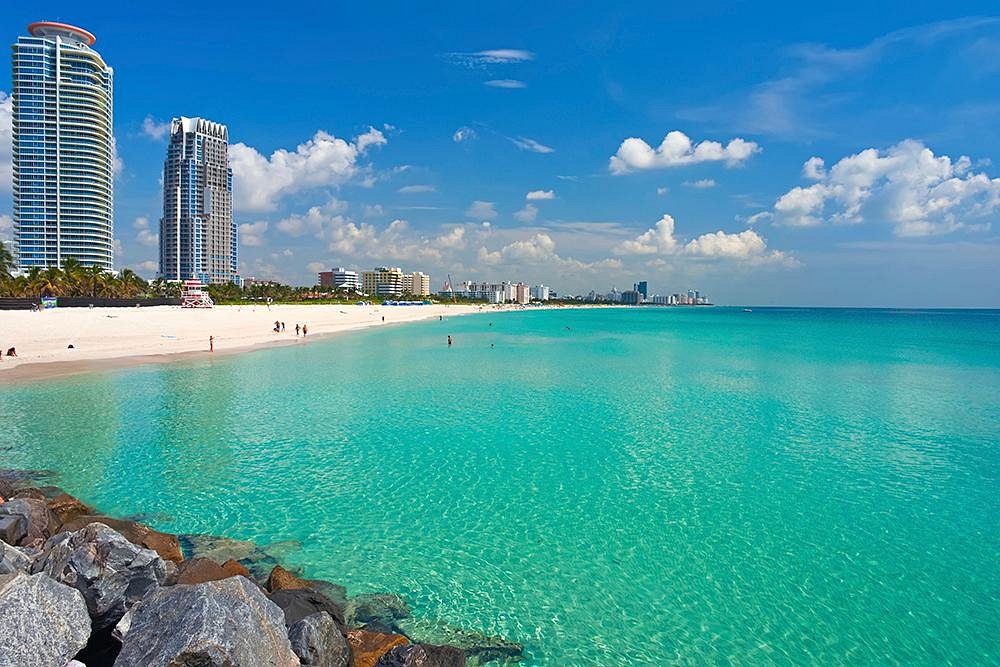
Miami Beach enforces regulations focused on crowd control and safety. Alcohol is prohibited on the beach. Coolers larger than specified sizes are banned. Loud music and amplified speakers face fines. Beach access hours are enforced overnight. Police actively monitor tourist areas. The rules intensified following safety incidents during peak seasons. Visitors unfamiliar with restrictions may receive citations. Officials emphasize family safety and public order. While the beach feels festive, compliance is required to avoid penalties in one of America’s busiest coastal destinations. Local officials emphasize compliance, visitor education, consistent enforcement, and ongoing adjustments during peak travel seasons.
Myrtle Beach South Carolina
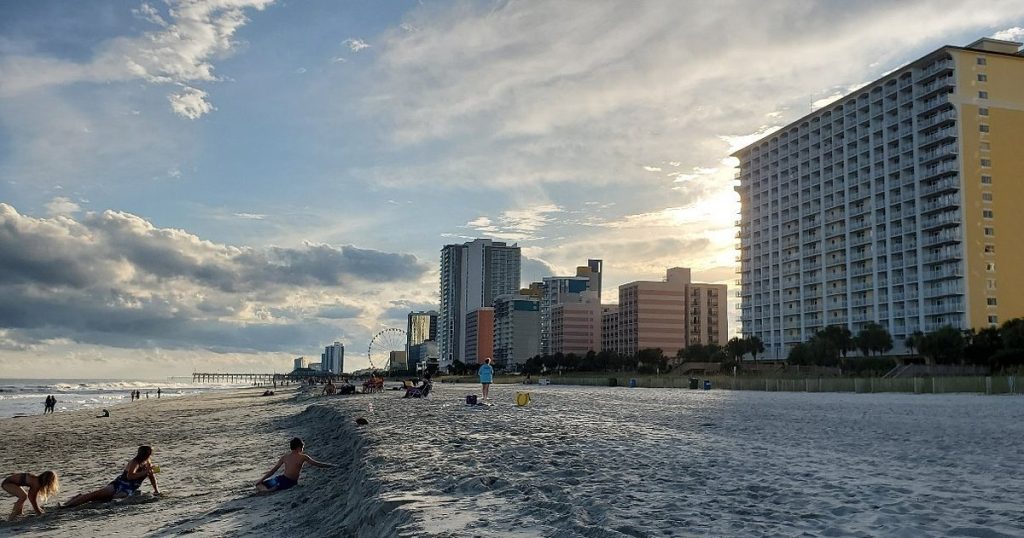
Myrtle Beach applies seasonal rules targeting tourism surges. Alcohol is banned on the beach year round. Shading structures require permits. Overnight beach access is restricted during summer. Loud music and large gatherings are limited. The city enforces helmet laws for scooter rentals near beach areas. Violations result in fines. Officials cite crowd safety and noise concerns. Visitors often expect relaxed rules, but enforcement increases during peak months. These measures aim to balance tourism with residential concerns along South Carolina’s heavily visited coastline. Local officials emphasize compliance, visitor education, consistent enforcement, and ongoing adjustments during peak travel seasons.
Huntington Beach California
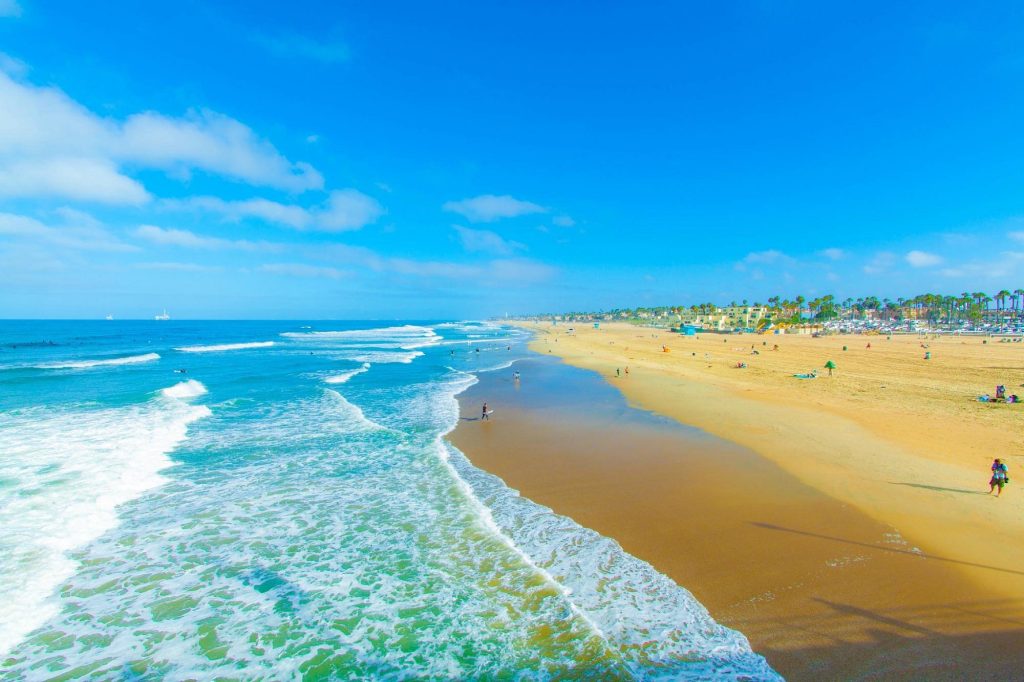
Huntington Beach enforces specific regulations to manage popularity. Alcohol is prohibited. Smoking is banned across beach areas. Fires require designated fire rings. Dogs are restricted to certain zones. Surf competitions operate under permits. Parking limits are strictly enforced. Police regularly patrol the area. Violations can result in citations. Officials prioritize cleanliness and public safety. Known as Surf City, the beach feels relaxed, yet regulations remain firm to manage large crowds and protect one of California’s most iconic coastal environments. Local officials emphasize compliance, visitor education, consistent enforcement, and ongoing adjustments during peak travel seasons.
Santa Monica Beach California
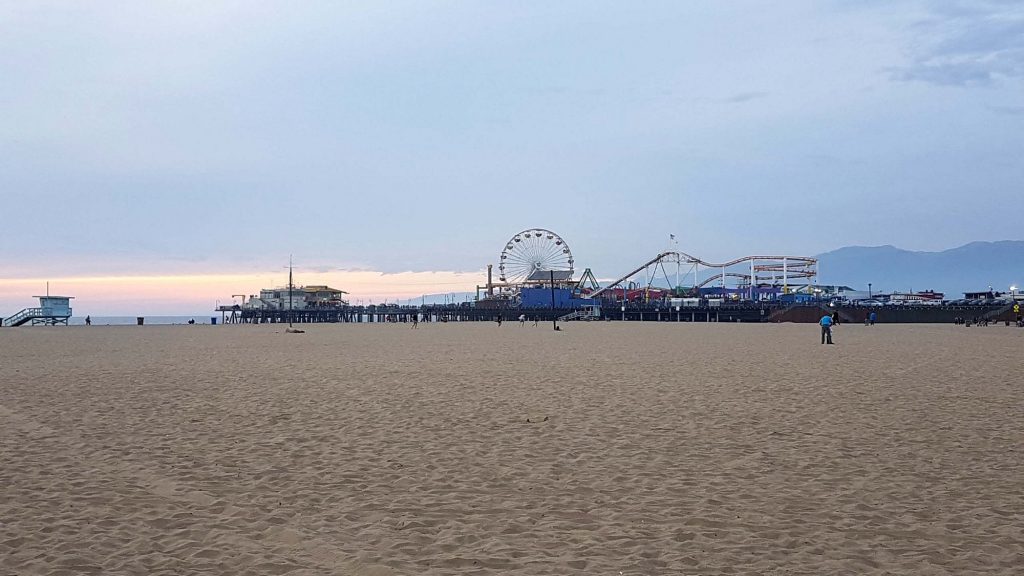
Santa Monica Beach enforces rules tied to urban safety. Alcohol and smoking are prohibited. Overnight sleeping on the beach is banned. Tents and large structures require permits. Loud music faces enforcement. Parking rules change seasonally. Police patrol tourist areas frequently. The city aims to balance tourism with residential life. Visitors often underestimate regulations due to the casual atmosphere. Enforcement remains consistent to manage crowds near the pier and adjacent neighborhoods, making compliance essential for uninterrupted enjoyment of this popular Southern California shoreline. Local officials emphasize compliance, visitor education, consistent enforcement, and ongoing adjustments during peak travel seasons.
Cannon Beach Oregon

Cannon Beach enforces environmental protection rules. Fires are restricted and require permits. Dogs must remain leashed during certain seasons. Drone usage is limited. Removing natural objects like rocks or sand is prohibited. Commercial activities require approval. The city emphasizes preservation of scenic landscapes. Visitors drawn to Haystack Rock sometimes overlook regulations. Enforcement supports wildlife protection and shoreline integrity. These rules ensure Cannon Beach remains pristine, even as visitor numbers grow along Oregon’s scenic northern coast. Local officials emphasize compliance, visitor education, consistent enforcement, and ongoing adjustments during peak travel seasons.
Laguna Beach California

Laguna Beach enforces strict coastal protections. Fires and smoking are prohibited. Drones are banned. Tents and umbrellas face restrictions. Marine protected areas prohibit collecting tide pool organisms. Alcohol is not allowed. Enforcement focuses on environmental preservation. Visitors often face fines for disturbing wildlife. The city emphasizes conservation due to fragile ecosystems. While visually stunning, Laguna Beach requires careful adherence to rules that protect its coves, marine life, and reputation as an environmentally sensitive coastal destination. Local officials emphasize compliance, visitor education, consistent enforcement, and ongoing adjustments during peak travel seasons.
Virginia Beach Virginia
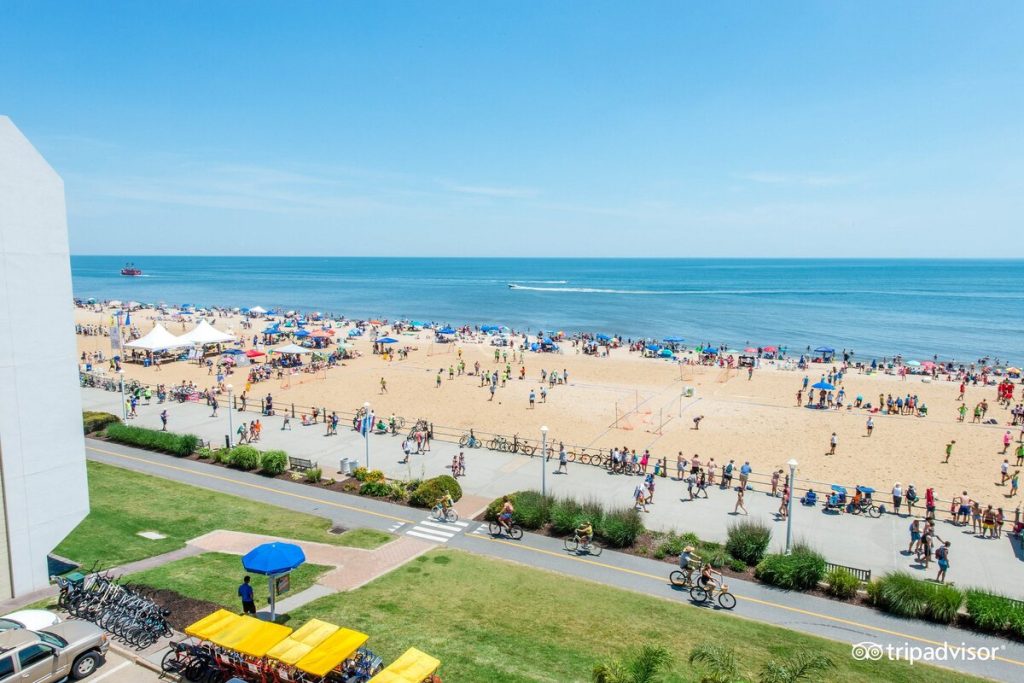
Virginia Beach enforces seasonal ordinances to manage crowds. Alcohol is prohibited. Smoking restrictions apply in designated zones. Overnight beach access is limited during summer. Loud music and large gatherings face enforcement. Fishing requires compliance with state regulations. Police patrol boardwalk areas heavily. Visitors unfamiliar with local rules may receive warnings. The city balances tourism and residential concerns. Enforcement increases during festivals and peak seasons to maintain safety along one of the East Coast’s most popular resort beaches. Local officials emphasize compliance, visitor education, consistent enforcement, and ongoing adjustments during peak travel seasons.
Assateague Island Maryland
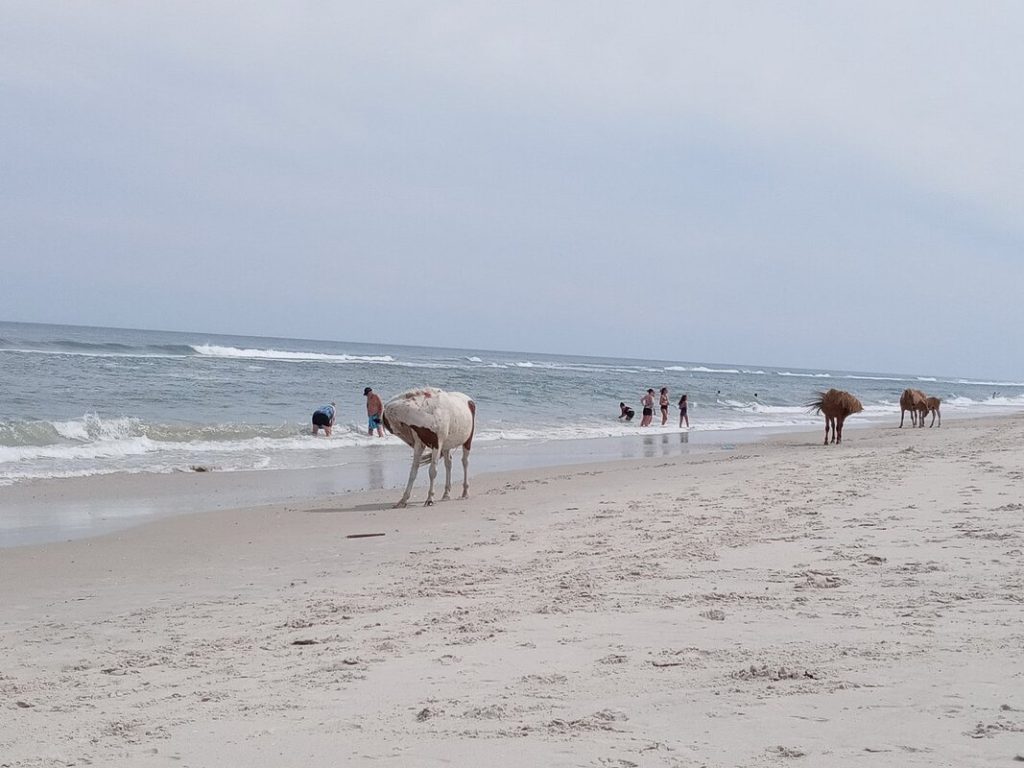
Assateague Island enforces strict wildlife protection rules. Feeding wild horses is illegal. Food storage regulations prevent animal encounters. Dogs face seasonal restrictions. Fires are limited to designated areas. Vehicle access requires permits. Camping follows specific guidelines. Rangers actively enforce rules. Visitors drawn to free roaming horses sometimes violate regulations unintentionally. These measures protect both wildlife and visitors. Assateague’s rules ensure preservation of its unique ecosystem while allowing controlled public access to this protected coastal landscape. Local officials emphasize compliance, visitor education, consistent enforcement, and ongoing adjustments during peak travel seasons.
Cape Cod National Seashore Massachusetts

Cape Cod National Seashore enforces federal regulations. Alcohol consumption is restricted. Drones are prohibited. Beach driving requires permits. Fishing follows seasonal rules. Pets face leash requirements. Removing natural materials is illegal. Rangers monitor compliance closely. Visitors often underestimate federal oversight. These rules protect dunes, wildlife, and historical sites. The seashore balances recreation with preservation, making adherence essential for visitors exploring Massachusetts’ protected Atlantic coastline. Local officials emphasize compliance, visitor education, consistent enforcement, and ongoing adjustments during peak travel seasons to safeguard fragile coastal ecosystems.
South Padre Island Texas
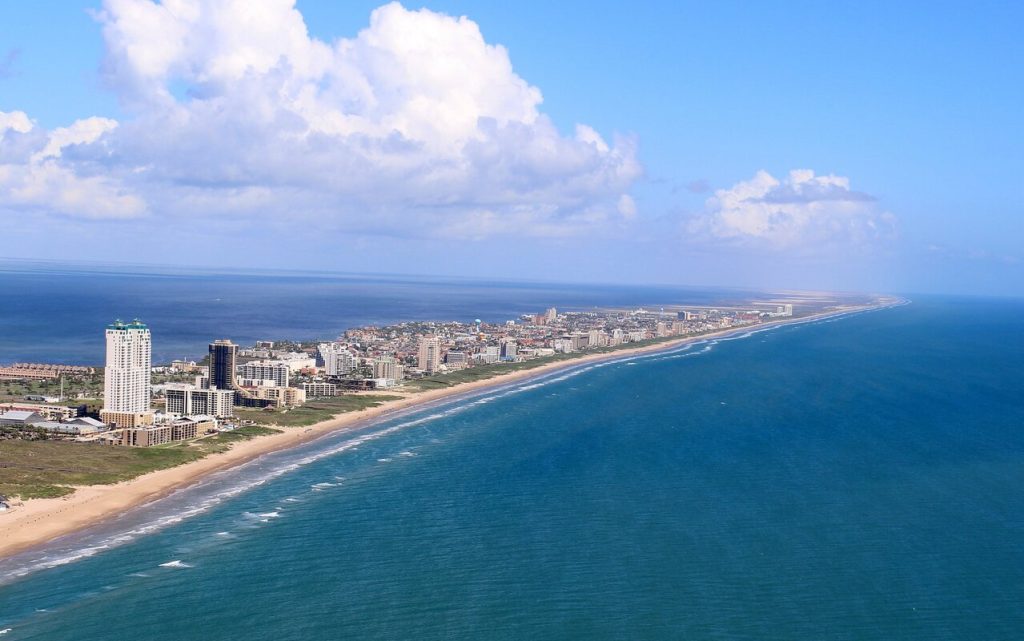
South Padre Island enforces rules tied to environmental and safety concerns. Alcohol restrictions apply during certain events. Glass containers are prohibited. Fires require permits. Turtle protection laws restrict nighttime activity during nesting season. Loud music faces enforcement. Police increase patrols during spring break. Visitors unfamiliar with seasonal rules may receive fines. These measures protect wildlife and public safety in one of Texas’s most popular beach destinations. Local officials emphasize compliance, visitor education, consistent enforcement, and ongoing adjustments during peak travel seasons to reduce ecological and safety risks, particularly during festivals, holidays, and high impact tourism periods.
Gulf Shores Alabama
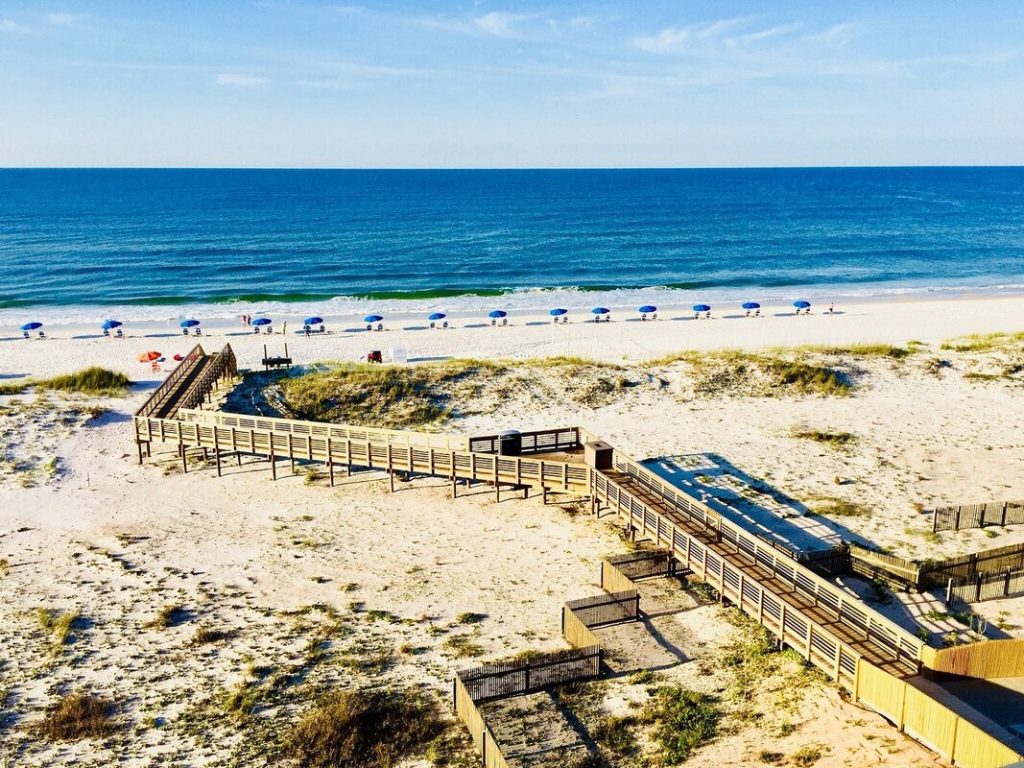
Gulf Shores enforces strict beach ordinances. Alcohol is prohibited. Smoking restrictions apply. Beach access hours are enforced overnight. Fires require permits. Wildlife protection rules limit interaction with sea turtles. Police monitor tourist zones. Visitors often underestimate enforcement. Officials prioritize family safety and conservation. These rules support sustainable tourism along Alabama’s Gulf Coast while managing heavy seasonal visitation. Local officials emphasize compliance, visitor education, consistent enforcement, and ongoing adjustments during peak travel seasons to balance tourism growth responsibly and protect sensitive coastal habitats during holidays weekends storms and major local community events periods.
Destin Florida
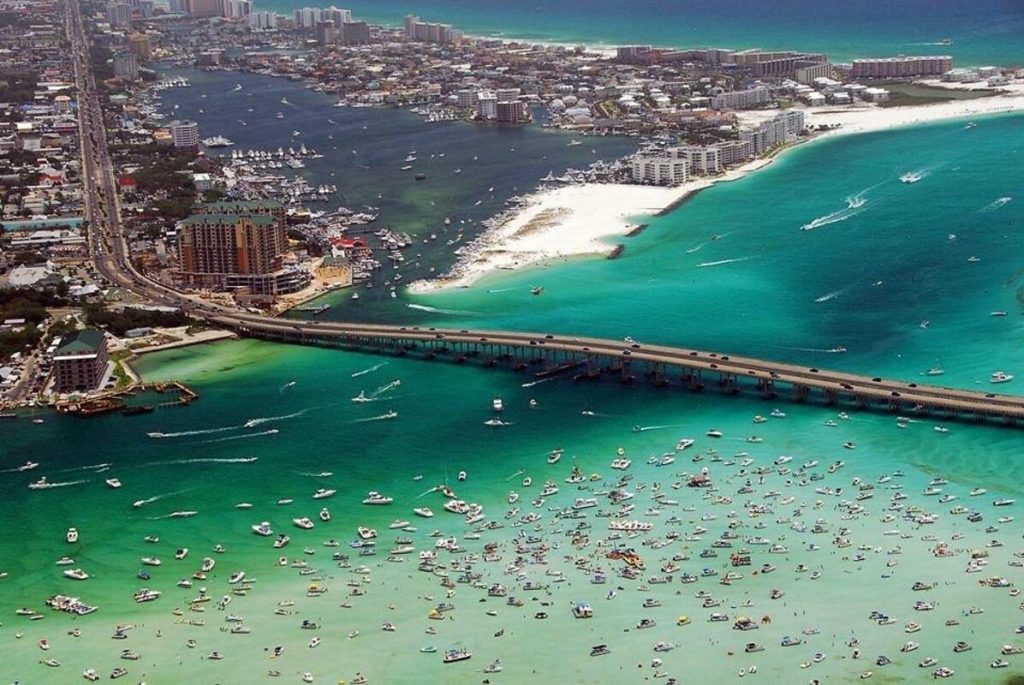
Destin enforces rules to protect white sand beaches. Alcohol restrictions apply. Glass containers are banned. Fires require permits. Marine life disturbance carries fines. Beach vendors operate under regulation. Police patrol tourist areas. Visitors often expect relaxed rules. Enforcement supports safety and environmental protection. These regulations help maintain Destin’s reputation as a family friendly destination with clean beaches and clear waters along Florida’s Emerald Coast. Local officials emphasize compliance, visitor education, consistent enforcement, and ongoing adjustments during peak travel seasons to preserve shoreline quality and visitor safety during holidays weekends storms and major local community events periods.

