


Tourist districts draw millions of visitors each year, concentrating activity, traffic, and unfamiliar surroundings into compact areas. High visitor turnover, nightlife, alcohol use, and dense crowds contribute to increased emergency calls. Medical incidents, accidents, theft reports, and lost persons frequently originate in these zones. Local emergency services track call volumes to allocate staffing and resources. This article identifies eleven tourist districts in the United States consistently associated with high emergency call activity. Each district reflects unique pressures created by tourism intensity, location design, and visitor behavior, offering insight into how popularity directly influences public safety.
Bourbon Street New Orleans
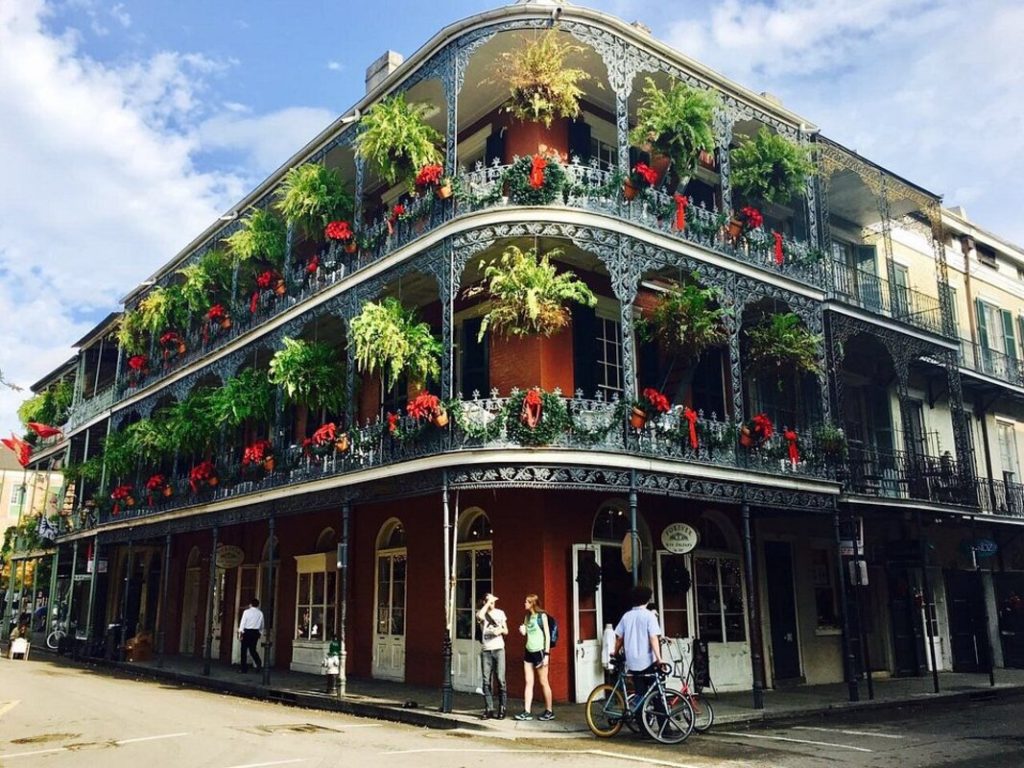
Bourbon Street in New Orleans experiences heavy emergency call volume due to dense nightlife activity. Crowds gather nightly around bars, music venues, and street performers. Alcohol related medical calls occur frequently alongside disorderly conduct reports. Narrow streets complicate emergency vehicle access. Large festivals amplify demand further. Visitors unfamiliar with surroundings contribute to lost person calls. Police, fire, and medical services coordinate closely in this district. The constant flow of tourists, combined with late hours and intense foot traffic, places sustained pressure on emergency response systems throughout the year during peak weekends and holidays each summer.
Times Square New York City
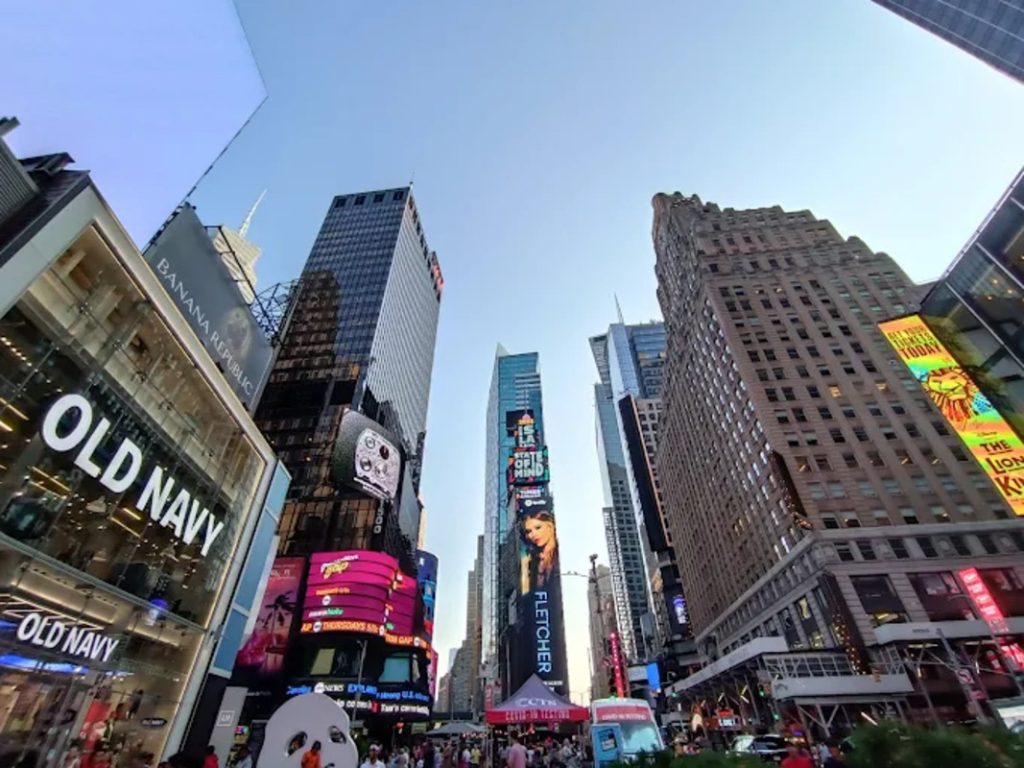
The Times Square in New York City generates high emergency call volumes because of constant crowd density within the city. Tourists, commuters, and performers converge daily in confined spaces. Medical calls often involve dehydration, injuries, or panic episodes. Traffic accidents occur frequently at intersections. Street congestion slows emergency response. Large events and demonstrations increase demand further. Visitors unfamiliar with urban hazards contribute to safety reports. Law enforcement maintains a constant presence. The district’s nonstop activity, bright distractions, and heavy pedestrian flow create ongoing challenges for emergency services responding around the clock every day.
Las Vegas Strip
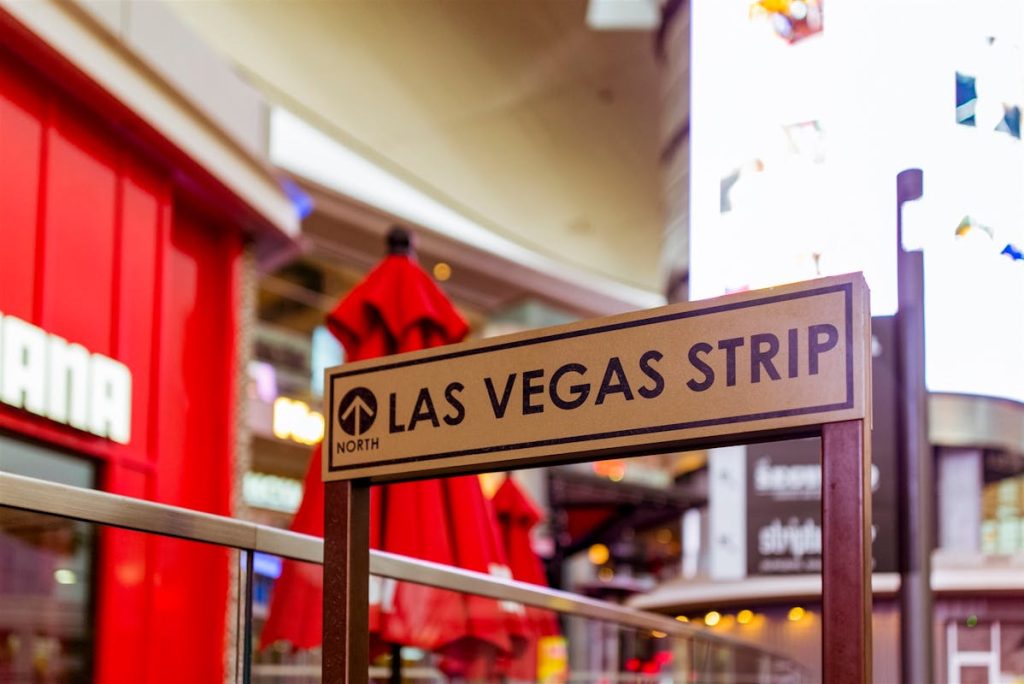
The Las Vegas Strip records significant emergency call activity tied to tourism intensity. Large resorts, casinos, and entertainment venues attract visitors continuously. Alcohol related medical incidents appear frequently. Traffic congestion and pedestrian crossings increase accident risk. Late night activity extends demand beyond typical hours. Large events and conventions add pressure. Visitors unfamiliar with surroundings contribute to lost person calls. Emergency services coordinate closely due to property scale. The Strip’s nonstop operation, concentrated attractions, and constant population turnover create sustained emergency response demands throughout the year, especially during weekends and major holiday periods.
Navy Pier Chicago
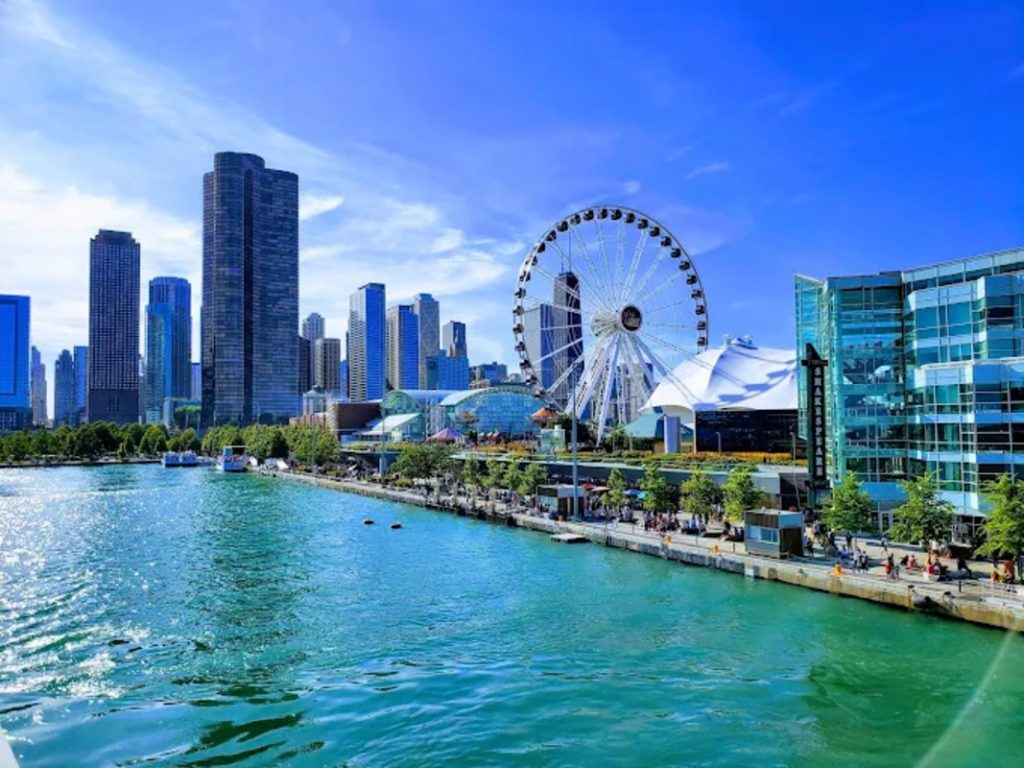
Navy Pier in Chicago generates high emergency call volumes during peak visitation. Tourists gather for attractions, dining, and seasonal events. Medical calls often involve heat exhaustion, slips, or crowd related injuries. Lakefront weather changes rapidly, adding risk. Large gatherings increase demand. Visitors unfamiliar with the pier layout contribute to lost person reports. Security and emergency services coordinate closely. The enclosed destination, combined with seasonal festivals and dense foot traffic, places sustained pressure on emergency response systems, particularly during summer months and major citywide celebrations attracting regional and international visitors alike.
Fishermans Wharf San Francisco

Fishermans Wharf in San Francisco experiences elevated emergency call activity tied to tourism density. Crowds gather near waterfront attractions, shops, and transit hubs. Medical incidents include falls, motion sickness, and dehydration. Traffic congestion and pedestrian crossings complicate response. Wildlife interactions occasionally generate calls. Visitors unfamiliar with the area contribute to confusion. Emergency services operate with constant readiness. The district’s compact layout, mixed transportation, and heavy visitor turnover create ongoing challenges for responders managing safety amid busy sidewalks, variable weather, and continuous activity throughout the year.
Hollywood Walk Of Fame
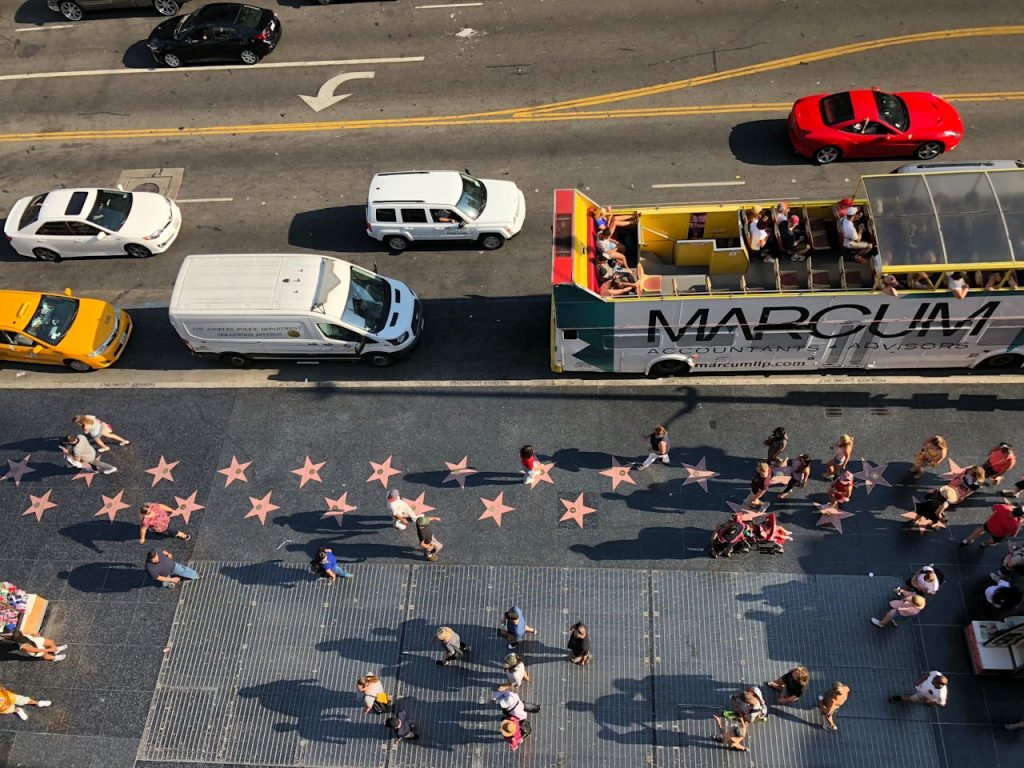
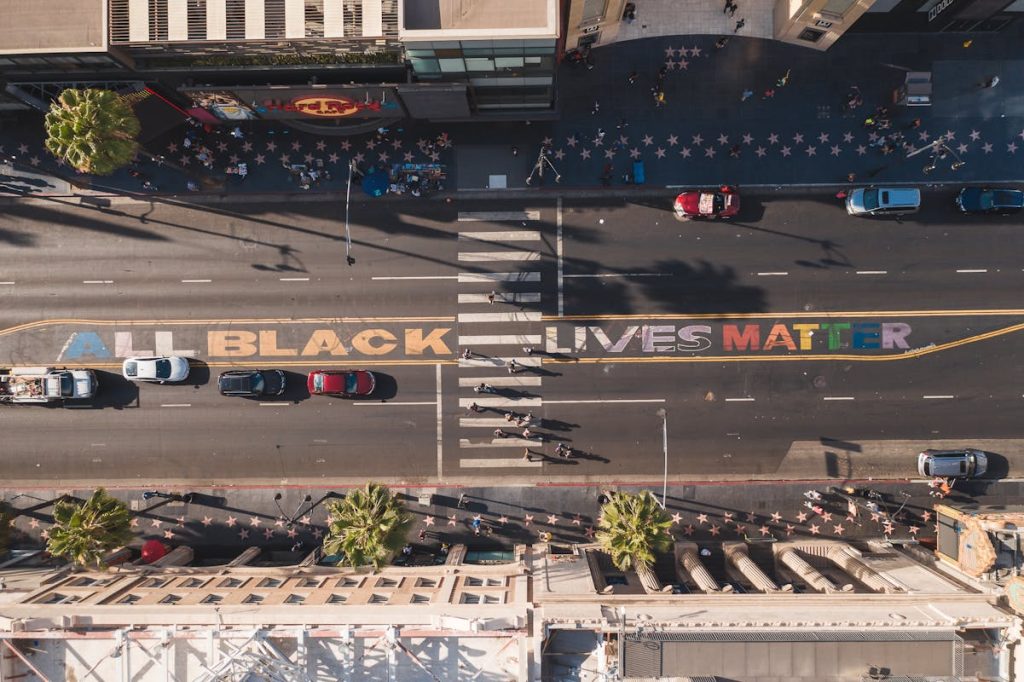
The Hollywood Walk of Fame experiences frequent emergency calls due to tourism volume. Crowds gather daily to see landmarks, performers, and events. Medical incidents often involve heat exposure, fatigue, or falls. Traffic congestion complicates access for responders. Street performers and demonstrations add unpredictability. Theft reports and disputes appear regularly. Visitors unfamiliar with the area contribute to lost person calls. The district’s mix of entertainment, pedestrian traffic, and limited space places consistent demand on police, fire, and medical response resources during busy travel seasons. Peak summer weekends and award season events intensify crowd density and emergency response complexity significantly.
South Beach Miami
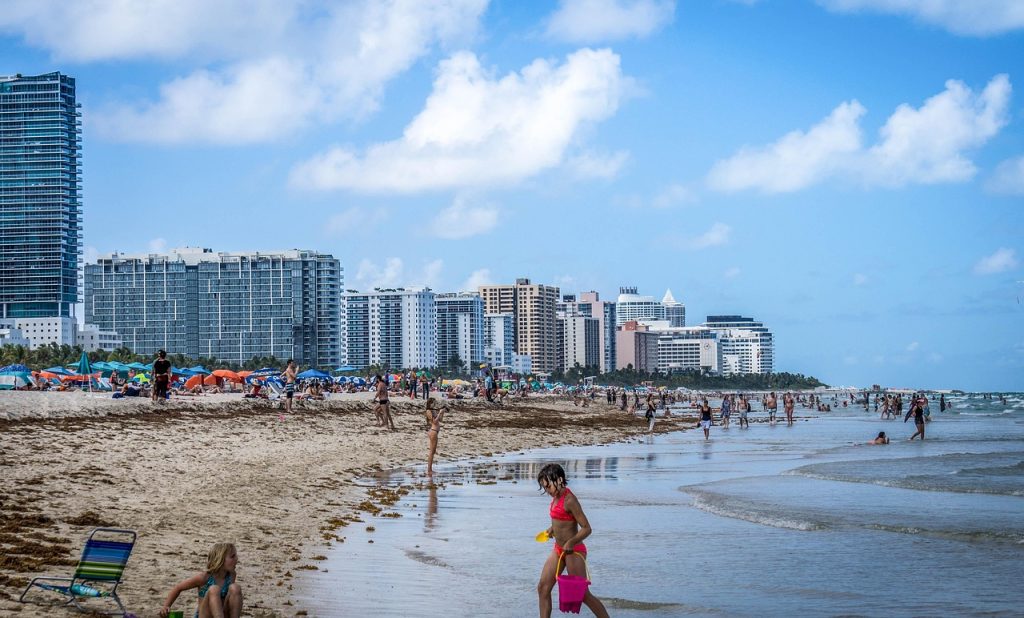
South Beach in Miami records frequent emergency calls influenced by nightlife and tourism. Crowds gather along beaches, clubs, and hotels. Alcohol related medical incidents and disputes appear often. Traffic congestion and pedestrian activity increase accident risk. Visitors unfamiliar with local conditions contribute to lost person reports. Emergency services respond regularly. The district’s mix of nightlife, coastal recreation, and dense foot traffic creates sustained pressure on police and medical responders, especially during weekends, holidays, and large cultural events drawing international visitors year round. Spring break periods and festivals sharply increase call volumes across police and emergency medical services.
Broadway Nashville
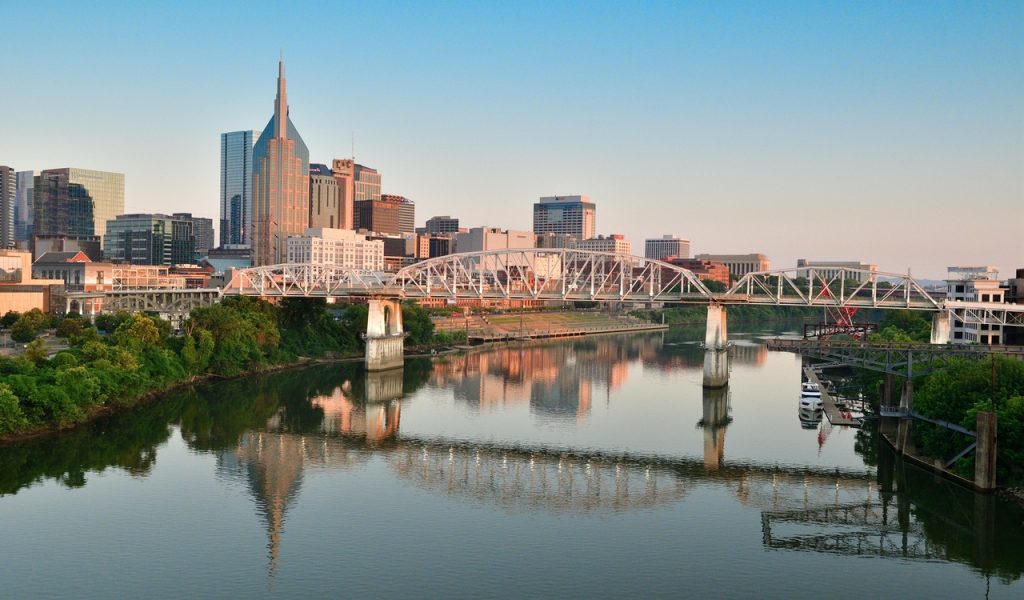
Broadway generates high emergency call volumes tied to music tourism. Bars, live music venues, and street activity attract large crowds nightly. Alcohol related medical calls and disturbances occur frequently. Traffic congestion and rideshare pickups complicate response. Visitors unfamiliar with the area contribute to lost person reports. Law enforcement maintains a visible presence. The district’s nonstop entertainment, concentrated venues, and heavy pedestrian movement create consistent emergency response needs, particularly during weekends and festival periods when visitor numbers peak sharply. Bachelorette parties and weekend concerts further concentrate visitors, amplifying strain on downtown emergency infrastructure.
Union Station Washington DC
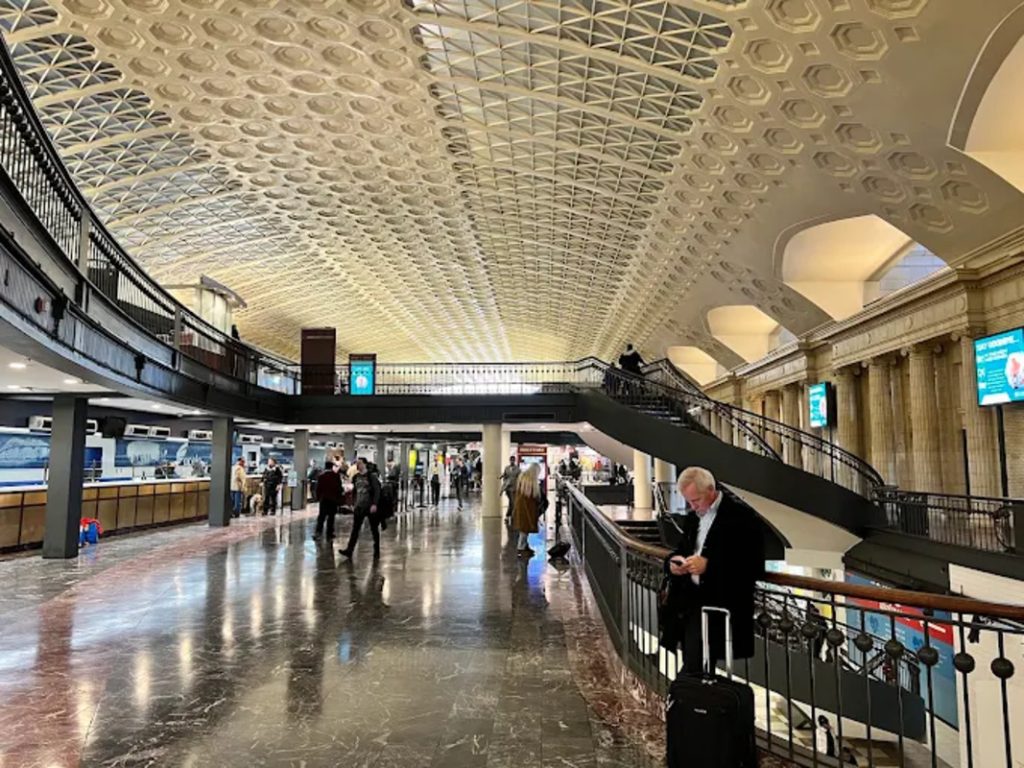
Union Station in Washington DC experiences elevated emergency call volumes due to constant foot traffic. Tourists, commuters, and travelers converge daily. Medical incidents include fatigue, falls, and stress related episodes. Security concerns increase reporting frequency. Large events and demonstrations nearby add pressure. Visitors unfamiliar with transit systems contribute to confusion. Emergency services maintain coordination. The station’s role as a transportation hub, combined with tourism and security considerations, places sustained demand on emergency response resources throughout the year. Holiday travel peaks and political events periodically escalate emergency coordination demands within the station complex.
Pike Place Market Seattle
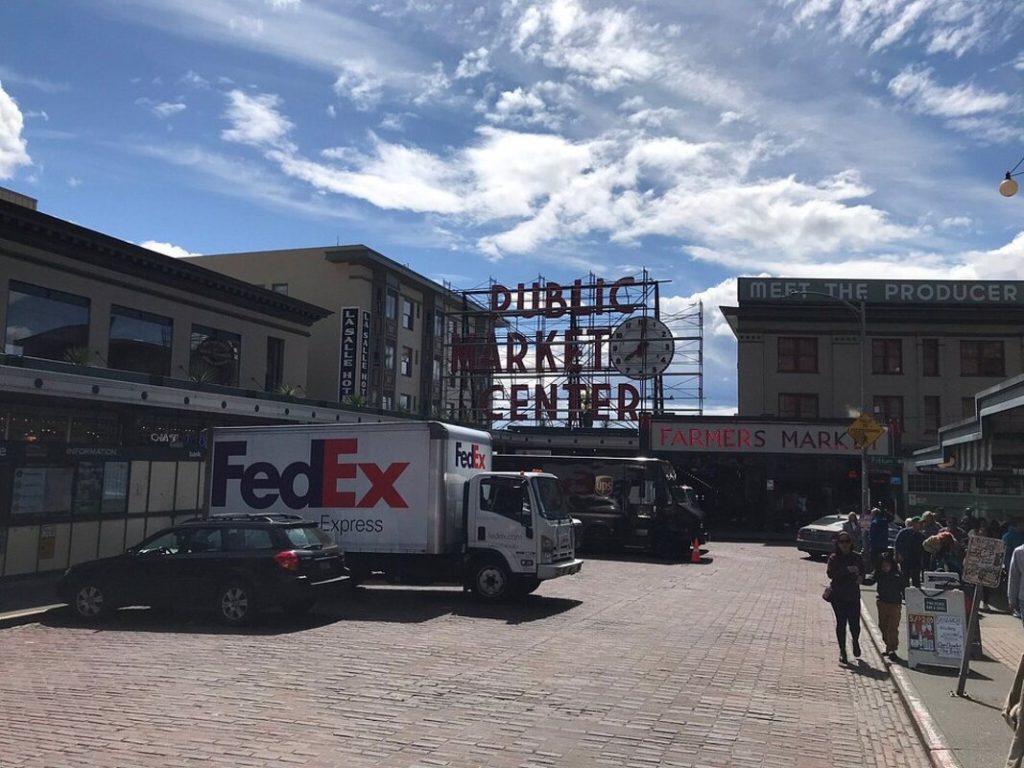
Pike Place Market in Seattle records frequent emergency calls linked to crowd density. Narrow walkways and uneven surfaces increase fall risk. Medical incidents often involve slips or fatigue. Weather conditions contribute to hazards. Large tourist volumes create congestion. Visitors unfamiliar with the layout generate lost person reports. Emergency responders navigate limited access points. The market’s historic design, combined with constant activity and variable weather, places steady pressure on emergency services managing safety in one of the city’s most visited and tightly packed public spaces. Cruise ship schedules and weekend markets routinely swell crowds, increasing emergency access challenges for responders.
Mall Of America Bloomington
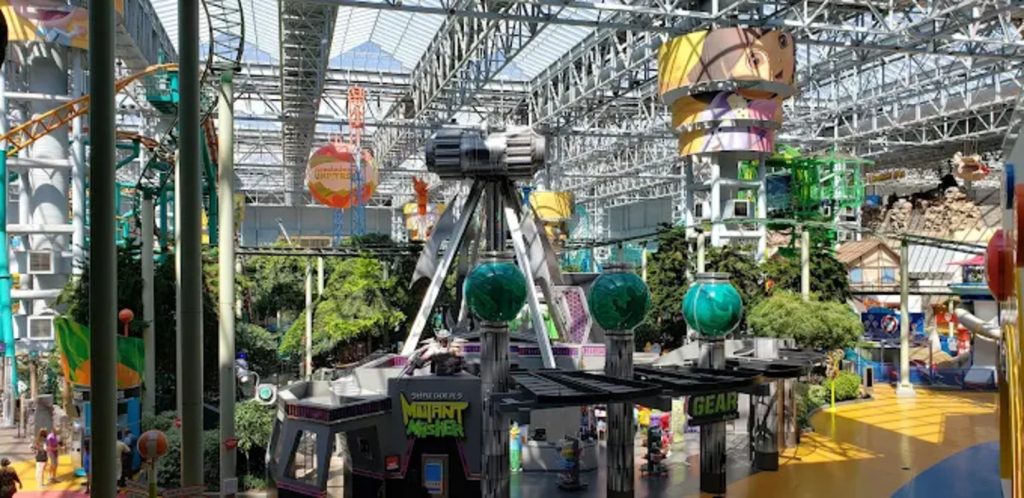
Mall of America in Bloomington generates high emergency call volumes due to scale and visitor numbers. Medical incidents include injuries, fatigue, and anxiety episodes. Large crowds complicate response times. Family tourism increases lost child reports. Events and attractions amplify demand. Emergency services maintain on site coordination. As one of the largest shopping complexes in the country, the mall’s continuous activity and diverse attractions place sustained pressure on emergency responders throughout the year, particularly during holidays, school breaks, and major promotional events. Indoor amusement attractions and seasonal retail promotions significantly elevate incident reporting frequency for emergency responders.

