


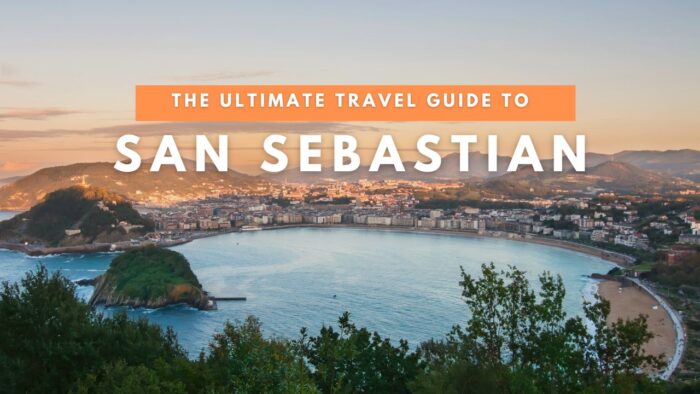
San Sebastián—known locally as Donostia—is the kind of city that sneaks up on you and then refuses to let go. At first glance, it’s impossibly pretty: a perfect crescent beach (La Concha) framed by Belle Époque architecture, green hills rising dramatically behind the city, and the deep blue Cantabrian Sea stretching endlessly ahead. But stay a little longer, and you’ll realize San Sebastián is not just beautiful—it’s deeply satisfying.
San Sebastian Travel Guide
This is a place where everyday life revolves around food, conversation, and a strong sense of local identity. Locals debate football, politics, and weather over tiny glasses of txakoli wine, hopping from bar to bar in the Old Town as if it were a nightly ritual. Surfers share the waves with fishermen at dawn, while Michelin-starred chefs shop at the same markets as grandmothers choosing tomatoes for lunch. Culture here is not staged for tourists—it’s lived.
San Sebastián is also one of Europe’s great culinary capitals, boasting one of the highest concentrations of Michelin stars per square meter worldwide. Yet the real magic happens in humble pintxos bars, where €3–5 buys you a bite so good it could change your travel priorities forever. Add world-class festivals, walkable neighborhoods, easy access to mountains and villages, and a welcoming Basque spirit, and you have a destination that feels both indulgent and grounded.
Whether you’re a first-time visitor to Spain or a seasoned traveler chasing authentic experiences, San Sebastián rewards curiosity, patience, and appetite. Come hungry—in every sense of the word.

1. Destination Overview
Why Visit San Sebastián
San Sebastián awaits as one of Europe’s most captivating destinations, seamlessly blending natural beauty, world-class gastronomy, and rich Basque culture into an unforgettable experience. This jewel of Spain’s northern coast offers something extraordinary for every traveler.
Imagine strolling along the crescent-shaped perfection of La Concha Beach, consistently ranked among the world’s most beautiful urban beaches. Picture yourself hopping between pintxos bars in the atmospheric Old Town, sampling culinary masterpieces that have earned this compact city more Michelin stars per capita than any other city on Earth. Feel the Atlantic breeze at Peine del Viento while waves crash dramatically against Chillida’s iconic sculptures.
Beyond the beaches and bars, San Sebastián captivates with its Belle Époque architecture, vibrant festivals like the thunderous Tamborrada, a world-renowned film festival, and the laid-back surf culture of the Gros neighborhood. The surrounding Basque countryside offers additional adventures through green mountains, traditional cider houses, and charming coastal villages.
Whether you’re a food lover, culture enthusiast, beach devotee, or simply seeking authentic European charm, San Sebastián delivers an enchanting experience that lingers long after you leave. This is more than a destination—it’s a way of life waiting to welcome you. Discover why locals and visitors alike fall in love with Donostia.
Best Time to Visit
San Sebastián offers distinct experiences throughout the year, with the ideal time depending on your preferences for weather, crowds, and activities. Understanding the seasonal variations helps you plan the perfect visit to this Basque coastal gem.
Summer (June-August): Peak season brings warm temperatures (20-25°C/68-77°F), perfect beach weather, and the liveliest atmosphere. July and August see La Concha Beach packed with sunbathers, while the Jazzaldia festival enlivens July and the spectacular Semana Grande dominates mid-August with fireworks and celebrations. The International Film Festival in late September attracts global cinema stars. However, summer means higher prices, crowded beaches and restaurants, and advance booking requirements. The Atlantic keeps temperatures comfortable, rarely oppressively hot, making San Sebastián ideal for those seeking pleasant rather than scorching summer weather.
Spring (April-May): An excellent time to visit, with mild temperatures (15-20°C/59-68°F), fewer tourists, and the city awakening from winter. The beaches remain quiet but pleasant for walks, pintxos bars are accessible without long waits, and hotel rates are reasonable. Spring showers occur, but typically don’t dominate the weather. The landscape bursts with green vitality, and outdoor terraces begin opening for the season.
Fall (September-October): Many consider this the sweet spot for visiting. September maintains summer warmth and fewer crowds as families return home after the school holidays. The Film Festival in late September adds cultural excitement without overwhelming the city. October brings cooler temperatures (15-18°C/59-64°F) and occasional rain, but the harvest season means exceptional produce in restaurants, txakoli wine celebrations, and beautiful autumn colors in the surrounding countryside. Surf conditions improve at Zurriola Beach as Atlantic swells increase.
Winter (November-March): The quietest season offers authentic local life, lowest prices, and minimal crowds, though weather can be challenging with frequent rain, wind, and temperatures around 8-13°C/46-55°F. However, winter has its magic—the dramatic Tamborrada festival on January 19-20 is uniquely San Sebastián, the traditional cider house season runs January through April, and stormy days create spectacular scenes at Peine del Viento. Christmas markets and decorations beautify the city in December. Winter is ideal for dedicated foodies seeking Michelin-starred restaurants and cozy pintxos bars, free of summer tourist pressure.
Weather Considerations: San Sebastián’s Atlantic location means year-round rainfall is possible—pack layers and rain gear regardless of the season. The Basque Country is famously green for good reason. Summer rarely sees prolonged rain, while winter can experience extended wet periods.
Event-Based Planning: If specific festivals matter, plan around Tamborrada (January 19-20), Film Festival (late September), Jazzaldia (mid-July), or Semana Grande (mid-August). Book well ahead for these popular periods.
Budget Travelers: Visit November through March (excluding Christmas/New Year and Tamborrada) for the best deals on accommodation, or choose the shoulder seasons of April-May and October-November for reasonable prices with better weather.
Ideal Compromise: Late May through June or September through early October offer the best balance—pleasant weather, manageable crowds, reasonable prices, and full access to beaches, restaurants, and attractions without peak season intensity.
Travel Difficulty & Duration
- Difficulty: Easy (excellent infrastructure, safe, walkable)
- Recommended Stay: 3–5 days (7 days if exploring the Basque Country)
2. Essential Travel Information
Visa & Entry Requirements
- Filipino passport holders: Schengen Visa required
- Visa-free: EU, UK, US, Canada, Australia (90 days within 180 days)
- Entry via Madrid, Barcelona, Bilbao, or directly to San Sebastián Airport (EAS)
Currency & Daily Budget (USD)
- Currency: Euro (€)
- Budget traveler: $80–120/day
- Mid-range: $150–250/day
- Luxury: $300+/day
- Pintxos: $3–5 each | Coffee: $2–3 | Michelin tasting menu: $180–350
Language & Communication
- Languages: Basque (Euskara) and Spanish
- English is widely understood in tourism areas
- Useful phrases:
- Kaixo (Hello)
- Eskerrik asko (Thank you)
- Una zurito, por favor (A small beer, please)
Transportation
Getting There:
San Sebastián’s location in Spain’s Basque Country, near the French border, offers multiple convenient access options. Whether arriving by air, rail, road, or sea, reaching this coastal gem is straightforward from major European cities and Spanish destinations.
By Air: San Sebastián Airport (EAS), located 20 kilometers east of Hondarribia, is small and offers limited flights, primarily domestic connections to Madrid and Barcelona. Most international visitors fly into larger nearby airports. Bilbao Airport (BIO), 100 kilometers west, offers the most international connections, including European flights and domestic routes. Regular buses (Pesa) connect Bilbao Airport to San Sebastián in 70-90 minutes. Biarritz Airport (BIQ) in France, 50 kilometers northeast, provides seasonal connections to various European cities with bus and taxi transfers available. Alternatively, fly into Madrid or Barcelona and connect via domestic flight, train, or bus to San Sebastián.
By Train: San Sebastián has excellent rail connections through two main stations. Renfe operates Spain’s national rail service from Estación del Norte (Atotxa station), with high-speed trains to Madrid (5-6 hours) and Barcelona (5.5-6.5 hours), as well as regional services to Bilbao, Vitoria, and beyond. EuskoTren runs regional services throughout the Basque Country. From France, direct trains connect Hendaye (just across the border) to San Sebastián in 35 minutes, while TGV high-speed trains from Paris reach Hendaye in about 4.5 hours, requiring a short connection. The scenic coastal train route offers beautiful Atlantic views.
By Bus: Several bus companies provide comfortable, affordable service. ALSA operates routes from Madrid (5-6 hours), Barcelona (7-8 hours), Bilbao (1.5 hours), and other Spanish cities, arriving at the central bus station (Estación de Autobuses). Pesa and other regional operators connect towns in the Basque Country. International buses from French cities also serve San Sebastián. Bus travel often costs significantly less than train travel while taking a similar amount of time.
By Car: Driving offers flexibility for exploring the Basque countryside and coast. From Bilbao, take the AP-8 toll motorway (about 1 hour) or scenic coastal N-634. From France, cross at Hendaye/Irun via A-8/E-70 motorway. Madrid is approximately 450 kilometers (5-6 hours) away via the A-1 and AP-1 motorways. Barcelona is about 470 kilometers (5-6 hours) via AP-2 and AP-68. Note that San Sebastián’s compact center has limited parking—consider leaving your car at the hotel parking or public garages and exploring on foot or by bus.
By Ferry: While no direct ferries serve San Sebastián, Brittany Ferries and other companies operate routes between UK ports (Portsmouth, Plymouth) and Santander or Bilbao, 100-200 kilometers away, valid for visitors bringing vehicles from Britain or Ireland.
From Within San Sebastián Airport: Taxis (approximately €35-40, 20 minutes) and buses (E21 line, cheaper but less frequent) connect the airport to the city center. Car rentals are available at the airport.
Getting Around Upon Arrival: San Sebastián is compact and walkable, with excellent local bus service (Dbus) connecting neighborhoods. Taxis and ride-sharing are readily available. The funicular railway ascends Monte Igueldo, while local trains connect nearby coastal towns. Most visitors find walking the easiest way to explore the city center, beaches, and Old Town.
Border Considerations: As part of the Schengen Area, travel between Spain and France is subject to no border controls for Schengen visa holders. EU citizens need only a valid ID, while non-EU visitors should ensure they have the correct visa documentation for both countries when crossing borders.
Best Approach: For international travelers, flying into Bilbao and taking the direct bus offers the most convenient balance of accessibility and affordability. Domestic travelers from Madrid or Barcelona can choose between comfortable trains and budget-friendly buses, depending on their preferences and budget.
Getting Around:
San Sebastián’s compact size and excellent infrastructure make it one of Europe’s most navigable cities. Most attractions lie within easy walking distance, though various transportation options ensure convenient access to every corner of this beautiful coastal destination.
Walking: The best way to experience San Sebastián is on foot. The city center, Old Town, both main beaches, and most attractions sit within a 30-40 minute walk of each other. The flat, scenic promenades along La Concha and Ondarreta beaches make strolling pure pleasure. Pedestrian-friendly streets in Parte Vieja and the city center allow leisurely exploration of pintxos bars, shops, and historic sites. Comfortable walking shoes are essential, as you’ll likely cover several kilometers daily while bar-hopping and sightseeing.
Public Buses (Dbus): San Sebastián’s efficient bus network covers the entire city and surrounding areas. Over 30 routes connect neighborhoods, beaches, and attractions with frequent service from early morning until midnight. Single tickets cost around €1.85 and can be purchased from the driver in cash or via contactless payment. Multi-trip cards (Mugi card or Barik card) offer discounted fares and are valid on public transport across the Basque Country. Key routes include lines to Monte Igueldo base, Gros neighborhood, and residential areas beyond walking distance. Bus stops display clear route information and real-time arrival updates. The Dbus app provides route planning and schedules in multiple languages.
Taxis: Licensed white taxis with green lights are readily available at designated stands throughout the city, particularly around Parte Vieja, La Concha, and major hotels. You can also hail them on the street or book via phone or apps. Fares are reasonable for the compact city—most trips within San Sebastián cost €6-12. Taxis are metered with supplements for airport trips, luggage, and late-night service. Useful for late evenings, reaching hillside attractions, or traveling with heavy bags or limited mobility.
Ride-Sharing: Cabify operates in San Sebastián, offering app-based ride booking similar to Uber (which doesn’t operate here). Prices are comparable to regular taxis with the convenience of cashless payment and upfront pricing.
Bicycles: San Sebastián is increasingly bike-friendly, with dedicated lanes along the beaches and on select streets. DBizi is the city’s public bike-share system with docking stations throughout the center. Register via the app or website, then unlock bikes for short trips—typically the first 30 minutes are free or low-cost. Several shops rent bicycles by the day for exploring the coastal paths extending toward nearby towns. The relatively flat terrain along the coast makes cycling pleasant, though hillier areas like Monte Igueldo and Urgull are challenging.
Funicular Railway: The historic Monte Igueldo funicular has been operating since 1912, climbing from the western end of Ondarreta Beach to the mountaintop amusement park and viewpoint. This charming attraction provides both transportation and experience, operating year-round with seasonal schedule variations. Tickets cost approximately €3-4 round-trip.
Scooters: Electric scooter sharing services occasionally operate in San Sebastián, though availability varies. Check the app store for current providers if interested in this option.
Car Rental: Generally unnecessary and often impractical for exploring San Sebastián itself. The compact center, limited parking, narrow Old Town streets, and excellent public transport make cars more of a burden than a benefit. However, renting a car is a good option for day trips to the Basque countryside, nearby villages such as Getaria or Hondarribia, the French Basque coast, or the La Rioja wine region. If you do drive, use hotel parking or public garages—street parking is limited and regulated.
Water Taxi: During the summer months, small boats shuttle passengers between the mainland and Santa Clara Island in La Concha Bay, operating regularly when weather permits. This short, scenic ride costs just a few euros and provides beach access to the tiny island.
Train to Nearby Towns: EuskoTren operates frequent regional trains connecting San Sebastián with charming coastal towns. The line toward Bilbao stops at Zarautz, Zumaia, and other picturesque villages. Toward France, trains reach Pasaia and Hendaye across the border. These affordable local trains offer excellent day-trip opportunities, with scenic coastal views.
Accessibility: San Sebastián is generally accessible for visitors with mobility challenges. Most buses are wheelchair-accessible; beaches have accessibility ramps and adapted facilities; and many hotels and restaurants accommodate people with disabilities. However, the Old Town’s historic cobblestone streets and some hillside areas present challenges. The tourist office provides detailed accessibility information.
Tourist Bus: Seasonal hop-on-hop-off buses operate during peak months, covering major attractions and offering multilingual commentary. While convenient for orientation, the city’s walkability makes this less essential than in larger destinations.
Navigation Tips: San Sebastián is intuitive to navigate. The bay provides constant orientation—the Old Town sits at the eastern end, Gros across the river, and beaches run along the north. Download offline maps or use Google Maps, which works excellently here. The tourist office (near La Concha) provides free city maps.
Best Strategy: Walk whenever possible to fully experience the city’s beauty and discover hidden corners. Use buses to reach outer neighborhoods, Gros, or when tired after beach days. Save taxis for late nights after pintxos bar hopping or when the weather turns poor. Reserve car rentals exclusively for exploring beyond the city. The compact, pedestrian-friendly layout means you’ll naturally find your rhythm within a day, making San Sebastián one of Europe’s easiest cities to navigate independently.
Pro Tip #1: Sit on the left side of the bus when traveling from Bilbao to San Sebastián for coastal views.
3. Top Attractions & Experiences
Must-See Landmarks

La Concha Beach
La Concha Beach in San Sebastián, Spain, is one of Europe’s most stunning urban beaches, nestled in a perfect crescent-shaped bay along the Basque coastline. The beach stretches approximately 1,350 meters between Mount Urgull and Mount Igueldo, offering golden sands and calm, sheltered waters ideal for swimming.
Its elegant promenade, lined with ornate railings and Belle Époque lampposts, provides breathtaking views of the bay and Santa Clara Island at its center. The beach has been a fashionable seaside destination since the 19th century, when Spanish royalty began summering there.
Today, it attracts both locals and tourists who come to sunbathe, swim, paddleboard, or simply stroll along the scenic waterfront while enjoying the city’s renowned pintxos culture and sophisticated coastal atmosphere.
Parte Vieja (Old Town)
Parte Vieja, San Sebastián’s Old Town, is a vibrant labyrinth of narrow cobblestone streets, rich in historic charm and culinary delights. Nestled between Mount Urgull and the Urumea River, this compact neighborhood dates back to the 12th century, though much was rebuilt after an 1813 fire.
The area is famous for its incredible concentration of pintxos bars, where locals and visitors hop from one establishment to another, sampling Basque culinary creativity. Historic landmarks include the baroque Church of Santa María and the Gothic Church of San Vicente. The bustling Plaza de la Constitución, once a bullring, now hosts lively gatherings and festivals.
Despite its popularity with tourists, Parte Vieja maintains an authentic Basque character, with traditional shops, local fishermen, and residents who preserve centuries-old traditions amid the festive atmosphere.

Monte Igueldo
Monte Igueldo is a prominent mountain rising 181 meters above sea level on the western end of San Sebastián’s stunning bay, offering panoramic views of the entire city and coastline. Visitors can reach the summit via a charming century-old funicular railway that has operated since 1912, offering a nostalgic journey up the steep hillside.
At the top sits a vintage amusement park, one of Spain’s oldest, featuring classic rides like a wooden roller coaster, bumper cars, and a haunted house that evoke a delightful retro atmosphere. The real attraction, however, is the breathtaking vista from the observation tower and various viewpoints, where visitors can gaze across La Concha Bay, the city’s elegant architecture, Santa Clara Island, and the rugged Basque coastline stretching toward the horizon.
Monte Igueldo is especially magical at sunset when the golden light bathes the bay, making it an essential stop for photographers and romantics exploring San Sebastián.

Peine del Viento
Peine del Viento, meaning “Comb of the Wind,” is a dramatic sculptural installation created by renowned Basque artist Eduardo Chillida in collaboration with architect Luis Peña Ganchegui, completed in 1977.
Located at the western end of Ondarreta Beach beneath Monte Igueldo, this iconic artwork consists of three twisted steel sculptures anchored to rocks where the Bay of Biscay’s waves crash violently against the coastline. The installation integrates seamlessly with its natural surroundings, featuring terraces and platforms with hidden blowholes that project dramatic sprays of seawater into the air during high tide and storms.
The sculptures appear to wrestle with the wind and sea, embodying the raw power of nature and the Basque people’s relationship with the ocean. Peine del Viento has become one of San Sebastián’s most photographed landmarks, drawing visitors to witness the mesmerizing interplay of art, architecture, and the untamed Atlantic elements in this spectacular coastal setting.
Hidden Gems & Local Favorites

Miramar Palace Gardens
Miramar Palace Gardens occupy a privileged promontory between La Concha and Ondarreta beaches, offering one of San Sebastián’s most enchanting green spaces with spectacular coastal views. The manicured gardens surround the elegant Miramar Palace, built in 1893 as a summer residence for the Spanish Royal Family in English cottage style with Queen Anne influences.
The lush grounds feature winding pathways lined with hydrangeas, tamarisks, and mature trees that provide shaded retreats from the summer sun. Manicured lawns slope gently toward dramatic cliff edges where visitors can admire panoramic vistas of La Concha Bay, Santa Clara Island, and the surrounding mountains. The gardens’ romantic atmosphere, enhanced by Victorian-era landscaping and ornamental features, makes them popular for leisurely strolls, picnics, and photographs.
Although the palace is not always open to the public, the gardens remain free to visit, offering a serene escape that combines natural beauty, historical elegance, and breathtaking sea views in the heart of San Sebastián’s beachfront.

Gros Neighborhood
The Gros neighborhood is San Sebastián’s trendy, bohemian district, located east of the Urumea River. It has transformed from a working-class area into one of the city’s most vibrant and youthful quarters. Once considered the less glamorous side of town, Gros has evolved into a haven for artists, students, and young professionals, featuring an eclectic mix of surf culture, innovative pintxos bars, and independent shops.
The neighborhood centers around Zurriola Beach, a favorite among surfers who brave the Atlantic’s powerful waves, creating a laid-back coastal vibe distinct from La Concha’s elegance. The Kursaal Congress Centre, designed by Rafael Moneo with its striking translucent glass cubes, anchors the waterfront as a cultural landmark, hosting concerts, film festivals, and exhibitions.
Gros’s streets buzz with craft beer bars, modern eateries, vintage boutiques, and local markets, offering an alternative, affordable experience. The neighborhood perfectly balances authentic local life with contemporary urban energy, making it increasingly popular among visitors seeking San Sebastián’s creative edge.

Basque Culinary Center (exterior & café)
The Basque Culinary Center is a striking contemporary architectural landmark located in the Miramón technology park on the outskirts of San Sebastián. Designed by Vaumm Architects, the building features bold modern lines with expansive glass facades that flood the interior with natural light while offering views of the surrounding green hillsides.
The structure’s clean, geometric design reflects the precision and innovation that characterize Basque cuisine. As a world-renowned faculty and research center in gastronomy, it underscores San Sebastián’s position as a global culinary capital. The ground-floor café, open to the public, provides an accessible taste of this gastronomic excellence, serving innovative dishes and traditional Basque specialties prepared by students and professional chefs.
Visitors can enjoy quality coffee, pastries, and seasonal menus in a relaxed contemporary setting that bridges academic innovation with everyday dining. The center’s exterior plaza and terraces create inviting outdoor spaces where food culture, education, and community converge in this temple of Basque gastronomy.
Unique Experiences
- Pintxos crawl with locals
- Surf lesson at Zurriola Beach ($40–60)
- Txakoli wine tasting in Getaria ($25–40)
Photography Hotspots
- Monte Igueldo viewpoint
- La Concha promenade at golden hour
- Zurriola surfers at sunrise
Local Secret #2: Visit Peine del Viento during rough seas—the waves create dramatic water explosions through the pavement vents.
4. Accommodation Recommendations
Budget ($50–100/night)

Hotel Arrizul Beach (Gros)
Modern, clean, and ideally located near Zurriola Beach, Hotel Arrizul Beach is ideal for budget-conscious travelers who still want style. Rooms are compact but thoughtfully designed, with comfortable beds, rainfall showers, and minimalist décor. The Gros neighborhood offers excellent pintxos bars and a younger, local vibe. Breakfast is optional but high-quality. Great value for solo travelers and couples who plan to spend most of their time exploring rather than lounging indoors.
Mid-Range ($100–250/night)

Hotel de Londres y de Inglaterra (La Concha)
A classic Belle Époque hotel directly overlooking La Concha Beach, this is one of San Sebastián’s most iconic stays. Rooms facing the sea offer postcard-perfect views, while interiors blend traditional elegance with modern comfort. The location is unbeatable—steps from the Old Town and beachfront promenade. Service is professional yet warm, and breakfast with ocean views is a highlight. Ideal for couples and first-time visitors wanting an atmosphere without full luxury pricing.
Luxury ($250+/night)

Hotel María Cristina, a Luxury Collection Hotel
This grand hotel is San Sebastián’s most prestigious address, hosting celebrities during film festivals and international events. Set along the Urumea River, it features opulent rooms, marble bathrooms, and impeccable service. The on-site restaurant and bar are refined without being stuffy. While expensive, the experience feels timeless and special—perfect for honeymooners or travelers celebrating a milestone.
Alternative Stays
- Koba Hostel: Stylish, social hostel in Gros ($30–50)
- Airbnb: Excellent options in Gros and Centro ($70–150)
- Agroturismo (farm stays) outside the city for slow travel
Pro Tip #3: Stay in Gros for better value and surf culture, and walk into the Old Town in 15 minutes.
5. Food & Dining Guide
Must-Try Local Dishes

Pintxos
Pintxos are the soul of San Sebastián—small bites typically served on bread and secured with a toothpick. Unlike tapas, they are often more elaborate, showcasing seafood, slow-cooked meats, and creative combinations.
Classics include anchovies with olive and pepper (Gilda), crab salad, foie gras, and tortilla variations. The ritual matters: order one or two per bar, enjoy, then move on. Expect to spend $15–25 for a satisfying pintxos crawl.

Bacalao al Pil-Pil
This iconic Basque dish features salted cod gently cooked in olive oil with garlic and chili, creating a natural emulsion sauce called “pil-pil.” The result is silky, rich, and intensely flavorful without heaviness.
Traditionally prepared tableside in some restaurants, it reflects Basque respect for simple ingredients and technique. Best enjoyed with crusty bread and txakoli wine. Expect to pay $20–30 at a traditional restaurant.
Txuleta (Basque Steak)
Txuleta is a massive, bone-in ribeye grilled over open flames and served rare, seasoned only with salt. Sourced from mature cattle, the flavor is intense and beefy. Typically shared between two people and accompanied by peppers and potatoes. This is a celebratory dish and a highlight of Basque cuisine. Expect $50–70 for a steak meant for sharing.
Restaurant Recommendations

La Cuchara de San Telmo (Old Town)
A standing-room-only pintxos bar beloved by locals, La Cuchara specializes in hot, made-to-order dishes rather than displaying pintxos. Highlights include slow-braised veal cheek, foie gras, and octopus. There’s no menu posted—listen to the staff and point. Prices are reasonable ($3–6 per dish), quality is exceptional, and the atmosphere is lively and authentic. Arrive early or expect to wait.
Ganbara (Old Town)
Ganbara is famous for its mushrooms—especially wild seasonal varieties sautéed with egg yolk or served atop bread. Their seafood pintxos are also top-notch. The bar is busy but well-organized, and service is efficient. Prices are slightly higher than average, but quality justifies it. A must-stop for food lovers wanting refined pintxos without Michelin-level formality.
Arzak (Alto de Miracruz)
A three-Michelin-star institution run by Chef Elena Arzak, this restaurant blends Basque tradition with avant-garde creativity. The tasting menu is a journey through textures, flavors, and storytelling, with impeccable service. While expensive ($280–350), it’s a once-in-a-lifetime experience for serious food travelers. Reservations are required months in advance.
Dietary Needs
- Vegetarian options are available but limited in traditional bars
- Vegan restaurants: Garraxi Taberna, Maiatza
- Gluten-free awareness is improving, especially in higher-end places
Local Secret #4: Avoid bars with overloaded pintxos displays—the best places cook fresh behind the counter.
6. Local Culture & Etiquette
San Sebastián’s culture is deeply rooted in Basque traditions, where community, cuisine, and cultural pride shape daily life. The locals, known as Donostiarras, are generally warm and welcoming but appreciate it when visitors respect their customs and heritage. Understanding local etiquette enhances your experience in this sophisticated coastal city.
Language and Identity: While Spanish is widely spoken, the Basque language (Euskara) holds significant cultural importance. Street signs appear in both languages, and you’ll hear Euskara spoken throughout the city. Learning a few Basque phrases, such as “kaixo” (hello) or “eskerrik asko” (thank you), shows respect for local culture, though most people readily switch to Spanish or even English with tourists.
Dining Culture: Meals follow a distinctly Spanish schedule—lunch typically runs from 2-4 PM and dinner rarely begins before 9 PM. The pintxos bar culture is central to social life, with locals standing at the bar, ordering drinks, and sampling small bites. Etiquette involves taking only one or two pintxos at a time, keeping toothpicks or napkins to track what you’ve consumed, and paying when you leave. Bar hopping (txikiteo) is the norm rather than settling in one place. Tipping isn’t obligatory, but rounding up or leaving small change is appreciated for good service.
Social Norms: Donostiarras value courtesy and personal space while maintaining warm social interactions. Greetings typically involve a handshake or two kisses on the cheeks among acquaintances. Dress tends toward smart-casual, especially in the evening—beachwear should stay at the beach. Loud or boisterous behavior, particularly late at night in residential areas, is frowned upon.
Respecting Basque Heritage: The Basque identity is distinct from Spanish identity, and locals take pride in their unique culture, traditions, and history. Avoid making assumptions or comparisons that diminish Basque distinctiveness. Political topics, particularly those related to Basque nationalism and historical conflicts, should be approached sensitively or avoided unless locals raise them.
Beach and Public Space Etiquette: La Concha and other beaches maintain high standards of cleanliness and order. Smoking is prohibited in many beach areas, and glass containers are discouraged. The promenades are shared spaces where pedestrians, runners, and cyclists coexist—stay aware of designated lanes and paths.
Festivals
San Sebastián’s festival calendar reflects its rich Basque heritage, culinary excellence, and vibrant cultural scene. The city celebrates throughout the year with events ranging from solemn religious processions to raucous street parties that showcase the passionate spirit of Donostiarran culture.
Tamborrada (January 19-20): San Sebastián’s most iconic festival honors the city’s patron saint. At midnight on January 19th, the mayor raises the city flag in Constitution Plaza, launching 24 hours of non-stop drumming. Thousands of participants dressed as soldiers and cooks march through the streets in organized drum corps (sociedades), creating a thunderous rhythmic celebration. The entire city participates, with neighborhoods forming their own groups. Children have their own Tamborrada during the day. The festival concludes at midnight on January 20th with the lowering of the flag, followed by the singing of the “Marcha de San Sebastián.”
Semana Santa (Holy Week, March/April): Easter week brings solemn religious processions through the Old Town, featuring elaborate floats and hooded penitents. While more subdued than Andalusian celebrations, the processions maintain deep spiritual significance and showcase centuries-old traditions.
San Sebastián Day (January 20): Following the Tamborrada, this public holiday features special masses, cultural events, and community gatherings celebrating the city’s patron saint.
Aste Nagusia/Semana Grande (mid-August): The “Big Week” is San Sebastián’s largest summer festival, running for nine days in mid-August. The celebration includes fireworks competitions over La Concha Bay (considered among Europe’s best), concerts, traditional Basque rural sports, bullfights, parades, and endless street parties. The Old Town transforms into a massive outdoor celebration with music stages, food stalls, and dancing until dawn.
San Sebastián International Film Festival (September): Founded in 1953, this prestigious festival attracts international cinema stars, directors, and industry professionals. The festival features red-carpet premieres, award ceremonies, and public screenings throughout the city, transforming San Sebastián into a glamorous cultural hub for 10 days.
Jazzaldia (July): One of Europe’s oldest and most respected jazz festivals has been running since 1966. International and local artists perform across multiple venues, from the stunning Kursaal auditorium to outdoor stages with bay views, creating an unforgettable atmosphere for jazz enthusiasts.
Caldereros (late January/early February): This traditional carnival features participants dressed as itinerant tinsmiths (caldereros) who historically traveled through Basque villages. The procession through the Old Town includes music, dancing, and satirical performances.
Korrika (every two years, spring): This unique Basque language relay race passes through San Sebastián as part of a route covering the entire Basque Country. Participants run day and night carrying a baton, celebrating and promoting the Euskara language and culture through a massive grassroots movement.
Santo Tomás (December 21): This traditional Basque festival celebrates the winter solstice with markets selling local products, particularly txistorra sausage and talo (corn flatbread), along with ample sagardoa (cider). The Old Town fills with locals in traditional dress, live music, and festive atmosphere.
Concha de Oro (Musical Fortnight, August): This classical music festival features renowned orchestras and soloists performing in the elegant Kursaal auditorium, offering high-quality concerts throughout the summer season.
Reconquista and Alarde (September 8): This controversial military parade commemorates the city’s reconstruction after the 1813 fire and features participants in period military uniforms marching through the streets.
These festivals reveal San Sebastián’s soul—a city that honors tradition while embracing contemporary culture, where community celebration, artistic excellence, and Basque identity intertwine throughout the year.
7. Practical Tips & Safety
- Very safe city; watch for pickpockets in Old Town
- Pack layers—weather changes quickly
- Bring comfortable walking shoes (cobblestones)
- Tap water is safe and excellent
Emergency Numbers
- Police: 112
- Pharmacies marked with green crosses
Pro Tip #5: Carry cash for pintxos bars—some don’t accept cards for small amounts.
8. Suggested Itineraries
3-Day Express
Day 1: Old Town & Beaches
Morning
- Start at La Concha Beach for a morning stroll along the promenade
- Walk up Monte Urgull for panoramic city views (45 min hike)
Afternoon
- Explore Parte Vieja (Old Town)
- Visit the San Telmo Museum for Basque history and culture
- Lunch: Pintxos crawl on Calle 31 de Agosto
Evening
- Sunset at La Concha Beach
- Dinner: More pintxos on Calle Fermín Calbetón (try Bar Zeruko, La Cuchara de San Telmo)
Day 2: Mount Igueldo & Gros
Morning
- Take the funicular up Monte Igueldo for stunning bay views
- Visit the small amusement park at the top
Afternoon
- Lunch in the Gros neighborhood
- Relax at Zurriola Beach (surfer’s beach)
- Browse the San Martín Market
Evening
- Walk along the Kursaal cultural center
- Dinner in Gros (try Bodegón Alejandro for traditional Basque cuisine)
Day 3: Day Trip or Cultural Immersion
Option A: Stay Local
- Morning cooking class (learn to make pintxos)
- Visit Miramar Palace and gardens
- Afternoon at Ondarreta Beach
- Evening: Fine dining at a Michelin-starred restaurant (Arzak, Akelarre – book ahead!)
Option B: Day Trip
- Getaria (30 min) – charming fishing village, visit Balenciaga Museum
- Hondarribia (40 min) – medieval walled town on the French border
- Return for evening pintxos
Essential Tips
- Best pintxos bars: Bar Nestor, Gandarias, Atari Gastroteka
- Book restaurants in advance, especially Michelin-starred spots
- Pintxos etiquette: Order drinks, try 1-2 pintxos per bar, move on
- Consider a San Sebastián Card for discounts
Enjoy your trip!
Off-the-Beaten-Path
- Hiking Monte Ulia
- Rural Basque villages
- Farm-to-table sidrerías (cider houses)
Closing: Let San Sebastián Change Your Travel Standards
San Sebastián is not a city you simply “see”—it’s one you taste, feel, and remember. It welcomes you with the salty air of the Bay of Biscay, the curve of La Concha’s golden sand, and the murmur of voices drifting out of pintxo bars into narrow, cobbled streets.
Here, you slow down. You linger over each bite, each glass of txakoli, and each conversation. The city reveals how closely food, culture, and landscape are woven together: fishermen unloading the morning’s catch, chefs turning simple ingredients into elegant small plates, locals filling bar counters and plazas with easy laughter.
Whether you come for the waves breaking at Zurriola, the green hills and farmhouses beyond the city, or the world-class cuisine that has made this coastal town a culinary destination, you’ll leave with a deeper appreciation for simple pleasures done exceptionally well.
Come hungry—for flavor, for stories, and for new experiences. Come curious, ready to wander, to follow the scent of grilling seafood or the sound of music down a side street. And don’t be surprised if, somewhere between your first pintxo and your last sunset over the bay, you start planning your return before you’ve even left.
San Sebastian Travel Tour Packages You Should Try
Follow and subscribe to OutofTownBlog.com on Facebook , Twitter, Instagram, Pinterest, and YouTube for more Travel-related updates.
Read:

