


Some attractions are so famous that the visit starts to feel like a reservation kept on a clock. Timed entry, one-way paths, and narrow windows can protect delicate spaces and keep lines from spilling into streets. But they also change the mood. Instead of drifting, visitors track minutes, follow ropes, and make fast choices about what to absorb and what to skip. Awe still arrives, yet it comes with gentle pressure, like beauty viewed in motion rather than held in stillness.
Paris, France (The Louvre)
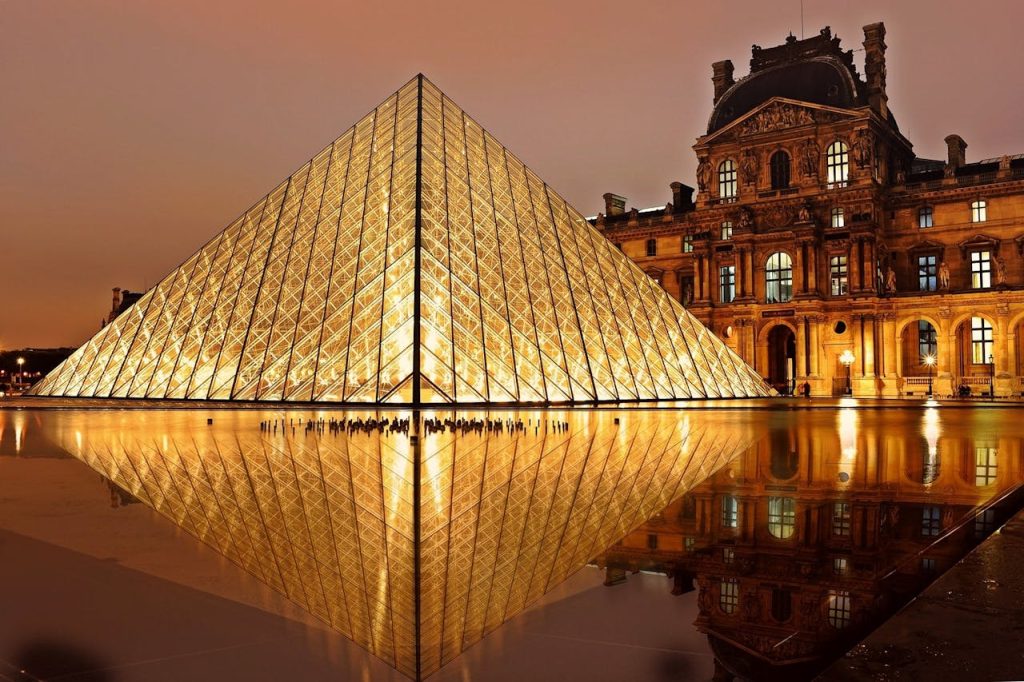
Paris has learned to manage its famous museum with timed entry, security checks, and a firm rule about exits. A slot comes with a narrow arrival window, so the first stretch can feel like moving through checkpoints instead of easing into the galleries. Inside, the crowd thickens near the headline works, and the flow nudges people along; lingering can mean blocking a doorway while a line forms behind. In peak season, guided groups pause in clusters, and the urge to see everything turns the visit into a brisk checklist. Even in quieter wings, signs and staff cues push the pace, so slow looking becomes a choice made against the tide. Still rush.
Versailles, France (Palace Of Versailles)
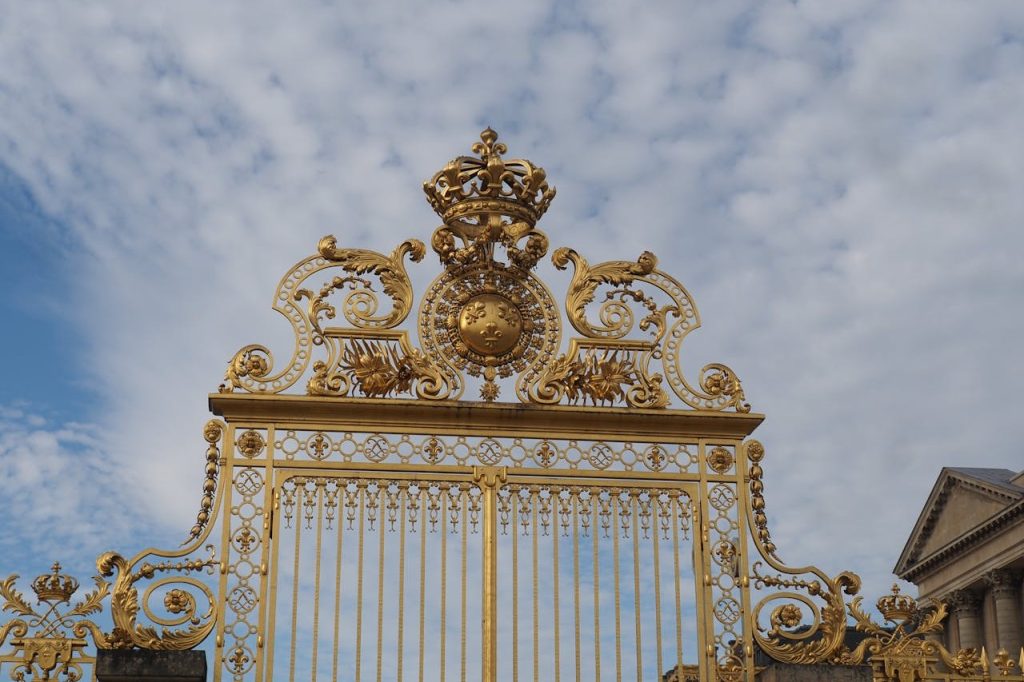
Versailles runs on reservations, and the schedule shapes the mood before the gates even appear. Entry windows are tight, lines can swell, and a late arrival may mean trading a calm approach for a tense shuffle through security and into packed corridors. Inside, the Hall of Mirrors and key state rooms create a moving current, so visitors pause, take a quick look, and step aside to keep traffic flowing. Crowd-control ropes keep shoulders aligned, and even the best rooms are often enjoyed in fragments between shifting pockets of people. The gardens loosen the pace, but palace rooms can feel timed, with footsteps behind, cues ahead, and no pause.
Vatican City (Vatican Museums)
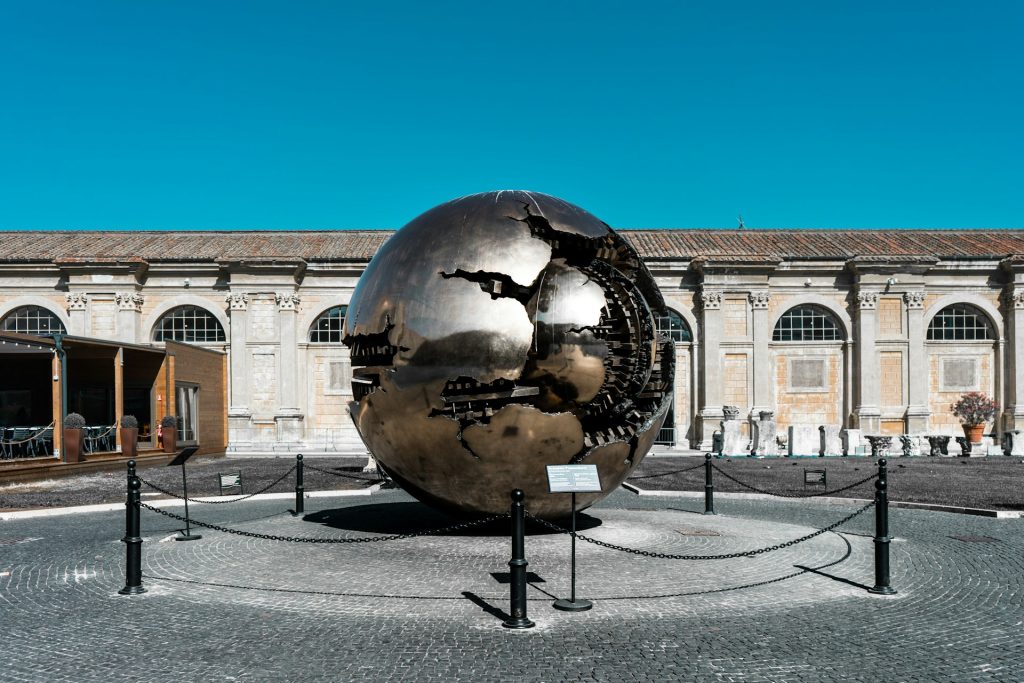
The Vatican Museums are laid out like a long river of rooms that steadily carries visitors toward the Sistine Chapel. Timed tickets help manage demand, yet security lines can still run long, so the day starts with a clock already ticking. Inside, the pace is set by the crowd, not the eye; narrow corridors and one-way routing make stopping feel like creating a bottleneck. Many skim tapestries, maps, and galleries to keep up, saving quieter reflection for courtyards after the main surge passes. Even the final chapel moment can be brief, with staff urging silence and forward motion, so awe lands in flashes before the exit. It feels hurried, too.
Rome, Italy (The Colosseum)
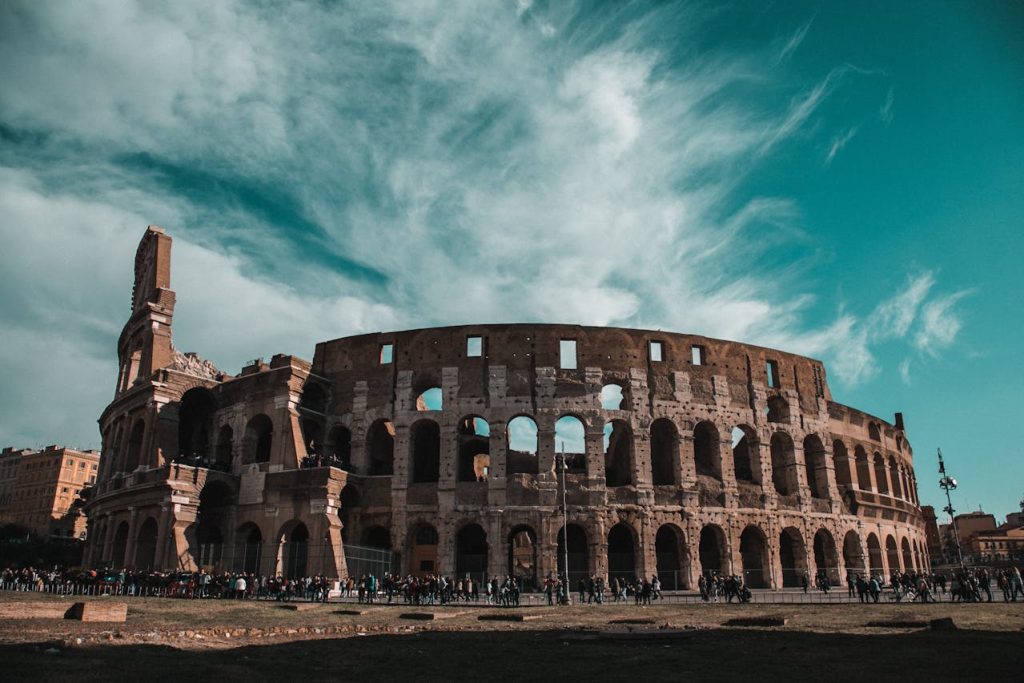
The Colosseum’s scale suggests a slow circuit, yet the visit often runs in bursts shaped by entry times and packed ramps. Groups funnel through the same arches and viewpoints, and the pressure to keep moving grows as fresh arrivals spill in behind them. Visitors take wide photos, read a few signs, and drift onward to avoid becoming the standstill point on a narrow passage. Heat, security pauses, and timed add-ons can turn the monument into something admired while walking, not studied while still. The Forum and Palatine may be calmer, but the main bowl often feels like a moving loop where each pause is negotiated with the crowd. Not much time.
Barcelona, Spain (Sagrada Família)
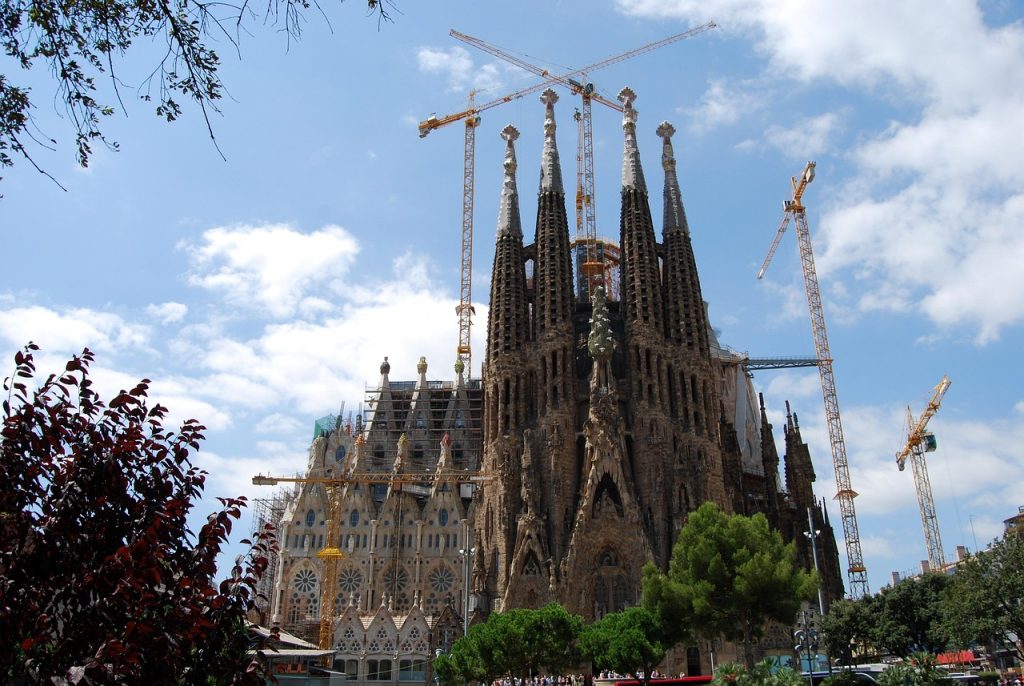
Sagrada Família looks built for lingering, but the visit often carries urgency once the line begins to move. Timed entry and security checks compress the start, and dense foot traffic pushes people to admire the stained glass in short pauses before stepping aside. Tower access and guided routes add another layer of pacing, turning stillness into a small window that must be used well. The basilica rewards patience, yet on busy afternoons the crowd’s rhythm decides how long any view can be held. Visitors often drift toward the same angles for photos, then move on quickly, leaving quieter side chapels as brief refuges. The calm comes in seconds.
Barcelona, Spain (Park Güell)
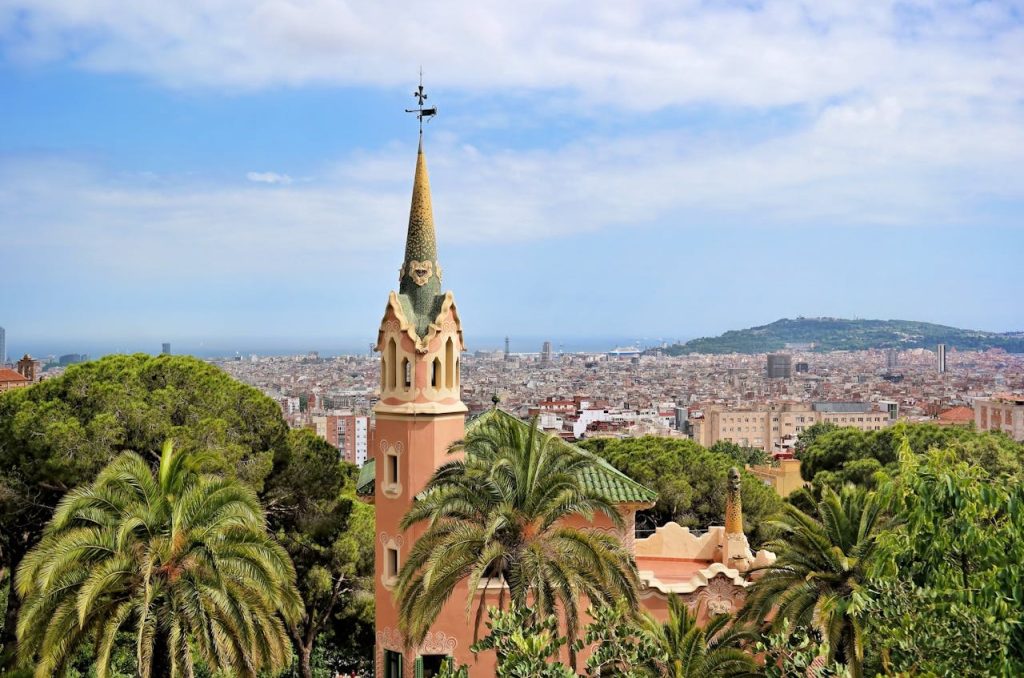
Park Güell’s monumental zone can feel like a scenic appointment rather than an open-ended park day. Entry is tied to a specific time with a brief grace period, and leaving ends the visit, which makes many treat it like a circuit to complete. People head straight for the terrace, the serpentine bench, and the best angles before the crowd thickens, then move on to stay on schedule. Pathways narrow near the signature tiles, so the stop becomes a photo relay, with polite sidesteps replacing slow appreciation. The wider park beyond can be calmer, but many visitors do not linger there, because the ticketed zone feels like the main event. Time wins.
Granada, Spain (The Alhambra)
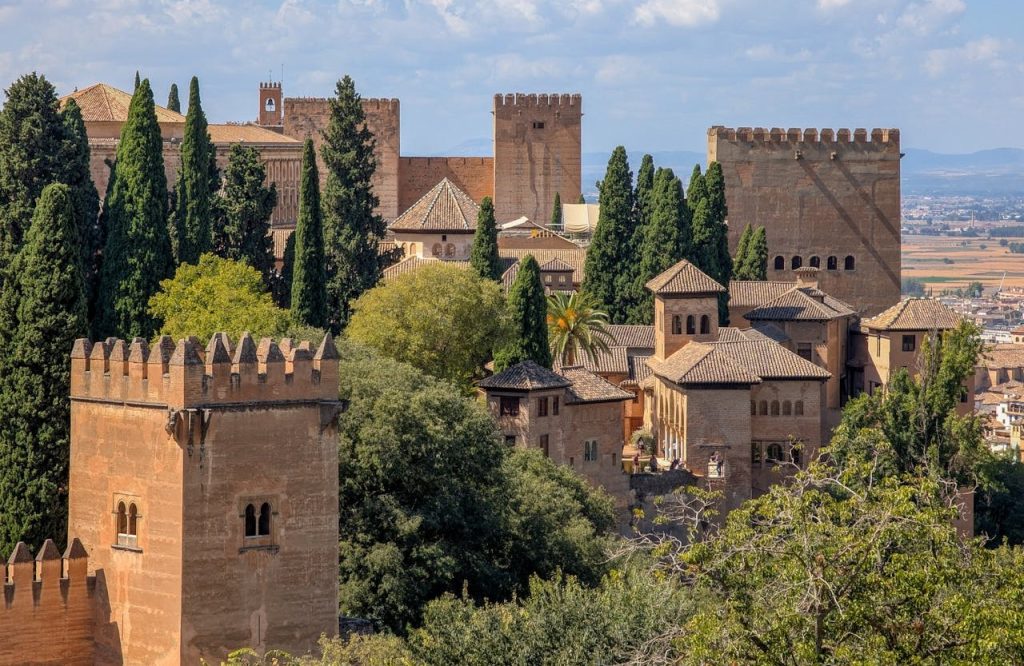
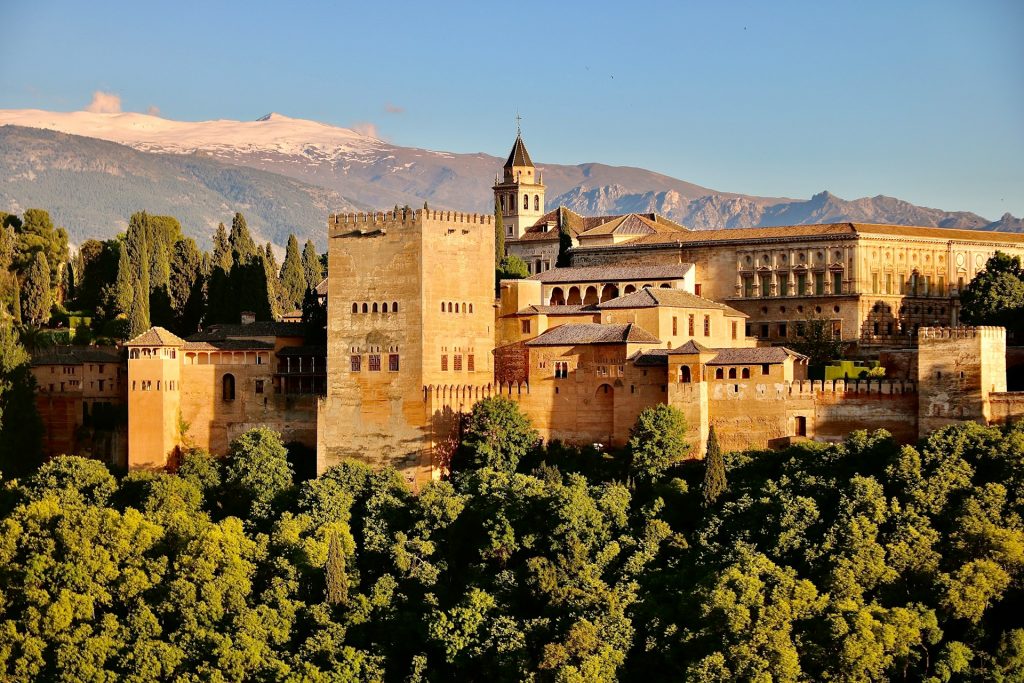
The Alhambra invites slow attention, yet the Nasrid Palaces set a strict rhythm because entry hinges on the printed time slot. Missing it can mean losing the palace visit, so arrivals often feel hurried up the hill, watching minutes slip. Inside, groups stack behind one another in carved halls, and the pressure to keep walking can flatten the experience into quick glances at details. Other parts of the complex offer room to breathe, but the palaces often feel like the day’s tightest corridor. Courtyards and fountains still soothe, yet many visitors keep checking watches, knowing one slow pause can put them behind the flow. Beauty, then speed.
Amsterdam, Netherlands (Anne Frank House)
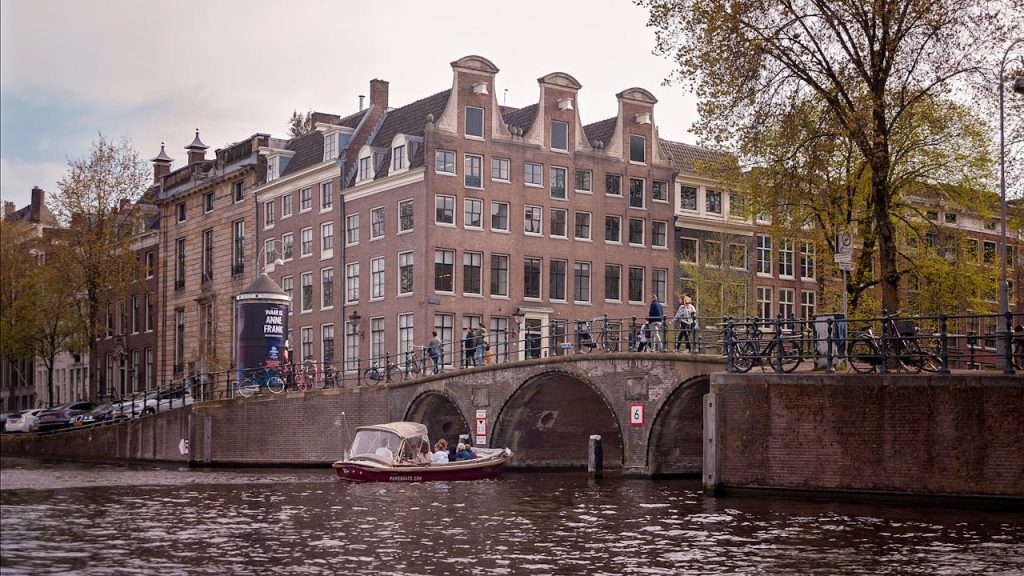
The Anne Frank House is intimate and narrow, so crowd management is unavoidable from the moment the ticket is booked. Time slots are limited and released in batches, which frames the visit as a secured appointment rather than a casual drop-in. Inside, the route is one-direction and space is tight, so visitors move with the flow, pausing briefly before stepping aside for the next group. The experience can feel compressed, with reflection often arriving after the exit, once the canal air and quiet streets return. Staff keep movement gentle but steady, and the building’s limits mean even respectful silence must share the same narrow rooms. Soon.
Venice, Italy (St. Mark’s Basilica)
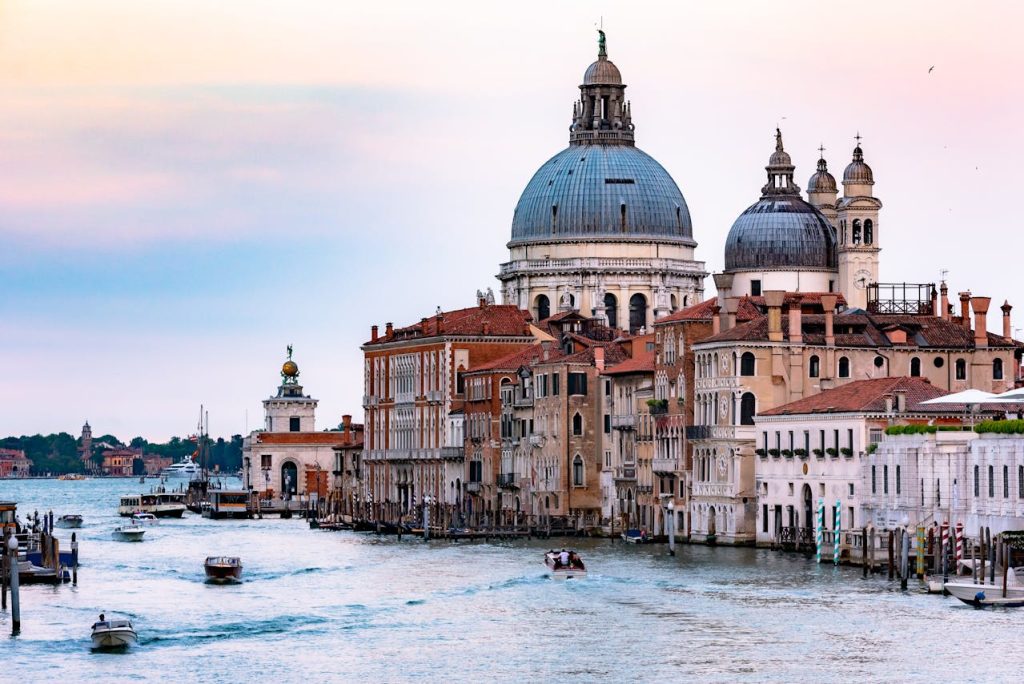
St. Mark’s Basilica can feel like a jewel seen in motion, because crowd control encourages steady forward movement. Entry windows and checks shape the start, and popular mosaics create instant clusters that dissolve as staff guide traffic onward. Pauses are short, not from lack of wonder, but from the need to keep aisles clear while more visitors stream in behind. Many settle for quick upward looks, then step back into the piazza, where space finally returns and the eyes can rest. On peak mornings, even a long look feels borrowed, so people choose one detail, take it in, and let the current carry them out. The beauty stays, but the pace wins.
Machu Picchu, Peru
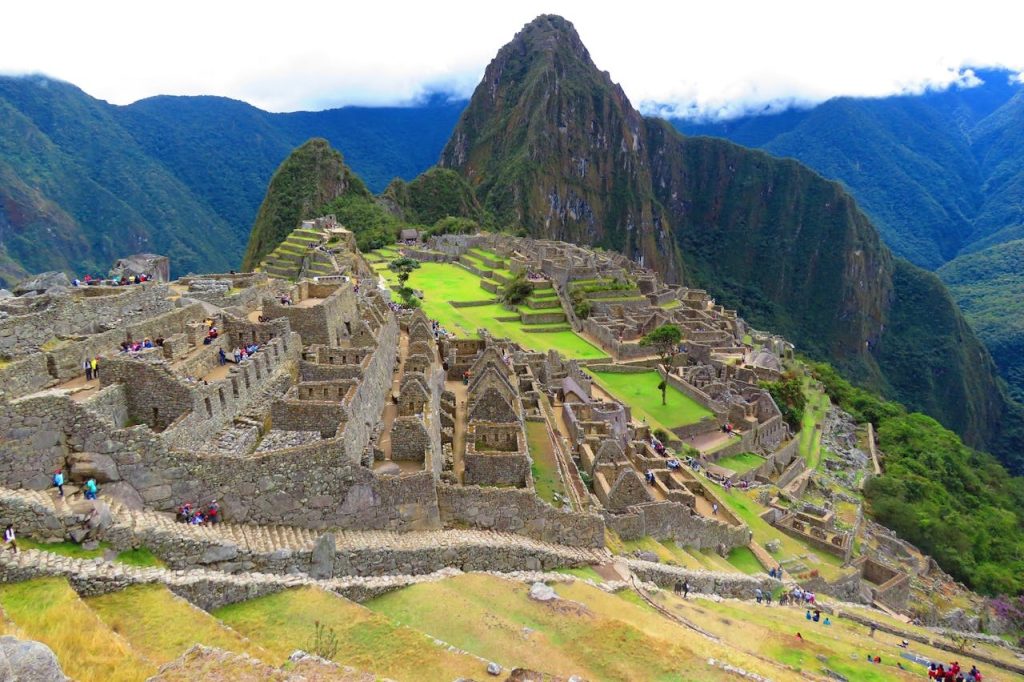
Machu Picchu now runs on defined circuits and set time blocks meant to protect the site and manage heavy demand. That structure trims the old freedom to wander, so the citadel can feel like a guided corridor even without a guide speaking. Pause too long at a viewpoint and the group behind closes in, creating polite pressure to move on, even when the light turns perfect. The setting remains unforgettable, yet many leave wishing there had been space for silence, careful photos, and the smaller stone details. Staff and signs keep the flow orderly, which helps preservation, but it can also make the visit feel measured rather than discovered. Fast
New York City, USA (Statue Of Liberty)
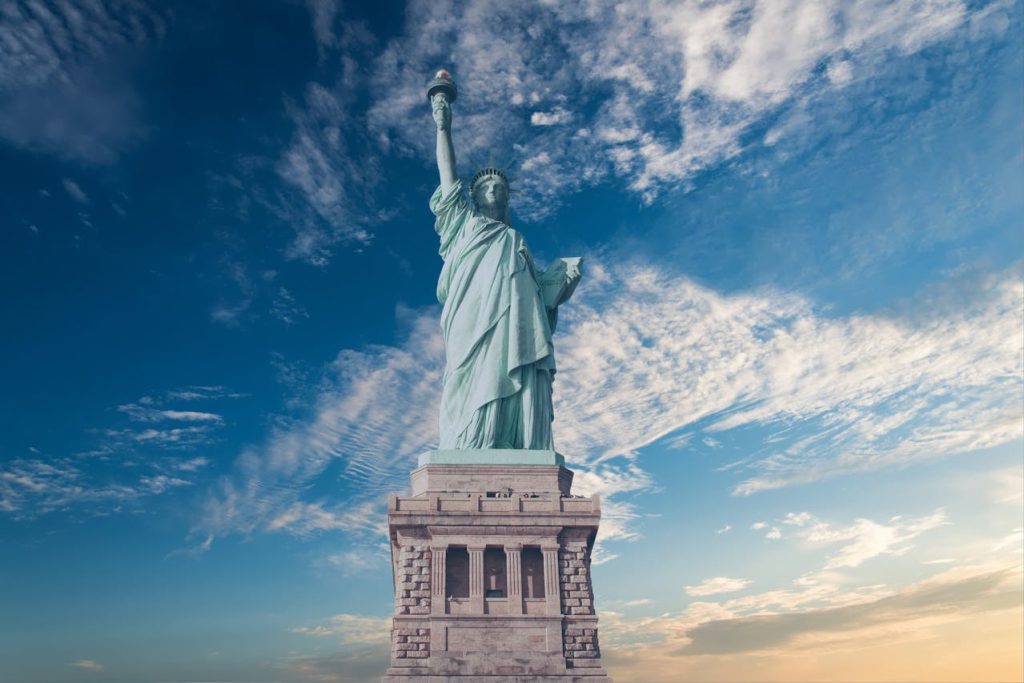
The Statue of Liberty visit begins with a schedule: ferry time, screening, and boarding lines that can stretch long on busy days. That front-loaded waiting compresses the hours on the island, especially for those with pedestal or crown access tied to a fixed slot. Visitors hurry between photos, the museum, and return queues, treating the stop like a timed waypoint rather than a slow harbor pause. The icon still inspires, but the day can feel governed by cutoff times more than skyline daydreaming. Once the return window feels close, people start counting minutes, choosing the gift shop or one last view, then lining up again. It ends, too soon.
Seville, Spain (Real Alcázar)
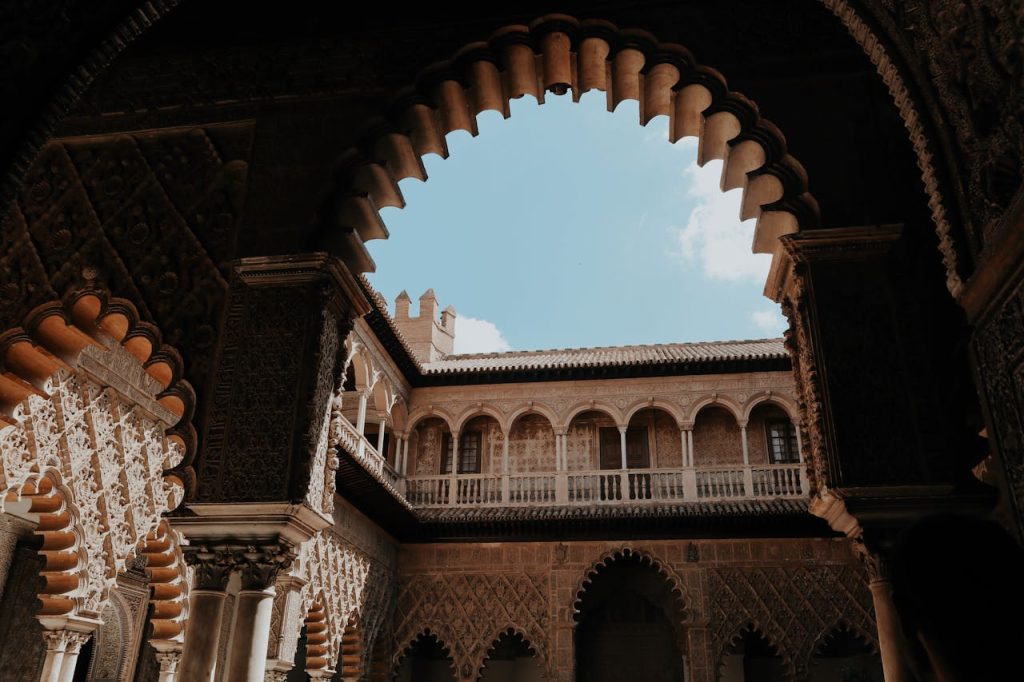
Real Alcázar is built for wandering, but demand has made entry feel carefully rationed. Timed tickets and capacity limits keep lines moving, yet they also turn arrival into a small sprint when a cafe stop runs long or the queue snakes wide. Inside, patios and gardens still soothe, but the most photographed rooms create bottlenecks that encourage quick pauses and constant stepping aside. The beauty is generous, yet on busy days the pace is shaped by narrow doorways, crowd flow, and the quiet sense that time is already spoken for. Many save lingering for the gardens, while rooms get sampled quickly, like chapters while walking. It still charms.

