


Christmas can turn loud fast: markets, photo lines, and a pressure to perform cheer on schedule. In some places, the season still leans toward prayer, procession, fasting traditions, and long services that outlast the lights outside. Visitors are welcomed, but commerce does not lead the story. Local calendars, midnight liturgies, and neighborhood choirs keep the focus on the Nativity and community care. The atmosphere feels quieter and more grounded, like a holiday meant to be lived rather than consumed. In those moments, reverence becomes the main attraction.
Lalibela, Ethiopia
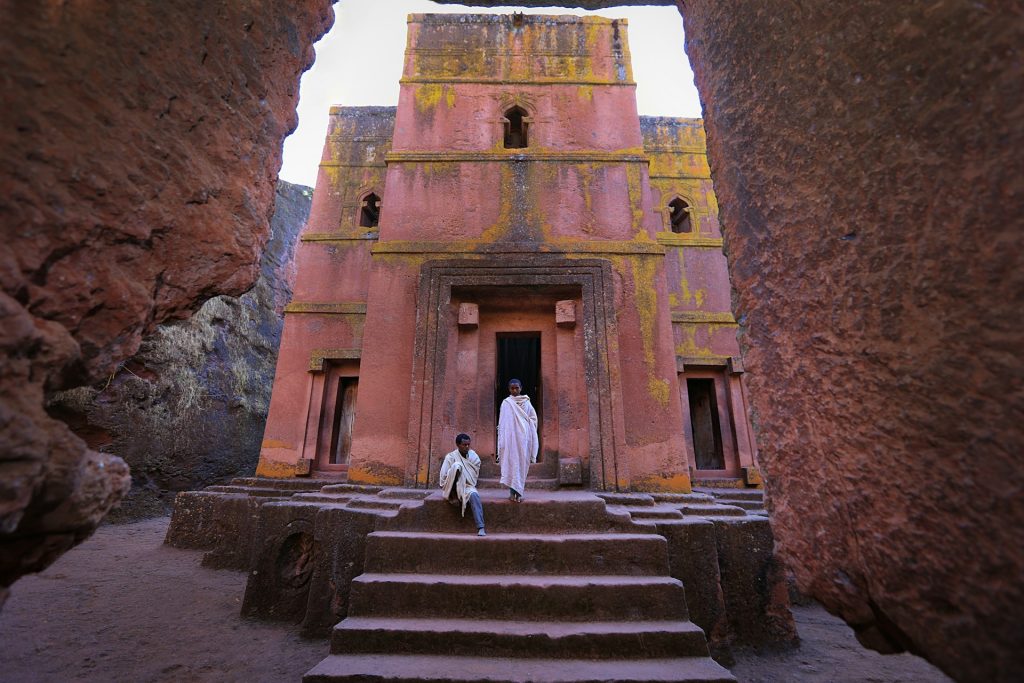
In Lalibela, Christmas is celebrated on Jan. 7 in the Ethiopian Orthodox tradition, and it starts before sunrise with pilgrims moving toward the rock-hewn churches. Many fast beforehand, then stand through hours of chant and liturgy, wrapped in white shawls as candles flicker on carved stone. The town may be famous, but the mood stays inward. Drums and call-and-response singing keep the crowd unified, and the walk home through narrow lanes feels like prayer continuing after the final blessing. Food comes later, after worship has done its work, and the day reads as devotion first, celebration second.
Bethlehem, West Bank
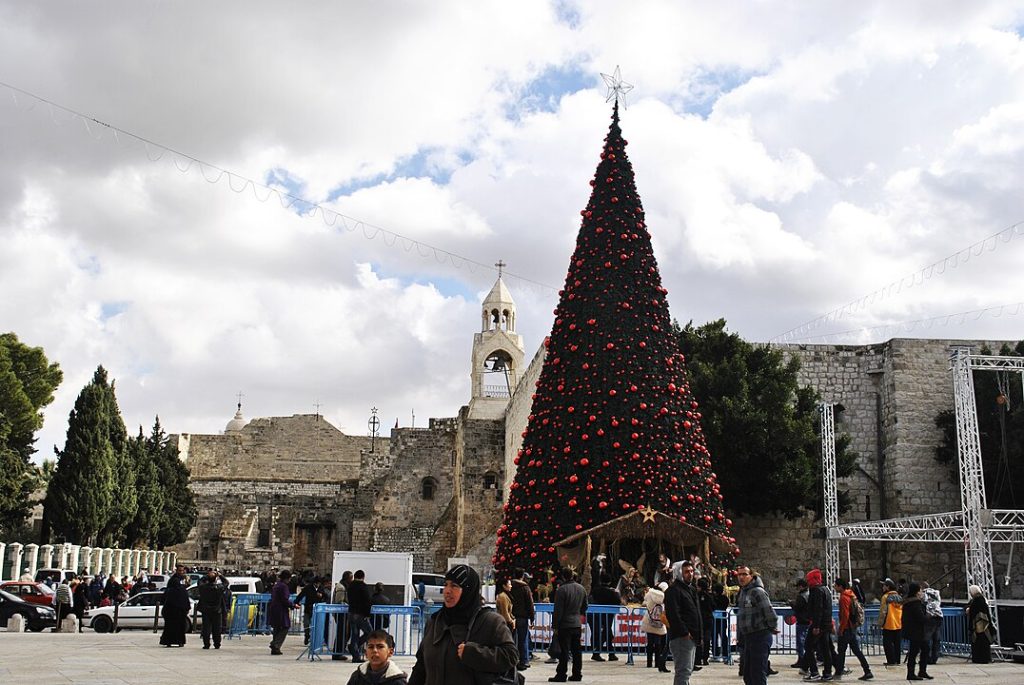
In Bethlehem, the season gathers around Manger Square and the Church of the Nativity, where processions, choirs, and late-night liturgy keep the story anchored to worship. Even with cameras and crowds, local Christians treat Christmas as public prayer and communal endurance, not a themed backdrop. Stone streets funnel people toward hymns and scripture readings, then back to family tables where the talk stays soft. The place feels less like an event and more like a town protecting its identity, letting faith set the pace when everything else speeds up. Even the pause between prayers feels intentional, as if time is being guarded.
Jerusalem Old City, Israel
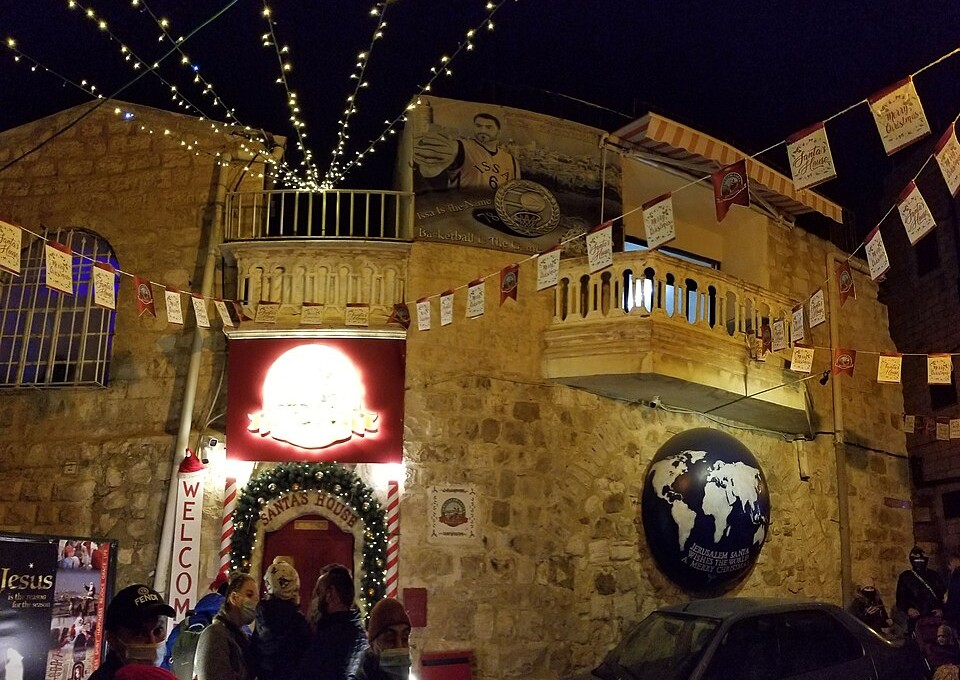
In Jerusalem’s Old City, Christmas can feel less like a season and more like a sequence of liturgies, especially in quarters that follow older calendars. The Armenian community’s Nativity celebrations bring processions, chant, incense, and candlelight into tight stone courtyards where neighbors recognize one another by name. Outside the walls, tourism runs on schedules and maps. Inside, the rhythm is slower and church-led, with scripture readings and hymns carrying the night. The contrast is the point: a crowded city becomes intimate for a few hours, as worship narrows attention to a single story.
Kraków, Poland
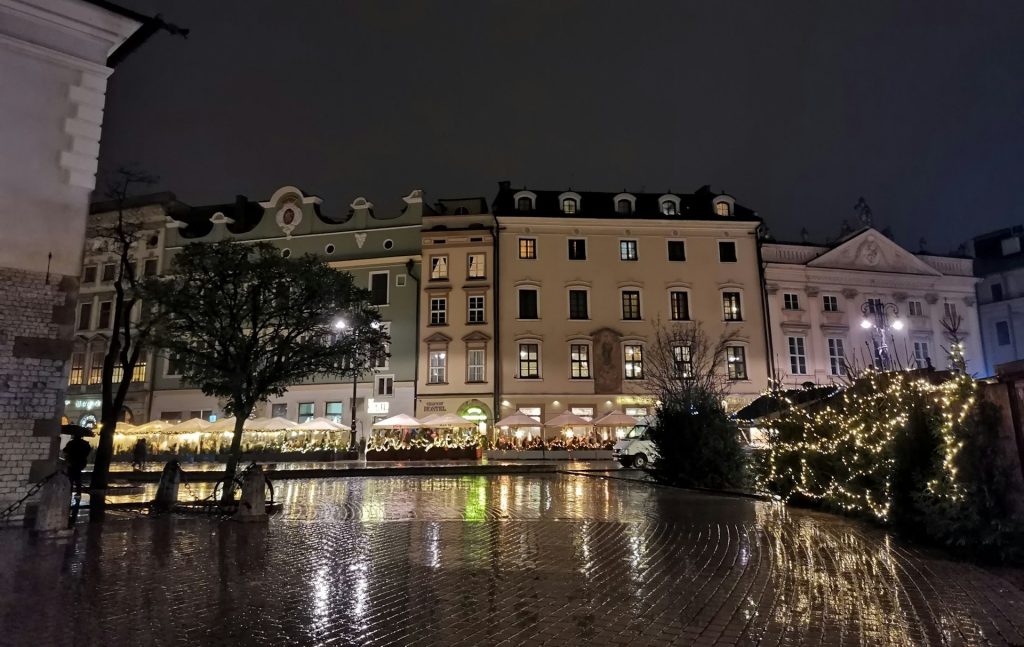
In Kraków, Christmas is structured by ritual more than spectacle, with Wigilia on Dec. 24 treated as a careful threshold. Families share a meatless supper, exchange wafers, and leave an extra place setting, then many head to Pasterka, the midnight Mass. Choirs rise in warm churches while streets outside go quiet, and the holiday’s emotional peak arrives in prayer rather than shopping. Markets exist, but they do not define the night. What lingers is the walk home through cold air, when carols fade and the city feels held together by shared belief and habit. Even visitors notice how quickly talk turns from gifts to gratitude.
Kottayam, Kerala, India
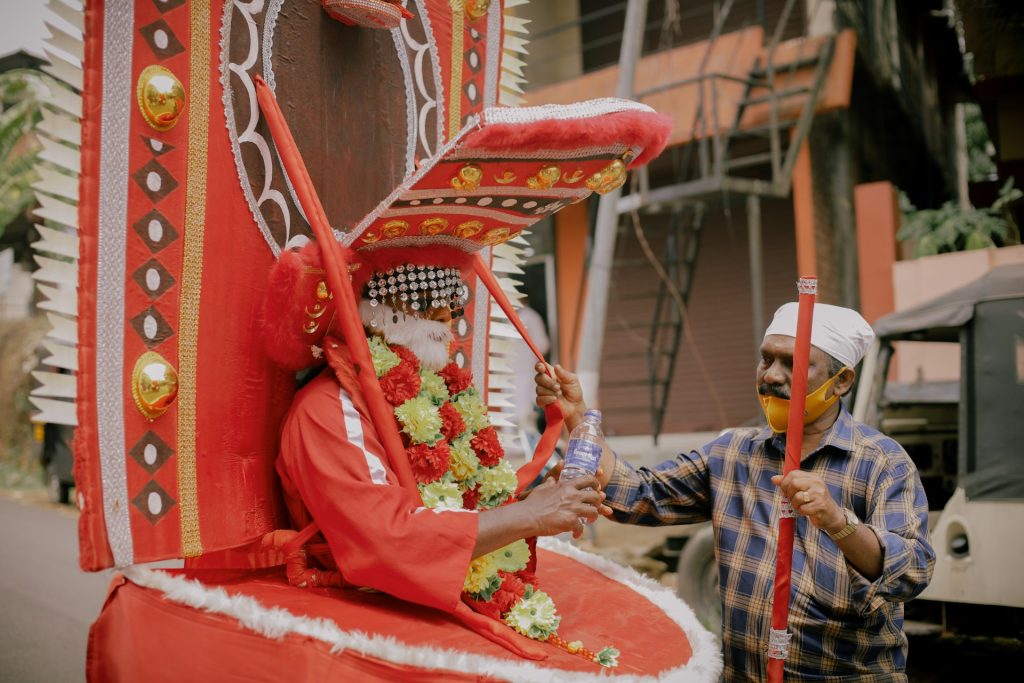
Around Kottayam, Christmas stays anchored to parish life, with crowded midnight Masses, home prayers, and long family visits. Church compounds fill early, choirs rehearse with seriousness, and nativity scenes are treated as teaching tools, not décor. There are lights and plum cake, but the tone is grounded. Priests, grandparents, and parish committees set the rhythm, and neighbors move between homes with food and blessings rather than shopping bags. It reads as a practiced inheritance, renewed each year with attention, gratitude, and a clear sense of what comes first. The most valued part is showing up, even when the night runs long.
Metro Manila, Philippines
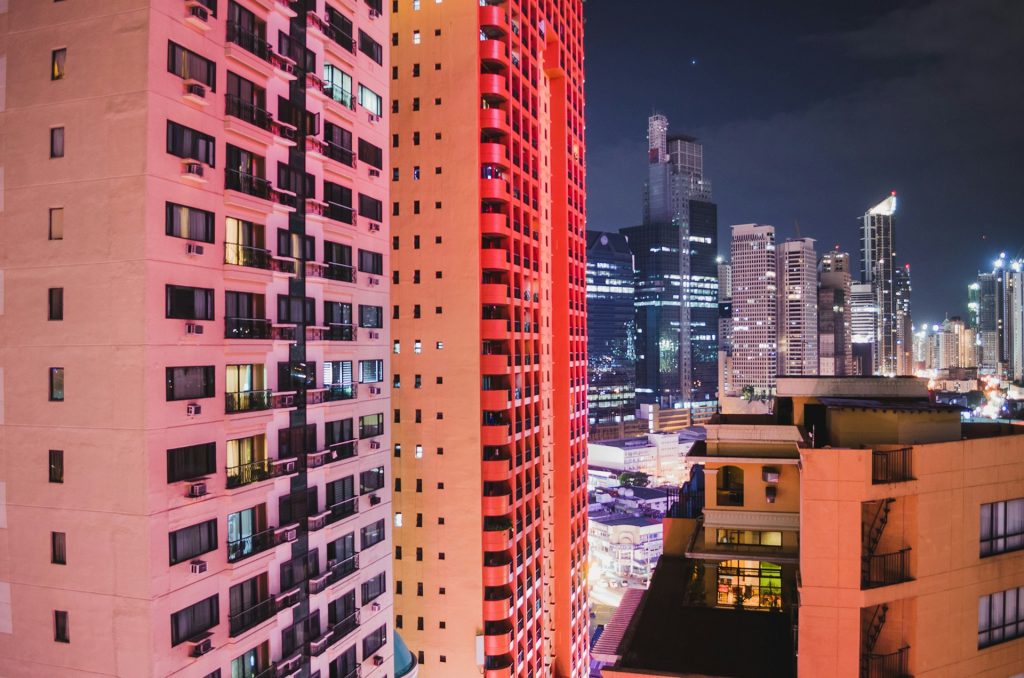
In Metro Manila, Christmas devotion often starts before dawn with Simbang Gabi, a nine-day run of Masses beginning around Dec. 16. Churches fill while streets are still dim, and the repetition trains attention toward worship even as the city’s parties build. After Mass, families drift to small stalls for warm bread and coffee, then return to work or school, carrying faith into a normal day. The practice feels practical rather than performative. Each early morning is a quiet vote for preparation, and by the time Dec. 24 arrives, the season has already been lived, not merely announced. That steadiness is its own kind of joy.
Oaxaca City, Mexico
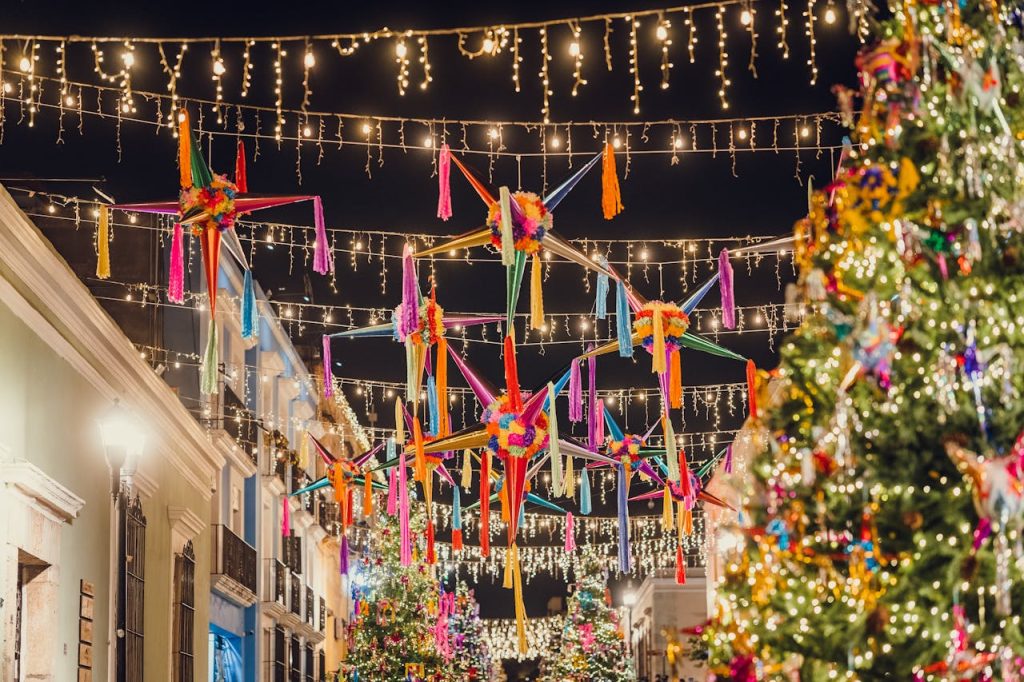
In Oaxaca, the days leading to Christmas are shaped by Las Posadas, processions that reenact Mary and Joseph seeking lodging. Groups move through neighborhoods with candles and songs, stopping at doors to ask for shelter in ritual call-and-response. Because the story travels street to doorway, it stays intimate even when visitors are present, and the welcome at the end feels earned. Prayer comes before the food, and the mood is more communal than commercial. The practice teaches hospitality as a religious act, so celebration follows devotion instead of replacing it. Children learn the lines early, and elders keep the rhythm steady.
Antigua Guatemala
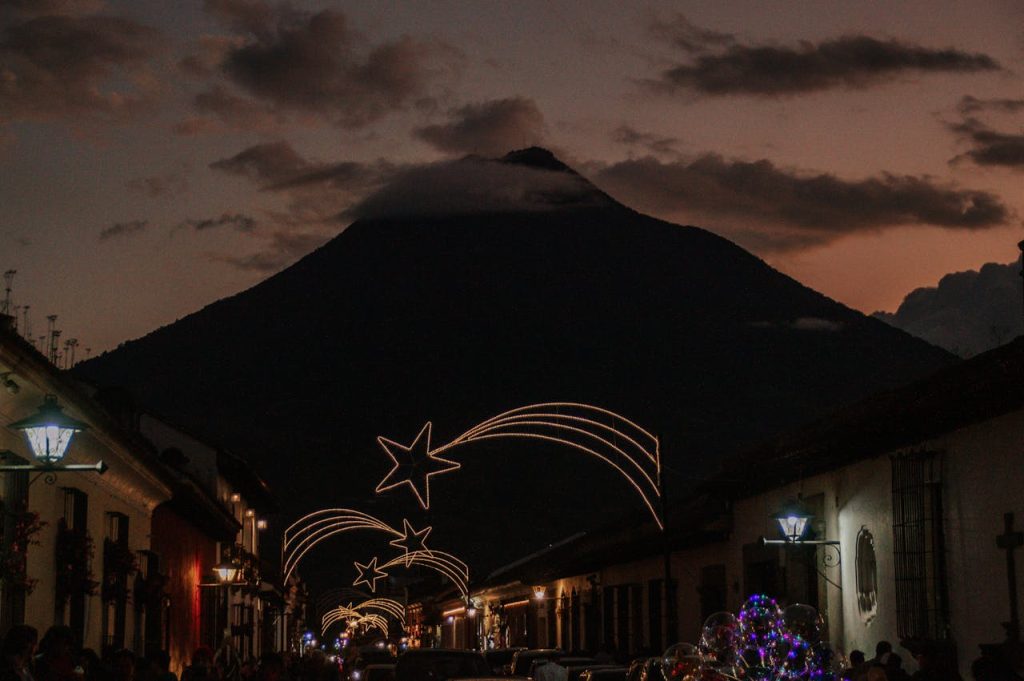
In Antigua Guatemala, Posadas move through cobblestone streets for nine nights, carrying candles, hymns, and images as neighbors reenact the search for shelter. Stops at homes and churches turn the ritual into a shared responsibility, and prayer stays central before any sweets appear. Antigua is famous, but the strongest moments are run by families and parish groups, not promoters. Visitors often notice how little is staged: the singing is uneven, the candle smoke clings to jackets, and children fidget. That realness keeps the night grounded, making faith feel like participation rather than a performance.
Cusco, Peru
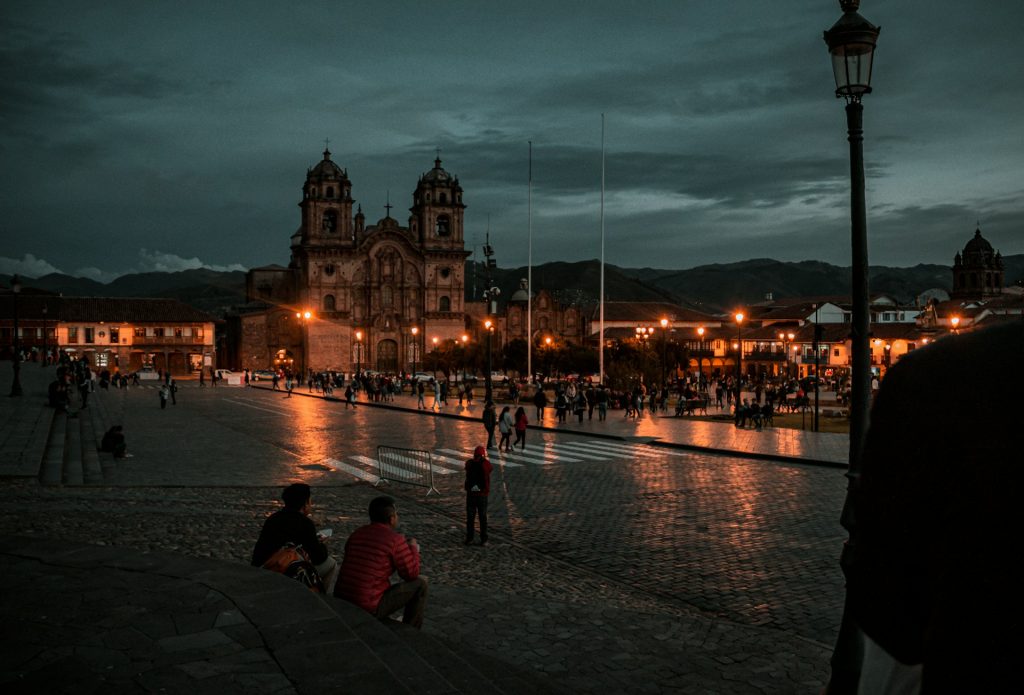
Cusco keeps Christmas tied to church bells and family altars, with many attending Misa de Gallo late on Dec. 24 as the city settles into night. In the cathedral and neighborhood parishes, the liturgy is hymn-heavy and deliberate, and families treat it as the hinge of the evening. Andean Catholic traditions shape nativity displays and procession order, adding local texture without changing the focus. Fairs and markets exist, but worship leads the schedule for many households. After Mass, the streets thin, and the city shifts from public noise to private gratitude in a single, familiar step. Fireworks may crackle, yet the mood stays steady.
Vatican City
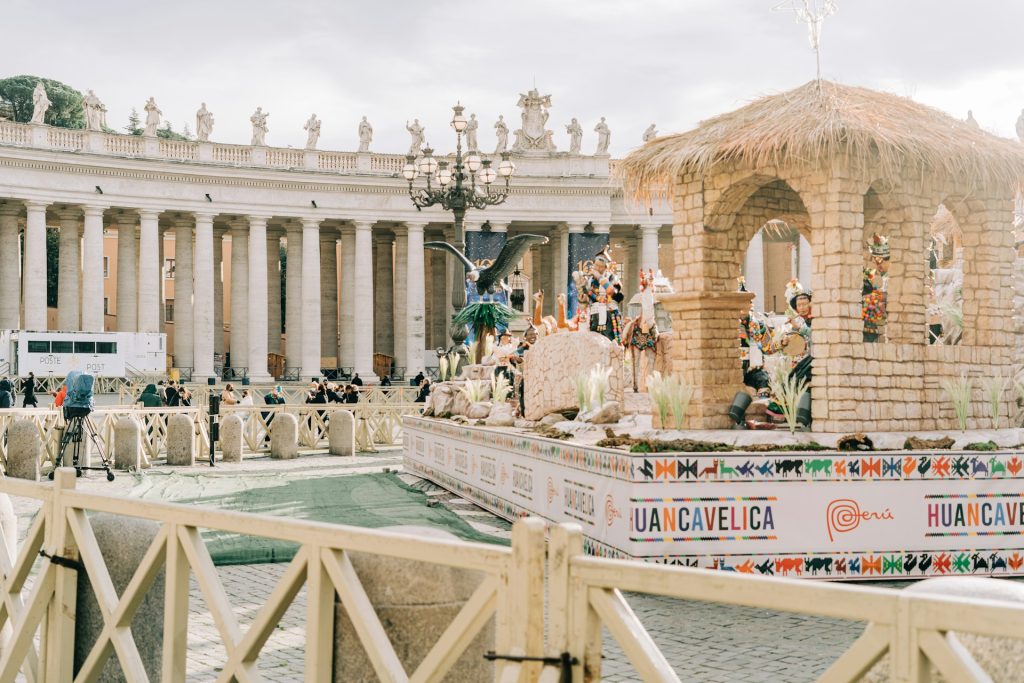
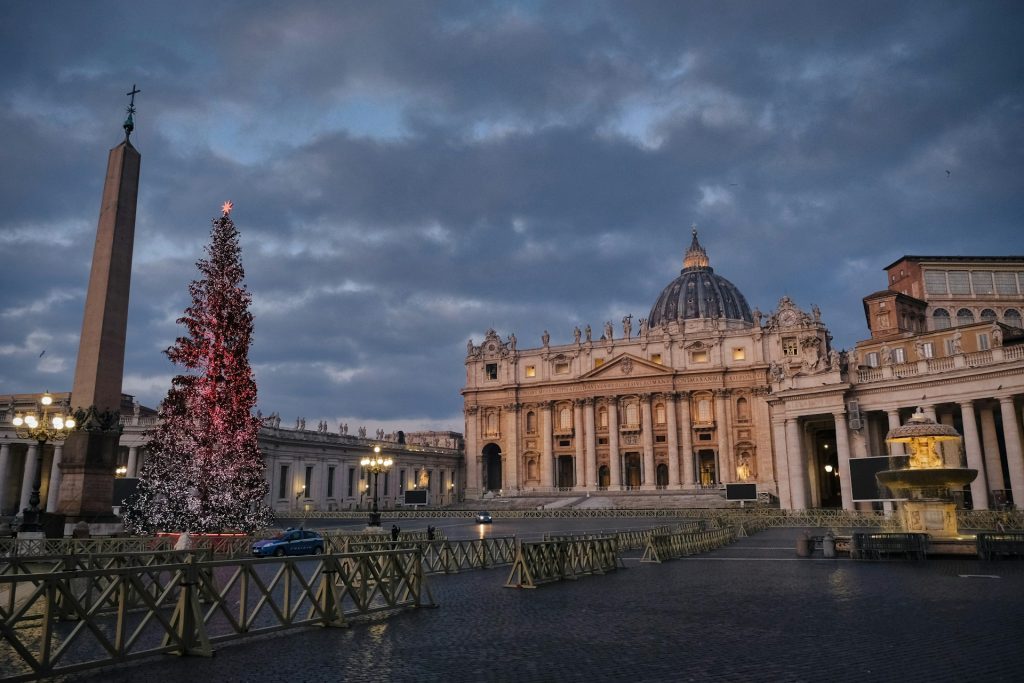
Vatican City is visited year-round, but Christmas still feels anchored to liturgy when pilgrims queue for hours for Christmas Eve Mass at St. Peter’s Basilica. The ritual is formal, slow, and scripture-driven, with choirs and incense setting a tone that refuses quick sightseeing energy. Cameras are present, yet the service keeps returning to the Nativity reading and the Eucharist, which pulls attention inward. Outside, Rome glows with lights and late dinners. Inside the basilica, the silence between hymns matters, and the crowd feels less like spectators and more like a congregation choosing reverence over rush.

