



New Year’s Eve gets framed as loud crowds and confetti, but in many countries the holiday still belongs at home. The countdown is often a marker between shared dishes, familiar prayers, and a TV humming in the background. Families gather early, eat slowly, and keep rituals that feel reassuring because they return every year. Fireworks may happen outside, yet the emotional center stays at the table, where elders are honored, children stay up late, and the next year begins with warmth instead of hype.
Japan
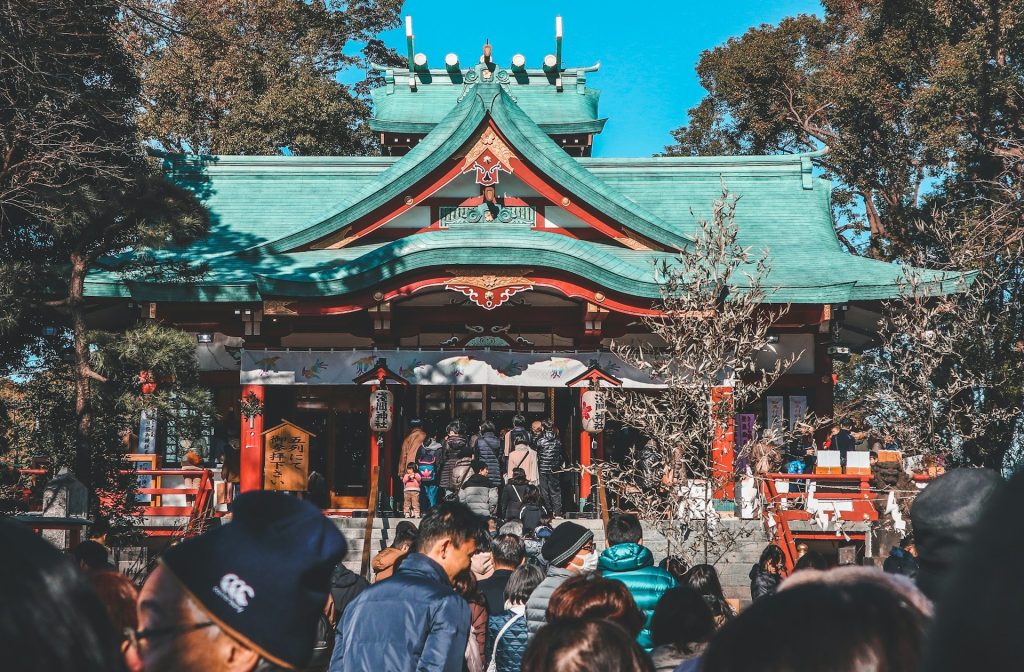
In Japan, New Year, or Sh?gatsu, is built around the home. Families clean the house, place simple decorations, and prepare osechi boxes, foods chosen as symbols of health, luck, and longevity. On Dec. 31, many eat toshikoshi soba for a clean break from the old year, watch “K?haku Uta Gassen,” and listen for temple bells that mark the transition. Jan. 1 is slow and family-first: oz?ni soup, visits to a shrine for hatsum?de, otoshidama envelopes for kids, and quiet games at home. The mood stays calm, deliberate, and rooted in shared routine.
Spain

In Spain, New Year’s Eve often starts with a late family dinner that runs long, with seafood, ham, and cava, plus the kind of conversation that drifts from the year’s wins to its hard parts. As midnight nears, families gather around the TV for las doce uvas, eating twelve grapes with the clock chimes and laughing when the timing goes off. Some people head out afterward, but many stay close to home, where the night continues with sweets, phone calls to relatives, and warm drinks. The celebration feels less about being out and more about crossing the threshold together, then letting the new year arrive gently.
Italy
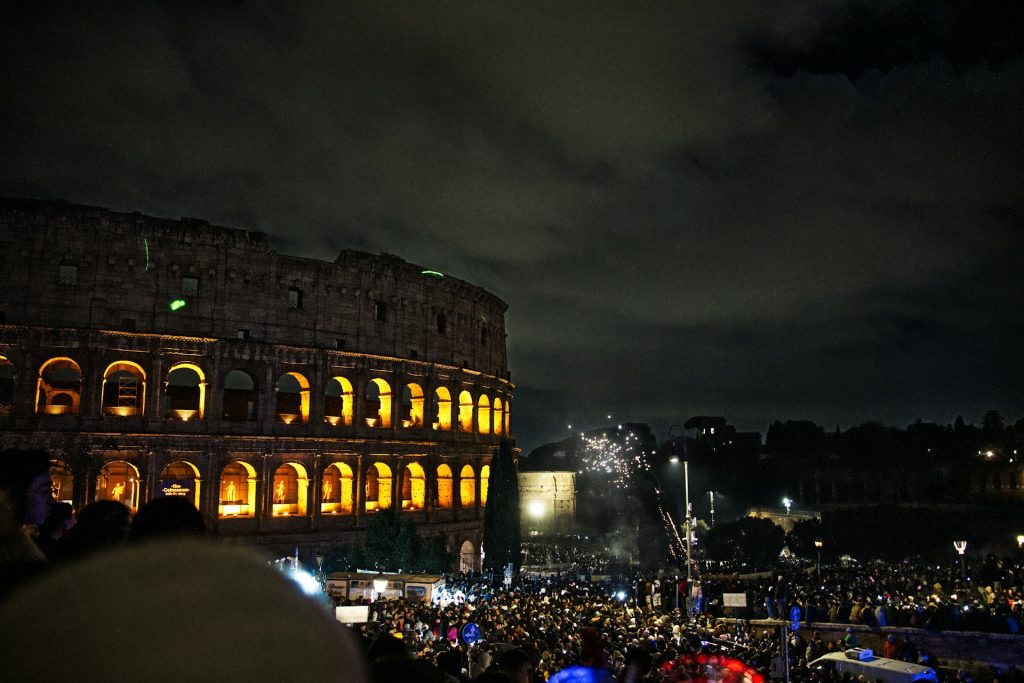
In Italy, Capodanno can be lively, but the anchor is often a family cenone, a long New Year’s Eve dinner that makes midnight feel like a natural pause. Tables fill with lentils for luck, shared pasta courses, and a toast that includes everyone, from children fighting sleep to grandparents telling stories. Fireworks may crackle outside, but many families stay in with card games, leftover panettone, and slow coffee, letting the excitement settle into comfort. Jan. 1 is usually domestic, with visits to relatives, long walks, and easy meals, so the holiday feels grounded in people, not plans.
Greece
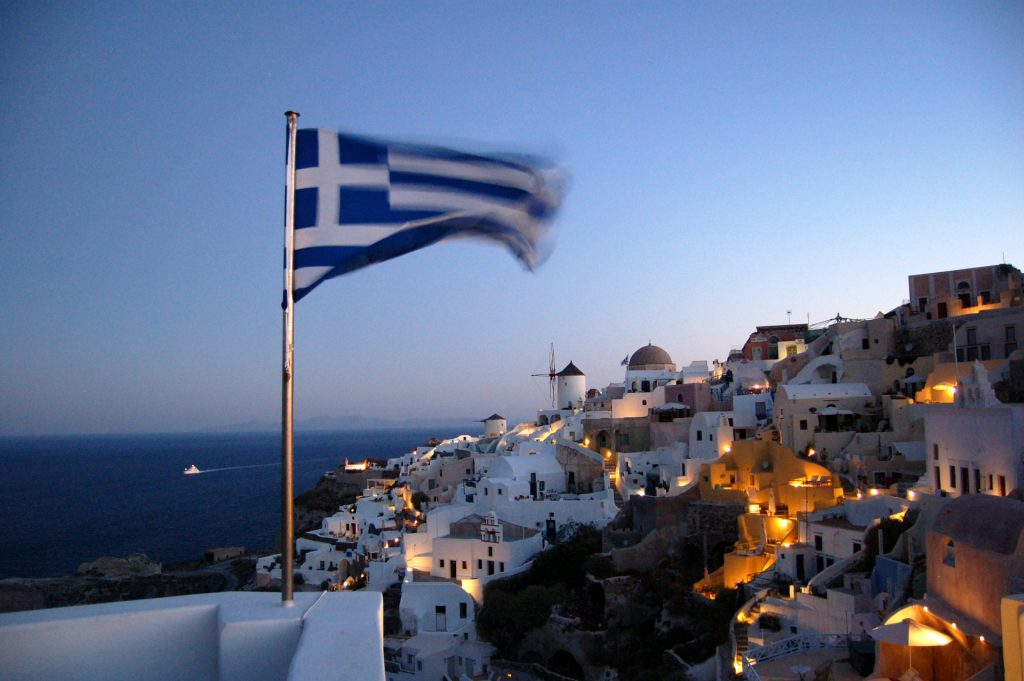
In Greece, New Year’s often leans family-first, with households gathering for a late dinner, extra chairs pulled in, and the TV countdown playing while plates keep circulating. Around midnight, families cut vasilopita, the New Year’s cake, and the hidden coin turns the moment into a shared game that keeps kids wide-eyed and adults laughing. Many add a doorstep luck ritual, like breaking a pomegranate, then drift back inside for coffee, fruit, and cards. The next day tends to be full of family visits and blessings, and even when fireworks pop outside, the night’s meaning stays inside the home.
Denmark
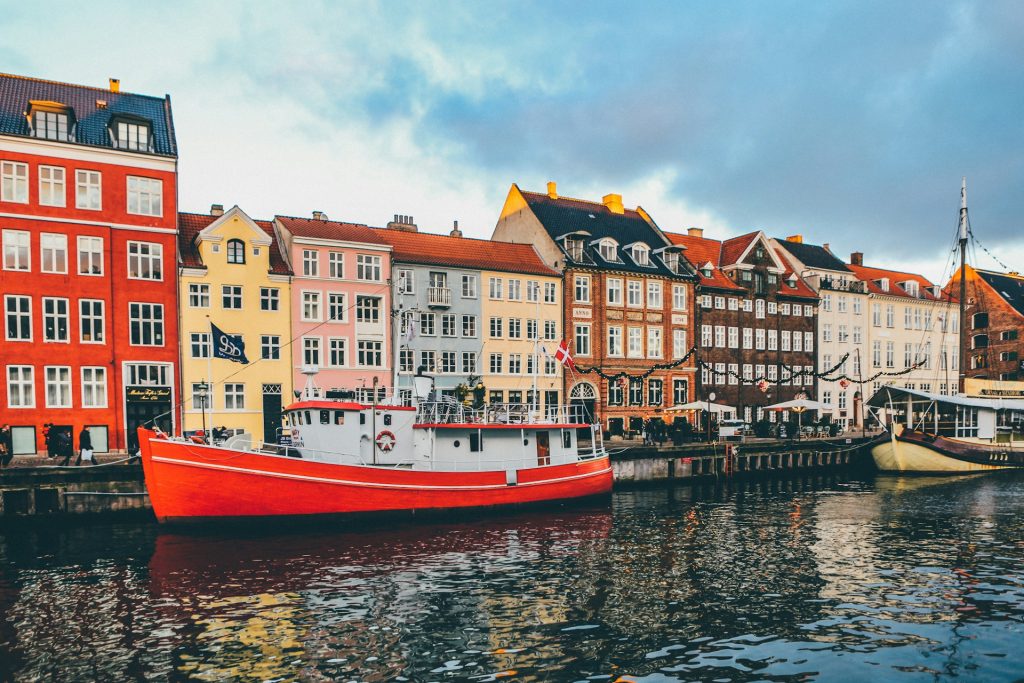
In Denmark, New Year’s Eve is often home-centered and surprisingly formal, with families dressing up for a long dinner that can take hours, course by course, with candles and small toasts between plates. Many watch a familiar TV tradition earlier in the evening, then at midnight champagne and kransekage appear, and everyone steps outside briefly to watch fireworks before returning indoors. The night is less about hopping venues and more about one table and one group, with board games, leftover sweets, and quiet promises made among people who know each other well. It is festive, but it stays personal and close.
Netherlands
In the Netherlands, New Year’s Eve often begins at home with family snacks, coffee, and board games, plus a steady parade of oliebollen and appelflappen that make the night feel familiar and comforting. Many watch fireworks from the doorstep, a canal bridge, or a nearby street corner, keeping it close enough that children stay bundled and included without the evening turning into a trek across town. After midnight wishes, families drift back inside for tea and leftovers, and Jan. 1 is usually slow and domestic, built around sleeping in, calling relatives, and letting the day unfold without urgency.
Mexico
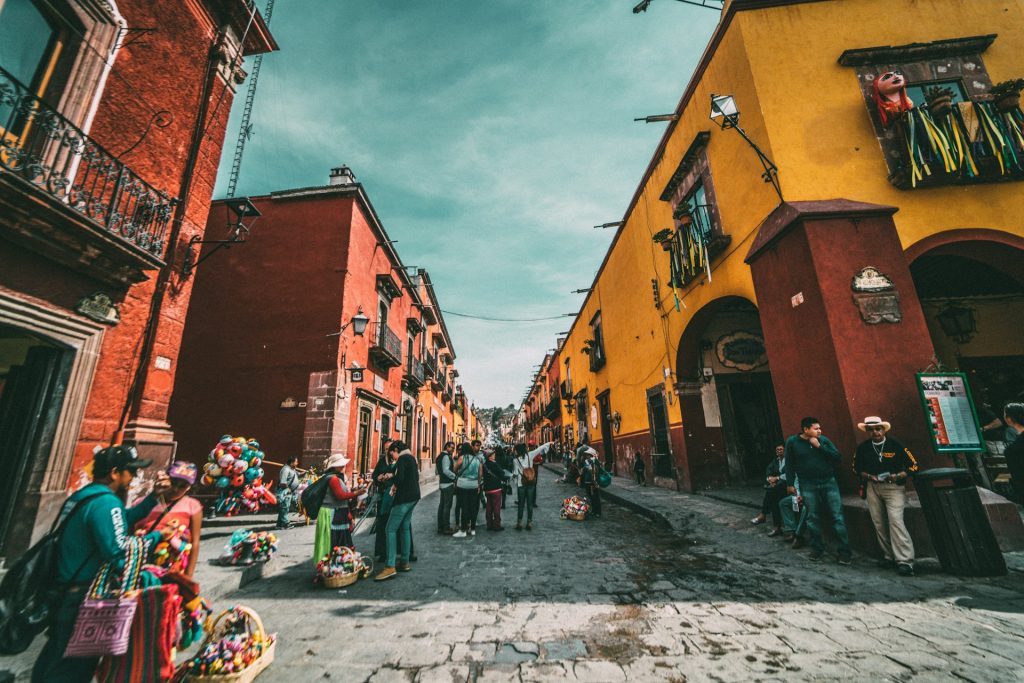
In Mexico, Año Nuevo usually begins with a late family dinner, generous and noisy in the best way, with room made for cousins, neighbors, and anyone who would otherwise be alone. At midnight, many keep small home rituals, like eating twelve grapes, sharing blessings, and setting intentions that feel practical, not theatrical. Fireworks may flash outside, but the heart of the night stays indoors with pozole, tamales, or sweet bread, and children often fall asleep on couches while adults keep talking. Jan. 1 turns into a rest day filled with visits and leftovers, which keeps the holiday centered on family comfort.
Philippines
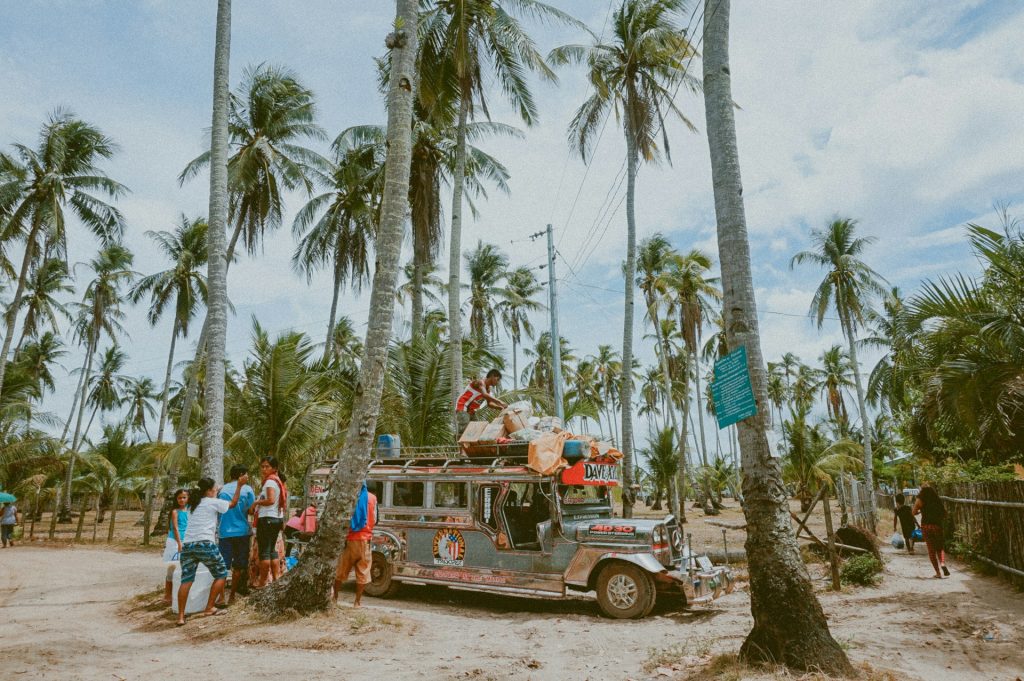
In the Philippines, New Year’s Eve can sound loud outside, yet the main stage is still the family table and living room. Families gather for media noche, a late feast often built around noodles, sweets, and round fruits meant to signal abundance, while elders share advice and kids stay up with sparklers. At midnight, the cheers spill into the street, but many return quickly indoors for photos, quick prayers, and blessings for the year ahead. Leftovers keep going long after the countdown, and Jan. 1 usually feels like a family day of rest and visiting. The holiday lands as reunion first, celebration second.
Turkey
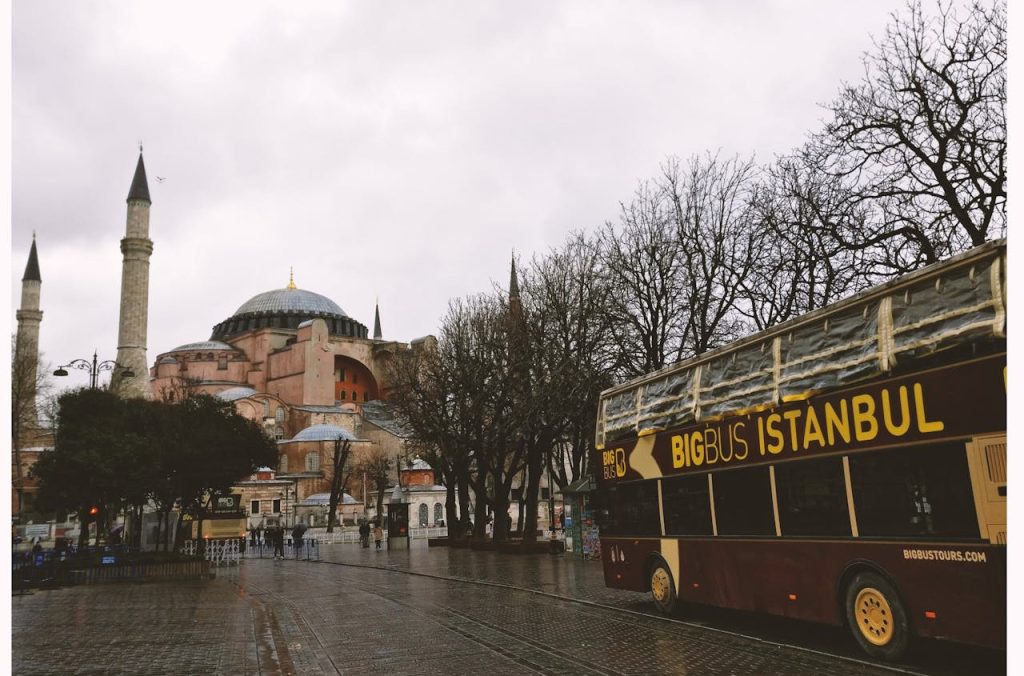
In Turkey, New Year’s often stays domestic, especially for families who treat the night as a cozy winter gathering with food, games, and a steady stream of tea. Tables fill with meze, roasted dishes, and dessert, while the TV carries music shows and the national countdown, and small luck rituals add a playful layer. After midnight, many exchange gifts and good wishes, then let the night wind down at home rather than chasing a party across town. Jan. 1 tends to be calm, with long breakfasts and family visits. The feeling is warm and home-based, with the new year arriving through conversation.

