


Back-to-school travel has a quiet advantage: the same destinations that felt pricey in July often become manageable in late Aug. and Sept., when demand eases and availability returns. Airlines and hotels respond with softer rates, fewer minimum-stay rules, and more flexible room types, which keeps a trip comfortable without constant compromises. The weather can still be generous, but the pace changes, with shorter lines, easier reservations, and less pressure to pay for convenience. For many families, that combination turns a simple getaway into a smart reset before routines lock in.
Orlando, Florida

Orlando often gets cheaper once school is back in session, when many hotels around International Drive, Lake Buena Vista, and Kissimmee trade peak pricing for promos, free-parking bundles, and midweek specials. Lighter crowds can also make paid add-ons easier to skip, since shorter waits reduce the pressure to buy line-skipping, premium seating, or extra ride photos. With more standard rooms available, families can choose places with free breakfast, shuttles, or kitchenettes, then spend on one planned park day instead of a week of small upgrades that quietly inflate the total. It keeps the budget predictable and morale high.
San Diego, California
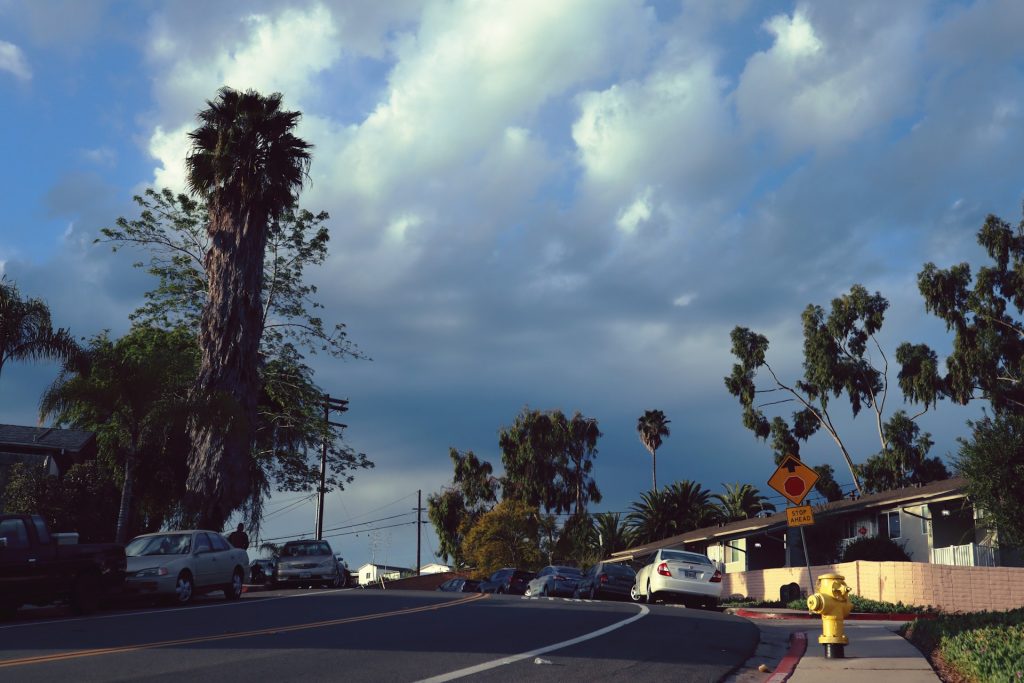
San Diego relaxes after summer break, and that shift shows up in better hotel availability from Mission Bay and Pacific Beach to La Jolla and the edges of the Gaslamp Quarter, where rates often soften midweek. With fewer families traveling, parking, beach access, and restaurant reservations become less competitive, and lunch specials replace pricey fixed menus near the waterfront. Warm afternoons still support Balboa Park gardens, La Jolla coves, and Harbor Drive strolls, so the trip feels full without leaning on constant ticketed add-ons or surge-priced convenience fees. Even a long weekend can pencil out.
Cape Cod, Massachusetts
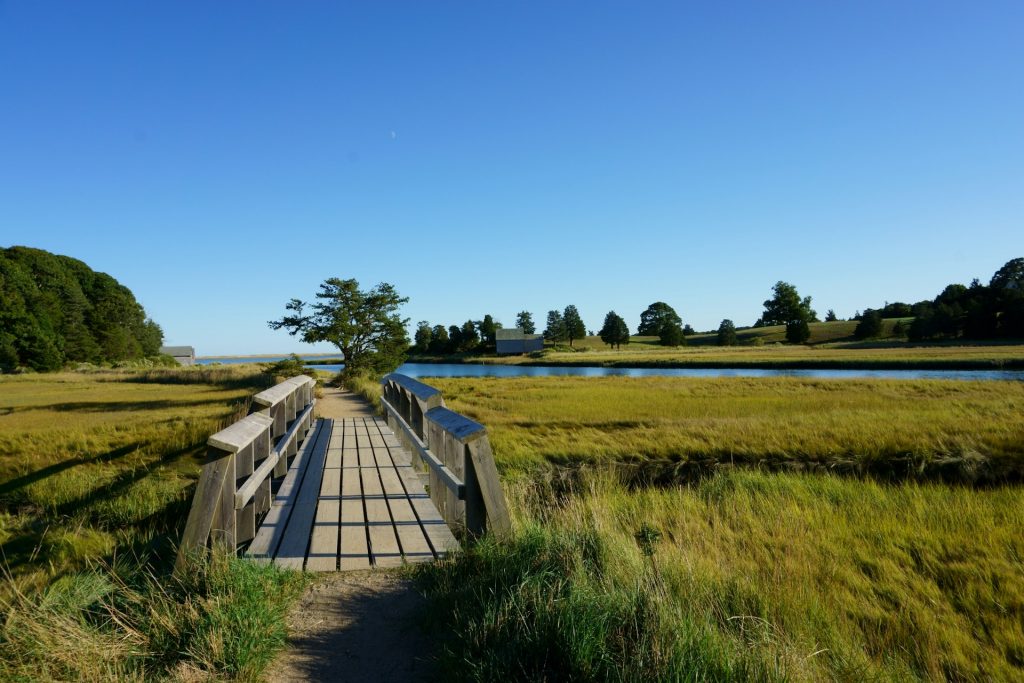
Cape Cod often becomes more flexible after back-to-school season starts, when many inns and rentals ease minimum-stay rules and loosen weekly pricing into nightly deals across Hyannis, Chatham, and Provincetown. With crowds thinning, the best entertainment is simple and cheap: lighthouse stops, marsh walks, bike paths, and long beach strolls in early fall light that cost nothing. Restaurants feel less rushed, whale-watch and ferry seats are easier to snag, and parking turns from a daily stress into a manageable line item, which keeps the trip charming without constant spending. It leaves room for a single seafood splurge.
Lake Tahoe, California and Nevada
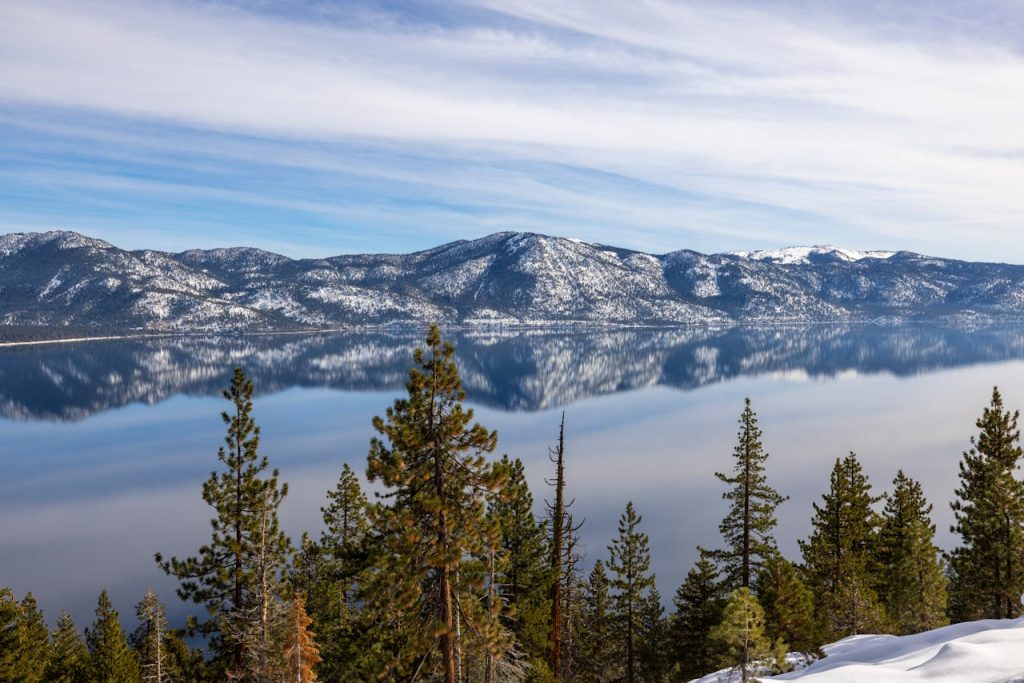
Lake Tahoe’s late-summer shoulder season can be a budget sweet spot, with lakefront hotels and condo rentals often easing rates once school is back and the calendar shifts into late Aug. and Sept. Marinas, paddleboard shops, and sightseeing cruises typically have more openings, so plans can be priced and picked calmly instead of snapped up at peak-day markups. The water often stays swimmable, trails feel less crowded, and free beaches plus grocery picnics do more of the heavy lifting while fewer surcharges, resort fees, and paid parking hours cut the quiet extras that usually inflate Tahoe trips.
Yellowstone and Grand Teton, Wyoming
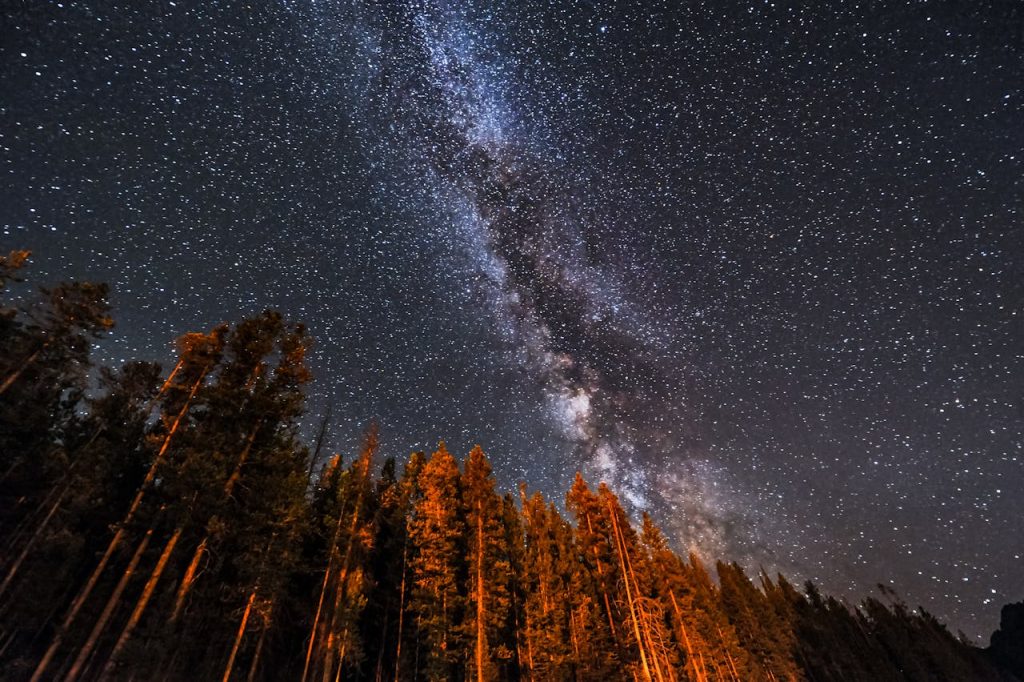
Yellowstone and Grand Teton reward back-to-school timing as summer traffic tapers while the scenery stays dramatic and the air turns crisp. Lodging in gateway towns like West Yellowstone, Gardiner, and Jackson is often easier to book, and some outfitters price rentals and short tours more gently once demand cools. Cooler mornings make boardwalk loops and scenic pullouts more comfortable, entrance lines tend to move faster, and grocery picnics replace crowded restaurant meals, so the trip feels richer without expensive last-minute room swaps or premium guided add-ons. There is still time for long valley drives.
Montreal, Quebec
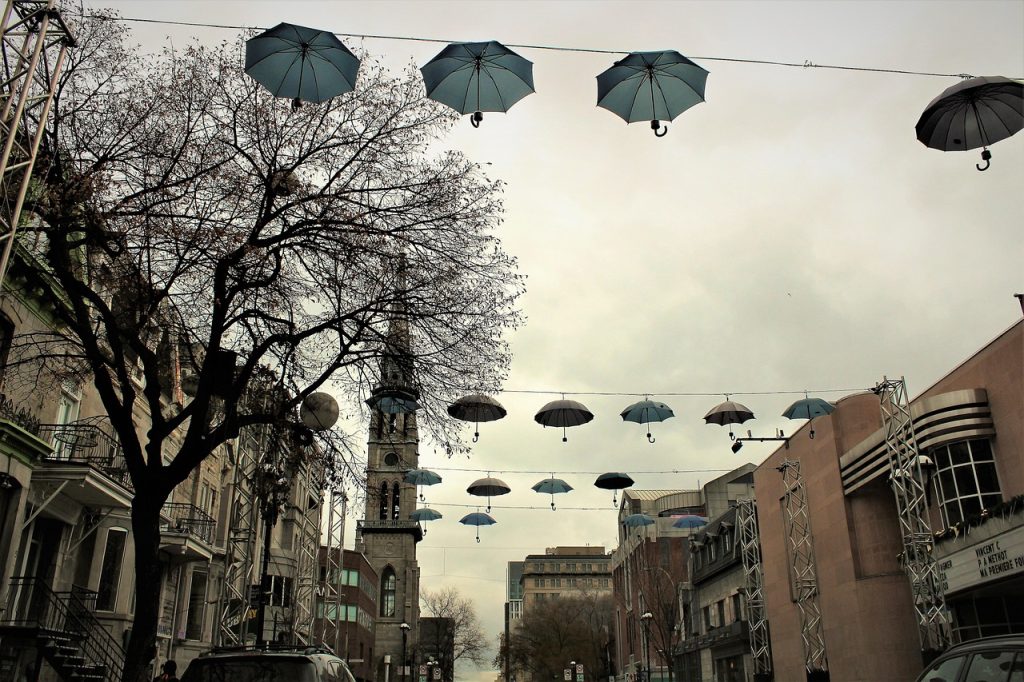
Montreal in late Aug. and Sept. carries a crisp, lived-in energy, and it often costs less than midsummer when demand peaks, especially outside big festival weekends. Hotels and short-term stays open up, and restaurants settle into easier reservations and better-value set lunches, which keeps meals from becoming the trip’s biggest surprise expense. The city’s budget strength is built-in: metro rides, walkable neighborhoods, public markets, Mount Royal viewpoints, and riverfront paths fill full days without constant ticket buying, and museum evenings add culture at a controlled cost. Coffee and bagels still feel like small wins.
Lisbon, Portugal
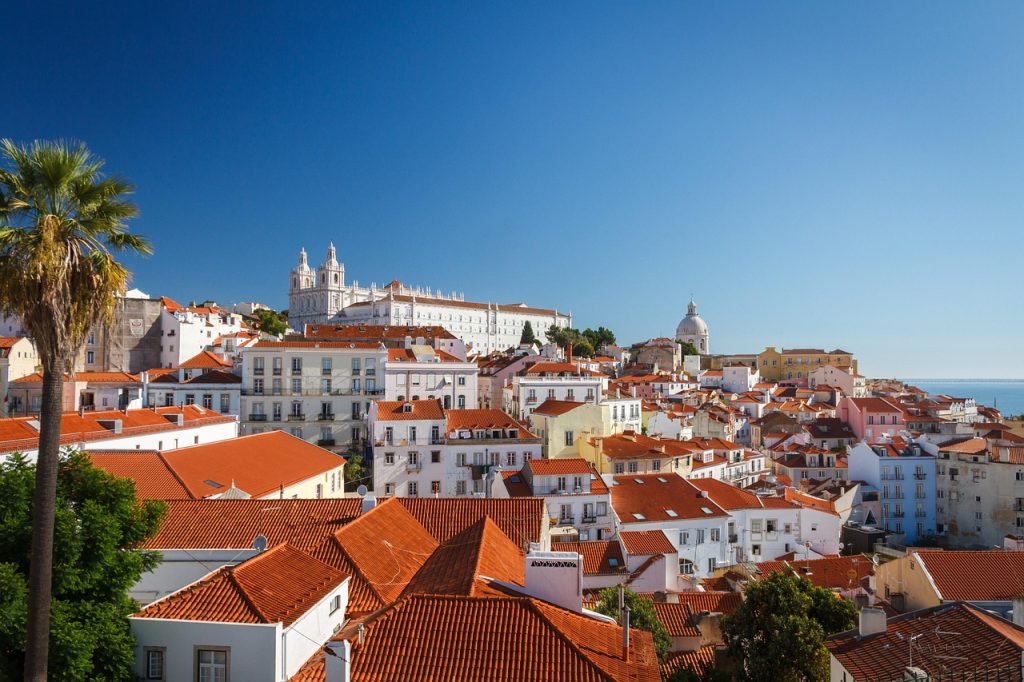
Lisbon often becomes more affordable once European summer travel eases, especially in late Aug. and Sept., when hotel rates and some flights dip from July highs. Value comes easily because many highlights are low-cost: viewpoints, tiled streets, waterfront walks, and bakeries where a pastry and espresso cost less than a single museum ticket in many capitals. With thinner crowds, trams and ferries are simpler to use, Alfama lanes feel less jammed, and day trips to Sintra or the coast can be booked without last-minute price jumps, keeping the days lively while the budget stays steady. A small splurge still fits.
Barcelona, Spain
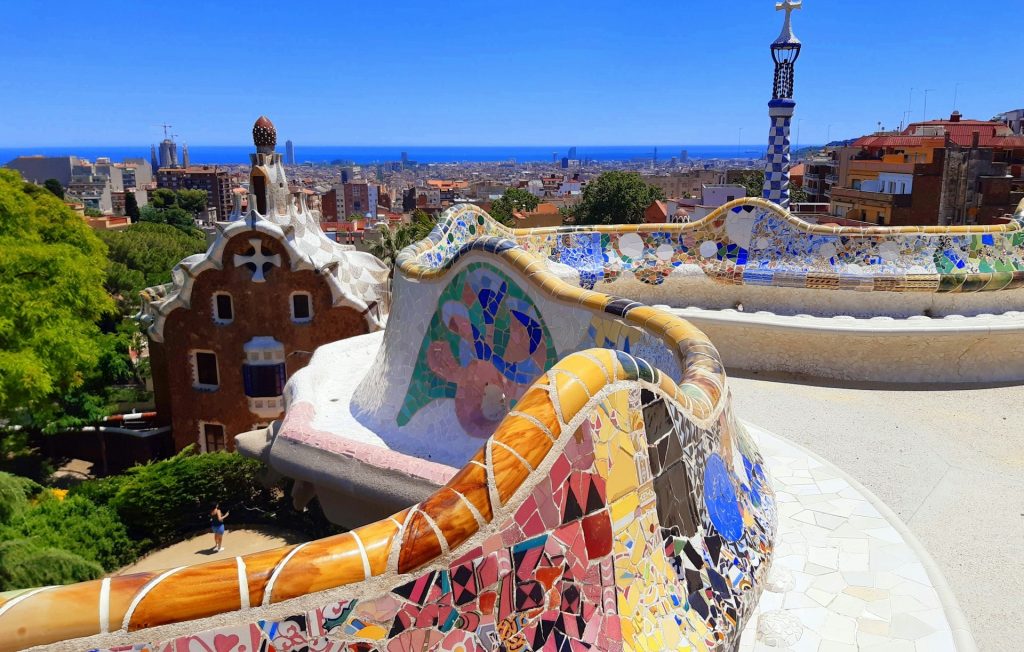
Barcelona’s back-to-school window can lower the cost of a city that often feels priced for peak summer, as beach demand cools and hotels and serviced apartments become more flexible on nights and minimum stays. With reservations easier to get, meals are less likely to default to expensive tourist set menus, even near the Gothic Quarter, Eixample, and the seafront. The city still delivers plenty for little: markets, architecture walks, Montjuïc viewpoints, and long evenings by the water, while calmer transit and fewer sellouts make it easier to choose one paid highlight and keep the rest simple.
Honolulu, Oahu, Hawaii
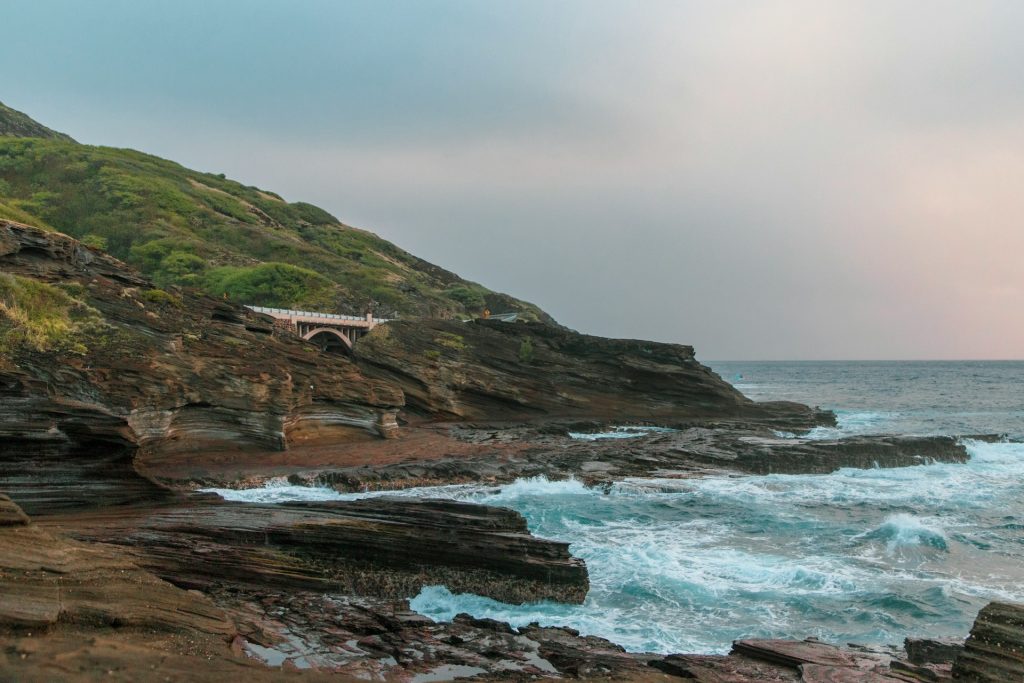
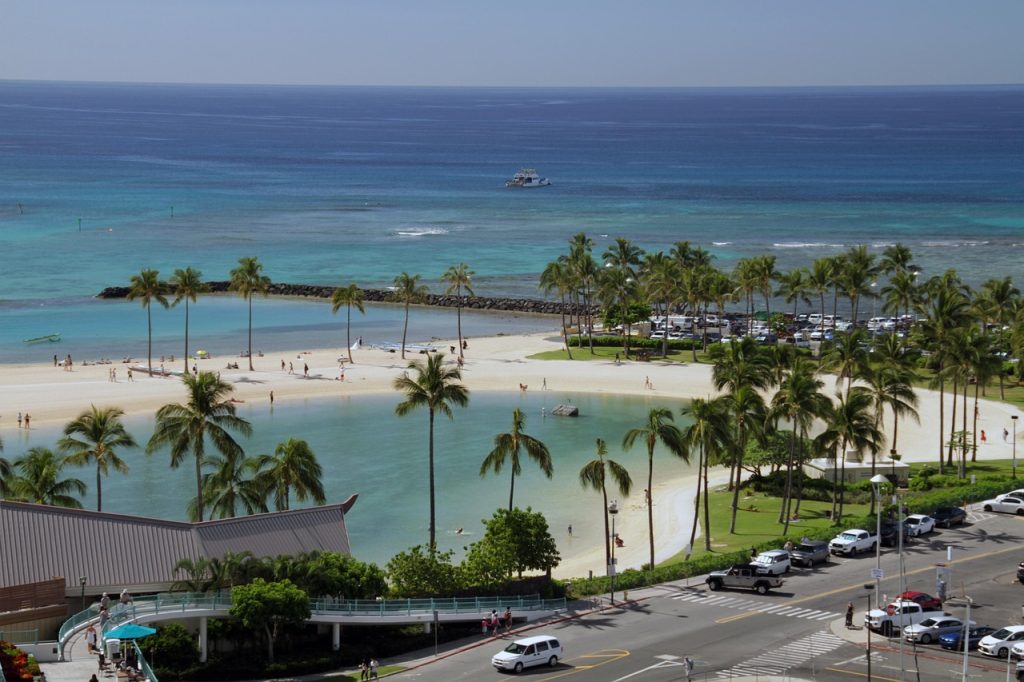
Oahu can feel less expensive once mainland school breaks end, when airfares and Waikiki hotels often slide down from summer highs and room choices widen beyond the most central blocks. More availability also makes kitchenettes and condo-style stays easier to land, which trims food costs fast, especially with simple breakfasts and grocery picnic lunches. Beach days remain the main event, and lighter crowds make bus rides, early hikes, farmers markets, and snorkel rentals easier to plan without peak-season markups across car rentals, parking, and short tours. It helps a longer stay feel realistic.

