


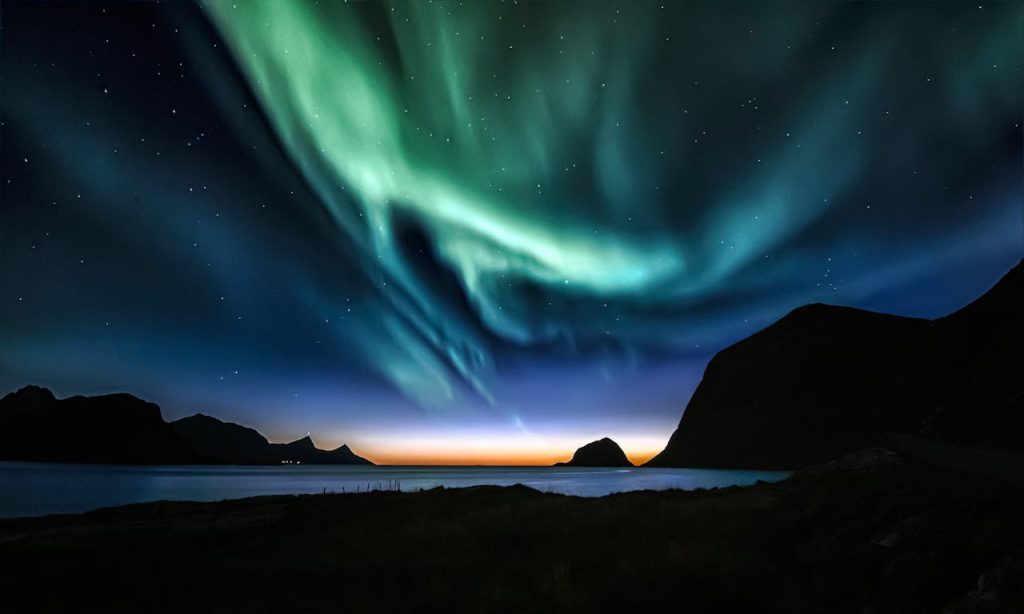
Quiet destinations offer a different kind of travel experience, one shaped by space, routine, and the absence of constant stimulation. These places allow daily life and natural surroundings to set the pace rather than schedules or attractions. Silence does not mean emptiness, but balance, where sound feels intentional and movement remains unhurried. Quiet destinations often support reflection, rest, and deeper observation, making small details more noticeable. They tend to function independently of tourism cycles, preserving calm through consistency. Each destination highlighted here feels quiet because it prioritizes rhythm, landscape, and lived presence over spectacle or constant activity.
Faroe Islands
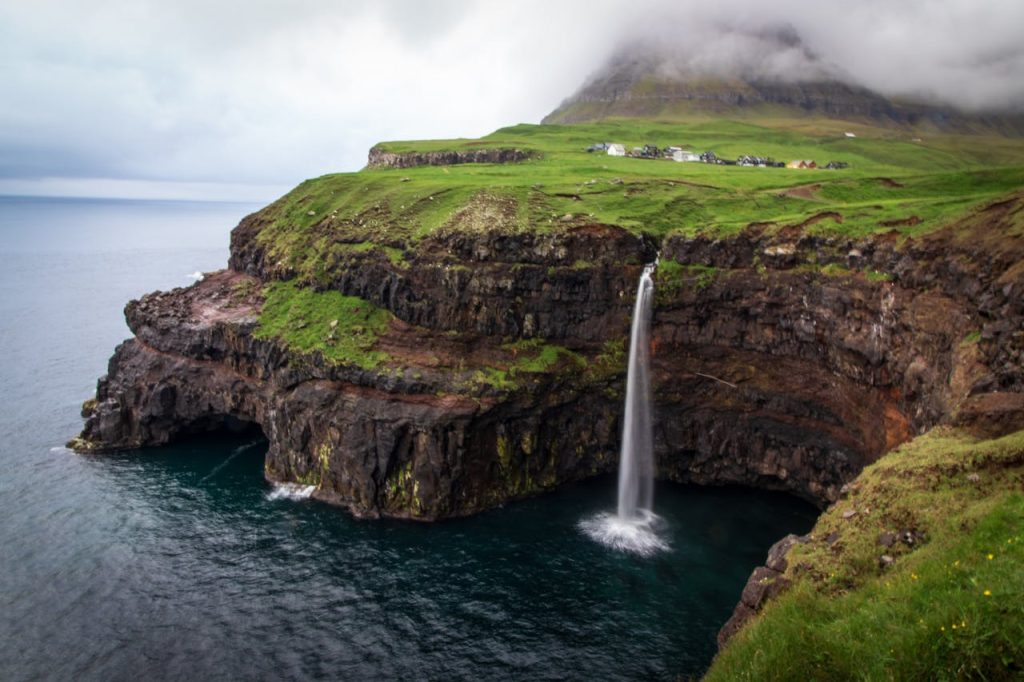
The Faroe Islands feel quiet due to their remote North Atlantic location and small population spread across rugged terrain. Villages operate at a slow pace, shaped by weather, fishing schedules, and daylight patterns. Roads wind through open landscapes where sound carries far and traffic remains minimal. Sheep outnumber residents, reinforcing the sense of space and stillness. Even in populated areas, daily life unfolds without urgency. Natural elements like wind, water, and fog dominate the soundscape. The islands remain calm because isolation limits crowds, allowing geography and routine to define experience rather than tourism driven activity or seasonal noise. This quiet fosters resilience, focus, and environmental awareness.
Isle Of Skye, Scotland
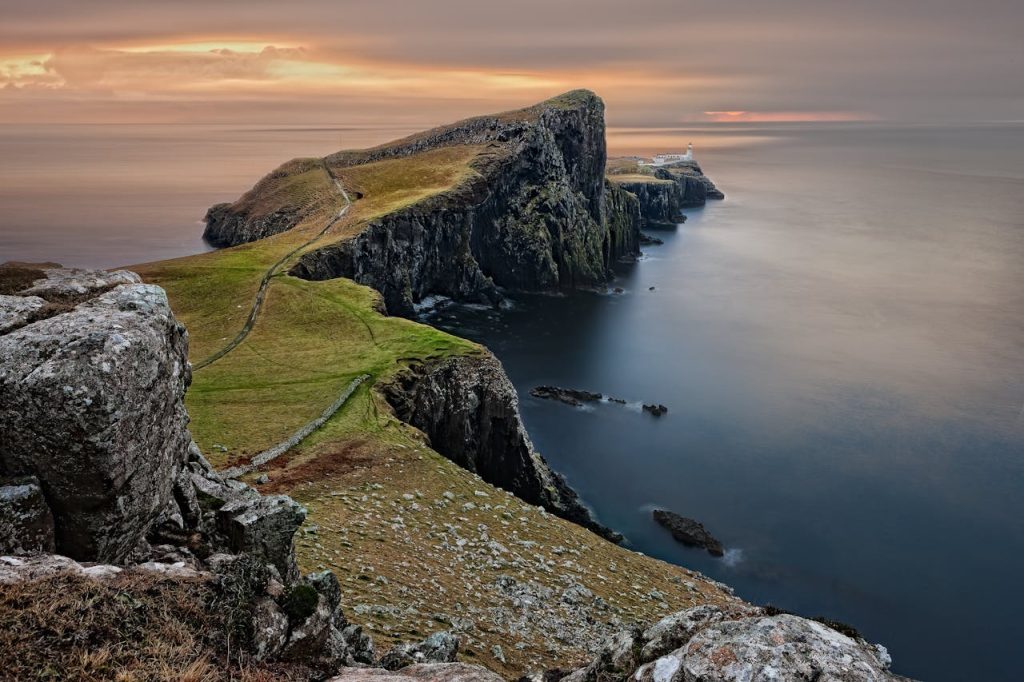
The Isle of Skye feels quiet because its landscape absorbs sound and limits density. Wide moors, coastal cliffs, and distant mountains create natural separation between settlements. Small towns function steadily without constant flow. Weather shifts influence daily movement, often slowing activity. Outside limited summer periods, roads remain lightly traveled. Local life centers on work, weather, and community rather than entertainment. Even historic sites feel restrained by their surroundings. Skye’s quiet comes from scale and openness, where natural features dominate attention and silence feels shared rather than imposed, allowing space for reflection across changing light and terrain.
Patagonia, Chile
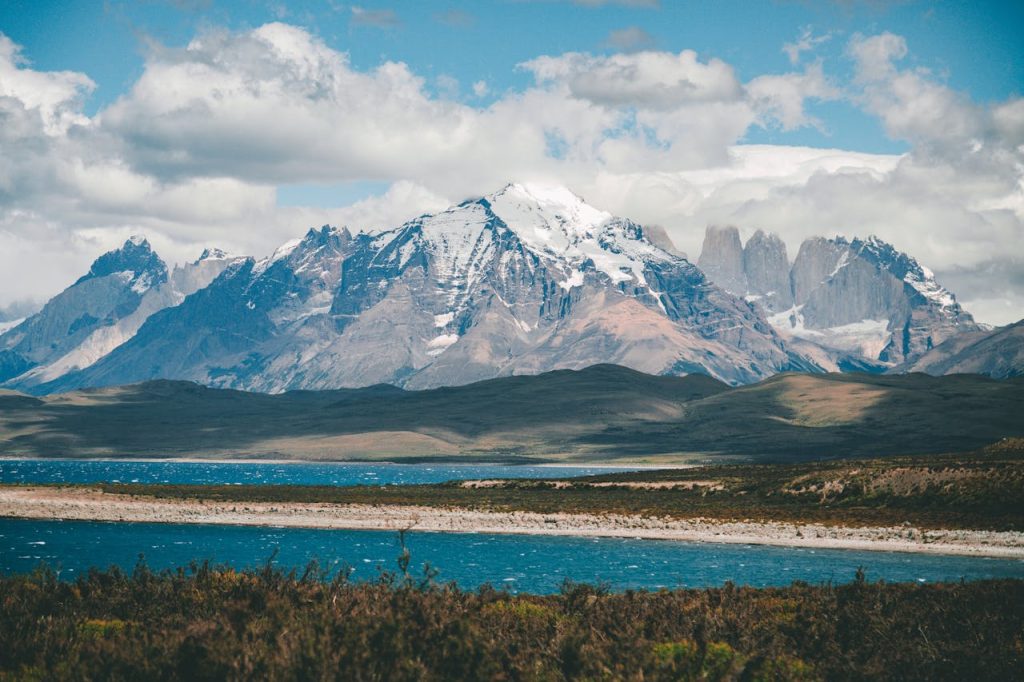
Patagonia feels quiet through vast distance and limited development. Southern Chile’s landscapes stretch across plains, forests, and mountains with few interruptions. Towns remain small and widely spaced. Wind and weather define daily rhythm more than human activity. The roads travel long distances without services, reinforcing isolation. Wildlife sounds often replace human noise. Even popular areas feel subdued due to scale. Patagonia’s quiet emerges from geography that discourages crowding and supports solitude. The environment sets expectations, encouraging patience and awareness. Silence becomes part of the life, experience, shaped by movement through open land rather than built spaces.
Lofoten Islands, Norway
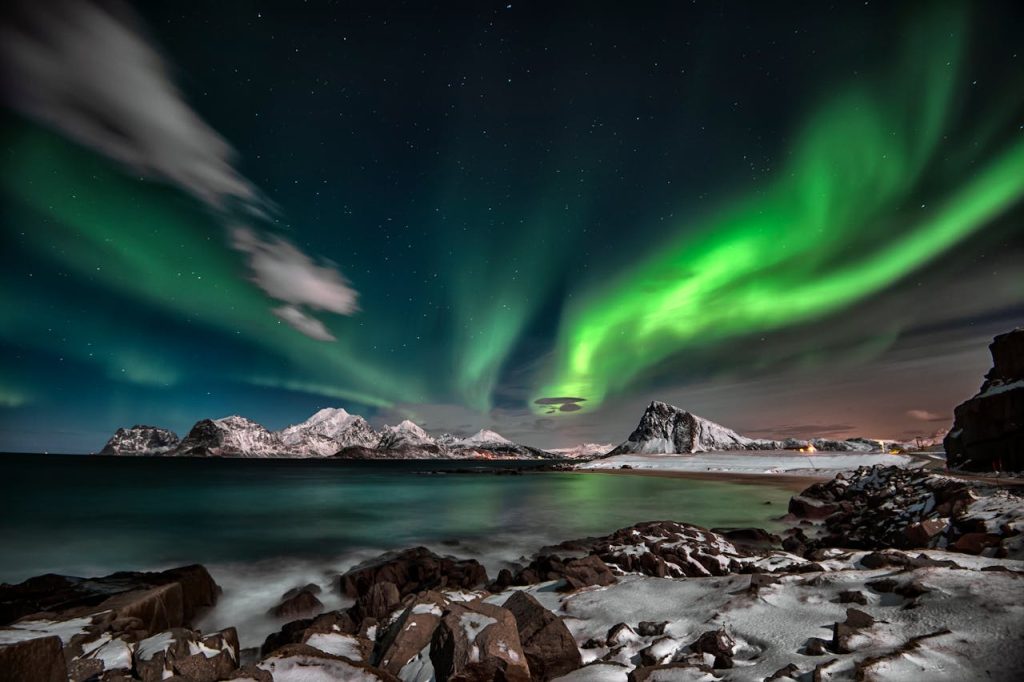
The Lofoten Islands feel quiet despite dramatic scenery because settlement remains sparse and seasonal. Fishing villages operate around longstanding routines tied to sea and weather. Outside peak summer weeks, activity slows noticeably. Narrow roads and limited infrastructure naturally reduce traffic. Mountains rise sharply from water, containing sound and creating pockets of stillness. Even harbors feel restrained between working hours. The quiet comes from balance between livelihood and environment. Life continues steadily without constant motion. Lofoten’s calm reflects respect for landscape and tradition, where silence accompanies daily work and pauses rather than being treated as absence or emptiness.
Luang Prabang, Laos
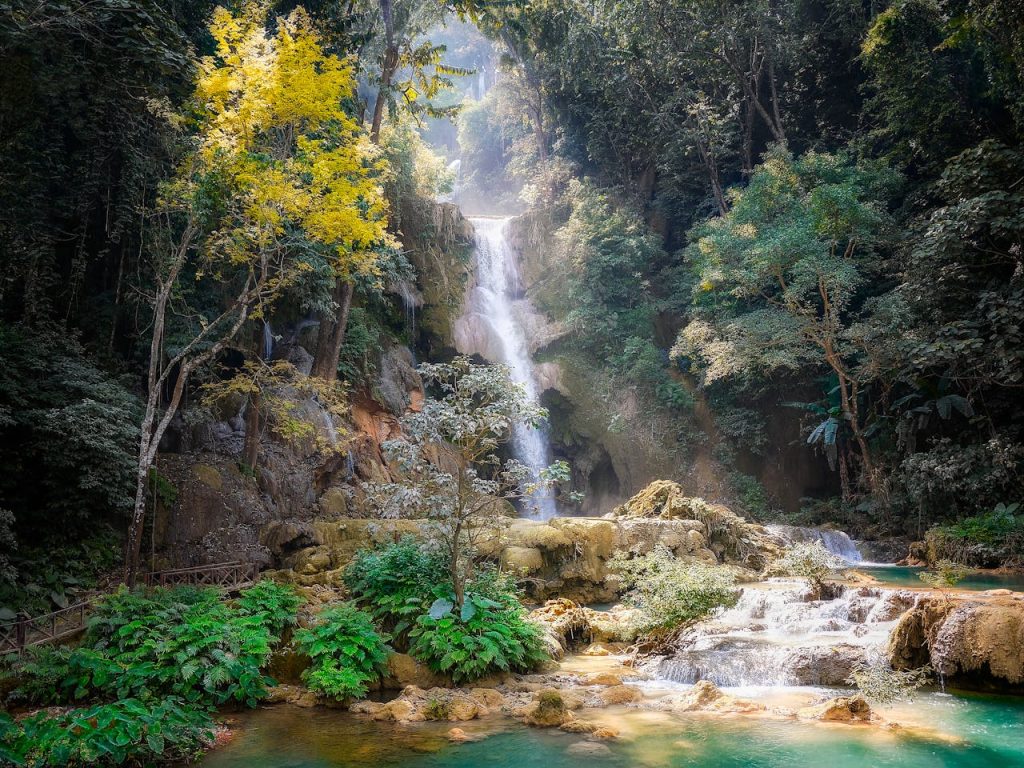
Luang Prabang feels quiet due to its rhythm shaped by religion, geography, and routine. Situated at the confluence of rivers, the city moves gently through the day. Morning alms rituals set a calm tone. Streets remain modest in scale, limiting traffic noise. Buildings reflect traditional proportions rather than dense development. Even markets feel unhurried outside peak hours. Daily life centers on family, temples, and local trade. The quiet comes from continuity rather than isolation. Luang Prabang maintains calm through cultural practice and urban design that favors balance, making stillness part of ordinary life rather than a deliberate retreat. This atmosphere supports reflection, patience, and mindful daily interactions.
Big Sur, California
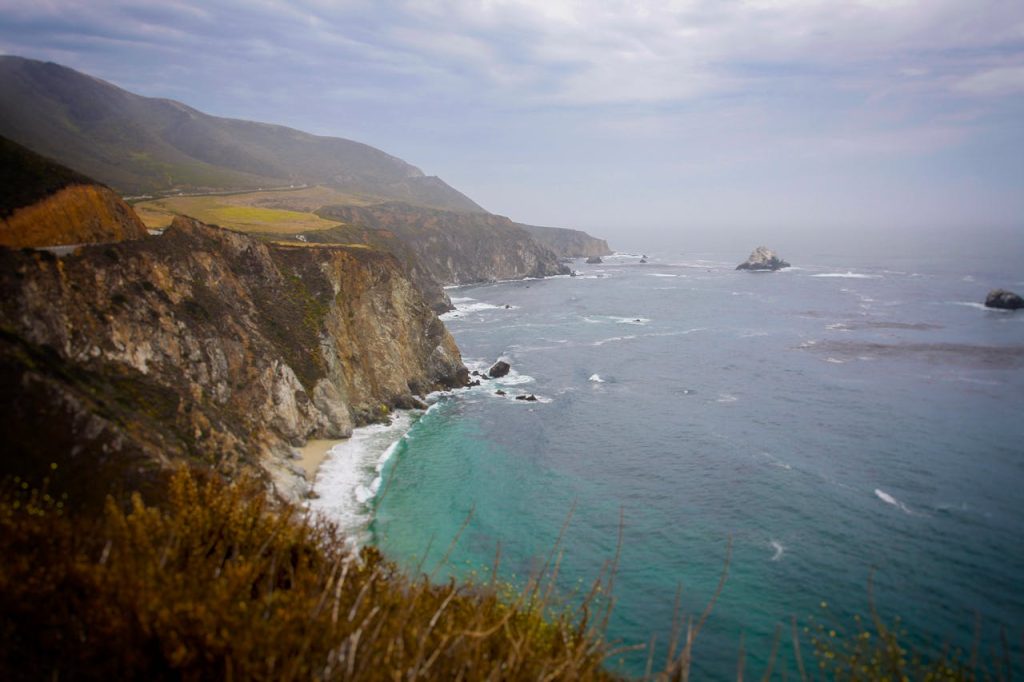
Big Sur feels quiet because rugged geography limits development along the California coast. Steep cliffs and protected land prevent dense settlement. Highway traffic passes through but rarely lingers. Outside viewpoints, sound fades into wind and ocean. Communities remain small and dispersed. Night brings near silence aside from natural elements. Seasonal changes affect visitation, but much of the region stays undisturbed. Big Sur’s quiet comes from preservation and terrain working together. The environment resists expansion, allowing space and solitude to persist. Silence here feels natural, shaped by distance between places and dominance of land and sea. This quiet deepens awareness and emotional connection.
Svaneti, Georgia
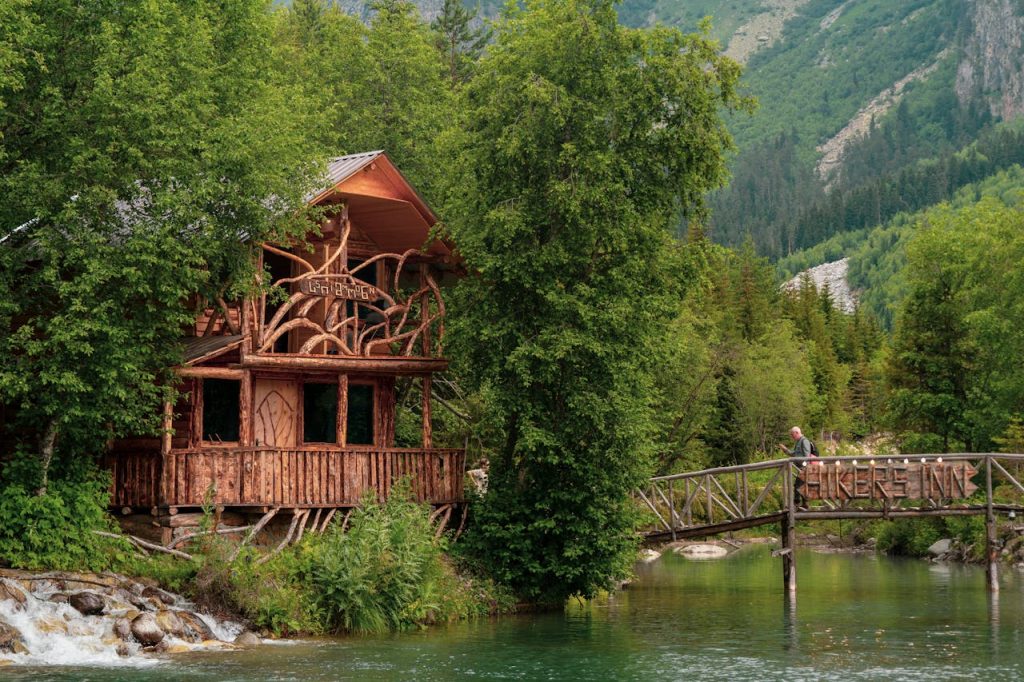
Svaneti feels quiet because of its isolation within Georgia’s Caucasus Mountains. Villages sit high above valleys, separated by terrain and winter conditions. Daily life follows agricultural and seasonal rhythms rather than external demand. Roads remain limited, reducing through traffic. Stone towers and traditional homes reflect continuity rather than expansion. Sound carries softly across open land. Community interactions remain localized. The quiet comes from elevation and tradition reinforcing stability. Svaneti’s calm feels rooted in necessity and endurance, where environment dictates pace. Silence accompanies daily work, creating a sense of stillness shaped by history and landscape rather than intentional seclusion.
Haida Gwaii, Canada
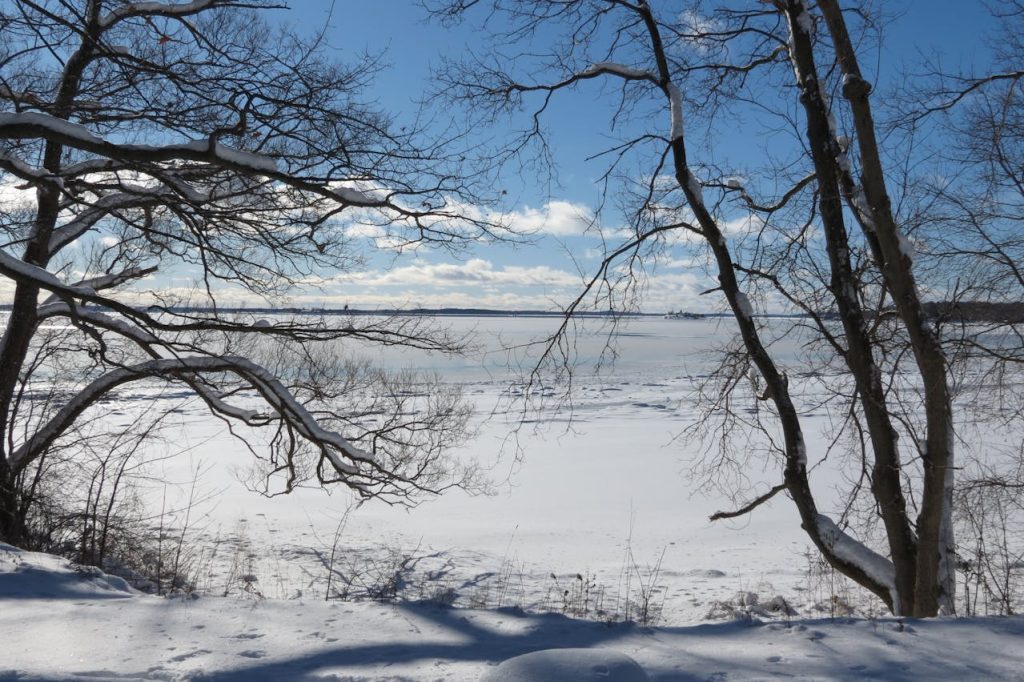
Haida Gwaii feels quiet because of its remote Pacific location and strong cultural stewardship. Communities remain small, surrounded by forests and coastline. Travel requires planning, naturally limiting numbers. Daily life centers on local needs rather than tourism flow. Rain and weather soften sound across the landscape. Forests absorb noise, creating deep quiet even near settlements. Cultural sites are respected and protected. The quiet emerges from isolation combined with intentional care for land and heritage. Haida Gwaii’s calm reflects balance between people and environment, where space and silence support continuity rather than absence. This balance sustains traditions, ecosystems, and everyday rhythms across generations.
Lake Pukaki, New Zealand
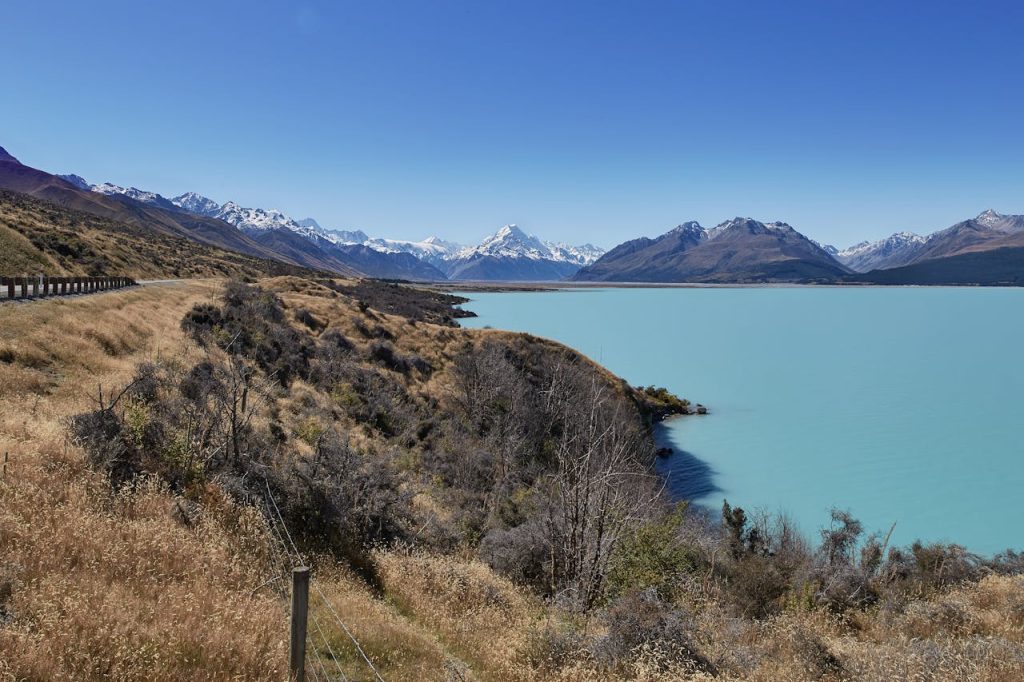
Lake Pukaki feels quiet because of its expansive setting and limited nearby development. The lake sits within a wide glacial valley, framed by distant mountains. Few structures interrupt the landscape. Wind and water provide gentle sound rather than constant noise. Roads serve primarily through travel, not congestion. Even during daylight, space dominates experience. The lake’s scale creates visual and acoustic distance. Quiet here comes from openness rather than isolation. Lake Pukaki remains calm because nothing competes for attention, allowing natural elements to define presence and pace without intrusion or crowd driven energy. This stillness encourages reflection, patience, and awareness of surrounding natural balance.

