


Travel patterns change noticeably once peak tourism fades, creating opportunities for smoother movement and simpler planning. Off-season periods often bring lighter crowds, more flexible reservations, and transportation systems operating without pressure. Cities feel calmer, attractions become easier to access, and everyday navigation requires less coordination. These conditions allow destinations to reveal their practical strengths, from walkable layouts to reliable public transit. Rather than focusing on spectacle, off-season travel emphasizes flow, and efficiency. The following twelve locations consistently feel easier to navigate during quieter months, and environments that support exploration without constant adjustments.
Copenhagen, Denmark

Copenhagen, Denmark feels especially navigable off-season, when cycling lanes, sidewalks, and transit systems operate without congestion. The city’s compact layout allows districts to connect naturally through pedestrian paths and bike routes. Metro and train services maintain consistent schedules year round, linking the airport and neighborhoods efficiently. English remains widely spoken, supporting clear communication across services. Museums, markets, and waterfront areas stay open with predictable hours. Cooler months reduce crowd density without limiting access. Copenhagen’s emphasis on functional design becomes more noticeable off-season, creating a calm, intuitive environment where movement feels deliberate and unforced.
Amsterdam, Netherlands
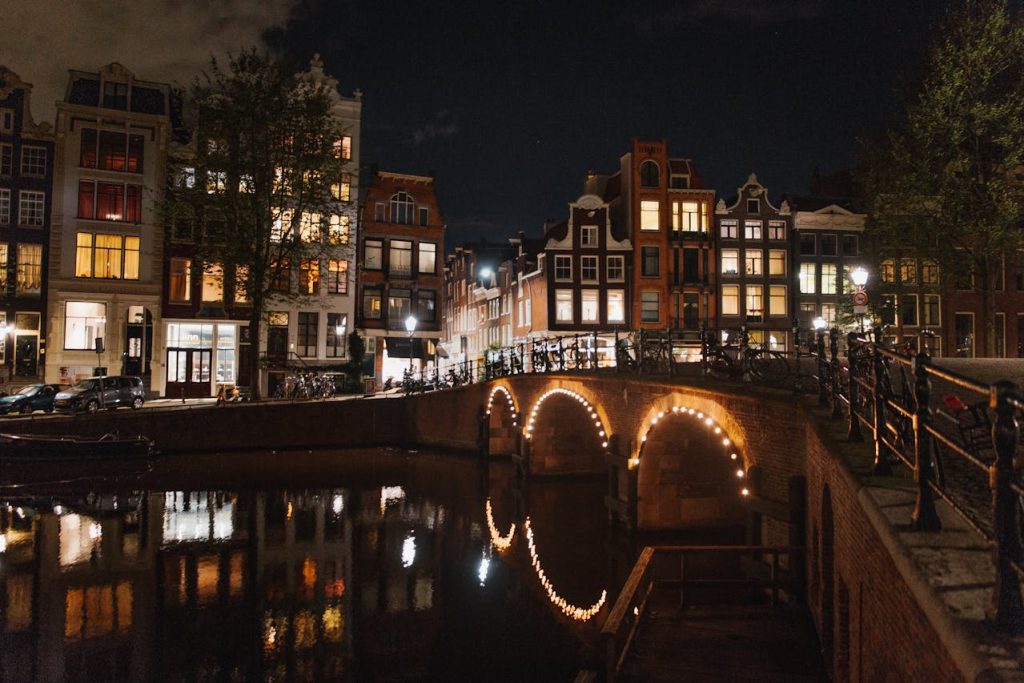
Amsterdam, Netherlands becomes easier to navigate off-season as canal paths, trams, and central streets experience lighter use. The flat terrain supports walking and cycling without seasonal disruption. Public transportation operates reliably, connecting historic districts with residential areas and nearby towns. Museums and cultural sites maintain regular schedules while offering easier entry. English proficiency remains high, minimizing communication barriers. Neighborhoods feel more approachable, allowing smoother transitions between areas. Off-season travel highlights Amsterdam’s logical layout and integrated infrastructure, making navigation feel balanced and predictable rather than compressed by peak visitor demand.
Lisbon, Portugal
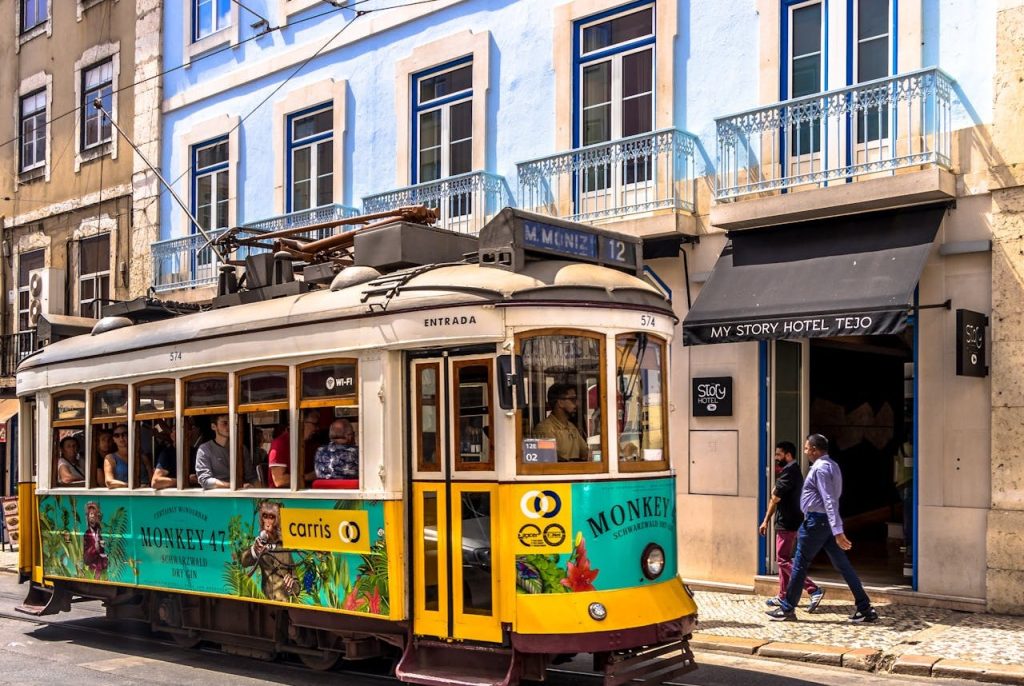
Lisbon, Portugal feels more navigable off-season, when transportation systems and public spaces operate at a relaxed pace. Trams, metro lines, elevators, and funiculars function reliably, easing movement across the city’s hills. Walkable areas like Baixa and riverside districts become more comfortable without heavy foot traffic. Signage and multilingual services assist orientation throughout the city. Attractions and neighborhoods remain accessible with fewer queues and delays. Off-season conditions emphasize Lisbon’s manageable scale and practical transit solutions, helping daily movement feel smoother and less dependent on advance planning. Overall navigation feels calm, flexible, intuitive, and consistently reliable citywide.
Rome, Italy

Rome, Italy becomes noticeably easier to navigate off-season as crowds thin around major historic sites. Public transportation operates consistently, connecting central landmarks with residential districts. Walking routes through historic neighborhoods feel less congested, supporting gradual exploration. Museums, archaeological sites, and churches maintain standard hours with improved access. English communication remains common in service settings. Streets and public squares regain a local rhythm, reducing logistical friction. Off-season travel highlights Rome’s underlying structure, where centuries-old layouts and modern transit combine to create a navigable city when visitor pressure eases.
Barcelona, Spain

Barcelona, Spain feels more accessible off-season as pedestrian areas, metro lines, and bus routes operate without peak congestion. The Eixample grid supports straightforward navigation, while historic neighborhoods remain closely linked by transit. Attractions maintain regular hours with shorter wait times. Signage and visitor services remain available throughout the city. Neighborhood markets and public spaces feel more fluid, allowing unhurried movement. Off-season conditions reveal Barcelona’s well-planned infrastructure, where walking, transit, and public space align naturally, making daily navigation feel intuitive rather than constrained by seasonal crowds. Overall movement feels calm, and easy throughout seasons.
Vienna, Austria
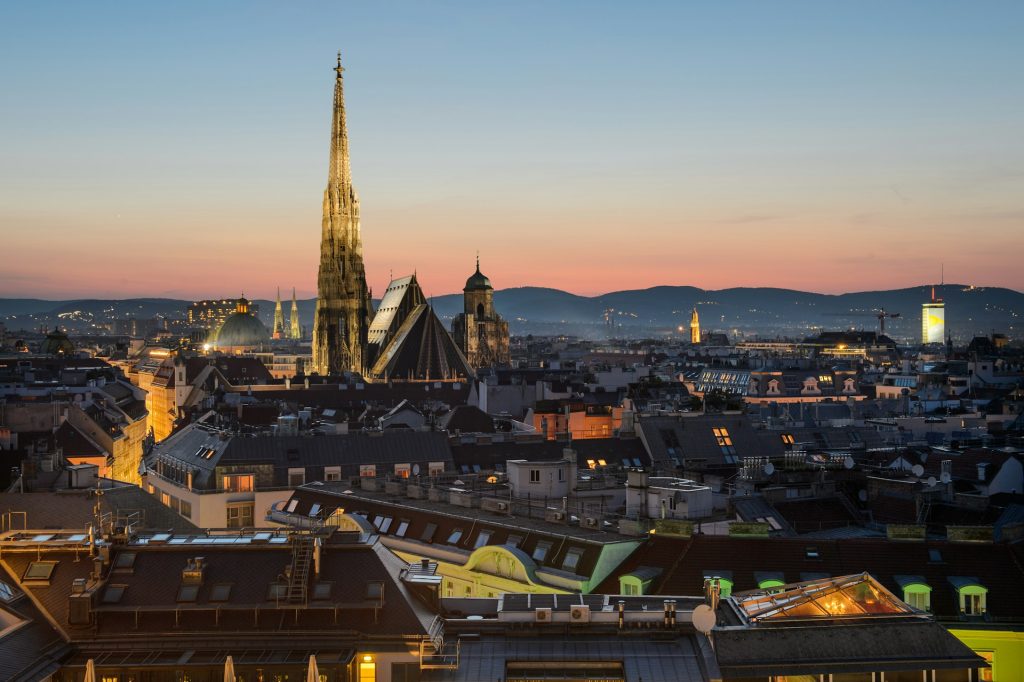
Vienna, Austria becomes easier to navigate off-season as its refined transit network operates without crowding. Trams, subways, and buses maintain precise schedules, linking cultural districts efficiently. The city center remains highly walkable, with landmarks positioned close together. Museums and institutions continue predictable operations year round. English proficiency among service workers supports clear communication. Off-season travel emphasizes Vienna’s orderly design and dependable systems, creating a calm environment where movement between neighborhoods and attractions feels structured, reliable, and free from unnecessary complexity. Overall navigation remains smooth, intuitive, dependable, and paced year round.
Prague, Czech Republic
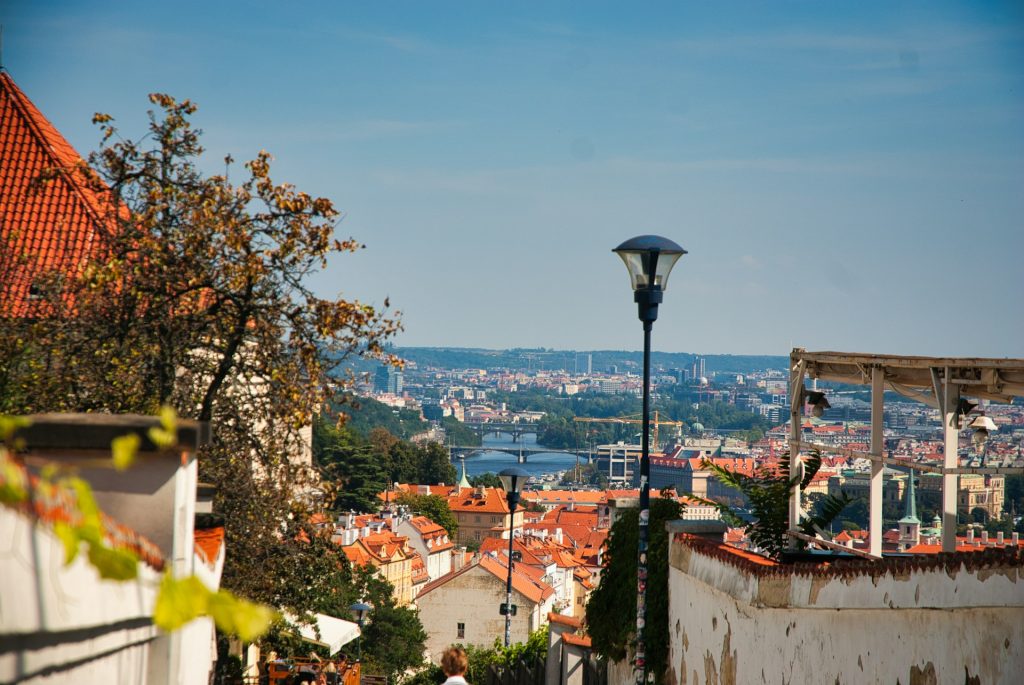
Prague, Czech Republic feels more navigable off-season when historic streets and bridges experience lighter foot traffic. The city’s compact center supports walking between major sites without long distances. Trams and metro lines operate consistently, connecting neighborhoods beyond the Old Town. Signage and multilingual services assist orientation. Cultural venues maintain regular schedules while offering easier access. Off-season conditions allow Prague’s medieval layout and modern transit to function harmoniously, making navigation feel smoother and more comfortable than during peak tourist months. Movement feels relaxed, logical, efficient, and pleasantly unhurried throughout seasons.
Tokyo, Japan
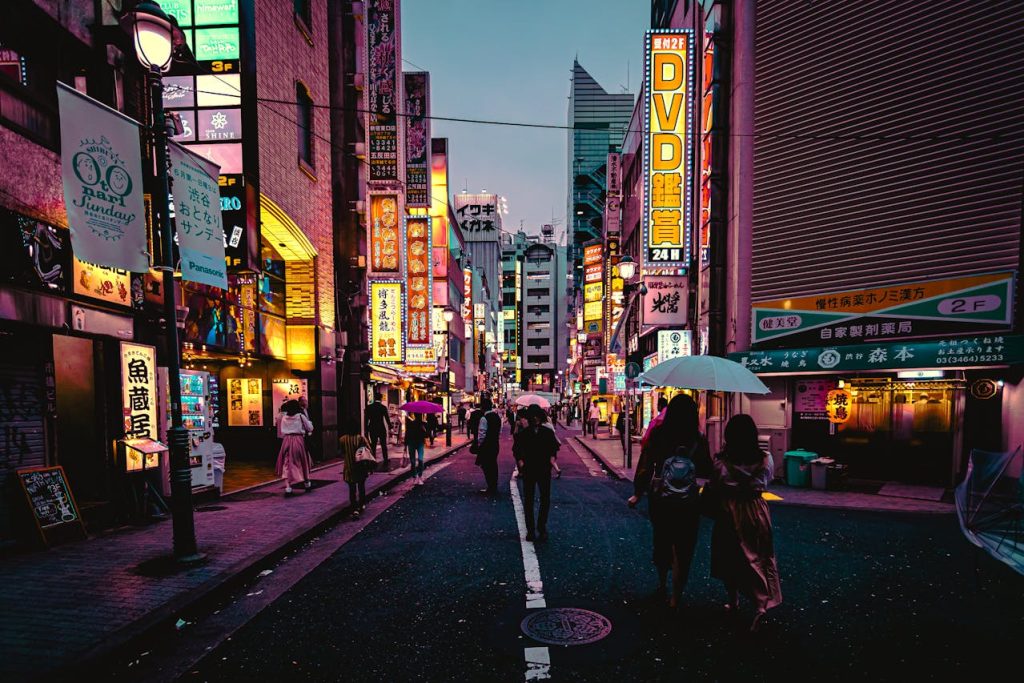
Tokyo, Japan becomes easier to navigate off-season as rail stations and major districts experience reduced congestion. The city’s extensive transit network maintains punctuality and clarity year round. Multilingual signage, maps, and station staff continue supporting orientation. Neighborhood hubs offer dining, shopping, and culture near transit points. Streets remain orderly, and pedestrian pathways stay clearly defined. Off-season travel highlights Tokyo’s efficiency, where scale feels manageable and movement flows naturally, allowing confident navigation across diverse districts without seasonal pressure. Overall travel feels calm, structured, intuitive, and reliably smooth throughout.
Vancouver, Canada

Vancouver, Canada feels more navigable off-season as downtown areas and waterfront paths experience lighter use. SkyTrain lines continue linking neighborhoods, the airport, and surrounding regions efficiently. Walkable districts remain accessible, supported by bike routes and public transit. Cultural venues and parks maintain regular operations. English serves as the primary language, easing communication. Off-season conditions emphasize Vancouver’s integrated planning, where urban spaces and natural settings connect smoothly, allowing movement without congestion or scheduling complications. Overall navigation feels relaxed, efficient, intuitive, and welcoming during seasons.
Reykjavik, Iceland
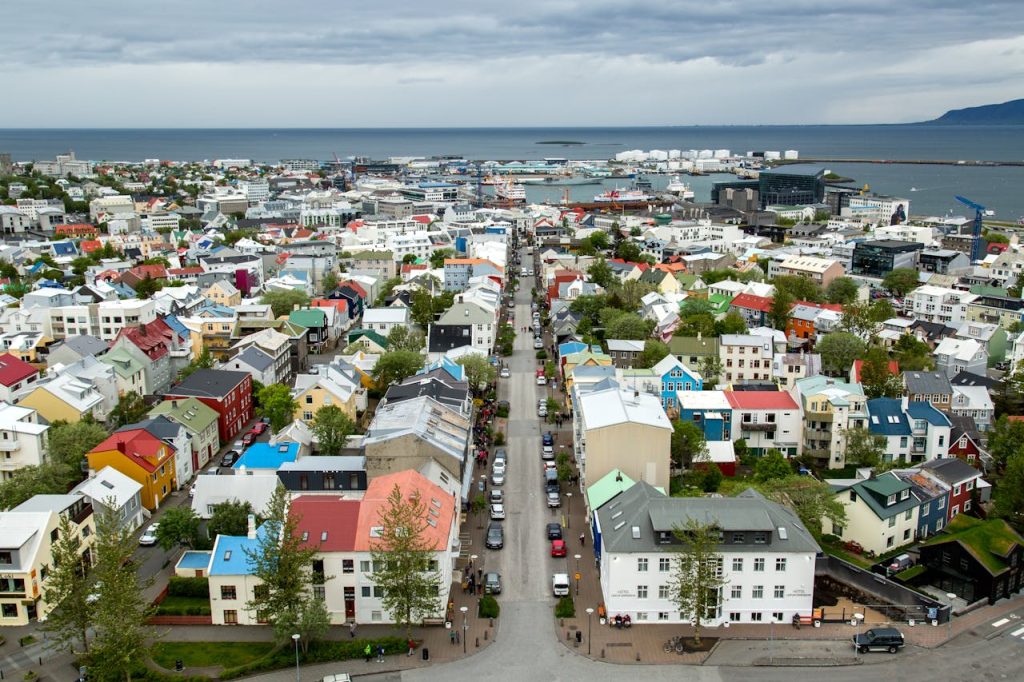
Reykjavik, Iceland becomes especially navigable off-season due to its compact scale and reduced visitor flow. The city center remains walkable, with shops, museums, and cultural venues clustered closely. Public buses operate reliably, and roads follow intuitive patterns. English is widely spoken, supporting orientation and communication. Day trips to nearby natural sites depart from accessible points. Off-season travel underscores Reykjavik’s straightforward layout, allowing urban navigation and regional exploration to feel calm, organized, and free from logistical strain. Overall movement stays clear, predictable, and easy across seasons locally. Transportation clarity supports stress free travel throughout the year globally.
Kyoto, Japan
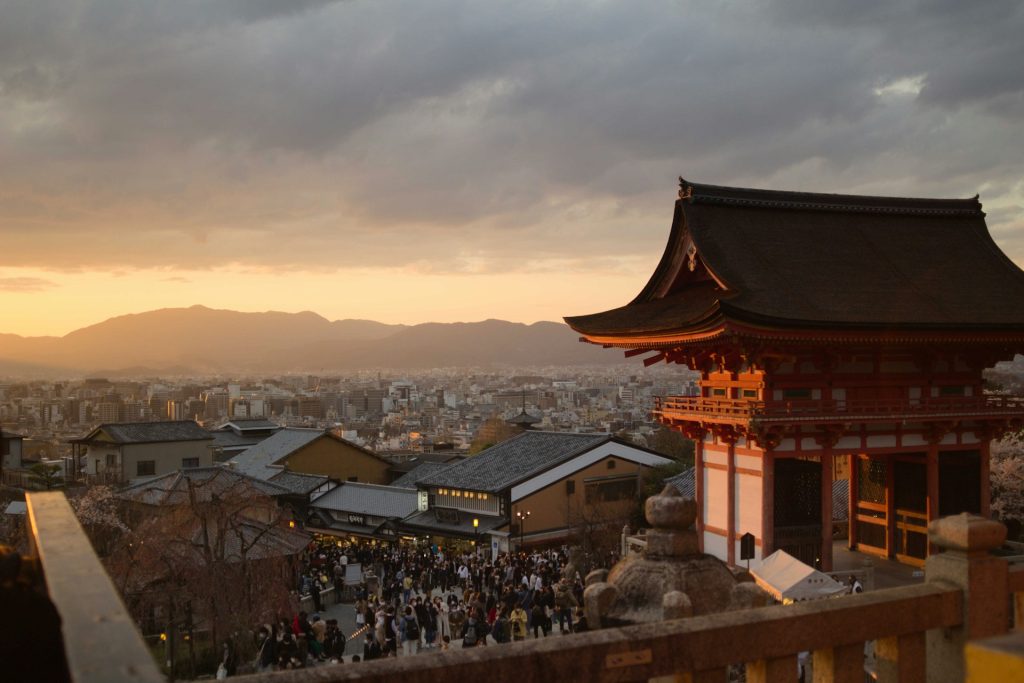
Travelling to Kyoto, Japan feels easier to navigate off-season once peak seasonal tourism subsides. Bus and rail systems continue operating efficiently, connecting temples, neighborhoods, and surrounding areas. Historic districts become more walkable without heavy crowds. Cultural sites maintain regular hours, supporting steady access. English signage and visitor information assist orientation. Off-season conditions highlight Kyoto’s underlying structure, where traditional streets and modern transit align smoothly, making movement between cultural landmarks feel manageable and thoughtfully paced. Navigation remains calm, intuitive, and reliable throughout quieter travel months.
San Diego, California

San Diego, California becomes more navigable off-season as coastal neighborhoods and downtown areas experience reduced congestion. Road networks remain straightforward, and public transit continues connecting major districts. Outdoor attractions, museums, and parks operate year round with consistent schedules. English communication is universal, simplifying interactions. The city’s spread-out layout feels less demanding without peak traffic. Off-season travel emphasizes San Diego’s relaxed infrastructure, allowing exploration across beaches, cultural sites, and urban areas without frequent adjustments or time pressure. Overall navigation feels simple, predictable, and comfortable throughout seasonal travel.

