



Hotel deposits rarely feel like a big deal until the card is tapped and the available balance suddenly drops. In certain cities, hotels place larger authorization holds to cover incidentals, local pricing, and the risk of disputed charges after checkout. The policy is usually disclosed, often routine, and still surprising in the moment, especially after a long flight. What makes it stressful is the delay: a stay can end cleanly, yet the hold may linger for days. A little awareness keeps arrivals calmer and budgets steadier.
Las Vegas, Nevada
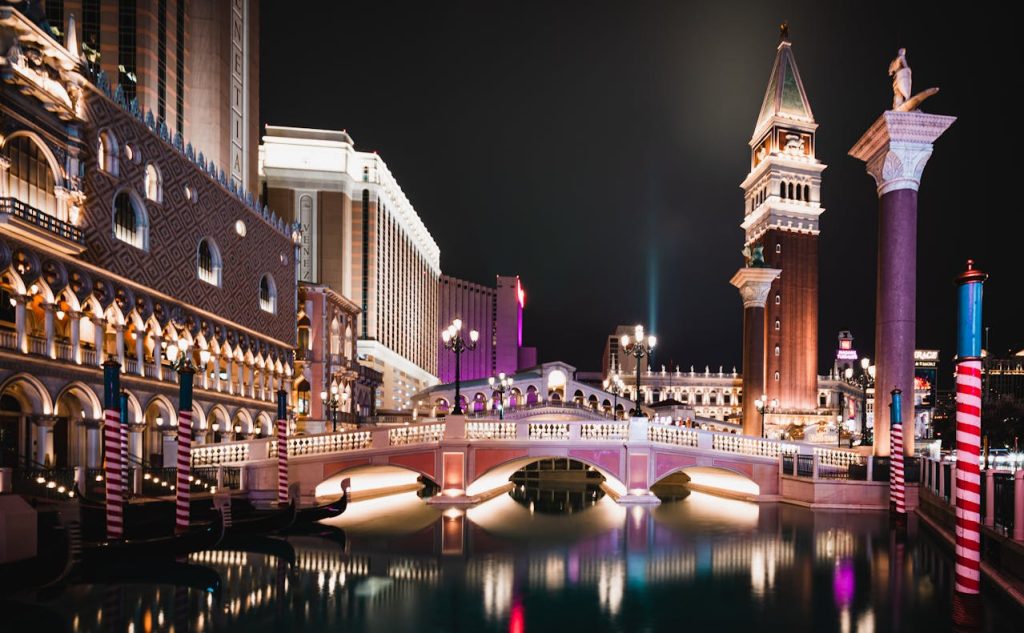
Las Vegas hotels often place larger authorization holds than guests expect, especially at casino resorts built around room charging. Deposits can be set per night and combined with resort fees, paid parking, and outlets that make it easy to sign for food, drinks, and pool service without thinking. The surprise hits at check-in, when the terminal confirms a big pre-authorization that reduces available credit immediately. Even if nothing is charged later, the hold can remain for several days after checkout depending on the bank’s release timing. It is a cushion, not a prediction, but it can still feel like a second bill on arrival.
New York City, New York
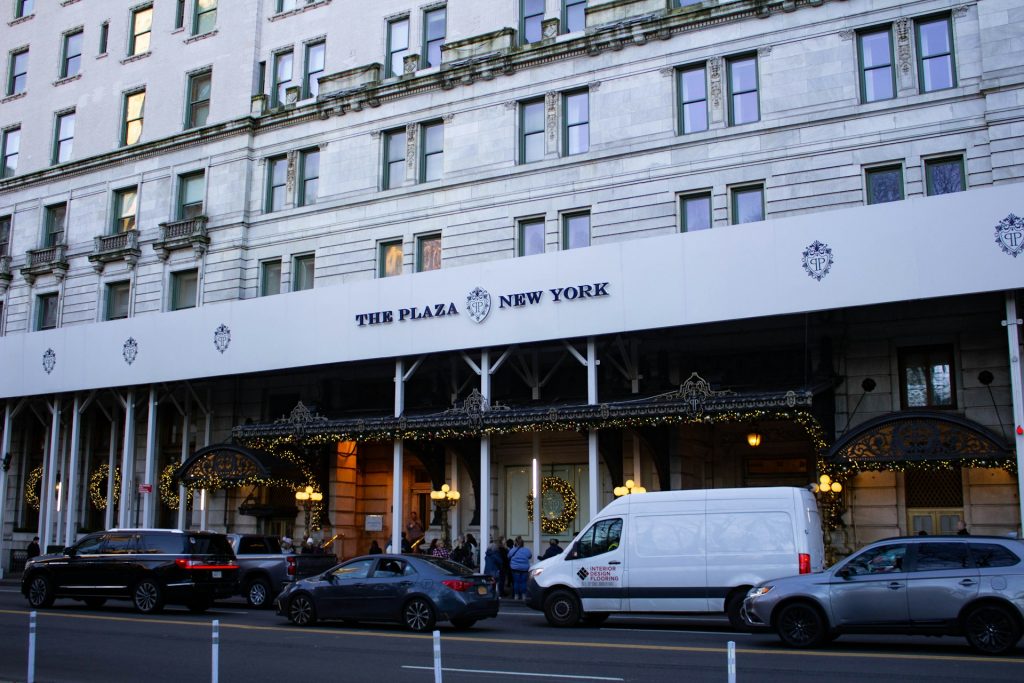
New York City hotels often protect themselves with larger incidental holds because the baseline cost of everything is high. Minibars, in-house dining, laundry, and parking can add up quickly, and properties assume some guests will charge to the room for convenience. Many also pre-authorize to cover smoking penalties, late checkout, or missing items, even when the stay feels simple. What confuses visitors is timing: the hold can appear instantly as reduced credit, while the release may take several business days, even when the final folio shows zero extras. The number looks personal, but it is usually a standardized policy.
Miami, Florida

Miami’s deposits can feel bigger than expected because hotels anticipate high incidental spending in beach and nightlife districts. Pool service, towel programs, bar tabs, and valet parking are common, and properties set holds to cover the possibility, not the plan. During high-demand weekends and events, some hotels increase deposits because turnover is fast and room charges spike. Guests feel it most when the stay is short, since the hold lands at check-in and lingers beyond checkout, creating a brief cash-flow crunch on a card. The policy is routine, yet it can still surprise travelers who booked a modest rate and expected modest holds.
San Francisco, California

San Francisco hotels often place larger holds because local pricing is high and incidentals can be unpredictable. Parking, restaurant charges, and convenience items inside the property can cost more than visitors assume, so deposits are sized to prevent disputes later. Business travel patterns also matter, since room charging is common and hotels want a clean buffer for extras before checkout. The confusing part is that the hold can sit on a card even after the final bill is paid, and the release schedule depends more on the bank than the hotel. In a city where small items run expensive, the deposit tends to match that reality.
London, England
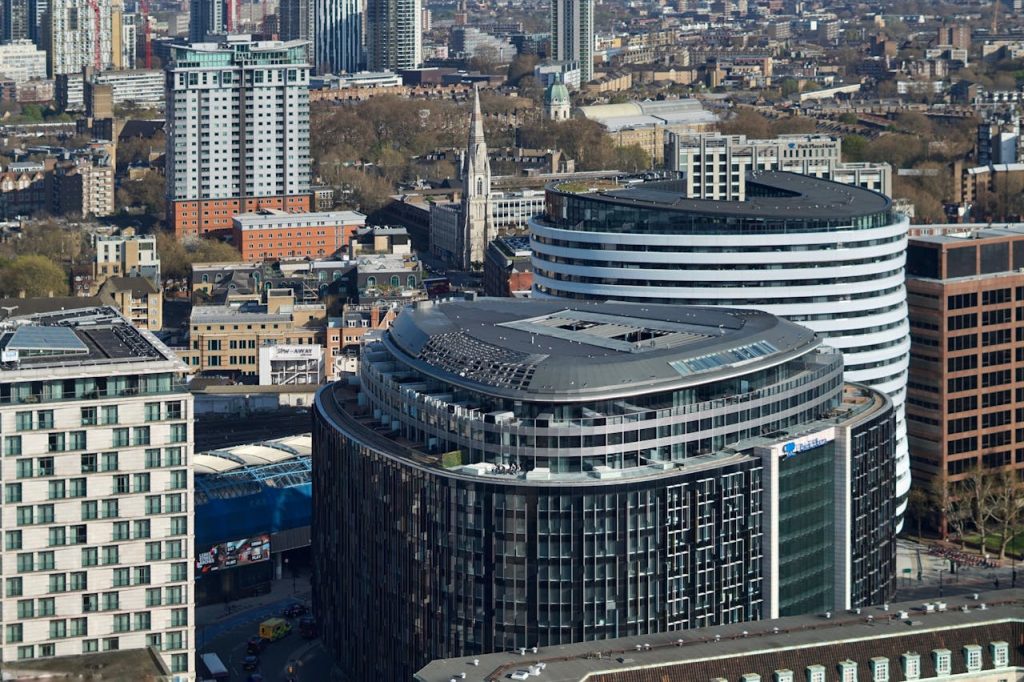
London hotels can surprise visitors with larger deposits because many properties expect frequent room charging in busy central areas. Holds may be applied per night and can stack with prepaid rates, making the total look large when viewed in a banking app. With city-center pricing, even minor incidentals can be costly, so hotels set a wide margin to avoid shortfalls. The detail that trips people up is how quietly it is presented at check-in, often as a standard tap on a terminal with little explanation. Even when everything is clean at checkout, the hold may linger until the bank releases it, which can take longer than a traveler expects.
Paris, France
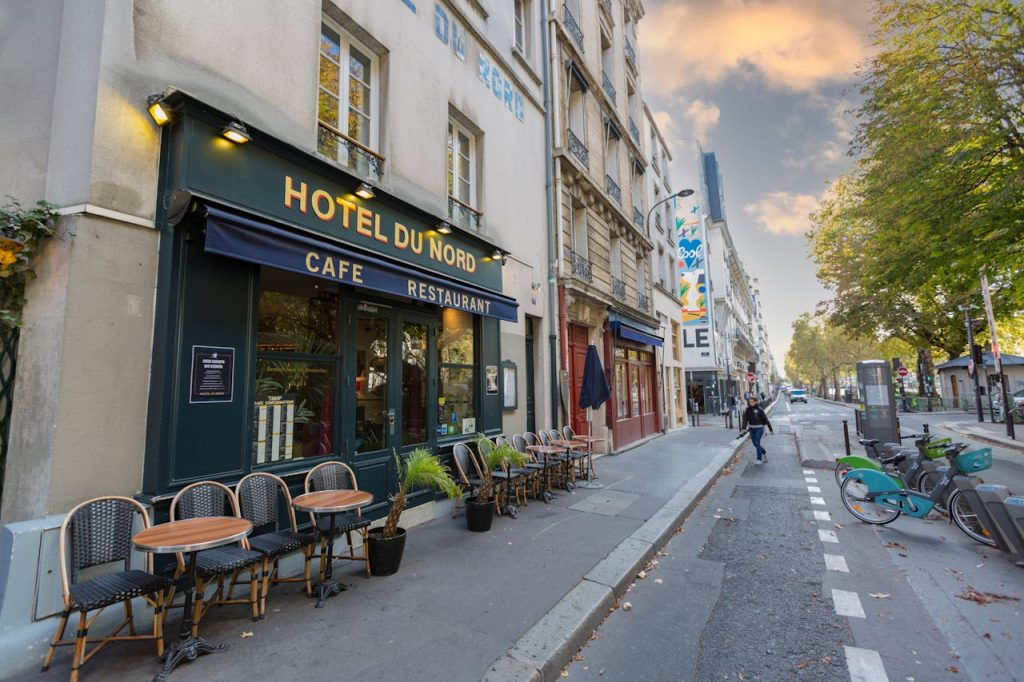
Paris hotels, especially smaller boutique properties, can require larger deposits because they guard limited inventory and delicate rooms. Some places pre-authorize to cover breakfast add-ons, minibar charges, extra cleaning, or potential damage, even when the stay feels calm and short. Older buildings and compact rooms mean wear shows quickly, and policies can be strict to protect furnishings and staff time. Visitors often feel caught off guard because the tone is polite while the hold is firm, and the release timing can be slower than expected. It is usually less about suspicion and more about protecting tight margins in a high-cost city.
Dubai, United Arab Emirates

Dubai hotels often place sizable deposits because the stay can include many chargeable experiences under one roof. Room service, lounges, beach clubs, and in-house dining can be billed with a signature, so properties hold a cushion before handing over keys. Some resorts also factor in potential fees tied to extra guests, late checkouts, or access to premium areas, which are common in a city that runs late and loves upgrades. The hold can look large because rates are high and hotels assume high-spend behavior, even if the plan is quiet rest. It is routine locally, but still surprising to first-time visitors.
Singapore
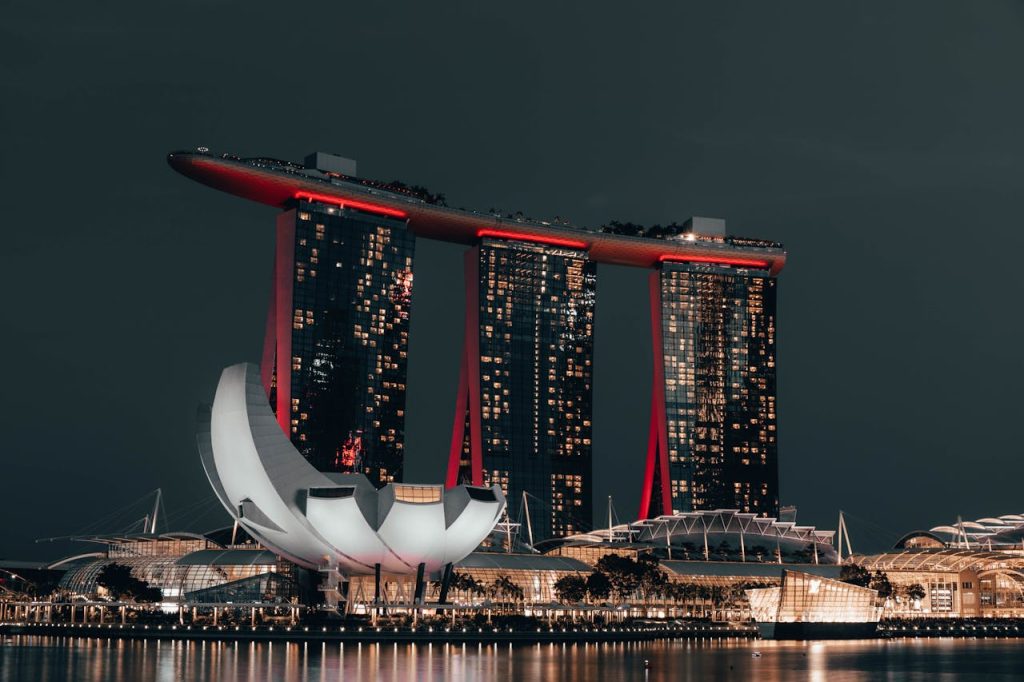
Singapore deposits can feel larger because hotels operate with strict rules and premium-priced incidentals. Minibars, laundry, and dining often cost more than visitors expect, and properties prefer to avoid end-of-stay disputes by holding a meaningful buffer. Many also maintain firm policies around smoking or extra cleaning, and deposits reflect that risk, even if a guest never comes close to those issues. The process is efficient: a quick tap, a clean receipt, and a hold that quietly reduces available credit until the stay clears. It rarely feels chaotic, just bigger than expected for travelers used to smaller incidentals, especially on longer stays where holds can scale.
Hong Kong
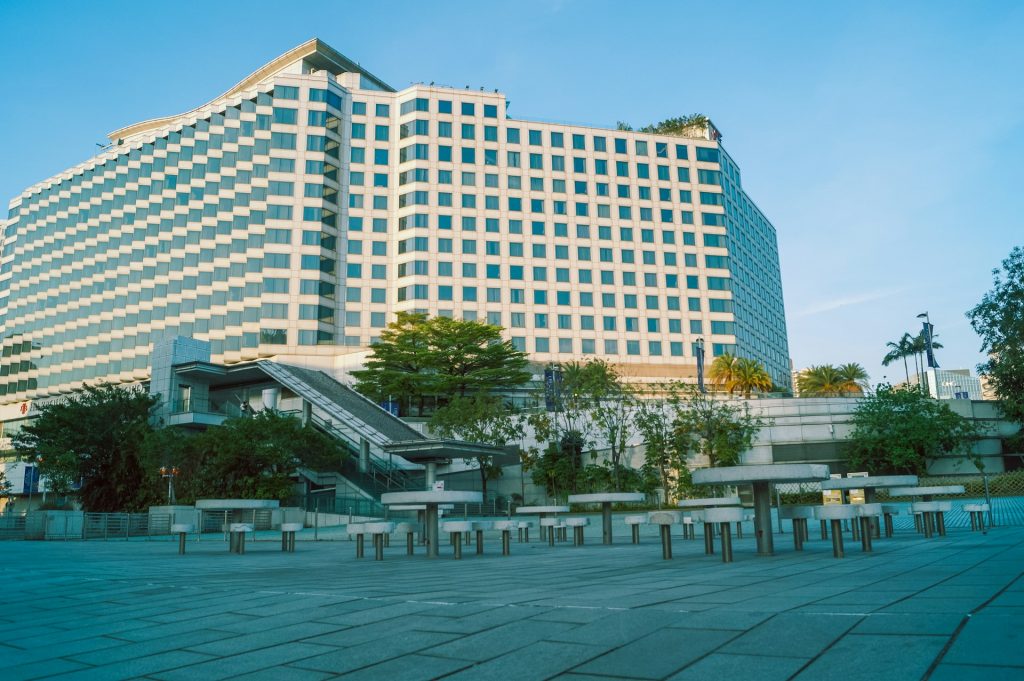
Hong Kong hotels may place larger holds because space is tight, turnover is fast, and incidentals can be expensive in dense districts. Properties expect room charges for breakfast, late snacks, or convenience items, and they plan for possible wear in compact rooms where small damage is more noticeable. Some hotels set deposits per night rather than per booking, so the amount grows quickly even on a short stay. What catches visitors is the pace: check-in moves fast, the receipt is brief, and the hold is already on the card before anyone has processed the number. Even with a spotless checkout, release timing depends on the bank, not the front desk.
Tokyo, Japan
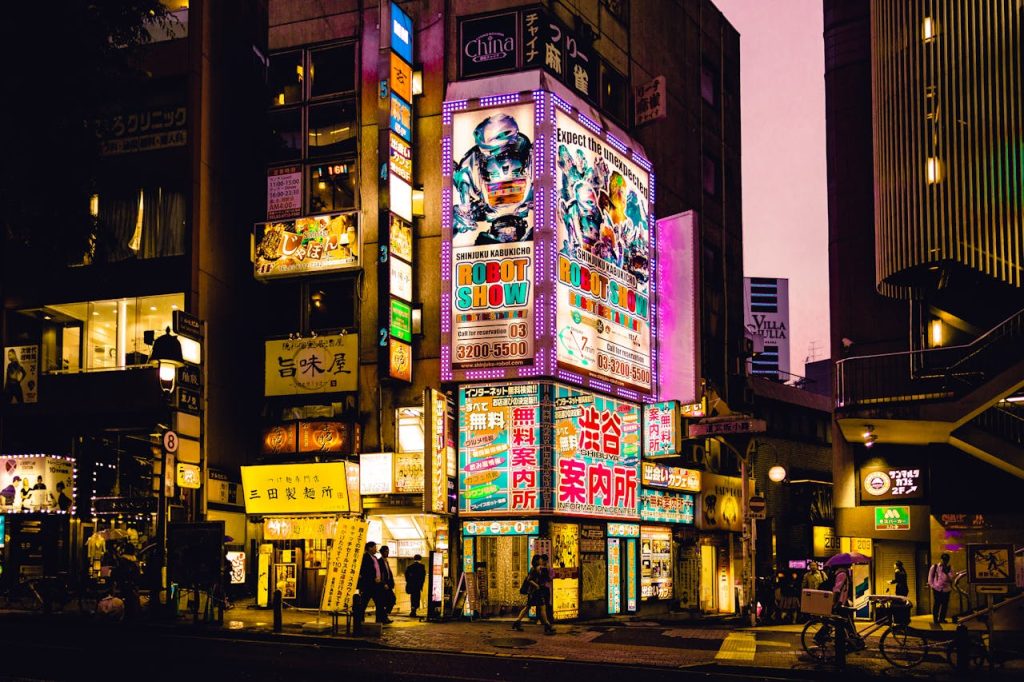
Tokyo hotels run smoothly, yet deposits can still feel larger than expected because policies vary widely by brand and neighborhood. Some properties hold funds to cover breakfast add-ons, minibar charges, and potential cleaning fees, especially in business districts where room charging is common. The hold is often presented as standard and may be rounded to a set figure, which can feel abrupt to travelers used to smaller, item-based deposits. Even when service is calm and transparent, the number can look high relative to a short stay. The hold may also linger for days after checkout depending on card issuer timing, making the impact last longer than the actual visit.
Reykjavik, Iceland

Reykjavik deposits can surprise visitors because Iceland’s everyday prices are high and incidentals add up quickly. Breakfast add-ons, bar tabs, and small convenience purchases often cost more than travelers expect, so hotels buffer deposits to avoid shortfalls. Seasonal demand plays a role as well, since stays are often brief, turnover is quick, and properties want minimal billing friction at checkout. The hold may look steep relative to the room rate, yet it is usually a precaution rather than a judgment. What makes it feel heavier is the delay, since release timing varies by bank and can outlast a simple one-night stay.
Zurich, Switzerland

Zurich deposits can feel larger because local prices for food, parking, and services are high, and hotels assume incidentals will follow. An espresso, laundry, or late snack can be billed to the room at Swiss rates, so properties pre-authorize a cushion that matches the city’s cost level. Business travel patterns also influence policy, since many guests charge meals and meetings to rooms and settle later. The hold appears immediately and can clear slowly even after a spotless checkout and a printed zero-balance receipt, which makes the delay feel personal. In practice, it is often a standardized buffer designed to keep billing clean.

