


Winter charm is easy to admire for a day or two: snow on rooftops, warm lights in windows, and cafés that feel like shelters. Then the charm wears off. Sidewalks get slick, daylight shrinks, and the trip becomes less about scenery and more about how a place actually operates in cold, dark weeks. Some destinations get better at that point. Their beauty stops performing and starts feeling lived-in, with routines that make the season manageable. These winter places reward travelers who stay long enough to notice the steady, ordinary rhythm behind the postcard.
Reykjavík, Iceland
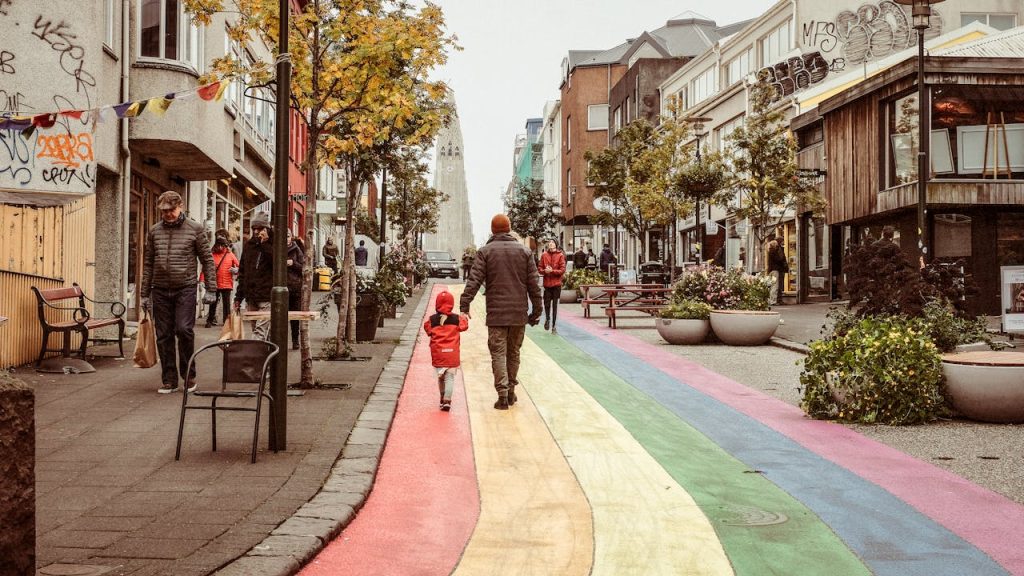
Reykjavík looks charming for a day, then wind, sleet, and short light take over and force honest planning, down to boots, bus timing, and which streets stay walkable after a freeze-thaw cycle. Storm hours become routines: a long soak at Laugardalslaug, a bakery stop, and slow café time while weather rolls through, with Harpa concerts and small museums carrying the afternoon without strain. When the sky stays slate-gray, the city feels more real, because locals keep the same rhythm anyway, and calm comes from repeating warm, simple choices, like soup, hot pools, and short walks, instead of chasing perfect views.
Edinburgh, Scotland
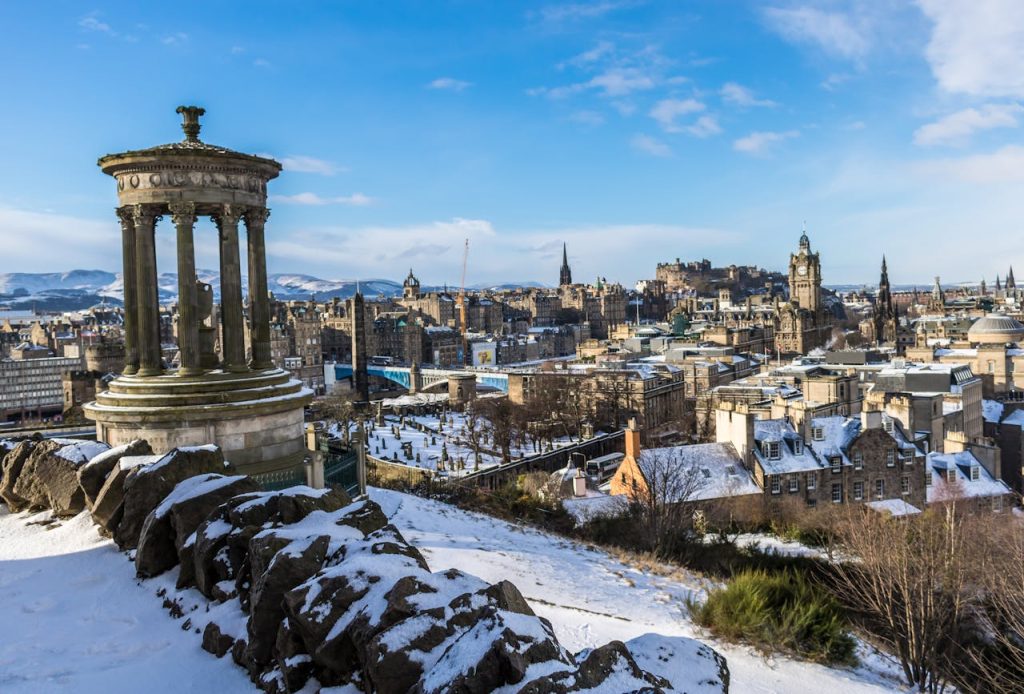
Edinburgh’s winter glow fades fast into wet stone, early dark, and hill climbs that feel longer when wind threads through narrow closes and damp air clings to wool. After the castle view, the city runs on practical comforts: the National Museum, a steady pub lunch, warm bookshops, and short loops through Stockbridge or Leith timed between showers, with buses and galleries doing quiet rescue work. When the festival gloss is gone, Edinburgh feels more real, because everyday life keeps moving behind the facades, umbrellas drip in entryways, and a good day is built from small, dry stops and a warm plate.
Québec City, Canada
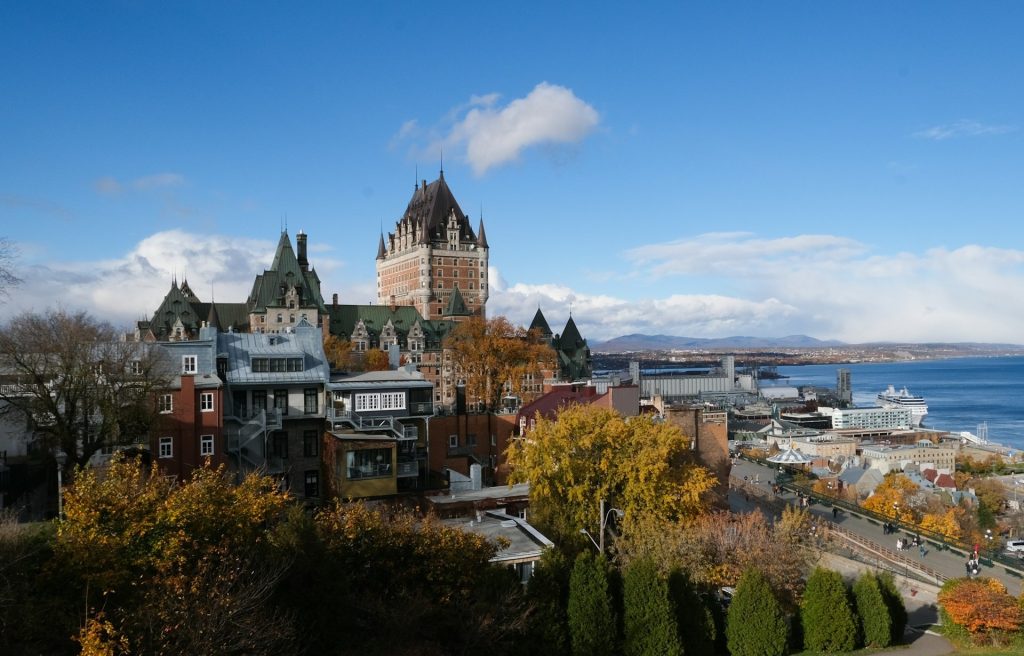
Québec City arrives like a snow-lit postcard, then demands real winter competence: boots with grip, layers that breathe, and patience for wind off the St. Lawrence that can numb cheeks fast. After Old Québec photos, daily rhythm takes over with bakery mornings, warm breaks in small museums, and long meals of soup and poutine, plus a Dufferin Terrace stroll when streets are clear and lights come on early. When charm wears thin in the cold, the place feels authentic, because locals still linger, skate, and treat winter as normal weather, not a performance, and indoor warmth is woven into the day.
Prague, Czechia
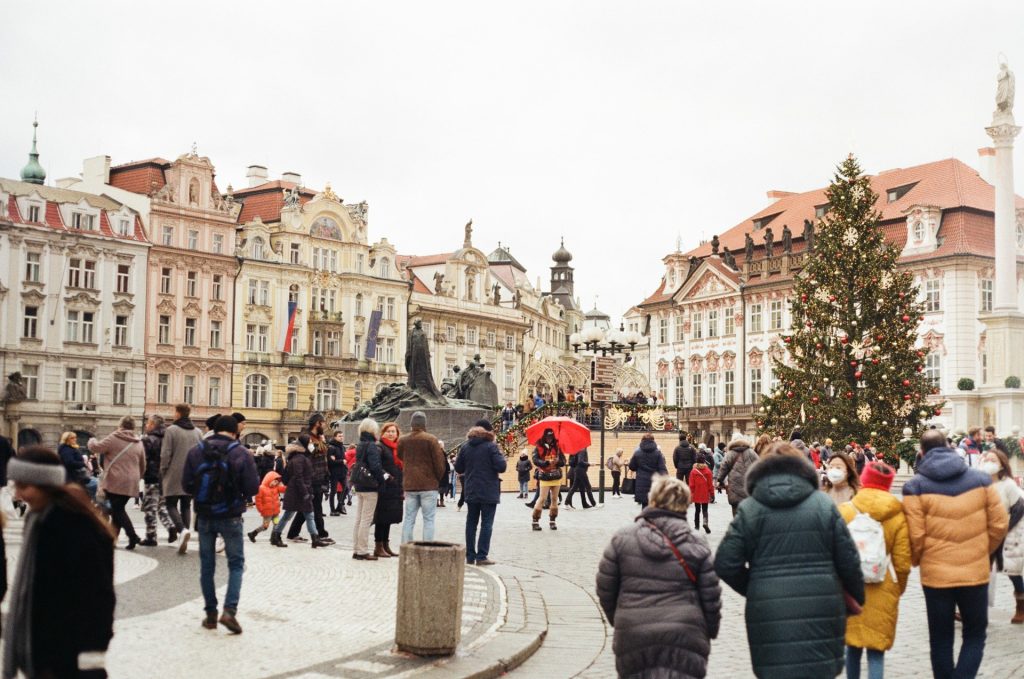
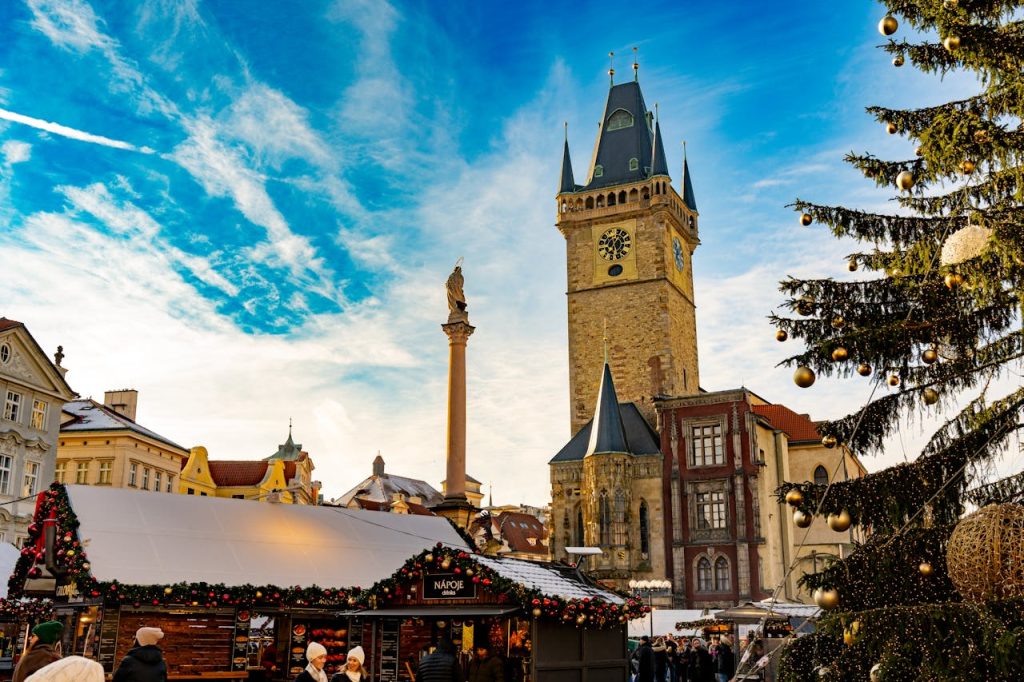
Prague can look like a storybook for a day, then the Vltava turns steel-colored, early dark arrives, and damp cobbles slow every step, especially in the lanes near the river. After the bridge photos, the city becomes an indoor-led routine: concert halls, museums, and long café sits, with trams keeping distances easy and a hot lunch in Vinohrady or Letná doing more for morale than another viewpoint. When fog settles and charm feels muted, neighborhoods away from Old Town keep their pace, and evenings turn into quiet dinners that stretch without hurry, followed by a calm tram ride home past lit windows.
Salzburg, Austria
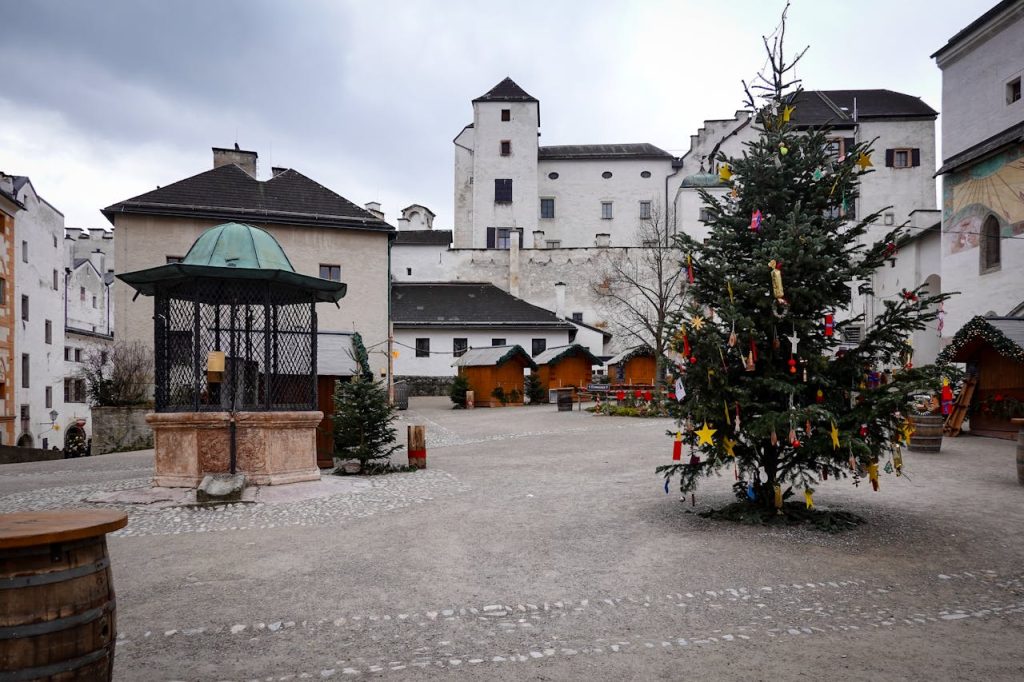
Salzburg starts with market lights and mountain edges, then winter reality appears in early closing hours, sharp river air, and a sky that can stay flat for days even when snow looks perfect. Once the first views are collected, the city feels like a compact routine: pastry stops, fortress timing, museum afternoons, and short rail day trips chosen for visibility, not ambition, with warm interiors doing the heavy lifting. When charm wears off, Salzburg feels more real, because it reveals everyday pace behind the scenery, where locals move calmly, eat well, and let evenings stay quiet with no apology.
Banff, Alberta
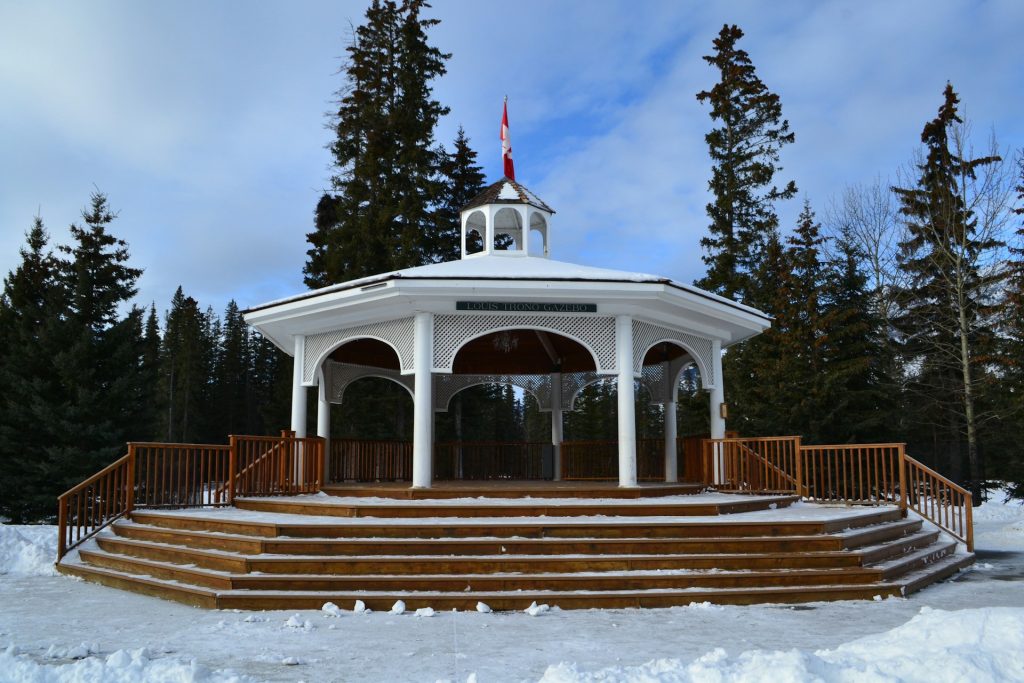
Banff looks like a snow globe at first, then winter shows its practical side: cold snaps, busy weekends, and the real work of getting around safely on icy lots, packed roads, and shifting trail conditions. After the first lake photo, the trip becomes about timing, from early trail starts and shuttle planning to choosing shorter hikes when conditions turn, with a hot spring, a café, or a small brewery as a steady reset between outings. When charm fades, the town still works because winter is its normal season, and that lived-in rhythm feels calming, especially when the day ends with dry gloves, warm food, and an early night.
Zermatt, Switzerland
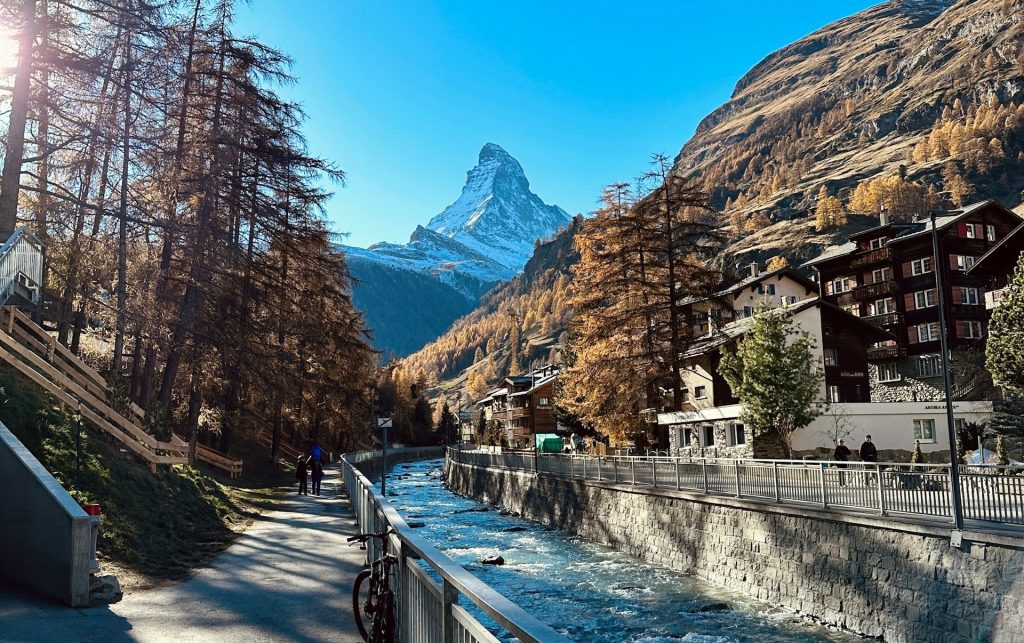
Zermatt opens with Matterhorn drama, then reveals the real winter math: high prices, lift schedules, and walking through snow with bags because cars stay outside the village. Once clear-day photos are done, the experience runs on rhythm, not spectacle, with weather windows, long lunches that double as recovery, and small errands like grocery runs, boot drying, and glove repairs that make mornings easier. When clouds hide the peak, Zermatt feels more real, because mountain life is built on patience, warm interiors, and accepting what the sky gives, then taking the next clear hour when it appears.
Venice, Italy
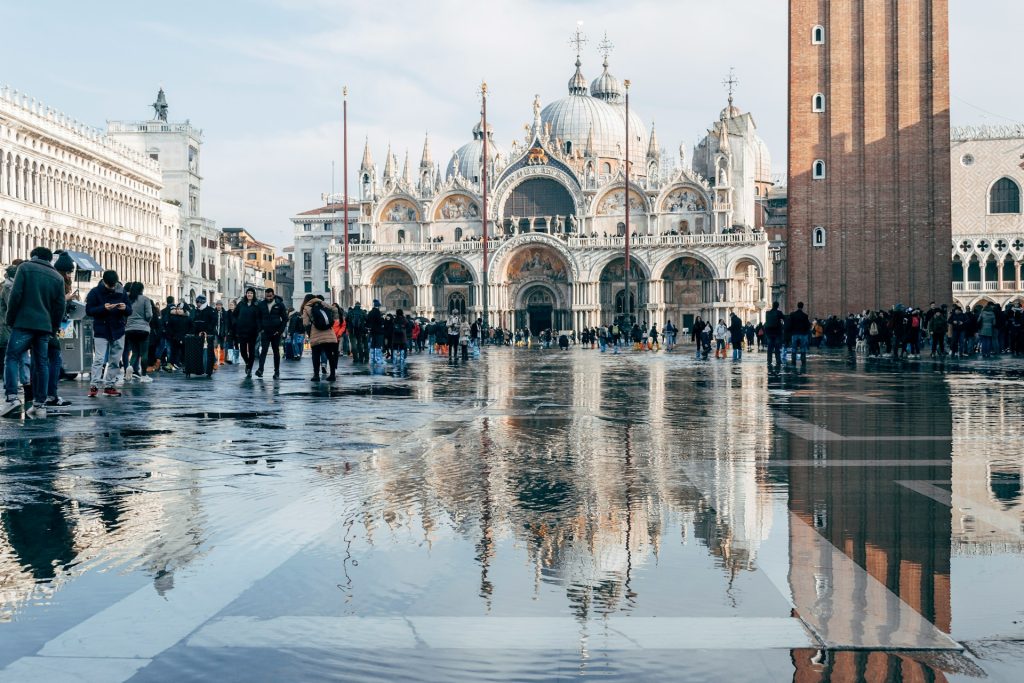
Venice in winter begins with quiet canals and soft light, then the practical side arrives: damp air, wet stone underfoot, and occasional high-water timing that changes routes between bridges. After the gondola glance, the city becomes daily decisions, like shoes that handle slick steps, meals in small bacari, and longer walks through quieter sestieri to keep the mood steady when crowds gather near the usual icons. When charm wears off, Venice feels more real, because locals reclaim the streets, cafés hum, laundry hangs in back lanes, and the beauty stops competing with noise and simply exists.
New Orleans, Louisiana
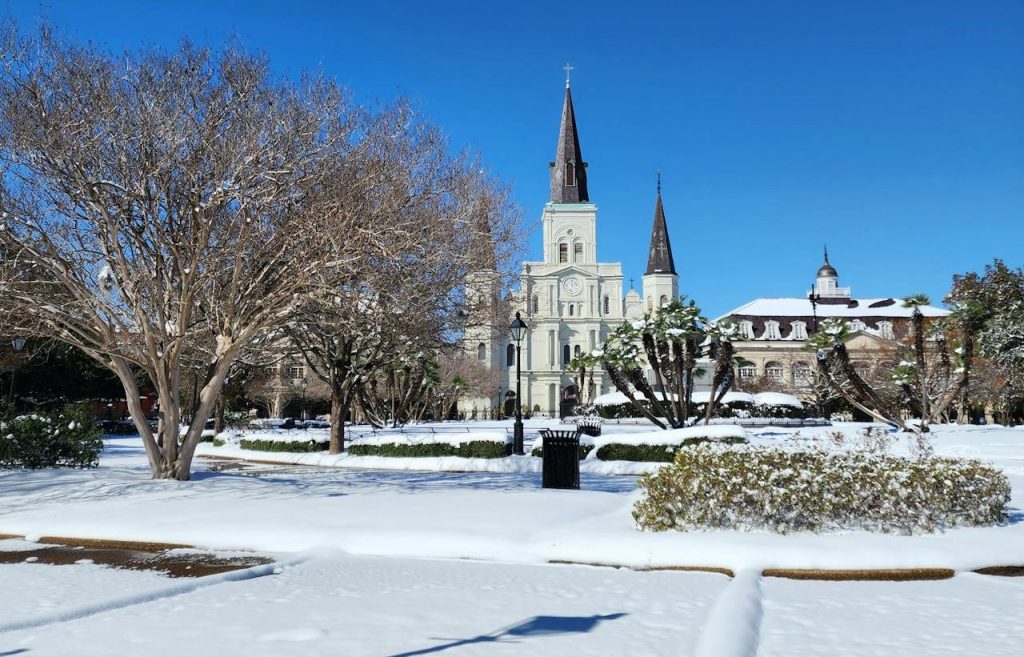
New Orleans in winter drops the heavy heat and the constant party expectation, which lets the city feel calmer and more lived-in across ordinary mornings and weeknights. After the first music moment, the trip settles into practical pleasures: Garden District walks, museum time when rain shows up, and long lunches where gumbo and coffee carry the afternoon, with streetcar rides as easy punctuation. When novelty fades into regular weather, the city feels more real, because service stays warm, neighborhoods feel distinct, and slow evenings still feel complete, whether the night ends with live jazz or a quiet dessert.
Hokkaido, Japan
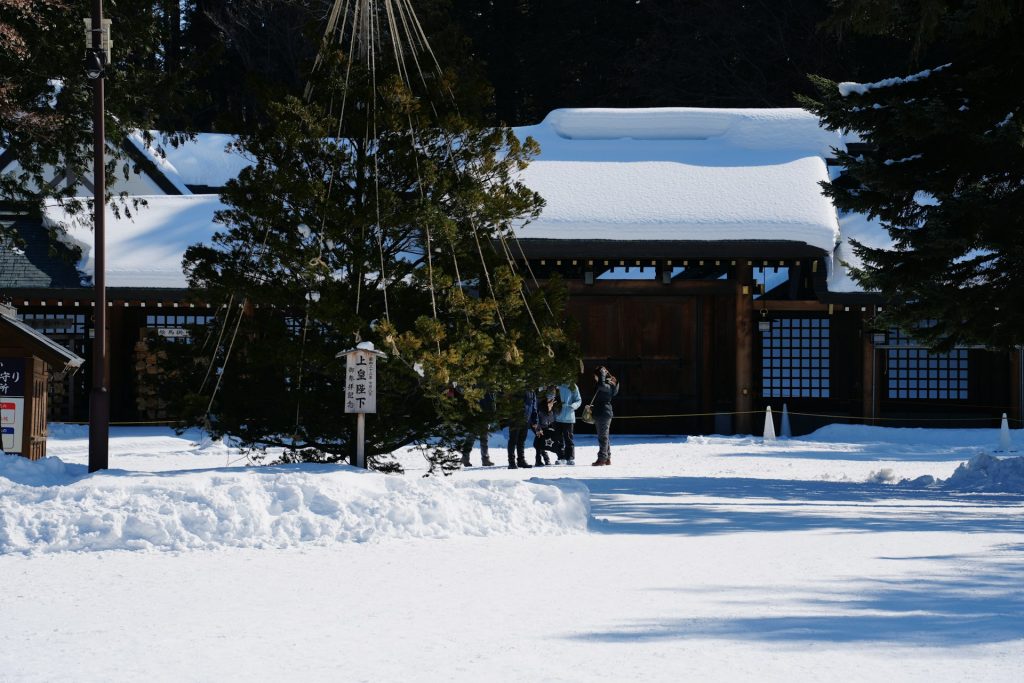
Hokkaido’s winter starts with powder and steamy onsen photos, then reality shows up as travel time, rail schedules, and early dark that narrows the day more than most visitors expect. After the first great slope, routine becomes the point: an onsen soak that resets cold muscles, ramen that tastes better in crisp air, and quiet town evenings where snow becomes part of normal errands and short walks. When charm wears off and sidewalks demand care, Hokkaido feels more real, because winter is daily life here, handled with warm interiors, steady hospitality, and simple meals that keep the body comfortable.
Tallinn, Estonia
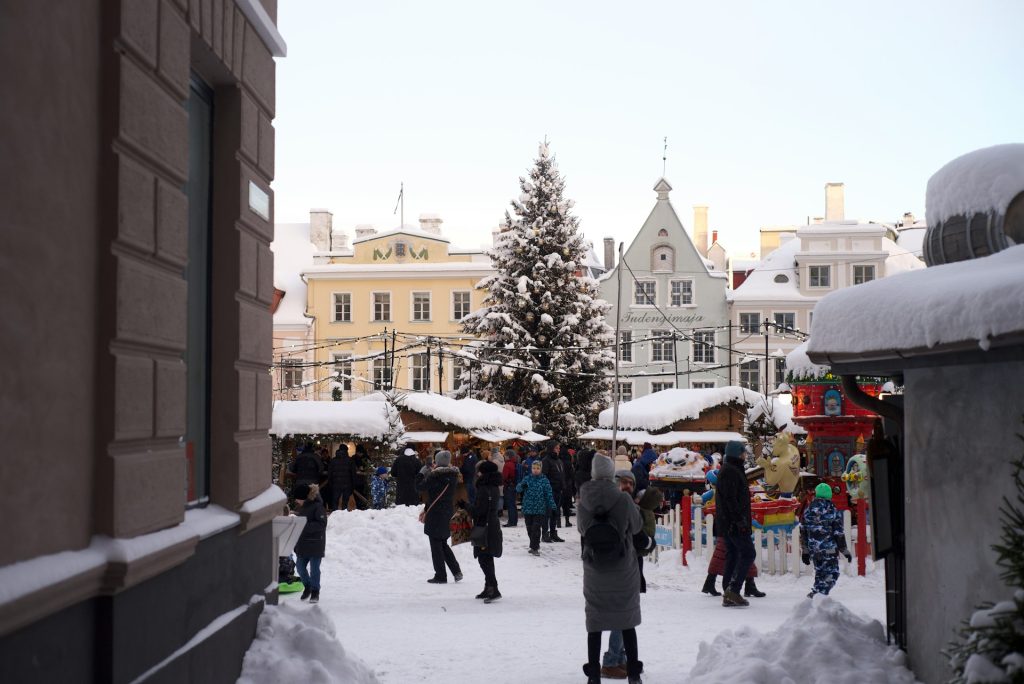
Tallinn can feel like a medieval postcard at first, then practical winter arrives with slick stones, harbor wind, short light, and nights that get quiet early once offices close. After Old Town photos, the city works best as a routine: cafés, museums, and short walks planned around daylight, plus trams and supermarkets in modern districts that make it feel livable, not theatrical, even on gray days. When the sky stays flat and charm feels muted, Tallinn becomes more real, because it shows how a compact capital keeps moving with minimal fuss, and warmth is never far from the next doorway or tram stop.
Cape Town, South Africa
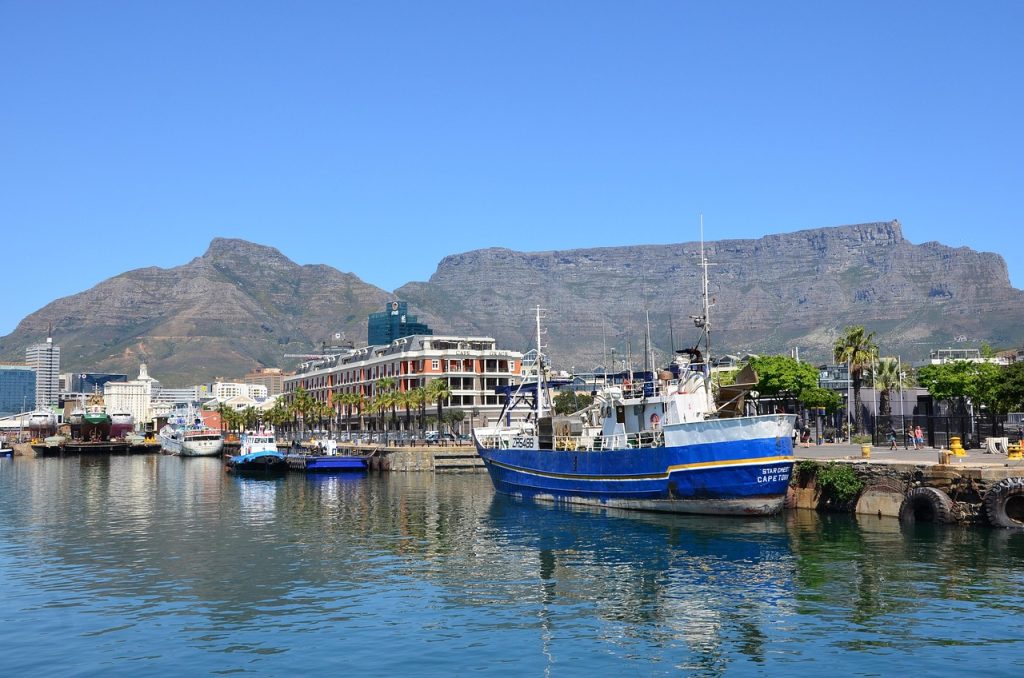
Cape Town in winter loses peak-season shine and shows its working rhythm, with cooler evenings and occasional rain that reshapes the day and clears the roads. After the first coastline view, routines matter more: a market morning, a museum afternoon, a drive timed between showers, and a warm dinner while the city slows down, with easier reservations and lighter traffic than summer. When charm wears off and weather turns plain, Cape Town feels more real, because local life stays visible in neighborhoods, cafés, and beaches used for walks, and clear spells still deliver bold light on the mountains.

