


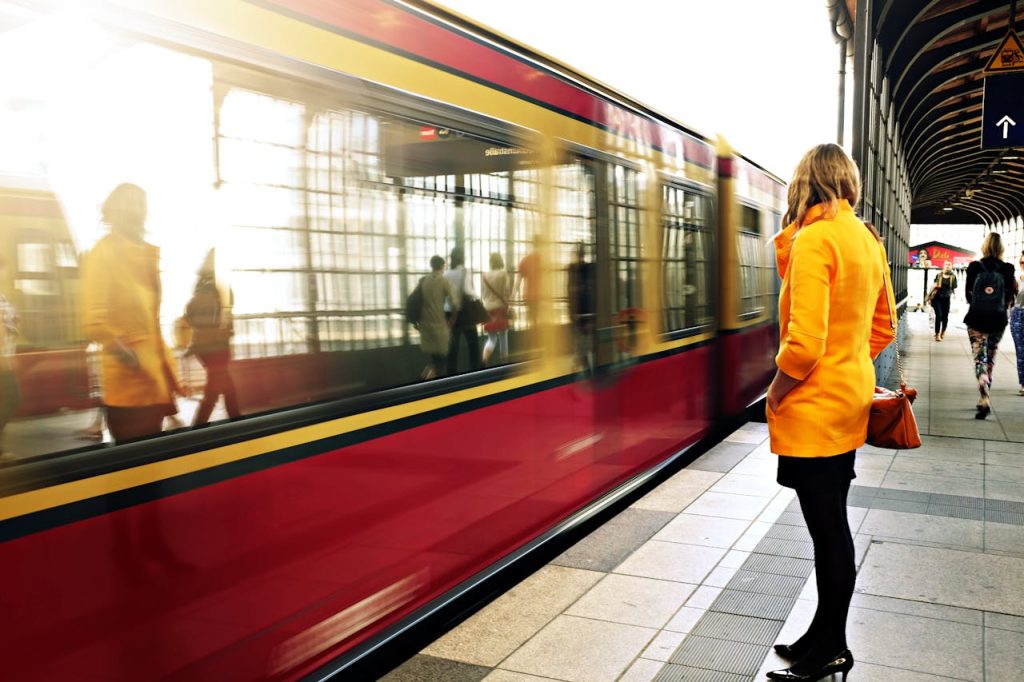
Public transit can feel like a small victory when it clicks: a tap, a platform, and a city opening up without traffic stress. But in some destinations, the system’s logic is invisible at first. Tickets come in layers, lines share tracks, and the same station name can belong to different operators. The result is not failure, just friction, plus the sense that everyone else got the memo. With a little context, these networks become powerful, and the first confusing ride becomes the moment the city starts to make sense, not just move. A wrong turn costs time, not safety, but it can drain confidence fast until maps, colors, and exits align back.
Tokyo, Japan
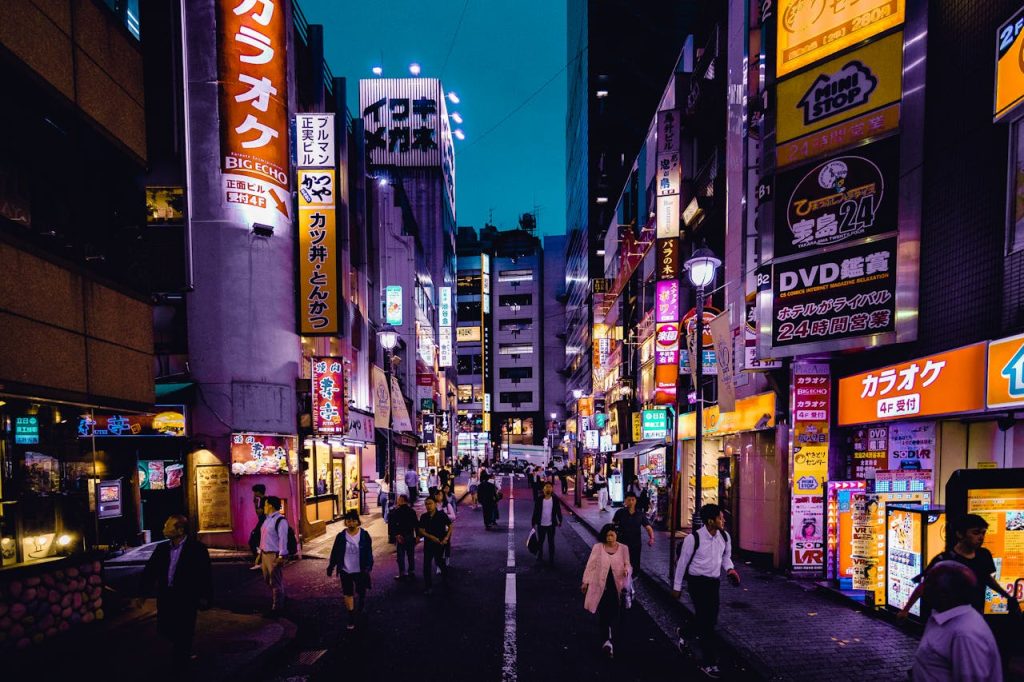
Tokyo’s rail web is brilliant, yet the first ride can feel like stepping into a living circuit board with no manual. Several operators share the region, fares shift by company, and some transfers require exiting one gate line and entering another inside the same station. Express, rapid, and local trains may share tracks but stop differently, so one missed icon can add 20 minutes, plus a long walk through corridors where exits, line colors, and platform numbers keep changing before the platform finally appears. JR and Metro names overlap, exit numbers matter, and a transfer can hide behind a department store, so early rides feel as trial runs.
Paris, France
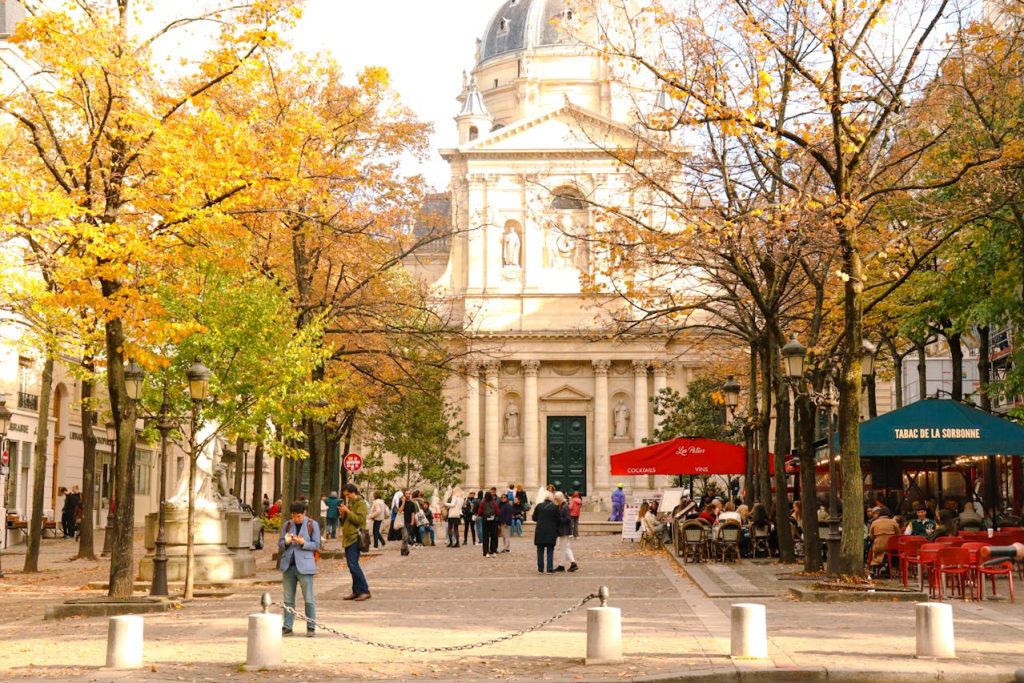
Paris looks simple until Metro, RER, trams, and buses overlap in ways that are hard to read while crowds push forward. A wrong stairwell can land a visitor on the RER, where fares shift by zone, the right ticket matters, and inspections can happen with little warning. Transfers can mean long corridors, tiny signs, and platforms split by branch letters, and the same station name can point to entrances blocks apart, turning a short hop into a careful navigation exercise. Zone map, fading paper tickets, and app options create choices at the machine, and some gates reject a creased ticket. Detours during disruptions can feel longer than the ride.
New York City, USA
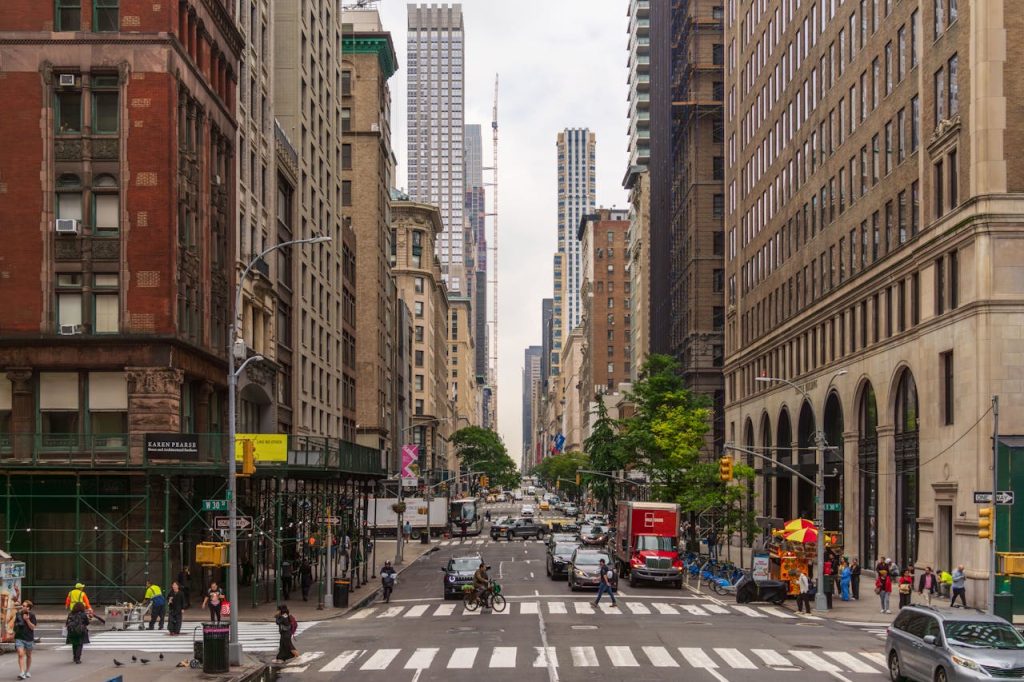
New York’s subway is readable on paper, but it asks newcomers to make fast choices in stations built for locals on the move. Many stops split uptown and downtown entrances, and some have no internal crossover, so a wrong staircase becomes a street-level reset in rain or heat. Express trains skip stops, weekend work reshuffles lines, and service alerts change mid-trip, so even a confident rider can miss a connection while double-checking platform signs and crowded maps. Some stations post no clear map, only a service-change flyer, and cell signal drops, so riders surface to reorient, then descend again. Late nights add platform closures often.
London, England

London transit is polished, yet the logic behind fares and overlapping services can surprise visitors expecting one simple system. The Tube, Overground, Elizabeth line, DLR, buses, and National Rail share stations, but not every route follows the same tap rules or ticket options. Missing a tap-out, choosing the wrong barrier, or transferring at the wrong point can change the price, and big interchanges hide long corridor walks that make a short trip feel longer than planned. Oyster and contactless caps help, yet not every gate reads every card the same way, and a missed touch can trigger a confusing charge later. Staff can fix it; lines form.
Rome, Italy
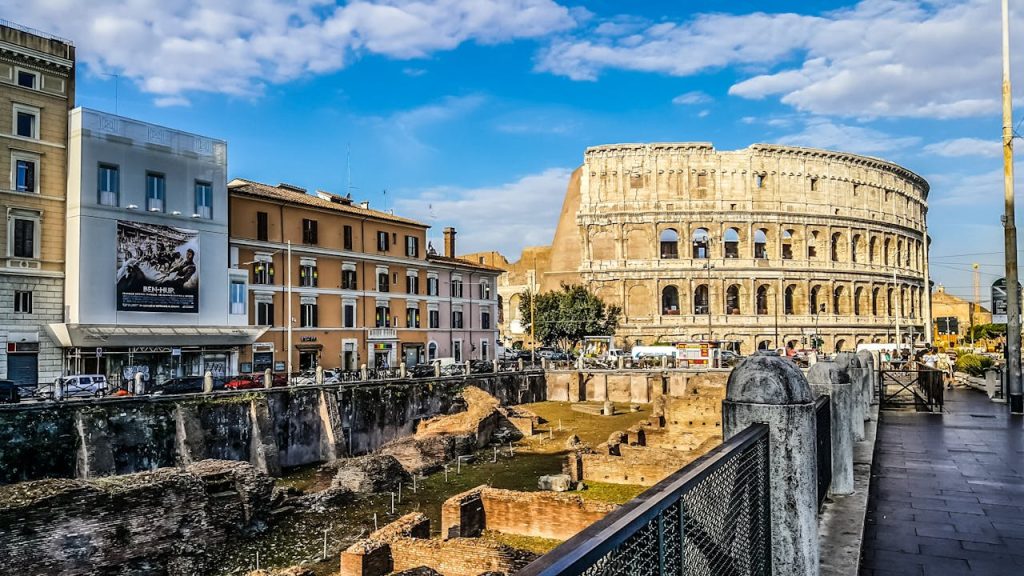
Rome’s transit confusion is less about complex maps and more about consistency on the street. The Metro is limited, buses do the heavy lifting, and routes can shift with traffic, construction, or events with little notice at the stop. Tickets may need validating, machines can be unreliable, and real-time arrivals are uneven, so waiting becomes guesswork, then a packed bus makes it hard to confirm where to exit before the doors close again. Some stops lack posted routes, so riders watch locals for cues, and apps can disagree with what the driver really does during congestion, especially after 9:00 p.m. That mismatch makes transfers feel risky.
Istanbul, Türkiye
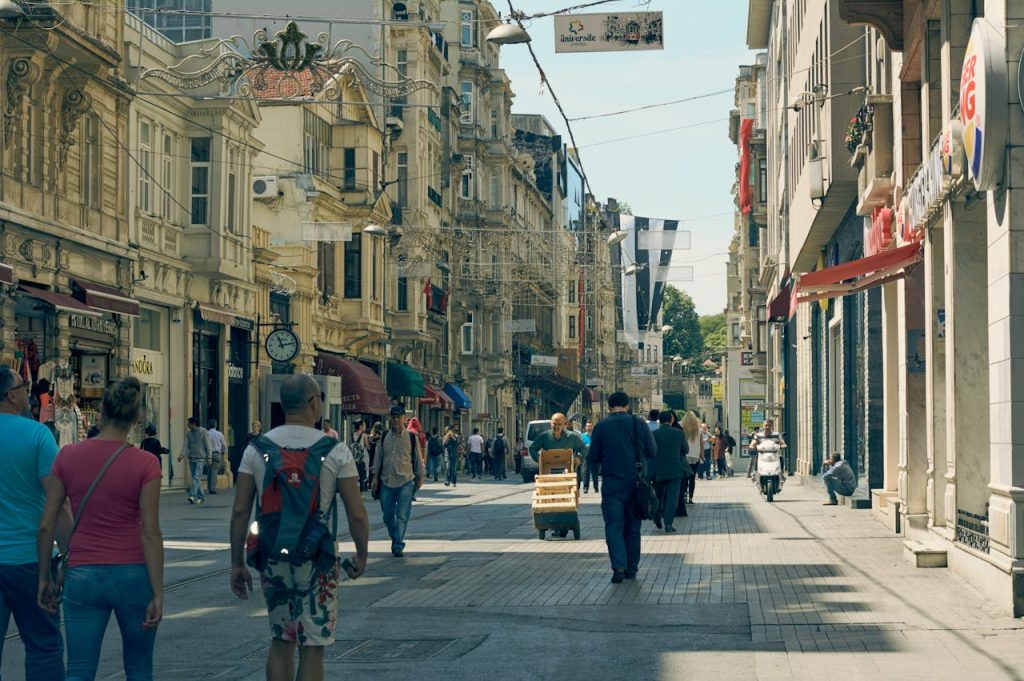
Istanbul’s geography makes transit feel layered across water, hills, and fast-moving neighborhoods. Ferries, metros, trams, buses, and funiculars connect the city, but the best route depends on timing and which side of the Bosphorus a transfer lands on. Major hubs stack levels and exits, and in crowds the signs can feel late, so a trip that looked direct becomes a steep walk, a long corridor, and a quick ferry swap to stay on schedule. Havaist-style buses, separate ferry docks, and exits labeled by neighborhood can split groups quickly, and some transfers demand a steep climb that is not obvious on maps. Clarity comes after 2 or 3 rides only.
Hong Kong, China
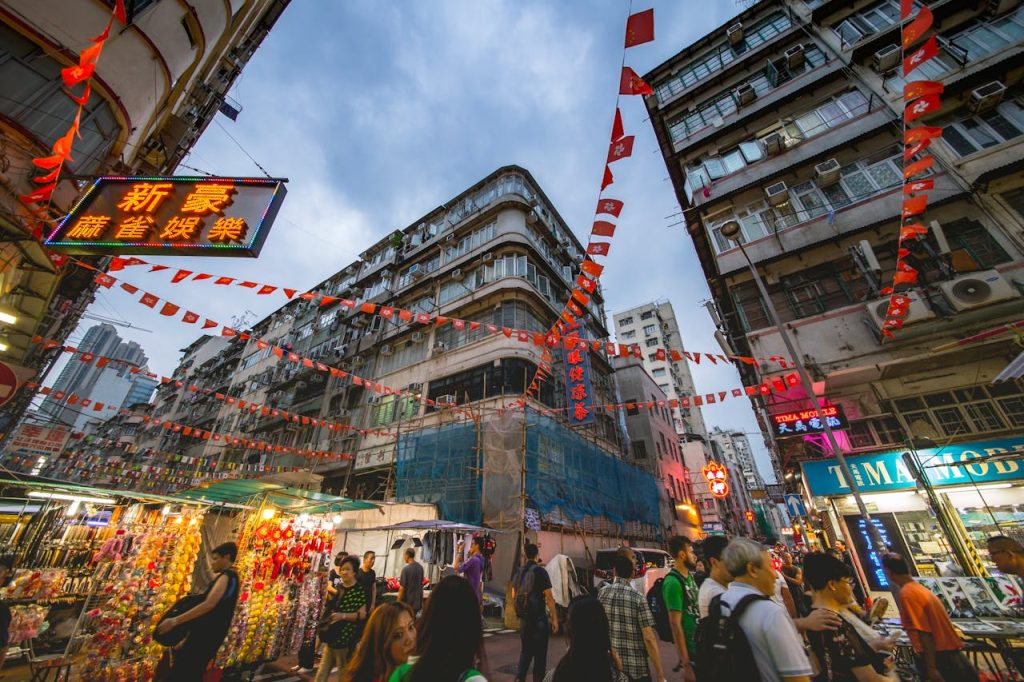
Hong Kong runs on quick connections, yet visitors can stumble over how many systems sit beyond the MTR map. Buses, minibuses, trams, ferries, and footbridges create options locals pick instantly, often based on hills and which exit saves steps. Stations connect through malls and elevated walkways, so the quickest path is rarely obvious, and a wrong exit can mean climbing back through crowds, then re-entering the station to try again. Minibus routes use small signs, drivers move fast, and stops are called out differently, so visitors often default to the MTR even when a bus is quicker. Add steep escalator networks and it gets tricky at first.
Bangkok, Thailand

Bangkok’s transit is split into strong pieces that do not always join neatly for first-time riders. BTS, MRT, Airport Rail Link, river boats, and buses each work well, yet transfers can involve long walks, stairs, and street crossings in heavy heat. Station names appear in multiple romanizations, and river piers add another layer because boats stop at different sets of piers, so the right-looking boat can glide past the intended stop without warning. Tickets and passes do not always match across lines, some interchanges require exiting to street level, and boat flags determine which piers are skipped. Rain turns those walks into slow detours.
Mexico City, Mexico
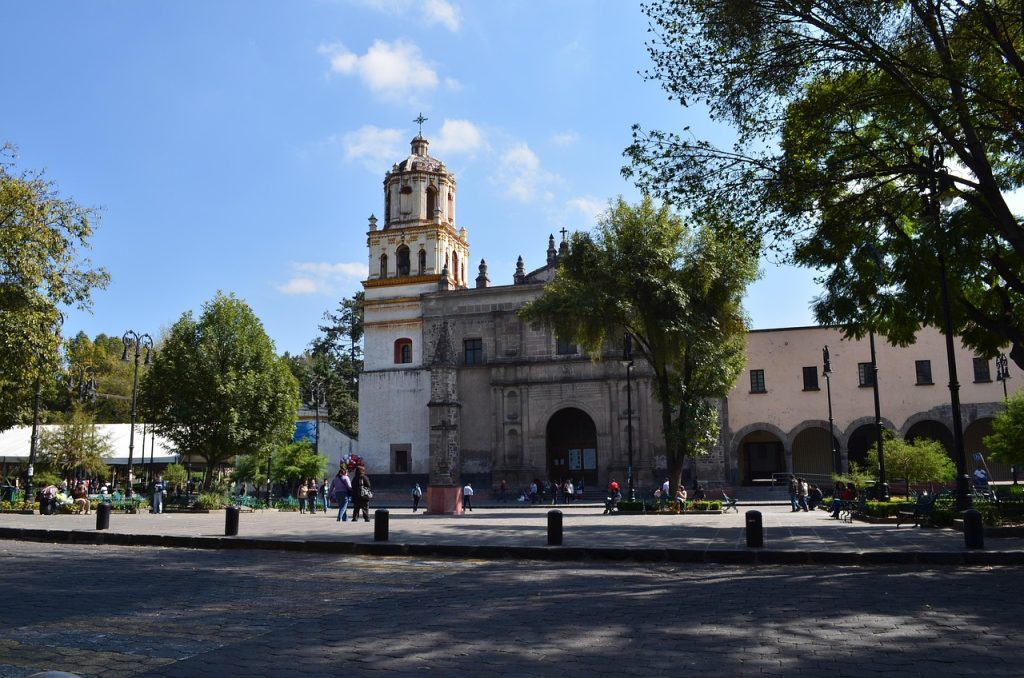
Mexico City’s Metro is vast, plus Metrobús lines and other routes that fill the gaps, and the mix can confuse visitors. Transfers make sense only after someone has done them once, and some platforms serve branches where the line ending matters as much as the color. Crowds move quickly, signage is dense, and exits open onto different streets, so newcomers hesitate at doors, miss trains, or surface in the wrong neighborhood even after a correct ride underground. Some transfers are signed only after the turnstiles so a wrong corridor forces another swipe, and station layouts vary between older and newer segments. Crowds reduce the time to think.
Mumbai, India
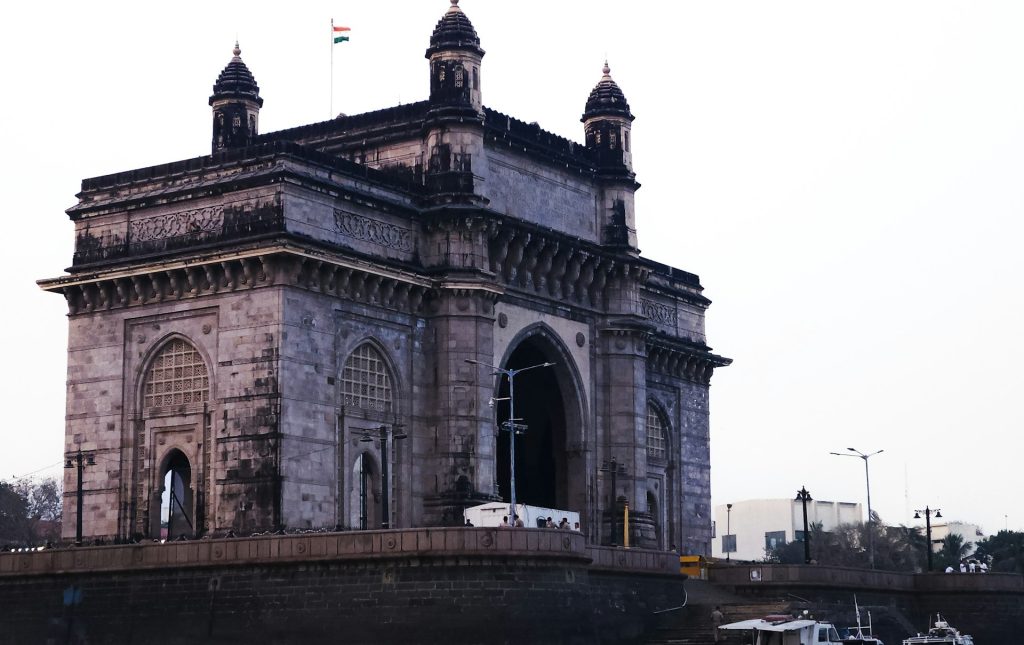
Mumbai’s suburban trains move the city, but the logic is not built for visitors arriving without local shorthand. Lines branch, fast and slow services share corridors, and the right platform depends on direction, service type, and where a train begins or ends, all announced quickly. Ticket counters, class options, and crowd flow can feel intense at peak hours, and one small mistake can mean waiting for the next stopping pattern while buses, autos, and metro lines add more choices. Apps can mislead because platforms shift and terms like slow and fast carry meanings not obvious on maps. Off-peak rides are easier to decode. Exits can sprawl far.
Los Angeles, USA

Los Angeles can confuse visitors because transit rarely behaves like one unified network with a predictable rhythm. Metro rail, Metro buses, municipal lines, and local shuttles overlap, with frequencies that change sharply by neighborhood and time of day. Stops can be far apart, transfers may require crossing wide streets, and night service thins out, so a route that looks fine on a screen can feel like assembling spare parts once delays and last-mile walks appear. Fare media can differ across agencies, stops can hide behind parking lanes, and timetables vary by day. A single missed bus can reshape plans. Rail helps downtown, less so outside.
Berlin, Germany
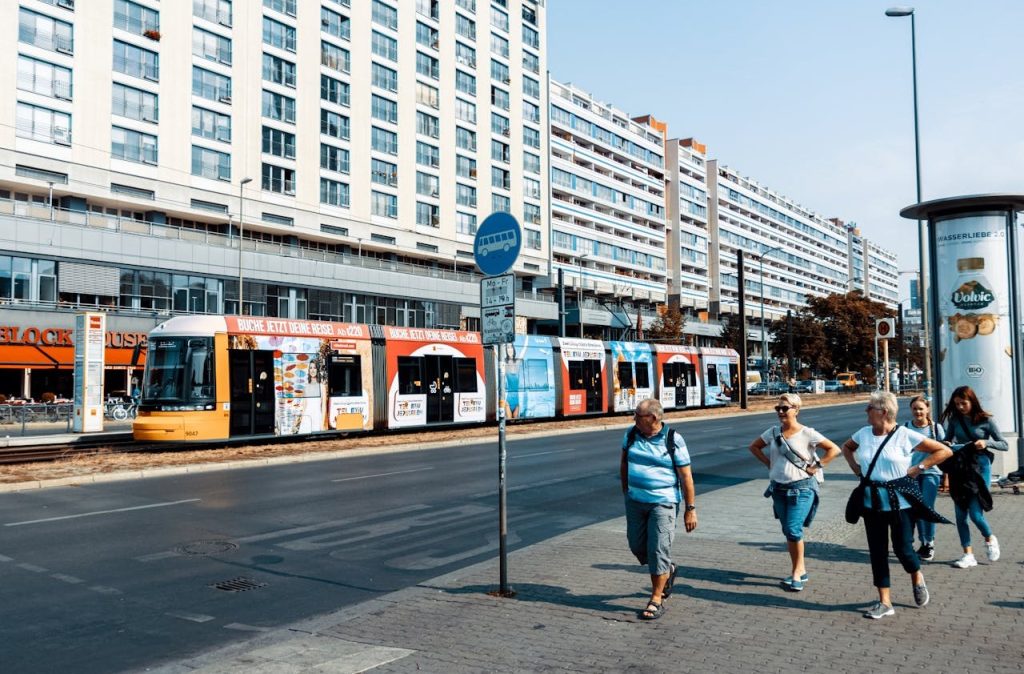
Berlin transit is efficient, yet its layered structure can trip up first-time riders who assume every platform works the same way. U-Bahn, S-Bahn, trams, buses, and regional trains share stations and sometimes share platforms, so it is easy to board the right-looking train from the wrong section. Tickets run on zones and often require validation, inspections are common, and weekend work can reroute lines quickly, so newcomers spend the first day learning rules locals follow automatically. Validation still matters, stampers are easy to miss, and inspections are routine. At interchanges, one platform can serve several services, so signs matter.

