


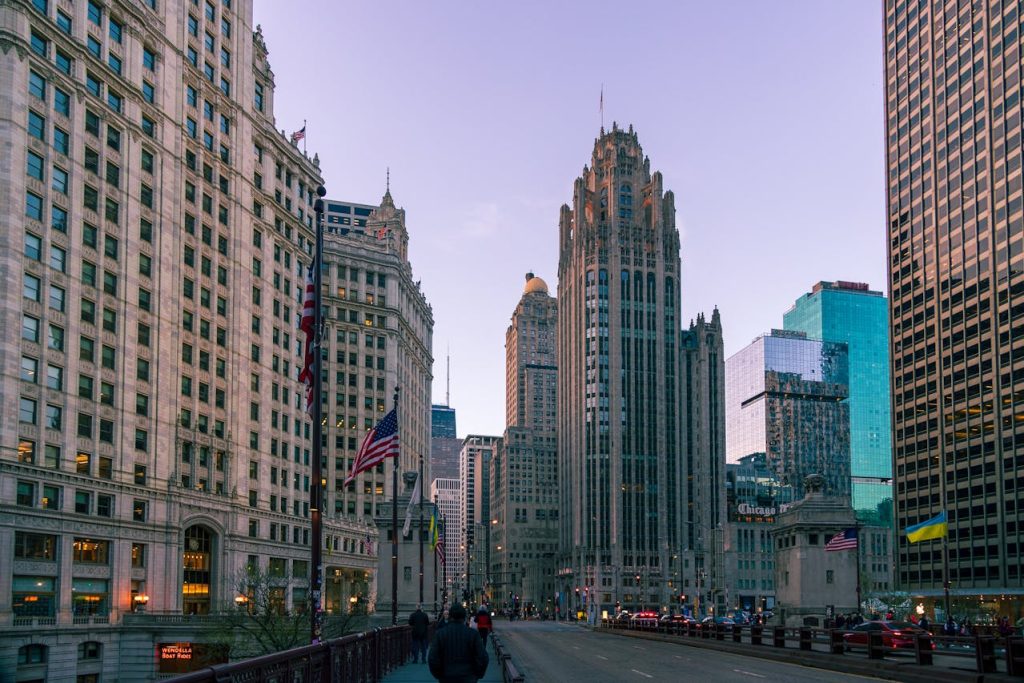
Some U.S. destinations hit like a wave: lights, crowds, menus, museums, viewpoints, and constant urgency. At first, the pace feels thrilling, like a highlight reel playing in real time. Then choices pile up, noise blurs details, and even beauty starts to look the same. Oddly, overload can flip into clarity. Once the headline sights are done, the tempo drops, and the place finally has room to breathe. That is when a park bench, a side street, or a slow meal can feel more memorable than the biggest attraction, because the city stops performing and starts existing. The calm arrives late, but it lets small sounds and real directions finally land.Midtown Manhattan, New York City
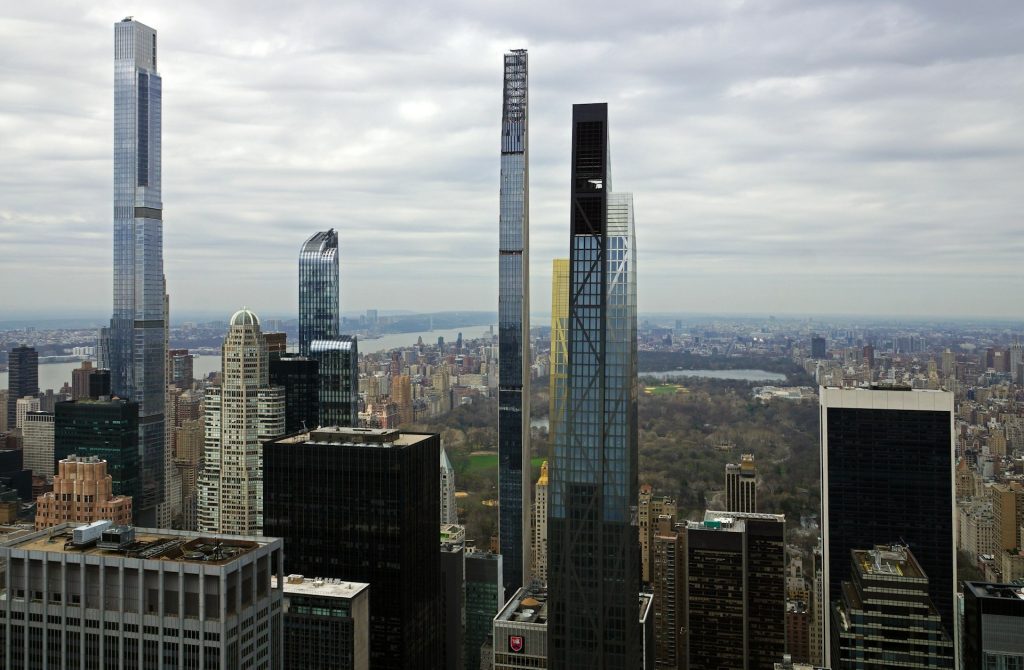
Midtown can feel like the city turned up to maximum volume: Times Square glare, tight sidewalks, ticket hawkers, and taxis squeezing every corner. The first hours bring adrenaline, then the choices blur into a checklist of lines, prices, and crowded crossings. After the major sights are done, the area improves fast. A quiet museum gallery, an early walk through Bryant Park, or a late coffee when the streets thin lets the place feel livable, not performative. Subway transfers and street crossings take longer than expected, so a shorter agenda often delivers more satisfaction than sprinting by noon.
Las Vegas Strip, Nevada
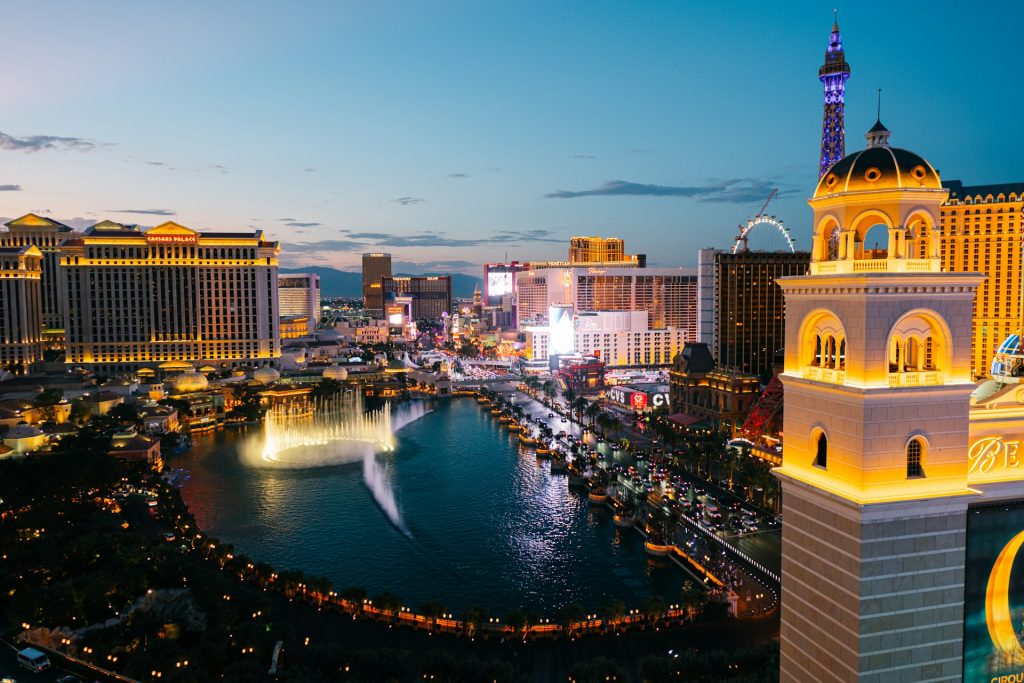
The Strip looks compact, but it behaves like a long indoor-outdoor maze of bridges, escalators, and crowds. Neon, fountains, and themed lobbies feel thrilling for an hour, then heat, noise, and constant decision-making start to drain the day. Once the headline sights are done, Vegas gets easier. A timed show, a calm meal off the casino floor, or a shaded pool window can reset the mood. With fewer boxes to check, small surprises show up: a quiet gallery, a good cocktail bar, a view from a high floor. Water and rides add up fast, so planning pauses keeps the night light. Walking a half mile can take 25 minutes with detours.
The National Mall, Washington, D.C.
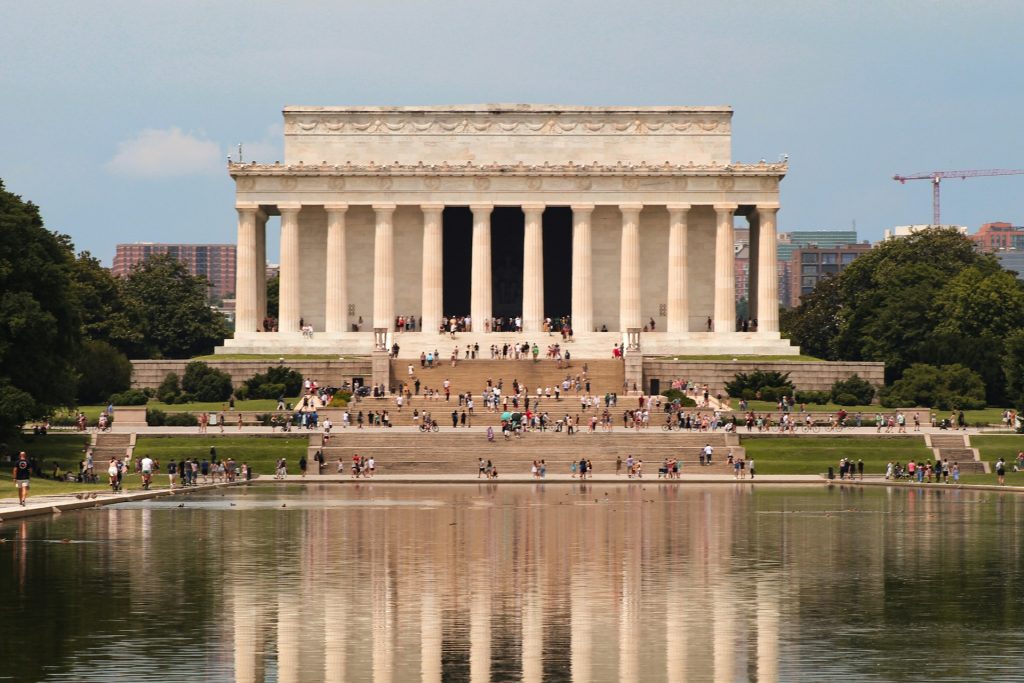
The National Mall can feel like an endless checklist: monuments at one end, museums at the other, and crowds flowing between food trucks and security lines. It is easy to overpack a day, underestimate the walking, and end up skimming galleries at a sprint. After the big priorities are done, D.C. becomes calmer and more rewarding. One exhibit seen slowly, one memorial at dusk, and a long pause by the reflecting pool can land harder than five rushed stops. Timed tickets, Metro transfers, and bag checks add friction, so a smaller route often feels richer and more human. Many museums close by late afternoon, which surprises first-timers.
Walt Disney World, Florida
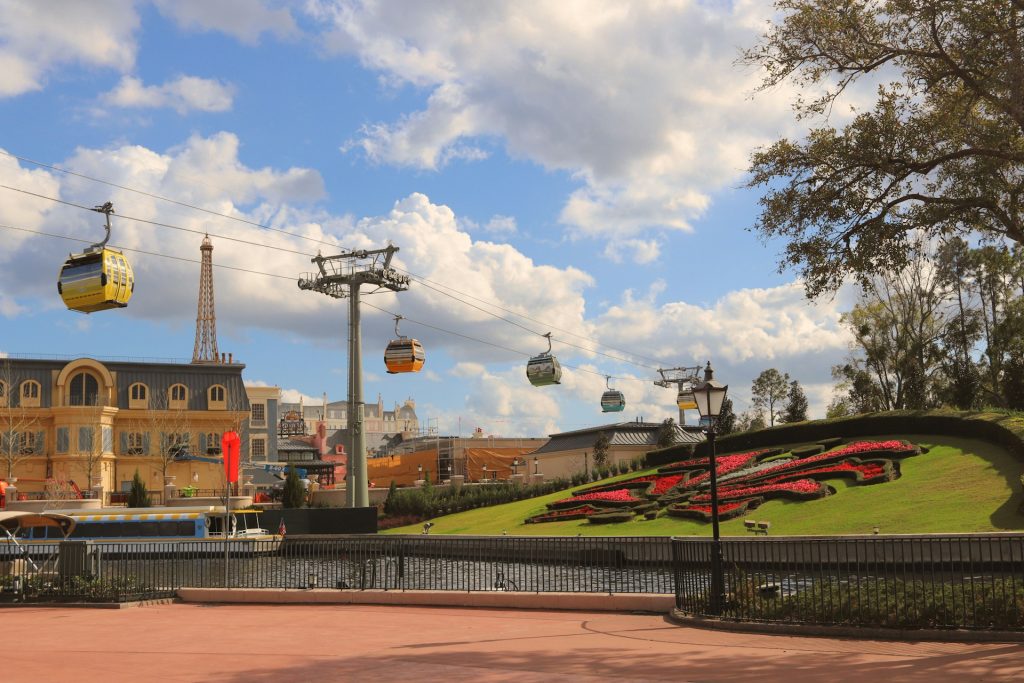
Disney World sells endless possibility, which is exactly what can make it tiring. Between mobile orders, ride queues, reservation windows, and long walks between lands, the day turns into constant phone checks. The first visit often feels frantic, because everything sounds urgent at once. After the headline rides are done, the parks soften. A shaded show, a slow boat ride, or a sit-down meal lets the design details and music cues finally register. Heat and transport loops also steal time, so fewer targets can feel like a smarter win. By day three, many families relax and enjoy more overall. too.
Yellowstone National Park, Wyoming
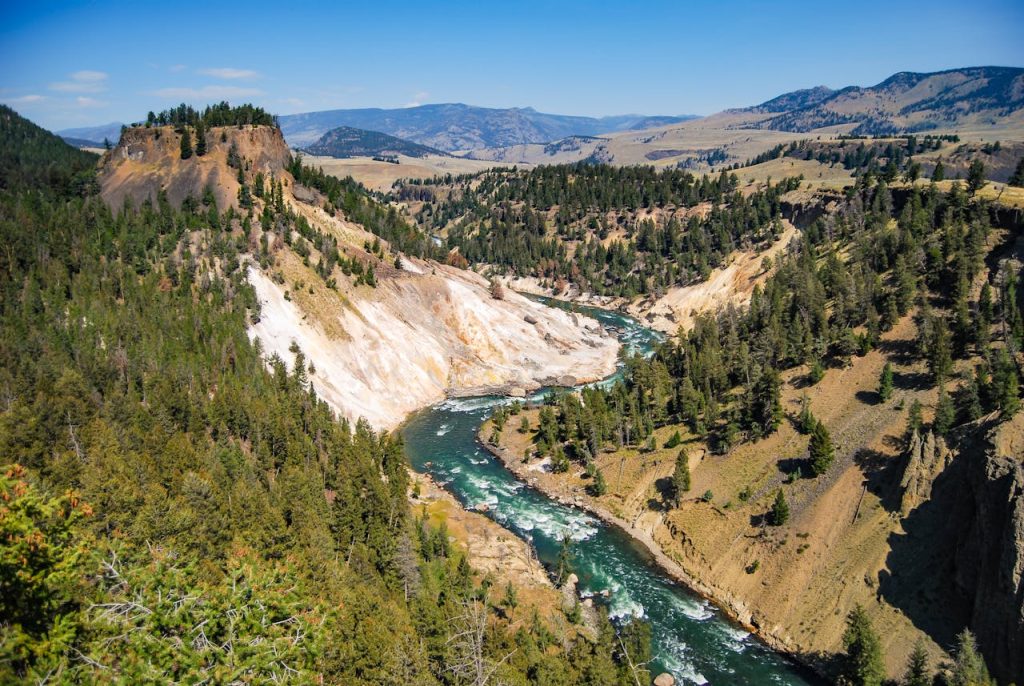
Yellowstone can overwhelm in peak season, when wildlife sightings stop traffic, pullouts fill fast, and a short drive between geyser basins turns into a slow crawl of RVs. With crowds, it is easy to feel behind all day, chasing a loop that never quite fits. Once the main features are seen, the park changes. Early mornings bring quiet boardwalks, cooler air, and space to notice steam drifting through pine scent. When the pressure to do everything fades, one trail away from the road feels like a different park. Dining and lodging are limited inside, so one calm base often beats constant moving. Now.
Yosemite Valley, California
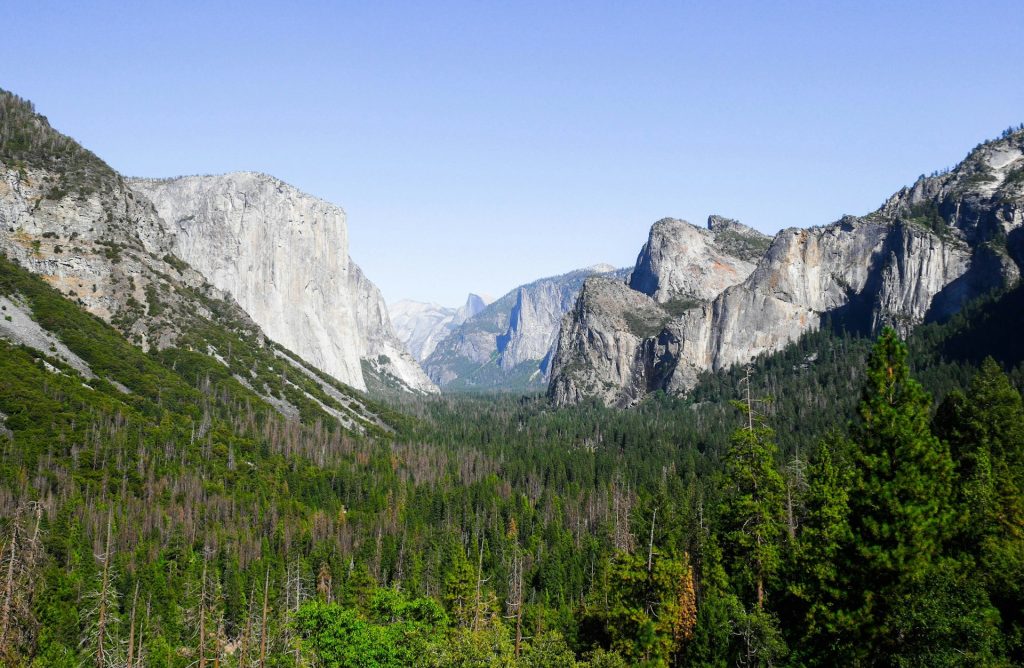
Yosemite Valley can feel like a beautiful traffic jam: full lots, shuttle lines, and viewpoints crowded at the same hours. It is tempting to rush from Tunnel View to Yosemite Falls to a quick photo of El Capitan, then wonder why the day feels tense. After the icons are handled, the valley opens up. A slow walk along the Merced River, a meadow at dusk, or an early start before the buses roll brings the granite back into focus. Entry systems and patchy service can add friction, so simple plans and one long pause often work best. The scenery rewards stillness, not speed. Even a picnic can feel like a victory once parking is solved.
Waikiki, Oahu
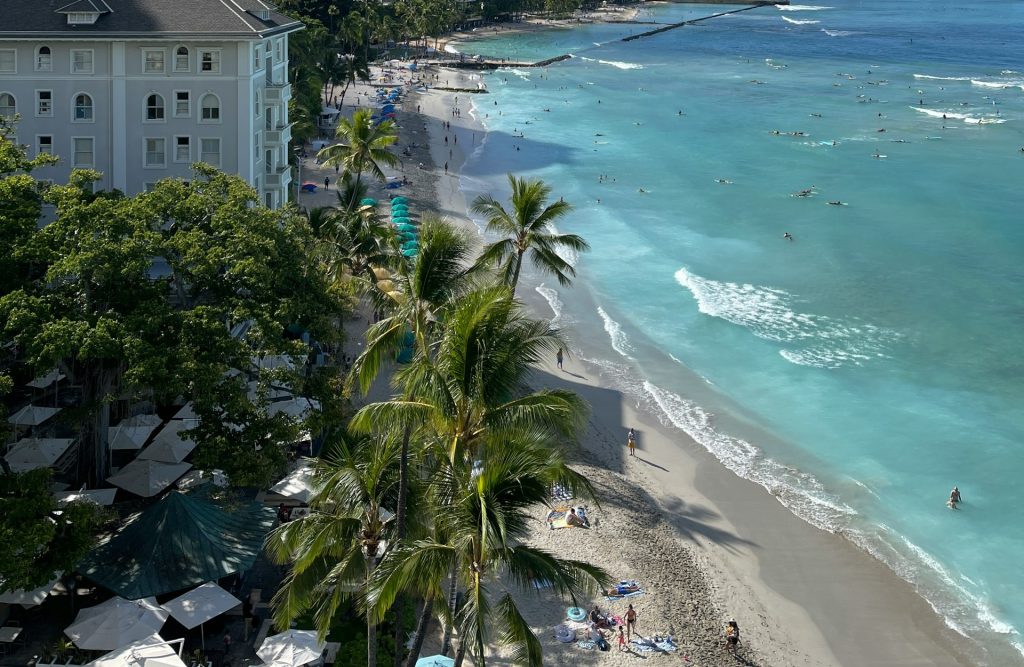
Waikiki promises a tropical dream, then greets visitors with traffic, shopping streets, and a beach lined with towers and kiosks. The ocean is gorgeous, but the scene can feel busy, with crowded sand, loud pool decks, and long waits for dinner. After the first rush, the appeal shifts to small rituals: an early swim, a quiet coffee, and a walk toward Diamond Head before the sidewalks fill. Once the luaus and photo stops are done, Waikiki works better as a base, with quick rides to calmer shores where the water sounds louder than the street. That slower pace is when the place finally settles. In it.
French Quarter, New Orleans
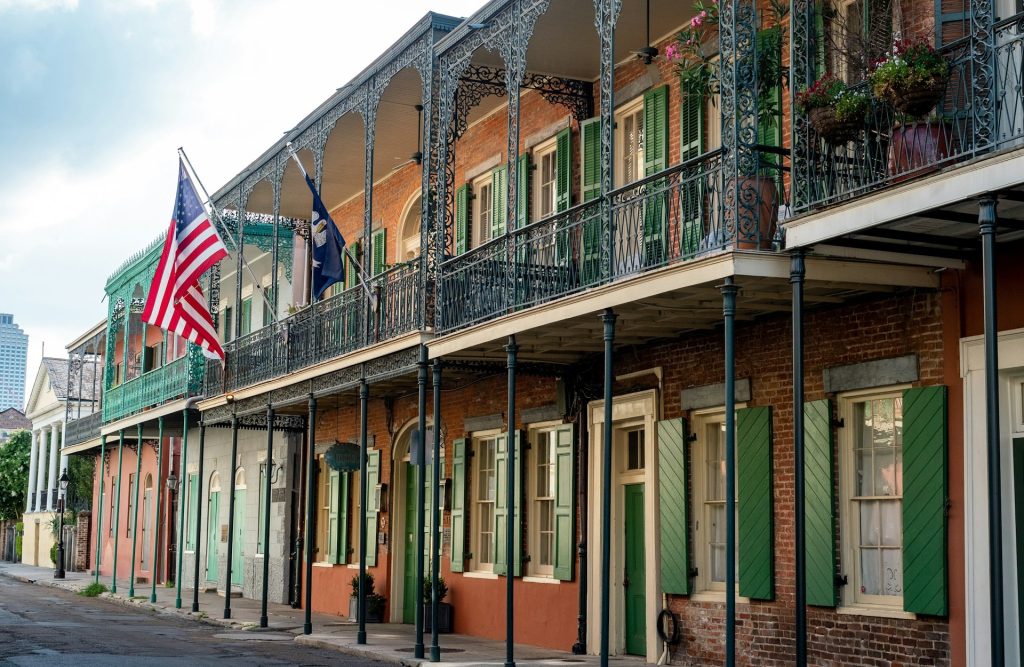
The French Quarter can feel like a nonstop feed: music from every doorway, sweet smells from beignet counters, and crowds moving in tight packs on Bourbon and Royal. It is exciting, but heat and noise can blur the details, and the most famous blocks often feel like a stage. After a day, the best version appears in the margins. A quiet courtyard, a slow lunch, or live jazz in a smaller room lets the neighborhood’s texture come forward. Mornings are especially kind, when balconies drip with plants instead of people and coffee lines move fast. Once the party energy is sampled, history feels easier to notice.
Grand Canyon South Rim, Arizona
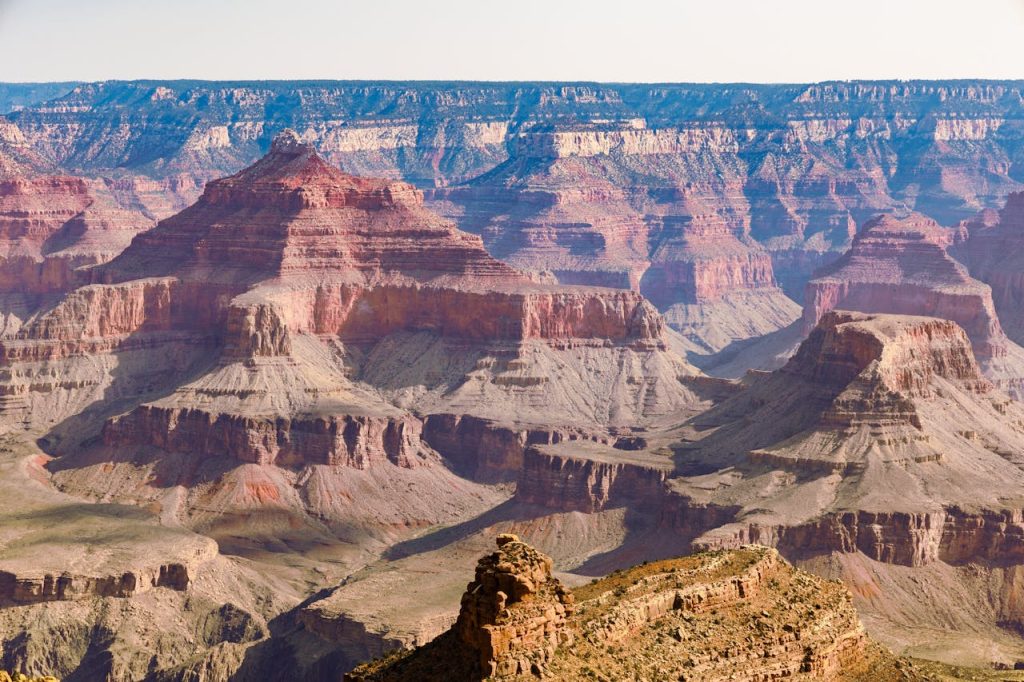
The South Rim delivers instant awe, but the logistics can feel intense: entry lines, packed overlooks, shuttle stops, and midday heat that makes short walks feel long. Many visitors hop from viewpoint to viewpoint, collecting photos until the canyon starts to look the same from every railing. After the first sweep, the place settles. One rim trail segment, a quiet meal, and an hour watching shadows move across rock brings variety back. Sunrise and late afternoon often feel calmer, and the canyon stops being a checklist and becomes a landscape with time. That is when attention returns. For good.
Fisherman’s Wharf, San Francisco
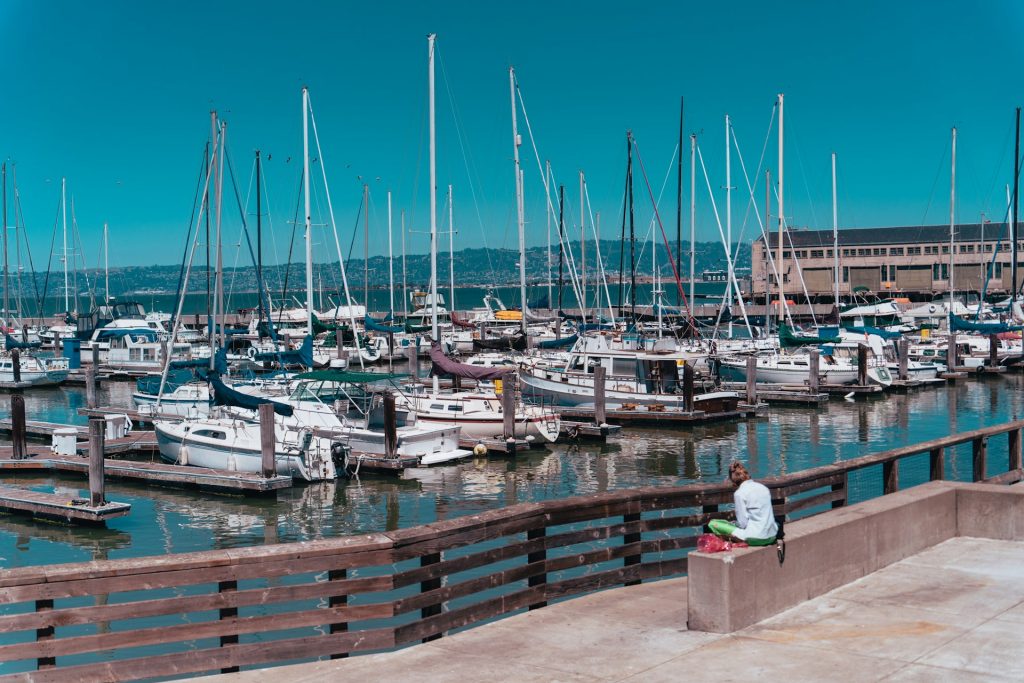
Fisherman’s Wharf can feel like sensory overload: street performers, souvenir shops, tour kiosks, and long lines for chowder. The bay is beautiful, but the crowd noise can make it hard to notice, and cable car queues can eat a big chunk of the day. After the sea lions and photos are done, San Francisco improves quickly. A walk along the Embarcadero, a quiet hour in North Beach, or sunset at Crissy Field brings space back into the experience. Once the must-sees are checked off, the fog, hills, and neighborhood corners feel like the real attraction, not the waterfront hustle. Early weekday mornings are calmer and easier to like.
Navy Pier and the Magnificent Mile, Chicago
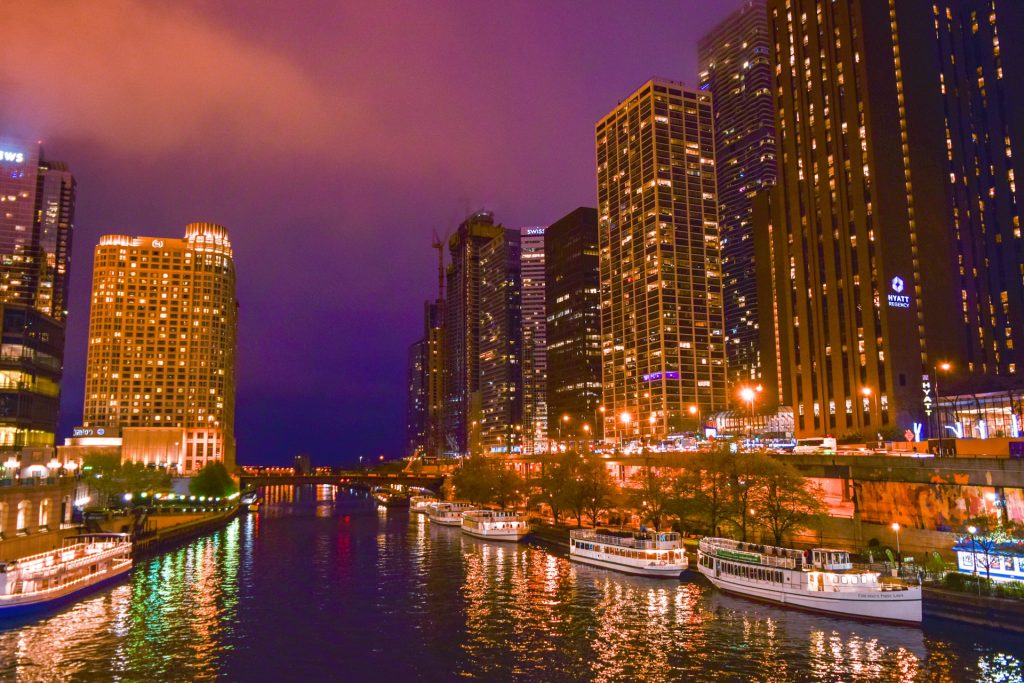
Chicago’s famous corridor can hit like a double feature: shopping crowds on Michigan Avenue, then the bright swirl of Navy Pier. It is easy to spend a whole day in motion and still feel like nothing sank in, because the stops blur into snacks, selfie spots, and slow lines. After the obvious landmarks are done, the city’s charm shows up in quieter layers. The riverwalk at a calmer hour, a museum wing with space to think, or a neighborhood meal in Pilsen can reset the senses. With fewer targets, Chicago feels less like a circuit and more like a lake city with rhythm, especially at golden hour. Too.

