


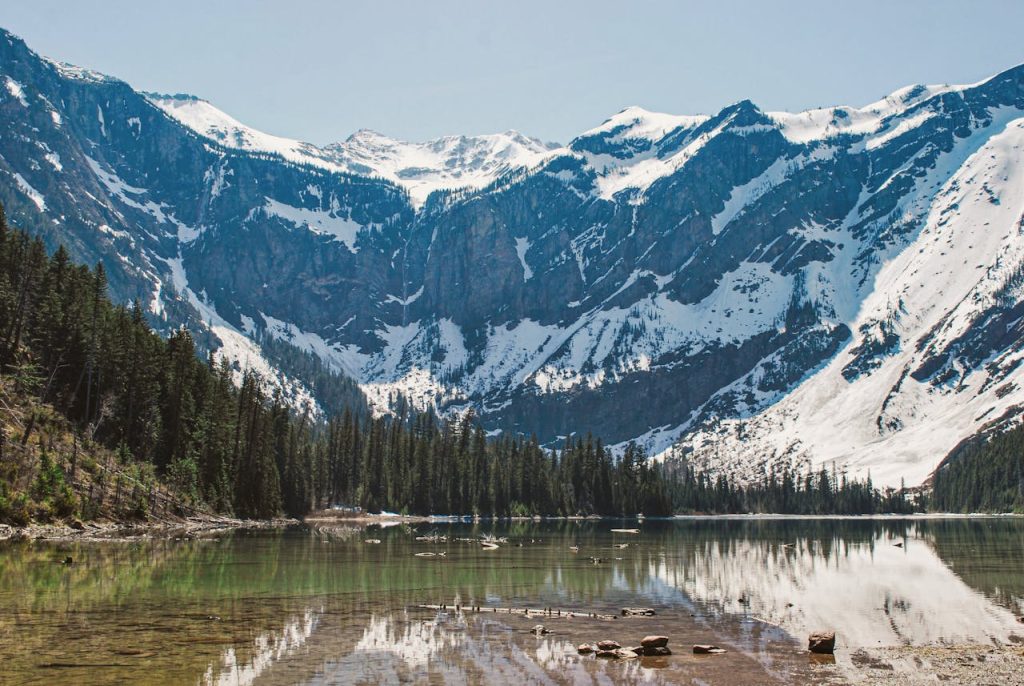
Crowding in a national park does not always look like a crowd. It can be a full trailhead at 7 a.m., a shuttle line that decides the day, or a viewpoint that feels like a city sidewalk. As visitation rises, parks are tightening access with timed entry, permits, and stricter parking and road rules. The scenery remains extraordinary, but the rhythm is different: more planning, more patience, fewer spontaneous stops. These 11 parks still deliver wonder, yet they now reward early starts, shoulder-season dates, and the quiet skill of stepping away from the obvious pullouts. Even midweek can feel busy when weather narrows choices.
Yosemite National Park, California
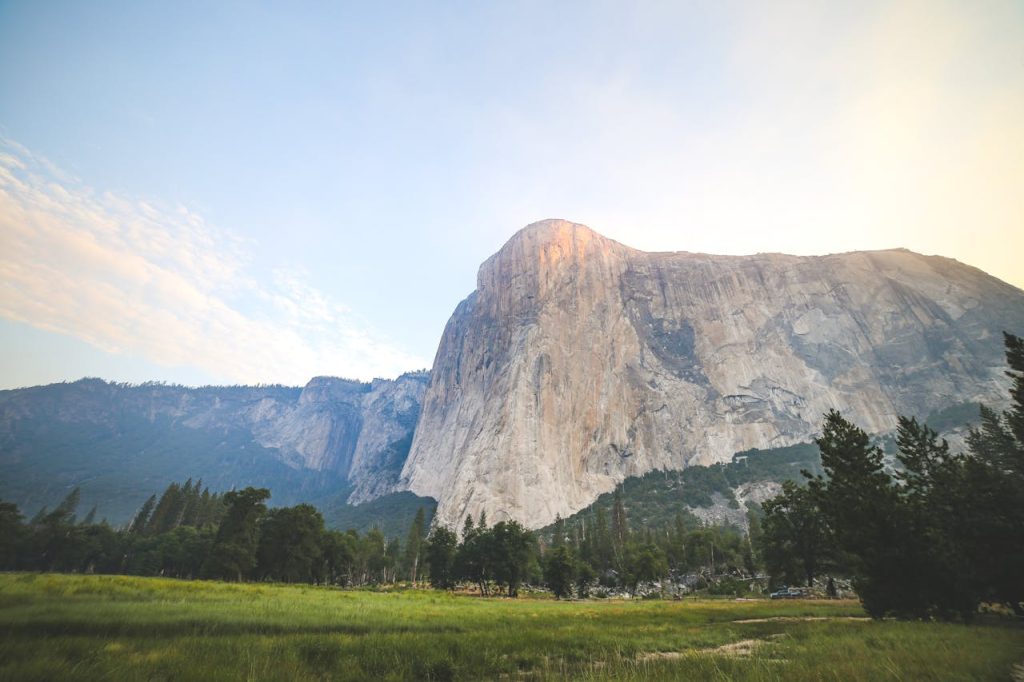
Yosemite’s icons pull heavy traffic into a small valley, and the day can start with brake lights instead of birdsong. Parking in Yosemite Valley often fills early, so hikers pivot to shuttles, longer walks, and a more scheduled feel at Bridalveil Fall, Yosemite Falls, and the meadows. Even simple stops become timed decisions, a restroom line, a full pullout, a ranger redirect. Quiet still exists, but it is earned by sunrise starts, shoulder season visits, and choosing one area well rather than chasing every highlight in a single loop. When the valley is packed, higher viewpoints and less famous trailheads often restore the sense of scale.
Zion National Park, Utah
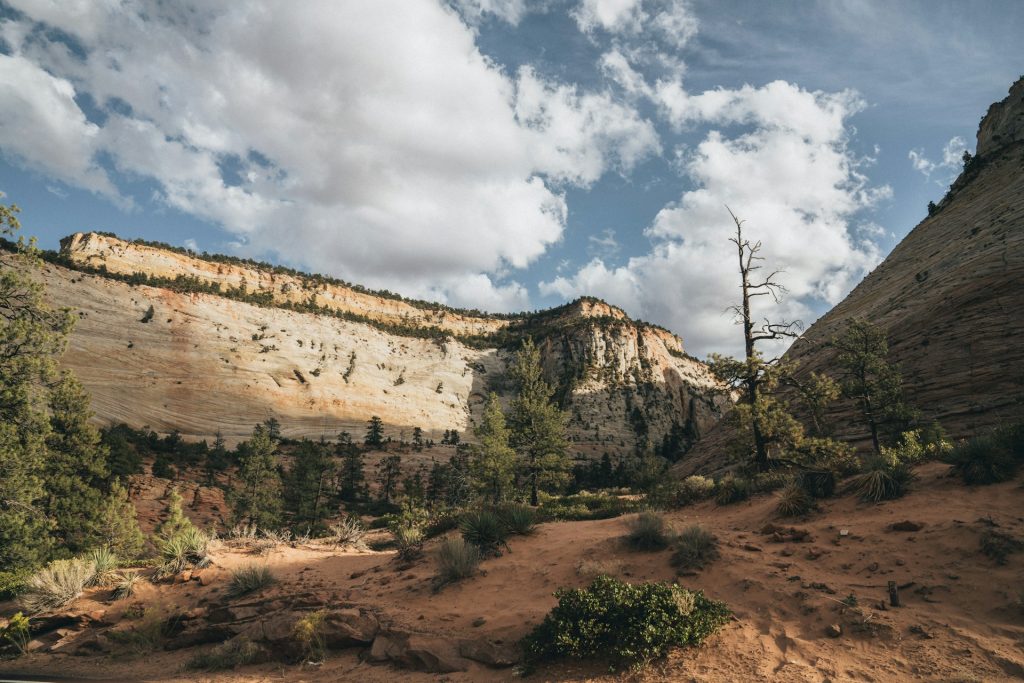
Zion’s main canyon is narrow, so crowds concentrate fast and the experience often runs on the shuttle schedule. Permits for Angels Landing reduce surges on that ridge, yet they also turn a once spontaneous decision into a planned one with a fixed window. When buses arrive full, stops bunch up, and trail junctions feel busy, the canyon can seem smaller than its walls suggest. Relief comes by shifting targets, Pa’rus at dawn, Emerald Pools between shuttle waves, or higher terrain outside the main canyon where the air is calmer and time feels less managed. A slower pace and one chosen hike often beats trying to do everything before lunch.
Arches National Park, Utah
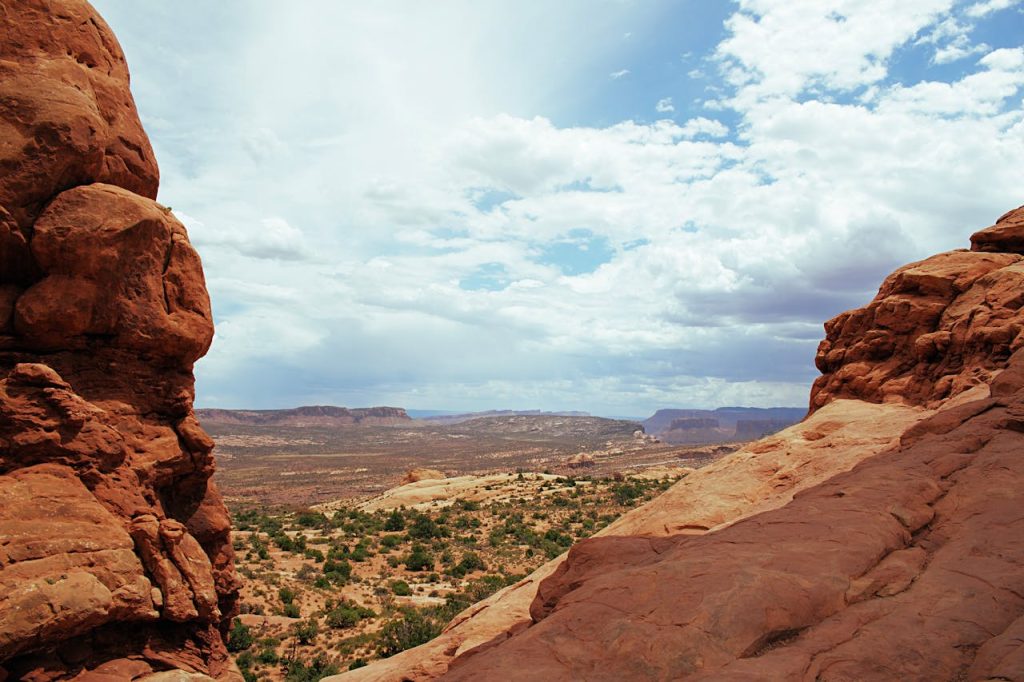
Arches is built around bottlenecks, one entrance road, limited trailhead parking, and a short list of famous stops that many people want at the same hour. Timed entry seasons spread arrivals and cut mid day backups, but they also make the park feel appointment based, where a late start changes the whole plan. Delicate Arch remains unforgettable, yet the approach can include full lots and steady foot traffic, with only brief pockets to sit with the view. The calmer version appears at sunrise, after dinner, or on lesser known trails where a few extra minutes of walking thins the crowd and brings back the hush of open stone.
Rocky Mountain National Park, Colorado
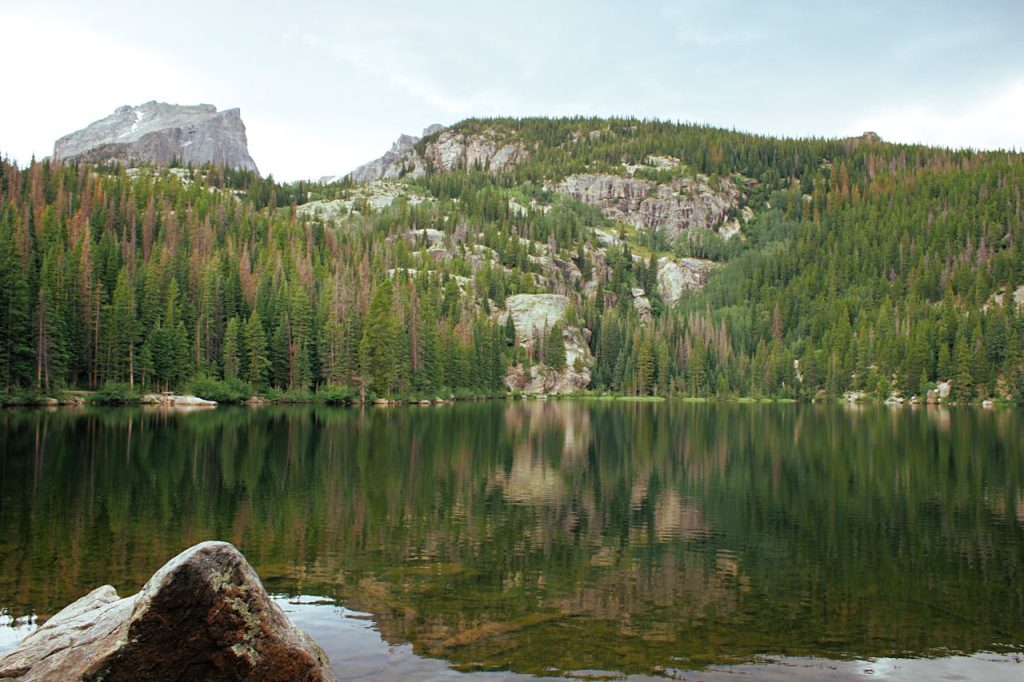
Rocky Mountain crowding often starts at the gate and then funnels toward the same easy wins, especially the Bear Lake corridor and its trailheads. Timed entry permits in peak season add order, but they also compress spontaneity, since one full parking lot can decide where the day goes. On busy mornings, the walk to Dream Lake can feel like a steady line rather than a wandering hike, with pauses dictated by passing traffic on the path. Many visitors now find their best hours by pivoting to quieter valleys, starting before dawn, or taking longer routes where elk, wind, and water replace the sound of car doors.
Glacier National Park, Montana
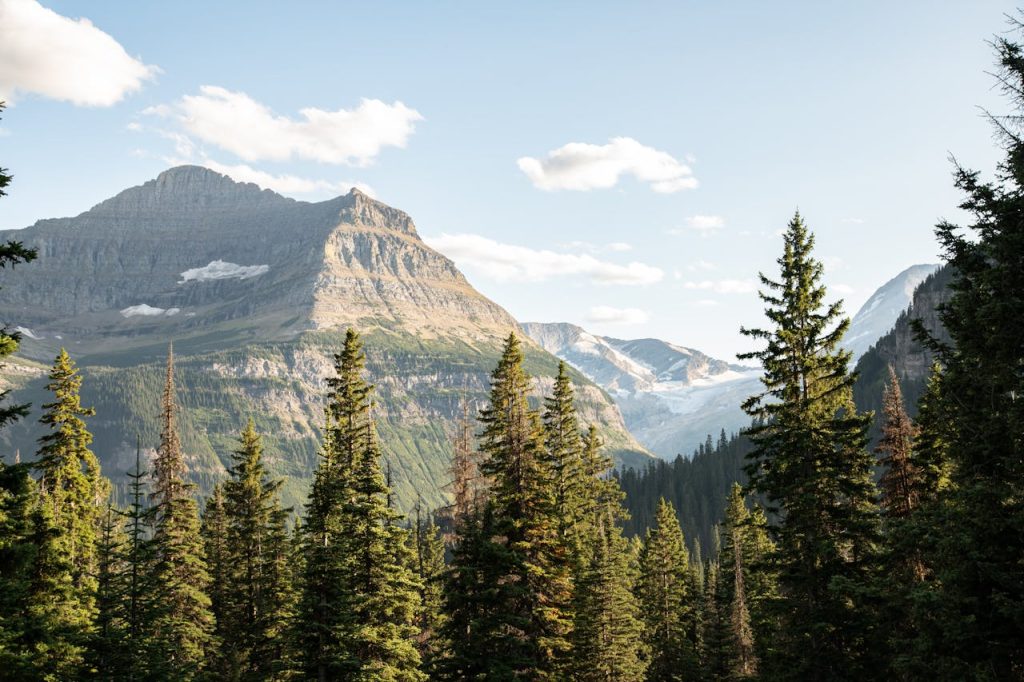
Glacier’s popularity gathers around its roads, where pullouts and trailheads can fill as quickly as the views appear. Vehicle reservations for areas such as Going to the Sun Road from the west side and the North Fork have helped reduce congestion inside, but they also change the mood at the entrance. A day that once began with a casual drive now starts with planning, timing, and deciding which region deserves full attention. The payoff is real: fewer cars can mean calmer stops and cleaner air, yet the park increasingly rewards people who commit to one corner, then explore it deeply instead of chasing the whole map.
Acadia National Park, Maine
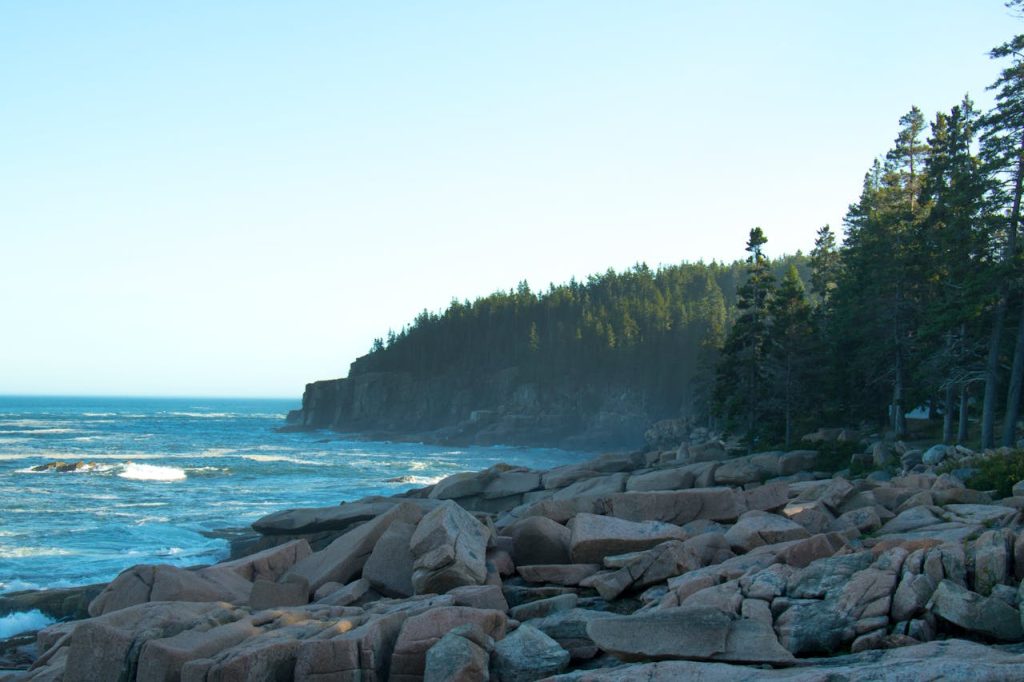
Acadia’s scale is intimate, which means crowding is felt quickly, a short road, a small lot, and suddenly the day is rearranged. Cadillac Mountain sunrise requires reservations, and busy nodes like Jordan Pond, Sand Beach, and Ocean Drive can fill before midmorning, turning simple plans into timed arrivals. When the main loop is busy, even a quick stop can come with circling, waiting, and choosing between a view and a parking spot. Many visitors now find the park’s quieter voice on carriage roads, less visited headlands, and early tidepool walks, where the coast feels spacious and local routines still hold.
Yellowstone National Park, Wyoming
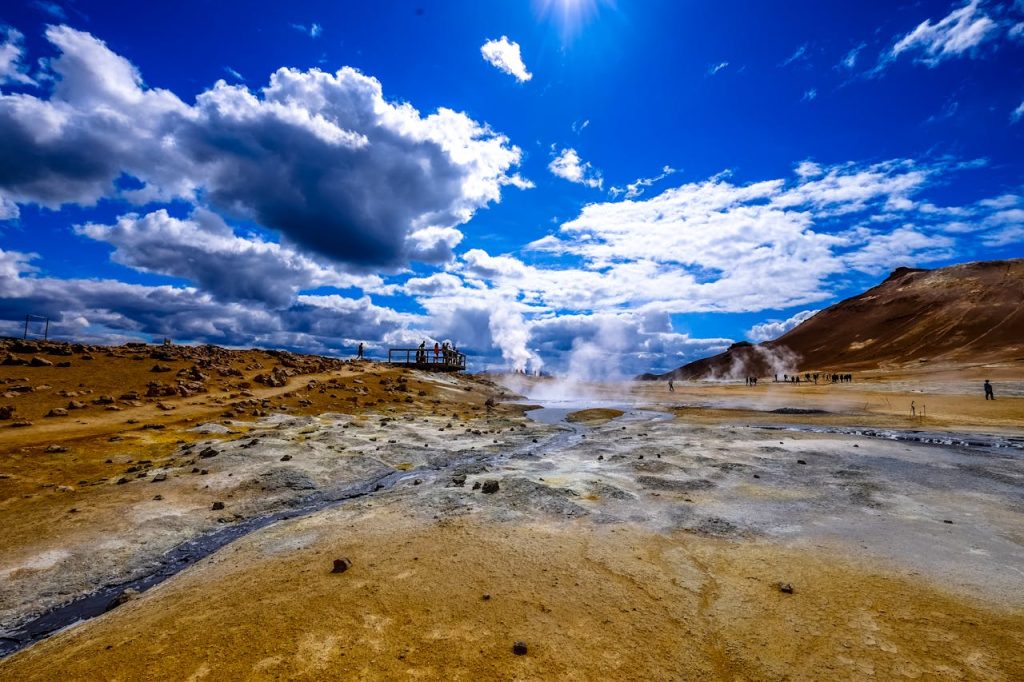
Yellowstone crowding arrives in pulses, often sparked by wildlife sightings and the pull of famous geyser basins. A single animal near the road can slow traffic for miles, while boardwalks at thermal areas narrow movement into a careful shuffle. Parking near Old Faithful and Grand Prismatic can fill, which changes how long people linger and how far they are willing to walk for a view. The park is still vast, but the smoothest days now come from flexible routing, early mornings, and choosing quieter overlooks where the landscape can be seen without the feeling of being hurried along. Extra time helps when the road stops.
Grand Canyon National Park, Arizona
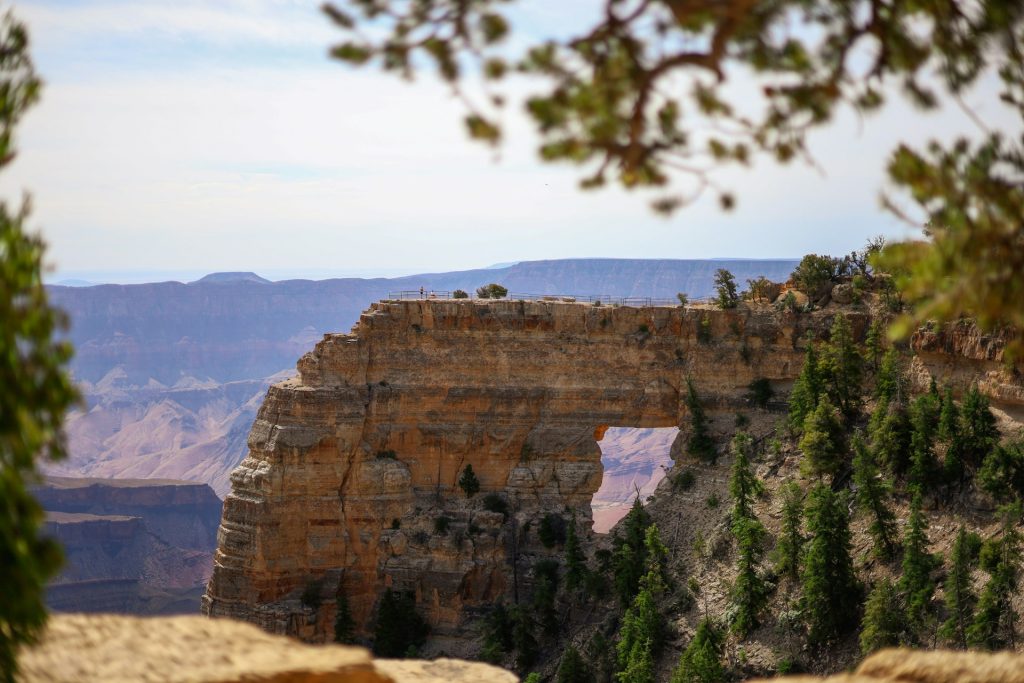
At the South Rim, crowding reshapes simple logistics, parking, viewpoints, and even the feel of walking between overlooks. Shuttles reduce car pressure and reach bus only stops, yet lines build when buses arrive full and popular railings fill with clusters of conversation and cameras. The canyon’s scale is unchanged, but the rim can feel like a promenade, where silence is harder to find and stops become shorter than intended. Many visitors now regain stillness by arriving at dawn, staying after sunset, or committing to longer trails where each switchback drops the noise level and restores a sense of private space.
Great Smoky Mountains National Park, Tennessee and North Carolina
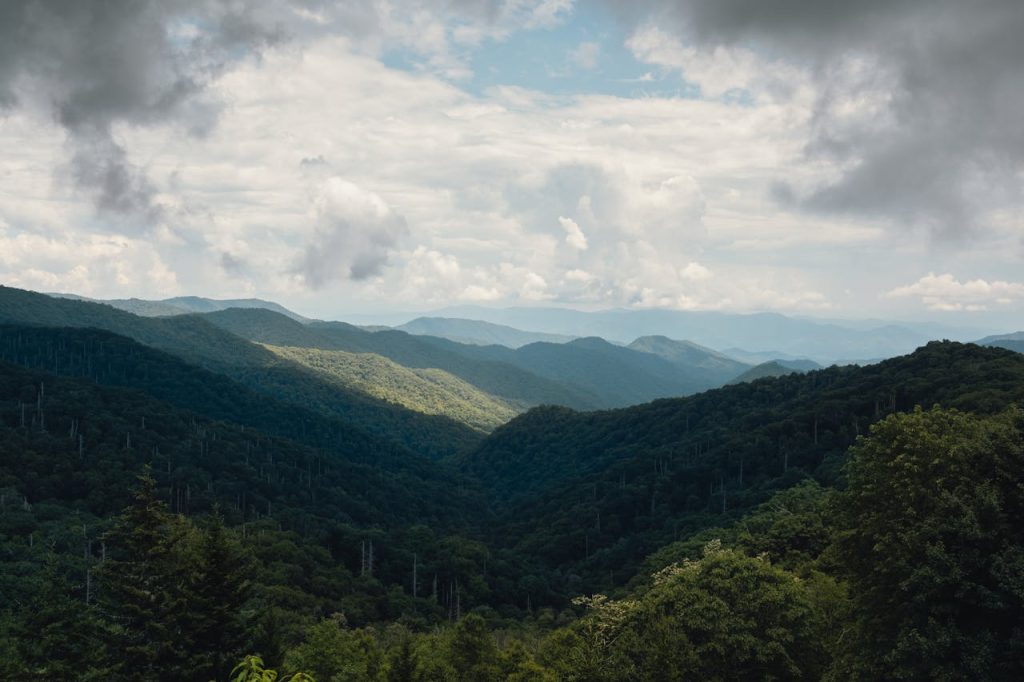
The Smokies are free to enter and close to major vacation corridors, so peak season congestion can feel constant. Cades Cove traffic crawls, pullouts overflow, and popular trailheads fill early, turning a scenic drive into a slow moving queue. New management tools, including required parking tags for longer stays, reflect how protecting access now depends on managing cars as much as trails. Even so, the range still offers quiet if plans bend: early fog on creek paths, lesser known gaps, and midweek mornings when the forest sounds like water and birds, not doors slamming and engines idling. The reward is a calmer rhythm.
Joshua Tree National Park, California
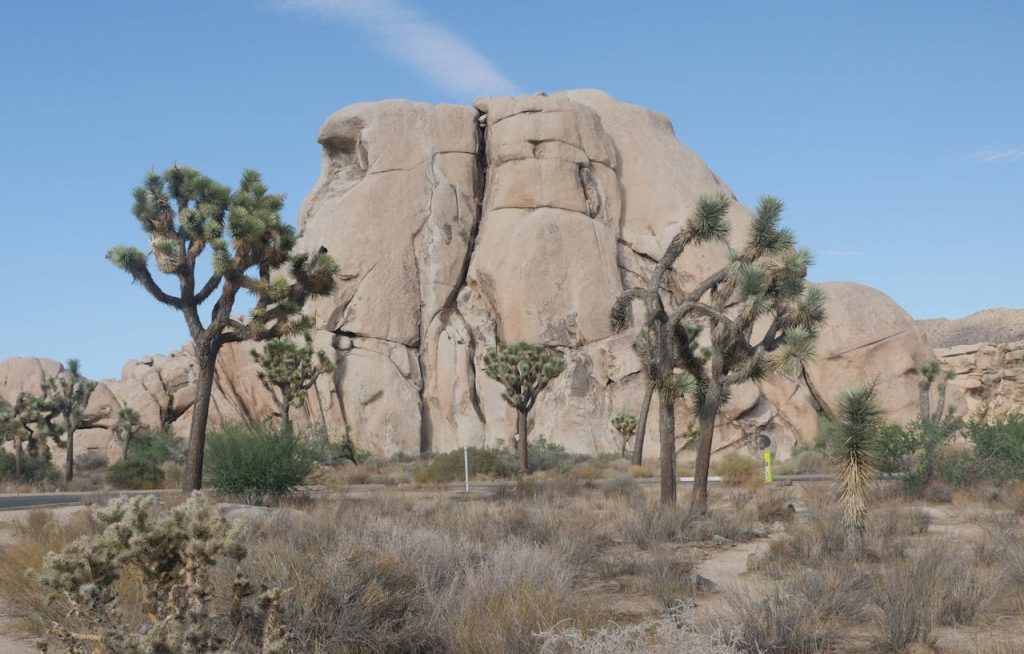
Joshua Tree crowding is tied to timing and entrances, especially on weekends when the West Entrance can back up under hard sun. Popular pullouts and short trails fill fast, and a simple drive can turn into repeated circling, creative parking, and a louder atmosphere than people expect from the desert. The park often advises arriving early and using alternate entrances, which has become practical guidance rather than optional advice. Space returns in late afternoon and on longer walks, when light softens, temperatures drop, and the desert’s details come forward: rock textures, distant ridgelines, and the quiet between wind gusts.
Haleakal? National Park, Hawaii
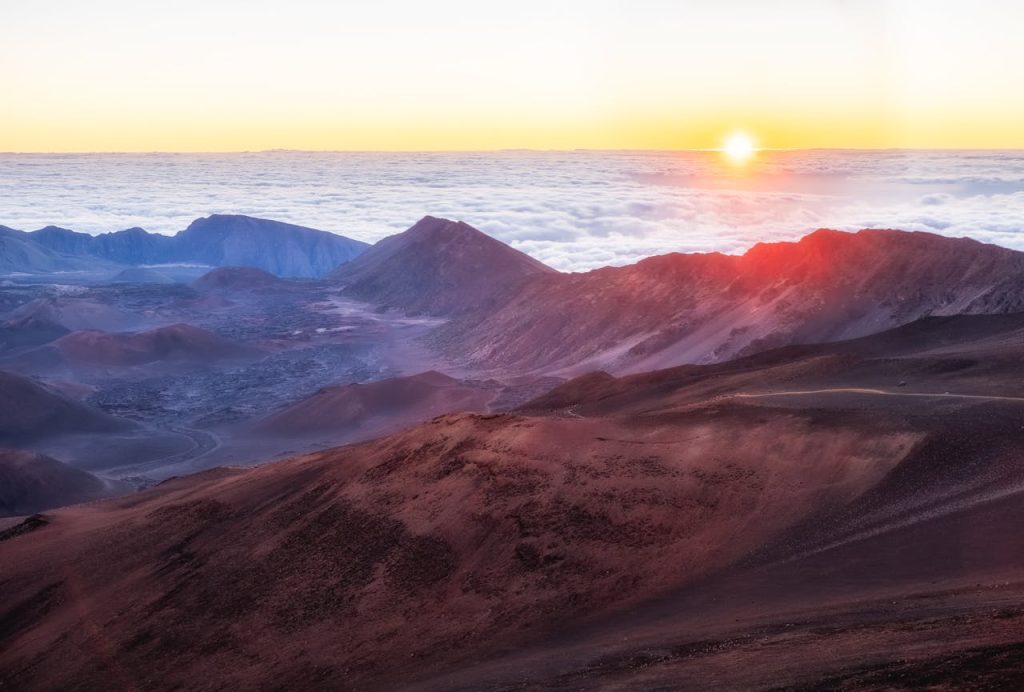
Haleakal?’s summit sunrise is famous enough to operate like a managed event, with permits controlling the pre dawn window and limited parking shaping the flow. The result can be beautiful and crowded at once: headlights lining the climb, people gathering at railings, and camera shutters punctuating the cold air. When lots fill, late arrivals circle, and the mood shifts from contemplation to logistics. Later hours often feel more spacious, when crater trails, native plants, and drifting clouds replace start time pressure with room to linger. For many, sunset or midmorning becomes the new sweet spot, still dramatic, but less compressed.

