


Parking once meant coins, a ticking meter, and a paper slip under a wiper. More streets now run on apps, zone numbers, and pay-by-plate enforcement, which can feel quicker and easier to manage. The trade is attention: signs must be read, codes must match the block, and signal must cooperate. Because the receipt lives on a phone, the curb feels less like a machine and more like a ruleset. Across the cities below, the hardware fades into the background while the street becomes a set of numbers learned through repetition and routine. It is convenient when everything is clear, and stressful when one digit is off.
New York City, New York
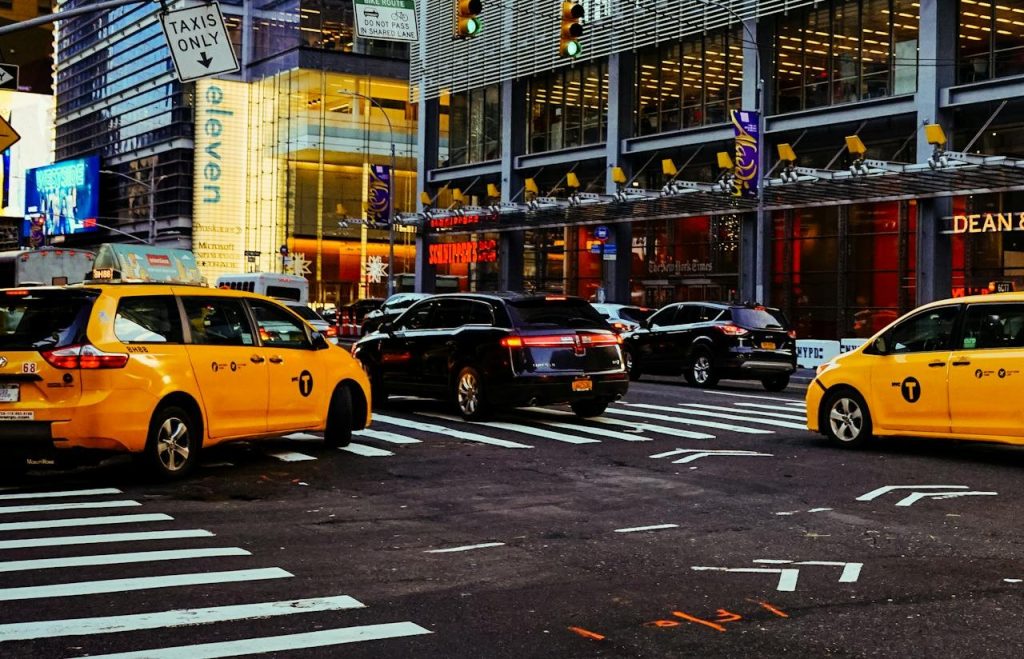
New York City’s curbside payment centers on app-based zones rather than rows of coin meters. Drivers read a six-digit zone number from street signs, add a license plate, pick a duration, and pay from a phone, with reminders before time expires and receipts saved digitally. Each block, and often each side of the street, has its own zone, which keeps enforcement precise but demands focus. Sidewalks feel cleaner without meter posts, yet the responsibility shifts to getting every digit right before starting the session. A weak signal or rushed entry can turn a good stop into an expensive lesson, so most locals pause and confirm twice.
Chicago, Illinois
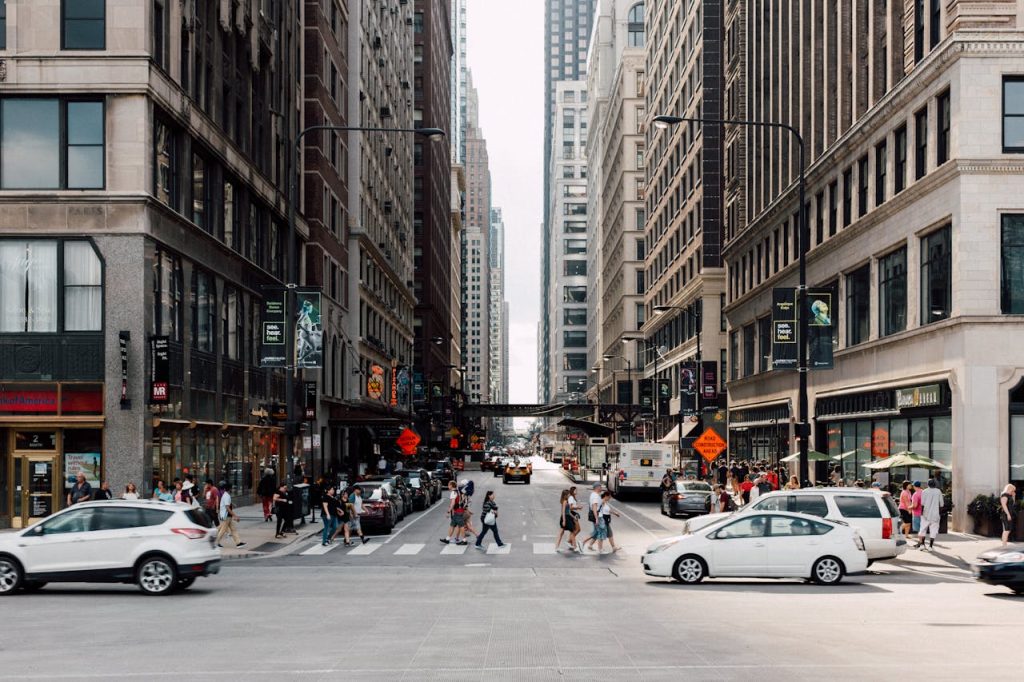
Chicago replaced many single-space meters with a zone-and-plate system that runs mainly through an app. The routine is simple in theory: read the zone number on the sign, enter the license plate, choose time, and start the session. It saves coin hunting, makes extending parking easier during long errands, and reduces sidewalk clutter. The catch is accuracy. A mistyped zone or plate can void an otherwise valid payment, and busy corridors offer little patience for mistakes. Frequent parkers learn to screenshot the sign and confirm details before walking away. Digital receipts help with work reimbursements, but only if the right zone is chosen.
San Francisco, California
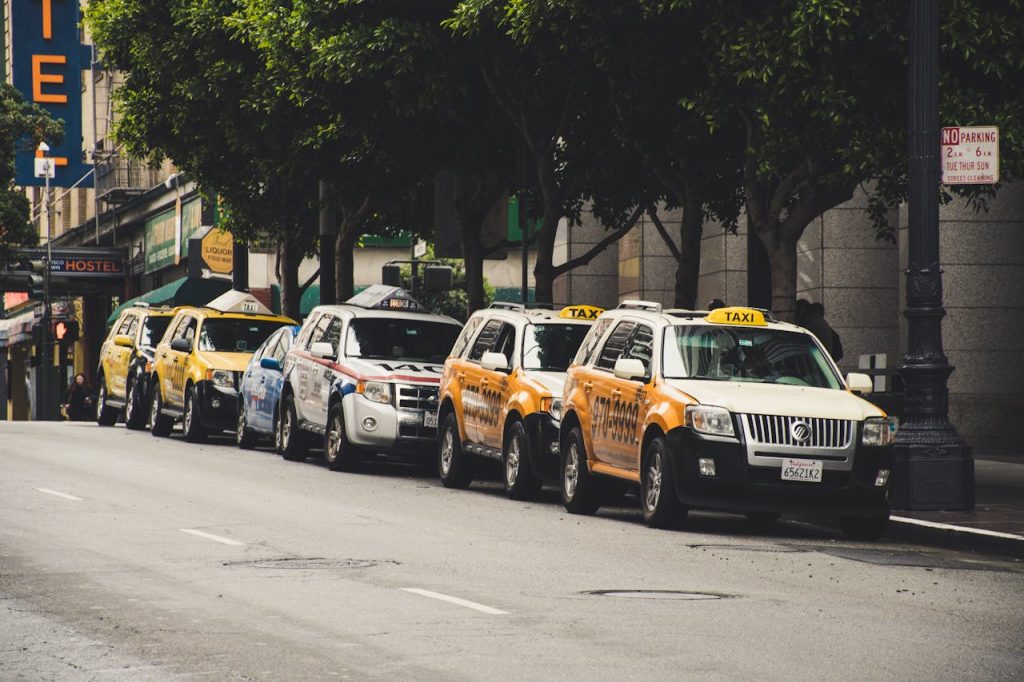
San Francisco blends pay stations with app payment, letting drivers pay by entering a location number tied to the block. On steep hills and crowded commercial streets, that flexibility matters because walking back to a machine can feel like extra effort. The app becomes the receipt, and the location number becomes the curb’s identity. Over time, the habit shifts from feeding hardware to reading signage and confirming a session. When signs are clear, parking feels quicker and calmer. When they are not, the lack of a single obvious meter can make a block feel confusing, especially for visitors juggling hills and traffic.
Seattle, Washington
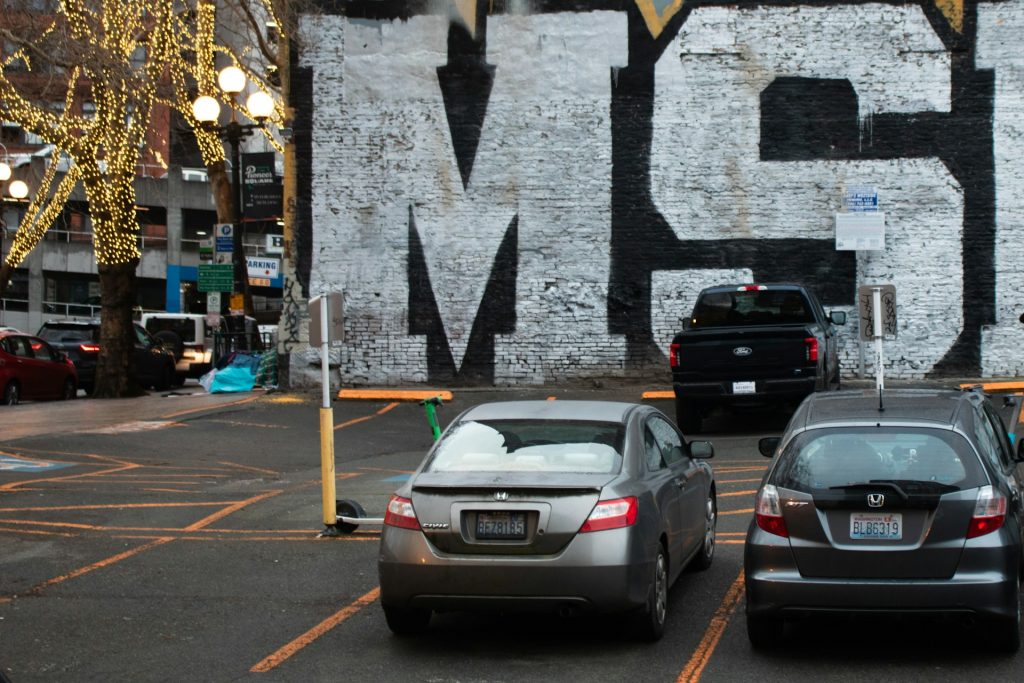
Seattle relies heavily on app-based payment for on-street parking, using location codes posted on signs or nearby pay stations. Drivers start a session, get reminders as time runs down, and extend remotely where rules allow, which suits a city built around short stops and sudden rain. The convenience is real, but it assumes clear signage and steady signal. Without a paper receipt or a visible meter display, trust shifts entirely to the phone screen. Parking becomes a quiet agreement between driver and system, with enforcement keyed to plate numbers and session data instead of a ticking dial at the curb.
Washington, D.C.
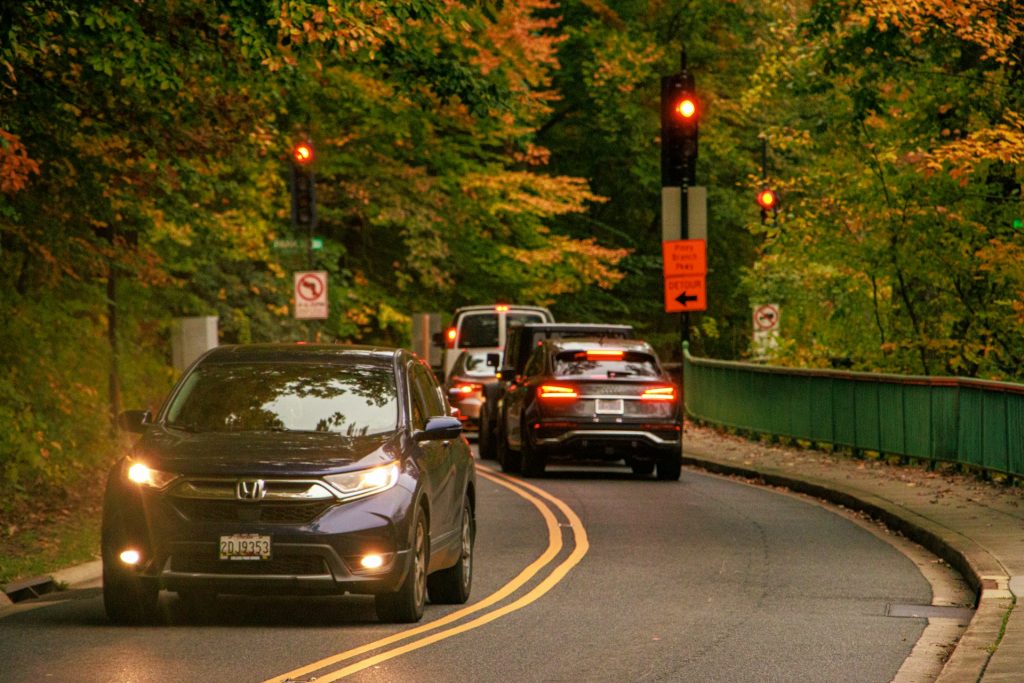
Washington, D.C. uses app-based zones across much of its curbside parking, turning payment into a quick check of posted numbers and a few taps. It fits a city of brief meetings, museum stops, and tightly timed days, where walking back to a meter can break momentum. Extensions are easier, and receipts stay organized for expenses. At the same time, the phone becomes the meter, silently counting down in a pocket. The system works best when signs are consistent, because confusion lives in small details on the pole. Drivers who rush the code entry learn quickly that precision matters more than speed.
Boston, Massachusetts
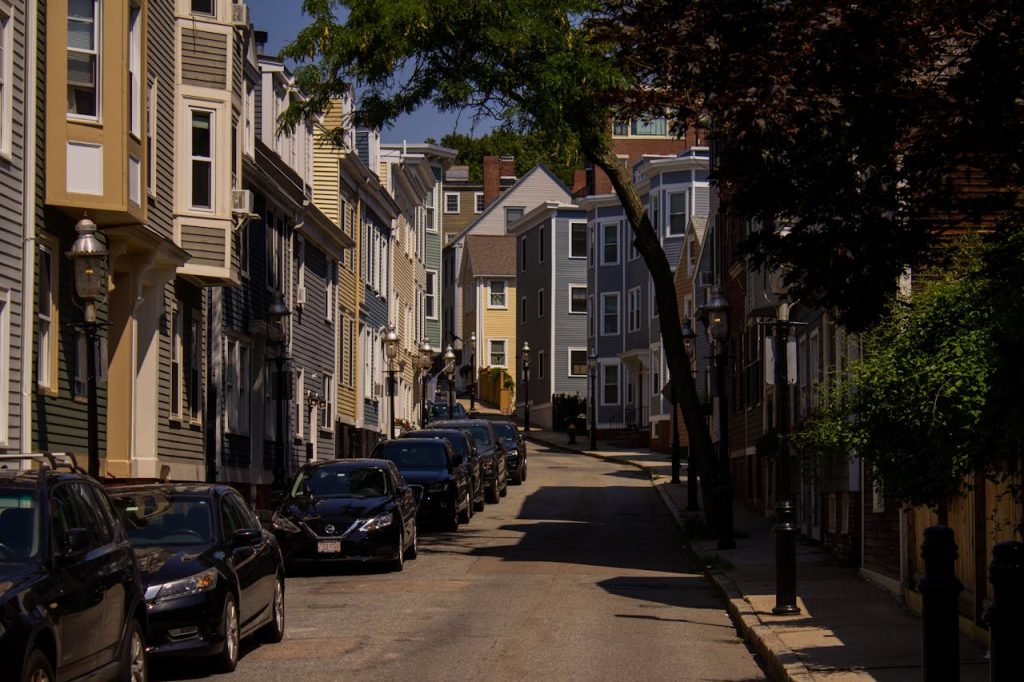
Boston’s shift to app-based parking reflects narrow streets and layered curb rules that can change block by block. Instead of feeding a meter, drivers enter a zone number from signage, select duration, and manage time digitally, with alerts that help avoid overstays. The curb looks less cluttered, and payment is faster, but accuracy matters more than ever. A wrong zone can place payment on the wrong street, and the old visual reassurance of a ticking meter is gone. Locals tend to double-check the zone before locking the car, especially near downtown and busy neighborhood squares. That habit saves headaches.
Philadelphia, Pennsylvania

Philadelphia has pushed much of its curbside payment into an app-based system built around zone numbers and license plates. It reduces lines at pay stations and removes the need for change, which helps on busy commercial blocks and quick stops. The system favors preparation over improvisation: drivers read the sign, confirm the zone, enter the plate, and trust the phone to track time. Instead of glancing at a meter, they rely on alerts and session screens. It feels streamlined, but it is unforgiving if the first entry is wrong, especially in Center City corridors. A quick photo of the sign can help resolve disputes later.
Los Angeles, California
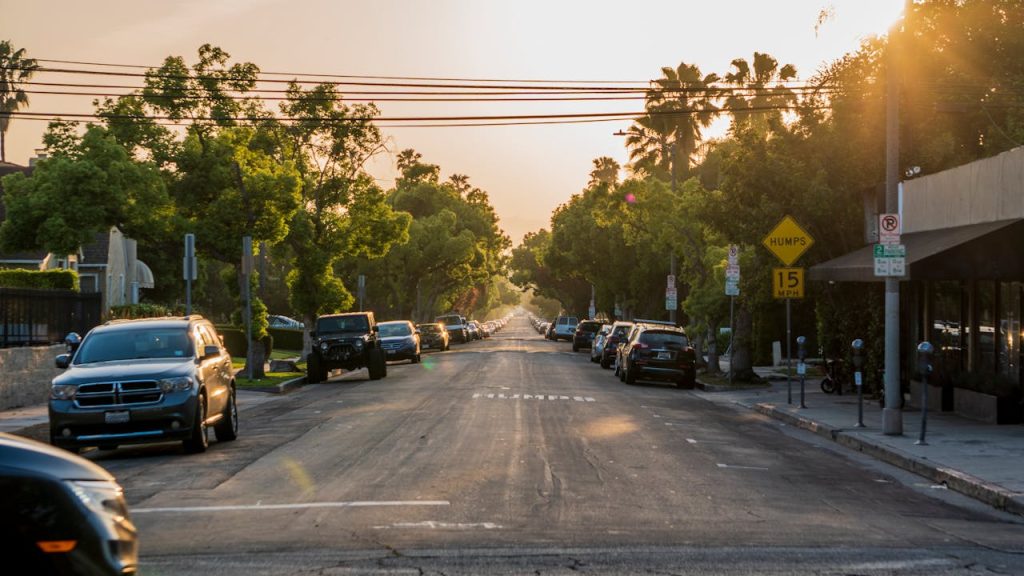
Los Angeles has expanded app-based parking in many districts, pairing smart meters and pay stations with mobile payment options. On long blocks and wide streets, paying by phone saves time and avoids crowded machines, which matters in heat and heavy foot traffic. The city still expects drivers to match the correct zone or location to the curb, and that expectation replaces the old habit of watching a meter accept coins. When signage is clear, the process feels smooth and flexible. When it is not, drivers can hesitate, circling for a second look before starting a session, especially near popular dining streets.
Toronto, Ontario
Toronto’s on-street parking increasingly runs through an official app that uses location IDs instead of individual meters. Drivers enter the posted number, choose duration, and manage sessions remotely, which helps during winter, events, or late evenings when standing at a machine is uncomfortable. Receipts stay digital, making expense tracking easier. Over time, the curb becomes less about hardware and more about information: the posted code is what matters. Entering it correctly is the key step, and the city’s streets can feel more orderly even as parking becomes quietly more technical and rules-based.
London, England

Many London boroughs rely on pay-by-phone parking, with street signs directing drivers to app payment instead of coin meters. The change reduces street clutter and removes the need for cash, but it raises the importance of clear instructions. Drivers read the sign, enter the correct location code, select time, and trust the phone as proof of payment. In busy areas, it speeds things up. In quieter neighborhoods, it can feel like a sudden shift away from habit, because the curb is now defined by codes and rules rather than a visible machine. A careful read of the sign is the whole game. especially at first.

