


Eurovision is an annual international music competition followed worldwide, typically held in May in a major city of the previous year’s winner. The contest week lasts about a week and includes the semi-finals, the grand final, and preview shows. If you’re travelling to the host city, plan, as accommodation and tickets can get expensive quickly. A total budget usually lands around €300–€2,000, but you can enjoy Eurovision without show tickets at fan zones and public watch parties. Start preparing 12–18 months in advance, follow practical tips, and the event will be a realistic, enjoyable experience even for first-timers.
Eurovision In Brief – What Is It About?
Eurovision is an international music competition held annually and coordinated by the European Broadcasting Union (EBU). The first contest took place in 1956, and over the decades, the event has grown into one of the world’s most‑watched entertainment phenomena. Today, nearly 170 million viewers watch on television each year, and the audience extends well beyond Europe.
Eurovision is known for spectacular performances, strong emotions, and an exceptional international atmosphere. The event is open to everyone and is especially popular within the LGBTQIA+ community. It is a politically neutral contest that puts music and shared experience at its centre.
The TV broadcast shows only part of Eurovision – on site, you experience the city, fan culture, and side events.
Eurovision 2027 – Why Prepare Early?
Eurovision isn’t just one night at the arena; it’s a week‑long international event that transforms the entire host city. If you’re dreaming of experiencing Eurovision in person in 2027, starting early is the single most important decision you can make. Going in person isn’t only about watching the arena shows – soaking up the host city’s Eurovision atmosphere is an essential part.
Preparing early helps control costs, increases your chances of getting tickets, and reduces stress. This article is aimed especially at first‑timers who want to be smart about it and aren’t willing to overpay because of poor planning.
Benefits Of Early Preparation
- book accommodation for less with flexible cancellation terms
- join every phase of ticket sales
- airfares are more likely to stay reasonable
- spread costs over a longer period
Eurovision 2027 – What Can Be Anticipated?
Not all details of Eurovision 2027 are known yet, but past years allow for fairly reliable assumptions.
Dates And Schedule
Eurovision is held almost always in May. The contest week runs from Monday to Sunday and includes two semifinals plus the Saturday final.
Each live show has multiple preview performances: one the previous evening and often an afternoon preview on the same day. These were previously called family shows.
In total, there are typically nine shows, only three of which are live TV broadcasts. Previews are often cheaper, easier to get, and the best option for many first‑timers.
For 2027, the most likely weeks fall on:
- Week 1: around 3–9 May
- Week 2: around 10–16 May
- Week 3: around 17–23 May
For trip planning, it makes sense to prepare for multiple possible weeks in advance.

Host City And Arena
Eurovision is usually hosted in the winning country’s largest or most accessible city. It’s often the capital or another major metropolis with an international airport and a sufficiently large arena.
Arena size directly affects ticket availability, but for many travellers, the host city ultimately matters more than the arena itself.

As soon as the winning country is known, it becomes possible to guess the likely host city and arena. Options are often limited, as only a few venues meet the contest’s technical and capacity requirements.
For example, if Norway won, attention would quickly turn to Oslo and a few large indoor arenas. This kind of early thinking helps you make cancellable accommodation bookings before official decisions are made.
If the winner is from far outside Europe, the contest is usually staged in Europe in collaboration with a European broadcaster.
Eurovision Tickets – The Hardest Step, But Not Impossible
Getting tickets to Eurovision is the biggest challenge for many. Demand almost always exceeds supply, and even registering on time doesn’t guarantee tickets.
Ticket sales usually require registration and involve a queue. Queue positions are often randomised when sales open.
Expect the cheapest tickets to sell out first.
Previews And Ticket Types
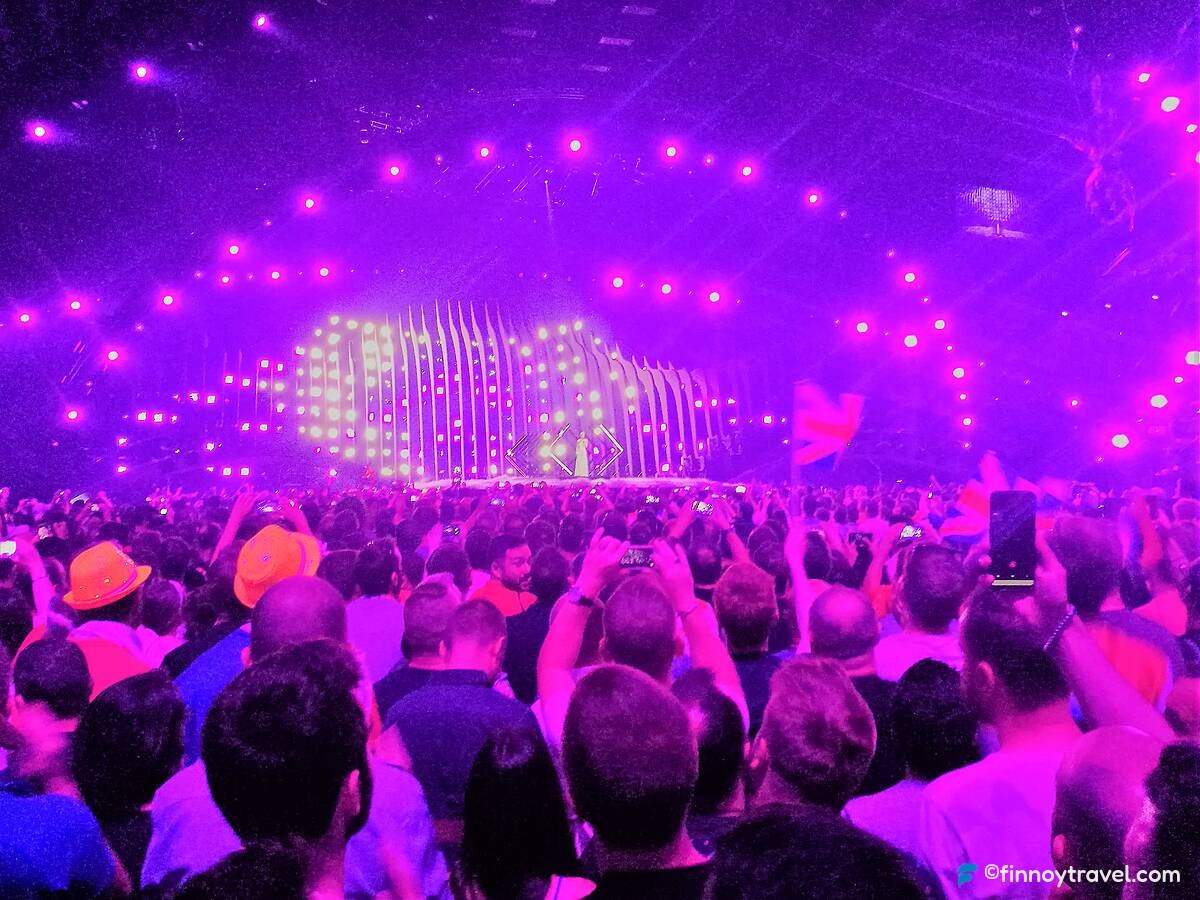
Eurovision tickets are split across several show types. Each semifinal and the final usually have three performances: an afternoon preview, the previous evening’s dress rehearsal, and the live televised show.
Previews are essentially full productions in terms of lighting, sound, and stage show. The only significant difference is that they aren’t live TV broadcasts. For many first‑timers, these offer the best value for money.
There are standing places in front of the stage and seated tickets at various price points. Standing puts you in the thick of the action but often means long periods on your feet. Seats are a calmer option and better for families with children.
What Really Happens In The Ticket Queue?
Taking part in ticket sales usually requires pre‑registration. Registration happens weeks or months before the actual sales day, and without it, you can’t buy tickets.
When sales begin, the system randomises queue positions among all registered users. Arriving earlier on the page does not necessarily improve your chances, as your place in line is assigned randomly.
You can improve your odds by preparing carefully: use a stable internet connection, make sure you’re signed in to the correct account, and avoid refreshing the page while in the queue.
When you reach the payment stage, act quickly. Hesitating or navigating away often releases the tickets to the next person in line.
Official Resale And Scams
Official resale usually opens a few months before the contest, when buyers can return or resell extra tickets through an organiser-approved system.
Official resale is the only safe way to buy second‑round tickets. Unofficial tickets may be counterfeit, sold to multiple buyers, or invalidated during name checks.
You can often spot a scam ticket by an unrealistically low price, pressure to buy quickly, or payment requests directed to a private individual.
Avoid unknown ticket sites and social media offers. Tickets bought through unofficial channels can be invalidated.
Fan Clubs And Fan Packages
Eurovision fan clubs, such as the OGAE network, offer members the chance to apply for limited ticket allocations. You must join well in advance, often months before the contest year.
There aren’t enough tickets for every applicant; they are distributed based on applications. Allocation practices vary by country, but they usually rely on a lottery or a points system.
Fan packages often include multiple tickets, merchandise, and side events. Prices typically range from €350 to €950, and the most extensive packages can cost up to €1,300.
Travel And Flights
Once the dates and host city are confirmed, it’s time to focus on the practical side of trip planning. Flights and local transportation significantly affect your overall budget.
It’s best to book flights only after the dates and host city are confirmed. Prices don’t always rise significantly, as Europe often has multiple routes and airport options. If the host city has challenging air connections, tickets may cost more than expected.
- consider nearby airports and use trains and buses
- arrive 1–2 days early
There are several ways to find cheap flights. The key is to spend time comparing prices rather than booking the first option. Also, by choosing only essential add‑ons, you can lower the total price of your airfare significantly.
The Realistic Cost Of A Eurovision Trip
A Eurovision trip budget consists of several parts. Total costs are driven especially by tickets and accommodation, but your travel mode and side events also matter.
Total costs in Europe often range from about €300 to €2,000.
- flights
- accommodation
- tickets
- food and side events
For unexpected expenses, a sufficiently comprehensive travel insurance policy is practically essential and costs about €45.

Eurovision Without Tickets
Eurovision is much more than the performances inside the arena. The host city lives and breathes the contest throughout the week, and there’s plenty to do even without tickets.
Fan zones, free concerts, Eurovision villages, and public watch parties bring thousands of fans together. For many, the city’s open party vibe and international fan culture are the highlights of the trip.
Timeline: How To Prepare For Eurovision 2027
A Eurovision trip works best when preparation progresses in stages. The timeline below shows what to do at each step.
- 12–18 Months Out: follow Eurovision, join a fan club
- 9–12 Months Out: shortlist likely host cities, make cancellable accommodation bookings
- 6–9 Months Out: pre‑register for ticket sales
- 3–6 Months Out: take part in sales and resale, book flights
- 1–3 Months Out: plan side events
Final Tips For A Successful Eurovision Experience
Bring only what you need, save your tickets for offline use, and arrive at the arena early. Offline access matters because mobile networks often get congested on event days.
- don’t bring prohibited items, such as weapons
- expect security checks
- drink alcohol in moderation
- follow local laws and the organiser’s rules
Bottom Line
Eurovision is a one‑of‑a‑kind experience that’s worth having at least once. With good planning and realistic expectations, even first‑timers can succeed without unreasonable costs.
If you start early and stay flexible, Eurovision 2027 can be surprisingly within reach.
The commenting feature has been removed due to low usage. The discussion continues in our Facebook group — you’re welcome to join!

