


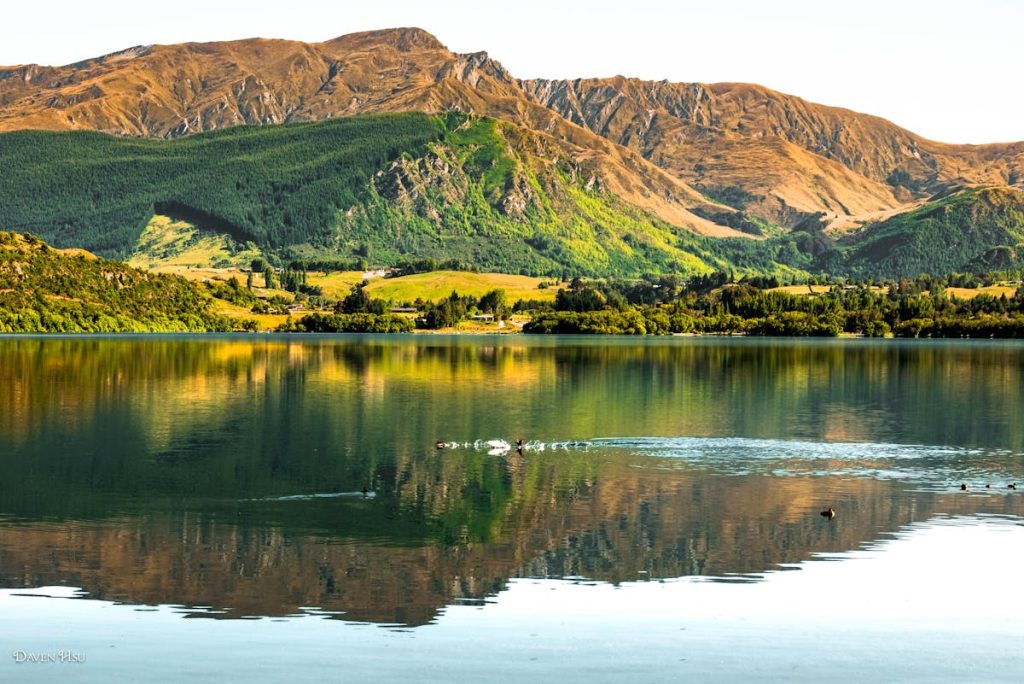
Department of Conservation staff spend a lot of time reminding visitors that New Zealand’s most beautiful tracks often sit right beside the conditions biting insects love. Entomology references from Te Ara, the Encyclopedia of New Zealand, describe sandflies, also called blackflies, as most at home around flowing water and bush, with the West Coast and Fiordland especially notorious.
That biology explains why certain hikes feel almost perfect until a stop for snacks turns into a flurry of itchy ankle bites. Public health guidance on bite prevention tends to focus on practical barriers, including long, loose clothing and proven repellents such as DEET or picaridin, paired with careful use according to product directions.
Milford Track In Fiordland National Park
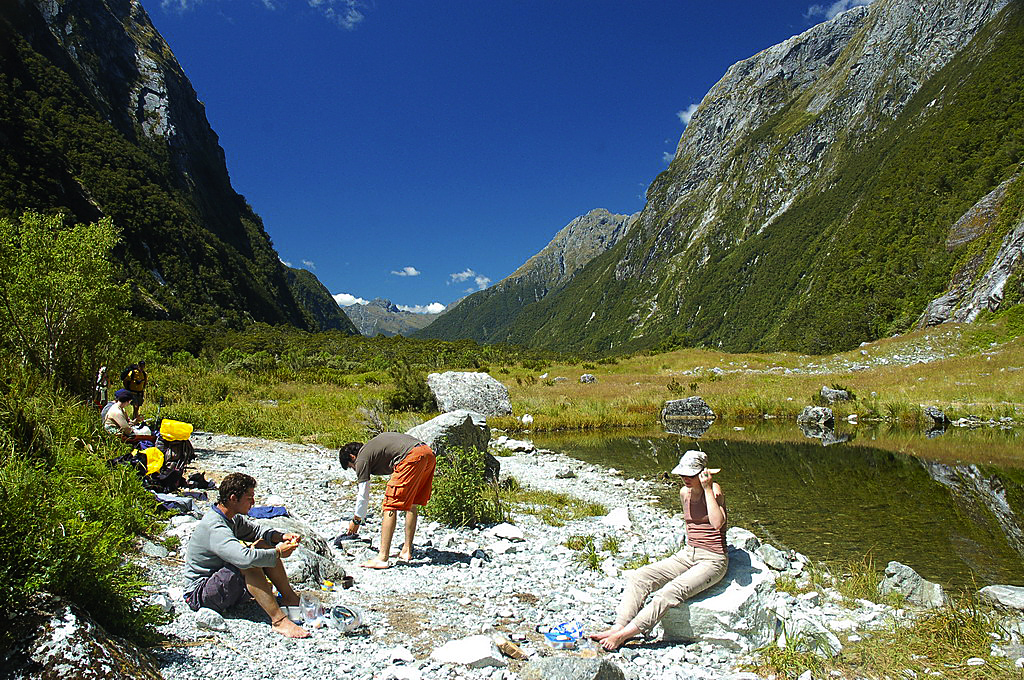
The Milford Track has an almost self-explanatory clue at its finish. Te Ara notes that the terminus where trampers board the ferry to Milford Sound is called Sandfly Point, a name earned the hard way during peak sandfly conditions.
DOC manages the Milford as a highly structured walk during the Great Walks season, and that structure helps with crowding and hut logistics. It does not change the core reality that Fiordland’s wet valleys and river margins support the insects that make breaks uncomfortable, especially in still, damp forest air where bare skin becomes an easy target.
Te Ara also describes sandflies as most active around dawn and dusk, which matters on a track that often begins and ends each day near waterways. Calm planning often looks less like chasing extra miles and more like minimizing long stops in sheltered spots during those windows.
Routeburn Track Through Fiordland And Mount Aspiring
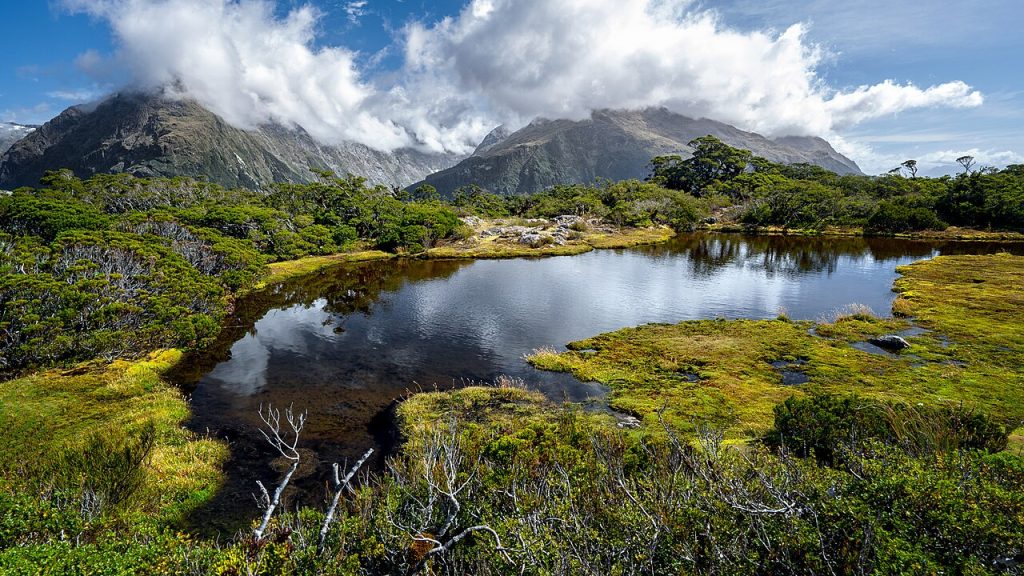
The Routeburn Track runs through famous alpine scenery, but the walk begins and ends in valleys where streams, wet ground, and dense vegetation create classic sandfly habitat. DOC’s track information frames Routeburn as a serious undertaking outside the Great Walks season, and that bigger safety message pairs naturally with insect planning that treats discomfort as a predictable factor rather than a surprise.
Outdoor educators often point out that sandfly misery tends to spike during stationary moments. Routeburn’s highlights encourage lingering, especially at trailheads, bridge crossings, and sheltered flats where wind drops and humidity hangs. That combination can make the first and last hour of the day feel more “swarm-prone” than the exposed ridgelines that look more dramatic in photos.
Public health guidance on bite prevention generally favors physical coverage plus effective repellent, especially where insects repeatedly land on ankles and wrists. A consistent routine for clothing, repellent, and brief stops often matters more than any single product claim.
Kepler Track Near Te Anau
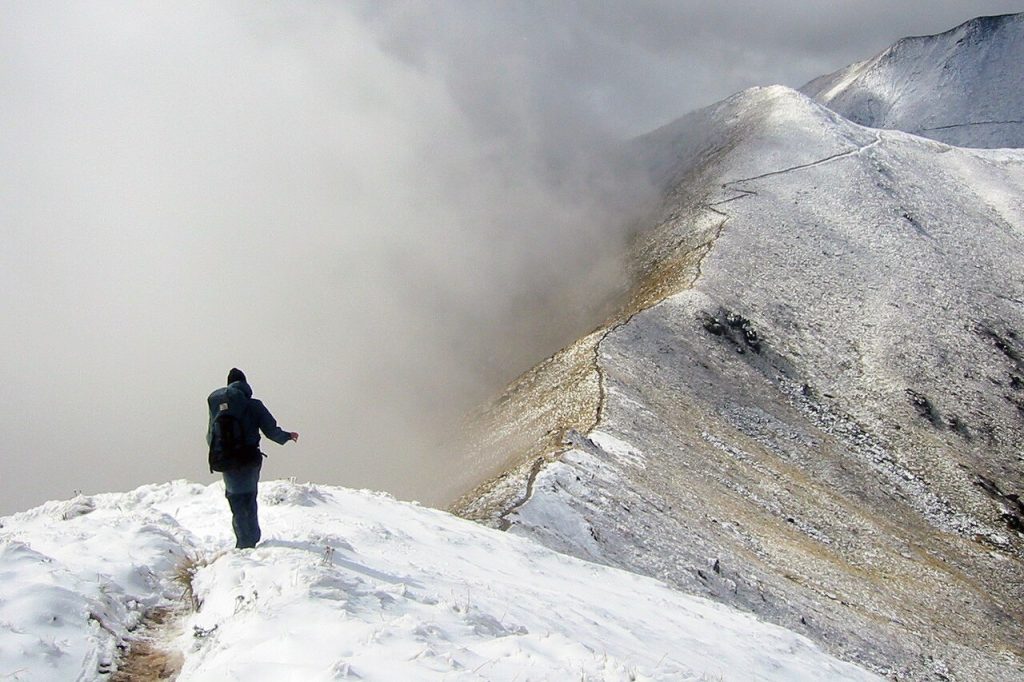
The Kepler Track loops near Te Anau and Lake Manapouri, weaving between forest, river margins, and wetlands before rising into open alpine sections. That mix is part of the appeal, but it also means long stretches where flowing water and bush sit close to the walking line, matching the distribution Te Ara describes for sandflies.
DOC messaging for the Kepler emphasizes preparation and conditions, and insect pressure fits neatly into that same mindset. Calm days on this track often come from treating the forested, low-lying sections as the places where breaks need more intention, while the higher, wind-exposed ridges tend to feel less claustrophobic in both temperature and insects.
Te Ara’s note that sandflies ramp up around dawn and dusk matters here because hut routines often concentrate movement and meals around those times. Adjusting rest stops toward brighter mid-day light, when possible, can reduce the worst of the bite barrage without changing the day’s overall mileage.
Lake Marian Track On The Milford Road Corridor
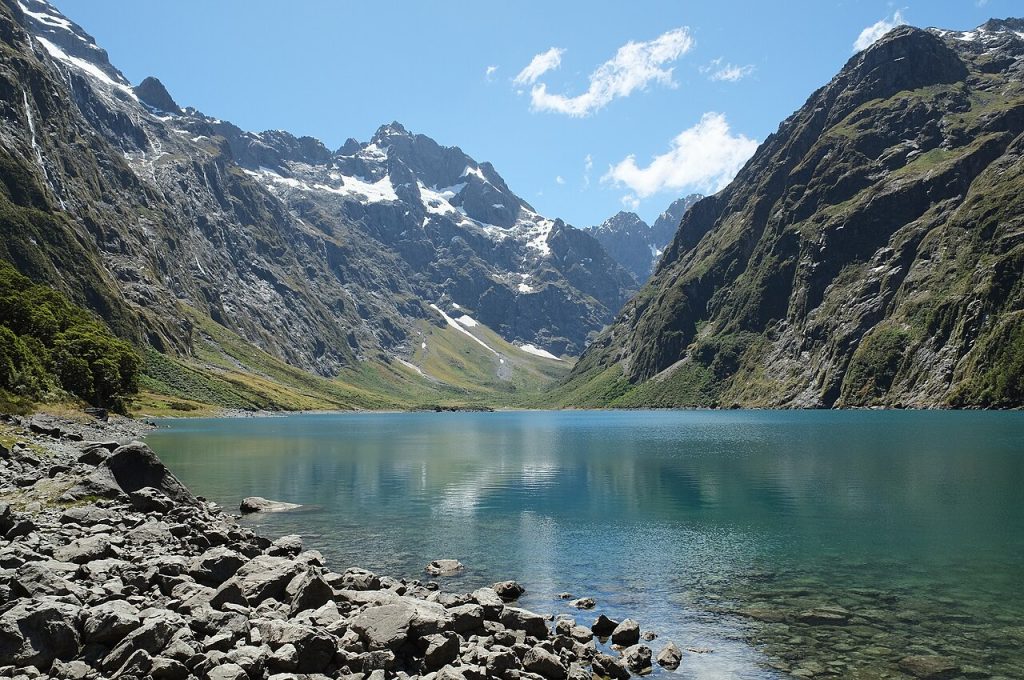
Lake Marian Track sits on the Milford Road corridor and climbs through lush forest to an alpine lake in a hanging valley, a classic Fiordland setting. DOC highlights the track’s access from Hollyford Road and its location in Fiordland National Park, which places it squarely in a region Te Ara calls famous for sandflies.
Day hikes can feel especially “marred” because there is less time to settle into a rhythm. A short walk often includes frequent pauses for photos, waterfalls, and bridge crossings, and sandflies tend to exploit those stationary moments. Entomology references emphasize that only female sandflies bite and that they seek blood to produce eggs, which helps explain the persistence when conditions suit them.
Health guidance on bite prevention generally returns to the same fundamentals. Long sleeves and loose layers reduce exposed skin, and proven repellents such as DEET or picaridin offer another line of defense when stopping near wet vegetation.
Paparoa Track Across The West Coast Range
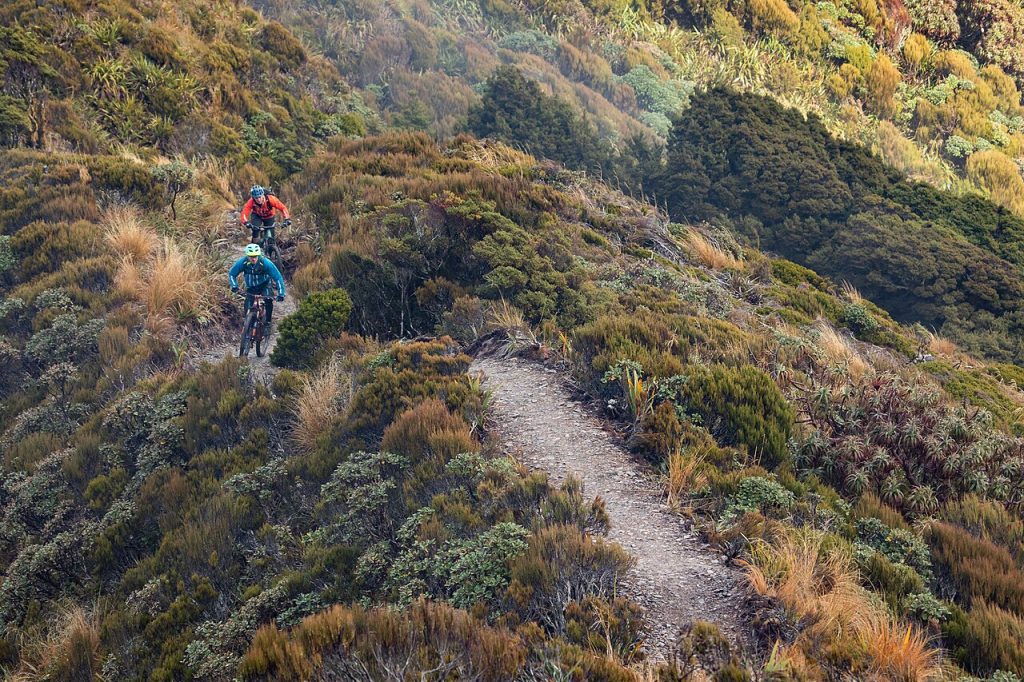
The Paparoa Track crosses the Paparoa Range on the West Coast, moving through rainforest and limestone country that stays damp and shaded for long periods. DOC’s description emphasizes thriving rainforests and big views, and that rainforest detail matters because Te Ara singles out the West Coast as sandfly country.
Outdoor professionals often describe the West Coast as a place where comfort planning is not optional. Sheltered valleys, creek crossings, and still air around huts can set up the classic scenario where the walking feels fine but the moment a pack comes off, sandflies arrive in clusters and make rest feel like work.
A calmer approach treats breaks as part of risk management, not just relaxation. Clothing coverage and effective repellent can reduce bites, and shorter stops in sheltered areas can keep the day from turning into an itchy endurance test.
Fox Glacier South Side Walkway In Westland Tai Poutini
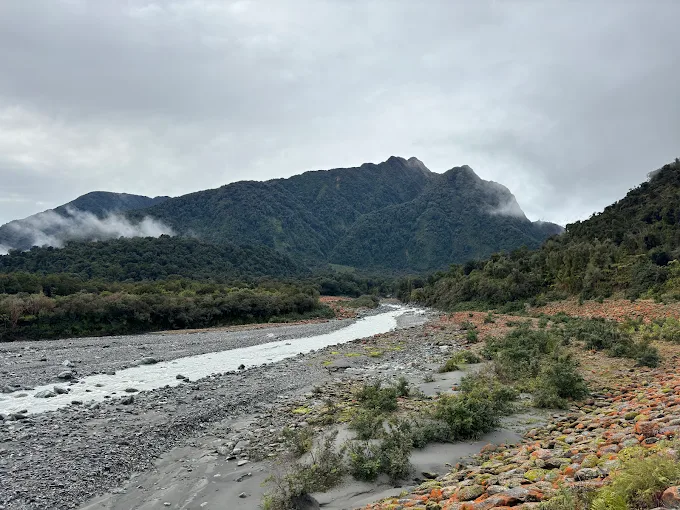
DOC describes the Fox Glacier South Side Walkway as a route along the south bank of the Fox River through ancient podocarp rainforest. River margins and rainforest are exactly the combination Te Ara associates with sandfly distribution around flowing water and bush, especially on the West Coast.
Glacier-valley walks also create a pattern that safety instructors recognize. Visitors often stop repeatedly for viewpoints, moraine surfaces, and riverbed scenery, and those pauses commonly happen near water and damp vegetation where sandflies cluster. The result can feel like the landscape is generous while the insects are equally committed.
Public health guidance for bite prevention generally recommends long, loose clothing and repellents with proven active ingredients. That advice fits especially well on short valley walks where the main discomfort can come from exposed wrists, calves, and necks during photo stops.
Franz Josef Glacier K? Roimata O Hine Hukatere Walk
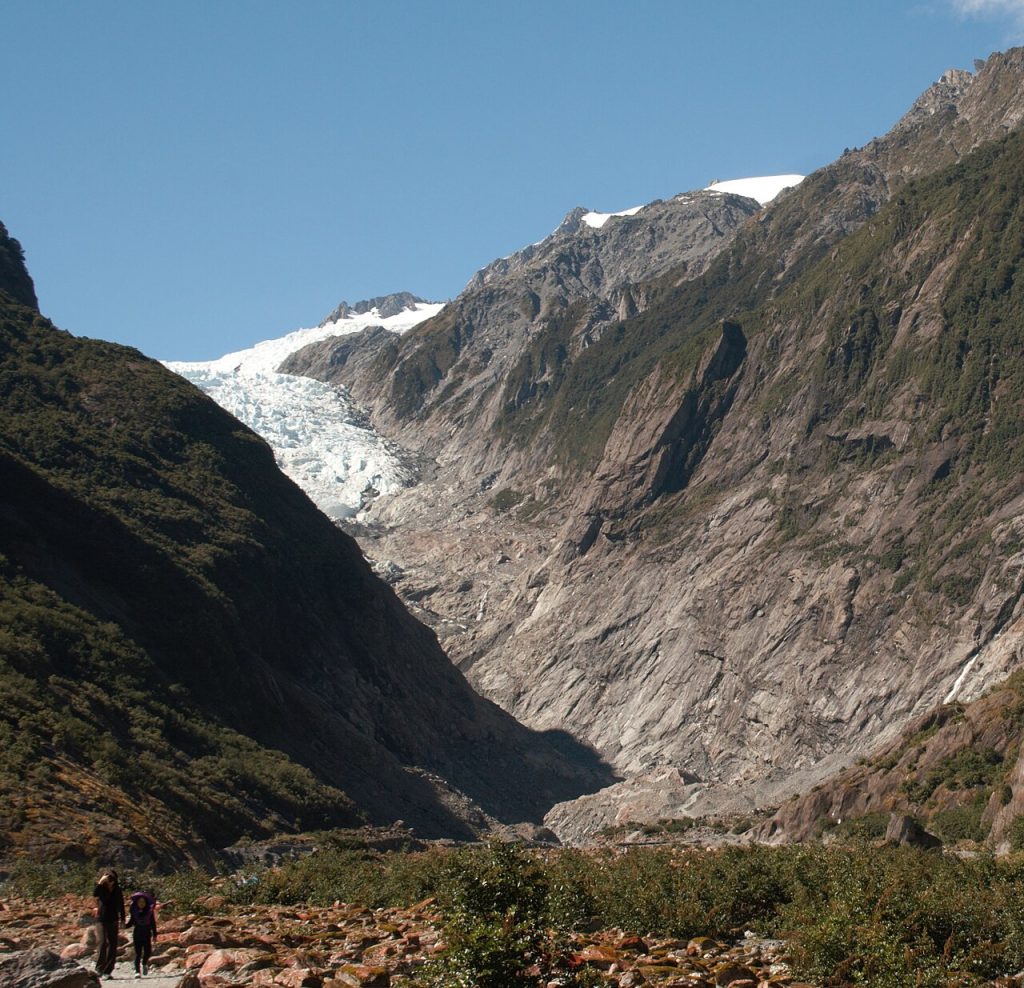
DOC describes the Franz Josef Glacier K? Roimata o Hine Hukatere Walk as a short rainforest walk to view the glacier valley. That setting places the track in Westland Tai Poutini National Park on the West Coast, a region Te Ara highlights for sandfly nuisance and habitat tied to water and bush.
Glacier valleys invite lingering because the best views often come from a final lookout, and the walk can feel deceptively gentle. Safety educators often caution that comfort planning matters most in easy places, since light exertion means more time standing still, which is exactly when sandflies land and bite.
Te Ara also notes that sandflies are most active at dawn and dusk. Choosing meal breaks away from sheltered river edges during those hours, when possible, can make a noticeable difference in how the day feels.
Heaphy Track In Kahurangi National Park
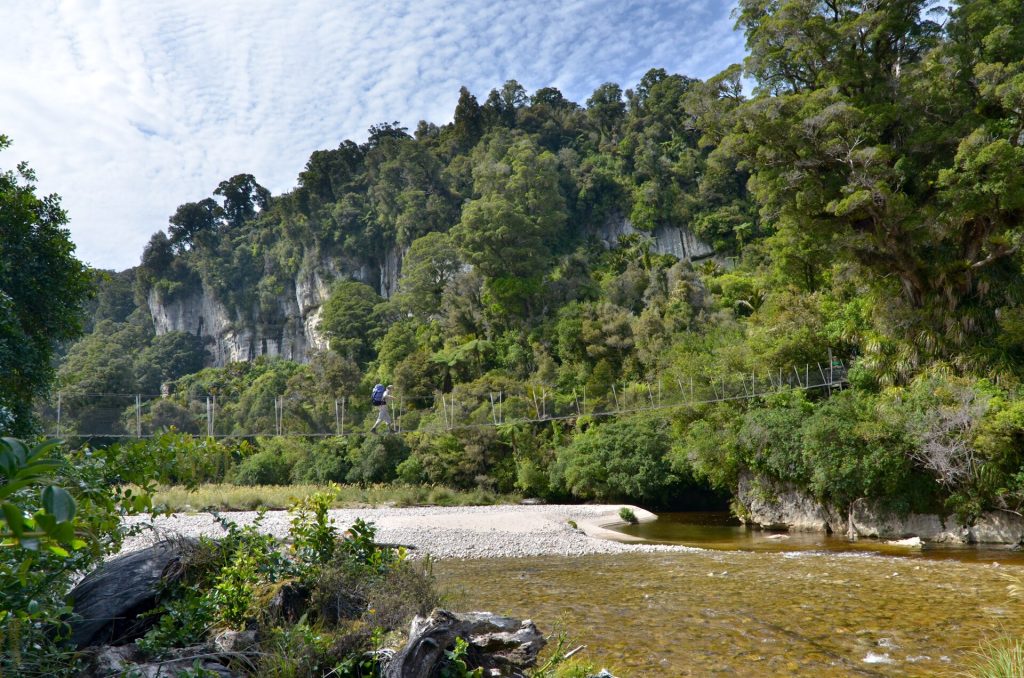
DOC frames the Heaphy Track as a route where careful preparation matters, including understanding weather and packing appropriately. The track links varied ecosystems, and portions run through river valleys and coastal environments that match Te Ara’s description of where sandflies commonly appear, including beaches and lake or swamp edges.
Sandflies can feel especially punishing on multi-day trips because bites accumulate. The Heaphy’s mix of forest, river, and coastal sections creates multiple zones where sheltered stops can invite swarms, even when the walking itself feels cool and pleasant. Te Ara’s broader point about West Coast and Fiordland sandfly intensity provides useful context for setting expectations for South Island tracks with wet, bushy corridors.
Public health guidance generally supports a layered approach that combines clothing coverage and effective repellent. That steady routine can keep evenings and hut areas more comfortable, where hikers tend to relax and expose skin after a long day.
Abel Tasman Coast Track In Abel Tasman National Park
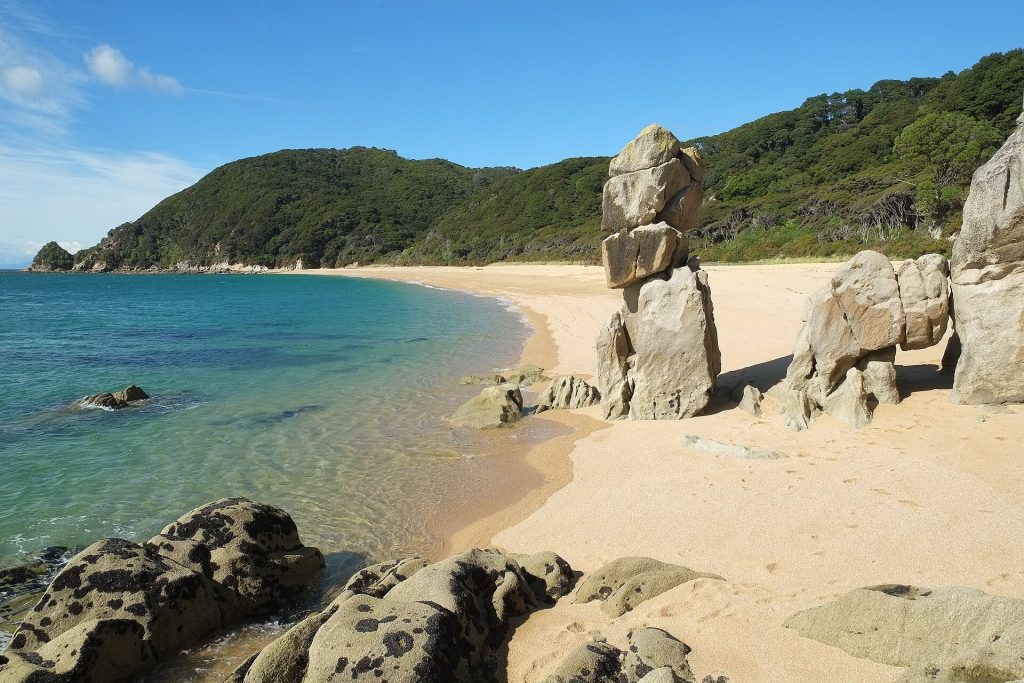
DOC describes the Abel Tasman Coast Track as a mild-climate route through coastal bush with beaches and headlands, including sections that require tide awareness at inlets. Coastal edges and estuaries can support biting insects, and Te Ara notes sandflies often appear at beaches and around the edges of lakes or swamps, especially where bush sits close behind the sand.
Coastal Great Walks also encourage a particular rhythm. Swims, lunches in the sand, and long breaks at campsites or hut decks can turn into the moments when sandflies make themselves known, since calm air and shaded vegetation can sit just beyond the beach. A track can feel peaceful and still create that familiar pattern where rest triggers the worst bites.
Bite-prevention experts generally return to simple steps that work across insect species. Long, loose clothing reduces exposed skin, and repellents with DEET or picaridin can help when conditions favor persistent biting insects.

