



Motorcycle safety instructors and transportation planners often describe the same problem in different words. Mopeds and scooters thrive on agility, but tight spaces amplify small mistakes. The result is a familiar urban dance where mirrors skim past fixed objects, and a routine commute suddenly feels like a puzzle.
Traffic engineers also point out that many near-miss moments come from design, not drama. Pinch points form where cars, bikes, delivery traffic, and pedestrians all compete for the same corridor. A calm ride comes from reading the environment like a system, then choosing patience over squeezing through.
The situations below reflect places where mopeds commonly meet their most stressful geometry. Each one explains what makes the space feel narrow, why mirror-level conflicts happen, and how safety pros think about reducing risk without turning every ride into an ordeal.
Alley Pinch Points Behind Main Streets

Alleys often look like shortcuts, but city maintenance realities turn them into moped mazes. Trash enclosures, delivery pallets, and utility boxes create a slalom that changes week to week. Even when the lane stays open, the edges crowd inward at mirror height where walls, gates, and protruding hardware hide in shadow.
Safety educators focus on speed discipline here because reaction time collapses quickly in confined corridors. A moped can stop faster than a car, yet a sudden door swing or rolling cart can still force a sharp swerve. The calm approach keeps the line wide enough for a correction, even when the alley tempts a straight shot.
Many instructors also emphasize sound and sight management in these spaces. Engines echo, and footsteps or cart wheels can signal movement before a person appears. A steady pace and deliberate scanning reduce the odds that a mirror becomes the first point of contact.
Parking Garage Ramps With Tight Helixes
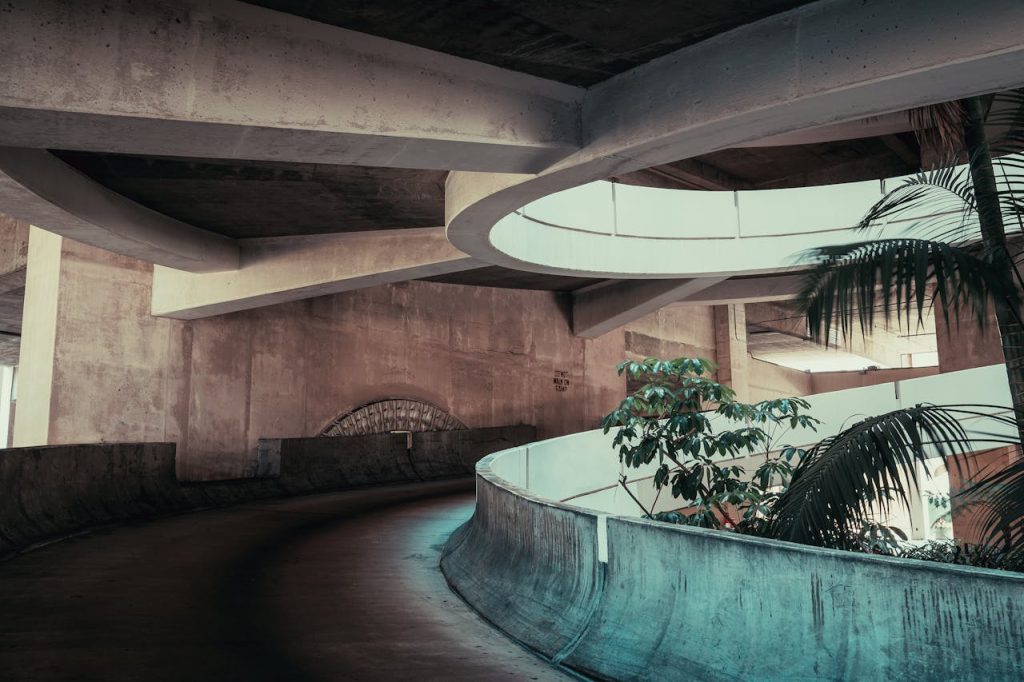
Parking garages create a special kind of narrow because the walls curve while vehicles climb or descend. Spiraling ramps squeeze sightlines and encourage drivers to cut corners. For mopeds, the combination of low lighting, concrete glare, and sudden cross traffic makes mirror clearance feel uncertain.
Traffic safety professionals often highlight that garages contain mixed traction zones. Painted arrows, oil spots, and dust collect on curves where lean angle already increases. A smooth, conservative path keeps the ride stable, and it also avoids last-second steering inputs that push mirrors toward the wall.
Operationally, garages also place riders close to large vehicles that swing wide. SUVs and pickups track differently on helixes, and their mirrors and bumpers can drift across the centerline. Calm riding here looks like clear positioning and a willingness to yield space early.
Construction Chutes That Shrink Lanes Overnight
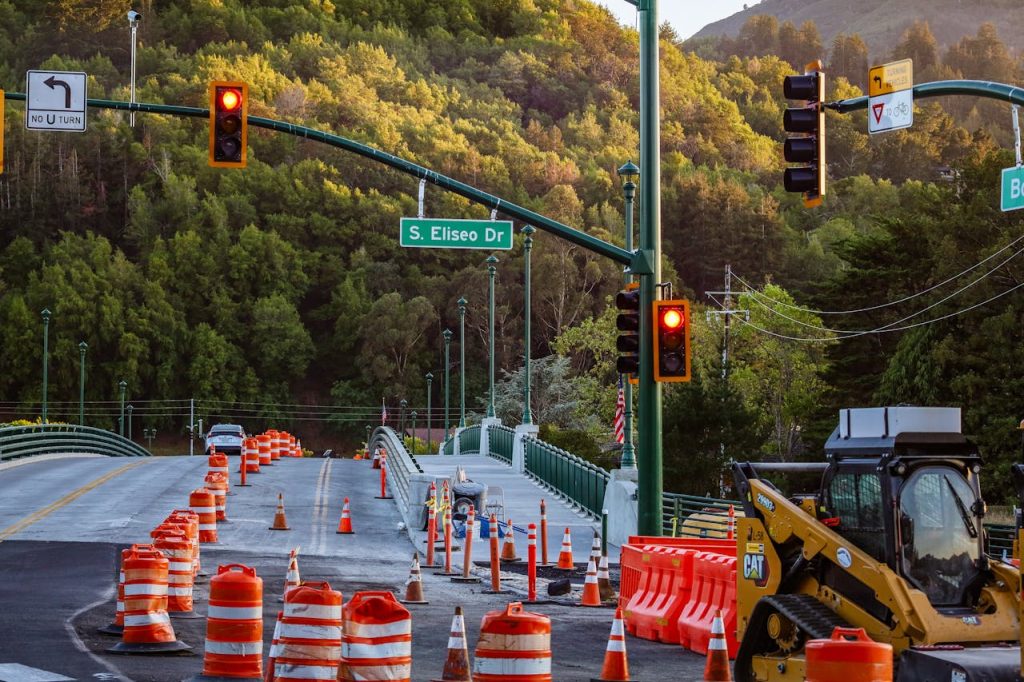
Work zones change the street faster than most people notice. Temporary barriers, cones, and steel plates can narrow a lane by inches, and those inches matter at mirror level. The visual clutter of signs and flashing lights also pulls attention away from the real hazard, the edge that suddenly sits closer than expected.
Roadway engineers design work zones to channel traffic, but real-world setups vary by crew, schedule, and site constraints. Safety guidance generally treats these chutes as unpredictable environments. Reduced speed and extra following distance create time to process uneven pavement and abrupt merges without resorting to a squeeze.
Construction areas also add hazards that target small wheels. Grooves, gravel, and raised transitions can destabilize a moped if crossed at the wrong angle. A planned line that prioritizes stability over quick progress often prevents the mirror scrape that follows a wobble.
Bike Lane Pinch Points Near Bus Stops
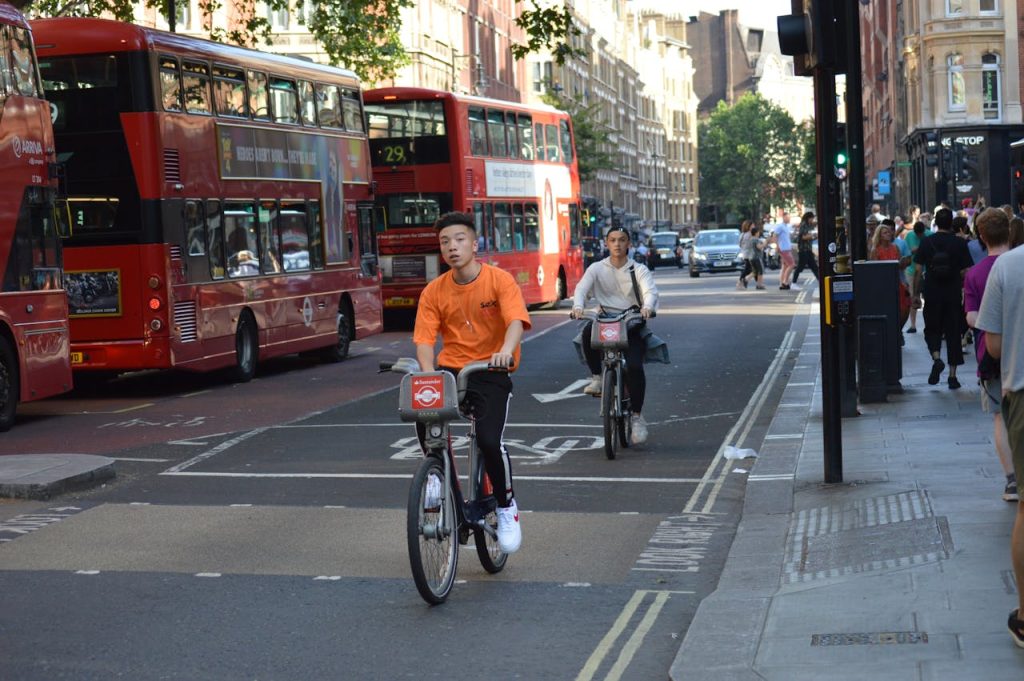
Urban planners call these conflict zones because multiple modes overlap in a small footprint. A bike lane that narrows around a bus stop, a loading area, or a curb extension can funnel riders and cyclists into the same channel. Mopeds that use these corridors, where allowed, can feel trapped between curb and traffic with mirrors inches from both.
Transit agencies and street designers often try to balance rider safety with accessible boarding. The unintended consequence can be a chokepoint where everyone slows and negotiates space in real time. A calm ride relies on recognizing the pinch early and accepting that a brief wait beats threading the needle.
Instructors also stress visibility at these stops. Buses block lines of sight, and pedestrians step out from behind large vehicles with little warning. Mirror-level near-misses often start with a late surprise, so the most reliable tactic stays simple, slow down and let the scene settle.
Drive-Through Lanes With Tight Curbs And Bollards

Drive-throughs look straightforward until the curbs start curving inward and bollards appear at mirror height. The lane often narrows to control car movement, and the geometry assumes a slow, centered vehicle with wide clearance margins. A smaller moped can drift toward the edge without noticing until the mirror approaches a post.
Safety experts tend to treat drive-throughs as low-speed risk zones where complacency causes the mistake. The environment feels familiar, but it contains hard objects spaced precisely to stop bumpers. A controlled line that stays centered, even at a crawl, prevents the casual drift that turns into a scrape.
These lanes also create odd social pressure. Cars queue close, and the desire to keep things moving can encourage overly tight positioning. Many instructors recommend prioritizing balance and straightness at low speed, since wobble invites mirror contact more than raw speed does.
Narrow Bridges With Jersey Barriers
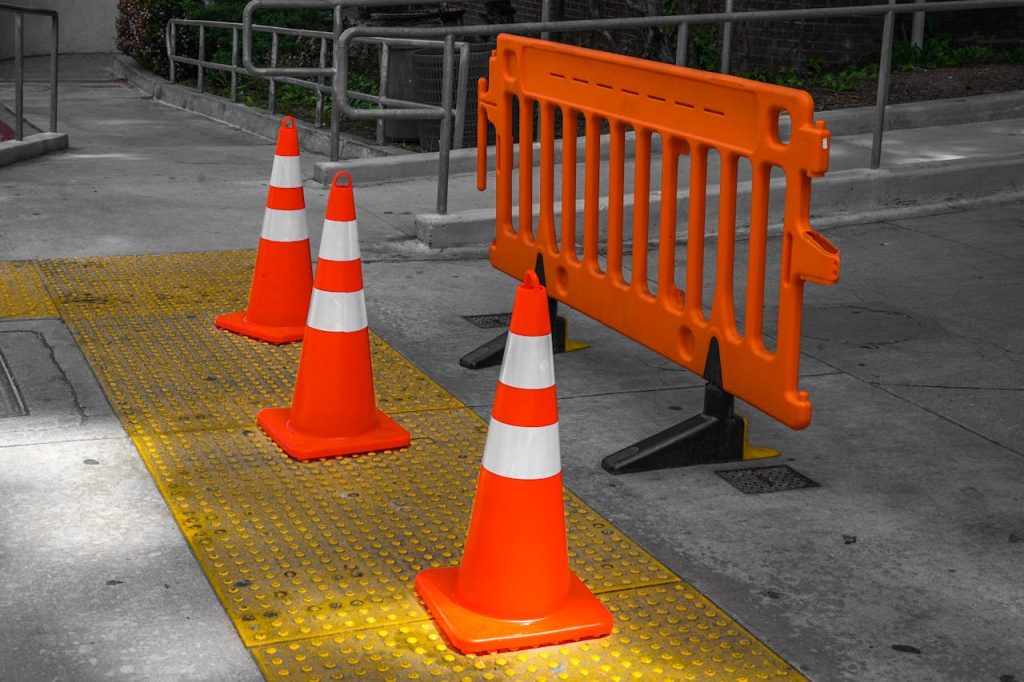
Temporary or older bridges often compress lanes with rigid barriers. The walls remove escape routes and amplify wind effects, especially on exposed spans. Mopeds, being lighter, can feel the gusts that larger vehicles barely register, and a small lateral push can bring mirrors uncomfortably close to concrete.
Transportation agencies typically post advisory speeds and restrict shoulder access because breakdowns and collisions become harder to manage in these corridors. Safety messaging emphasizes maintaining a stable buffer from the barrier and avoiding sudden corrections. Smooth inputs matter more than speed when space disappears.
The other stressor is adjacent traffic. Larger vehicles can create a pressure wave that nudges a moped sideways, particularly when passing. Calm riding here means expecting that movement and holding a steady line rather than reacting sharply toward the wall.
Underpasses With Narrow Sightlines And Dirty Shoulders
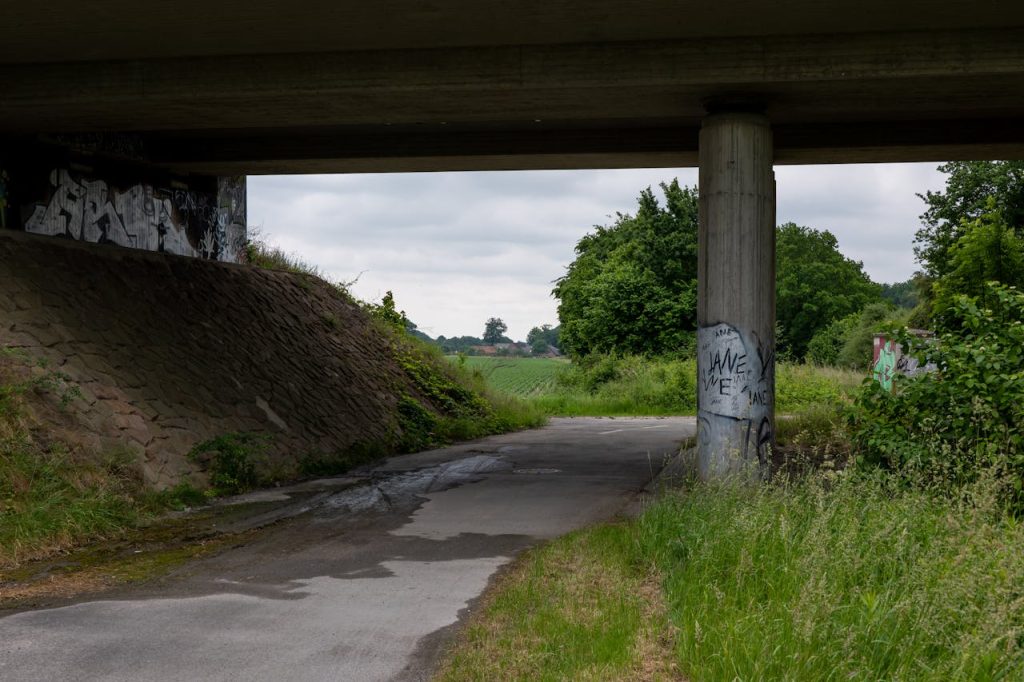
Underpasses compress space and compress information. Light shifts quickly, debris collects along the edges, and sound bounces in ways that make it hard to locate nearby cars. The shoulder often narrows or disappears, leaving little room for error if a vehicle drifts or a rider misjudges position.
Road safety professionals often describe underpasses as places where visual adaptation matters. Darkness can hide potholes and broken pavement near the curb, precisely where a mirror might also approach a wall. A measured pace gives the eyes time to adjust and keeps the path away from the most degraded edge.
Drainage patterns also matter in these structures. Water and grime collect at the gutter line, which can reduce traction for small tires. Choosing the cleanest, most predictable track through the underpass reduces both slipping risk and mirror-side surprises.
Historic District Streets With Tight Parking Lanes
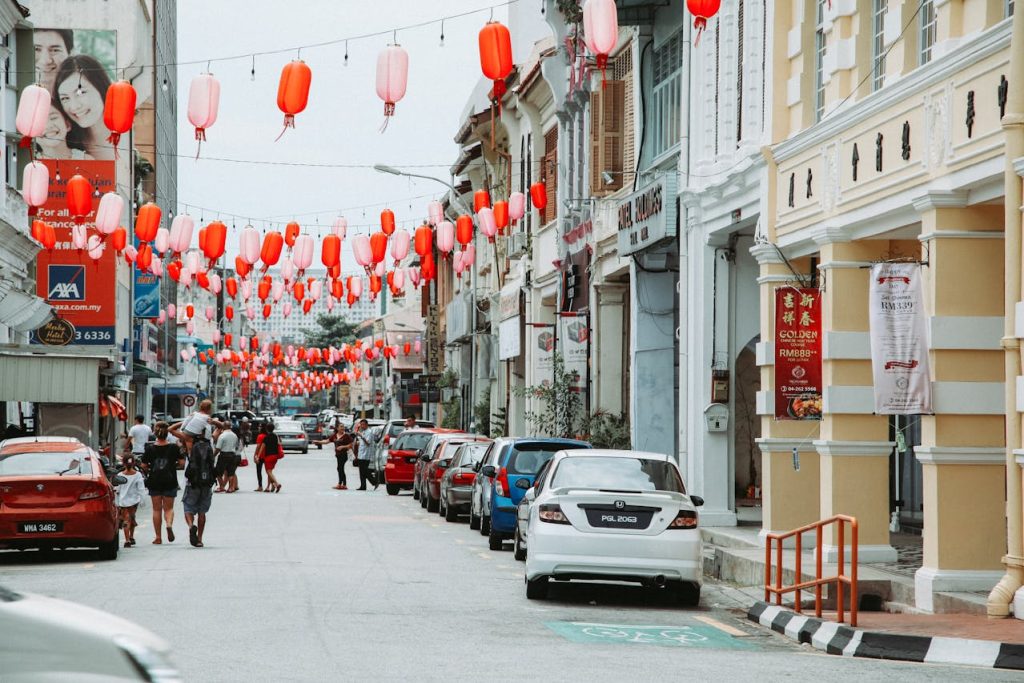
Older commercial districts often feature narrower streets, angled parking, and buildings that sit close to the roadway. The charm comes from human-scale design, but the modern mix of SUVs, delivery vans, and rideshares can turn the same streets into a mirror hazard zone. Parked car doors, side mirrors, and sudden pull-outs create a corridor that feels tight even at low speed.
Urban design experts frequently note that these streets were not built for today’s vehicle dimensions. That mismatch shows up as near-misses where a moped passes a parked row while a car squeezes by in the opposite direction. The calm approach favors patience and clear positioning over opportunistic passing.
Local enforcement and safety campaigns often focus on dooring awareness in these districts. A door swing can force a rapid swerve toward traffic or toward the curb. Riding with an eye on occupied vehicles and brake lights helps prevent the moment where mirrors become the first casualty.
Market Streets With Deliveries And Rolling Obstacles
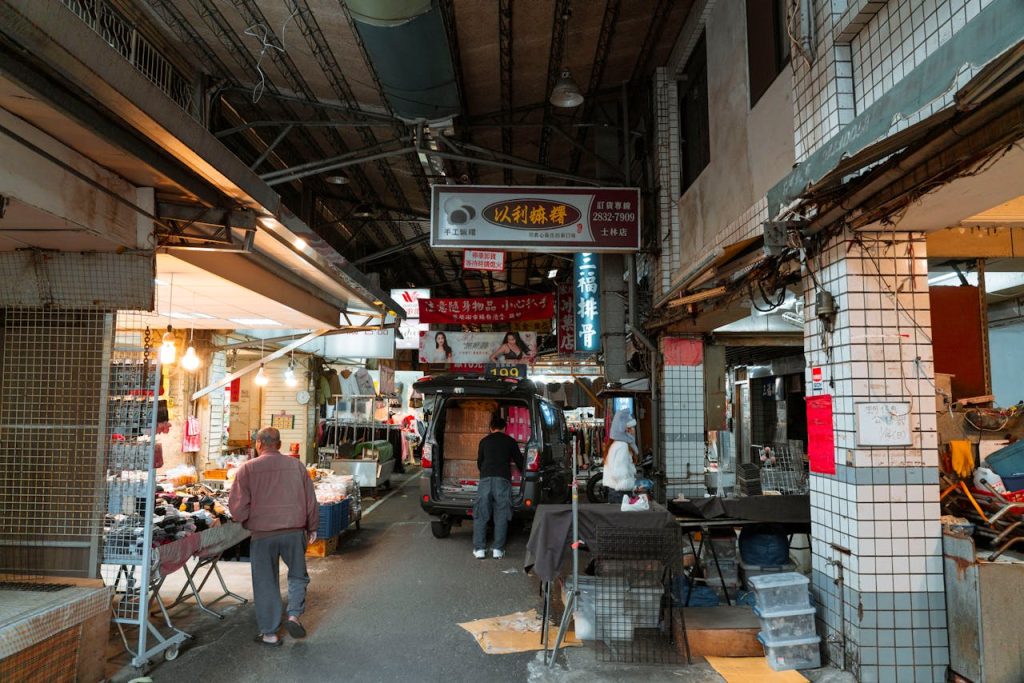
Market areas, whether formal storefront strips or mixed retail corridors, change minute to minute. Hand trucks, sidewalk signs, curbside pickup cars, and delivery vans create moving obstacles that do not behave like standard traffic. The lane narrows in practice even when the paint says otherwise, and mirror clearance becomes a constant calculation.
Logistics managers and city officials often acknowledge that deliveries concentrate during certain windows. That concentration increases the odds of partial lane blockages and sudden backing maneuvers. A calmer trip here aligns with the reality that progress comes in short, safe bursts rather than continuous speed.
These streets also reward a defensive mindset about intent. A van stopped with hazard lights may pull out abruptly, and a pedestrian may step around a truck without looking. The safest riders treat every blocked sightline as a potential surprise, which naturally reduces the frantic weaving that leads to mirror contact.
Campus Cut-Through Paths With Pedestrian Crowds
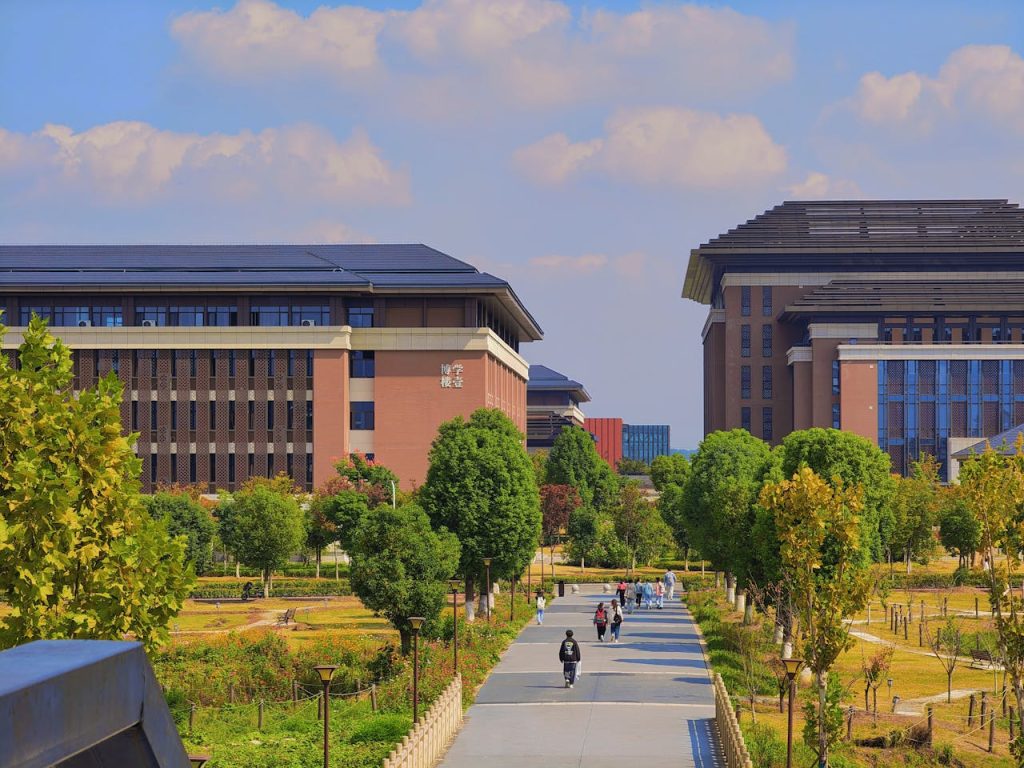
University and hospital campuses frequently include internal roads and paths that funnel people between buildings. Mopeds often share space with pedestrians, cyclists, and service vehicles in corridors that feel narrow by design. Even where riding is permitted, crowd density can turn a simple cut-through into a slow, tense maze.
Campus safety teams typically prioritize pedestrian right-of-way and predictable movement. That emphasis changes what calm looks like on a moped. Instead of searching for openings, a steady, slow pace and generous yielding match the environment and reduce abrupt side-to-side adjustments.
Physical design also plays a role. Planters, benches, and curb extensions create fixed pinch points where mirrors can clip edges. Calm riding means treating these features like walls in a hallway, giving them a wide berth even when the path seems briefly clear.
Waterfront Promenades With Mixed Wheels And Soft Boundaries
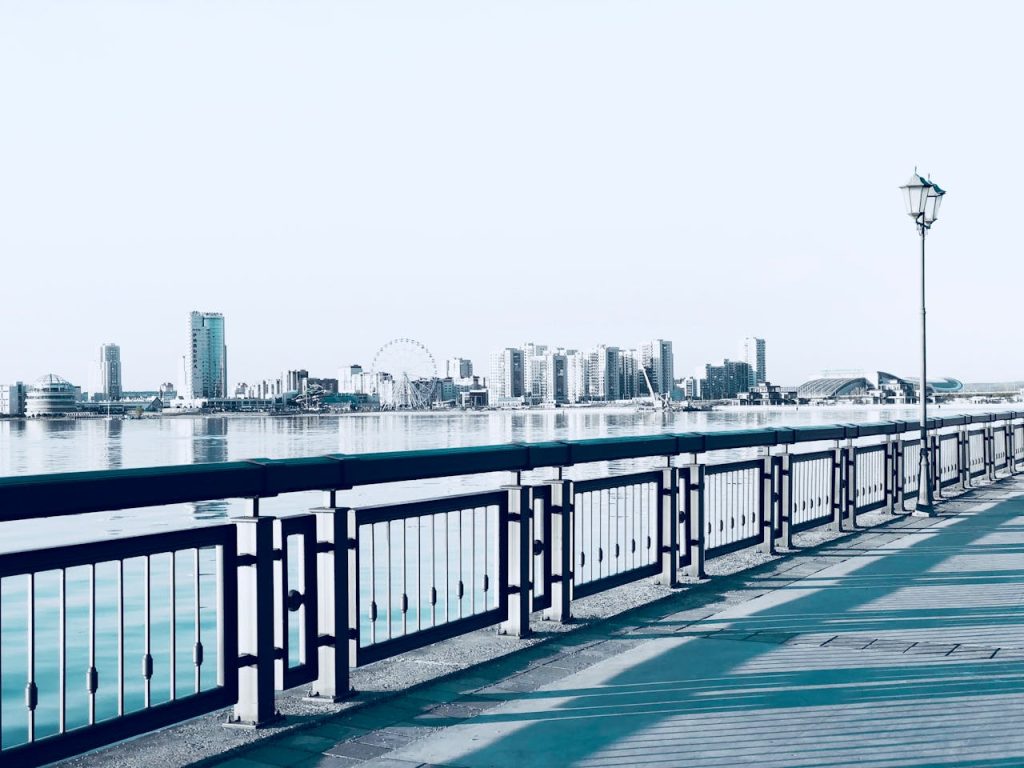
Waterfront areas often blend recreation with transportation. The boundaries between pedestrian zones, bike lanes, and service access can feel soft, especially during events or peak hours. Mopeds may encounter narrow passageways bordered by railings, kiosks, and outdoor seating that all sit at mirror height.
Park managers and public space planners commonly focus on conflict reduction through speed control and clear separation. When separation breaks down, the risk rises for small vehicles trying to flow around unpredictable foot traffic. A calm ride here often means accepting very low speeds and treating the space as shared, not as a route to conquer.
Environmental factors add pressure. Wind off the water, sand on pavement, and glare near sunset can reduce stability and visibility. Those conditions make tight railing corridors feel tighter, so riders benefit from a stability-first pace that prevents last-second mirror corrections.
Roundabouts With Narrow Aprons And Fast Merges
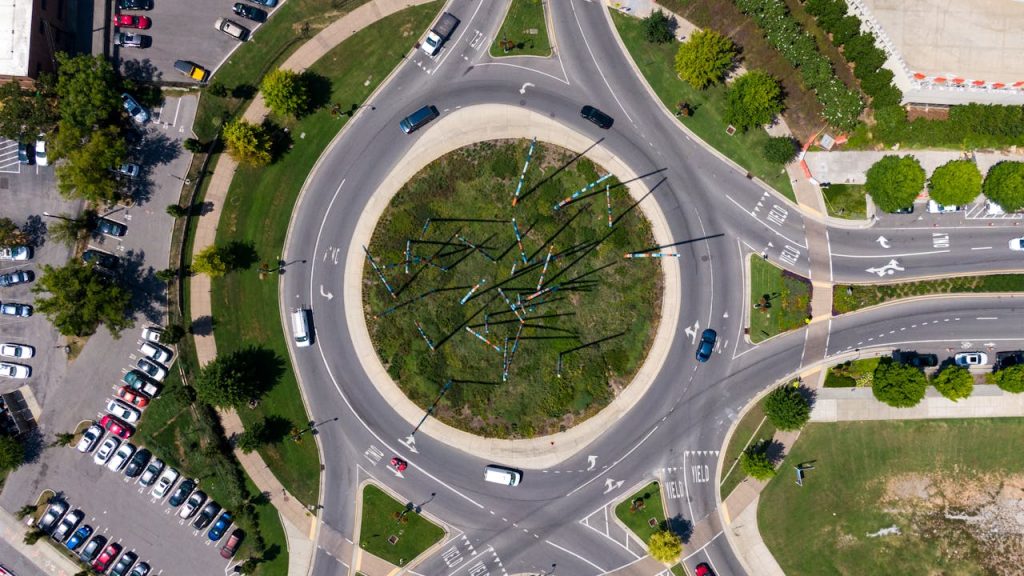
Roundabouts can reduce severe crashes, but they demand confident, predictable lane behavior. Some designs include narrow circulating lanes, truck aprons, and tight entry angles that compress space. Mopeds may feel boxed in when larger vehicles enter quickly or straddle lanes, putting mirrors close to tires and curbs.
Traffic engineers generally emphasize clear yielding and consistent speed within the circle. For mopeds, the calm strategy mirrors that advice by avoiding indecision. A stable line and a steady pace reduce the wobble that can push mirrors toward the curb at exactly the wrong moment.
The geometry also discourages late changes. Once committed, there is little room to shift position without crossing into another path. Riders who approach with patience and wait for a clean gap often avoid the near-miss squeeze that comes from forcing entry.
Mountain Town Switchbacks With Guardrails Close In
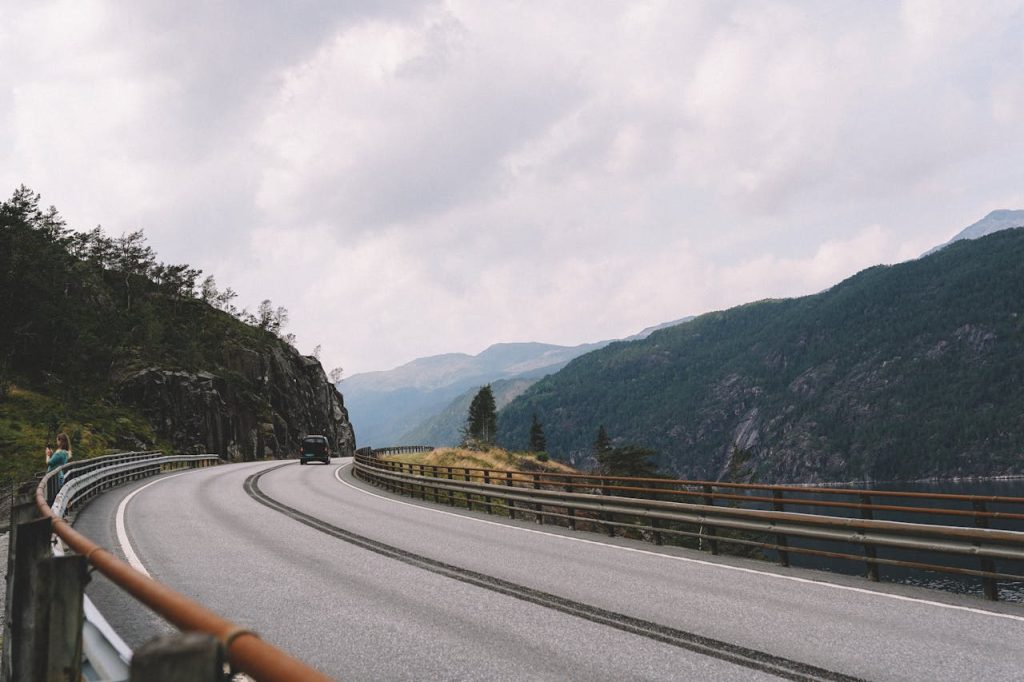
Mountain roads introduce narrowness through curves and elevation, and small towns along these routes can intensify the squeeze with parked cars and tight shoulders. Switchbacks often place guardrails close to the travel lane, and the cliffside edge can pull attention away from the immediate mirror hazard on the inside.
Transportation departments and motorcycle safety programs consistently caution that cornering errors multiply on descents. Brake fade, downhill momentum, and changing pavement conditions can all widen the line unintentionally. A conservative cornering approach keeps the moped away from guardrails and avoids the panic correction that scrapes mirrors.
Wildlife and scenic traffic add another layer. Slow-moving vehicles and sudden stops appear near overlooks, and distracted drivers may drift. Calm riding here looks like generous spacing and a willingness to let faster traffic pass, which reduces pressure to hug the rail.
Tunnel Approaches With Lane Shifts And Noise Compression
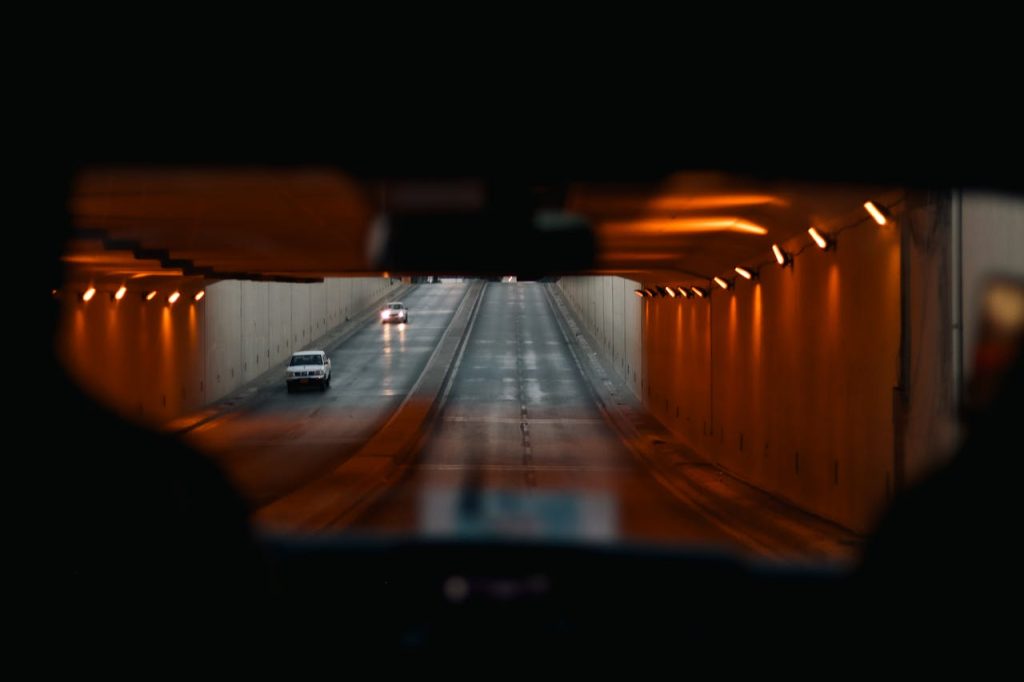
Tunnels and their approaches compress sound, sight, and space at the same time. Lane shifts often appear near entrances, and concrete walls remove peripheral cues about lateral drift. The noise inside can mask nearby engines, so a moped can feel isolated even when surrounded by vehicles.
Road safety guidance often treats tunnels as places where predictability matters. Sudden lane changes and abrupt braking create chain reactions in tight corridors. For mopeds, maintaining a stable track and avoiding the temptation to dart between vehicles reduces mirror-level exposure to walls and passing traffic.
Ventilation grates, seams, and damp patches can also show up where the tunnel meets open air. These surfaces can unsettle small tires during acceleration or deceleration. A smooth, deliberate transition keeps control steady and helps keep mirrors safely away from the concrete edge.
