


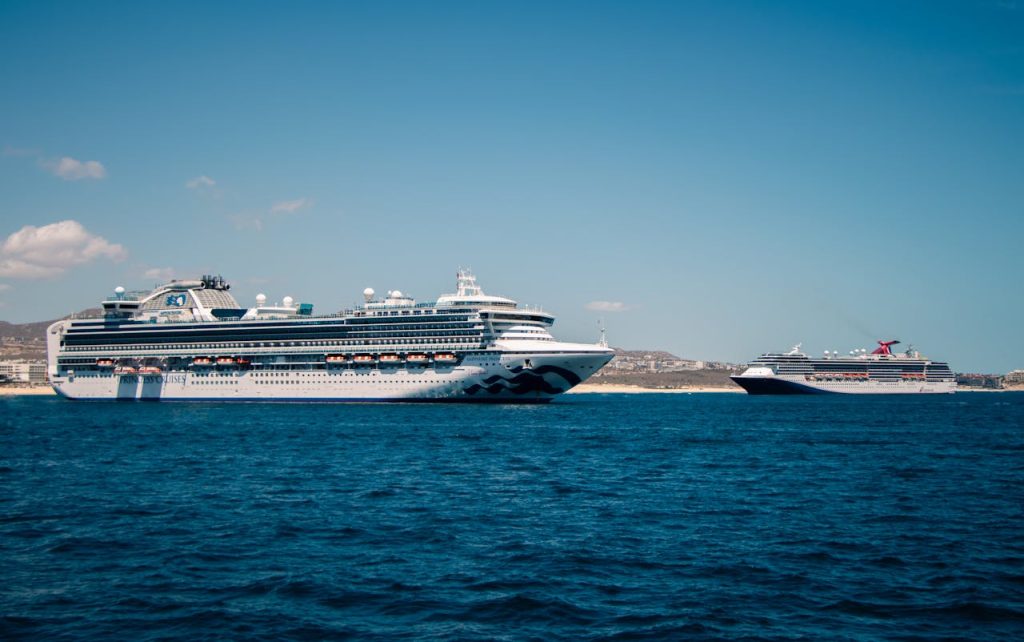
Cruise line operations teams and port agents run port days like a tightly timed relay. Ships coordinate berth windows, pilots, tugs, and local requirements, then pair that with a final boarding cutoff that can arrive well before the posted sail time. Some cruise contracts spell out the stakes plainly, including language that final boarding may be an hour before departure and that the ship can depart without late passengers, leaving the cost and logistics of rejoining the itinerary on the passenger.
Travel risk advisers also tend to focus on the aftermath, not just the missed gangway. The U.S. Department of State emphasizes that a passport book matters even on cruises that do not seem to require one, because an unexpected separation from the ship can force an international flight home or to a later port.
The excursions below share one trait that safety pros recognize instantly. They compress time and expand uncertainty, which is the recipe for a frantic pier scene and a costly scramble.
Long-Haul Coach Tours Far From Port
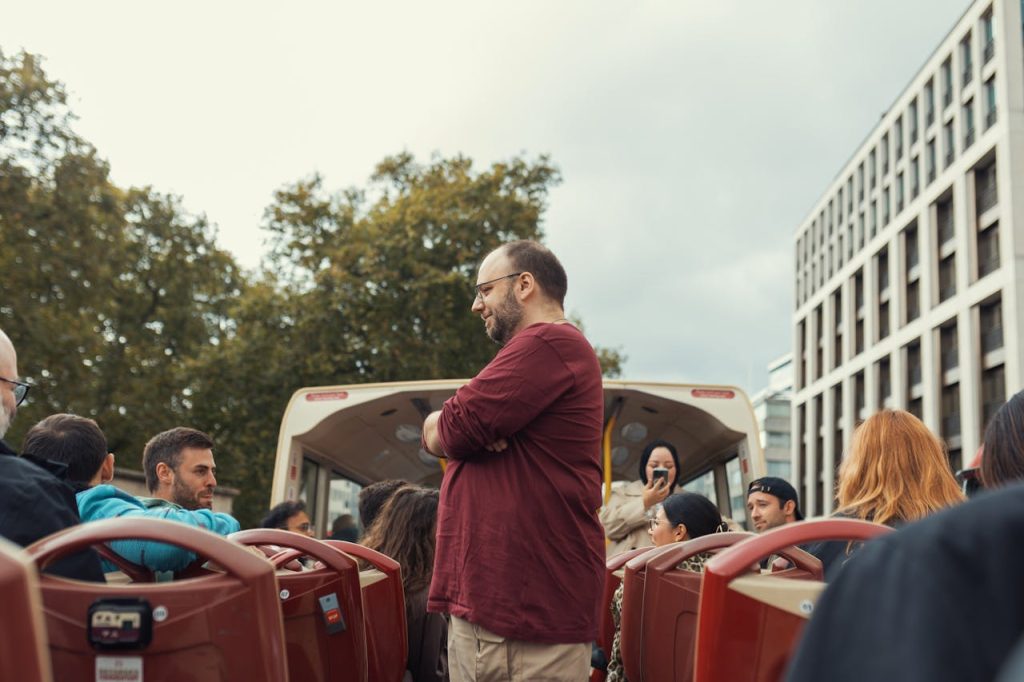
These are the big-bus day trips that promise multiple highlights in a single port call, often pushing deep into the countryside or to a major city hours away. Tour operators can run a clean schedule and still get trapped by roadwork, a collision on the highway, or a late departure from a crowded attraction. When the return route depends on a single corridor, the bus becomes a rolling bottleneck.
Cruise operations professionals look at distance as a multiplier. Every extra mile from the pier adds exposure to delays, and a slow crawl back to port can erase the margin needed for final boarding. Cruise line contracts commonly place responsibility on passengers to meet the final boarding time and note that missing it can mean arranging and paying to rejoin the ship.
A steadier approach usually starts with excursion design. Shorter radius tours, earlier return windows, and fewer stops reduce the ways the day can break. For longer tours, cruise planners often treat ship-sponsored options as the lower-risk path, because the line can coordinate directly when transportation problems develop.
Multi-Neighborhood City Tours That Depend On Rush-Hour Traffic
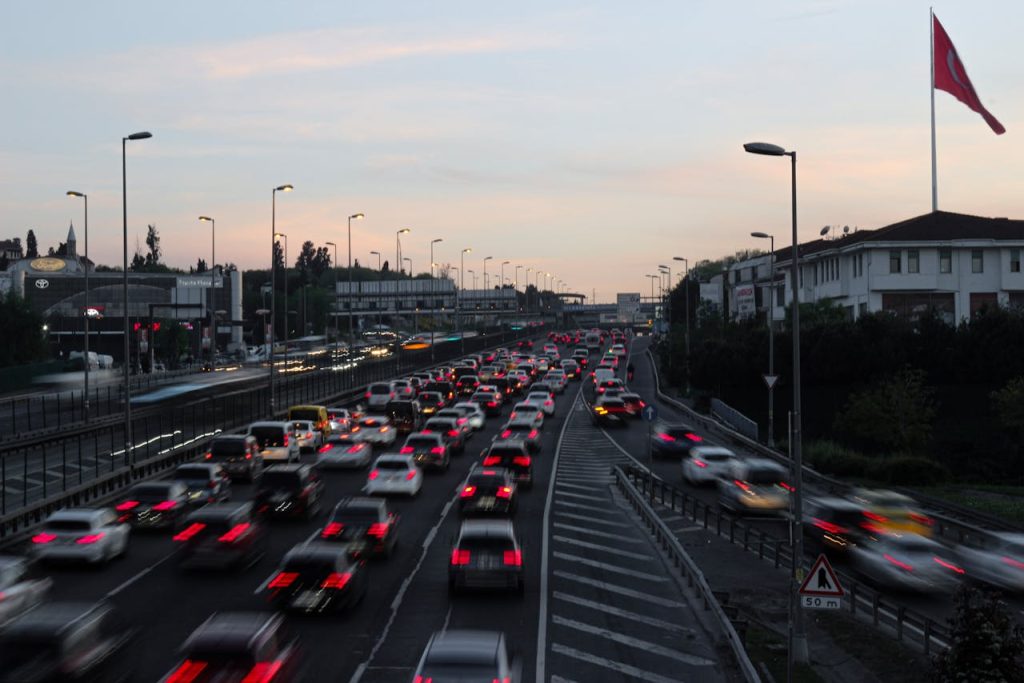
City loops often look efficient on a brochure, with a museum stop, a viewpoint, and a market stitched together by short drives. In reality, cities can switch from smooth to gridlocked in minutes, especially when a port call overlaps with school pickup, sporting events, or commuter peaks. Even small schedule slips can compound across multiple neighborhoods.
Transportation planners focus on choke points, bridges, tunnels, and construction zones that funnel traffic into a few lanes. Once a tour bus falls behind, it cannot easily recover time without cutting corners that travelers paid to see. That mismatch between a curated itinerary and real urban movement is where calm disappears.
A more resilient port day treats the city as a place to do fewer things well. Tours that stay within a compact district, or that build in generous slack between stops, tend to avoid the panic sprint back to the terminal. For independent arrangements, many cruise safety educators recommend using the ship’s final boarding time as the immovable constraint rather than the tour’s advertised end time.
Beach Clubs Reached By Limited Shuttles Or Water Taxis
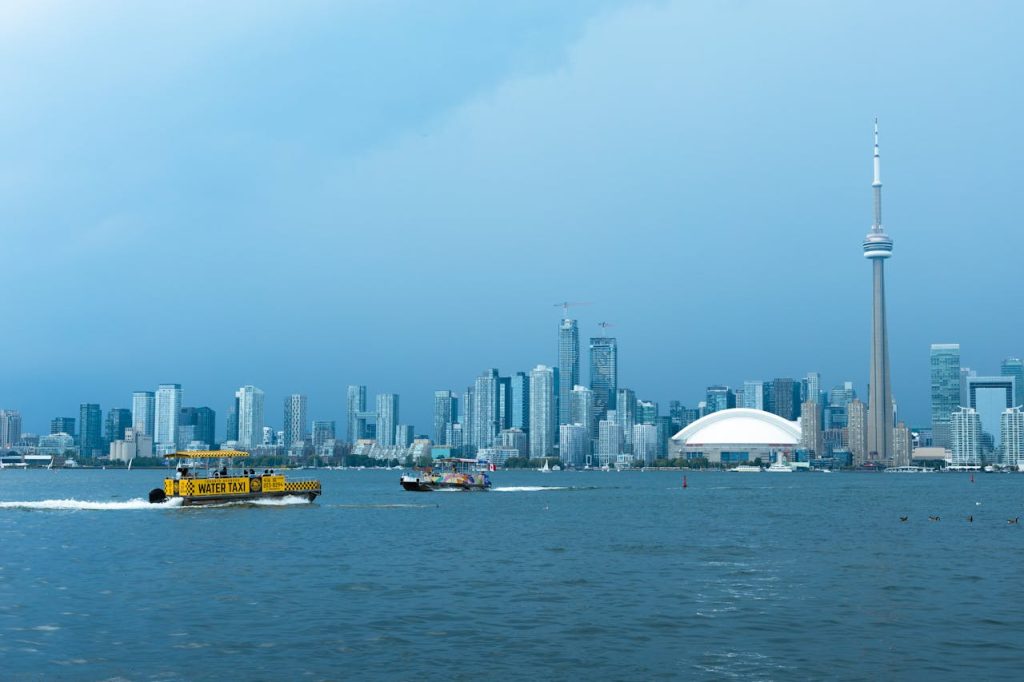
Beach club excursions feel simple until the return ride becomes a single point of failure. Some destinations rely on scheduled shuttles, small boats, or shared taxis that run on local rhythms, not cruise clocks. When a boat fills up or a shuttle arrives late, a line forms quickly and anxiety spreads faster than sunscreen.
Hospitality managers often describe these transfers as capacity problems, not customer service problems. A popular beach can move hundreds of people out in a narrow time window, and the last hour ashore can turn into a queue. The same issue appears when beach clubs sit across a bay and water taxis pause for weather or visibility.
Cruise risk advisers tend to favor beach days with redundant transportation. Earlier departures from the club and a strong time buffer reduce reliance on the final shuttle. Carrying a passport book also matters, since separation from the ship can force an international flight to rejoin or return home.
Tender Ports With Last-Boat Cutoffs
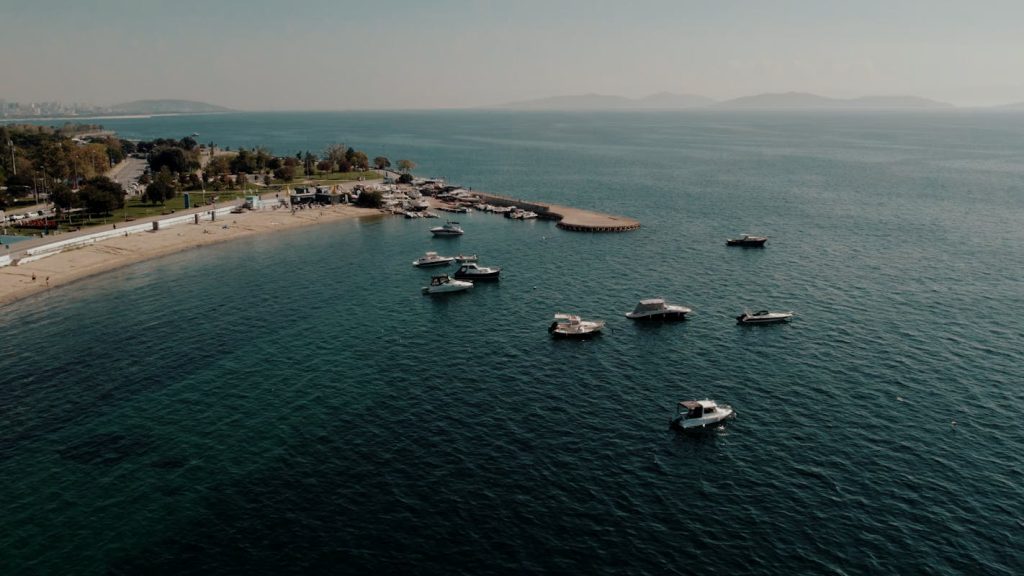
Tender ports add an extra layer between land and ship. Instead of walking down the gangway to the pier, passengers rely on small boats shuttling back and forth, and those boats stop running before departure. That last tender effectively becomes the real deadline, and it can arrive well ahead of sail away.
Maritime operators prioritize safety and schedule integrity in these situations. Tenders may pause for wind, swell, or operational needs, and a short interruption can create a backlog. When a crowd converges at once, the boarding area can feel chaotic even if the ship runs the process exactly as planned.
Seasoned cruise staff often encourage treating tender logistics as part of the excursion itself. Short, nearby plans keep the day flexible, while far-flung independent outings raise the risk of missing the tender cutoff. Cruise contracts also warn that missing the final boarding time can result in the ship departing without late passengers.
Border-Crossing Day Trips With Passport Control Delays
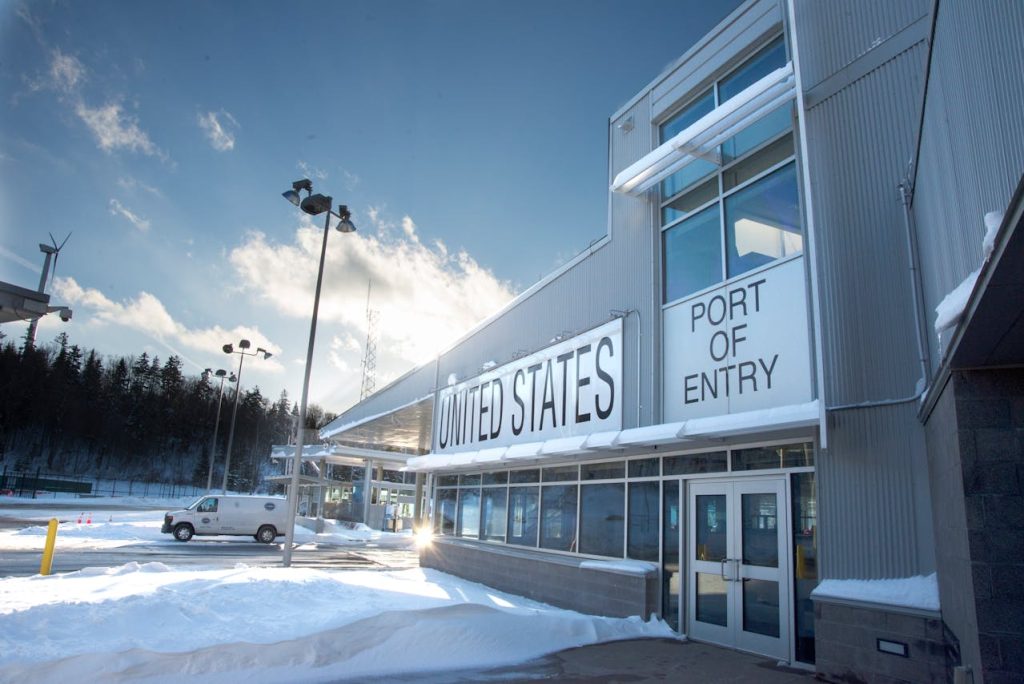
Some cruise ports market easy day trips into a neighboring country, often by coach, ferry, or a combination of both. These excursions can be memorable, but they also introduce passport checks, customs lines, and changing staffing levels at border posts. A smooth outbound crossing does not guarantee a smooth return.
Travel advisors frequently flag the unpredictability of re-entry processing. A border that takes ten minutes in the morning can take an hour later in the day when multiple buses arrive at once. If an excursion stacks sightseeing on top of border formalities, the schedule can unravel quickly.
Documentation planning sits at the center of the risk. The U.S. Department of State recommends traveling with a passport book for cruises, in part because unexpected events can require flying internationally on short notice.
Excursions With Trains Or Ferries As The Critical Link
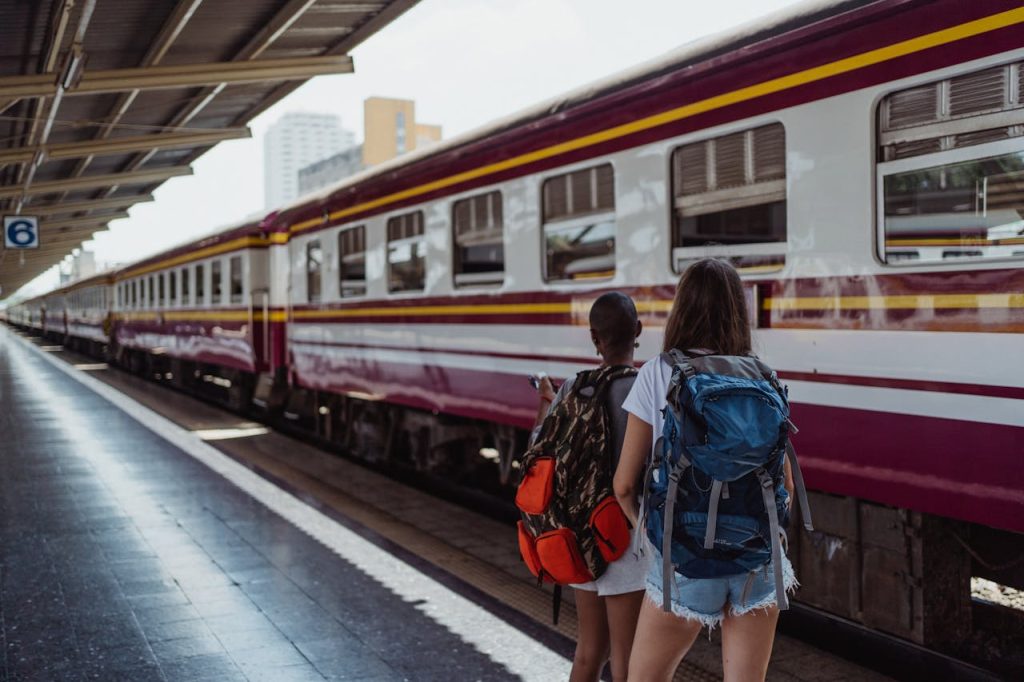
Rail day trips and scenic ferries often promise a relaxing change of pace, but they run on fixed timetables that do not bend for cruise departures. A late bus to the station, a missed connection, or a service disruption can strand a group far from the port with limited alternatives. Even when service resumes, the next departure might land too close to final boarding.
Transportation experts call this a tight-coupling problem. When one leg slips, every subsequent leg becomes harder to catch, and the last-mile transfer back to the terminal gets squeezed. Ferry terminals also develop their own queues, especially during peak tourism days.
A calmer excursion design avoids stacking multiple timed links in a single afternoon. When timed transport is essential, earlier departures and a conservative return plan reduce the chance that a missed connection turns into an overnight stay. Cruise line policies commonly place the burden of meeting final boarding on passengers, which makes buffer time the simplest form of protection.
Popular Landmarks Where Entry Lines Eat The Return Window
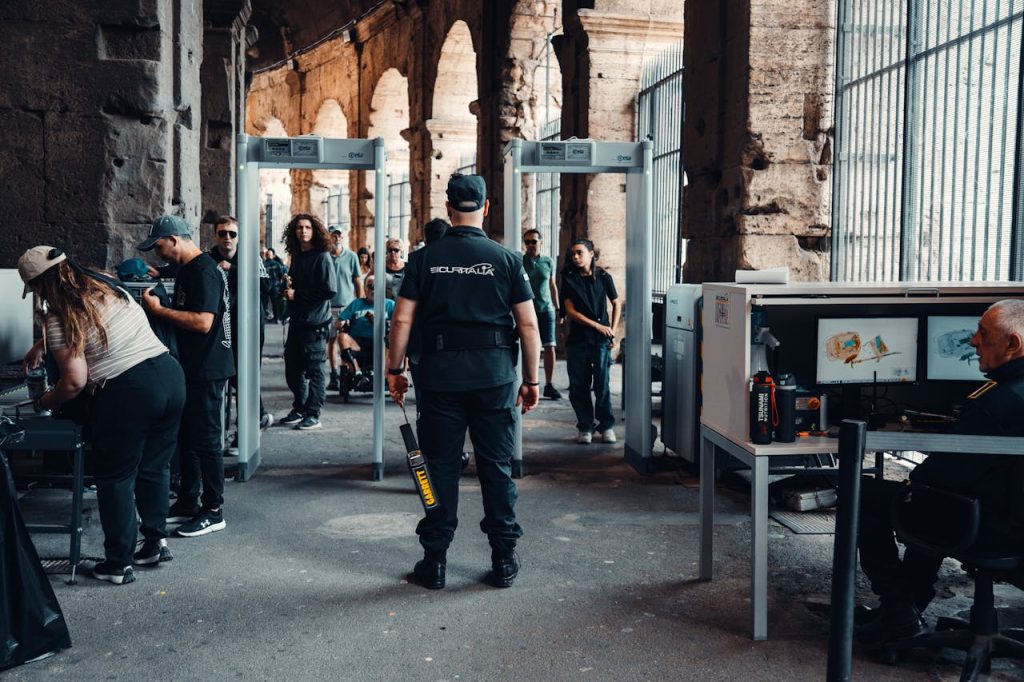
Iconic attractions create their own form of chaos, even when transportation runs perfectly. Security screening, ticketing, and crowd control can stretch unpredictably, and the longest lines often appear in the middle of a cruise call when multiple groups arrive simultaneously. The problem is not the landmark itself, it is the time lost outside it.
Tour managers often build schedules around average wait times, but averages hide the bad days. A delay at the entrance can force rushed time inside, followed by a compressed return trip. That rush is also when people get separated, which compounds stress at the precise moment the clock matters most.
Excursion planners who focus on reliability tend to favor fewer marquee stops with more breathing room. Earlier arrivals, timed-entry tickets when available, and a shorter list of goals can keep the day from spiraling. If a separation from the ship does happen, travel authorities note that a passport book can be necessary to fly internationally to rejoin or return home.
Sunset Cruises And Late-Start Catamaran Sails
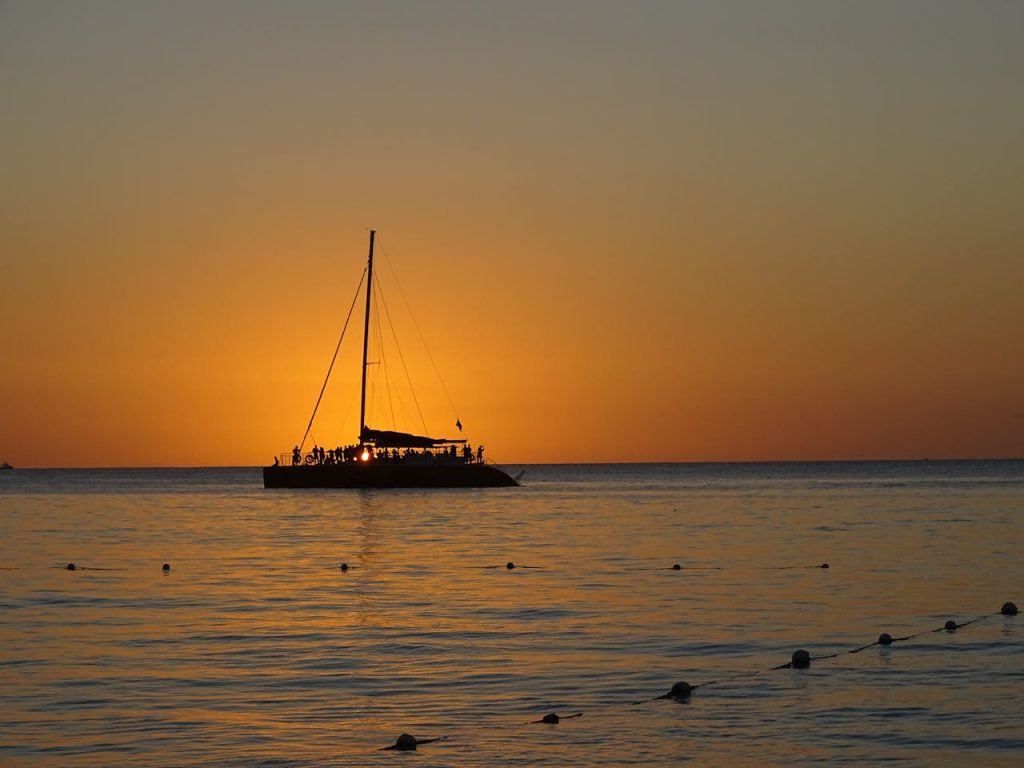
Late-day cruises on smaller boats sound dreamy, but they also run closest to the ship’s deadline. A minor delay leaving the dock, a longer-than-expected boarding process, or a slow ride back against wind and current can push the return into the danger zone. The closer the excursion ends to final boarding, the fewer options exist when something slips.
Marine operators also watch weather more closely near dusk. Wind can rise in the late afternoon, and chop can slow boats or change landing plans. Even without severe conditions, a cautious captain may reduce speed, which is exactly the kind of sensible decision that still creates schedule risk.
Cruise line contracts often describe a firm final boarding cutoff and warn that missing it can leave passengers responsible for the costs of catching up. A steadier choice is an earlier water-based outing, or a sunset experience offered directly through the cruise line with built-in coordination.
Small-Group Adventures In Remote Terrain With Limited Signal

Jungle hikes, canyon treks, and off-road adventures trade convenience for scenery. They often include long drives on rough roads, limited cell coverage, and few alternate routes back to port. When a vehicle breaks down or a trail section slows the group, the return can become a logistical puzzle rather than a simple ride.
Outdoor guides manage these risks with planning and redundancy, but remoteness still has consequences. A minor injury or heat stress can turn into a slow evacuation. Even a cautious pace can make a schedule slide, because the environment, not the itinerary, sets the speed.
Cruise safety professionals generally view remoteness as a reason to keep the rest of the day simple. Early departures, shorter trail commitments, and clear turnaround points reduce the chance that the excursion’s last hour becomes a desperate race. Travel authorities also stress that unexpected disruptions can separate passengers from the ship, which is one reason a passport book matters.
Dive And Snorkel Trips That Pivot On Weather And Visibility
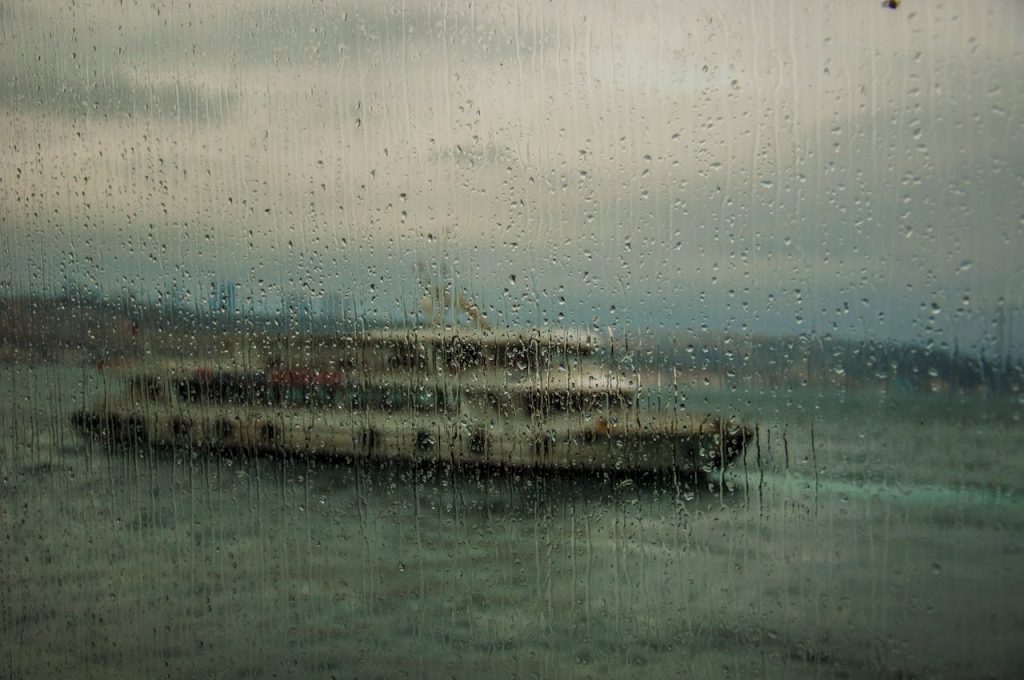
Diving and snorkeling depend on conditions that can change quickly. Operators may shift sites, wait out a squall, or shorten time in the water for safety. Those decisions protect guests, but they also compress the timetable, especially when the trip includes long boat rides to reefs or offshore walls.
Water-based excursions also create transition delays. Gear fitting, safety briefings, and headcounts take time, and boats cannot simply leave the dock half-full when guests arrive late. A schedule that looks generous on paper can shrink fast once the day starts moving.
Cruise line expectations around final boarding remain the non-negotiable constraint. Some ticket contracts state that the ship may depart without late passengers and that rejoining costs can fall on the passenger. A calmer approach usually favors morning water trips, with ample return margin for rinse-off time and pier transit.
Self-Drive Rentals With Parking And Navigation Surprises
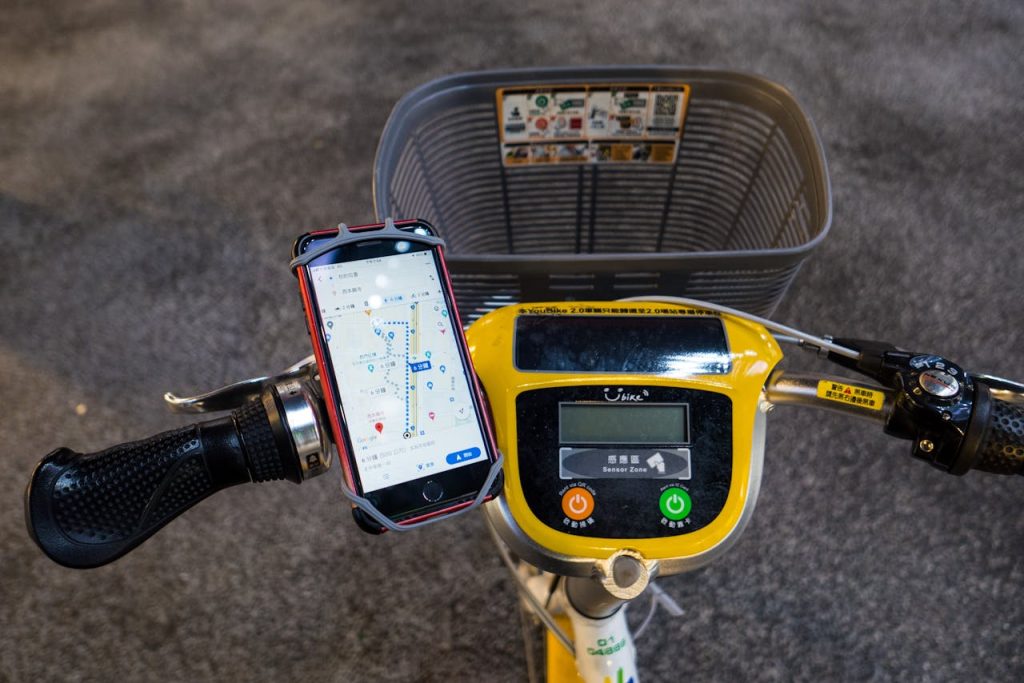
Renting a car, scooter, or golf cart offers freedom, but it also transfers every timing risk onto the driver. Parking near attractions can be scarce, road signage can be unfamiliar, and a wrong turn can add an hour in the wrong direction. The return trip can also collide with local traffic patterns that visitors do not anticipate.
Transportation safety experts often flag a second issue, the paperwork trap. Rental agreements, fuel policies, and vehicle inspections can create unexpected delays at drop-off, especially if damage disputes arise. Even a minor flat tire can consume the remaining buffer.
Cruise line contracts often emphasize that missing final boarding can mean the ship departs and that expenses to catch up may become the passenger’s responsibility. This is why many cruise planners reserve self-drive days for ports with very close attractions and straightforward routes.
Multi-Stop Shopping Routes With Unpredictable Pickup Points
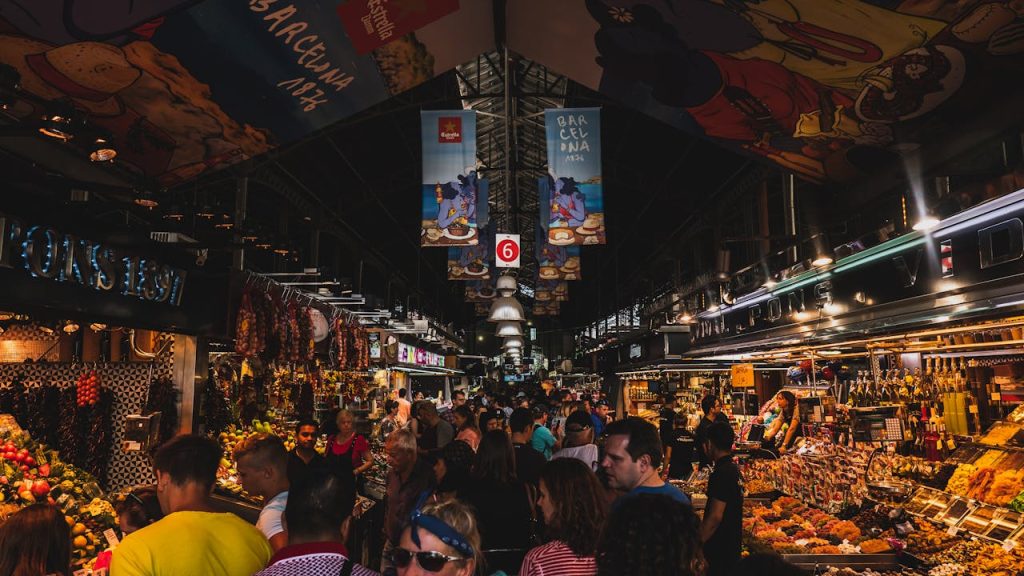
Shopping shuttles and market crawls often involve informal pickup systems that work smoothly until they do not. A van might load in first-come order, a driver might consolidate groups, or a meeting point might shift due to traffic enforcement. Small changes can strand part of a group in the wrong place at the wrong time.
Tour operators know that retail stops also invite time drift. A planned ten-minute browse becomes a thirty-minute negotiation, and the group leaves in staggered waves. That stagger increases the odds that someone misses the last shuttle, especially when the pickup point sits far from the actual pier.
Cruise operations teams plan departures around fixed schedules, not around shopping delays. Some cruise contracts describe final boarding as a firm cutoff, including language that late passengers risk being left at a port of call and may be responsible for rejoining costs. A steadier shopping day usually relies on fewer stops and earlier returns, so the last hour stays calm.

