


Big events can turn a great place into a moving line. Prices jump, sidewalks tighten, and the day becomes reroutes and wristbands instead of discovery. Even a simple coffee run can feel timed, and the best blocks get flattened into one crowded corridor.
Between headline weeks, the same destinations breathe again. Tables open up, museums feel spacious, and neighborhoods sound like normal life, not a public address system.
These 12 U.S. spots shine in the calmer gaps, when a trip can hold slow mornings, easy walks, and small moments that land without pushing through a crowd. The city’s real personality shows up in the quiet.
New Orleans Between Carnival Weeks
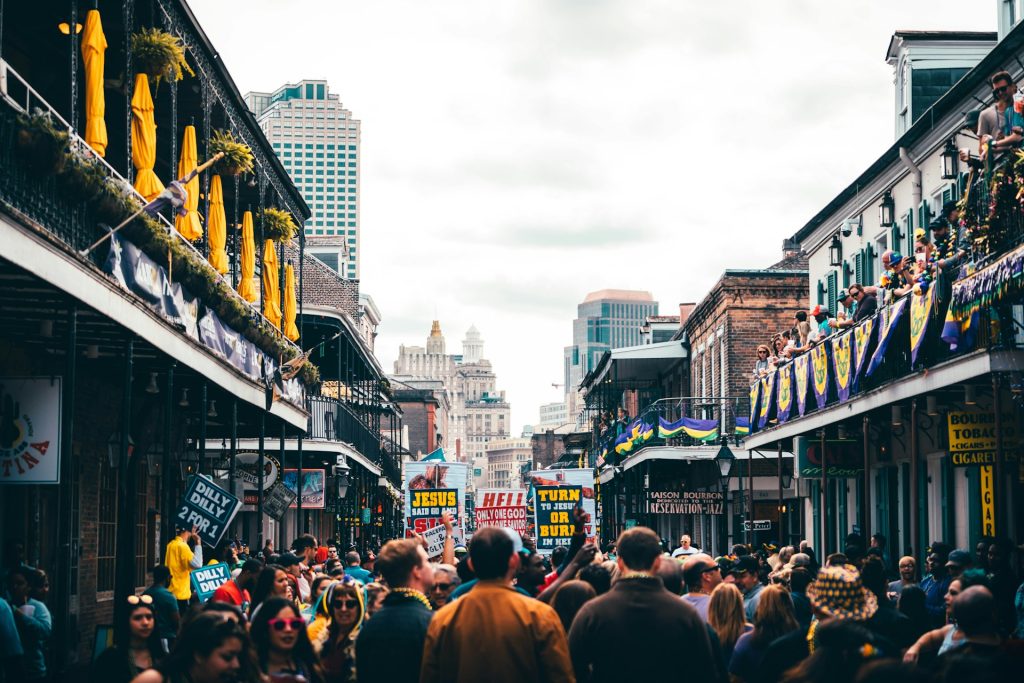
Outside Carnival weeks, New Orleans feels like it belongs to itself again. The French Quarter becomes walkable, streetcars feel usable, and the soundtrack shifts from parade blasts to porch music and clinking glasses. With fewer detours and less surge pricing, the day can follow appetite and curiosity instead of barricades. Even the small courtyards and side streets feel calmer, like the city has room to speak at a normal volume.
Meals get easier. A table in Mid-City, a Bywater stroll, and a bookstore stop fit without timing tricks.
Nightlife lands softer. A jazz set, a slow beignet, and a riverfront walk feel unhurried, then done.
Austin After SXSW Clears Out
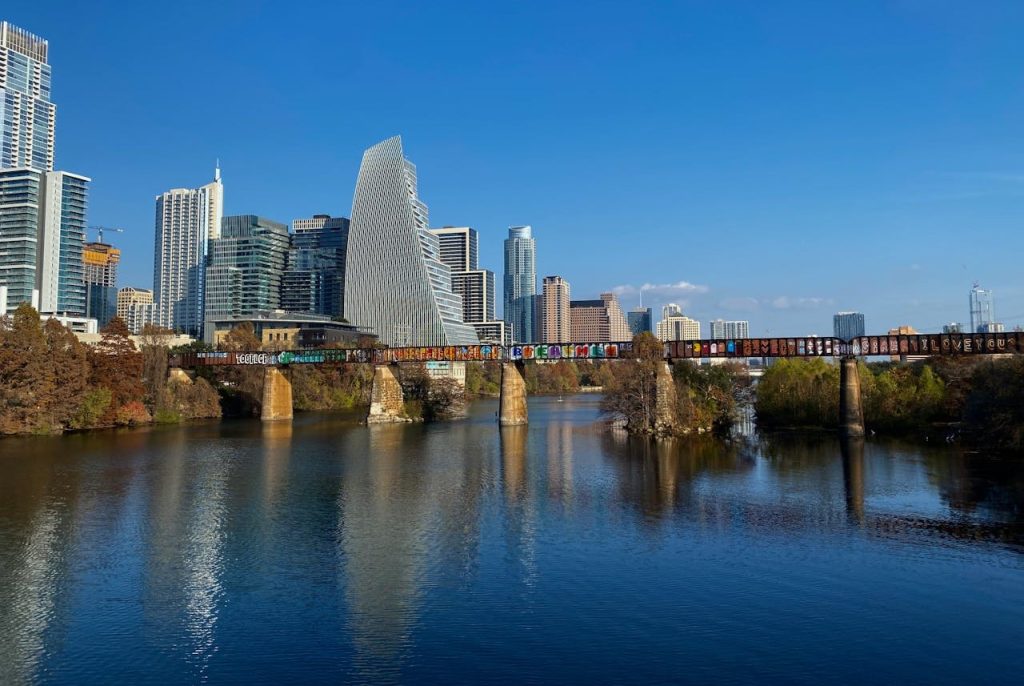
After SXSW clears out, Austin stops feeling like a badge maze and returns to its natural pace. Downtown patios open up, live music feels less like a contest, and rides become predictable again. Without pop-up crowds, the city’s best parts become simple: a long walk, a cheap taco, and a show where the room is there to listen, not to network. South Congress feels browseable again, and conversations can finish.
Mornings slow down. Barton Springs, a coffee counter, and a quiet bookstore become the center of the day, with time left over.
Evenings stay easy. A small venue, a late meal, and a short drive back feel like a plan, not a puzzle.
Indianapolis When The Track Is Quiet
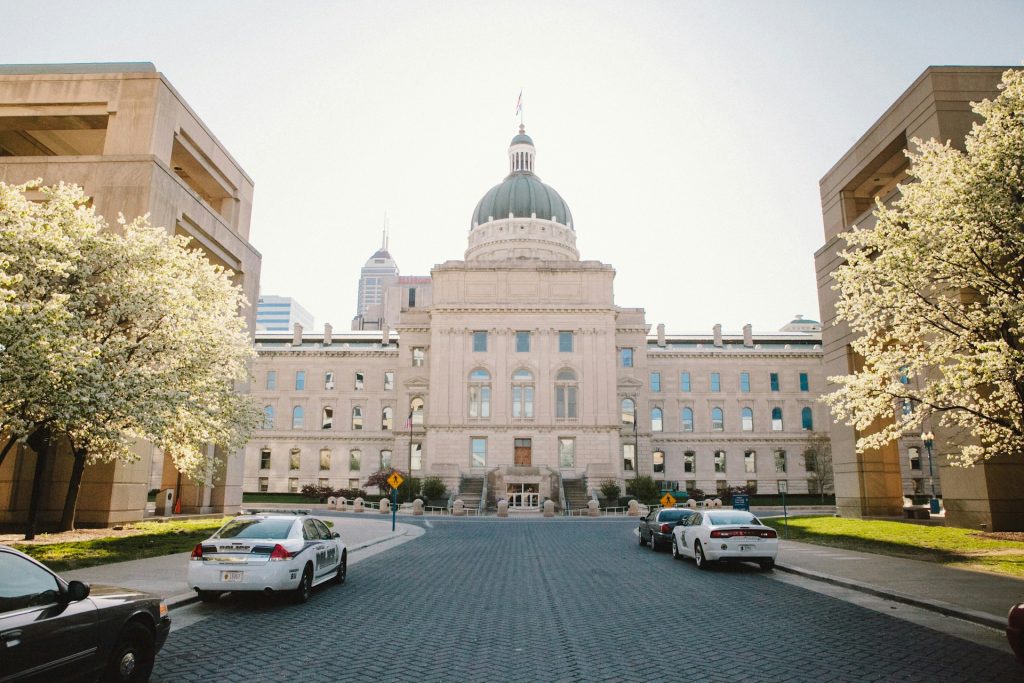
When the Indy 500 buzz is gone, Indianapolis reads as a friendly, walkable city instead of an event engine. Downtown feels less compressed, hotel lobbies relax, and restaurants stop acting like reservations are a sport. The calm makes it easier to notice the city’s steady strengths: good museums, a clean canal walk, and neighborhoods that feel lived-in rather than rented for a week. Traffic eases, so short drives stop feeling like chores.
Monument Circle and the Cultural Trail become pleasant anchors, not detours around closures.
An afternoon at Newfields or a slow coffee stop lands better when the day is not built on race-week timing.
Louisville After Derby Weekend
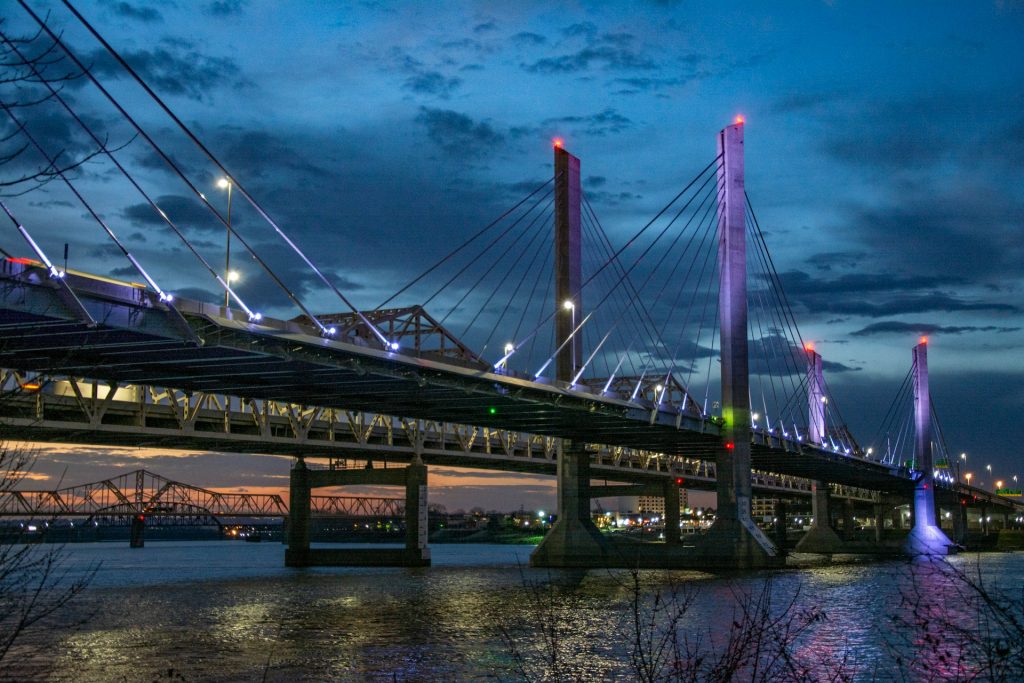
After Derby weekend, Louisville drops the costume and returns to its everyday warmth. Hotels stop feeling strained, traffic unclenches, and the city’s best neighborhoods become easy to move through. Without the party schedule, bourbon bars feel less performative and more like places to talk, and a meal can happen without checking a reservation app every five minutes. The charm shows in brick streets, porch lights, and slower mornings.
The Highlands, a riverfront walk, and a museum stop fit together without rushing from one crowd pocket to another.
A distillery tour lands better when there is time for the story, not just the souvenir.
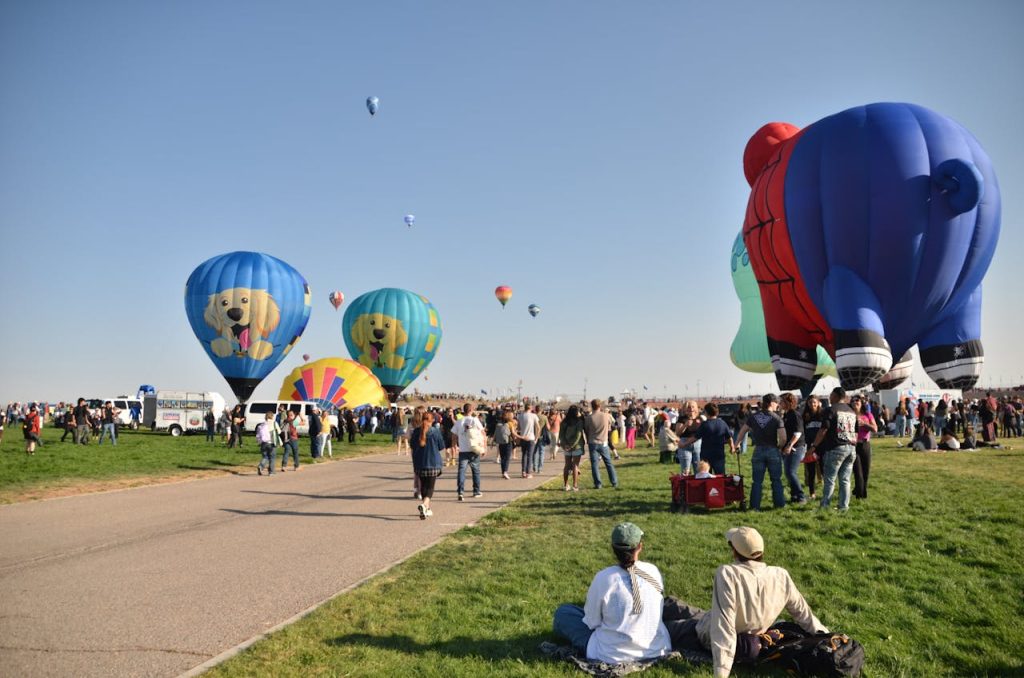
Albuquerque Outside Balloon Fiesta Season
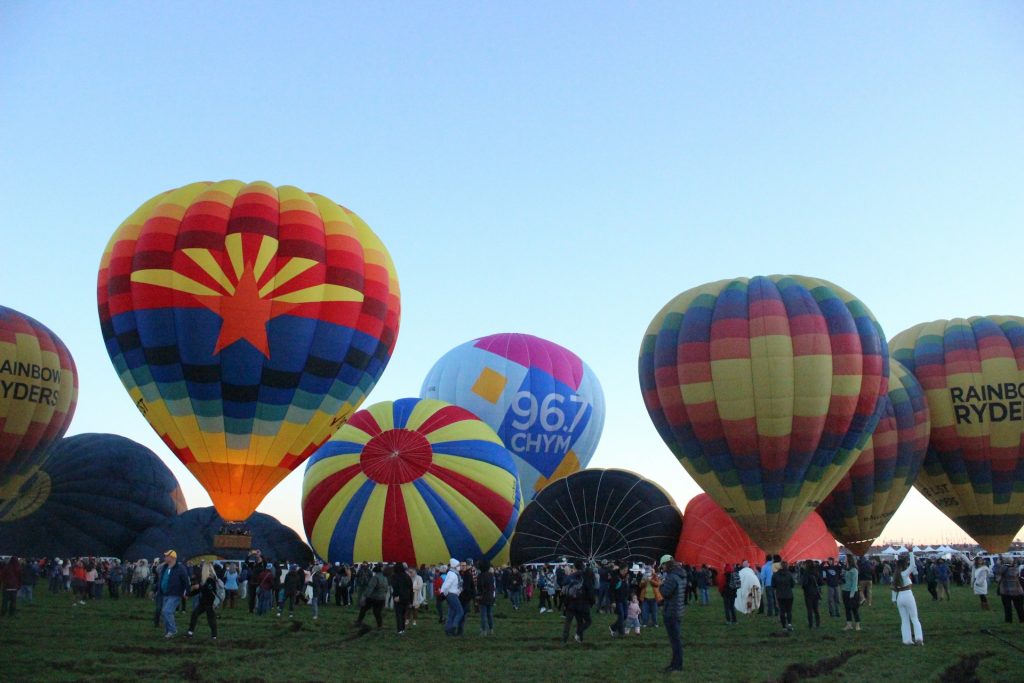
Outside Balloon Fiesta season, Albuquerque keeps the same desert light but loses the dawn rush and traffic funnel. Old Town becomes a stroll, not a shoulder-to-shoulder circuit, and the Sandias feel like a backdrop for daily life again. With fewer visitors chasing one field at sunrise, the city’s mix of history, food, and open sky shows up in a steadier way. Hotels and parking feel simpler, keeping the mood calm.
Green chile meals come without long waits, and museum visits feel unhurried instead of squeezed between event plans.
A foothills hike and a sunset by the Rio Grande land better when the day is shaped by daylight, not crowd flow.
Park City Between Sundance And Peak Ski Weeks
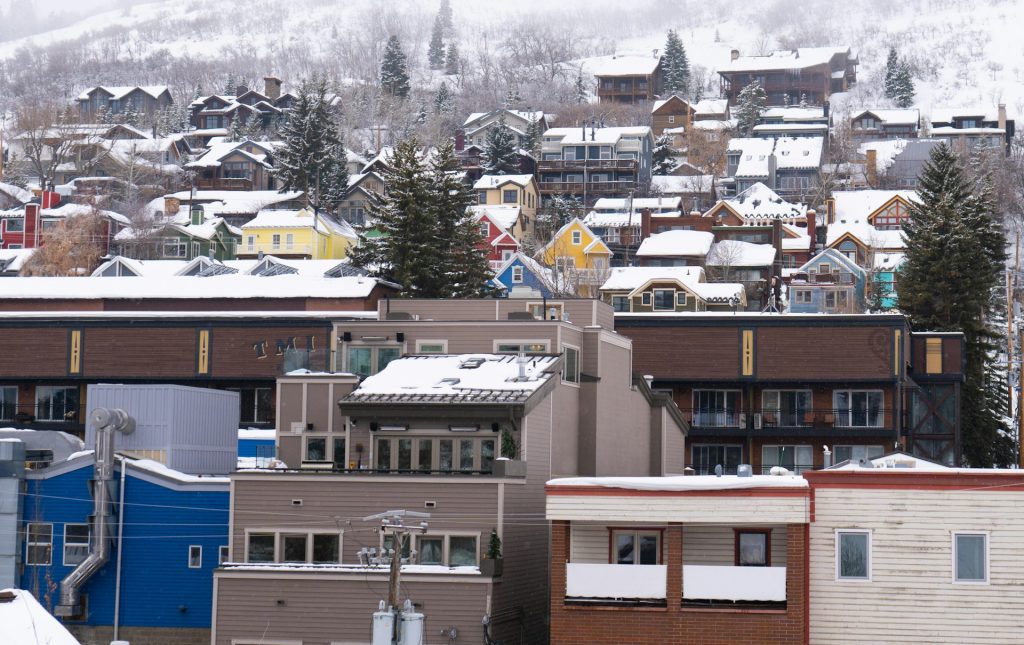
Park City during Sundance becomes a tight swirl of screenings, lines, and crowded lobbies. Between festival week and peak holiday ski periods, the town feels like a mountain place again: quieter Main Street, easier tables, and snow days that are not ruled by wristbands. The calmer stretch makes it easier to notice what actually works here: crisp air, good trail access, and small shops that invite browsing.
A simple day fits: a short hike or ski session, a gallery stop, and a warm meal without hunting for a reservation slot.
With less buzz, evenings slow down, and the town’s charm reads as lived-in, not rented for a week.
San Diego When Comic-Con Isn’t In Town
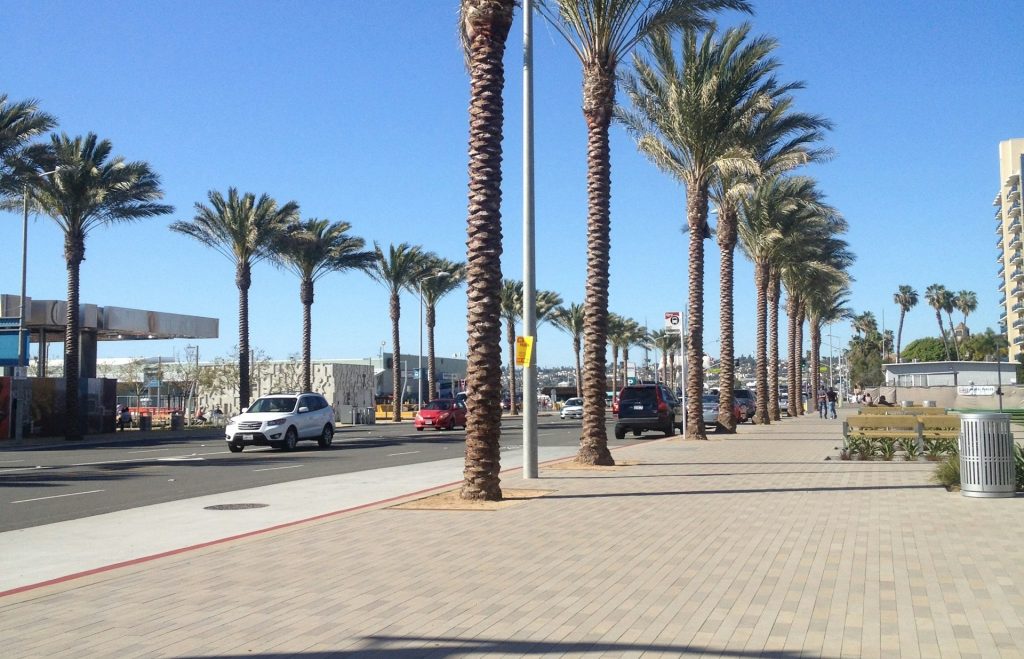
When Comic-Con is in town, downtown San Diego can feel compressed, with hotels full and sidewalks flowing toward the Convention Center. Outside that week, the city returns to its natural ease. The Gaslamp District loosens, the waterfront becomes a true walk, and Balboa Park feels like a place to linger, not a timed mission between crowds. Parking and dinner plans feel simpler, too.
Neighborhoods shine then. North Park meals are easier, and a museum afternoon can stretch without line anxiety or rushed schedules.
Sunset at Ocean Beach or La Jolla lands calmer when the shoreline is not competing with a convention schedule today.
Las Vegas After CES Packs Up
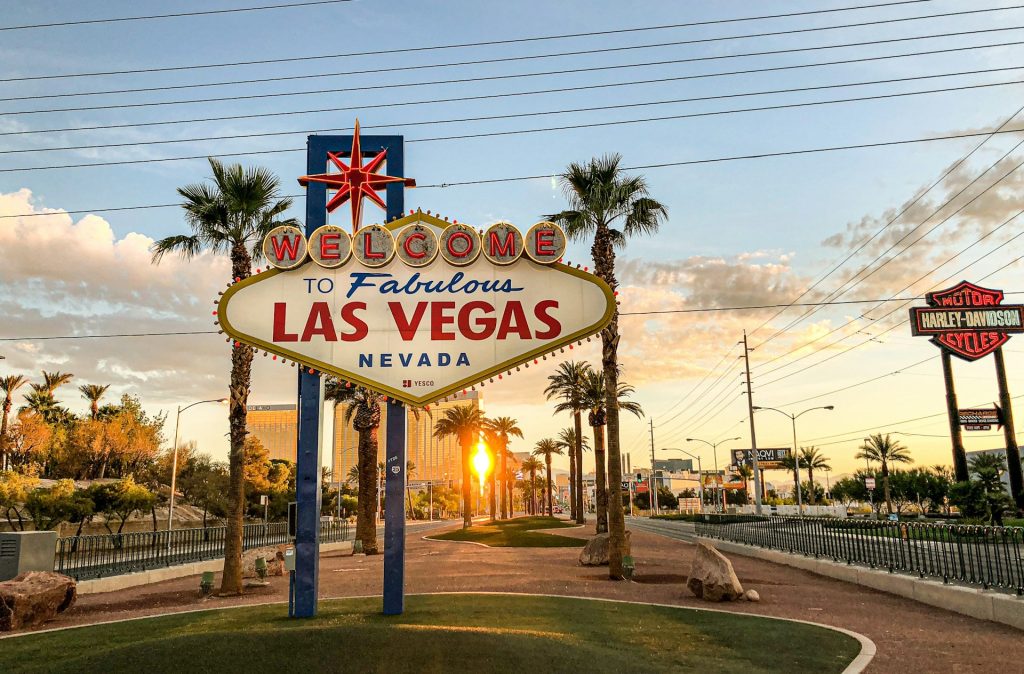
During CES, Las Vegas feels like it is running on corporate time: packed shuttles, busy lobbies, and restaurants that fill with badge crowds. After the conference clears, the Strip loosens. Check-ins get faster, elevators stop crawling, sidewalks open up, and dinner becomes a choice instead of a hunt. The city’s fun reads cleaner when it is not layered with trade-floor energy. Even a simple stroll becomes pleasant again, not a dodge.
Off-Strip meals and smaller bars become the highlight, because noise drops and service slows into conversation.
A show, a late bite, and a Red Rock drive fit without scheduling around buses and booth hours.
Chicago’s Grant Park When Lolla Is Gone
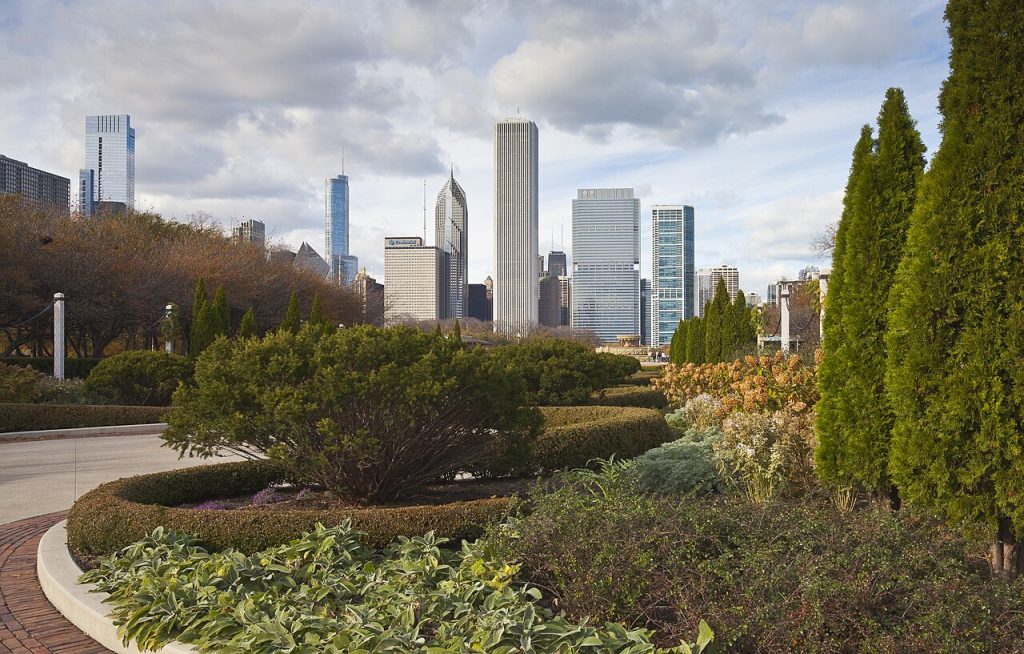
When Lollapalooza is in Grant Park, downtown Chicago absorbs the ripple: fenced lawns, crowded trains, and hotel blocks that feel tight. After the stages come down, the park becomes what it should be, a wide green pause between the Loop and the lake. Paths open, benches are available, and a lakefront walk stops feeling like moving through someone else’s schedule. Even prices and noise feel more normal.
The calmer days suit the city’s strengths. Museums feel unhurried, and the riverwalk becomes a real stroll again.
An afternoon at the Art Institute, then a neighborhood dinner, lands better when the itinerary is not shaped by set times.
Boston After Marathon Weekend
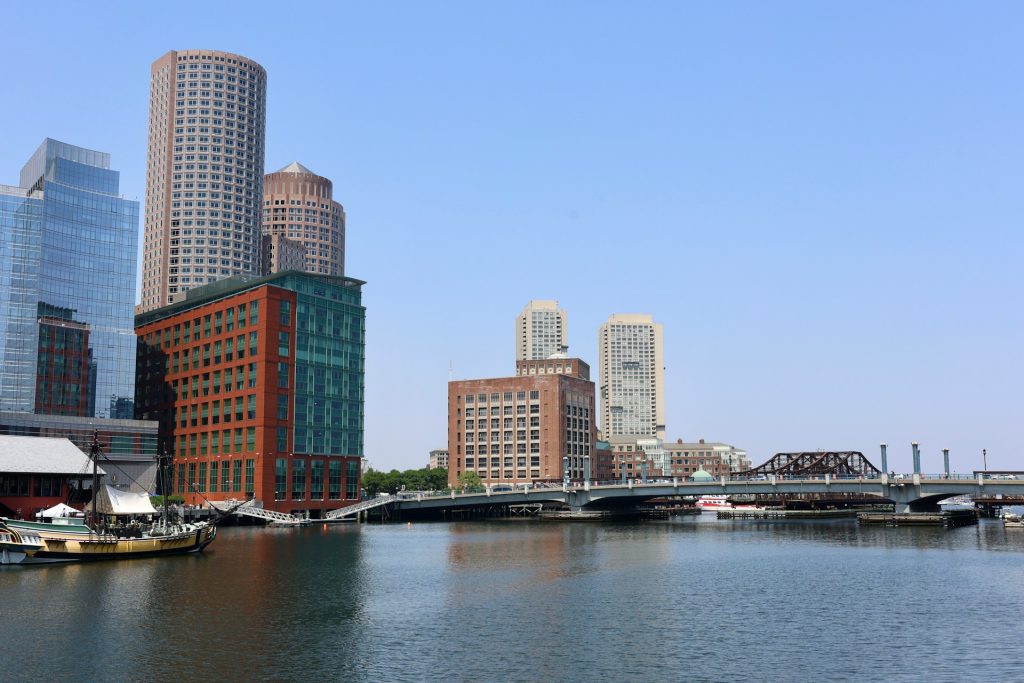
Marathon weekend can turn Boston into barriers, packed transit, and a route-based city where plans narrow quickly. Once the crowds clear, Boston feels more intimate. Back Bay sidewalks open up, the Common becomes restful again, and a walk stops involving constant detours. The city’s scale works best in calm, when brick streets and harbor light can be noticed instead of navigated. The Freedom Trail reads clearer without the crowd current.
Museum time stretches. The North End becomes a meal, not a wait, and coffee stops can linger.
A harbor stroll, a quiet bookshop, and an early dinner feel like Boston’s true pace, steady and walkable.
Miami Beach After Art Basel Week
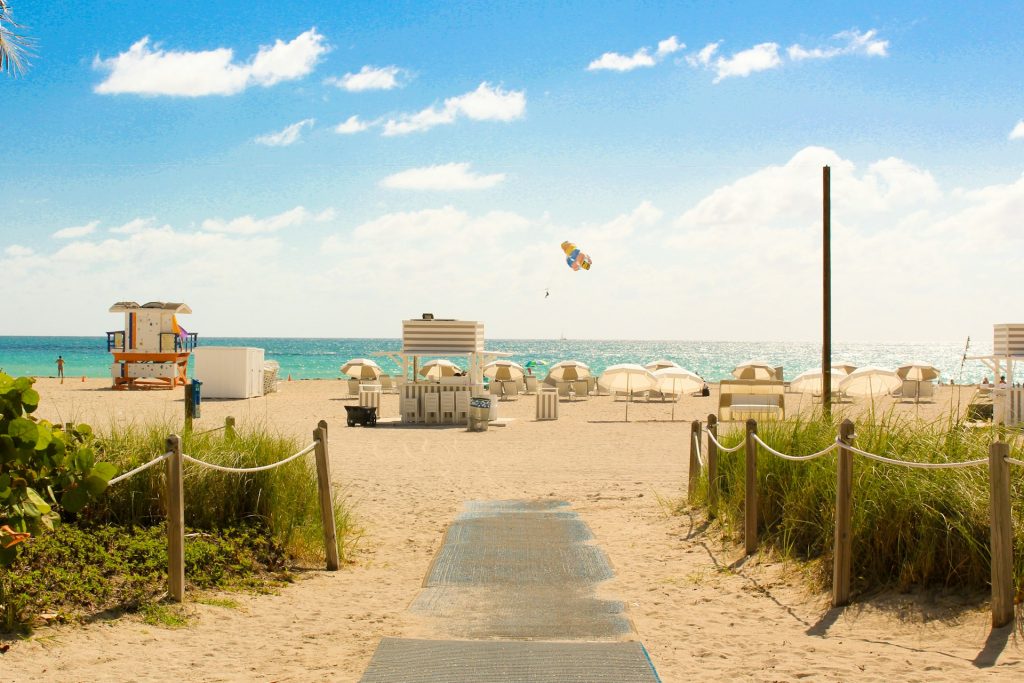
Art Basel week can make Miami Beach feel like one long opening night, with traffic, packed hotels, and reservations that vanish early. After the fair ends, the city softens. Side streets quiet down, the beach returns to morning routines, and the Art Deco district feels like architecture again, not a backdrop. The pace becomes easier to live with, and the ocean stops competing with a scene.
Meals become realistic, and galleries feel approachable without the pressure of being part of a calendar. Service slows into conversation.
Morning light on the sand, a slow walk, and a simple café stop let the city’s color read more natural.
Augusta When The Masters Isn’t Running
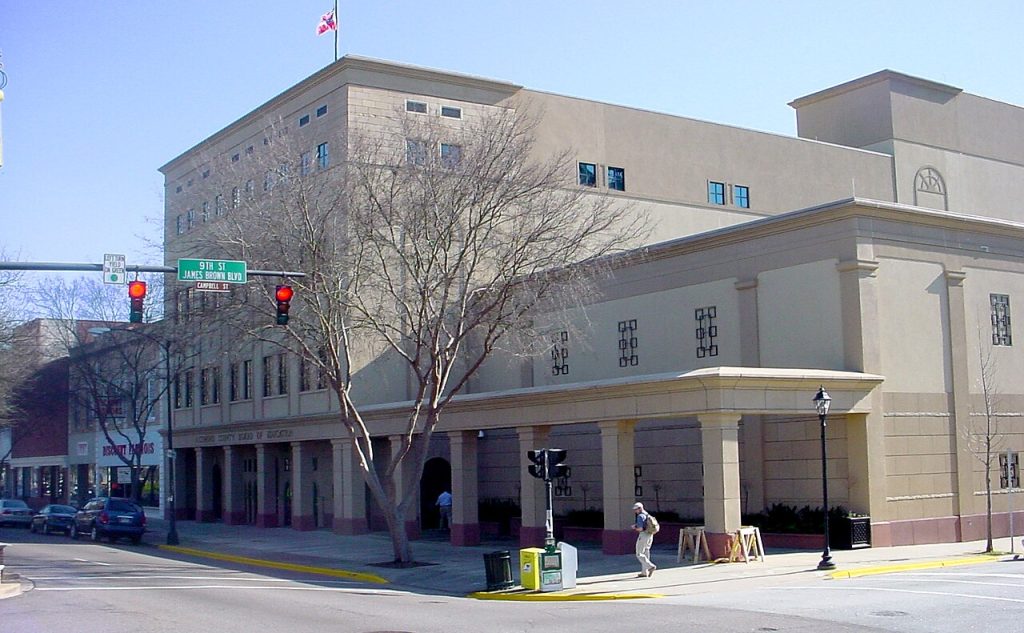
Masters week makes Augusta feel like a temporary capital, with scarce rooms, high prices, and a town tuned to tee times. Outside that early-April crush, Augusta returns to its own scale. Streets quiet down, dinner reservations stop being a competition, and the riverfront becomes a local walk again. The city feels steady, not spotlighted, which suits it. Shops and cafés feel less hurried, and service turns personal.
Historic neighborhoods, small cafés, and parks along the Savannah River become the center, not the background.
A slow morning, an easy museum stop, and an early night create a restorative pace that big-event weeks rarely allow.

