


In 2024, American consumers lost a record US$12.5 billion to fraud, a 25 % increase over the previous year, according to the latest data from the Federal Trade Commission (FTC). This surge happened even though the number of fraud complaints remained roughly the same at 2.6 million. What’s changed is the share of those complaints that resulted in financial losses — rising from 27 % in 2023 to 38 % in 2024.
In other words, scams and deceptive service contracts are becoming more damaging, often targeting vulnerable groups, immigrants, seniors, and low-income households.
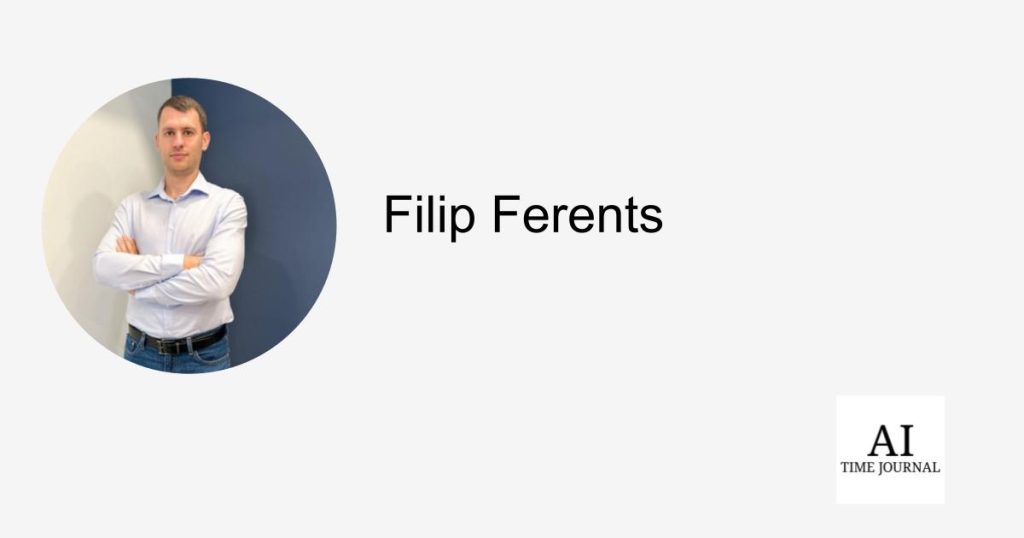
Against this backdrop, legal tech entrepreneur Filip Ferents aims to fill the gap between rising consumer risk and limited access to affordable legal protection.
From Courtrooms to Code — Ferents’ Road to AI Legaltech
Filip Ferents has a robust legal background. He holds a master’s degree and extensive experience in civil, commercial, and labor law. Before moving to the U.S., he handled over 100 cases in Ukraine, protecting consumers, advising businesses, and drafting hundreds of contracts.
Seeing the same pattern repeatedly, clients signing complex or unfair contracts they barely understood, he realized that manual legal support cannot match the scale of modern consumer risks.
His answer: Consumer Protect AI LLC, a platform using artificial intelligence to analyze contracts, detect hidden risks, and help users craft fair agreements before they commit.
As Ferents explains, “People sign millions of contracts daily. AI can perform first-level legal review in real time. Human lawyers then intervene only when disputes require deeper judgment.”
What Consumer Protect AI Does Differently
- Automated Contract Analysis: The platform scans service or digital goods contracts for suspicious clauses.
- Risk Flagging & Safe Templates: It flags unfair or hidden terms and can generate safer contract versions.
- User-Friendly Interface: Designed with accessibility in mind for immigrants, seniors, and users unfamiliar with legal jargon (including voice-mode).
- Pre-emptive Protection: Focus is on prevention, not litigation, catching problems early, before money is lost or services go bad.
This approach aligns closely with the evolving nature of fraud and consumer harm. With $5.7 billion lost to investment scams and nearly $3 billion to imposter scams alone in 2024, according to FTC data, the need for systemic protection could hardly be more urgent.
Recognition, Research & Vision for the Future
In 2024, Ferents was honored with the prestigious American National Quality Mark Award for its work in contract law, consumer protection, and building a robust AI-legal platform. His firm also received a separate accolade from the Cases & Faces Pro community, noting its innovation, social impact, and transparency in legal services.
He is also active academically, publishing studies on AI-driven contract analysis; participating in the global community of innovators via The Ventures Club; serving on the jury of Astraglobal Technologies; and contributing to the editorial board of a scientific journal.
For Ferents, this recognition isn’t just personal; it validates the broader idea: digital legal protection must be accessible, automated, and affordable.
He sees the next wave of development in three areas:
- standardized digital contracts;
- automated “AI-to-AI” negotiations;
- preventive legal tools built into everyday services.
In a world where digital services and home-service contracts proliferate — often laden with hidden traps — his mission is clear: protect consumers before harm occurs.
If 2024’s surge in fraud shows one thing, it’s that individual vigilance isn’t enough. It’s time for scalable, technology-driven legal protection.

