


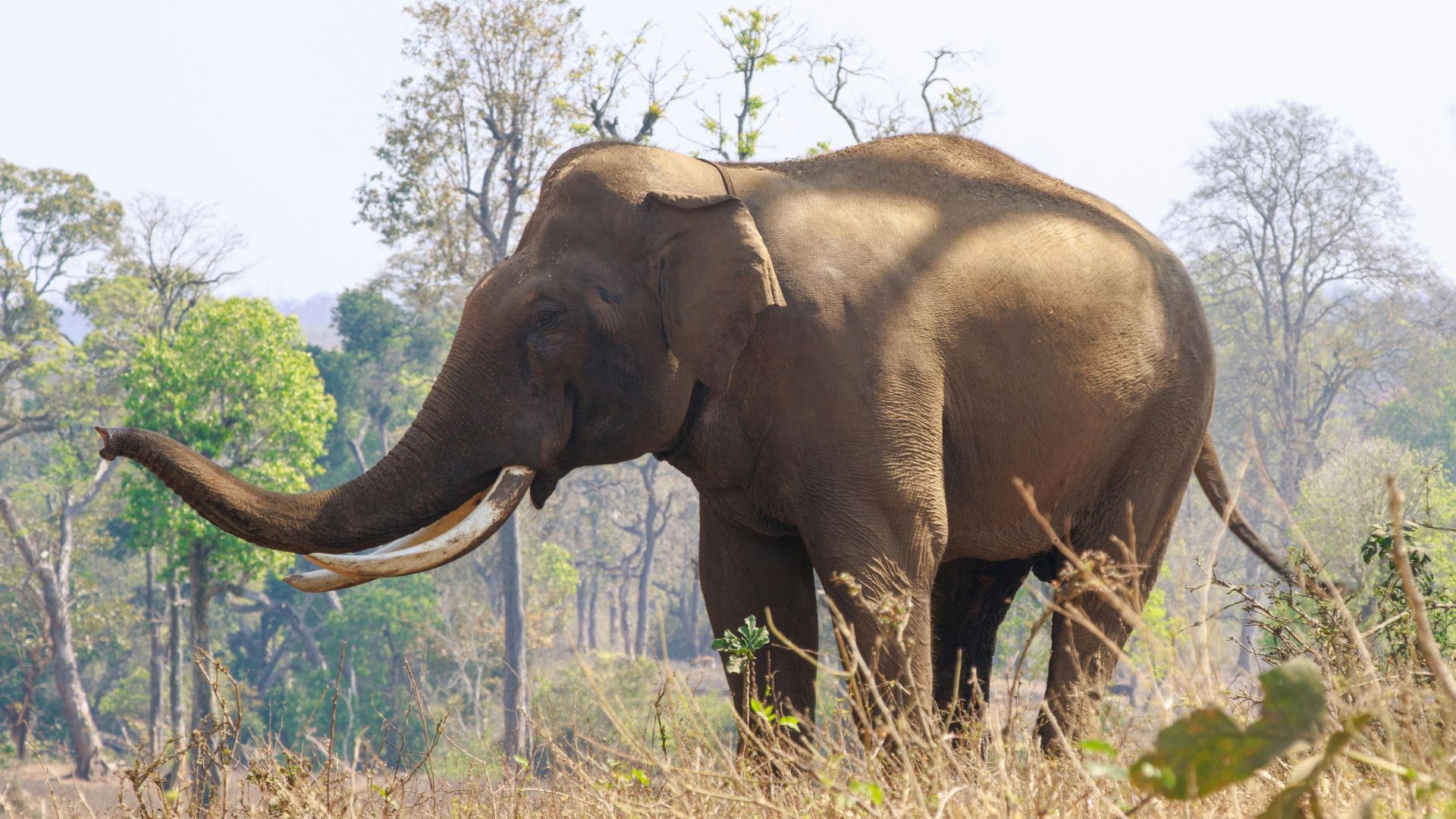
In less than 10 days, a wild elephant has terrorized India in what many consider an “unprecedented situation.” At least 20 people have been killed by the animal, and authorities have yet to find it in the wild.
According to the BBC, Jharkhand, located in eastern India, has suffered the loss of 22 people, a death toll confirmed by other outlets such as The Guardian and The U.S. Sun. Reportedly, the killing spree occurred between January 1 and 9, and the one responsible is a young single tusk elephant.
The first victim was a 35-year-old man in Bandijhari village, located in the West Singhbhum district of Jharkhand. The single tusker didn’t stop there, as he continued to trample his victims, killing them on the spot or leaving them badly injured.
Allegedly, there are four children among the dead, including an eight-month-old baby. Other victims include a 62-year-old man watching over his field, a 52-year-old man sleeping outside his home, and a 34-year-old man killed while returning home.
The victim’s families will receive monetary compensation, authorities announced.
Fearing for their lives, local families have sought refuge by climbing trees or staying on the rooftops. Chaibasa, where the animal was last seen, has been placed on high alert, with its residents being instructed to avoid forested areas and stay at home during the nights.
Authorities have been searching for the wild elephant nonstop, with more than 100 forest personnel frantically looking for the beast. The animal, however, remains at large, and experts estimate that the elephant covers more than 18 miles a day.
It is believed that the animal left its herd and is currently undergoing a mating phase, which would explain its increased aggression. Chaibasa divisional forest officer Aditya Narayan said that three attempts to tranquilize the wild male elephant failed, The Guardian reported. These attempts will continue as forest personnel try to zero in on the wild beast.
Human-elephant conflict in India, unfortunately, is on the rise, with many attributing it to the increasing deforestation, erasure of elephant corridors, and food and water scarcity. As per The Guardian, more than 2,800 people have been killed by elephants in the past five years.
This particular incident, however, is being labeled an “unprecedented situation” by divisional forest officer Kuldeep Meena. He told the BBC that the Jharkhand killing spree is the first of its kind, meaning that there are no records of a single male wild elephant being responsible for a single “pattern of fatalities.”

