


From fears of an “imposter prince” to the end of an
arcane ritual, the curious history behind Britain’s most intrusive
royal tradition
For centuries, the arrival of a royal baby was not considered a
purely private family matter. Instead, it was an affair of state –
one serious enough to require the presence of a Cabinet minister in
the delivery room.
The practice reached its quiet conclusion on Christmas Day 1936,
when Princess Marina, Duchess of Kent, gave birth to her daughter,
Princess Alexandra. In attendance was Sir John Simon, the Home
Secretary, making Alexandra the last member of the Royal Family
whose birth was formally witnessed by a senior politician.
Within a decade, the ritual was abandoned. King George VI judged
the practice unnecessary, and by the time his daughter, the then
Princess Elizabeth, gave birth to Prince Charles in 1948, no
government official was present. Charles thus became the first
senior royal to be born free from ministerial supervision – a small
but significant step towards greater royal privacy.
Sir John Simon would remain the final politician ever to attend
a royal birth.
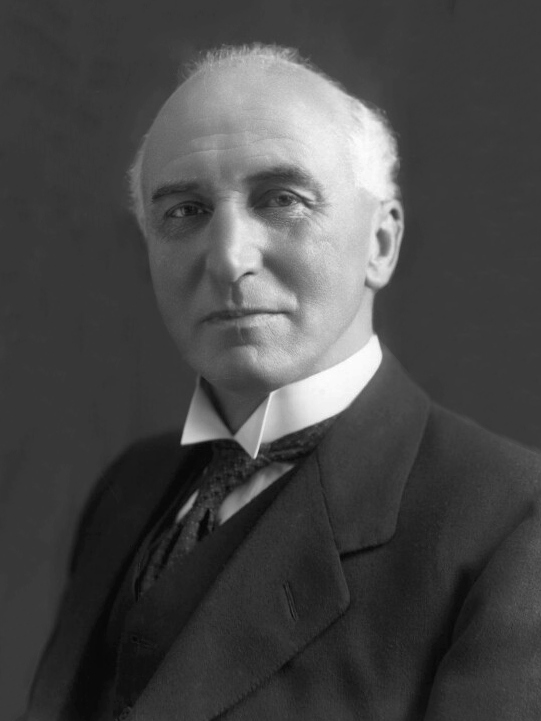
politician to attend a royal birth
The fear that started it all
The origins of the tradition lie in one of the most febrile
episodes in British history. In June 1688, Mary of Modena, the
second wife of King James II, gave birth to a son, James Francis
Edward Stuart. His arrival should have secured the Catholic king’s
dynasty. Instead, it plunged the country into political panic.
James II had converted to Catholicism in the late 1670s,
alarming the Protestant establishment. His brother and predecessor,
Charles II, had insisted that James’s daughters from his first
marriage, Mary and Anne, be raised as Anglicans. But the birth of a
healthy Catholic male heir threatened to upend the succession.
Almost immediately, rumours spread that the child was an
imposter – that Mary of Modena’s baby had been stillborn and
replaced by another infant smuggled into the royal bedchamber in a
warming pan. The boy would later become known to history as the
“Old Pretender”.
The allegations were politically useful. William of Orange,
married to James’s Protestant daughter Mary, cited doubts over the
legitimacy of the birth when he invaded England later that year.
James II fled the country on Christmas Eve 1688, and Parliament
declared that he had abdicated. William and Mary were installed as
joint monarchs in what became known as the Glorious Revolution.

nicknamed the Old Pretender, was feared by many to be an imposter
baby
Births as matters of state
In the aftermath, it was decided that no such uncertainty would
be allowed again. Henceforth, the birth of any royal heir would be
witnessed by senior politicians to certify that the child was
genuine and entitled to the throne.
By the late Victorian era, the procedure had become more
streamlined. When the future Queen Mary gave birth to her first
child in 1894, Queen Victoria ruled that the presence of the Home
Secretary alone would suffice. The births of Queen Elizabeth II and
her sister, Princess Margaret, were both duly observed in this
manner.
Yet by the mid-20th century, the ritual had come to seem
archaic. Advances in medicine, changes in constitutional practice,
and shifting attitudes to privacy rendered it obsolete.
Princess Alexandra’s arrival in 1936 marked the end of a
centuries-old suspicion – and the last time the British state felt
compelled to stand watch over the royal nursery.

