For those yet to fall in love with the horror genre, these classic movies are the perfect introduction. These classics laid the foundation for modern horror, proving it could be artistic, subversive, emotional, and even fun. For newcomers, they offer the perfect gateway into the genre’s depth and variety.
Horror has existed since the earliest days of cinema, influencing swathes of filmmakers for generations. Yet the genre is still unfairly sidelined and derided by mainstream media. What makes these movies endure isn’t just their ability to frighten, but their craftsmanship.
From groundbreaking visuals and unforgettable performances to bold narrative risks and lasting cultural influence, each film expanded what horror was capable of achieving on screen. Together, they show why the genre has remained so powerful. They aren’t merely important films, they’re essential viewing that can turn casual viewers into lifelong horror fans.
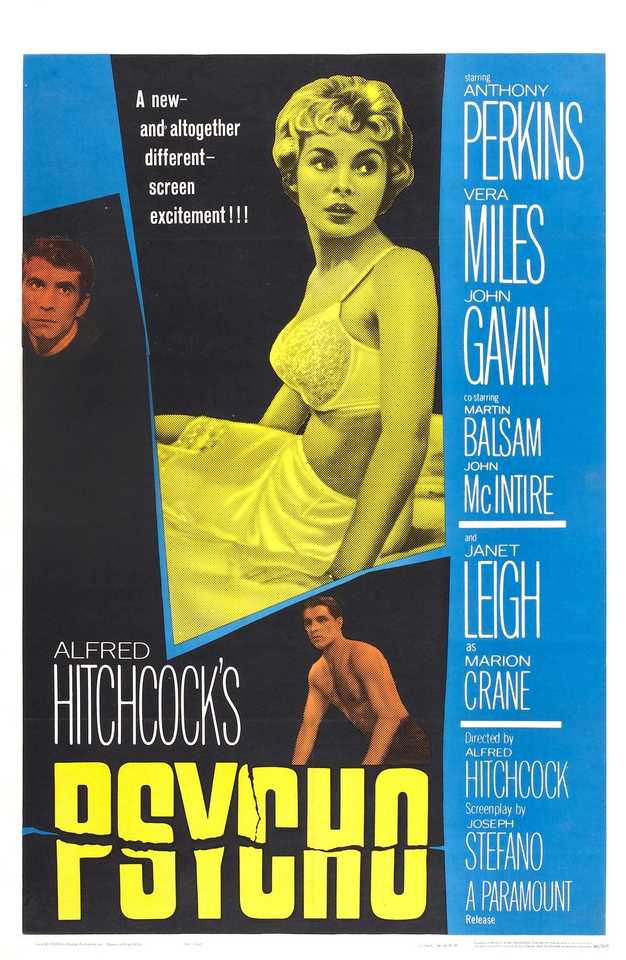
Psycho (1960)

Alfred Hitchcock’s Psycho remains more than just one of greatest horror masterpieces, but one of the best movies ever. Rather than relying on overt scares, the film subtly infuses dread into what initially feels like a crime thriller, slowly tightening tension through atmosphere, framing, and suggestion. This approach makes the horror feel inescapable rather than sensational.
Psycho’s infamous mid-movie twist shattered audience expectations in a way few films had dared before. By abruptly removing its apparent protagonist, Psycho rewrote narrative rules and invented many of the slasher genre’s core principles. Viewers were left unsettled, unsure of where the story could possibly go next.
Bernard Herrmann’s shrieking score became inseparable from the film’s identity, cementing Psycho as a cultural touchstone. Its legacy continues to shape horror storytelling. Psycho proves how terrifying restraint, psychology, and sheer cinematic craft could be.
The Cabinet Of Dr. Caligari (1920)

The Cabinet of Dr. Caligari is widely regarded as the first feature-length horror movie, and its impact remains staggering more than a century later. Its expressionist visuals, painted sets, and warped perspectives create a nightmare world unlike anything that existed before it. The film feels handcrafted, surreal, and completely committed to its unsettling aesthetic.
Beyond its visuals, The Cabinet of Dr Caligari is remarkably layered. Its narrative structure introduced the twist ending to horror, a device that continues to define the genre today. The story’s framing and unreliable perspective are still debated and analyzed, revealing new interpretations with each viewing.
Anchored by striking central performances, Caligari blends psychological horror with bold artistic experimentation. Its unparalleled production design and narrative ambition make it essential viewing. It’s a fascinating historical artifact, as well as a genuinely eerie and intellectually rewarding horror experience.
The Abominable Dr. Phibes (1971)

The Abominable Dr. Phibes is a gloriously camp horror film that revels in its own excess. Vincent Price delivers a wonderfully theatrical performance, embracing the film’s operatic tone while maintaining a sense of menace beneath the humor. The result is a movie that feels playful without sacrificing its macabre edge.
The film’s retrofuturist art deco production design is one of its greatest strengths. Every set feels meticulously crafted, turning each murder sequence into a twisted visual spectacle. Combined with darkly comic set pieces inspired by biblical plagues, the film creates a tone that is both absurd and strangely elegant.
Rather than aiming for pure terror, Dr. Phibes prioritizes style, creativity, and fun. Its self-awareness and commitment to spectacle make it endlessly rewatchable. It’s a glorious reminder that horror can be flamboyant, humorous, and wildly entertaining without losing its identity.
The Invisible Man (1933)

James Whale’s The Invisible Man showcases how early horror cinema balanced innovation, storytelling, and character-driven terror. Featuring a strong supporting cast and groundbreaking special effects, the film still impresses with its technical achievements, especially considering its era. The illusion of invisibility remains convincing decades later.
Claude Rains delivers a remarkable central performance, using only his voice for much of the film. His descent into madness is gradual, frightening, and strangely compelling, turning the character into both victim and villain. The film uses invisibility not as a gimmick, but as a psychological catalyst.
Several sequences remain genuinely frightening, built around suggestion rather than spectacle. Whale’s direction emphasizes paranoia and loss of control, making the horror feel particularly intimate. The Invisible Man stands as a masterclass in how imagination and performance can elevate horror beyond its limitations.
Creature From the Black Lagoon (1954)

Creature From the Black Lagoon is often dismissed as a standard 1950s monster movie, but it offers far more than many expect. Its underwater photography is surprisingly beautiful, capturing the Creature with grace rather than pure menace. These sequences lend the film a dreamlike, almost romantic quality.
The Creature (later named Gill Man) itself is portrayed with unexpected empathy. Rather than being purely destructive, it feels curious, lonely, and tragically out of place. This emotional undercurrent adds depth to the narrative, distinguishing it from other monster films of its era.
While still delivering suspense and thrills, The Creature From The Black Lagoon maintains a sense of wonder and adventure. Its pacing and charm make it endlessly enjoyable, proving that classic horror can be heartfelt as well as frightening. It’s a film that rewards viewers looking beyond surface-level scares.
Hellraiser (1987)
.jpg?q=49&fit=crop&w=500&dpr=2 "10 Classic Horror Movies That Will Make You Love The Genre")
While Hellraiser is often remembered for chains, hooks, and extreme imagery, the first film offers something far richer beneath its surface. At its core is a compelling, intimate story about desire, obsession, and betrayal centered on Frank and Julia. This grounded emotional narrative drives the horror.
The Cenobites, though iconic, largely function as supporting figures within this story. Their presence is terrifying precisely because it feels restrained and purposeful. Doug Bradley’s Pinhead stands out immediately, bringing intelligence and authority that transformed the character into a horror legend.
What makes the original Hellraiser so special is its simplicity. The whole story is set within one house with a tiny central cast. Rather than escalating endlessly, it maintains focus and atmosphere, allowing tension to build naturally. Hellraiser proves that effective only needs strong ideas executed with confidence and control.
Bride Of Frankenstein (1935)

Bride of Frankenstein is a rare sequel that surpasses its predecessor in every conceivable way. Camp, funny, visually stunning, and deeply satirical, it expands on the original while playfully subverting it. Its self-awareness was staggeringly ahead of its time.
James Whale leans into parody and meta-commentary, creating a film that comments on its own existence while remaining emotionally compelling. This balancing act gives Bride of Franikenstein a unique tone that feels modern even decades later. It’s both a loving continuation and a bold reinvention.
Several characters became enduring LGBTQ icons, adding to the film’s cultural significance. Beneath the humor lies genuine tragedy and empathy, reinforcing its emotional power. Karloff delivers yet another masterful performance as the tragic monster, further building on the original’s legacy. Bride of Frankenstein is years ahead of its time, making it resonate still decades later.
The Old Dark House (1932)

Another James Whale classic, The Old Dark House is refreshingly subdued and straightforward in its approach to horror. Rather than overwhelming viewers, it gently draws them into its strange, storm-battered setting with confidence and restraint. The simplicity works entirely in its favor.
The Old Dark House invented many haunted house tropes that later became genre staples. Watching it today, those elements feel familiar, but they also carry a cozy, almost comforting charm. Its pacing allows the atmosphere to breathe, creating tension without constant escalation.
There’s an undeniable warmth to The Old Dark House, despite its eerie premise. It feels like the perfect Sunday afternoon horror movie: engaging, stylish, and unsettling in an intriguing way rather than an upsetting way. The Old Dark House demonstrates how minimalism and mood can leave a lasting impression.
The Omen (1976)

The Omen marked a turning point for horror, proving the genre could be prestige cinema. With a large budget, accomplished director, and top-tier cast, the film carried an air of seriousness that elevated its terrifying subject matter. It refused to be dismissed as exploitation.
The story unfolds with chilling inevitability, using suggestion, coincidence, and religious dread rather than constant shocks. Its restrained approach allows tension to build organically, making each revelation feel profoundly disturbing. Jerry Goldsmith’s Oscar-winning score amplifies the film’s ominous atmosphere.
By combining craftsmanship with genuine terror, The Omen helped redefine public perception of horror. It paved the way for future high-profile productions. It helped prove that the genre could be both commercially successful and critically respected without compromising its ability to unsettle audiences.
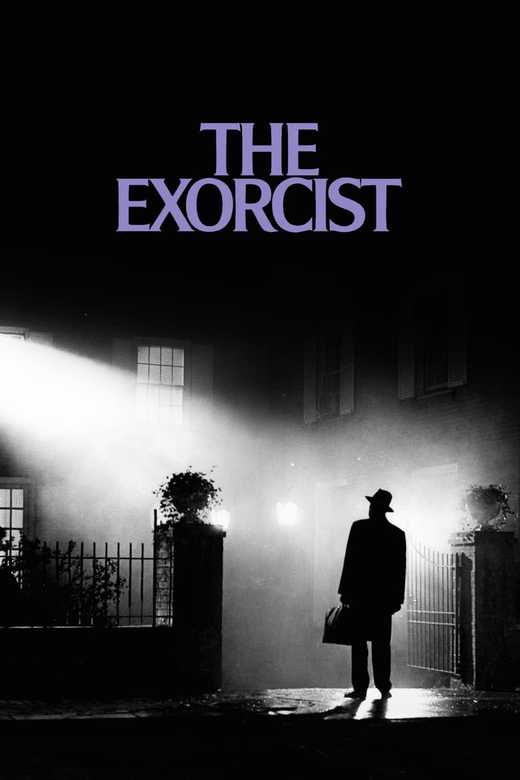
The Exorcist (1973)

The Exorcist transcended horror to become one of the most acclaimed films ever made. Its Best Picture Oscar nomination marked an unprecedented moment for the genre, signaling a shift in how horror could be perceived by critics and audiences alike. What makes the film so terrifying is its meticulous craftsmanship.
Every performance, camera movement, and sound choice feels deliberate. Rather than relying on spectacle alone, The Exorcist grounds its supernatural horror in grief and faith, making the terror deeply personal. This is amplified by the claustrophobic bedroom setting, making the more bombastic moments feel more shocking.
The Exorcist’s cultural impact cannot be overstated. It legitimized horror as mainstream cinema, directly contributing to films like The Omen even existing. Years later, The Exorcist remains profoundly unsettling, proving that expertly made horror can endure as both art and pure, unforgettable terror.
-
Psycho

10/10
- Release Date
-
September 8, 1960
- Runtime
-
109 minutes
-

The Abominable Dr. Phibes
- Release Date
-
May 18, 1971
- Runtime
-
94 minutes
- Director
-
Robert Fuest
- Writers
-
James Whiton
- Producers
-
James H. Nicholson, Louis M. Heyward, Ronald Dunas
-

The Invisible Man
- Release Date
-
November 3, 1933
- Runtime
-
71 minutes
- Director
-
James Whale
- Writers
-
Philip Wylie, Preston Sturges
-

Claude Rains
Dr. Jack Griffin
-

Gloria Stuart
Flora Cranley
-
William Harrigan
Dr. Arthur Kemp
-
Henry Travers
Dr. Cranley
-

Hellraiser
8/10
- Release Date
-
September 18, 1987
- Runtime
-
94 minutes
-

The Old Dark House
- Release Date
-
October 19, 1932
- Runtime
-
72 minutes
- Director
-
James Whale
- Writers
-
Benn W. Levy
-

The Omen
- Release Date
-
June 25, 1976
- Runtime
-
111 minutes
-
The Exorcist
9/10
- Release Date
-
December 26, 1973
- Runtime
-
122 minutes